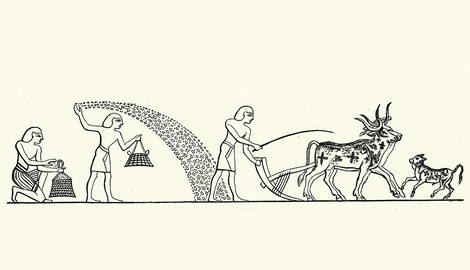
Around 12,000 years ago, human society began to shift from a nomadic, hunter-gatherer lifestyle to a sedentary, pastoralist, and farming lifestyle. This unprecedented change brought with it many advantages as well as disadvantages, as human beings took opportunities, but also struggled to adapt to the massive changes.
This article examines how human beings lived during the Neolithic Period and how they evolved from small, nomadic groups to organized societies, ultimately building the first cities.
A New Stone Age
The Neolithic Era was a transitional phase of human development. It started around 10,000 BCE after the Palaeolithic Era, and was characterized by the movement away from a nomadic lifestyle towards more sedentary living. While the region of the Fertile Crescent was the first to experience this change, it occurred in different parts of the world at different times in prehistory.
The Neolithic Era was also characterized by a huge change in how food was sourced. Hunting and gathering, a lifestyle that existed for about two million years and predated Homo sapiens, gave way to farming crops and cattle.
In the Middle East, where the Neolithic first began, wheat, barley, and legumes were major crops that were cultivated, while sheep, goats, cattle, and pigs were domesticated.
Farms, Villages, and a Host of New Challenges
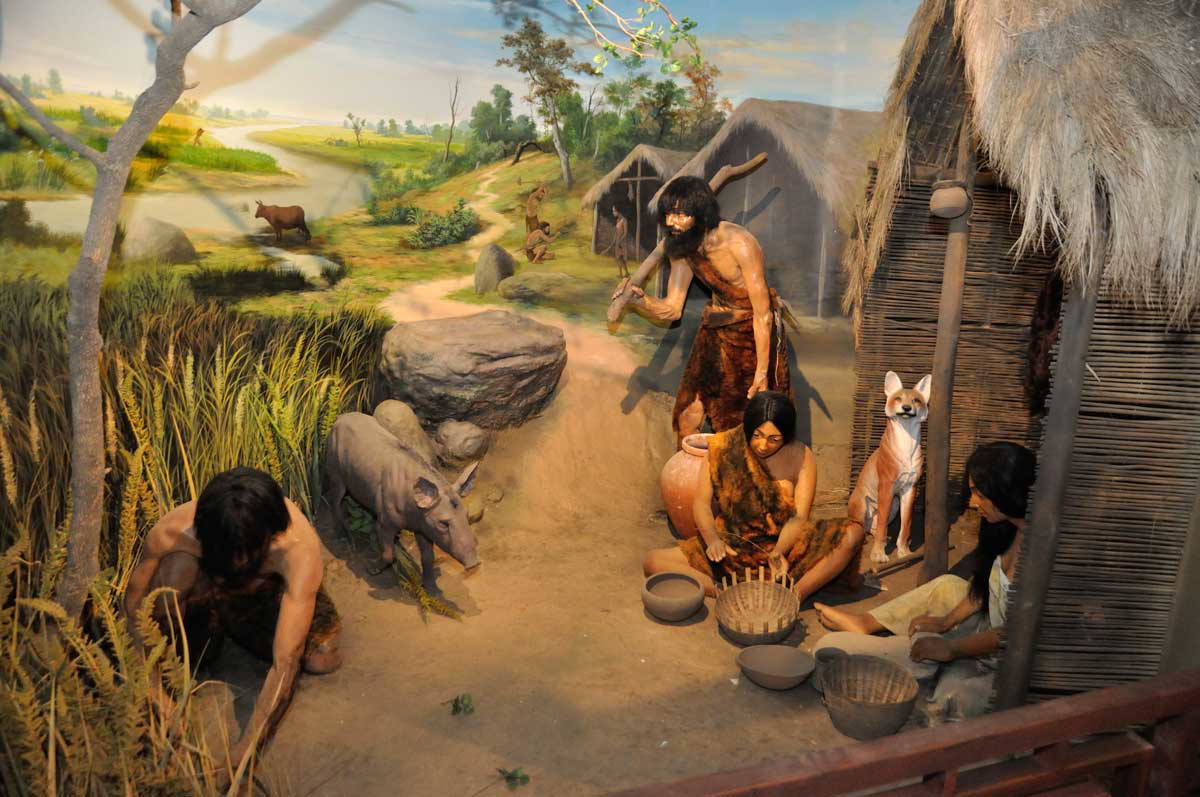
The Neolithic Revolution was not a smooth process, nor was it clear and immediate. It was a gradual transition that took thousands of years and was by no means universal. The lives of those who lived through it, similarly, were not all the same, but were vastly different from their hunter-gatherer predecessors who lived during the Palaeolithic.
One of the biggest changes was that people no longer had to comb the wilderness for food. While hunting and gathering may have supplemented the new lifestyles, the nomadic lifestyle of the hunter-gatherer was on its way out. The opportunity to get food from farming ensured the potential for food security like never before. This led to larger groups living together, as the food output could support bigger populations. While food security is a definite advantage, there were many drawbacks and challenges that developed as a result of the Neolithic transition.

Living in close proximity in larger groups, as well as with domesticated animals, brought with it an increase in disease transmission. Neolithic health suffered as a result, especially since the diet was poorer. The less varied diet led to people being shorter and having less natural immunity to diseases. Dental problems were particularly bad. The new carbohydrate-based diet created a haven for bacteria to thrive in the human mouth, and Neolithic peoples had a far greater number of cavities than their Palaeolithic ancestors.
Medical issues, of course, weren’t the only problems. For the most part, Neolithic societies maintained an egalitarian lifestyle, but villages and towns eventually gave way to cities, and populations became so big that social stratification developed. While some people found themselves benefitting from the changes, the vast majority found themselves laboring away for relatively less reward, especially towards the end of the Neolithic and into the early Bronze Age. While some societies practiced a more egalitarian way of life for thousands of years, there was a trend towards hierarchies that continued on the same trajectory for thousands of years, culminating in Bronze Age monarchies.
Settlement and Daily Work
Before the advent of the Neolithic Revolution, life was a rhythm of constant change. Especially when it came to looking out over the horizon. Nomadic lifestyles ensured that the view was rarely the same. The Neolithic Revolution changed this, and people got used to seeing the same surroundings each day when they woke up.
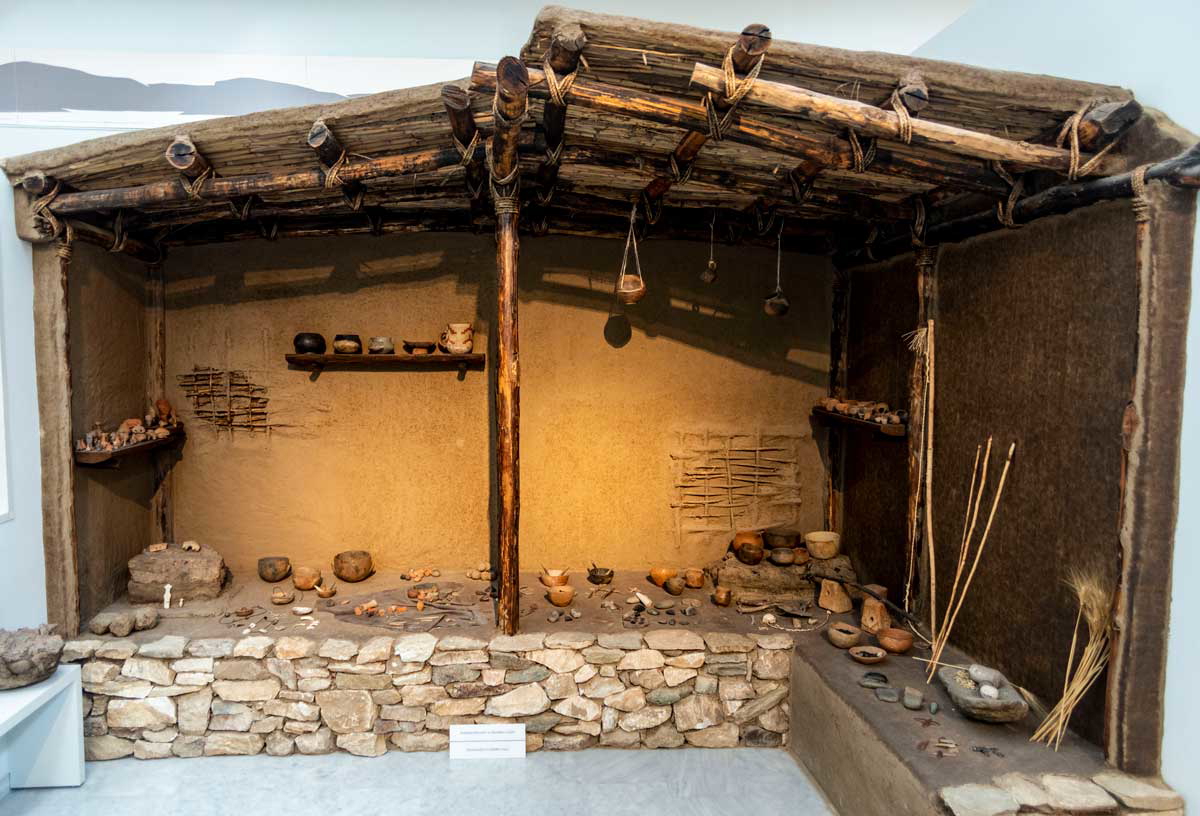
Sedentary living required permanent structures to protect people from the elements. These were the first permanent homes and were made from materials that were locally sourced. Clay, wood, reeds, mud bricks, wattle and daub, and stone were available resources. The Neolithic wasn’t uniform, and different settlements had various contrasts in resources and building techniques. For the most part, however, houses were simple one-bedroom affairs, with a place to cook and a place to sleep. As the Neolithic progressed, the need for more complex buildings arose. Houses were built with multiple rooms, and granaries were commonplace for storing grain, as were silos or storage pits. Enclosures would have also been necessary at this time to keep livestock from wandering.

Instead of food gathering being opportunistic in nature, as it was during the Palaeolithic, food sources now needed to be protected. The role of dogs changed from hunting to guarding, while cats provided invaluable services in keeping grain stores free of rodents. Both these animals also provided companionship.
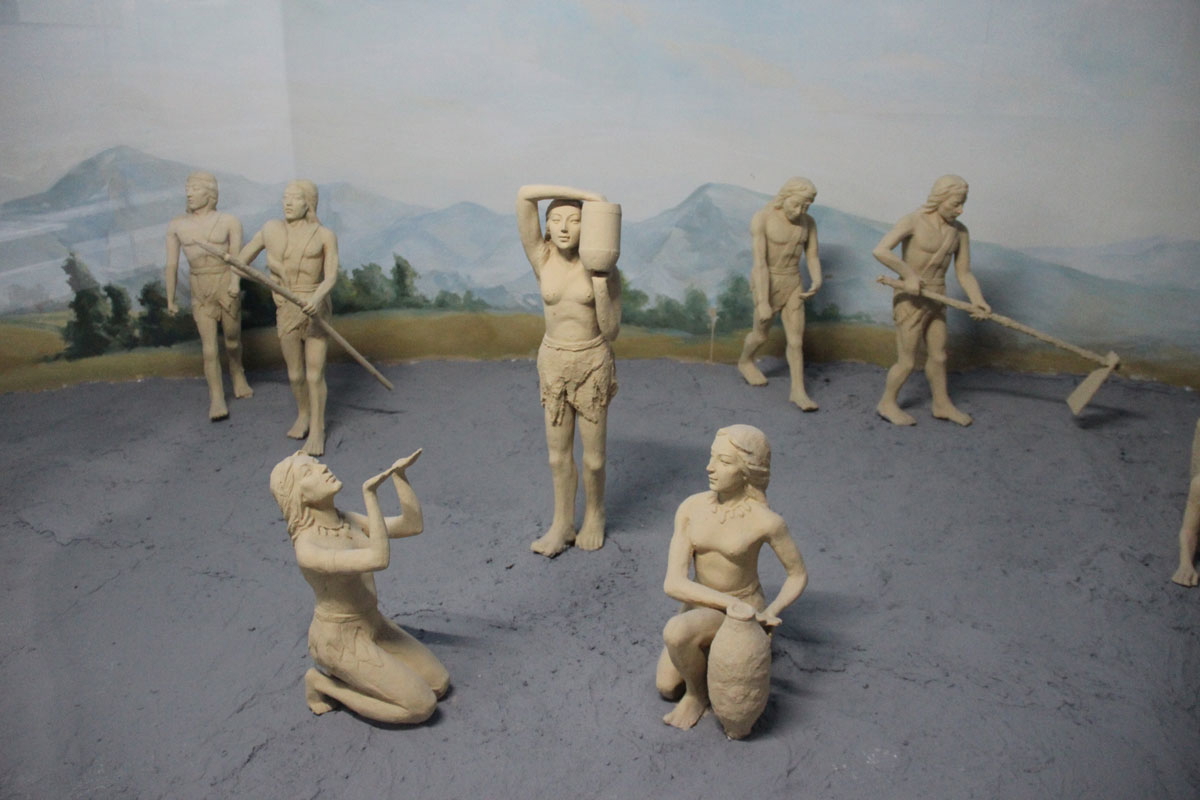
Daily life during the Neolithic revolved around many things, but food cultivation was vital. Grain was one of the main sources of food, and a variety of new tools were invented to process it. Days were often spent sowing seeds, harvesting grain and other crops, or grinding wheat and barley into flour. Other farmers tended to their flocks, while some still took opportunities to hunt and forage. It is important to note that the Neolithic Revolution was not immediate. Hunting and gathering still played important parts in Neolithic culture for thousands of years.
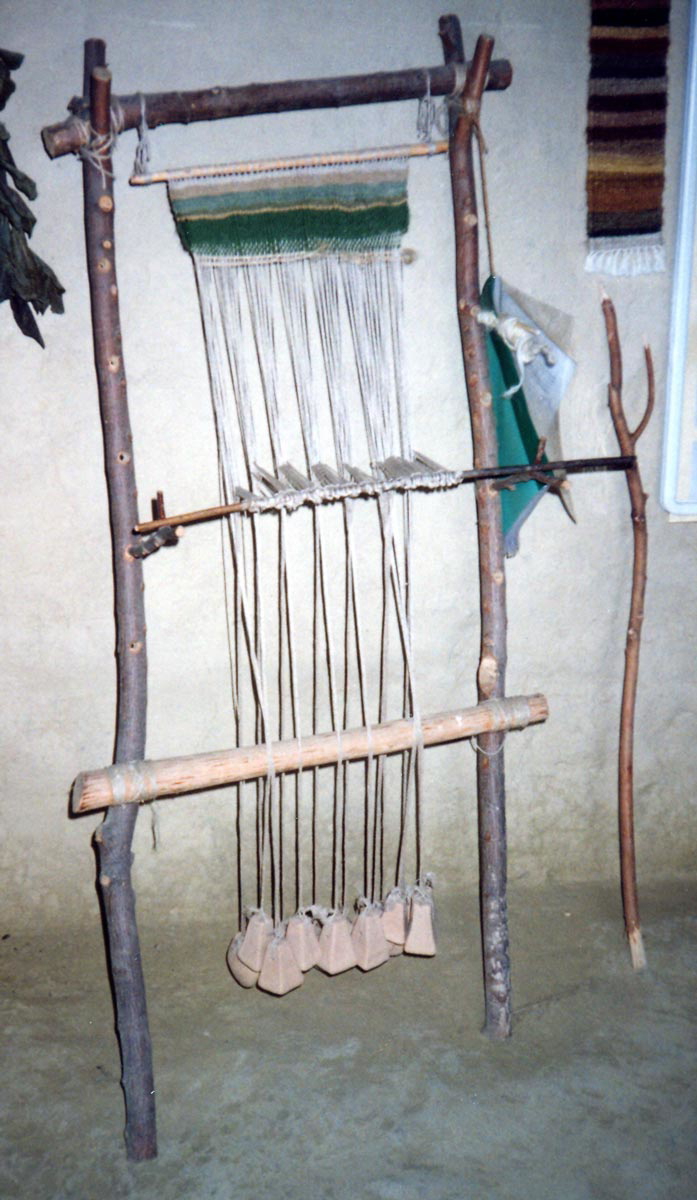
With secure food production, other activities became available that were not directly related to the production of food. Flax and wool were valuable in textile production, providing clothes and blankets. Reeds were woven into baskets. Stone tools were produced in increasing complexity. And of course, clay was turned into pottery, changing the way humans stored and cooked food, and serving as an outlet for artistic expression. The rise of metallurgical practices (especially during the Chalcolithic Age when the Neolithic transitioned into the Bronze Age) also generated a surge in tool making and weaponsmithing, along with intricate jewelsmithing, which had before been characterized by beads and shells.
With the advent of specialized industries came the division of labor, and people found themselves set in particular roles. This included gender roles. With long agricultural histories and advanced technology came a higher rate of fertility and a diminished role for women outside the home, although the exact nature of this is highly debatable.
The Tools That Changed Life
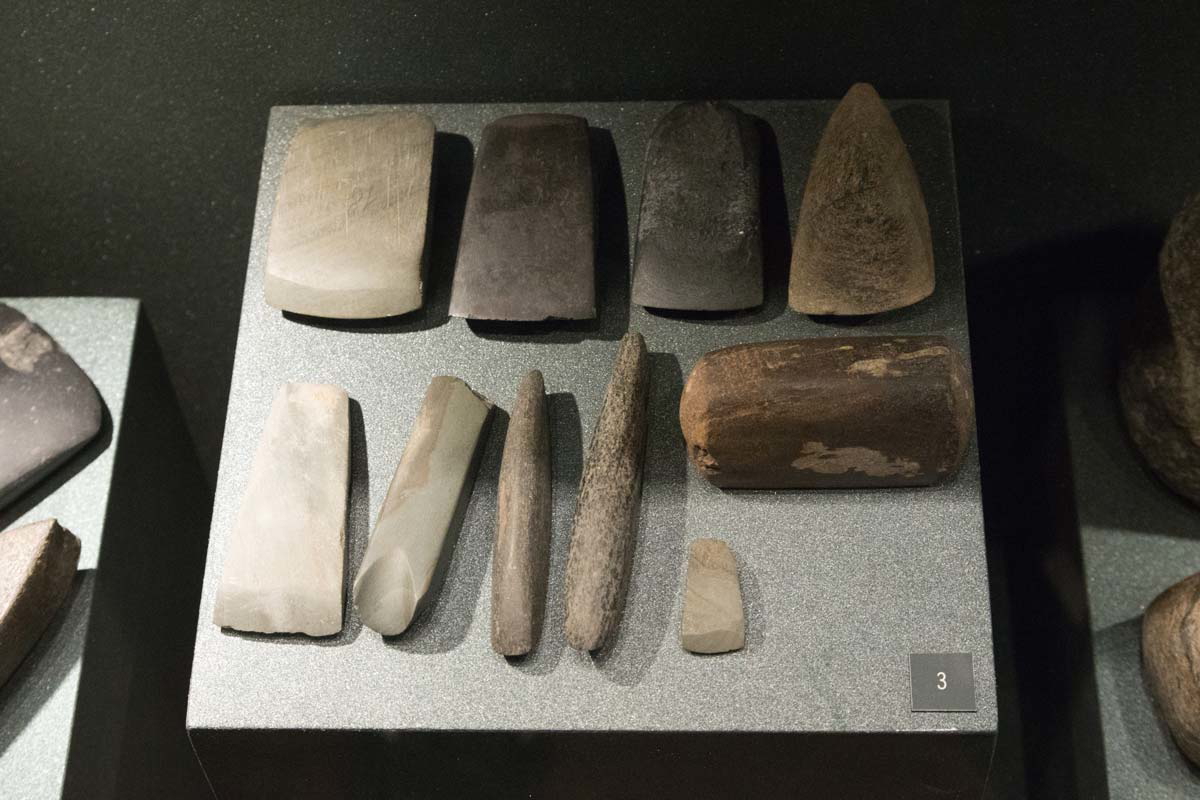
While stone tools continued to play a dominant role, new methods in their production significantly improved their efficacy. Instead of only flaking chips off stone to create the desired shape, stones were also ground and polished into their new forms. These new forms were more durable than their predecessors. Different types of rock were used, each with its own unique qualities, and were traded with other settlements and villages. So important were these tools that they became venerated and were important enough to accompany the dead in their barrows.
Polished stone tools were more efficient in working other materials like wood and leather, and so became the norm. Expanding agriculture also meant the removal of forests, and axes that could clear these trees efficiently were in demand. Specific types of rocks were preferred for different tools, and quarries where certain stone could be found traded in rough stone, which would be polished into shape by the consumer.
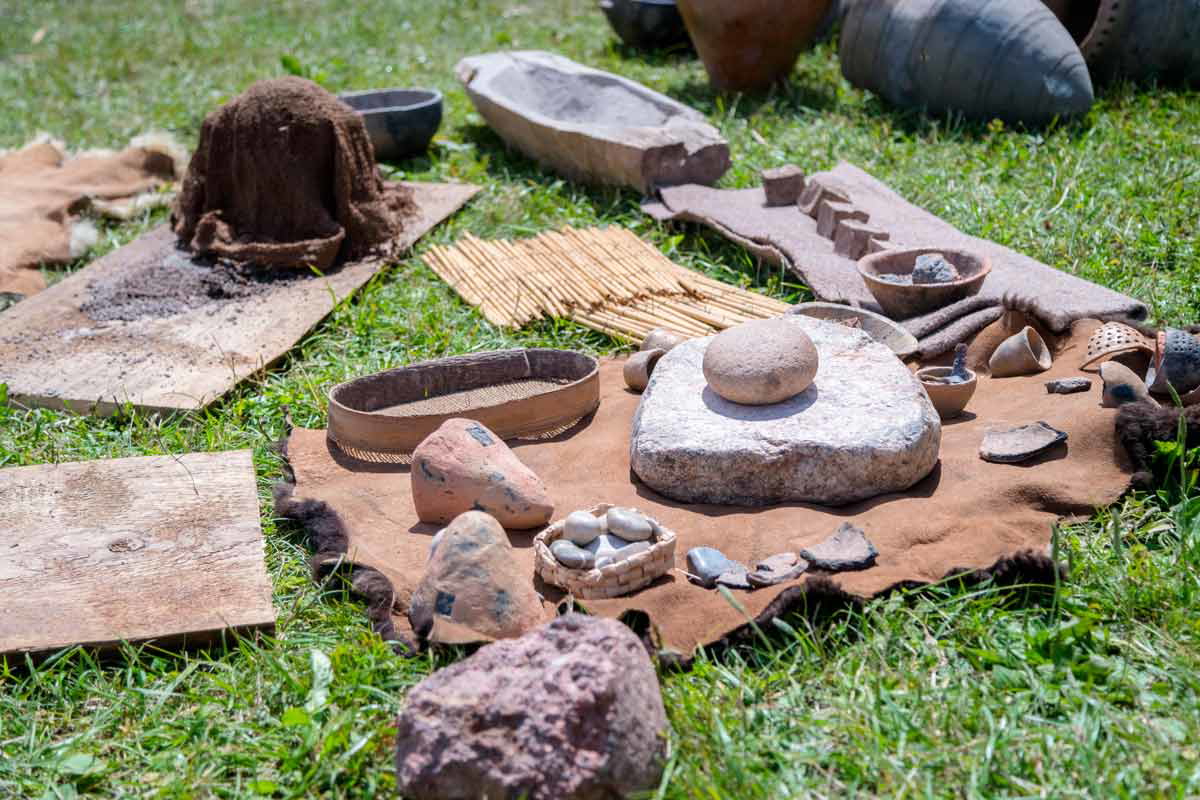
Along with axes and scrapers, there were myriad stone tools such as adzes, sickles, grinding stones, and mortars and pestles for preparing food. Of course, stone wasn’t the only resource used to make tools. Wood, antler, bone, leather, clay, and reeds were also used for various purposes. These indicated a dynamic and varied society in which there were many tasks that needed to be attended to.
Neolithic people engaged in many of these activities, but as the millennia passed and society progressed, people likely became locked into specific tasks, creating implements or trading goods for services.
Changing Cultures and New Beliefs
The Neolithic Era was broad and encompassed changing times. Over the course of its duration, settlements and villages appeared and disappeared. A few transformed into the first cities. Social dynamics in these new places were subject to cultural mores and traditions that were by no means universal.
There were, however, trends that emerged in the way societies operated during the New Stone Age. Many people were required to work on farms, and land ownership was a driving factor in the creation of hierarchies. Nevertheless, there was evidence of communal ways of living, and not all settlements adopted the same practices.
Protecting farms and produce was also a necessity. And if a settlement lacked food or suffered a disaster that destroyed their food supplies, the next best option would be to take it from their neighbor. War in the Neolithic was always a threat. Spears and bows, once used for hunting game, were turned on human targets in an attempt to gain resources and territory from other settlements. There has also been evidence of slavery as well as conflict as a means to secure women.
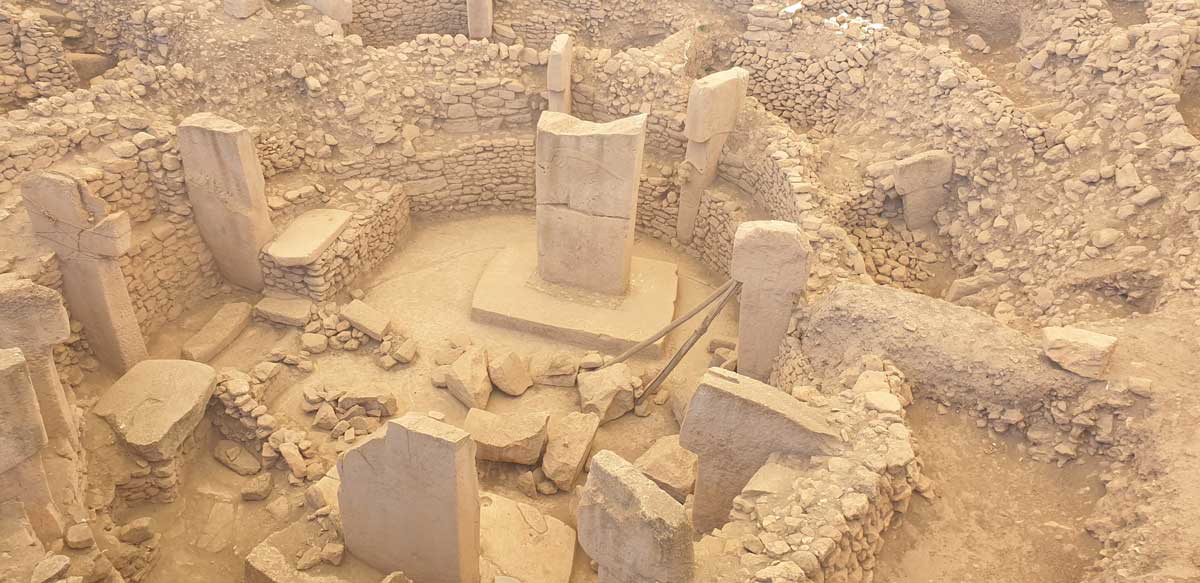
The Neolithic was also a huge time for the advancement of artistic expression. While pottery was generally a vector for this expression, megalithic structures were also important, not just for the creativity that went into them, but for the religious purpose they served and the immense amount of work needed to create them. Such examples include Göbekli Tepe and Stonehenge. Artists need not have focused on the architecturally impressive, however. Clay was used to fashion numerous items, from tools to religious figurines, and even toys.
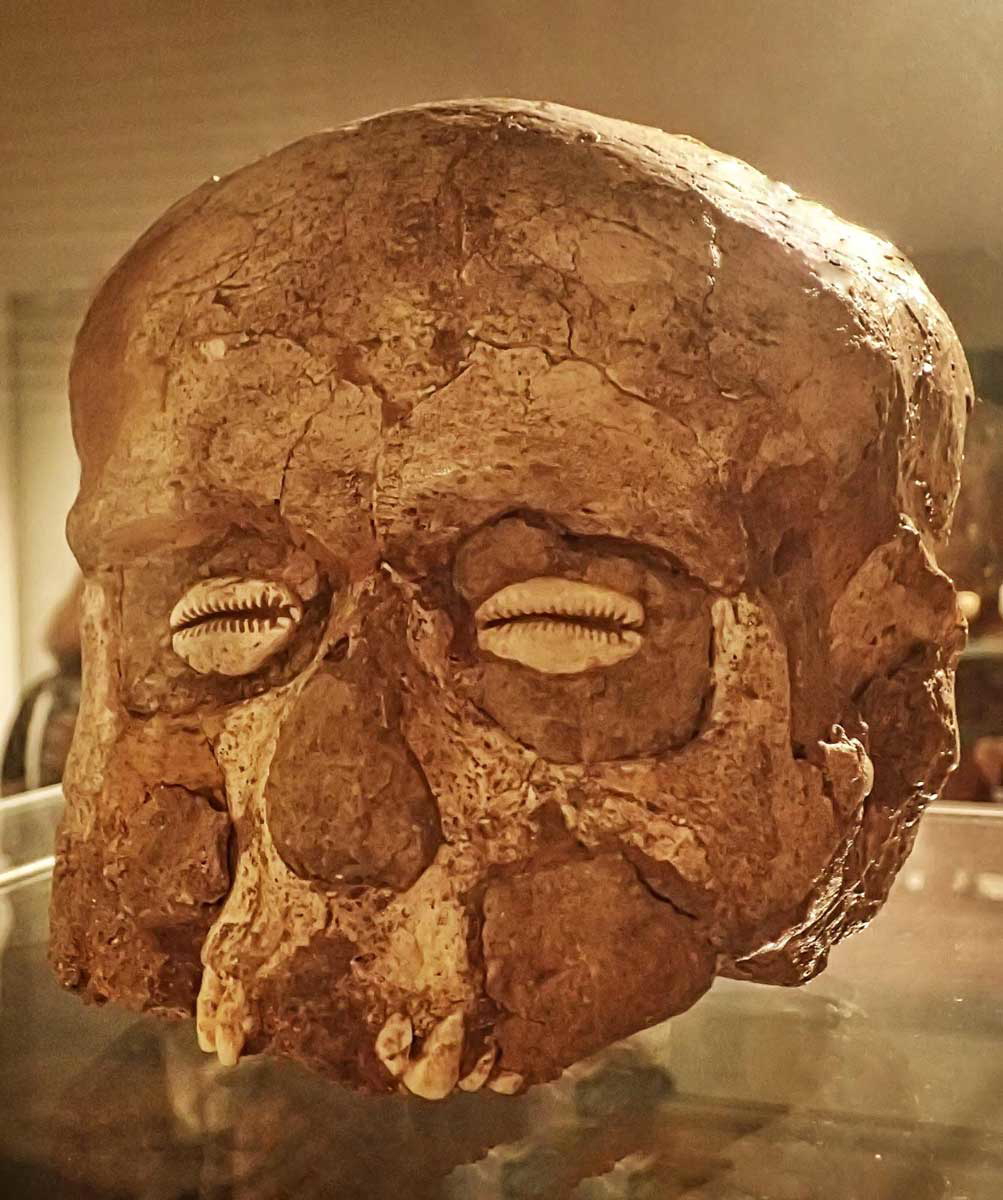
Religion, of course, played a huge part in the lives of Neolithic people. It likely guided social norms and informed day-to-day life in some ways. There was animism and ancestor worship, along with complex burials and burial rites that offer modern humans a glimpse into how Neolithic people viewed the world.
An Enduring Social Fabric
Although many societies during the Neolithic were egalitarian, the Neolithic represented a move towards hierarchical structures that persisted to the present day. Specifically, those with wealth have increased power, while “lower classes” such as workers must sell their labor to survive.
This can be argued to be an innate quality of civilization, the foundations of which were laid when, 12,000 years ago, people decided to sow seeds by the banks of a river. Little did they know they were setting humanity on a trajectory that would upset hundreds of thousands of years of evolution.