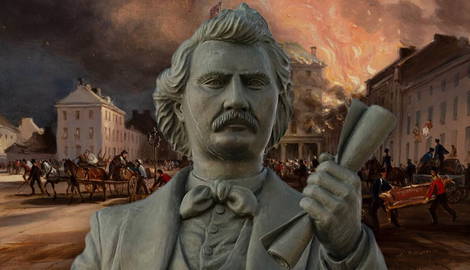
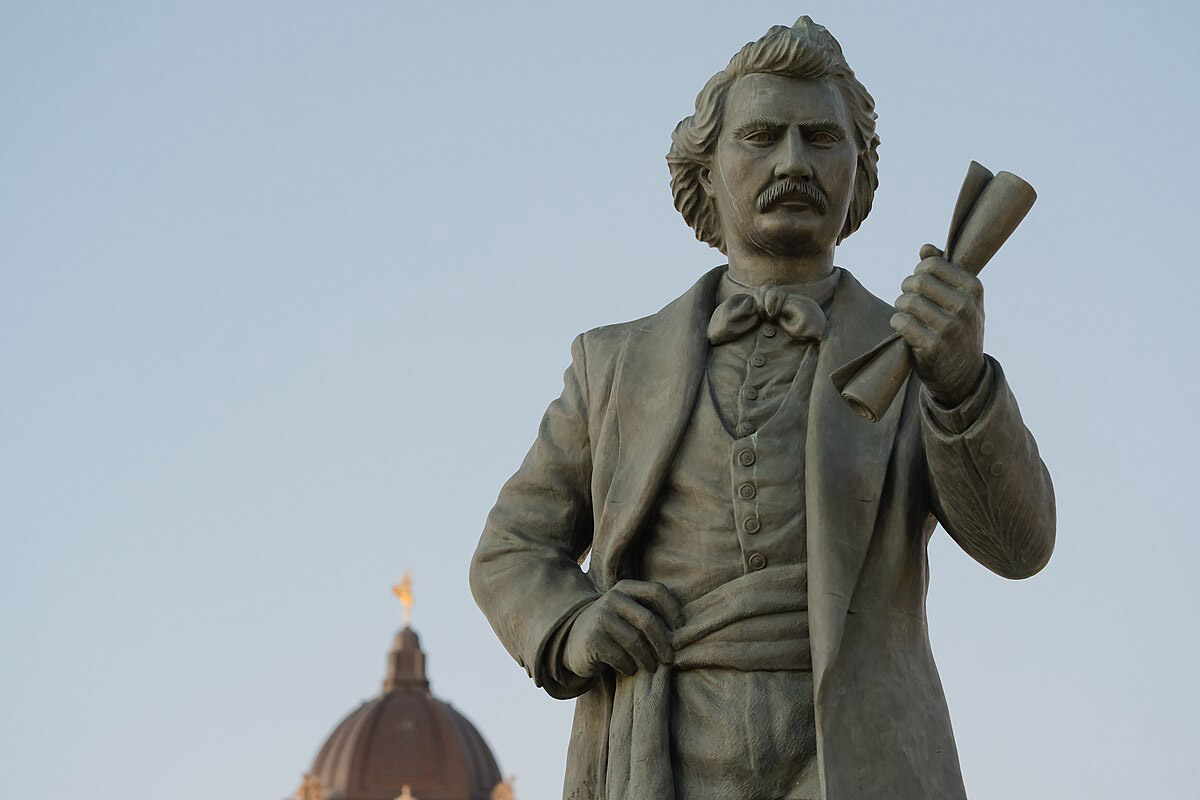
Regarded as a traitor and murderous rebel by the Canadian government, as a hero in Quebec, and a defender of the Métis and the Roman Catholic faith in present-day Manitoba, Louis Riel was a controversial figure in Canada for decades. He led his people, the Red River Métis, through some of the hardest and certainly most decisive years of their history, and the Canadian government hanged him for it. Today Riel is finally recognized as the “First Premier of Manitoba” and a Canadian hero.
Métis: A Controversial Term
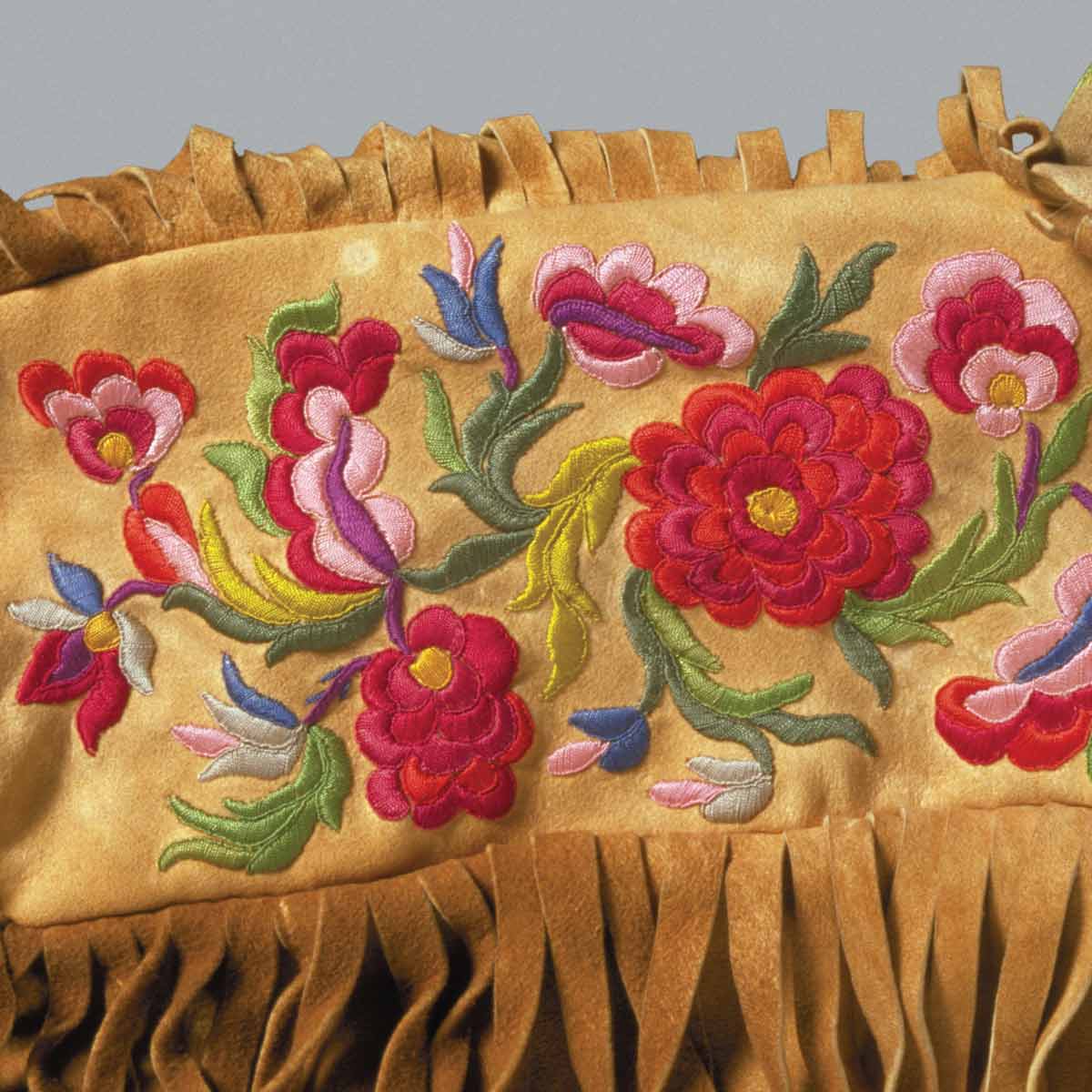
Métis is a French word meaning “mixed” or “person of mixed descent.” However, the term and its proper use remain a controversial issue. Some scholars have argued that any person of mixed ancestry in Canada, that is, any person of European and Indigenous descent, should be considered métis (lowercase). This approach reflects early Europeans’ use of the term. As early as the 17th century, French and British fur traders used métis to refer to people of Indigenous and European (particularly French) ancestry. The problem with this approach is that across Canada there are thousands of communities of mixed ancestry with such different backgrounds, cultures, and histories that they can hardly be grouped under one single label.
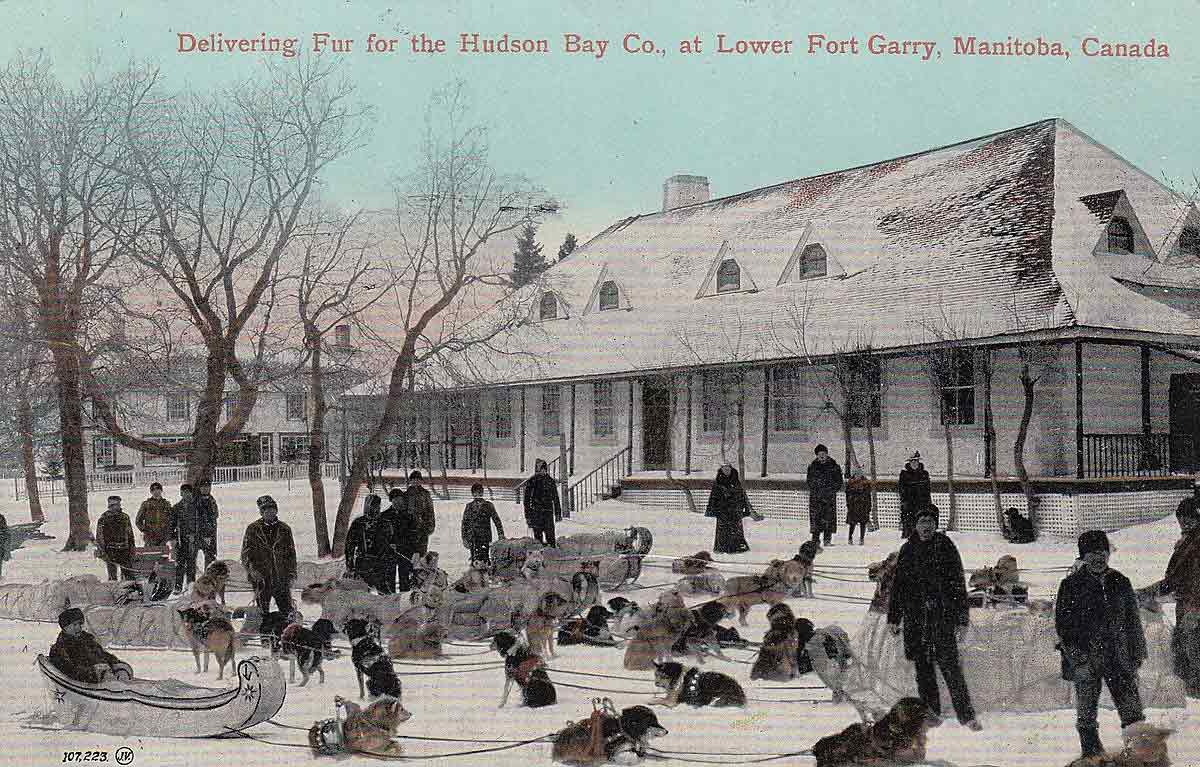
Around Hudson Bay, English and Scottish employees of the Hudson Bay Company often frequented Cree camps and “took” Cree wives, despite the company’s strict policy prohibiting “any mixing of the races,” but they were not the only ones. Similar mixing also occurred between men of the North West Company and Indigenous women belonging to other First Nations. McMillan & Yellowhorn explain that “French fishermen from the Brittany coast left many descendants among the Mi’kmaw and Maliseet. However, these children were never a significant minority and they were raised as Mi’kmaq and Maliseet. No separate social group emerged.” This brings us to the second meaning of being Métis, which is also that embraced by the Métis Nation, whose members continue to proudly claim their uniqueness among First Nations in Canada.
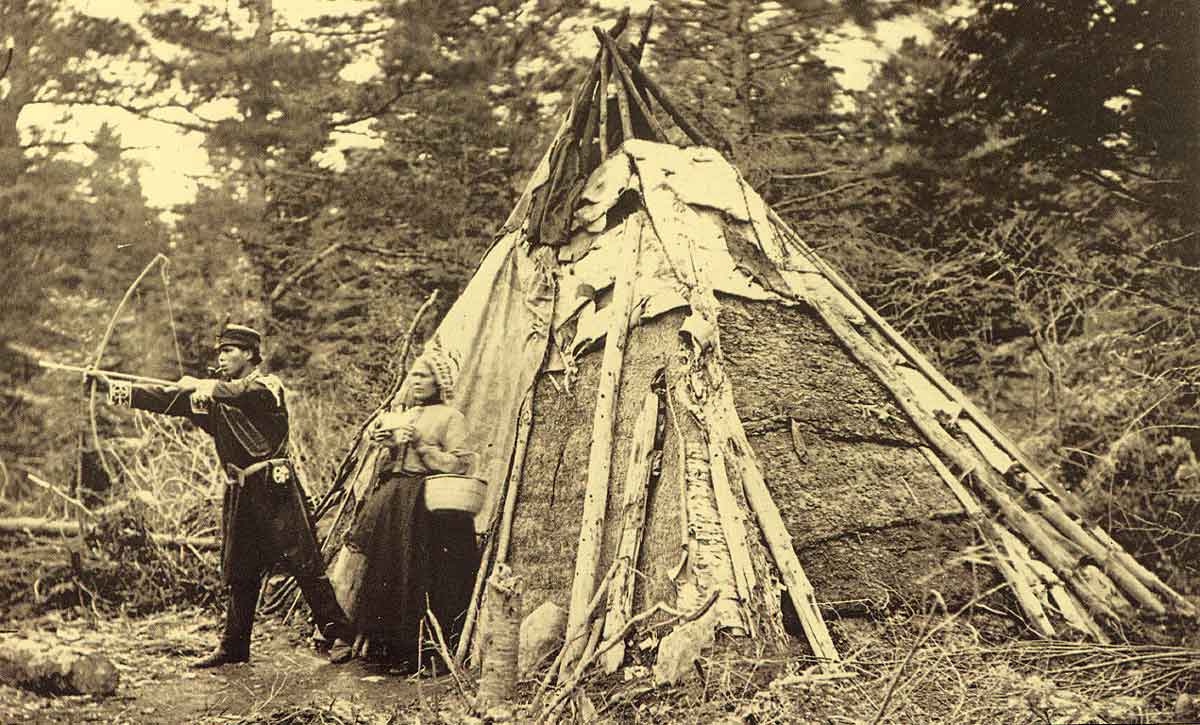
Some scholars maintain that only people of Cree and French-Canadian descent who have a direct connection to the Red River Valley community in Manitoba, in the Winnipeg area, should be called Métis. In this case, one’s proven connection to the Red River settlement, to a specific place in Canada, is the necessary requirement to be identified as part of the Métis Nation (spelled with a capital “M”). In this sense, the term Métis “relates to a community of people who self-identify as being Métis and recognizes that their ancestors made a political decision to identify as Métis based on shared histories and culture,” as explained by the Indigenous Peoples Atlas of Canada. Indigenous communities in Eastern Canada, particularly in Ontario and the Atlantic Provinces, have protested what they consider a narrow and possibly discriminatory definition.
Who Are the Métis?
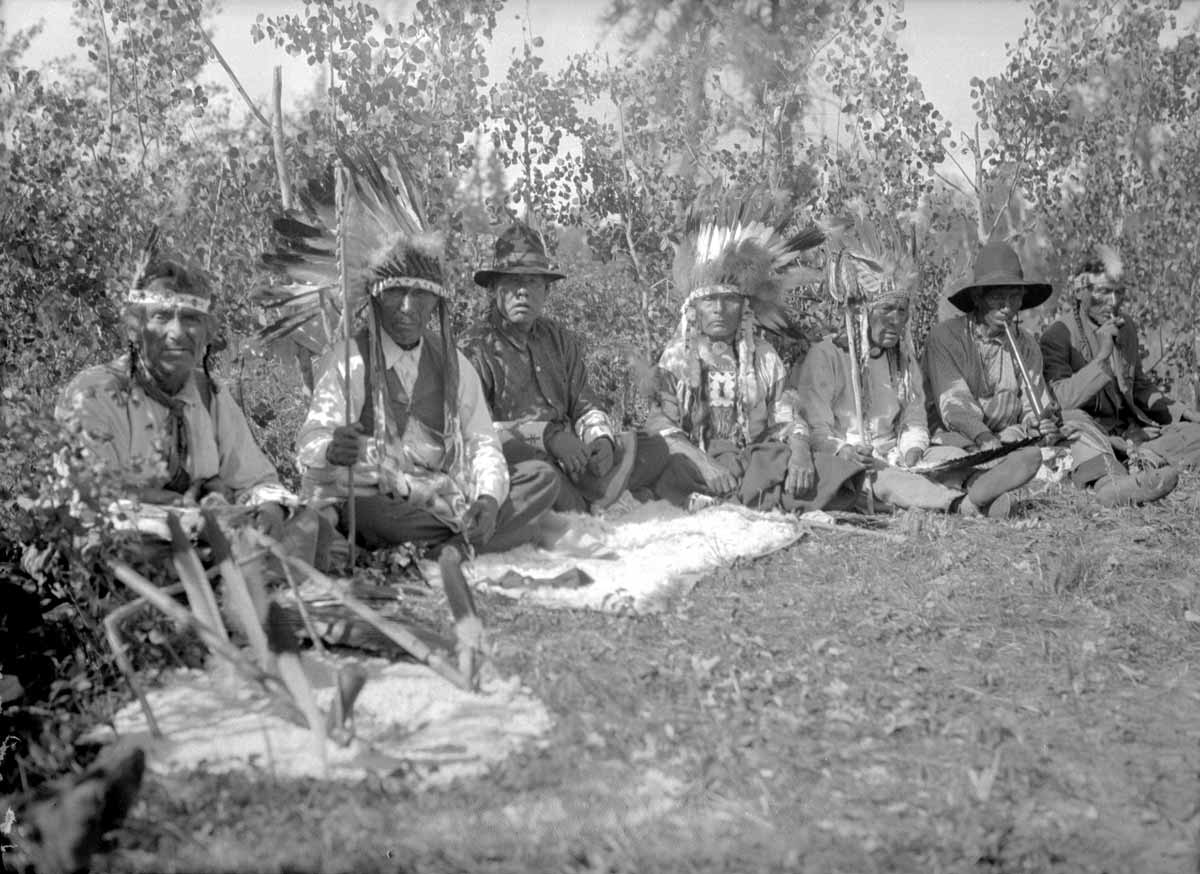
The Métis Nation, also known as the Red River Métis, originated largely in the Red River Valley, near the confluence of the Red and Assiniboine Rivers, after French fur traders and employees of the Hudson’s Bay Company came into contact with Cree bands and decided to marry Cree women and build a life with them, despite opposition from the company they worked for.
Today, Métis homelands encompass the three Canadian Prairie Provinces, namely, Alberta, Manitoba, and Saskatchewan, and extend into contiguous parts of British Columbia to the west, the Northwest Territories to the north, Ontario to the east, and the northern United States to the south, including North Dakota and Montana. Although there are some Métis in the United States as well, the largest Métis communities still live in present-day Canada.

Métis are formally recognized under the Constitution Act of 1982 as “one of Canada’s Aboriginal peoples,” along with the Inuit and First Nations. The history of the Métis is inseparable from that of the fur trade, so much so that historians sometimes call them “children of the fur trade.” Métis trappers profited from selling furs to three (competing) fur trade companies. These were the American Fur Company, the aforementioned Hudson’s Bay Company, and the North West Company (although the latter two merged in 1821 and continued to operate as a new entity under the name of Hudson’s Bay Company).
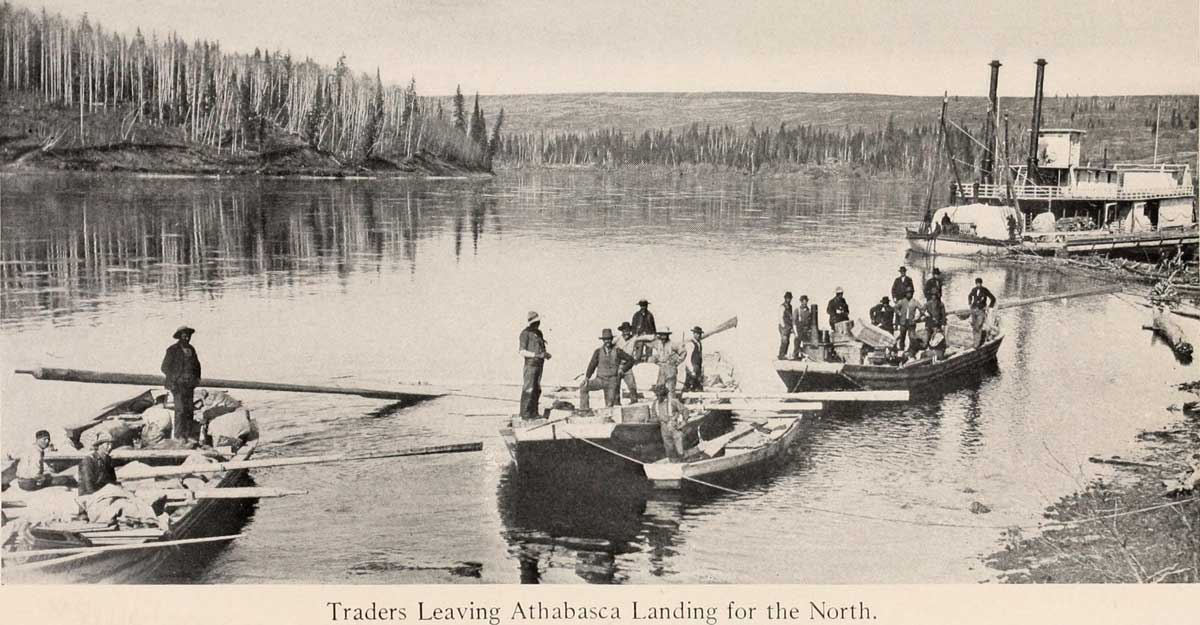
After 1821, many Métis trappers became free traders. Some began working as boatmen, paddling huge fur trade canoes and York boats up the rivers from Montreal (Québec) to Fort William (Ontario), and then into what are now the Prairie provinces, northern Alberta and southern Northwest Territories.
As steady revenues from the fur trade declined, demand for bison robes and hides increased. Riding their carefully trained horses, known as “buffalo runners,” the Métis would go on two major hunts a year. The first took place in the fall, the other in late spring (or early summer). The men would hunt, riding at full gallop alongside the bison and killing as many as ten on one single run. The women would follow in their Red River carts to bring the carcasses back to camp and start working on them.
The Pemmican Proclamation
To promote peace between First Nations and Europeans, in 1811, Saulteaux Chief Peguis (1774-1864) signed a treaty with Lord Selkirk (1771-1820) that allowed European settlers to move into southern Manitoba. The treaty led to the creation of the Selkirk Colony (also known as Assiniboia) at the confluence of the Assiniboine River and Red River. This enraged the Métis, who claimed these lands as their own through their Cree ancestors.
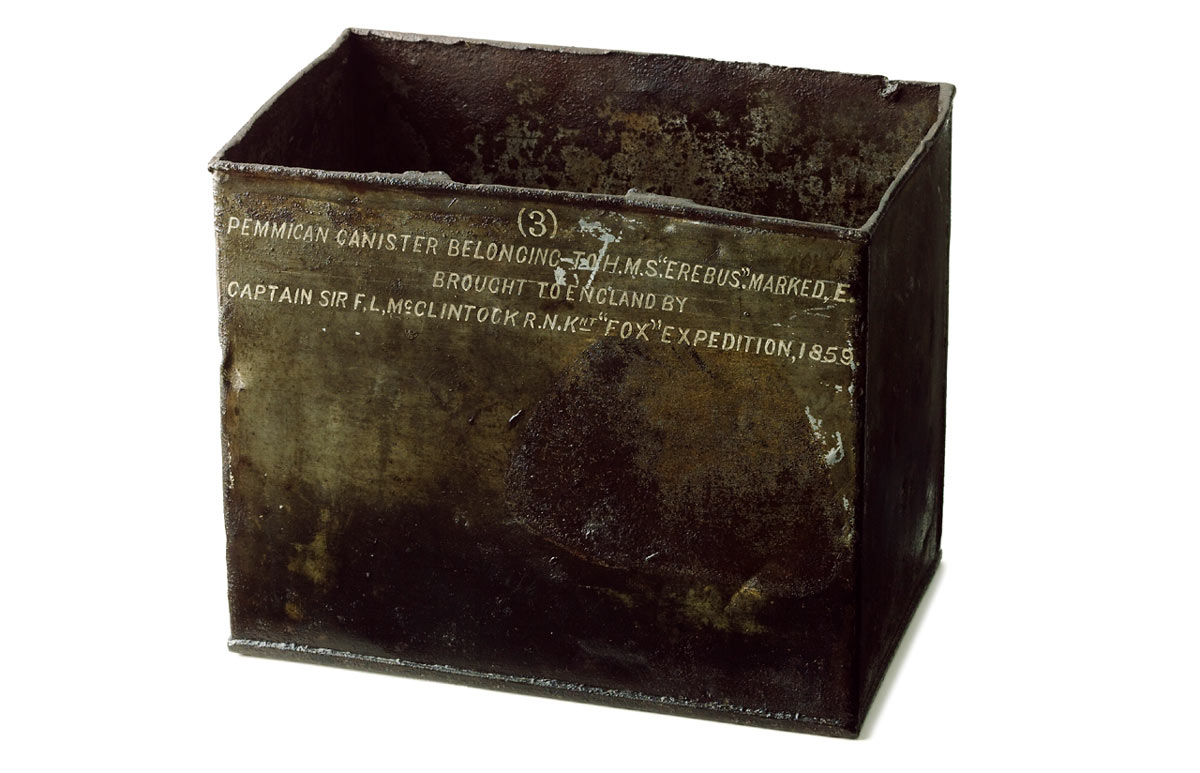
The colony encompassed portions of present-day southern Manitoba, small parts of eastern Saskatchewan, northwestern Ontario, and, in the United States, part of Minnesota, North and South Dakota. As the “Selkirk” settlers poured into the area, the appointed governor of Assiniboia, Scottish-born Miles Macdonnell (1767-1828), issued the so-called Pemmican Proclamation, which some historians consider the starting point of Métis nationalism. The Proclamation severely restricted, among other things, the Métis’ freedom to hunt bison and to export any provisions, mainly pemmican, for one year.
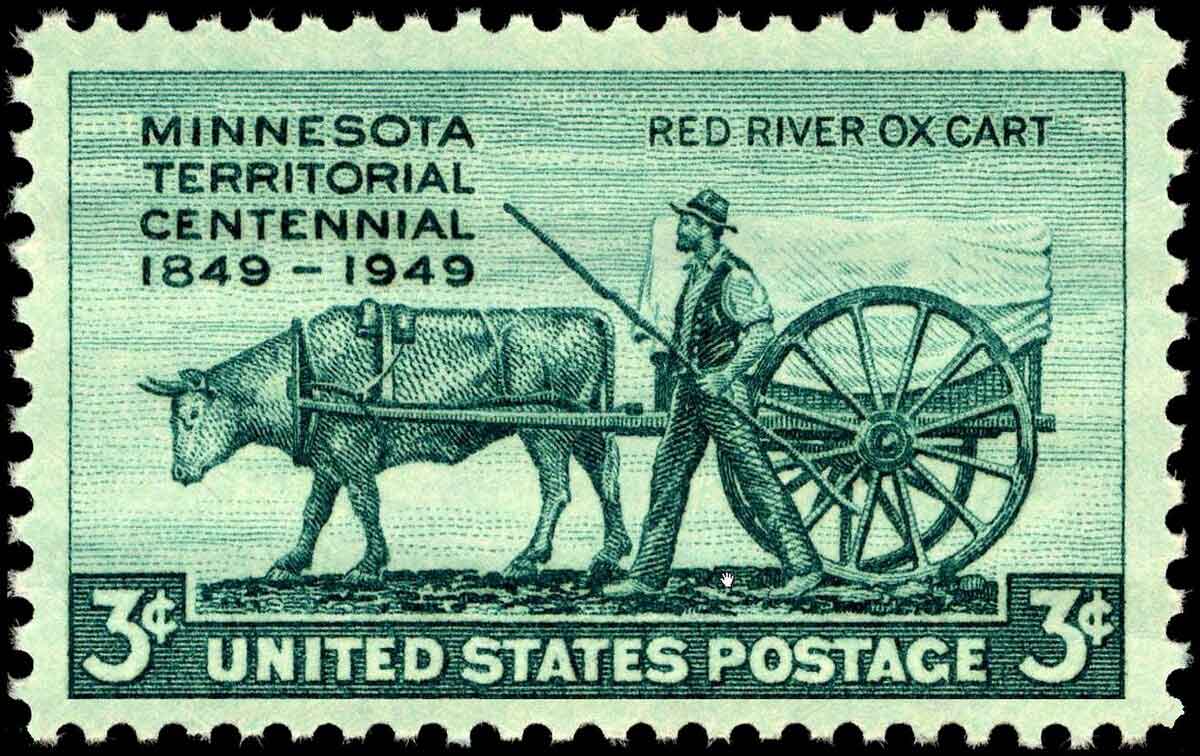
In response, the Métis continued to hunt bison herds on horseback and trade pemmican. They also ordered the deportation of the “Selkirk” settlers and arrested Macdonnell. Finally, in 1815, the Hudson Bay Company ordered settlers to leave the colony.
Tensions continued to grow between HBC and the Métis, as well as between the Hudson Bay Company and its rival, the North West Company. They culminated in the Battle of Seven Oaks, or, as the Métis called it, the Victory of the Frog Plain (in French, la Victoire de la Grenouillère, after La Grenouillière, the Métis name of Seven Oaks). It took place on June 19, 1816, near present-day Winnipeg. The Métis, led by Cuthbert Grant (1793-1854), fought alongside employees of the North West Company. To celebrate their decisive victory, they raised the flag of the Métis Nation. It was the first time they publicly asserted their sovereignty, their group identity, and their uniqueness as a new nation, la Nouvelle Nation, distinct from both the Europeans and the First Nations.
Louis Riel and the Red River Resistance
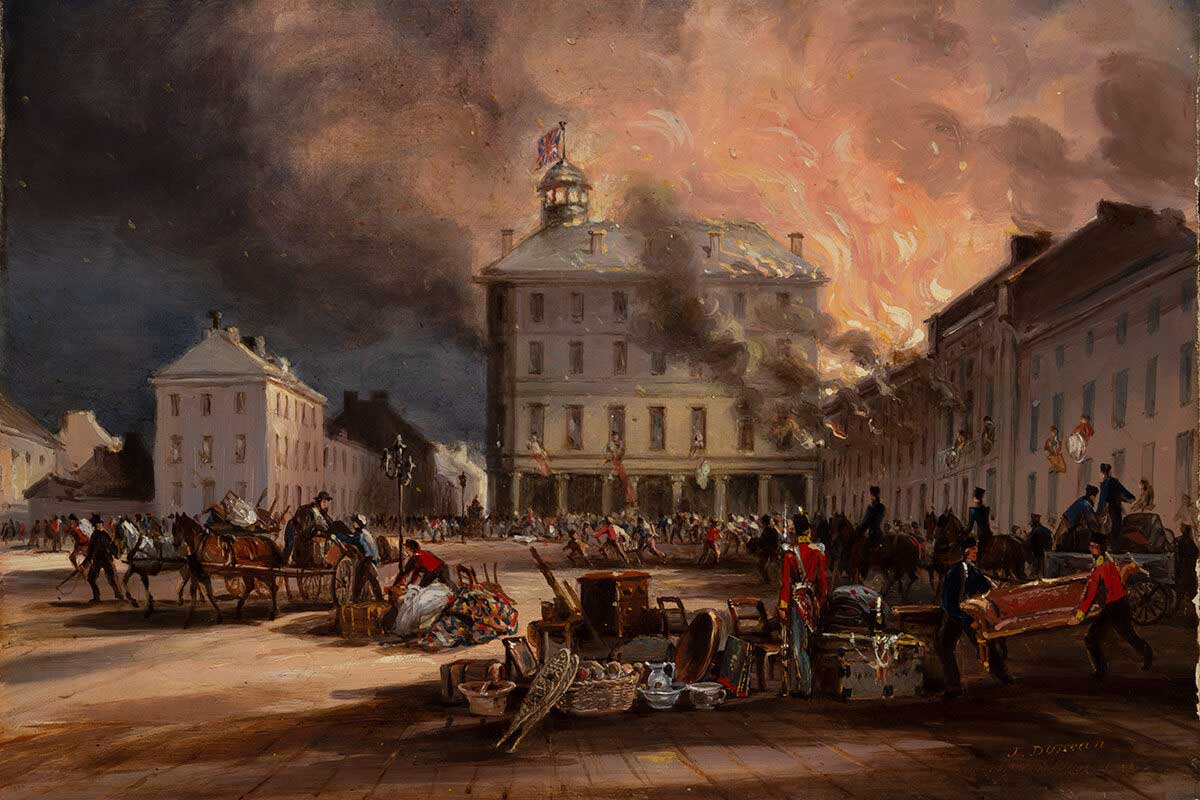
Louis Riel (1844-1885) was born in his grandparents’ one-room home in Saint-Boniface in the Red River Settlement but left at a very young age to study in Montreal, Quebec. He was an excellent student. When he was five years old, his father, Louis Riel Sr. organized a resistance group in support of Guillaume Sayer, a Métis fur trader arrested for opposing the Hudson’s Bay Company trade monopoly in the Red River region.
Louis Riel was 22 when he returned to the Red River Settlement and 25 years old when the Hudson’s Bay Company sold Rupert’s Land, a territory encompassing one-third of what is now Canada, to the Dominion of Canada. The largest land sale in the country’s history was concluded without consulting the First Nations living in the area, including the Métis.
At that point, the Dominion of Canada consisted of the Confederation of Ontario, Quebec, New Brunswick, and Nova Scotia. Rupert’s Land, named after Prince Rupert, the Hudson’s Bay Company’s first governor, stretched across northern and western Canada, including present-day Manitoba in its entirety, most of Saskatchewan, southern parts of Alberta and Nunavut, and northern Ontario and Quebec. The government acquired this immense territory for CAD$ 1.5 million.
The Red River Métis soon rebelled. They formed the National Committee of the Métis and elected John Bruce as its president and Louis Riel as secretary. On October 11, 1869, the Committee managed to halt land surveys on Métis lands. On November 2, a group of 500 Métis seized Upper Fort Garry. This was a highly strategic move since the HBC had its main administrative offices at Upper Fort Garry.
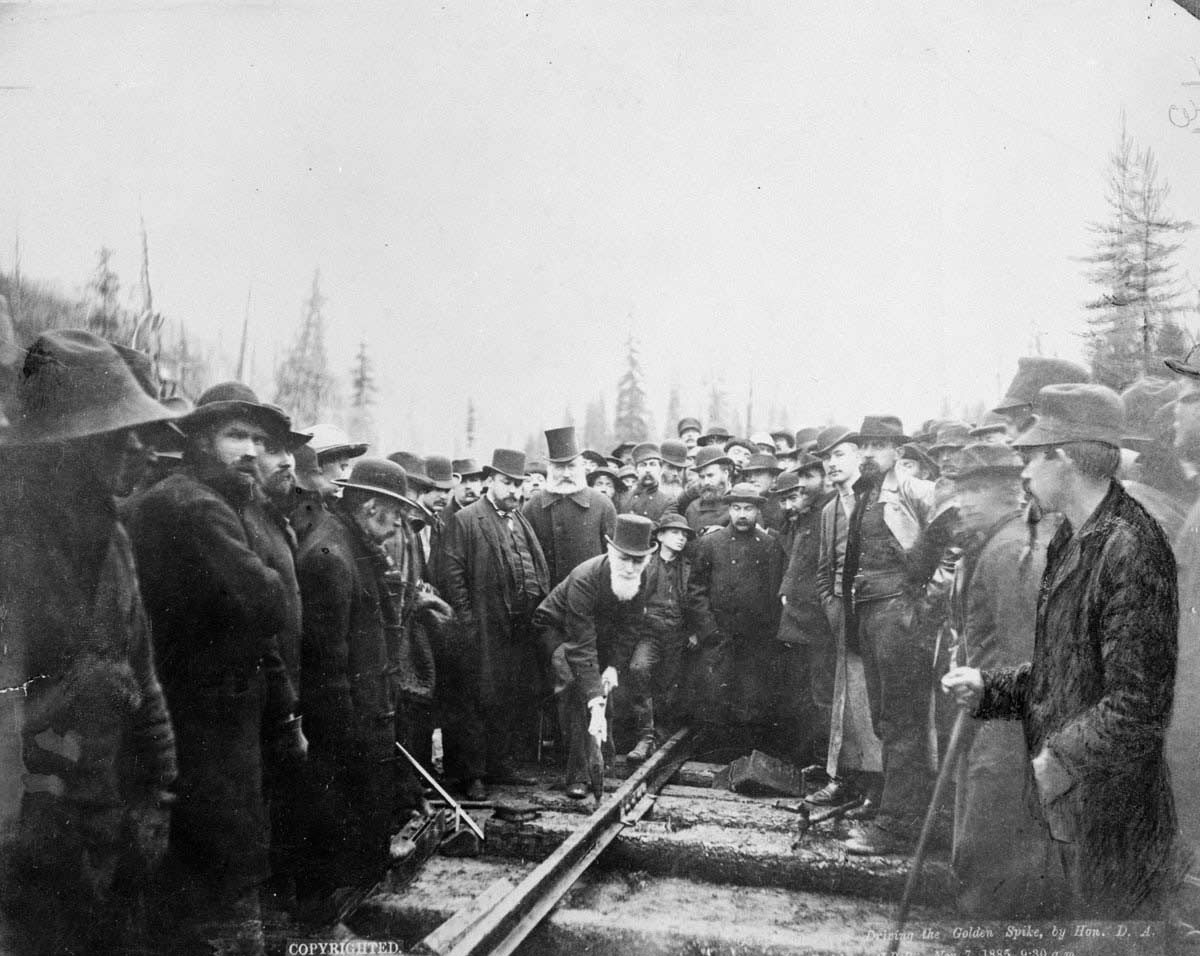
One month later, on December 8, the Committee became the Provisional Government of Assiniboia, which included French and English Métis and was led by Louis Riel. The Provisional Government issued a “Declaration of the People of Rupert’s Land and the North-West” and began discussing what the Métis considered the necessary conditions for Assiniboia (which included the Red River settlement) to become part of the Dominion. Eventually, in the spring of 1870, they reached an agreement.
The Manitoba Act became law on May 12: two months later, on July 15, Manitoba became Canada’s fifth province. As part of the agreement, the Canadian Government granted 1.4 million acres of land to the children of the Métis, or, as they were called, the “children of the half-breed heads of families.”
Leading the 1885 Northwest Resistance
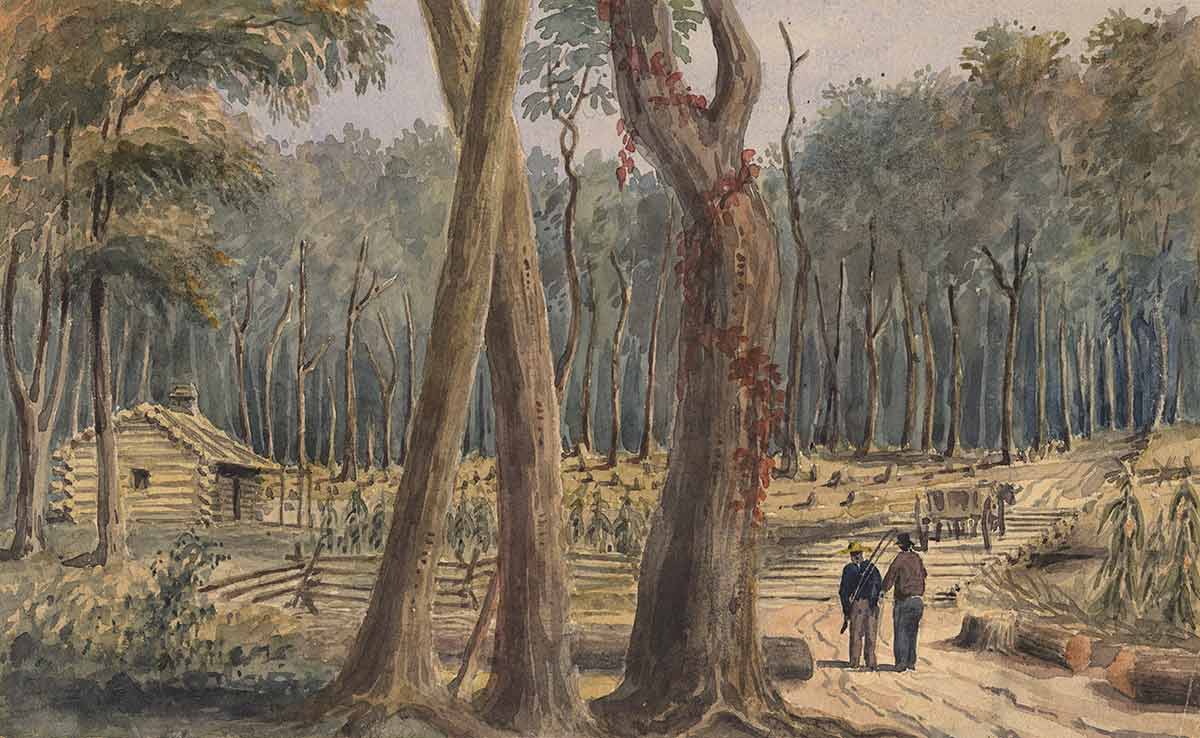
After Manitoba became part of the Dominion, hundreds of people from Ontario and Quebec flocked to the Red River region. Many regarded the Métis with hostility. Some openly persecuted them, particularly Protestant Ontarians, radicalized by the death of young Orangeman and anti-Métis agitator, Thomas Scott, who had been executed by a Métis tribunal on March 4, 1870.
In August 1870, the Canadian government sent more than 1,000 troops to “pacify” the region. More than half of the Métis living in Manitoba left for the North-West Territories, which included present-day Alberta and Saskatchewan. Riel was banished from “Her Majesty’s Dominions.”
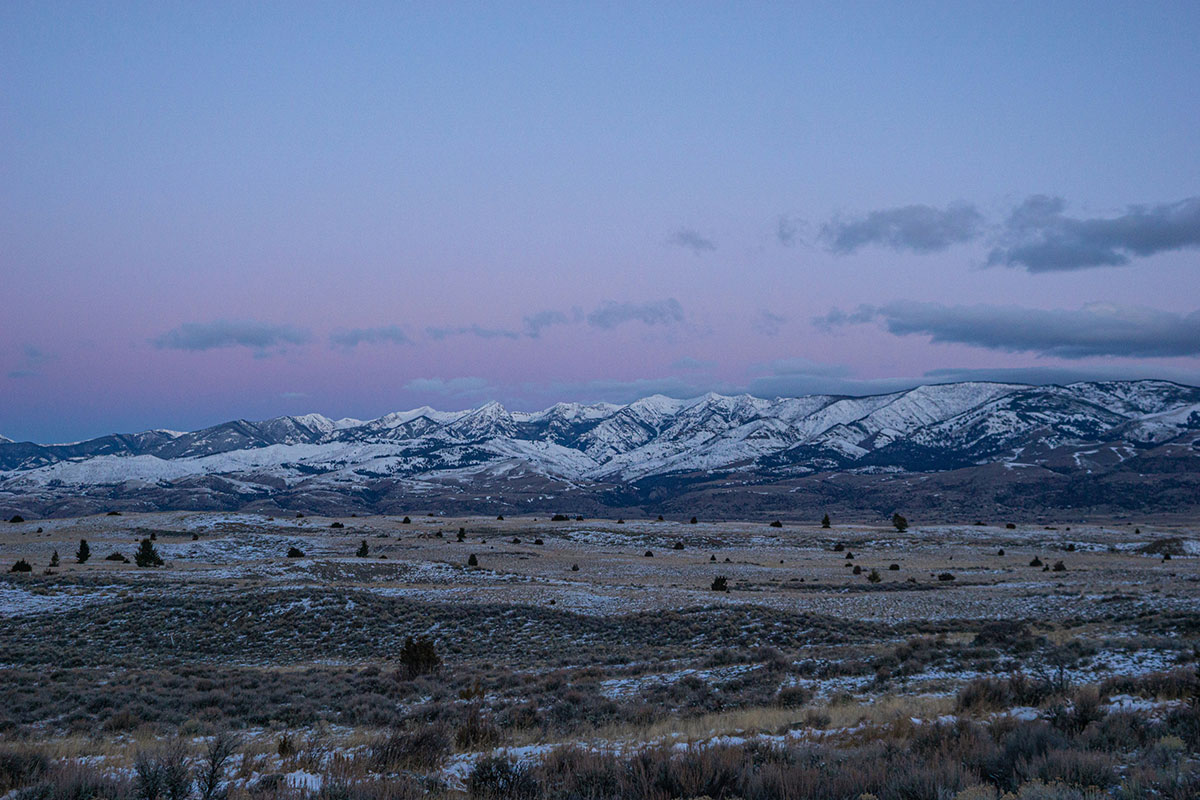
The 1885 Northwest Resistance is directly connected to the Métis dispersal and dispossession of 1870. 15 years later, despite being finally granted representation by the government of the North-West Territories, the Métis desperately wanted to see their land rights formally recognized. In June 1884, a group led by Charles Nolin and Maxime Lépine managed to have Riel come back from Montana, where he had moved in 1879.
In the summer of 1884, Bishop Grandin met with Prime Minister Macdonald and presented him with a petition outlining the Métis’ grievances. In December, Louis Riel drafted a new petition reiterating the Métis’ demands. They asked the Prime Minister to be granted full title to their lands, that the North-West Territories become a province with its own government, and that Louis Riel’s leadership be fully recognized by the Canadian state. In January 1885, the Canadian government informed the Métis that it would not negotiate with Louis Riel.
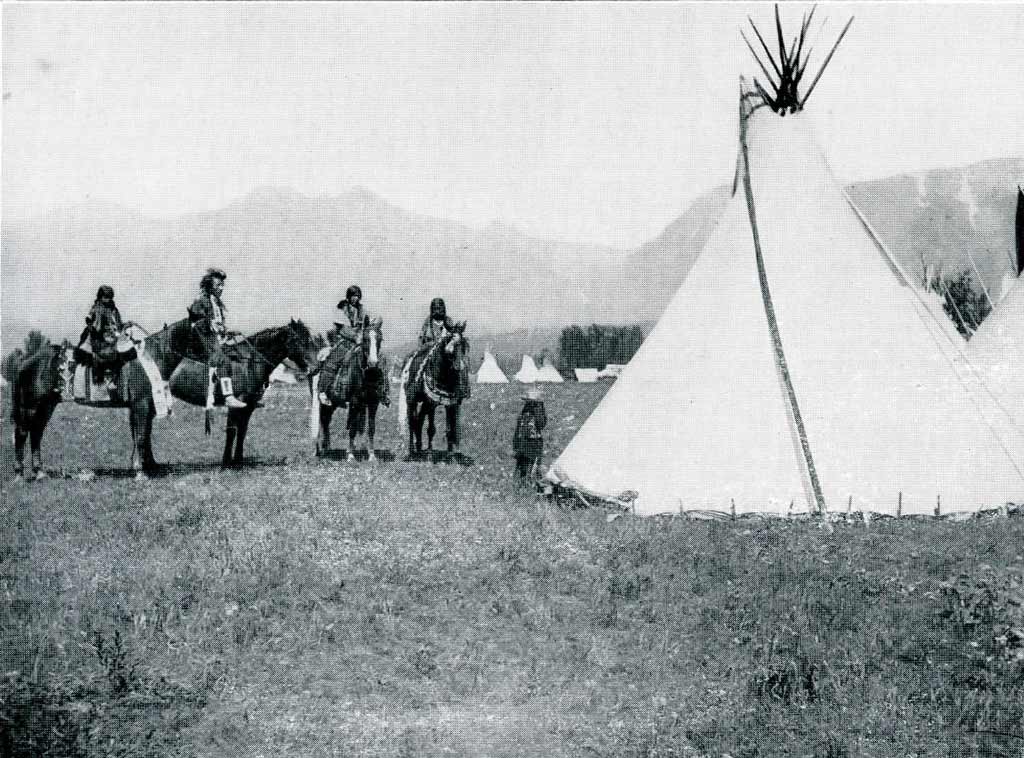
In March, the Métis still living in the Batoche area established a provisional government, of which Riel was president. The Northwest Resistance, as it is now called, began with the Battle of Duck Lake on March 25, 1885, when the Métis, joined by some bands of Cree, clashed with the police and the Prince Albert volunteers. During the battle, the Métis forces lost five men. The Canadian side lost twelve men.
The second battle, known as the Battle of Tourond’s Coulee, occurred on April 24. This time the government sent Canadian troops. Most of the fighting took place at Tourond’s Coulee, a ravine on the South Saskatchewan River. Eventually, the forces led by General Middleton withdrew and the Métis rode back to Batoche. Among the Canadian troops, 10 men were killed. The Métis lost four men.
The Battle of Batoche
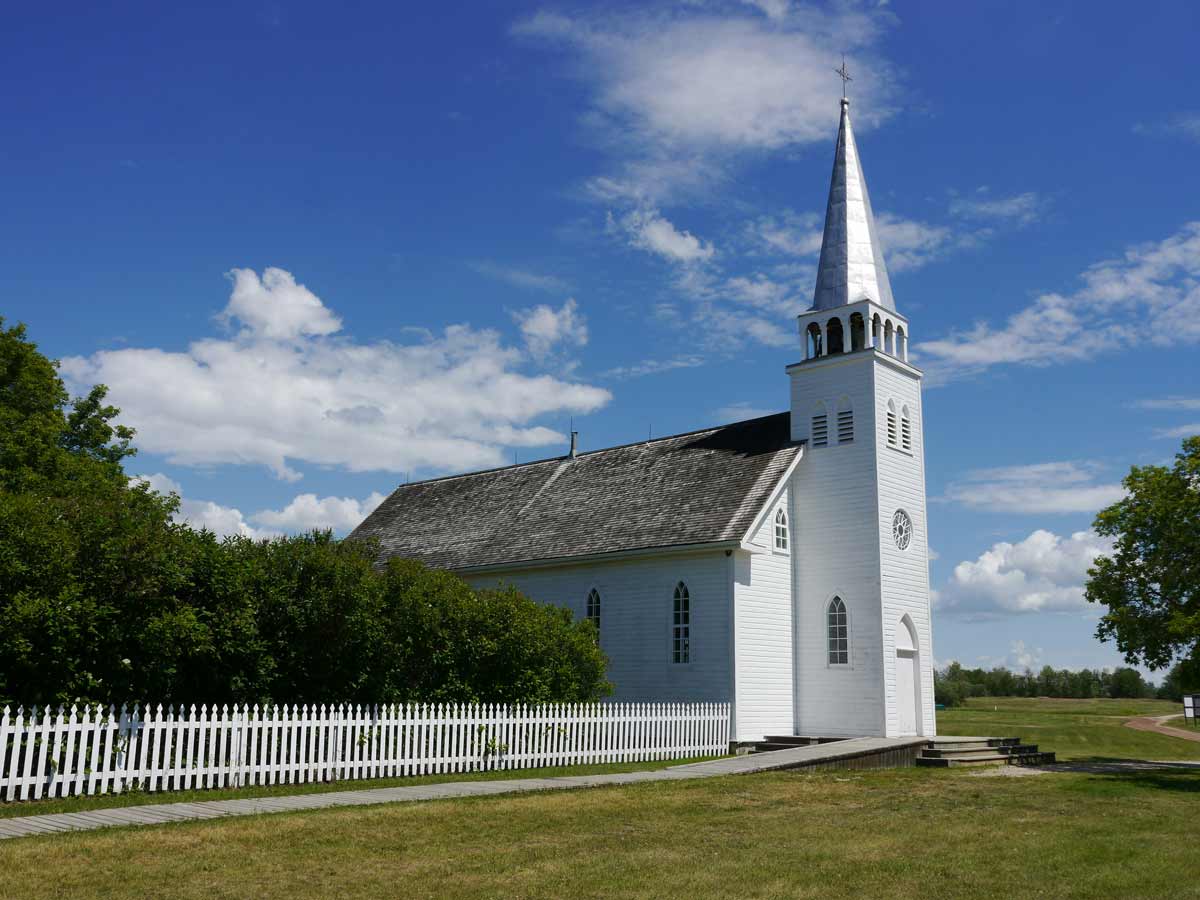
The Battle of Batoche lasted three days, from May 9 to May 12, 1885. At that time, Batoche was a small village of about 500 residents located between Prince Albert and Saskatoon. It was also the main Métis center in Saskatchewan. The Métis had won the first two battles of the Northwest Resistance. This time, however, government forces led by Major-General Frederick Middleton overwhelmed (and outnumbered) them.
Riel ultimately surrendered. On July 6, 1885, he was charged with treason. His trial began on July 20 in Regina. Although his lawyers defended him on the grounds of insanity, in his final speech Riel proudly reiterated what he called the legitimate demands of his people. He was sentenced to death by hanging and executed on public gallows in Regina, Saskatchewan, on November 16, 1885.
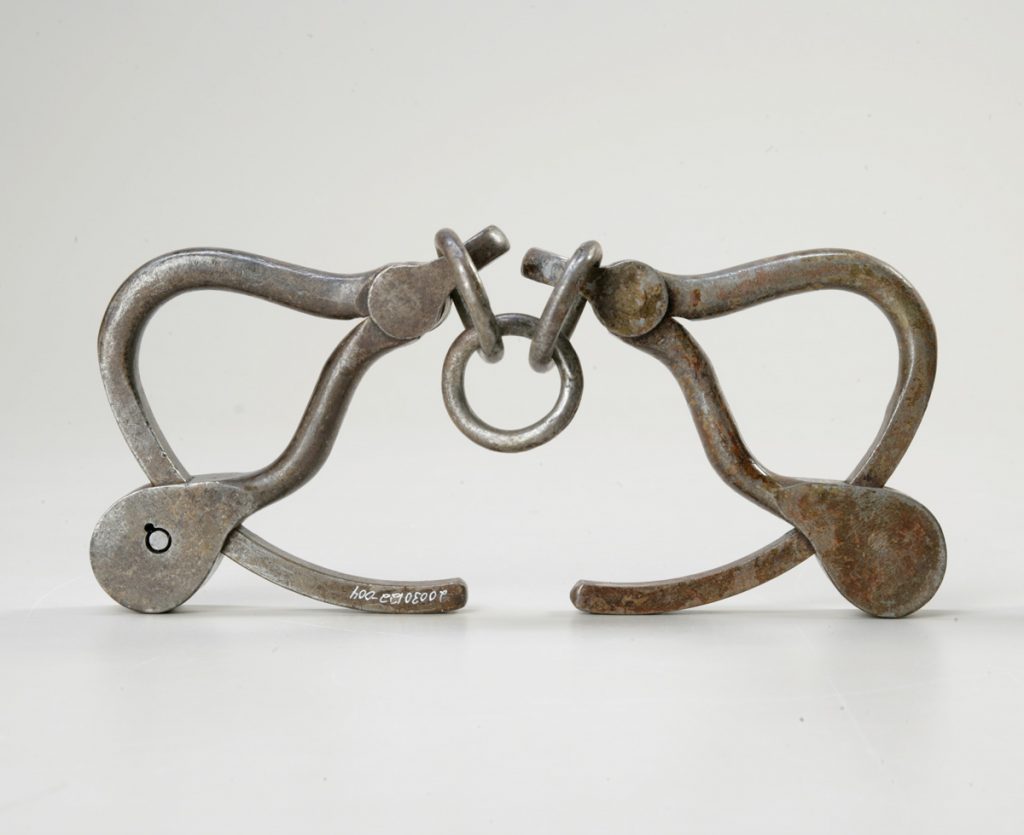
The Battle of Batoche represented the concluding battle of the North-West Resistance and a pivotal moment in the history of the Métis and the First Nations who took part in it. Among them was a group of Dakota and Cree warriors from the One Arrow’s reserve.
In the aftermath of the battle, the Métis were once again dispersed and dispossessed. Some moved to the United States, to north central Montana and North Dakota, while others migrated further north. Some began working as laborers in towns and cities, particularly Regina and Saskatoon, where they witnessed social, economic, and political marginalization. Many began hiding or even denying their identity and culture. First Nations such as the Dakota and the Cree were forced to stay on reserves and their kids were placed in residential schools.
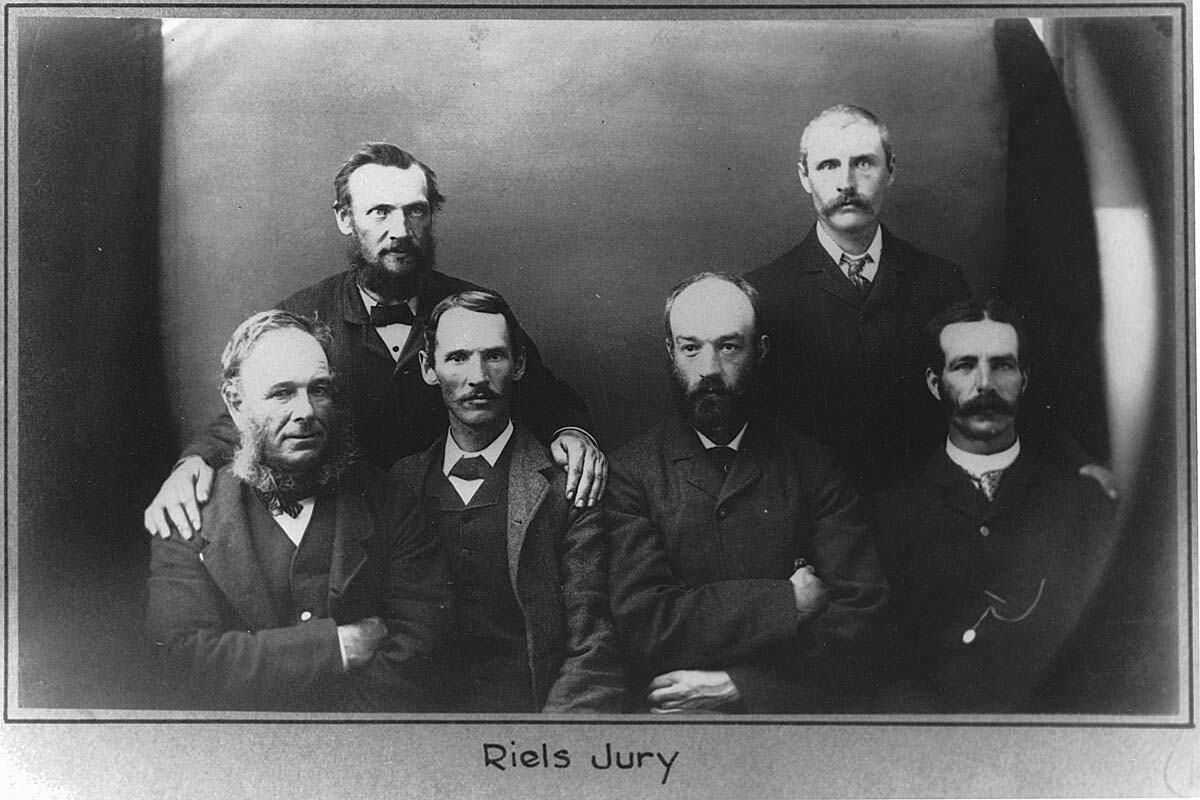
The end of the Resistance and Louis Riel’s execution also had the effect of transforming all Métis, those who participated in the rebellion and those who didn’t, into “rebels” and, obviously, “traitors.” More than a century after his death, the Métis still consider November 16, the day of Riel’s execution, a day of national public commemoration of their leader’s life and determination to protect their rights. In 2016, the government of Manitoba finally recognized Louis Riel’s role in the foundation of Manitoba, and seven years later, in 2023, the Louis Riel Act granted him the title of “First Premier of Manitoba.”
If during his lifetime and the decades following the Battle of Batoche, Riel continued to be considered a traitor and a murderer, in recent years he has become a national hero, an emblem of those values, such as multiculturalism and multilingualism, which are regarded as the pillars of Canadian society today.