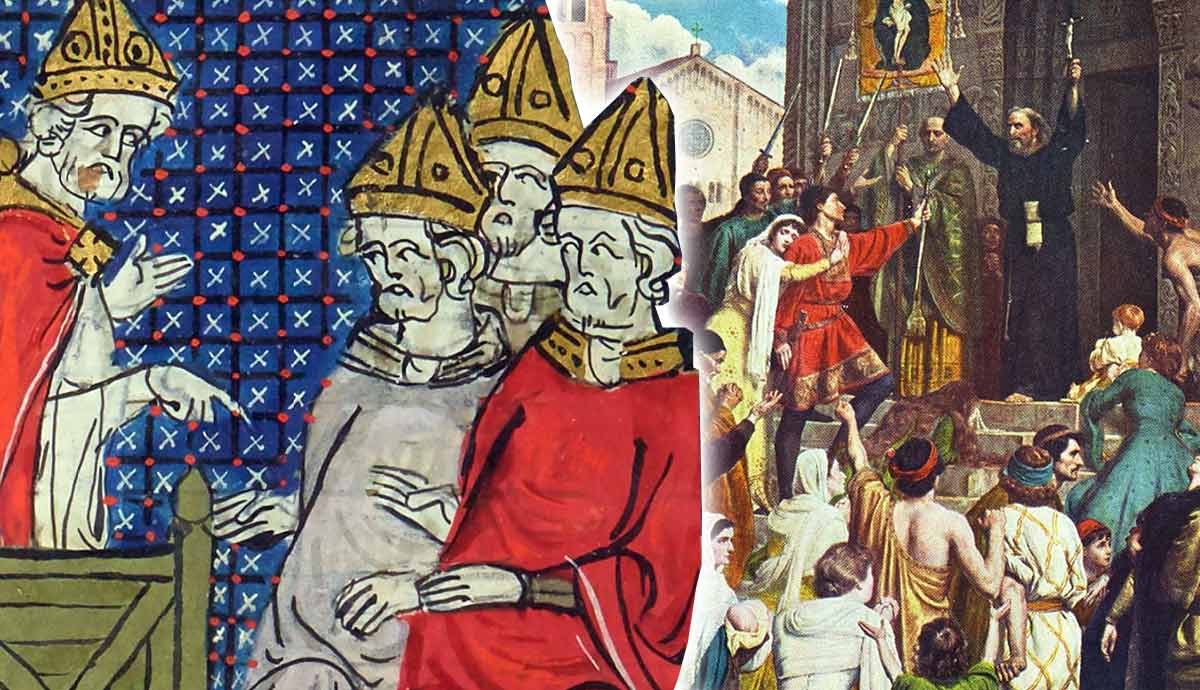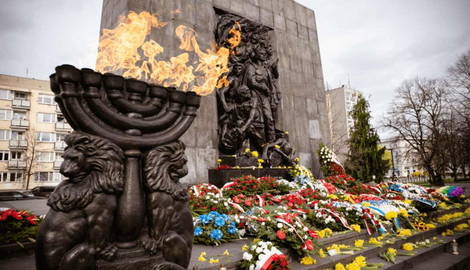

Poland was one of the worst-affected countries during the Second World War. Initially occupied by both the USSR and Germany, it came under total German domination in 1941 until the Soviets drove them out. Before this took place, Poland’s Jewish, Roma, and Sinti populations were almost annihilated along with much of Poland’s intelligentsia. How and why this unfolded has divided historians and played a major role in Poland’s memory policy today.
Poland’s Jews and Romani Before 1939
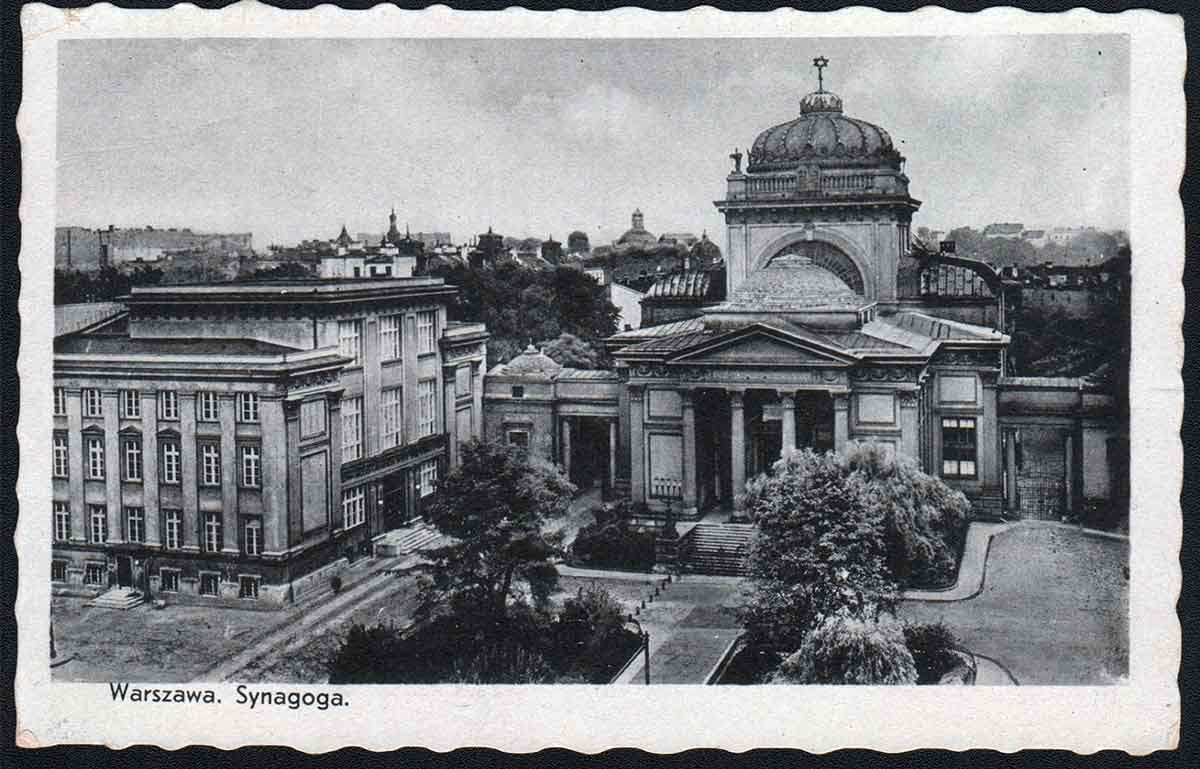
Ever since their first arrival in the 10th century, there had been large numbers of Jewish people in Poland. They received legal protections by the Kingdom of Poland and the subsequent Polish-Lithuanian Commonwealth. When Poland was partitioned between Russia, Prussia, and Austria, the Jewish people living there remained in the hope of keeping their livelihoods. Independence in 1918 and the creation of the Polish Second Republic gave Poland one of the largest Jewish populations in the world. Many were eager to embrace life in the new state, where they initially had equal rights as Polish Christians, something they had lacked during the Russian Empire years.
However, antisemitism was deeply ingrained in certain parts of Polish society, and the unwillingness of some Jewish communities to integrate exacerbated societal tensions. Antisemitic sentiment was fueled by right wing Nationalist politicians who accused the Jewish people of being secret communists. Even though many Jewish communities in Poland started to integrate by the 1930s, there was still a major gulf with the rest of Polish society. Some 3.3 million Jews lived in Poland and from 1935 onwards, the government hoped to convince as many of them as possible to leave.
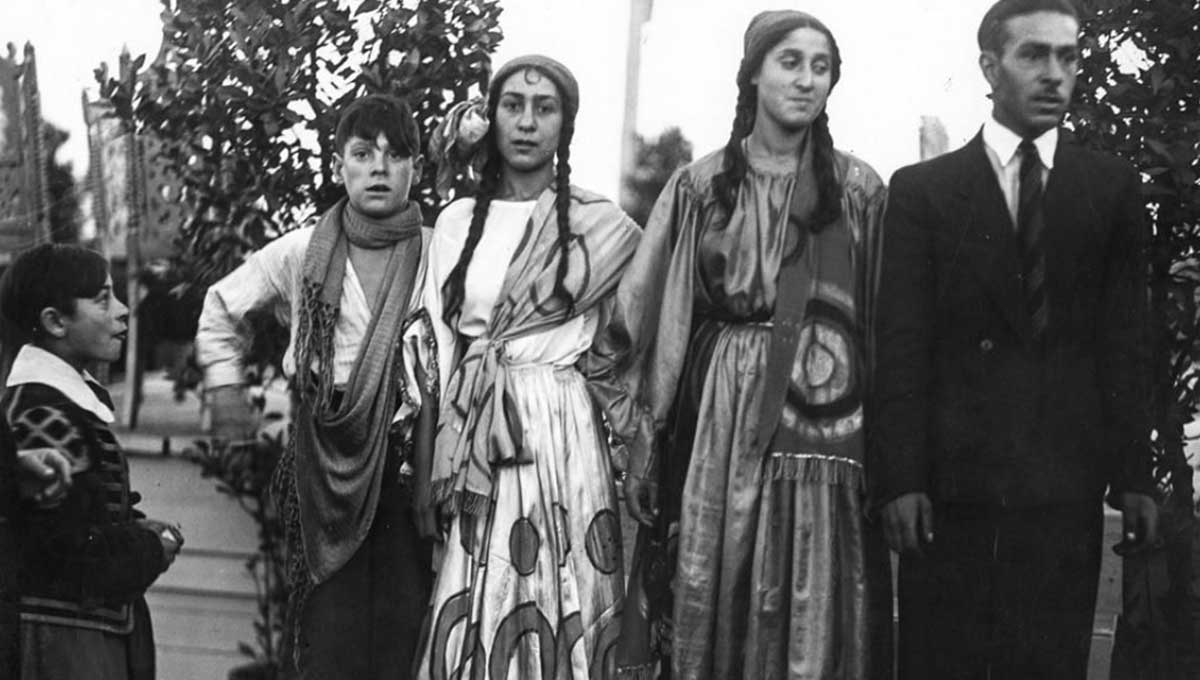
The Roma community faced similar challenges. Their poor and mobile living conditions appalled ethnic Poles, who did not believe that they could exist in the country. In 1930, Michał Kwiek proclaimed he was “the king of all Gypsies,” and in 1937, Janusz Kwiek was crowned “the king of [the] Gypsies” by priests of the Orthodox Church. This angered many Roma, who considered these men to be puppets of the regime in Warsaw. The size of the Roma community was estimated at somewhere between 30,000 to 50,000 people; though the lack of documentation meant that it is impossible to ascertain exactly how many Roma lived there. They lacked representation in the Sejm and Senate.
Poland was ruled by a hybrid regime from 1926-1939 in which the military played a major role in domestic politics. The Sanation regime considered minority groups to be a threat to Poland’s internal stability and used the power of the state to crack down on any nationalist movements. Nonetheless, most of Poland’s population remained loyal to the government when Germany and the USSR invaded in 1939.
The Invasion in 1939 and the Creation of the Ghettos
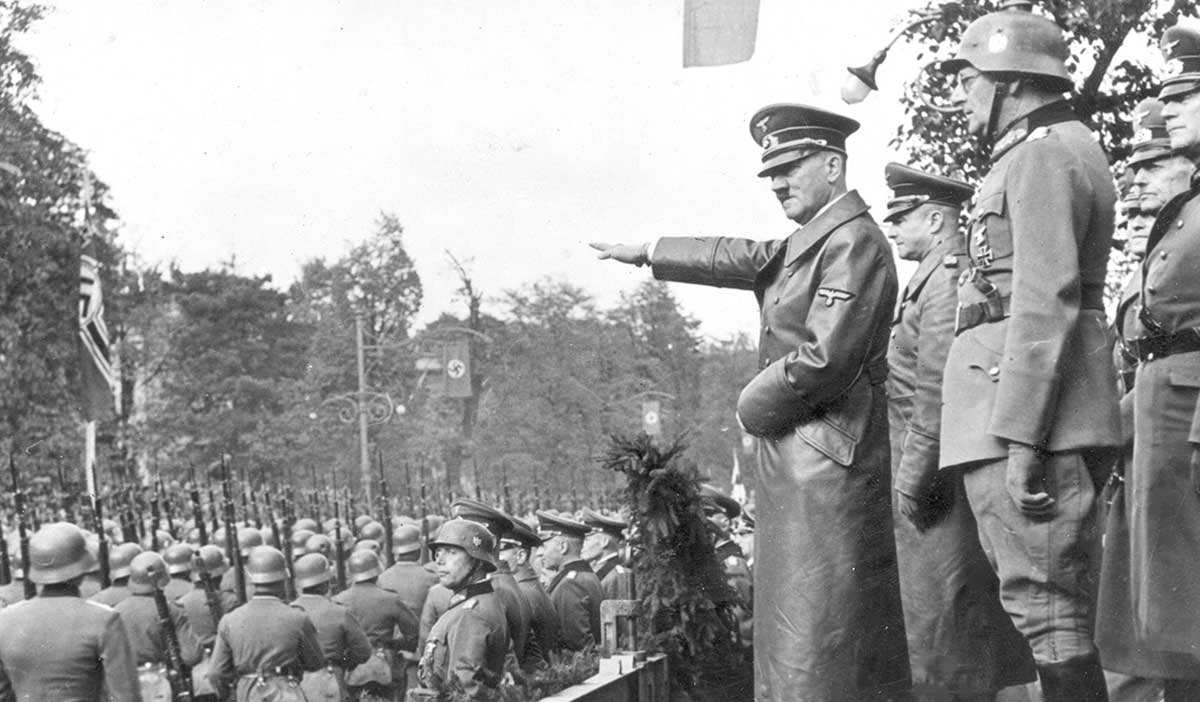
On September 1, 1939, Germany invaded Poland seeking to occupy the country for German settlers. The Polish armed forces fought hard to resist the invasion but were overwhelmed by German Blitzkrieg tactics. Among the one million men who made up the Polish armed forces were some 100,000 Jews and thousands of Roma. The Soviet invasion of Eastern Poland took place 17 days later. Germany’s war plans were ruthless, involving the massacre of Polish civilians and the destruction of its cities by air bombardment.
While Germany’s plan of extermination was not an official policy yet, its soldiers undertook vicious acts of violence against the Roma and Jewish populations. Years of propaganda had convinced Germans that anyone not deemed part of the “Aryan” race was only fit for subjugation or death. In several villages with large Jewish populations, German forces massacred large numbers of people. Part of their plan for conquest entailed the removal of ethnic Poles and Jews to make way for German settlers. This ethnic cleansing created a territory known as the Wartegau.
Starting in 1939, Reinhard Heydrich, the chief of the German Gestapo, ordered Jewish communities to be concentrated in segregated zones in the major cities. Specially selected leaders were picked to take leadership of these communities. The first ghetto was created in Piotrków in October. The main ghettos in Warsaw, Białystok, and other bigger cities were constructed in 1940. On paper, they were created to “prevent the spread of disease.” In reality, they were set up because Germany was unsure what to do with the Jewish population.
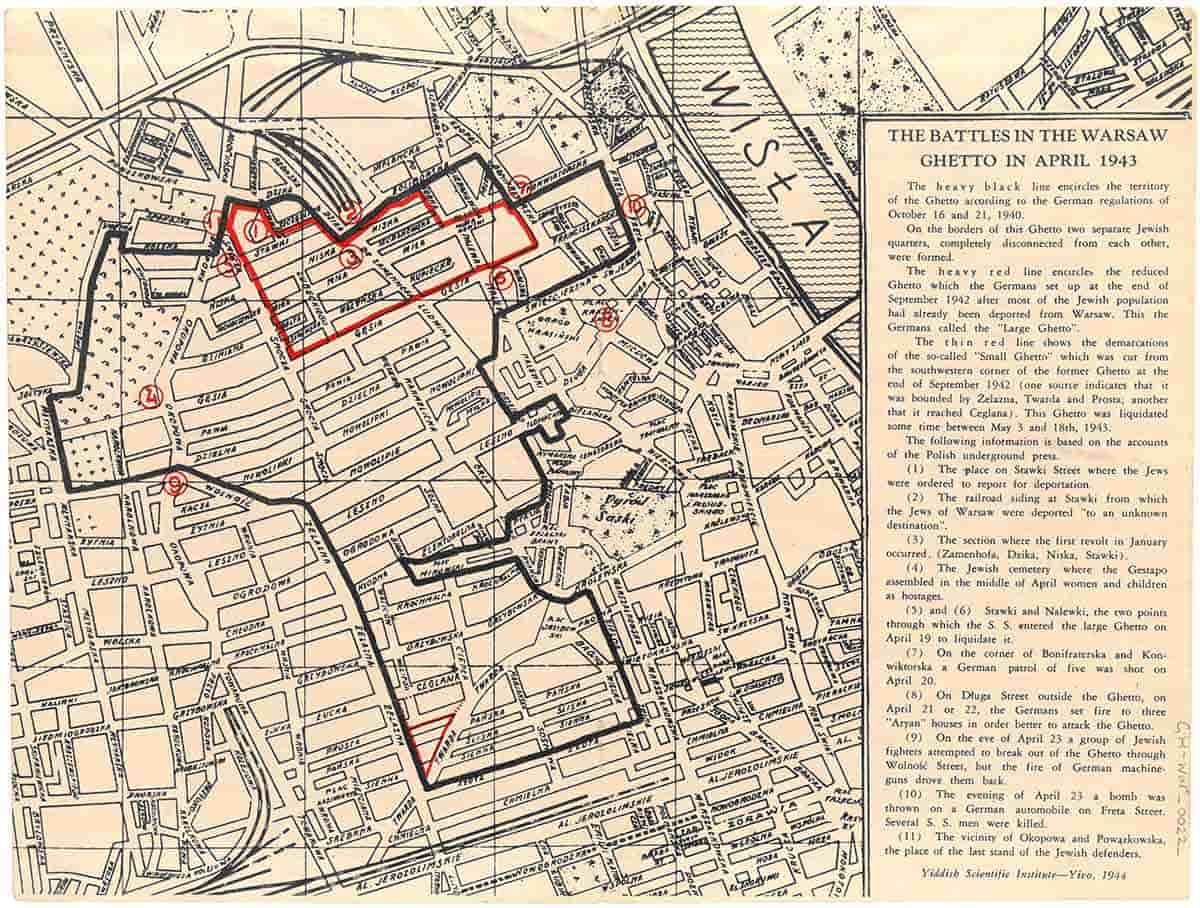
Life in the ghettos was horrendous. The Jewish Councils created by Germany to lead them were unable to provide enough supplies to help the people within. The Polish government-in-exile informed the world about conditions in the ghettos via a courier named Jan Karski. The largest one in Warsaw, created in 1940, survived mainly due to the smuggling of goods and assistance from some Poles in the rest of the city. After Germany abandoned its plan to deport all the Jews to Madagascar, the question of what to do with people in the ghettos divided Nazi leaders.
The Roma were also put into the ghettos. Many German soldiers saw these people as nothing more than animals and thought that they also needed to be segregated from the rest of society. Many Roma from Germany and Austria were forced to go to occupied Poland, specifically a territory known as the General Government region near Warsaw. They too suffered from malnutrition, abuse, and ostracism. It is unknown how many were deported to the ghettos before their destruction.
The Creation of the Camps and the Wannsee Conference
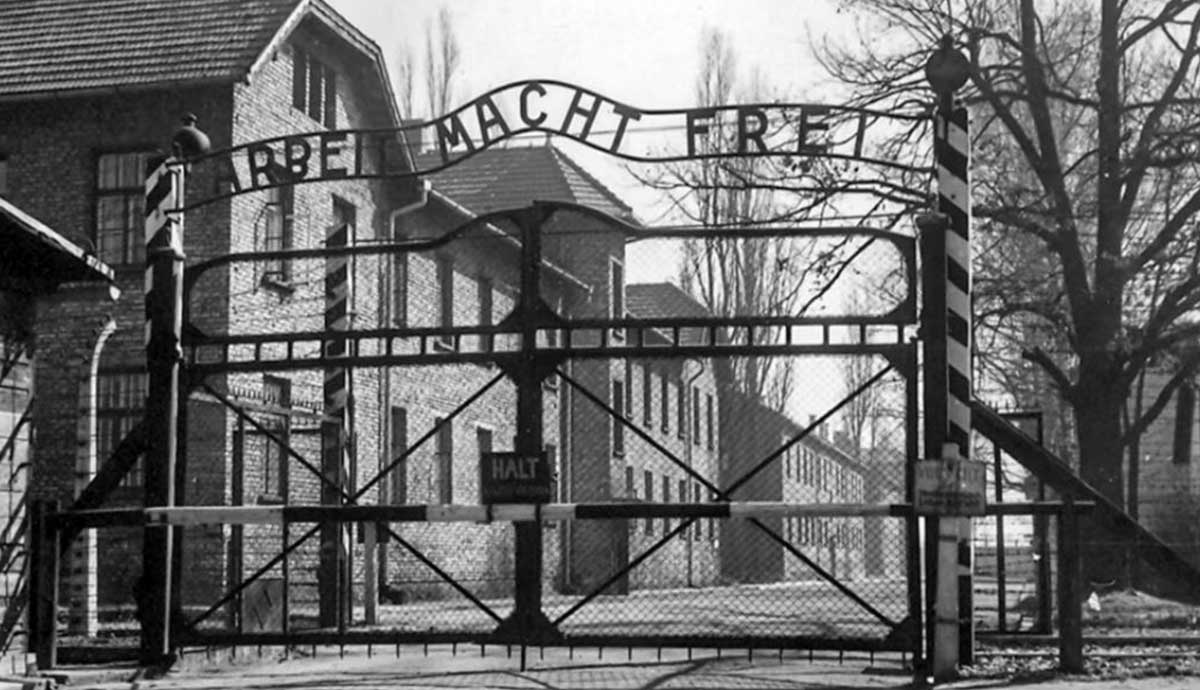
Long before the Axis conquest of Europe, Germany had been setting up concentration camps on German soil for political opponents, disabled people, Jews, Roma, and people with mixed-race heritage. The camps were inspired by colonial practices in German-occupied Namibia at the start of the 20th century. Once Germany conquered Poland, it began to establish camps in occupied territory. This expanded into territories seized from the Soviet Union after Operation Barbarossa in 1941.
Around 460 camps and subcamps were constructed throughout Poland, often in place of prior Polish government infrastructure. For instance, the notorious camp at Auschwitz was constructed on the site of a former Polish cavalry barracks in the town of Oświęcim. They were administered by the Schutzstaffel or SS, an elite unit reporting directly to Adolf Hitler. Many camps initially housed Polish POWs and members of the Polish intelligentsia. Jews started to get sent there after the ghettos became too crowded. Camps expanded when more people arrived, especially Soviet POWs who were also considered subhuman by the German authorities. Camps including Stutthof, Majdanek, Auschwitz, Treblinka, and others transformed from detention centers to extermination sites.
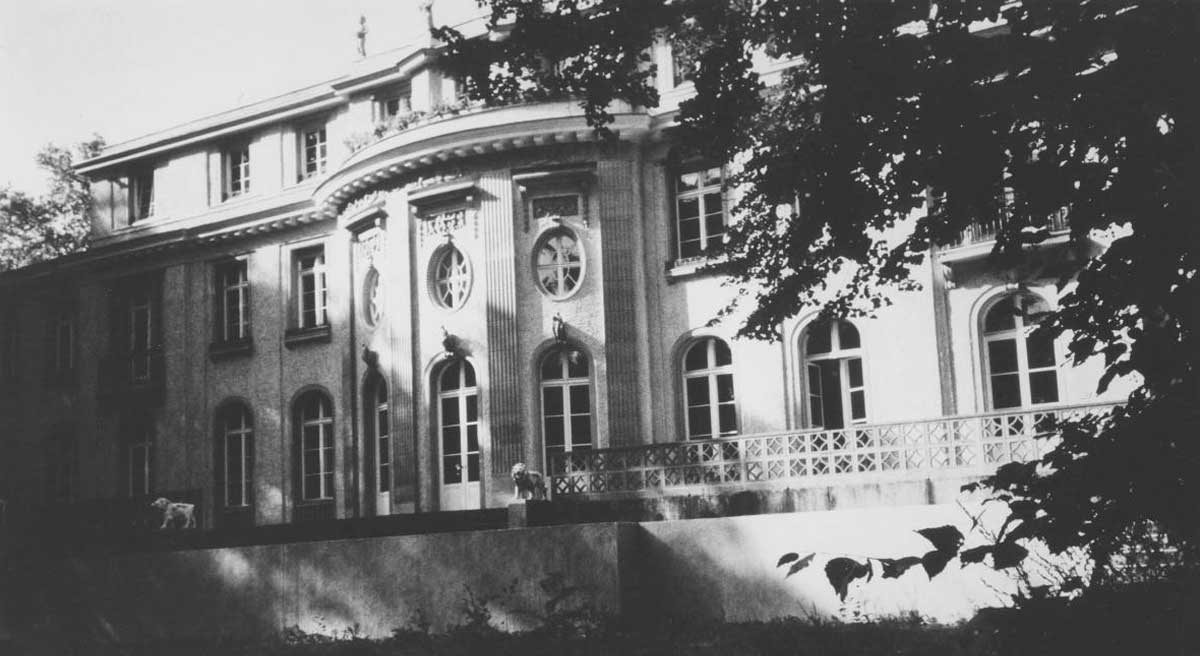
By 1942, Germany was at the pinnacle of its power. It had conquered most of Europe alongside its Axis allies and was now ruling over hundreds of millions of people. Millions of Jews and Roma were under German rule and Berlin did not understand what to do with them. At the Berlin suburb of Wannsee, several German officers including senior members of the Wehrmacht, SS, and Gestapo created a plan to enslave or exterminate Jews, Roma, LGBT, and anyone else deemed subhuman by the Third Reich. While no explicit decision was taken for mass executions, the Conference has subsequently been regarded as the start of what was euphemistically called “the Final Solution to the Jewish problem.” Instead of the mass shootings following the invasion of Poland and Operation Barbarossa, this new stage of state-sponsored extermination involved other forms of killing, such as gas chambers and medical experimentation.
The Extermination of the Jews and Roma and the Destruction of the Ghettos
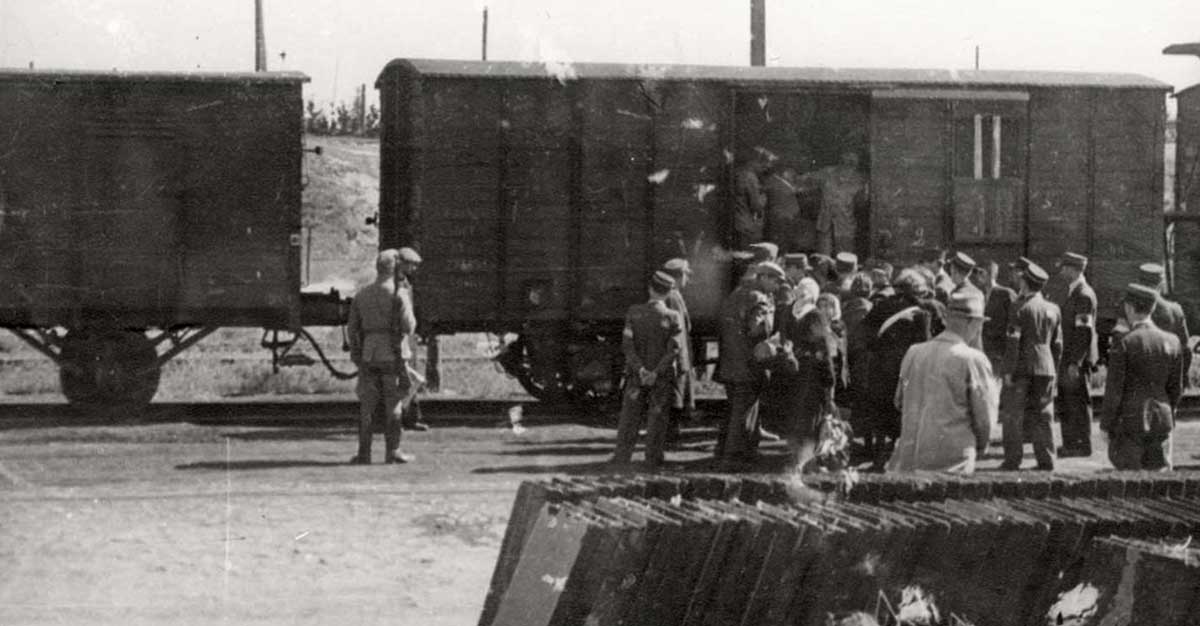
Once Germany began to devise the plan to exterminate the Jews and Roma, its forces moved quickly. The ghettos were cordoned off by the Blue Police, a Polish collaborator force, and SS or Wehrmacht units while SS and SD (the SS intelligence wing) personnel entered the ghetto and rounded up as many people as possible. The Jewish police in the ghettos helped with the roundups, even though the Germans murdered them later on. Heinrich Himmler, the chief of the SS, was the main commander responsible for these actions. Some of the people in the ghetto were allowed to remain behind to clean up the items left behind by the deportees.
Once the deportees were sent to the camps, they were stripped of their belongings and given prisoner uniforms if required for labor. Otherwise, they were sent straight to the gas chambers. The majority of victims in the death camps were Jews and Roma, but other people marked for destruction were also killed there too, such as members of the Polish intelligentsia, some Soviet POWs, disabled people, LGBT people, and captured resistance fighters from across Europe. Those that escaped the camps or ghettos were hunted down by the Germans and local collaborators in anti-partisan sweeps in the countryside. Operation Reinhard, the German extermination plan, was one of the fastest periods of mass killing in human history. It lasted from 1942-1945, but by 1944 most of the Jews and Roma that were deported were dead.
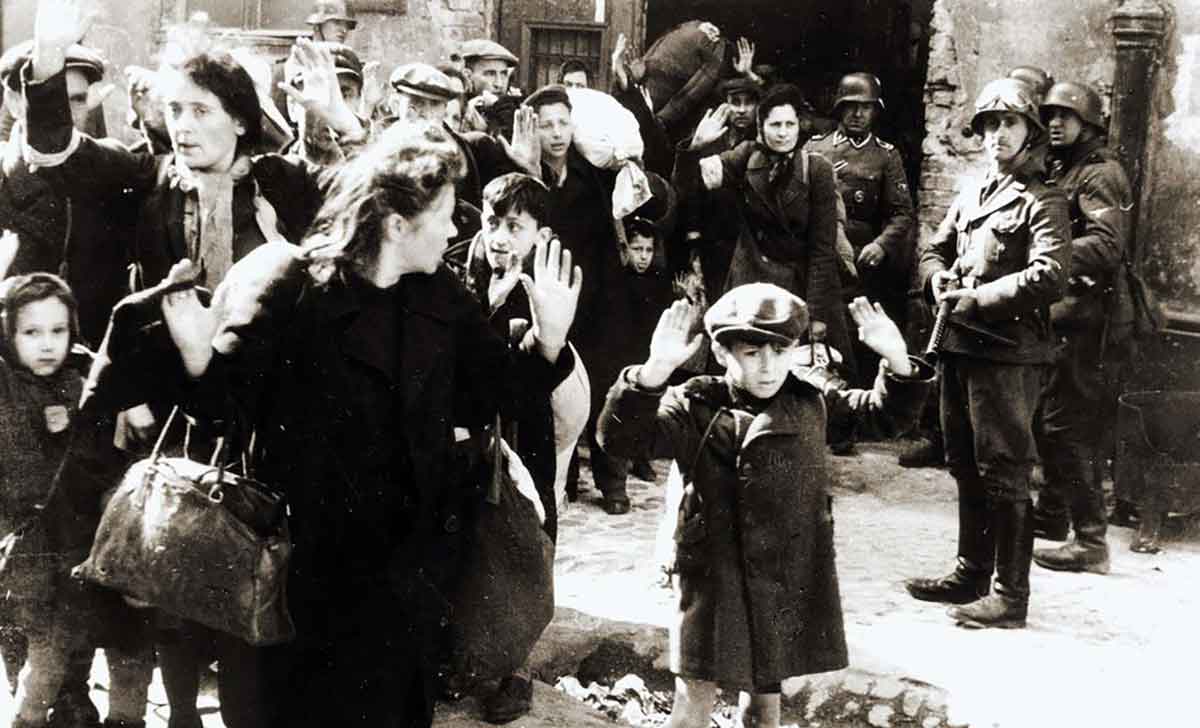
Initially, there was little resistance from within the ghettos because many of the people there did not know what would happen to them once they arrived at the camps. Additionally, the Jewish Councils avoided calling for resistance because they feared that the Germans would massacre everyone in the ghettos immediately. Once German intentions became clear, resistance was more common.
In most major cities and towns, local Jews and Roma who had been in the Polish army or prewar paramilitary organizations organized to fight. They received some material assistance from the Polish Home Army and Left Army, two of the main Polish underground movements. Despite heavy resistance, especially in cities such as Warsaw, the Germans succeeded in liquidating the ghettos and leaving only a few survivors. This was the most intense period of killing during the Holocaust.
Resistance and Collaboration
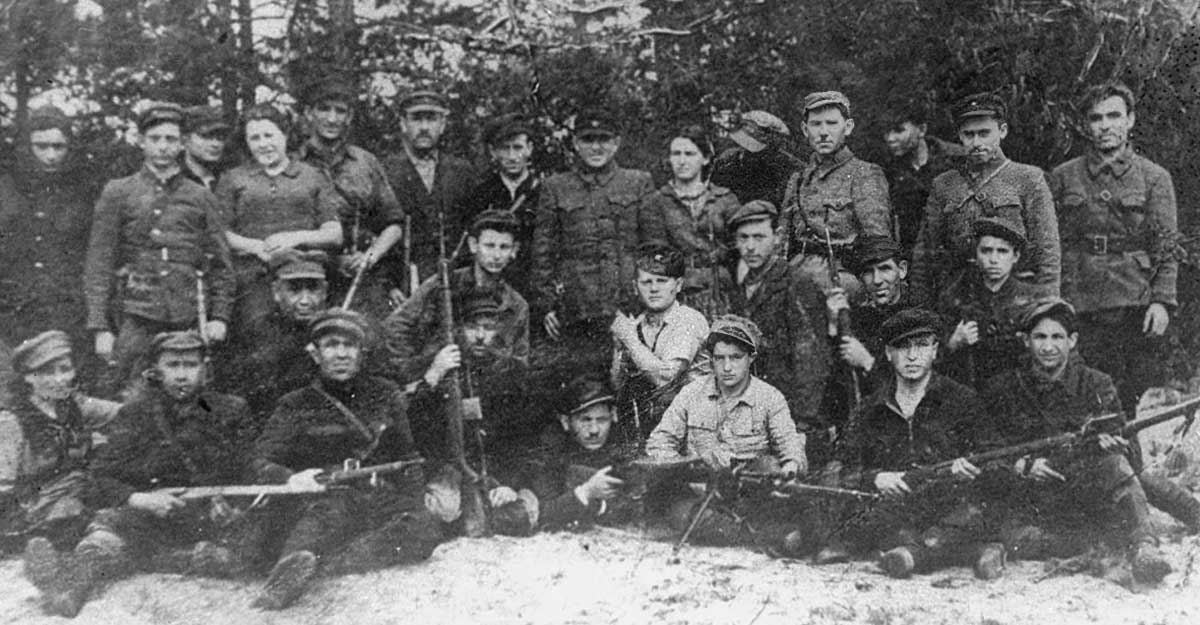
Germany’s brutal occupation policies after the invasion quickly inspired resistance. Veterans of the military and civil society banded together to form resistance networks. The largest underground force in Poland was the Polish Home Army. Its priority was fighting the Germans; saving the Jews was secondary. Nonetheless, several commanders and members of the Underground risked their lives to save Jews and Roma from extermination. It is estimated that tens of thousands of Poles helped Jews and Roma escape or hide. The debate over whether the Polish Underground helped or hindered Jewish/Roma rescue efforts has continued up to the present day.
Jewish partisan groups sometimes sought to work with the Home Army and many Polish Jews joined the ranks, especially if they had served in the Polish Army before the war. When the ZOB (the main Jewish resistance group in the Warsaw Ghetto) planned its uprising, it asked for and received weapons from the Home Army’s Warsaw garrison. Subsequently, many Jews also participated in the Home Army’s general uprising in 1944 known as Operation Tempest. At the same time, elements of the Home Army, especially the right-wing NSZ, were extremely antisemitic and refused to help them. There were even cases of Home Army members randomly killing Jewish and Roma people. This continued until the war’s end, meaning that many Jews in hiding refused to trust the Polish Home Army unless they were absolutely confident that they could survive.
Resistance within the camps increased as it became clear what Germany’s plans were. In 1943, inmates at Treblinka and Sobibor attacked their guards with smuggled weapons, an act of defiance that was repeated at other camps. In 1944, Roma inmates at Auschwitz locked themselves in the barracks they were held in when they learned that they were going to die. Sonderkommandos, collaborators ordered to help the Germans in the camps, either helped or hindered the rebellions. Sometimes, they helped smuggle weapons in; on other occasions they assisted the Germans in crushing these rebellions. Resistance movements were assisted by elements of the Polish Home Army. For instance, Polish Army Captain Witold Pilecki documented Germany’s actions at Auschwitz and helped organize a resistance movement inside the camp before he escaped.
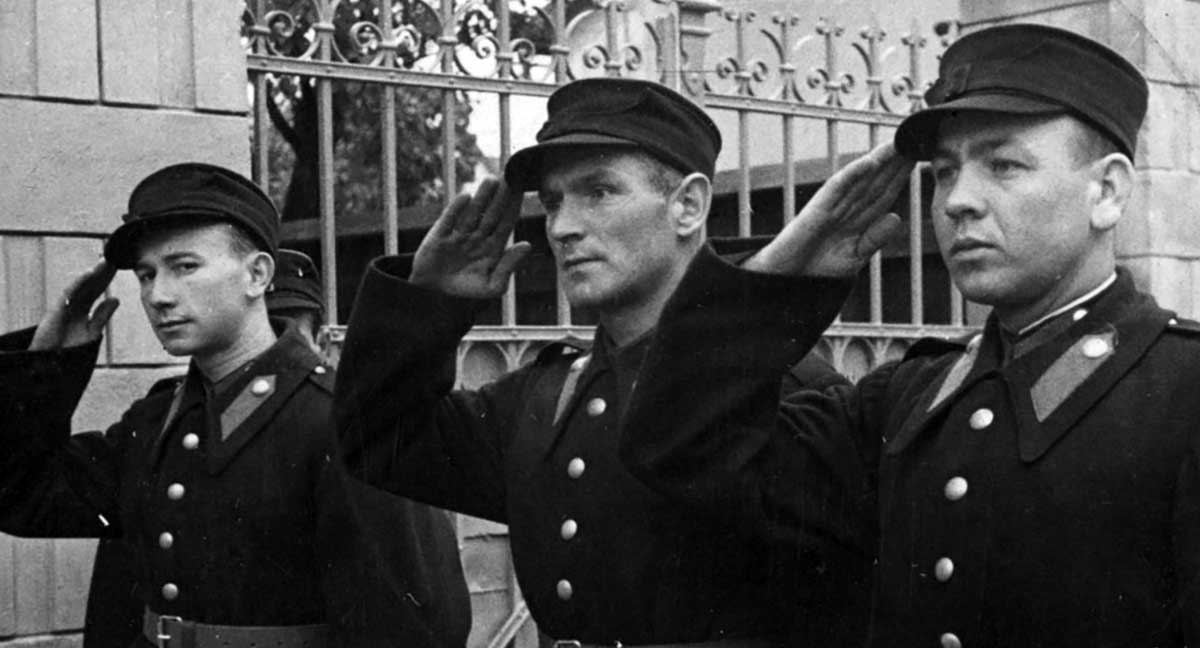
Notwithstanding the willingness of many Poles to help their Jewish and Roma brethren, there were also many Polish collaborators. A collaborator police force known as the Blue Police assisted the Germans with their roundups and crushing of resistance attempts to revolt. Some locals were willing to help the Germans if they received a financial benefit for doing so. These people were known as Szmalcowniks and they proved to be a real problem for anyone the Germans wanted to hunt down. Many were ethnic Germans who lived in Poland before the war. Jewish and Roma people were sometimes recruited as collaborators too. The Jewish police helped maintain order in the ghettos before they too were killed.
The End of the War and the Results of Germany’s Policies
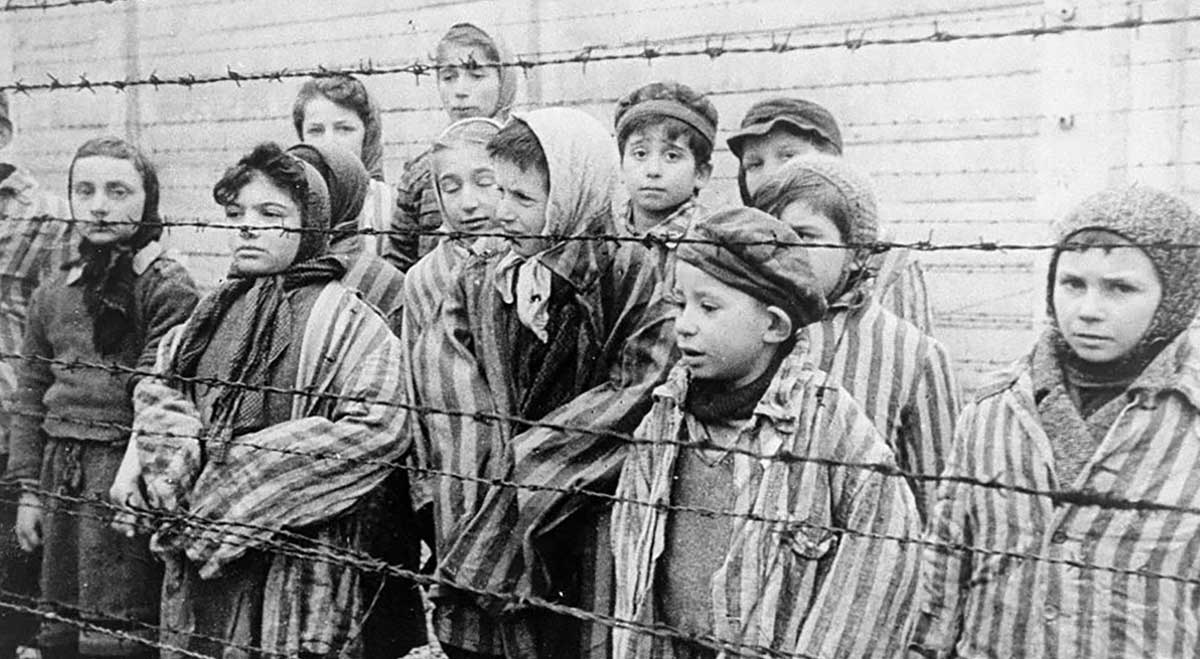
By 1945, the ghettos had been destroyed and the camps were killing the remaining people still inside. The Home Army’s uprising had failed and there was a real chance that the remaining Jews and Roma still in Poland could be hunted down and killed. However, salvation came from the advancing Soviet Army. The Soviets captured half of prewar Polish territory in Operation Bagration, and the subsequent winter offensive from the Vistula to the Oder expelled the Germans from Poland. Notwithstanding Stalin’s own antisemitic attitude, the Soviets proved to be liberators of the people still in the camps or in hiding. Their forces managed to provide medical care for the inmates at the camps they found and stopped the gas chambers from operating.
Occupied Poland, specifically the General Government district, was the center of the Holocaust. Jewish and Roma people from all over Europe were sent there in addition to the populations living in prewar Poland. People in Poland had been used to hardship; they had suffered through the repeated partitions of their homeland, the chaos of WWI and the Polish-Soviet War, and political turmoil during the years of the Second Republic. Nothing, however, prepared Polish Jews and Roma for what happened between 1939 and 1945. Even worse, the aftermath of the war saw a civil war between the Polish underground and the new communist government. Tens of thousands more died, many of them Jews and Roma.
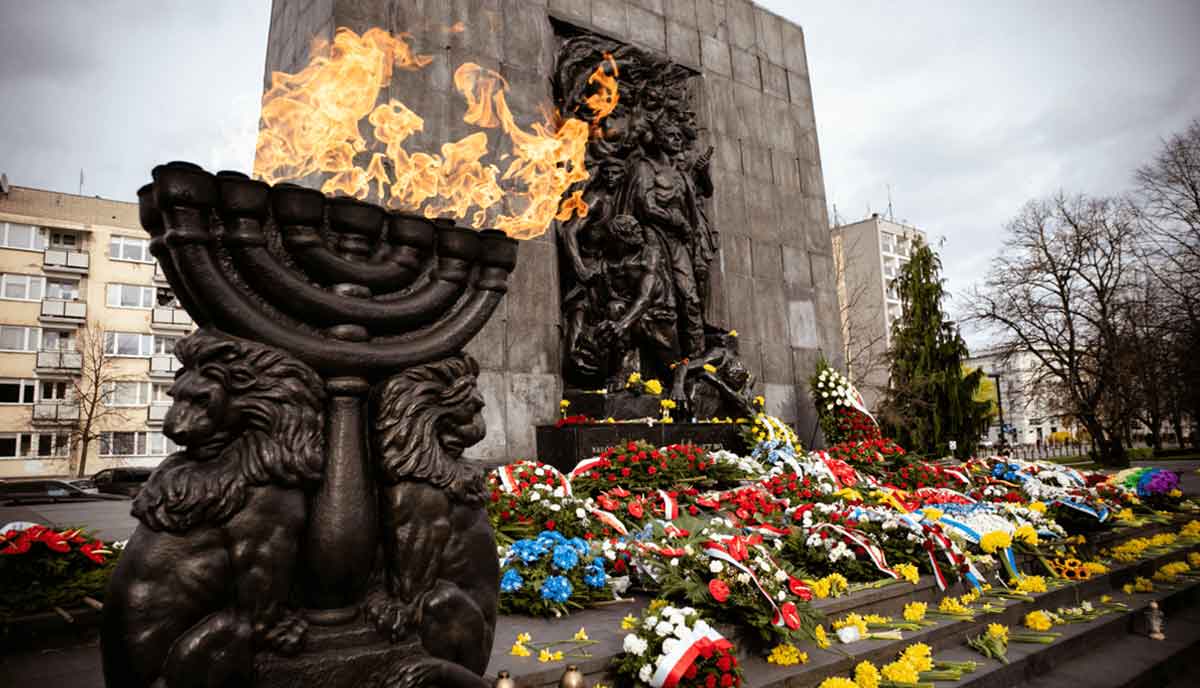
While some members of the Jewish and Roma communities in Poland survived the war, life was not the same after the war. The Kielce Pogrom and the 1968 anti-Zionist purge caused most of the remaining Jews to leave Poland, and fewer than 20,000 Jews live in Poland today. Nearly three million Polish Jews died in WWII, either in combat or by extermination. The Polish Roma death toll is estimated in the tens of thousands; gauging the actual numbers is very difficult. Their postwar experiences were terrible too: the Soviets and Polish communists ordered them to be relocated multiple times and their way of life was attacked by the new government. Only with the end of the Cold War did people in Poland truly reckon with the enormity of the Holocaust in their country.