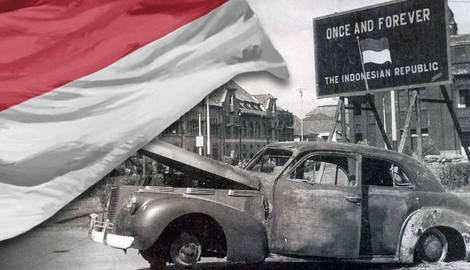

From 1945 to 1949, the Indonesian nationalist movement fought a brutal war against the Dutch colonial authorities. Both the Netherlands and Indonesia had experienced occupation by Axis powers during the Second World War; now they fought each other over the future of the world’s largest Muslim state. By 1949, Sukarno’s movement prevailed against the Dutch. How that happened is an extraordinary story.
Formation of the Indonesian Independence Movement
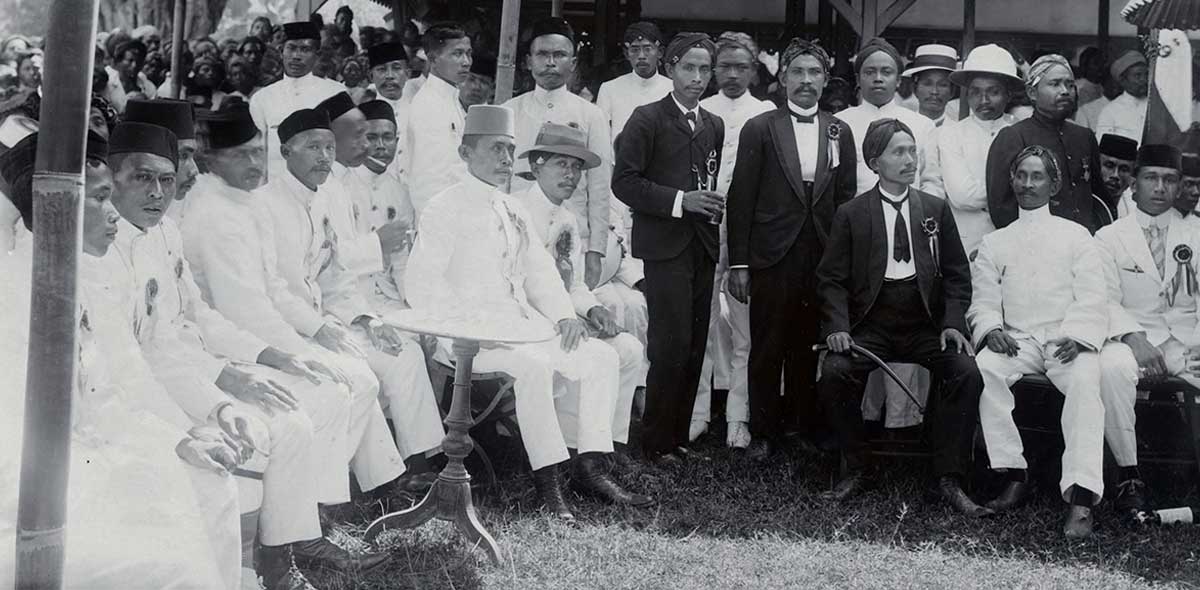
Ever since the founding of the Dutch Empire in the 1600s, Dutch leaders colonized islands in the Indonesian archipelago, known as the Dutch East Indies. They sought control over natural resources and spices in order to fuel economic growth and make themselves a powerful actor in Europe. Dutch conquests continued all the way until 1914 when they crushed some tribes living deep within the islands of Aceh and Sumatra. Their policies were brutal and solely designed to benefit the Dutch colonial authorities and the established Dutch settler population. Such policies contributed to the rise of a nationalist movement hoping to rid the archipelago of Dutch rule.
In 1908, the first anti-Dutch organization was created on the island of Java; its aim was to protect Indonesian workers from Dutch predatory economic policy. This inspired the foundation of Sarekat Islam in 1912, and membership increased to 50,000 by 1916. Every time the Dutch authorities attempted to crack down on organizations promoting Indonesian self-determination, they faced stiff resistance. This led to the rise of two of the most influential Indonesians in history: Sukarno and Mohammad Hatta.
Sukarno was a well-educated and multilingual Javanese man who had been involved in Indonesian independence for most of his life. In 1927, he and his colleagues formed the Indonesian National Party (PNI) with the aim of gaining independence for all of Indonesia. He was repeatedly arrested by the Dutch colonial police. When WWII arrived in Indonesia, the PNI had a new agenda.
Indonesia in WWII
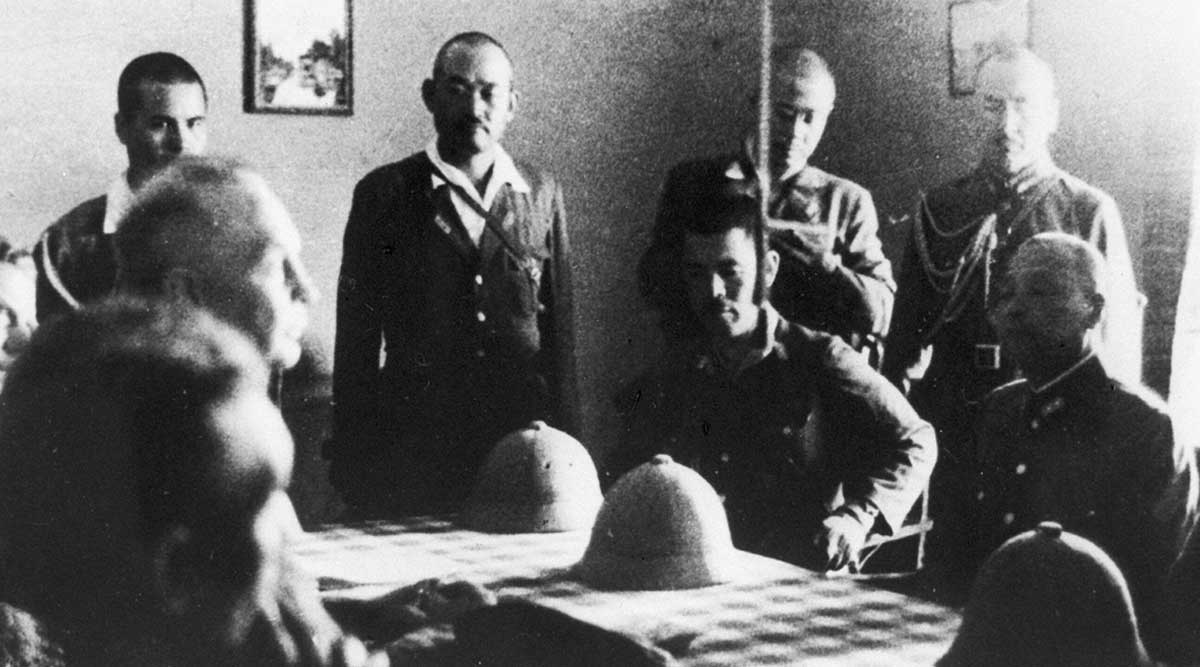
When Germany invaded and occupied the Netherlands in 1940, they initially left the rest of the Dutch Empire alone. However, Japan’s entry into the war in December 1941 soon led to the occupation of the Dutch East Indies. The Dutch garrisons on the island were too weak and they lacked support from the Allies. In January 1942, the Japanese began a multipronged assault on the archipelago and defeated the Dutch within three months. Japan was assisted by Indonesian nationalist factions including the PNI. They were thrilled to see an Asian power defeat the hated European colonizers. Sukarno and Hatta sought to take leadership positions in the new Japanese-controlled government.
However, Japan turned out to be a brutal occupier of Indonesia. Japan sought to conscript the locals into a labor force to help them build infrastructure throughout the empire. The forced laborers, also known as Romusha, suffered terribly during the war and many never returned to Indonesia. Japan also stole food for its garrison, causing many Indonesians to die from hunger. Japanese prison camps were initially intended for Dutch soldiers and civilians but over time Indonesians were also interned.
Sukarno and other nationalist leaders insisted on working with the Japanese and even sought guarantees from Tokyo regarding independence. While there was isolated resistance against the Japanese throughout the war, there was no major resistance movement like the one in the Philippines. As the war wound down and Japan faced defeat in 1945, Japan announced it recognized Indonesian independence under the government led by Sukarno.
The British Occupation and the Start of the Independence War
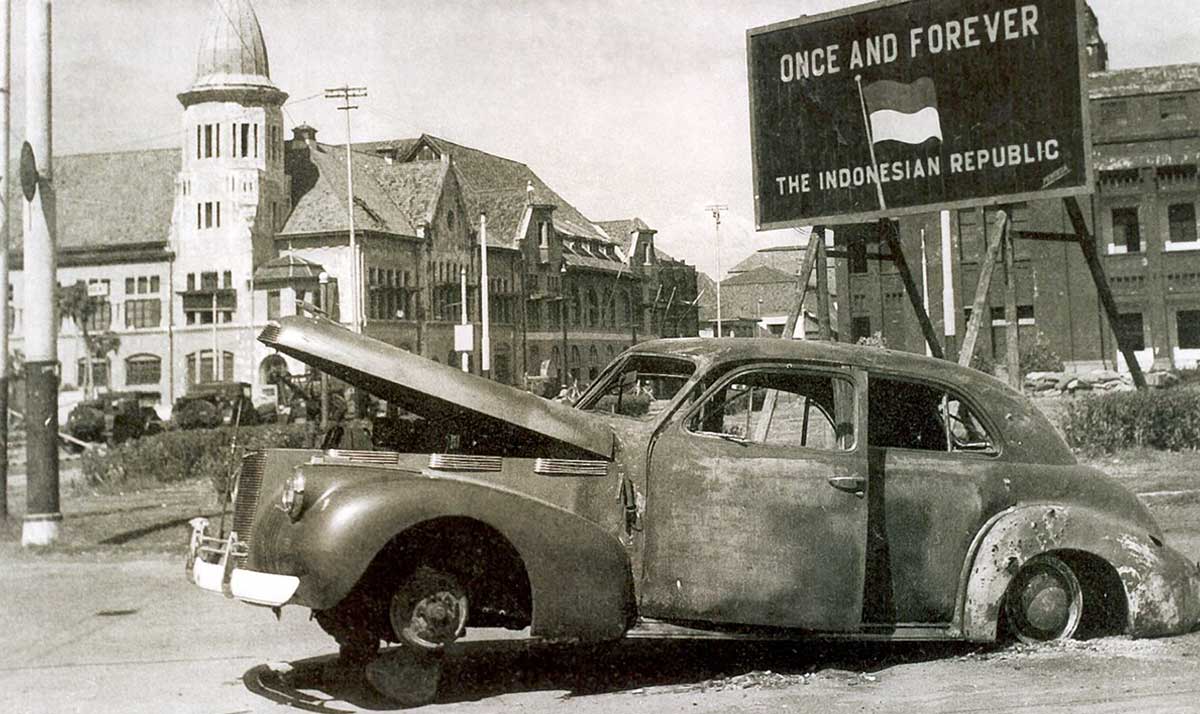
Allied forces began landing on various islands in Indonesia in 1945. Australian forces seized Balikpapan and remained there as a postwar force of occupation. On September 9th, 1945, British forces arrived at the main ports in Java to accept the Japanese surrender. Their arrival was not welcomed because the PNI had declared independence on August 17 and they feared that the British would reinstate Dutch rule. As several divisions of the Indian Army arrived on Java, Indonesian militias known as the Pemuda began attacking both British troops and European and Chinese civilians.
These attacks, known as the Bersiap, became infamous for their cruelty and Sukarno tried to stop them. However, the fighting escalated out of control and British forces were engaged in pitched battles. Ironically, Japanese troops helped the British as part of a deal so that they could be repatriated home. When Brigadier Aubertin Mallaby, commanding the Indian 49th Brigade, was assassinated, the British responded by launching a major operation intended to force the Pemuda out of Surabaya. Some 1,200 British troops became casualties in this battle and other fights outside the city; thousands more Indonesians perished.
For the rest of the year into 1946, British troops engaged in a brutal counterinsurgency against lightly armed Pemuda militias. These had been created and armed by Japan during the war. Public opinion in Britain and India soured in light of the intensity of the fighting and British theater commander Admiral Lord Louis Mountbatten supported withdrawal. As Commonwealth forces withdrew, the Dutch arrived to take their place.
Linggadjati Agreement and Operation Product
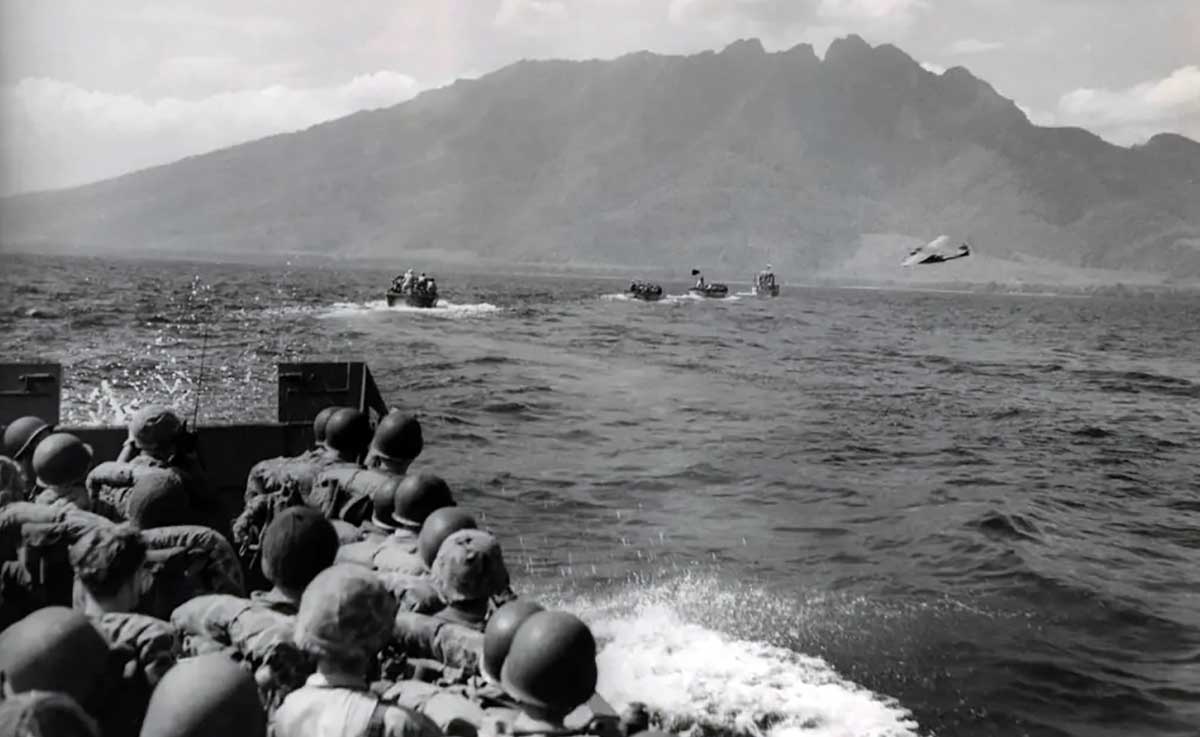
After WWII, the Netherlands hoped to resurrect its colonial empire while offering a degree of autonomy to its colonies. As British forces withdrew, Dutch troops arrived to reassert control. Dutch Prime Ministers Wim Schermerhorn and Louis Beel hoped to come to an agreement with the PNI allowing for continued colonial rule with some autonomy. Schermerhorn met with Indonesian Prime Minister Sutan Sjahrir and other officials in the village of Linggadjati. Following a prior conference at Malino, the negotiators agreed that the republic would be part of the United States of Indonesia, linked in union with the Dutch monarchy.
The agreement, signed in March 1947, seemed promising but faced major resistance. The newly-formed Indonesian Armed Forces (TNI) wanted to gain an advantage over the Dutch and had been fighting small battles with Dutch forces near major cities in Java and Sumatra. The Dutch government sent over 200,000 men in three divisions with other brigades to fight the TNI. Many Dutch hardliners considered the talks to be a capitulation; while many Indonesian nationalists believed that the Dutch should no longer have a role to play. Notwithstanding Governor-General Hubertus Van Mook’s efforts to make peace, the Dutch senior general, Simon Spoor, vowed to defeat the TNI.
In July 1947, Dutch forces launched Operation Product to secure major plantations on the islands of Java and Sumatra. Several Dutch brigades attacked in different directions and managed to overwhelm the TNI easily. Assisted by commando raids and amphibious assaults, the Dutch took control of much of Java and Sumatra’s farmland and infrastructure. Sukarno’s government was confined to Yogyakarta in south Java.
Guerilla Warfare, Darul Islam, and the Madiun Affair
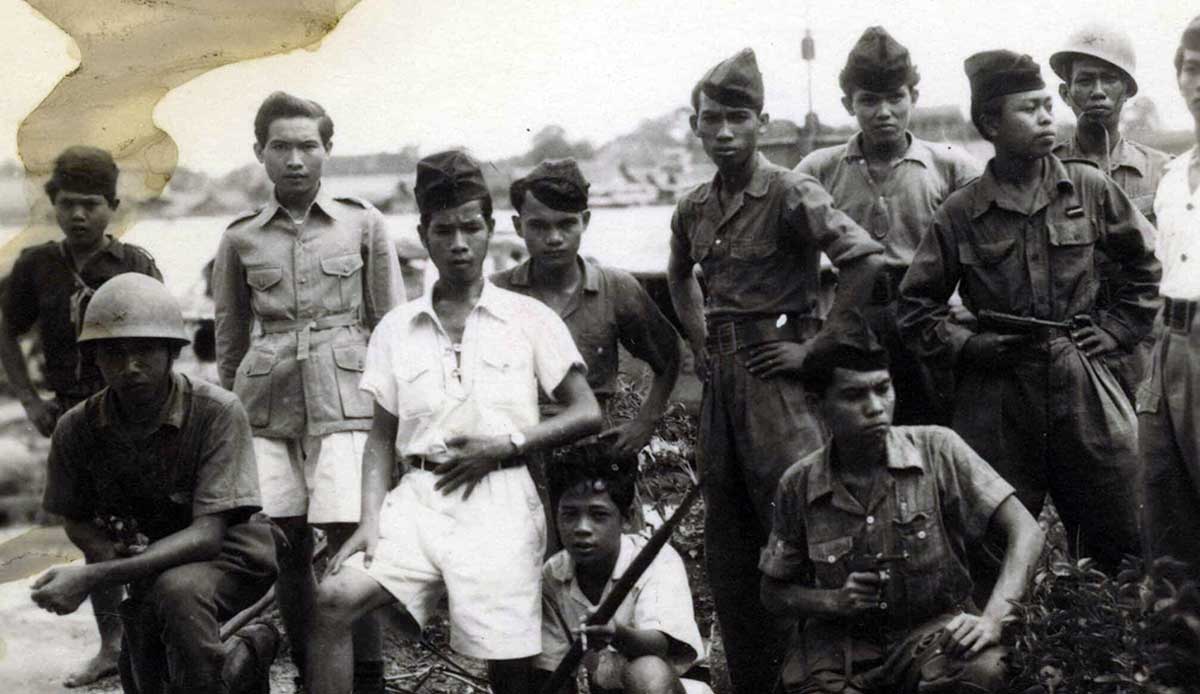
The leadership of the TNI, including General-in-chief Sudirman, knew that it was impossible to confront the Dutch in pitched battles. They turned to guerilla warfare with the hope of making the war unpopular in the Netherlands. As Dutch forces established outposts throughout Indonesia, they came under hit-and-run attacks from TNI troops and other militias. The Dutch responded with overwhelming force, burning entire villages near ambush sites. Suspected TNI members were tortured by Dutch military intelligence and their Indonesian collaborators. The worst incident took place when Dutch troops massacred villagers in South Sulawesi. Accountability was very rare for Dutch actions.
Adding to the chaos of the war was Darul Islam, a group that opposed both the TNI and Dutch military. Formed in 1948 by Sekarmadji Maridjan Kartosoewirjo, it wanted Indonesia to be an Islamic state governed by Sharia law. Its activities were brutal; anyone who opposed their vision was either arrested, killed, or forced to flee. The TNI even briefly cooperated with the Dutch in fighting Darul Islam. When the war ended in 1949, Darul Islam kept fighting for 13 more years against the TNI.
Closer to the republican capital of Yogyakarta, the Indonesian Communist Party (PKI) launched an uprising against Sukarno. Believing that his revolution was not radical enough, they fought several battles against the TNI’s divisions. PNI Vice President Mohammad Hatta ordered the TNI to crush the PKI in Madiun. After brutal fighting, the TNI prevailed, catching the attention of American policymakers. They became more interested in Sukarno after this.
The Renville Agreement and Operation Crow
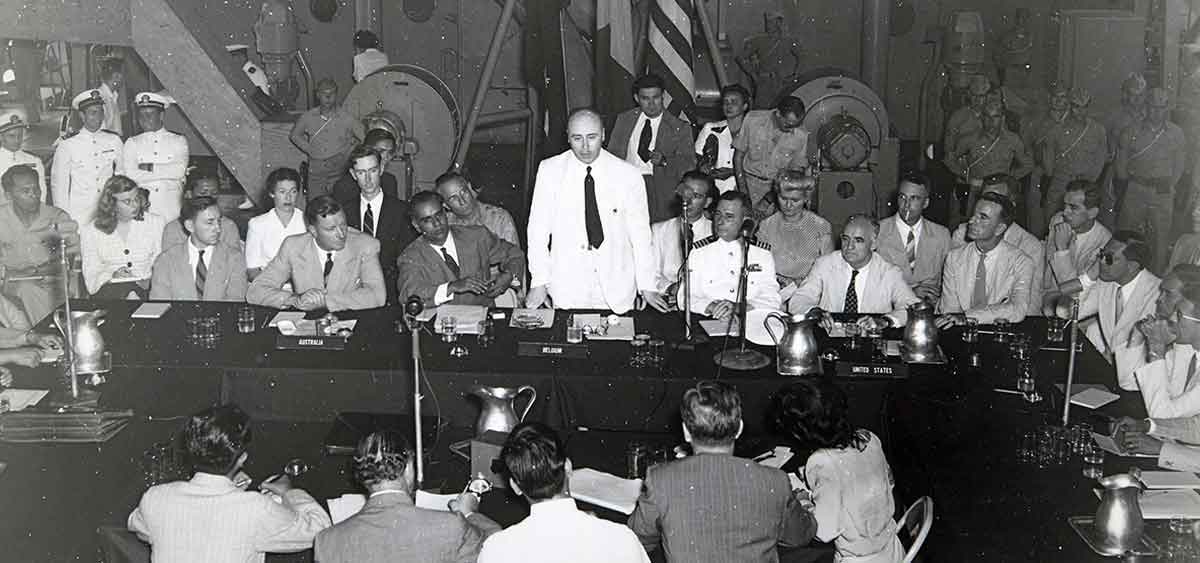
Despite the intensity of the TNI’s insurgency against the Dutch, they still lacked the means to throw the Dutch out of the colony. As fighting continued, Dutch and Indonesian representatives met on the USS Renville, a US Navy vessel, to make a new deal and negotiate a ceasefire. Prime Minister Amir Sjarifuddin led the Indonesian delegation. These talks led to the division of territory between Dutch and Republican control and a ceasefire. While the division of territory was temporarily followed, fighting continued regardless of the ceasefire. Like the Linggadjati Agreement, the Renville Agreement was widely unpopular.
As Sukarno’s government faced internal strife, General Spoor launched a major offensive that would destroy the Republic once and for all. The new Dutch government of Willem Drees faced a lot of pressure and Spoor wanted to please his political masters. In December 1948, Dutch forces launched a multi-pronged offensive against the TNI called Operation Crow. The initial attacks seized TNI airfields while armored columns drove towards TNI positions. Later that month, Sukarno, VP Hatta, and the rest of the cabinet were captured when the Dutch seized Yogyakarta. The offensive was a major military success.
However, the Dutch faced major criticism at home and abroad for violating the Renville Agreement. Public protests intensified in the Netherlands and draft dodging became more frequent. The US government, having originally backed the Dutch, began to publicly criticize them and threatened to withhold Marshall Plan funding.
Roem-Van Royen Agreement and the Round Table Conference
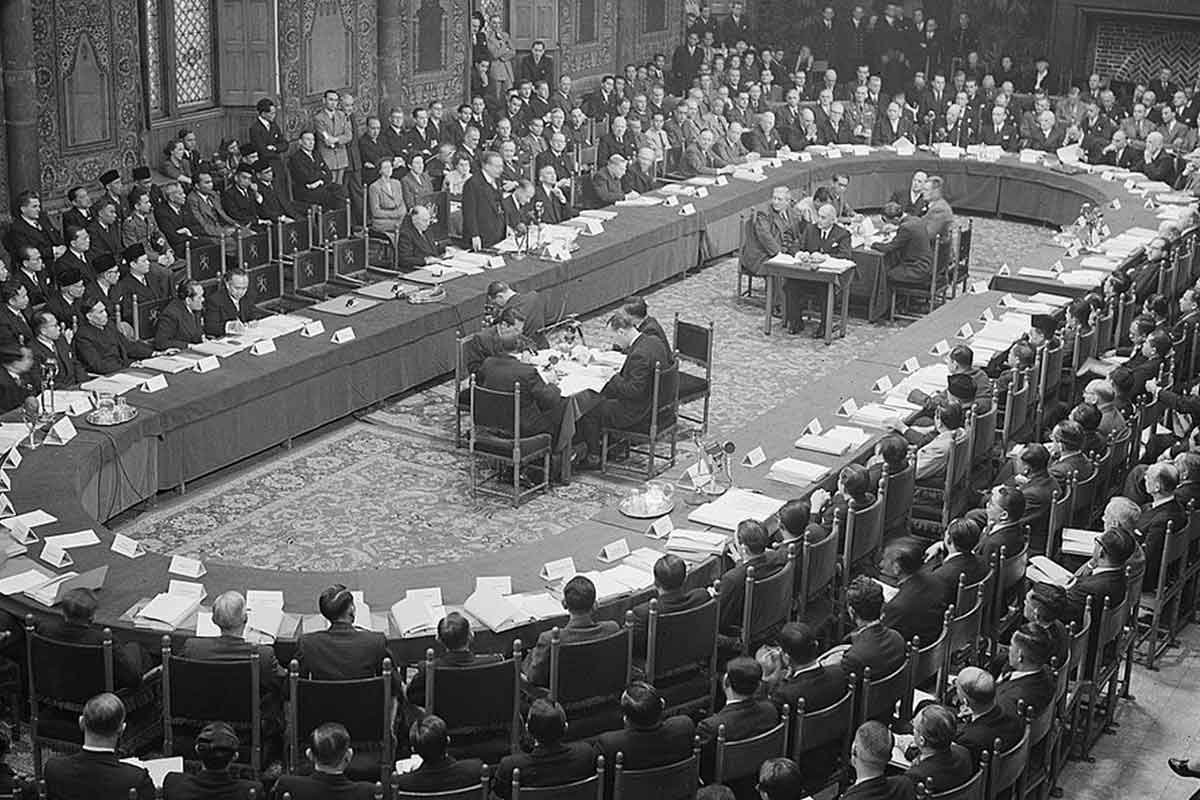
Dutch forces faced continued attacks, including an offensive on the newly seized Yogyakarta. Under major diplomatic pressure, the Dutch government began to consider full Indonesian independence. Dutch officials hoped that Indonesia could remain a part of a Dutch-led commonwealth. However, it was clear that they could not maintain a major military presence in the archipelago anymore. They decided to directly invite Indonesian representatives to talks at The Hague. Indonesian diplomat Mohammad Roem arrived in the Netherlands to meet with Dutch diplomat Dr. Jan Herman van Roijen. After a series of talks, they agreed a ceasefire deal and the release of Indonesian leaders from Dutch prisons.
The Roen-Van Roijen Agreement set the stage for the final transfer of sovereignty at the Round Table Conference. In August 1949, senior members of the Drees and Sukarno governments met at The Hague. Despite initial agreement on certain aspects of Indonesia’s independence, the Dutch insisted on holding onto the western half of the island of New Guinea, claiming that the locals did not want to be ruled by Indonesia. Sukarno demanded that the Dutch hand over that province to Republican control. In the event, the decision was postponed and the Netherlands went ahead with recognition. Dutch forces returned home and the PNI took control of all institutions on the islands. Indonesia at last gained full independence.
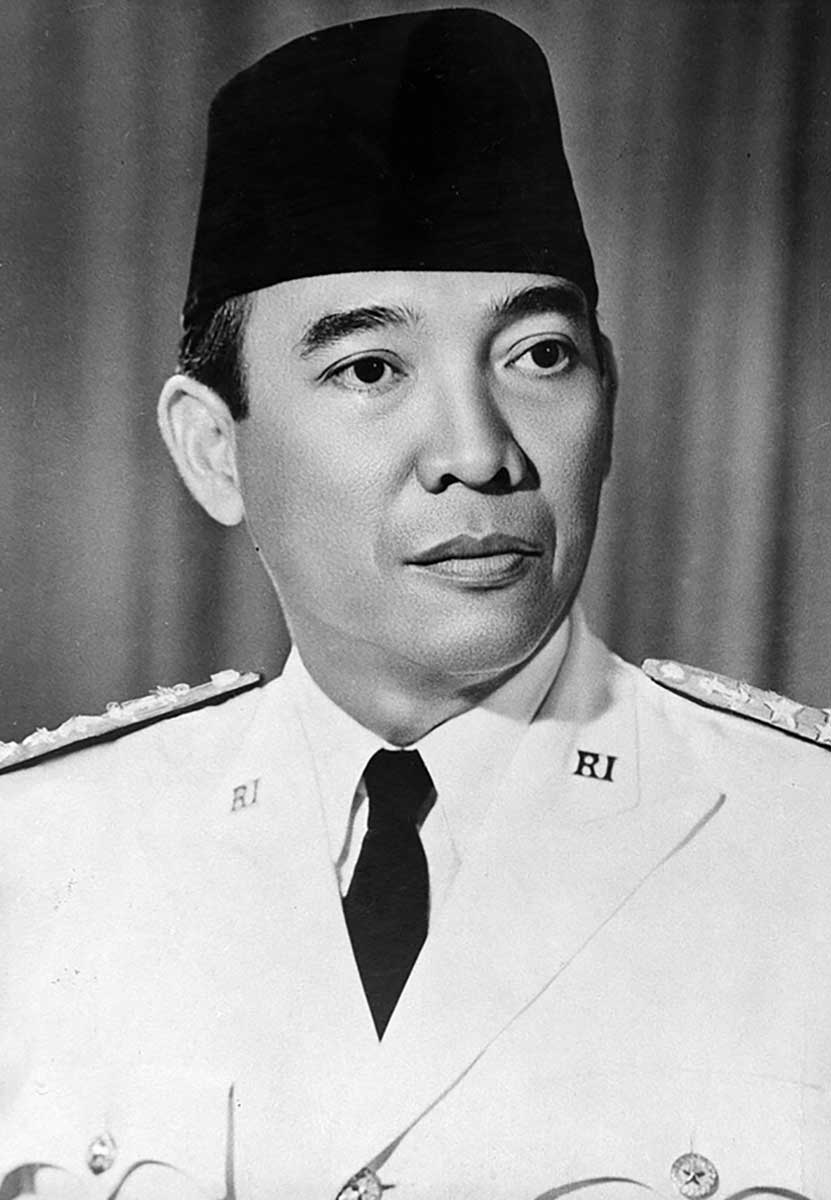
The Revolution was the defining moment in Indonesia’s history. At a cost of 100,000 lives, the Indonesian nationalists eventually managed to outlast the Dutch occupiers. Sukarno scrubbed any connection to the Netherlands and sought to turn Indonesia into a regional power. He seized West Papua in 1962 and started a small war with Malaysia too. In 1955, Sukarno hosted the Bandung Conference in 1955 to promote international solidarity in the decolonization movement, establishing Indonesia as a leader of the Non-Aligned Movement. Despite subsequent challenges and chaos in Indonesia, the Revolution was one of the most successful of the 20th century.