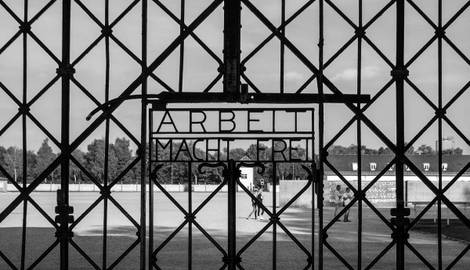

Many details about the Holocaust surfaced during the war in the international press owing to personal testimony and resistance reports from occupied Europe and North Africa. However, it was only when Allied troops came face-to-face with the camps themselves that the world saw the enormity of what the Axis powers did. The liberation of the camps brought an end to the Holocaust and were as significant a part of the war as the big battles like Normandy or Kursk.
The First Camps Uncovered in North Africa
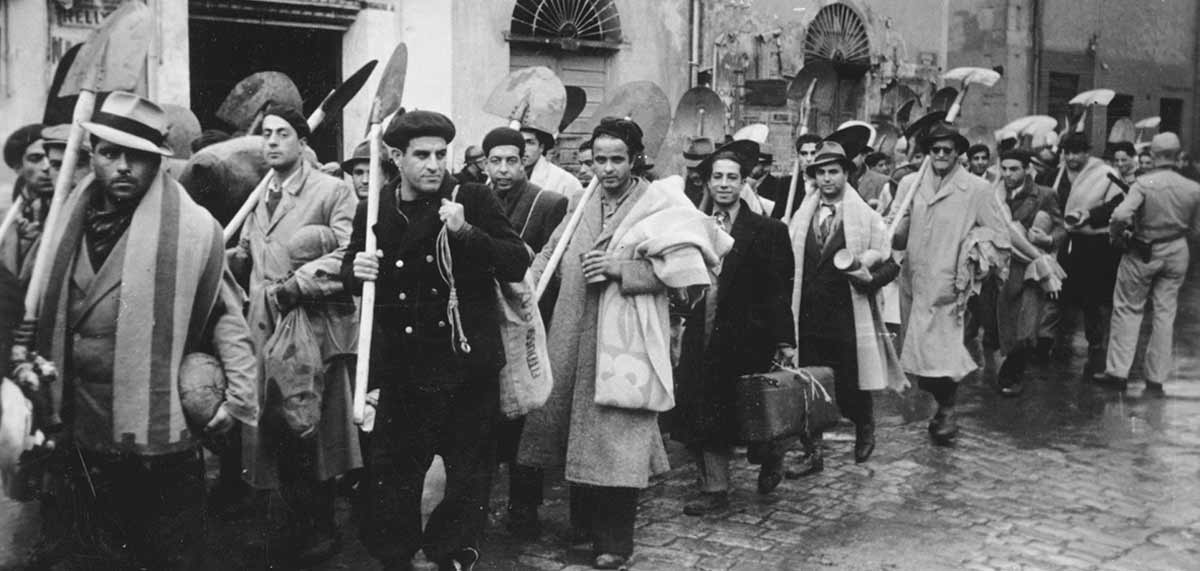
One of the forgotten chapters of the Holocaust in WWII was the persecution and killing of Jews in North Africa. As a result of the policies of the Vichy French, Italian, and German governments, tens of thousands of Jews were either forced to do unpaid labor, deported to Europe, or simply shot and killed. The German presence in Libya and Tunisia meant that Holocaust was worse there. As they evicted the Axis powers from North Africa in 1943, the Allied forces came face-to-face with the harsh policies directed towards Jews.
Libyan Jews faced systemic discrimination by the Italian authorities during the war. Italy began sending Jews to camps in Europe if they were citizens of another European country. Otherwise, they were sent to labor camps such as Sidi Azzaz, Buq Buq, or Jado. Some 3,000 Libyan Jews went to these camps until they were liberated. Italian and German officers were brutal and abused the prisoners terribly, while disease ran rampant in the camps. In January 1943, the British Eighth Army took control of Libya and liberated the survivors.
In Tunisia, a similar phenomenon took place during the campaign in that country. German and Italian forces considered the Jews to be a fifth column and forced them into camps or deportation. Some 5,000 Jews entered camps in Tunisia. While they were not subject to extermination, they suffered terribly. Allied forces destroyed Army Group Africa and liberated Tunisia in 1943, in the process saving the Jews from their miserable conditions. Most went back to their homes to rebuild their lives, only to be forced to leave in the decades following the war.
The Soviets at Majdanek, Belzec, Sobibor, and Treblinka
What Allied troops of the Eighth and First Armies found in North Africa paled in comparison to what Soviet troops soon discovered in occupied Poland and Belarus. On June 23, 1944, Soviet forces launched Operation Bagration, a massive offensive intended to push Axis forces out of the Belorussian SSR and to advance as far as possible into Poland. They destroyed 106 German divisions and pushed far into Nazi-controlled territory. As Moscow’s forces advanced, they entered Poland, which had been the epicenter of the Holocaust.
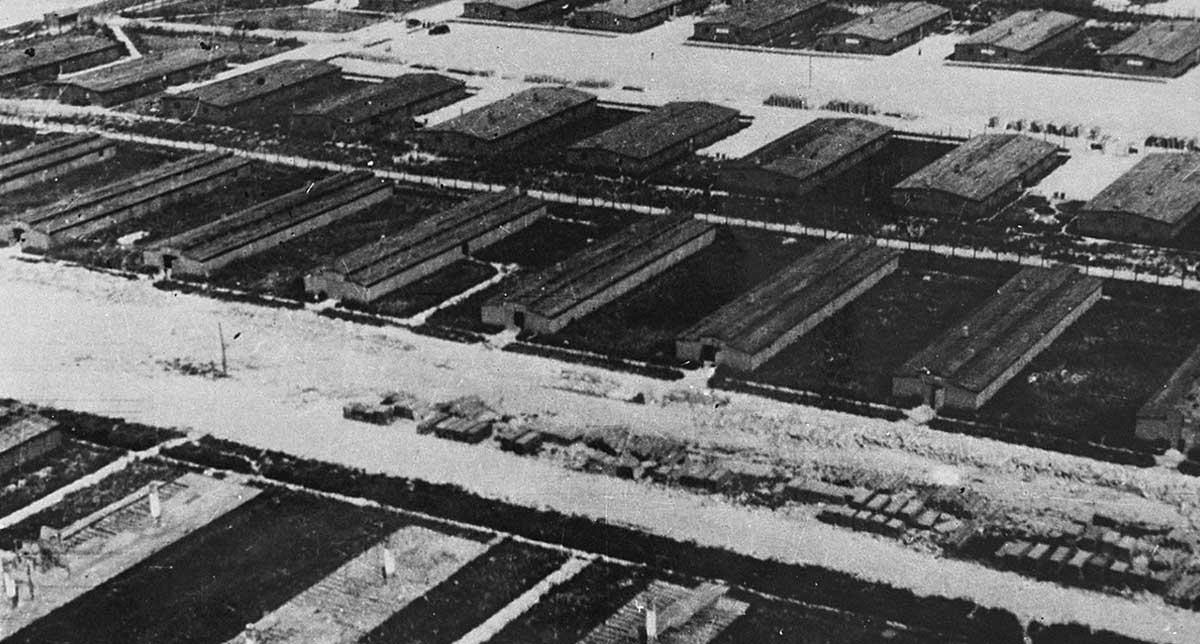
Majdanek concentration camp, located just outside of Lublin, Poland, was an extermination camp with three gas chambers. It also had storage facilities for items stolen from concentration camp prisoners all over Europe. 80,000 out of the 130,000 people sent there died, including 60,000 Jews. The SS contingent administering the main camp had a reputation for sadistic cruelty. On July 24, Soviet forces of the 1st Belorussian Front arrived at Majdanek, the first major extermination camp to be found by Allied forces. Many Westerners were in disbelief at the reports of gas chambers and other facilities there. Yet much worse was to come.
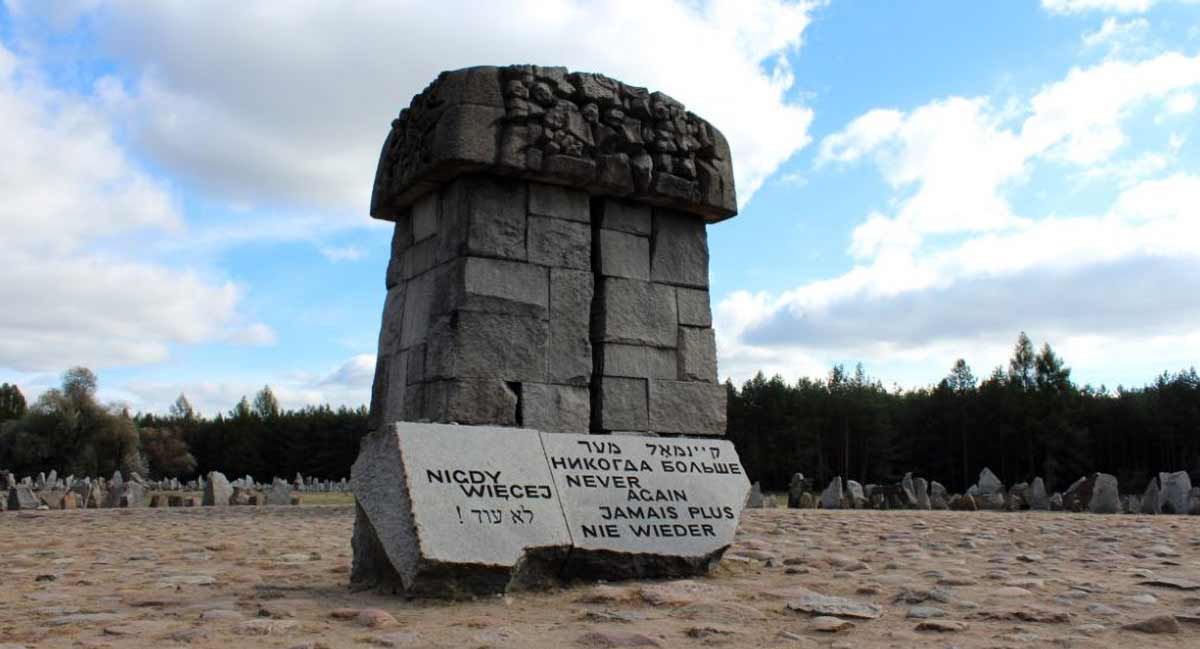
Soviet forces uncovered more camps as Operation Bagration continued. Treblinka, Belzec, and Sobibor were liberated in quick succession. Treblinka was another infamous death camp. After a failed uprising, the prisoners had mostly been annihilated and much of the camp was destroyed. It had been one of the largest killing centers in occupied Europe. The other camps were found in varying conditions; Belzec and Sobibor had mostly been demolished after uprisings from within the camps and the Soviets only found remnants.
By contrast, they managed to capture Majdanek mostly intact. Even the most battle-hardened Soviet soldiers were astonished at what they found in Majdanek. Konstantin Simonov wrote for Red Star “What I am about to describe is too incredible, too terrifying for human faculties to grasp. Without question, this terrible affair will remain a pressing subject for lawyers, politicians, historians and doctors for a long while yet. (…) At the moment, I do not yet have all the facts and figures (…). But he who has seen such things cannot stay quiet, cannot wait. I must speak of this now, today, of the very first signs of these crimes to come to light, of all that I have heard these past few days, and of all that I have seen with my own eyes.” The discovery of Majdanek confirmed the worst fears about Nazi conduct in occupied Europe.
The Liberation of Auschwitz
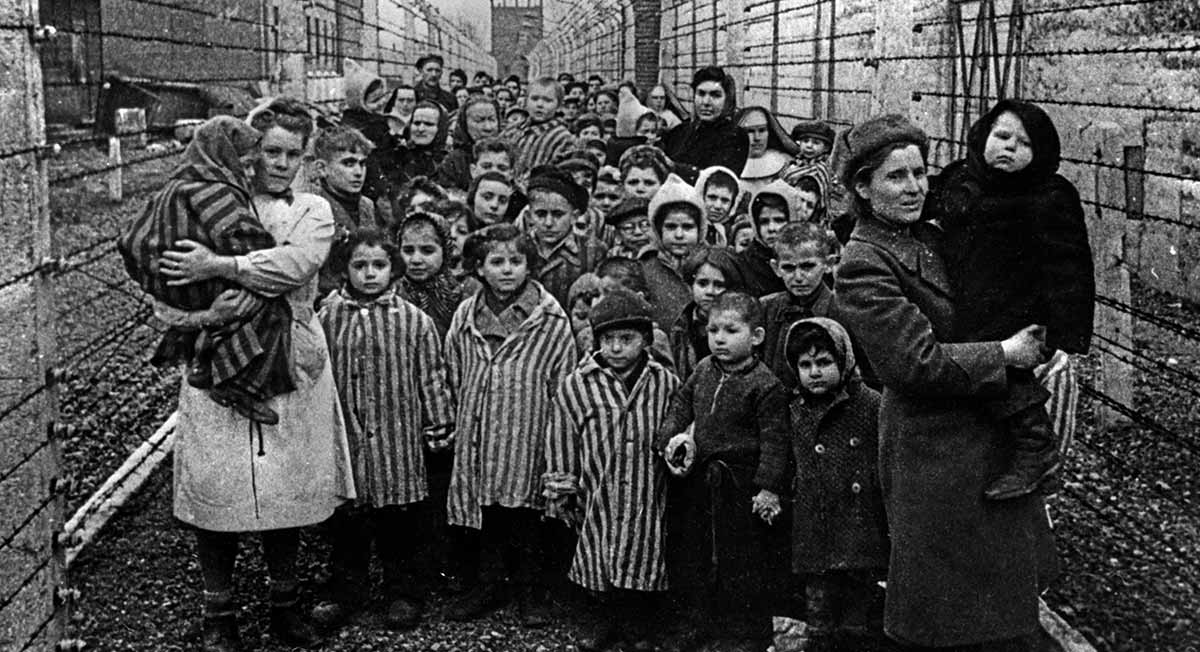
The Soviets followed up on the success of Operation Bagration with the Vistula-Oder offensive. Advancing towards the prewar German border, Soviet forces uncovered more evidence of the Holocaust, including the remnants of the Warsaw Ghetto. It was on January 27, 1945, that Soviet forces found Auschwitz-Birkenau. Many documents had been destroyed by the SS guards, but much evidence of their work remained. Some 56,000 prisoners were marched out before the Soviets arrived at other camps in Germany or western Poland.
Soldiers of the 100th and 322nd Rifle Divisions from the 1st Ukrainian Front entered the main camp and other subcamps after clashing with German stragglers. Some 7,000 prisoners remained there, barely surviving in the winter conditions and deprived of basic resources. Polish Red Cross members and Soviet army doctors attempted to assist the survivors while Soviet investigators aimed to piece together what happened. Survivors were stunned to see Soviet troops crying at the sight of the camps, notwithstanding the brutal fighting they saw.
For some of the prisoners that came from villages not far away, going home was a matter of walking or hitching a ride. Many prisoners, however, came from all over Europe and could not return home immediately. The Soviets often let them go with little assistance; their main aim was to drive on to Berlin. The liberation of Auschwitz was one of the most momentous events of the war and revealed the full extent of what the Nazis had attempted to carry out in occupied Poland.
Camps Liberated by US Forces
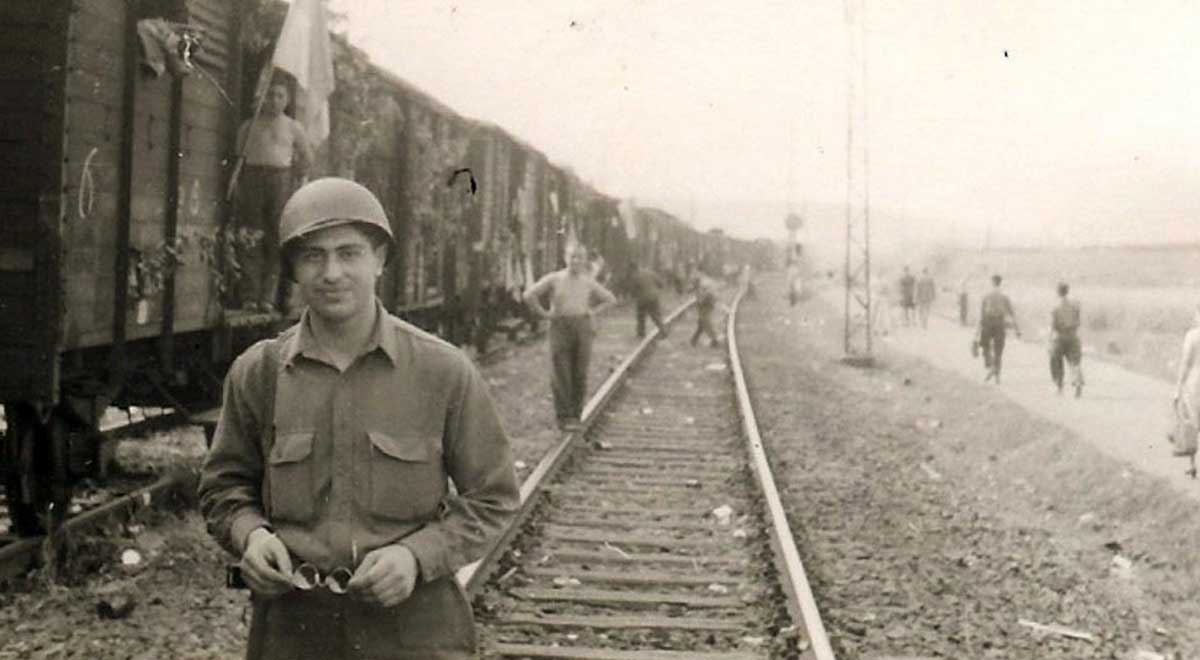
The Western Allies had come across a lot of evidence of Germany’s atrocities in their prior campaigns before entering German soil in 1945. However, it was only when they were deep within the Reich did they see firsthand what the Nazis had built as part of the Final Solution. On April 11, 1945, men of the US 6th Armored Division arrived on the outskirts of the Buchenwald concentration camp. It was the first camp reached by troops of the Western Allies within Greater Germany. They were shocked at what they found; it exceeded even their worst fears of Germany’s wartime conduct. Later that month, American forces uncovered Dora-Mittelbau, Flossenberg, and the first camp created: Dachau. In May, they found Mauthausen.
During the First World War, Allied governments exaggerated the extent of Germany’s atrocities, leading to skepticism that Germany could do many of the horrible things it had been accused of. Thus, when Western Allied troops found the camps in Germany, they were completely unprepared for the extent of the camps and what they found in them. At Dachau, the sight of so many bodies and destruction infuriated GIs so much that men of the 3rd Battalion, 157th Infantry Regiment shot down numerous German soldiers they found in the camp. Elsewhere, Eisenhower’s Supreme Allied Headquarters ordered local German civilians to bury the bodies and clean up the camps so that no one could deny what happened there. At the same time, lawyers attached to SHAEF began to gather evidence for future trials of the perpetrators.
The British at Bergen-Belsen; Soviets at Sachsenhausen and Ravensbrück
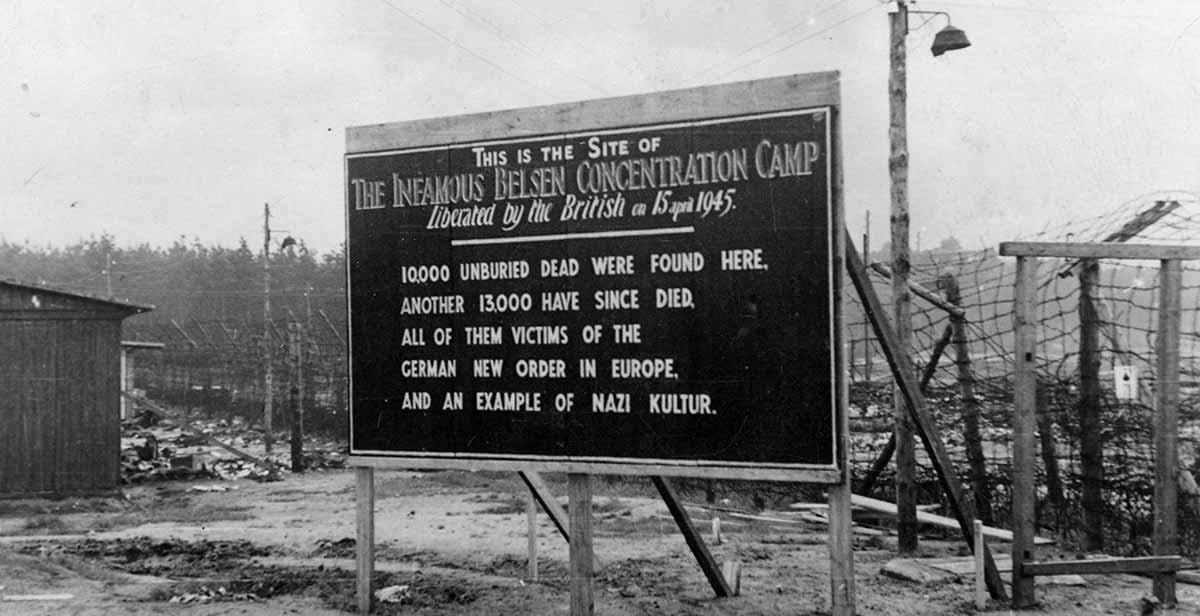
As the British 2nd and Canadian 1st Armies pushed into northern Germany, they found two other camps. The Canadian South Saskatchewan Regiment found the deportation camp of Westerbork in the occupied Netherlands, where Jews from Western Europe were sent to before being transported eastward. On April 15th, 1945, British soldiers of the 63rd Anti-Tank Regiment entered Bergen-Belsen, the first camp found by British troops since the North Africa campaign. Even though there were no gas chambers there, the scale of death and suffering was shocking to the liberators. They arrested the commandant immediately to put him on trial.
The Red Army continued its push towards Berlin in the spring of 1945. Its troops were more aware of Nazi atrocities than their Western counterparts but had yet to uncover the remaining camps. On April 22, soldiers of the Polish 1st Army, a communist force operating under Soviet control, found Sachsenhausen. 3,000 prisoners remained there; the rest of the camp population had been shot or deported elsewhere. Soviet troops then found the 3,500 women survivors of Ravensbrück on April 29th.
In most instances before the camps were liberated, the Germans killed or forcibly marched many prisoners elsewhere. Some prisoners sent to the camps in the east were forced back westward by the advance of the Red Army. This meant that the Allies had to contend with a massive flood of refugees. In many instances, prisoners had to remain in the camps until they could be repatriated. Jews faced two options: try to return home or emigrate to British-controlled Palestine.
Commemoration and Remembrance
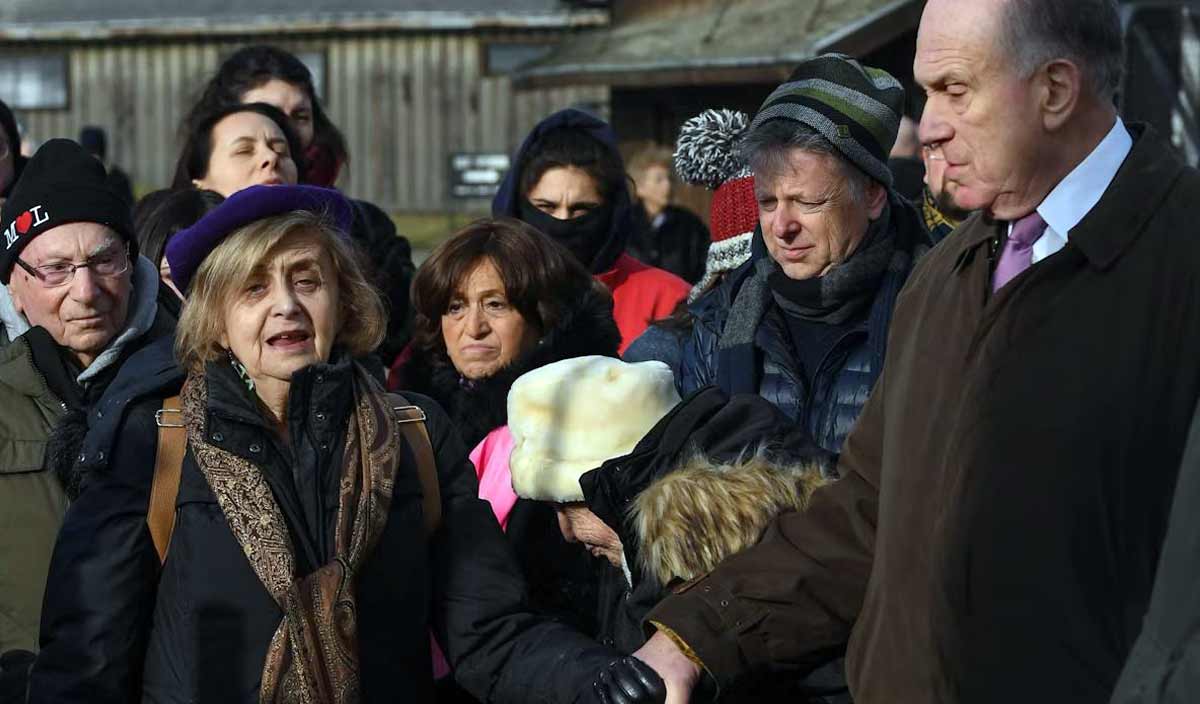
The liberation of the camps marked the end of the Holocaust and became one of the most remembered moments of the Second World War. Allied troops came face-to-face with the horrors of Germany’s imperialist and racist policies. In many cases, they were not psychologically prepared for what they saw. It took decades for the rest of the Western world to come to terms with what transpired in the camps right before they were liberated. In the USSR, it took even longer because of the Soviet denial that the Holocaust took place.
In recent decades, remembrance of the liberation of the camps became a major component of Holocaust education. Veterans of the units that liberated the camps were invited back to meet with survivors. In Eastern Europe, efforts were made to recover what remained of many of the camps. This was neglected because of years of communist rule. The US Holocaust Memorial Museum proposed in 1985 that American Army divisions that participated in the liberation of the camps could be awarded recognition. Initially, 10 divisions were recognized; this expanded to 36 over time after research by the Center of Military History.
In 2005, the UN declared January 27 to be a day of remembrance for the Holocaust. It was the anniversary of the liberation of Auschwitz-Birkenau by Soviet troops. This followed years of advocacy by survivors and Western politicians such as German President Roman Herzog. Every year, representatives of countries involved in the European Theater took part in ceremonies commemorating the occasion. The remembrance of the liberation of the camps is a seminal part of WWII education and it remains relevant as the number of survivors and liberators decreases over time.