The British aristocracy has never been short on eccentrics. In fact, by the 20th century, amid their dwindling political power and personal fortunes, eccentricity was among the aristocracy’s few remaining birthrights. But few families have been as notorious as the Mitfords, the six daughters (and one son) of David Freeman-Mitford, 2nd Baron Redesdale, and his wife Sydney. From inauspicious, if slightly unconventional, childhoods in rural Oxfordshire, these sisters hit the headlines for wildly different reasons. From intimate friendships with Adolf Hitler to passionate devotion to communism, the Mitford family became a walking battleground of the era’s radical beliefs.
| Name | Key Identity | Notable Life Detail |
|---|---|---|
| Nancy | Satirist & Novelist | Chronicled upper-class life; moved to Paris and focused on historical biographies. |
| Pamela | Rural Aristocrat | Known for a quieter life; married Derek Jackson before later living with a female partner. |
| Diana | Fascist Socialite | Married British Union of Fascists leader Oswald Mosley; imprisoned during WWII. |
| Unity | Nazi Enthusiast | Known for her intense obsession with Hitler; died young following a suicide attempt. |
| Jessica | Communist & Activist | Known as “Decca”; became a civil rights activist in the US and author of investigative journalism. |
| Deborah | Duchess of Devonshire | Transformed Chatsworth House into a major tourist site, preserving the ancestral estate. |
The Rural Aristocracy That Bred Six Radical Minds
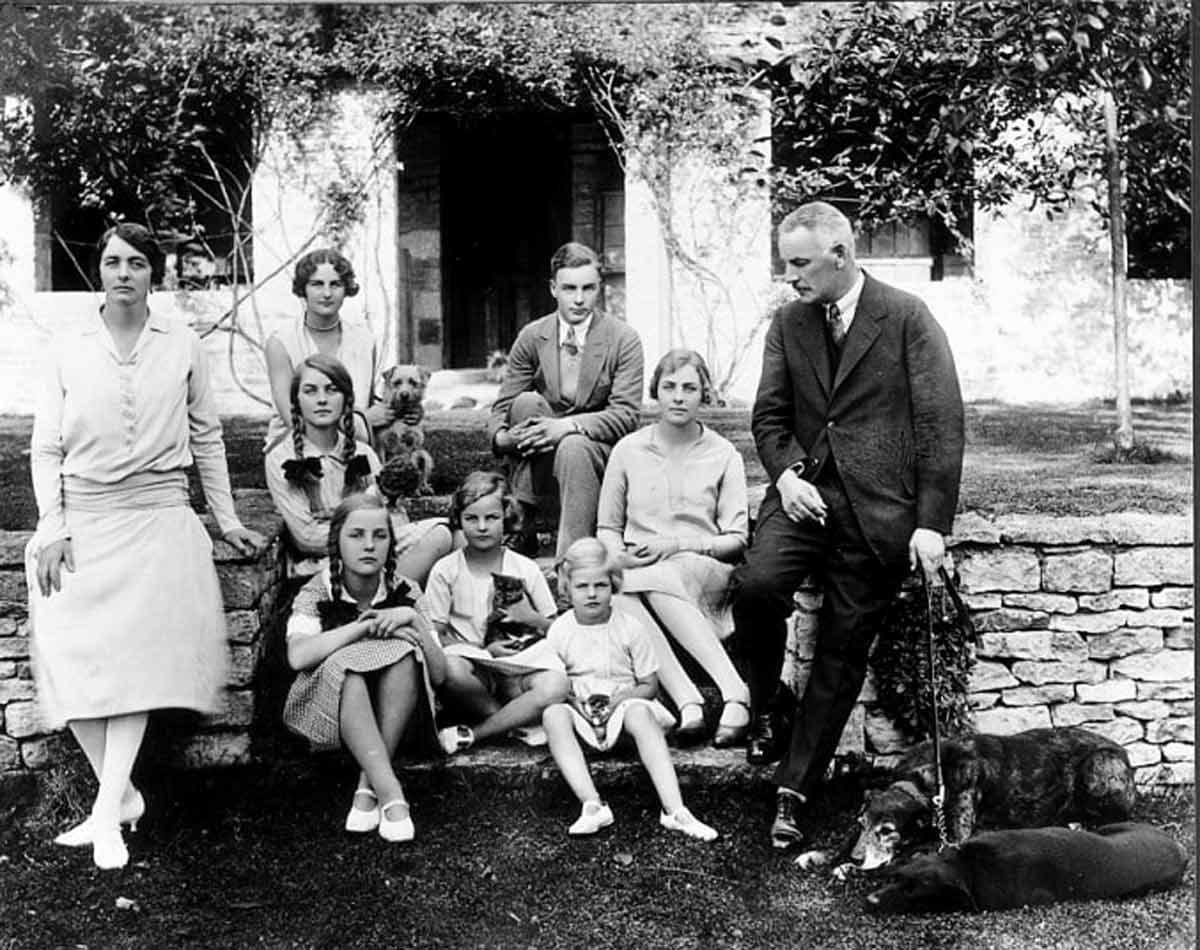
Childhood for anyone born into the British aristocracy in the early 20th century looked somewhat unconventional to those on the outside. That the Mitfords grew up in a series of country houses, increasingly smaller properties in the Cotswolds in Oxfordshire, and spent stints in a second home in London was not unusual. That their father and mother, known as “Farve” and “Muv,” were both strict presences in their children’s lives and strangely aloof, and that they were raised by nannies, was also not unusual.
It was not especially unusual that the sisters were mostly educated at home by a series of governesses, although their torture of these governesses was notable (Unity and Jessica once pranked a timid governess by hiding Unity’s snake, Enid, in the toilet). It was slightly more unusual that their mother Sydney not only disapproved of school, but of her daughters mingling with any local children at all, and moreover of doctors and medicine, trusting in the “Good Body” to thrust out all ailments eventually.
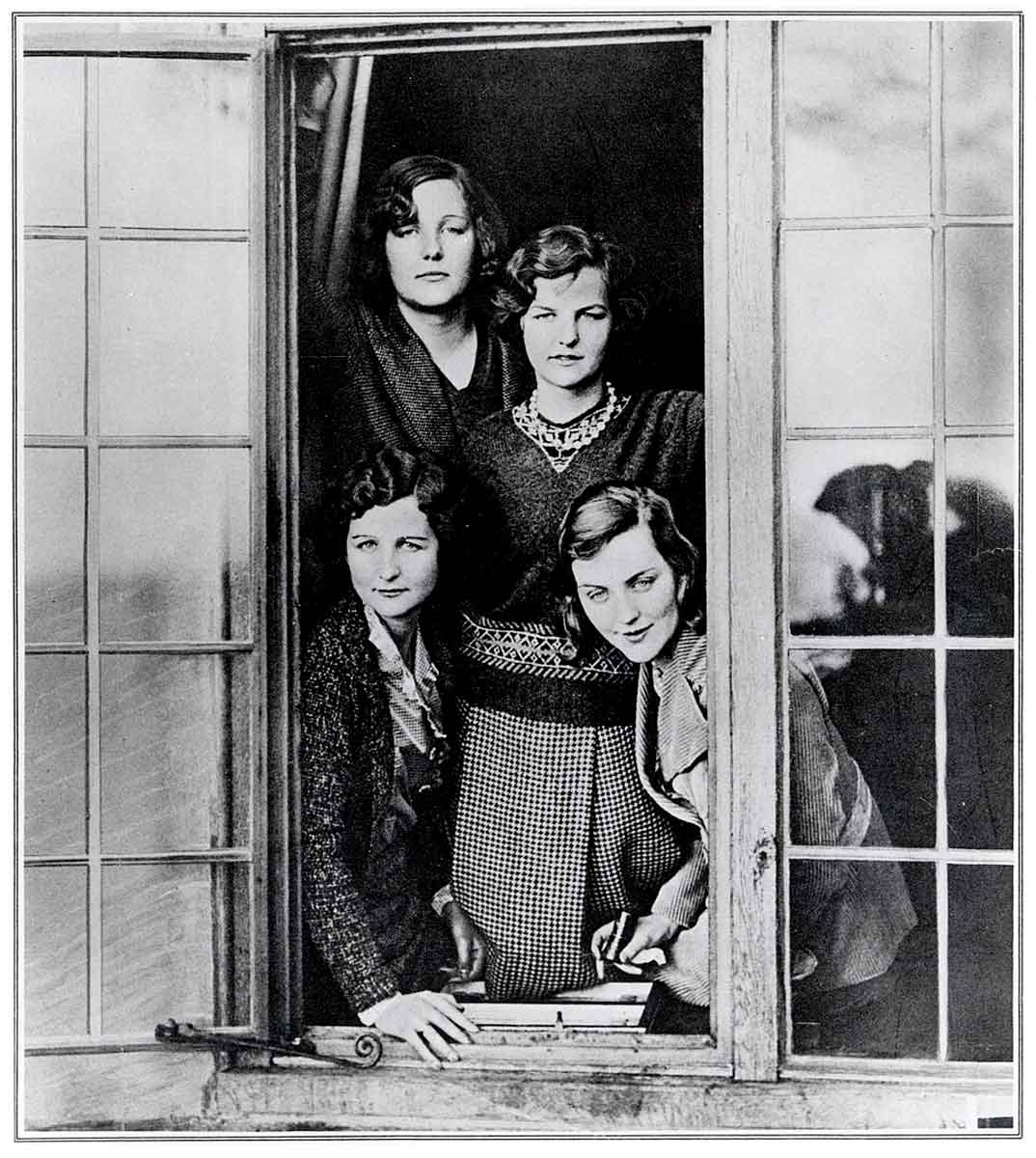
Like most large families, the Mitfords developed their own idiolect, with each sibling being known by several different nicknames, varying according to who was addressing them. The eldest, Nancy, would immortalize the family’s unique forms of speech in her novels. Something embarrassing was “simply too shame-making”; if two people fell out, they were no longer “on speakers” (or speaking terms); people you liked were Hons and people you did not were Counter-Hons, and Baron Redesdale, immortalized as the constantly raging Uncle Matthew in Nancy’s novels, referred to anyone he disapproved of as a “damned sewer.”
Although by many people’s standards the Mitfords, with their constant “shrieks,” as Nancy would call them, might seem like classic English eccentrics, they did not consider themselves particularly different from other upper-class families. They sent their son to Eton and focused on raising their daughters to be good wives and mothers, as well as taking them to debutante balls when they came of age. But it was when each daughter reached her teenage years that she began to show signs of becoming notorious.
Nancy Mitford and the Sharp Weapon of Satire
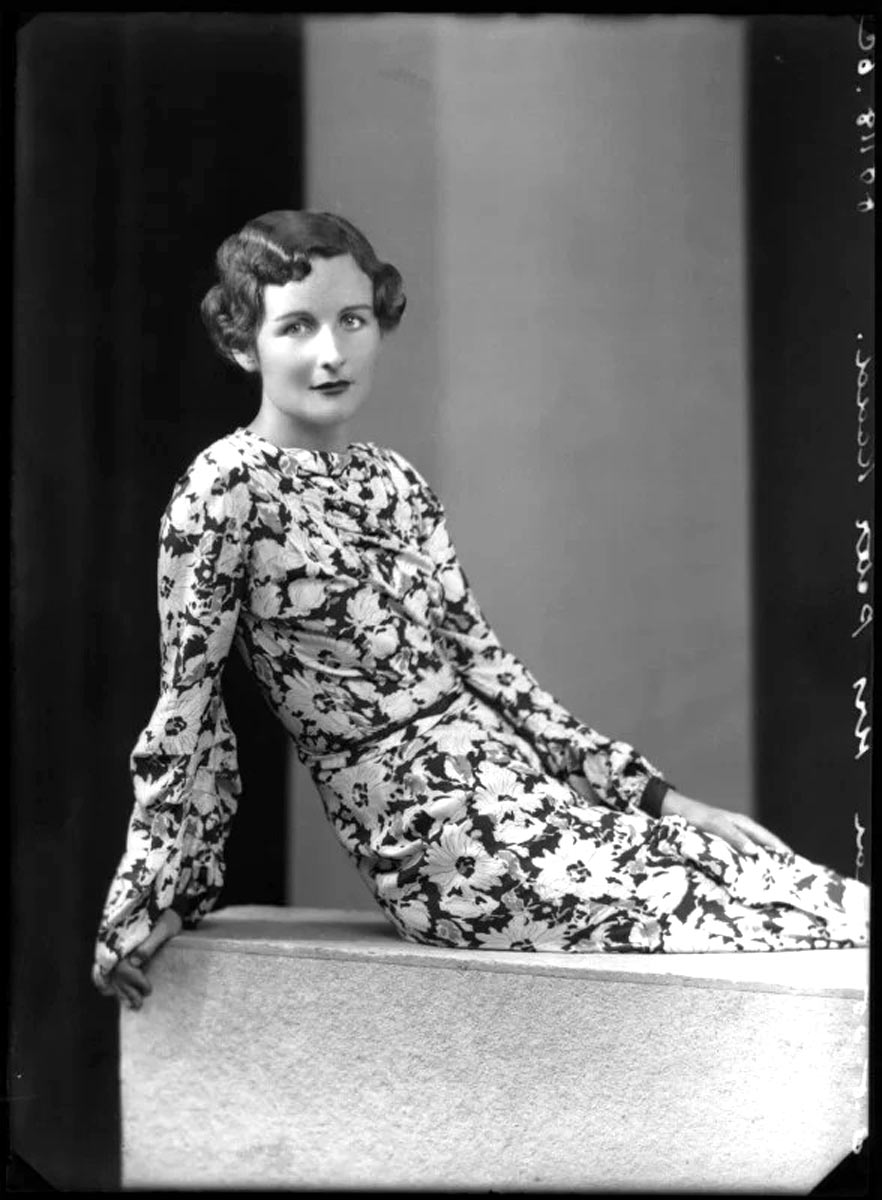
Born in 1904, Nancy, as the oldest Mitford, was by all accounts the one whose sharp tongue kept the others in check. Always primed with a withering put-down, she had a flair for a turn of phrase, which lent itself to chronicling the extraordinary lives of her family, as well as the Bright Young Things and upper-class life between the wars.
One of Nancy’s most famous novels is The Pursuit of Love (1945), and its title is apt as something which often preoccupied Nancy herself. Her parents despaired of the “aesthetic” group she frequented in the 1920s, including fellow author Evelyn Waugh, who would become a lifelong friend.
As slyly alluded to by the euphemism “aesthetic,” most of these young men were not viable marriage prospects for Nancy, as they were more interested in each other. In 1933, she ultimately married Peter Rodd, who had purportedly proposed to several other women on the night Nancy accepted his proposal. This set the tone for their marriage. Rodd, who could be amusing to read about, was “an appalling bore in person,” as well as serially unfaithful, and they divorced in 1957.
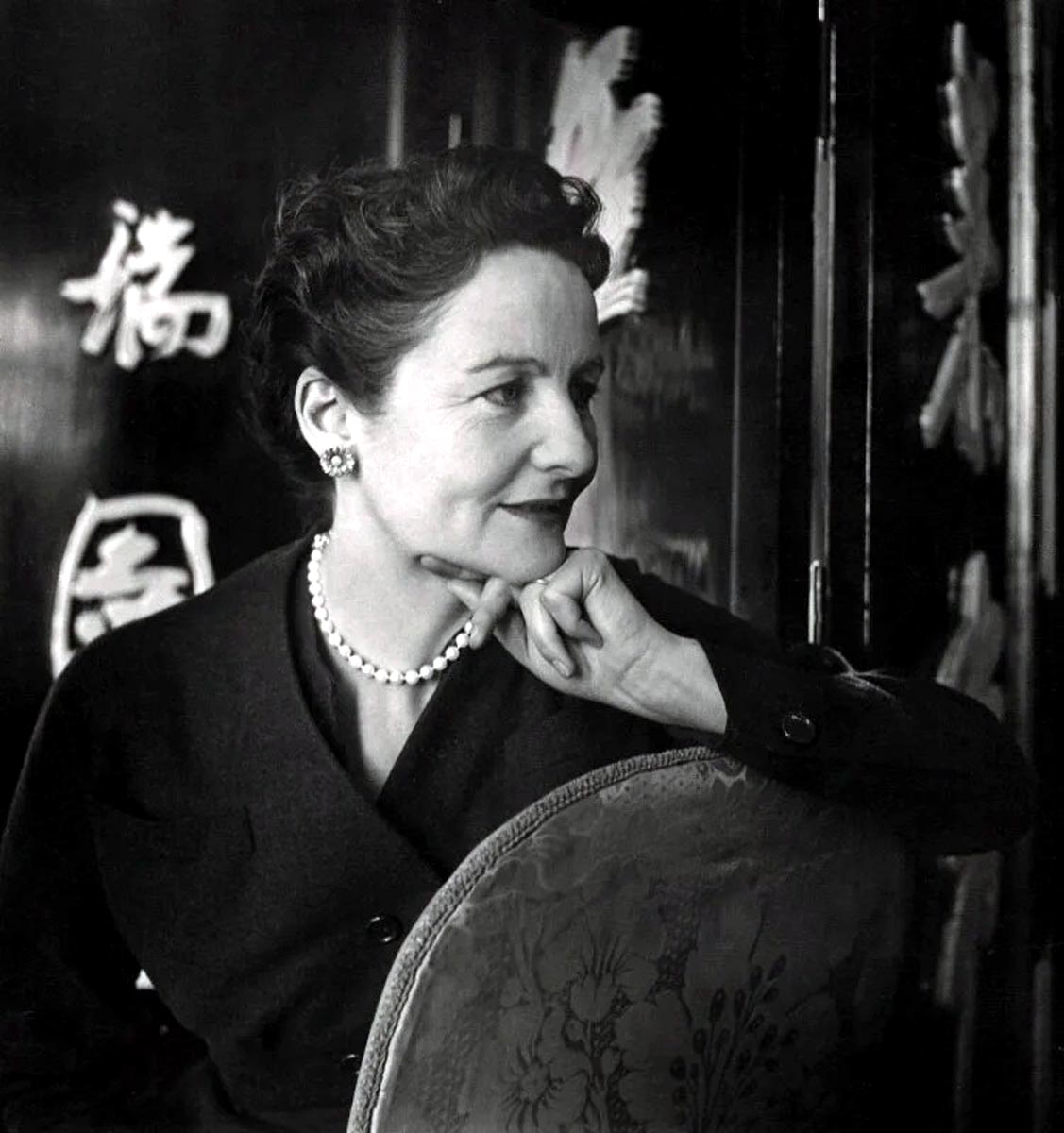
Nancy spent the second half of her life in Paris, moving there in 1946. This brought her independence, artistic freedom, and a voluminous designer wardrobe. Her novels from Love in a Cold Climate onwards, companion novels to The Pursuit of Love, dealing with the same milieu, were written in Paris and Versailles.
She also turned her hand to history, writing biographies of Louis XIV, Madame de Pompadour, Voltaire, and Frederick the Great in her inimitable style. Paris also brought her most lasting love affair, with the politician and diplomat Gaston Palewski. The relationship flared intermittently from 1942 to her death in 1973, despite Palewski having other affairs and even getting married in 1969.
All of this was grist to the mill for Nancy’s novels, which are unremittingly cheerful despite the often tragic situations contained within. Nancy combined this light touch with a no-nonsense practicality. During Britain’s General Strike of 1926, she and Pam doled out emergency food supplies. She found time, though, to prank Pam by appearing at the kitchen early one morning, disguised as a ragged old man begging for help.
Nancy also volunteered as a relief worker during the Spanish Civil War in 1939. Although her political engagement was more moderate than her sisters’, and she had a tendency to translate serious observations into light barbs, she worked throughout World War Two to support British forces and civilians.
Diana Mitford and the Fascist Romance That Shocked Britain
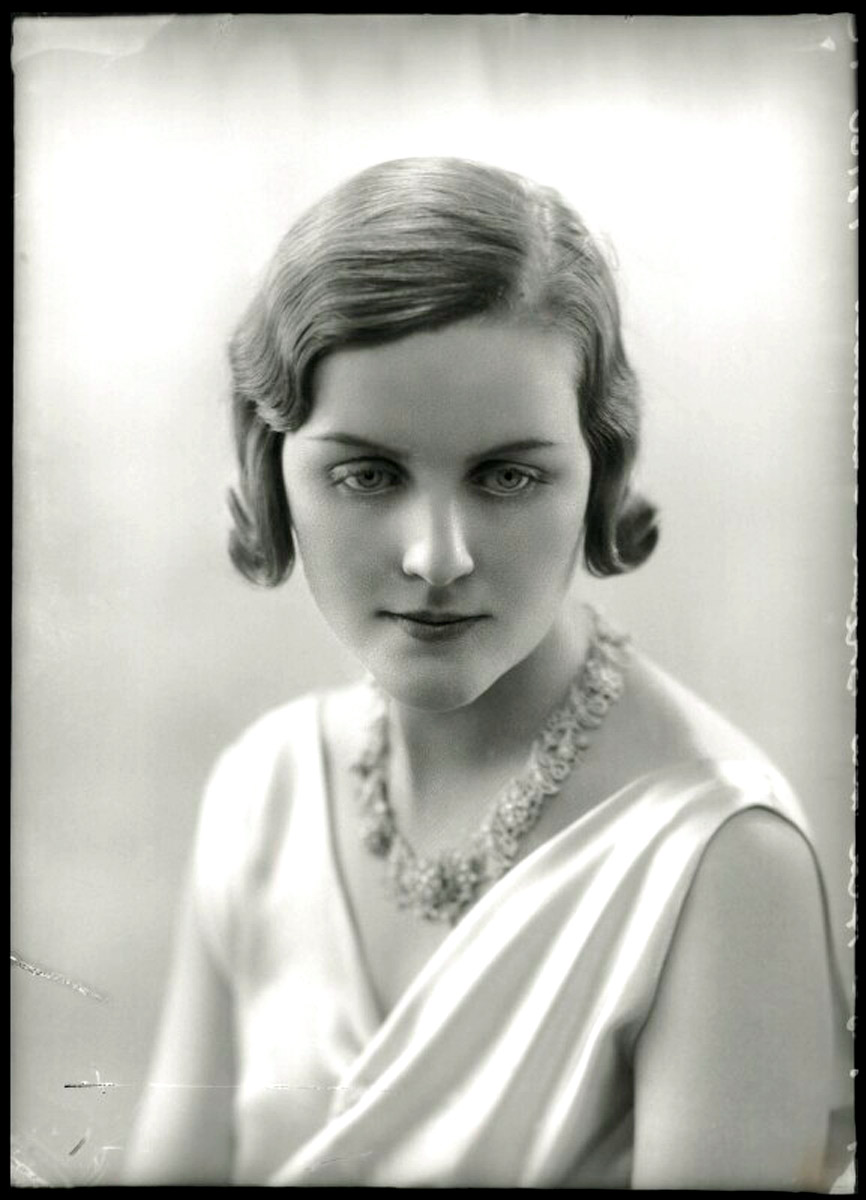
One of the more surprising episodes in the Mitford sisters’ saga, given their close-knit childhood, came in 1940. Nancy described Diana, six years her junior, as “a ruthless and shrewd egotist, a devoted fascist and admirer of Hitler [who] sincerely desires the downfall of England and democracy in general,” in a report to MI5 which resulted in Diana’s three-year imprisonment alongside her husband Oswald Mosley.
Was Nancy justified in considering her own sister a danger to the nation? Diana had married Mosley, leader of the British Union of Fascists, in 1936, the same year that antifascists in London’s East End rallied with the local Jewish population to prevent the antisemitic BUF marching through the streets, in what became known as the Battle of Cable Street.
The wedding in 1936 was initially kept secret for a few reasons. Diana (considered the most beautiful of the sisters, and highly cultured after a stint at school in Paris) had ostracized herself from the high society in which she had been fêted when she left her first husband, Bryan Guinness, to have an affair with Mosley, who was also married. Her sisters were either banned from seeing her, in the case of the younger ones, or ceased to be “on speakers,” in the case of Nancy, who had satirized Mosley and the BUF in a 1935 novel, Wigs on the Green.
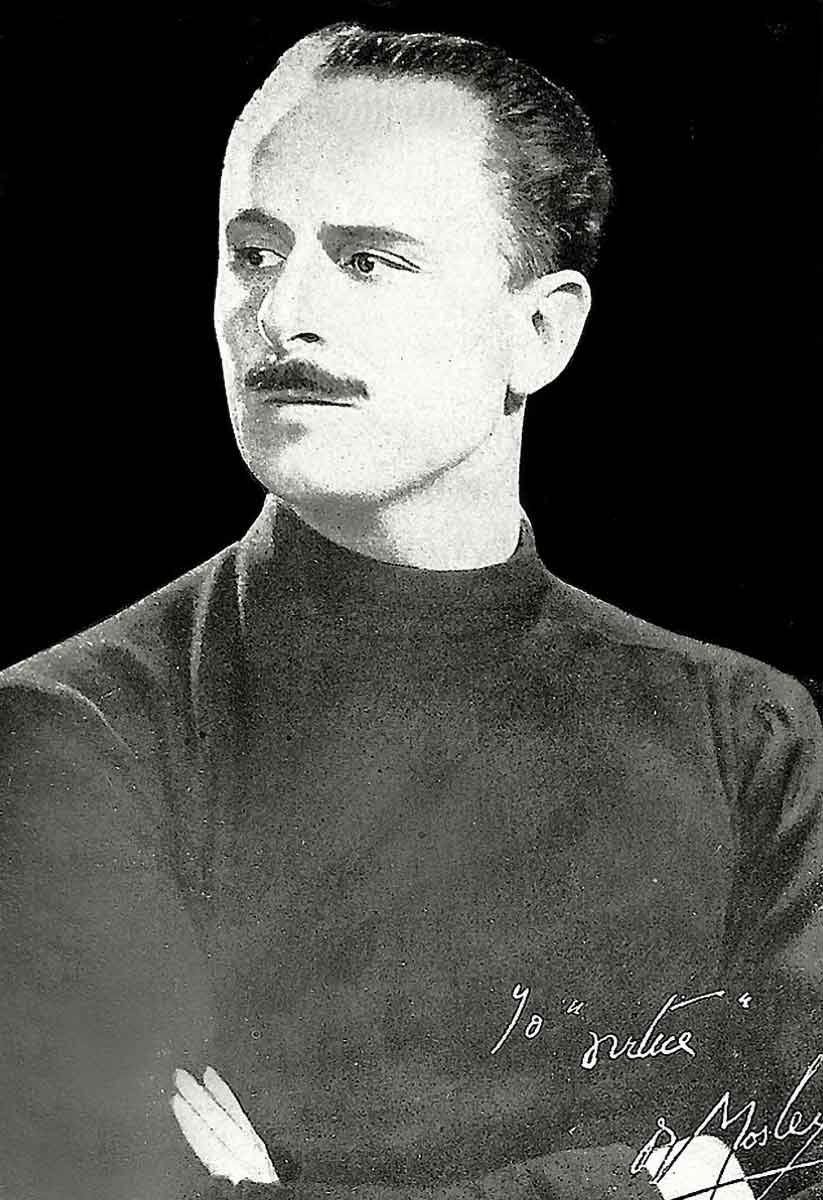
Another reason for the hush surrounding the wedding was that it took place in Joseph Goebbels‘s drawing-room in Berlin, with Adolf Hitler in attendance. Both Mosleys were interested in Nazi policies and sought an alliance between Hitler and the BUF. They attended the Nuremberg Rallies in 1934 and 1935, and the Berlin Olympic Games in 1936.
Documents later released by MI5 described Diana as “far cleverer and more dangerous than her husband,” and she was unwavering in her opinions to the end of her life. After the war, the Mosleys lived in exile in France. During a guest appearance on the BBC radio show Desert Island Discs in 1989, Diana maintained that she had wanted peace between Britain and Germany, favoring cooperation with the Nazis, that Mosley had not been personally antisemitic, and that Hitler had been personally charming. A view she shared with her sister Unity.
Unity Mitford and Her Dark Obsession With Adolf Hitler
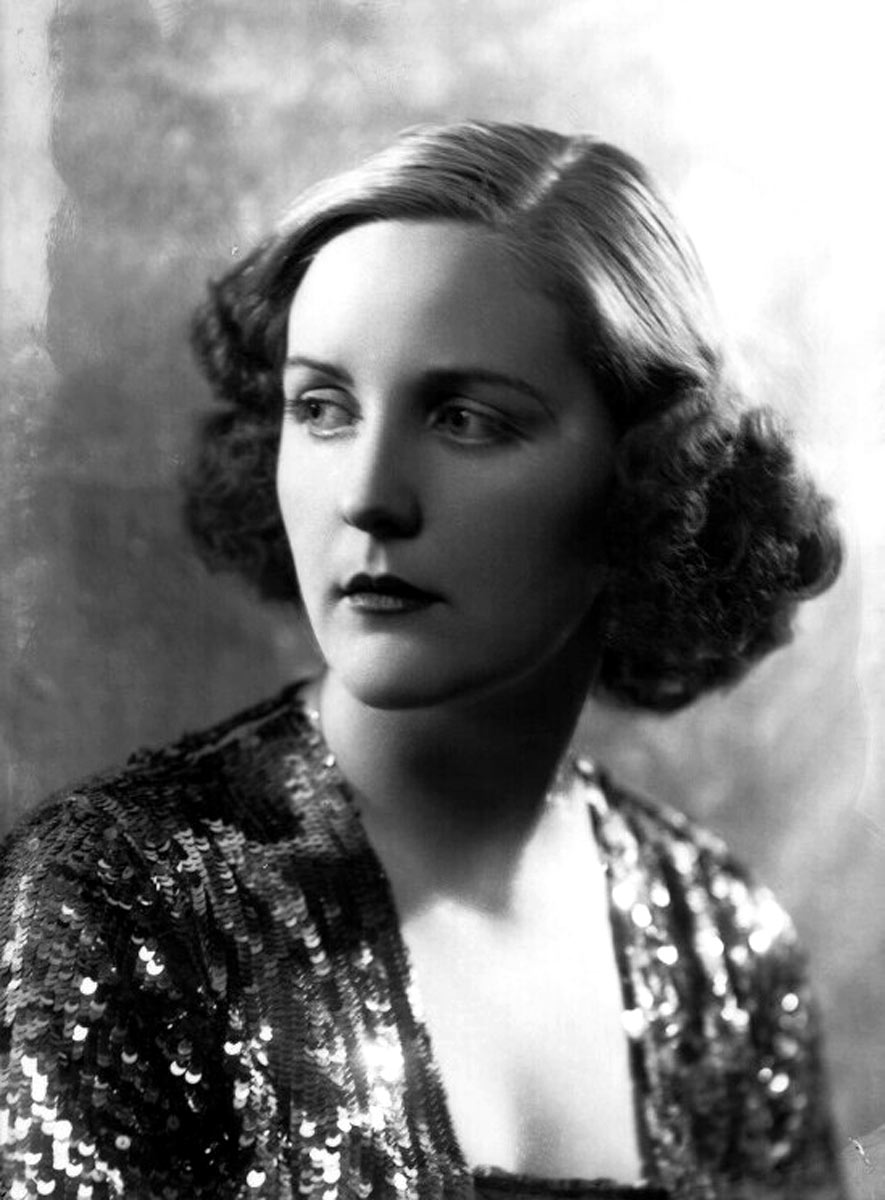
Unity and Jessica were the closest Mitford sisters. Born in 1914 and 1917, they developed a private language called Boudledidge and nicknamed each other “Boud.” They remained the closest sisters even when, as teenagers, they divided the room they shared down the middle, Unity decorating her side with the fascist symbol of a tied bundle of wooden rods, and Jessica decorating hers with the communist symbol of a hammer and sickle.
In retrospect, Unity’s beliefs might seem predetermined. She was christened “Unity Valkyrie” because she was born at the outbreak of a war between Britain and Germany, which was unpopular with much of Britain’s landed gentry. What’s more, she claimed to have been conceived during her parents’ visit to a small town in Ontario, Canada, named Swastika.
Like her sisters, Unity amused herself amid an isolated upbringing by playing pranks and retreating into imaginary worlds. By her late teens, spurred by her older sister Diana’s affair with the leader of the British Union of Fascists, she was filling this gap with a passion for Nazism. Her parents did not discourage this, but allowed her to move to Germany in 1934, where she pursued her aim of meeting Hitler.
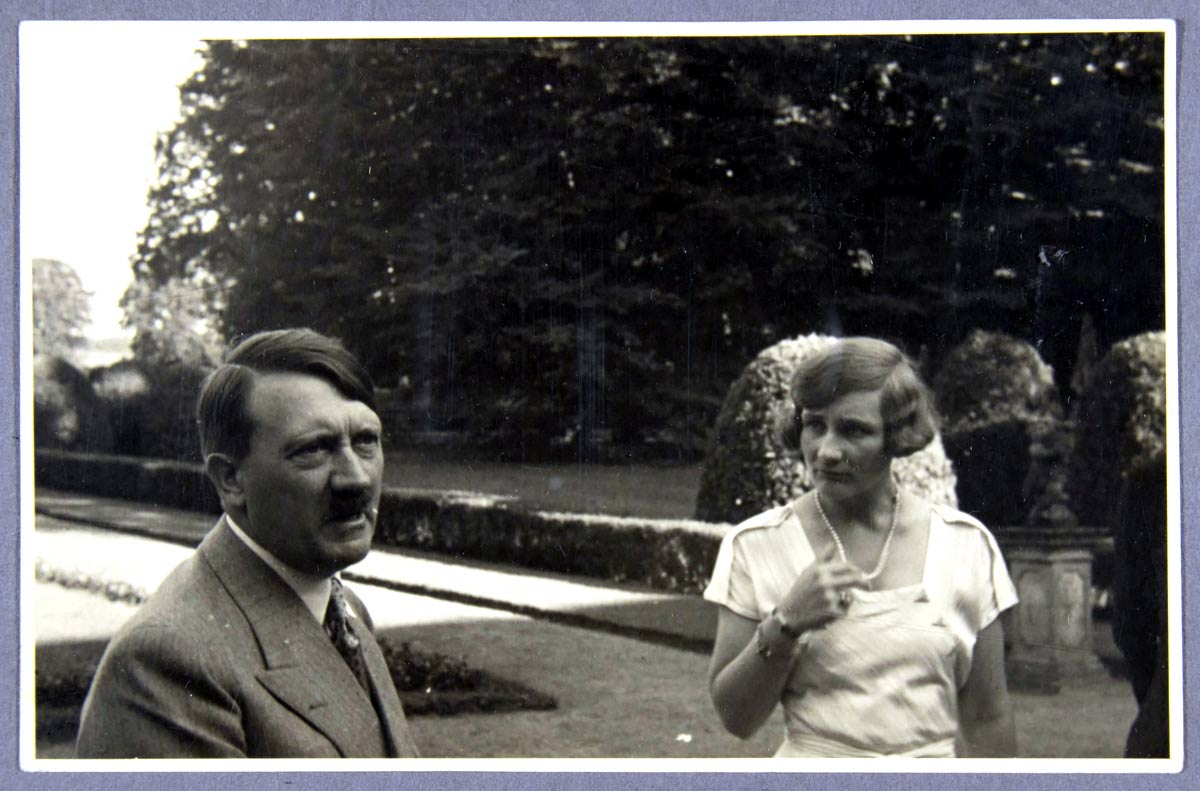
Her strategy was simple. She discovered that he frequented the Osteria Bavaria in Munich, and so she went there every day. Eventually, he paid attention to the young woman who embodied his ideal of Aryan womanhood, and who he possibly played off against his mistress, Eva Braun, for a time. Unity grew so impassioned that, in 1935, she wrote an open letter to Julius Streicher’s Nazi newspaper Der Stürmer, identifying herself by name as a “Jew hater.”
Although this caused scandal back home, Unity’s views were not atypical of the British aristocracy at this time, just more virulent. Many of the British upper class were privately pro-German, enthusiasts of German literature and music, and antisemitic, although several viewed Hitler with suspicion. David, Sydney, Tom, and Debo Mitford, as well as Unity and Diana, all met Hitler, their responses ranging from polite enthusiasm to disappointment.
Having been the most enthusiastic, Unity was the most devastated when war broke out between Britain and Germany in 1939. Hours after its declaration on September 3, Unity shot herself in Munich, but while the bullet lodged in her brain, she survived. She ultimately died nine years later, aged 33, having spent her remaining years unable to live independently due to brain damage.
She was not considered a danger to wartime Britain like Diana because, according to doctors, her mental age was now that of a ten-year-old. With the characteristic Mitford ability to take the personal and political together in all their wild contradictions, her sister Jessica remained privately sympathetic to Unity’s plight, despite now being a card-carrying Communist.
Jessica Mitford and the Rebellion of the Red Sheep
A writer like Nancy, Jessica “Decca” Mitford originally wanted to call her memoir Red Sheep, after her out-of-place feeling in her family, but was convinced to go for Hons and Rebels instead. Like Nancy’s novels, the book immortalizes the Mitford idiolect and a restrictive yet riotous childhood in the Cotswolds.
While Unity was absorbed in Der Stürmer and photographs of Hitler, Decca was sending off for the Daily Worker and putting up photographs of Vladimir Lenin. Both sisters were bored with their secluded country life, baffled at not being allowed to go to school or mix with other children, and desperate to ally themselves to a cause.
When Decca was twelve, she wrote to the local bank asking to set up an account, and by the time she was 19, she had deposited enough money into this “Running Away Fund” to put her plans into action. She had also found a cause and a means of escape. Her second cousin, Esmond Romilly (nephew by marriage of Winston Churchill), had just been in Spain with the Communists, fighting in the Spanish Civil War. Decca and Esmond eloped and went back to Spain, where Esmond worked as a reporter.
The pre-war years were full of struggle, as the couple was ostracized from both of their aristocratic families. Then tragedy struck during the war, when Esmond went missing in action during an air force raid.
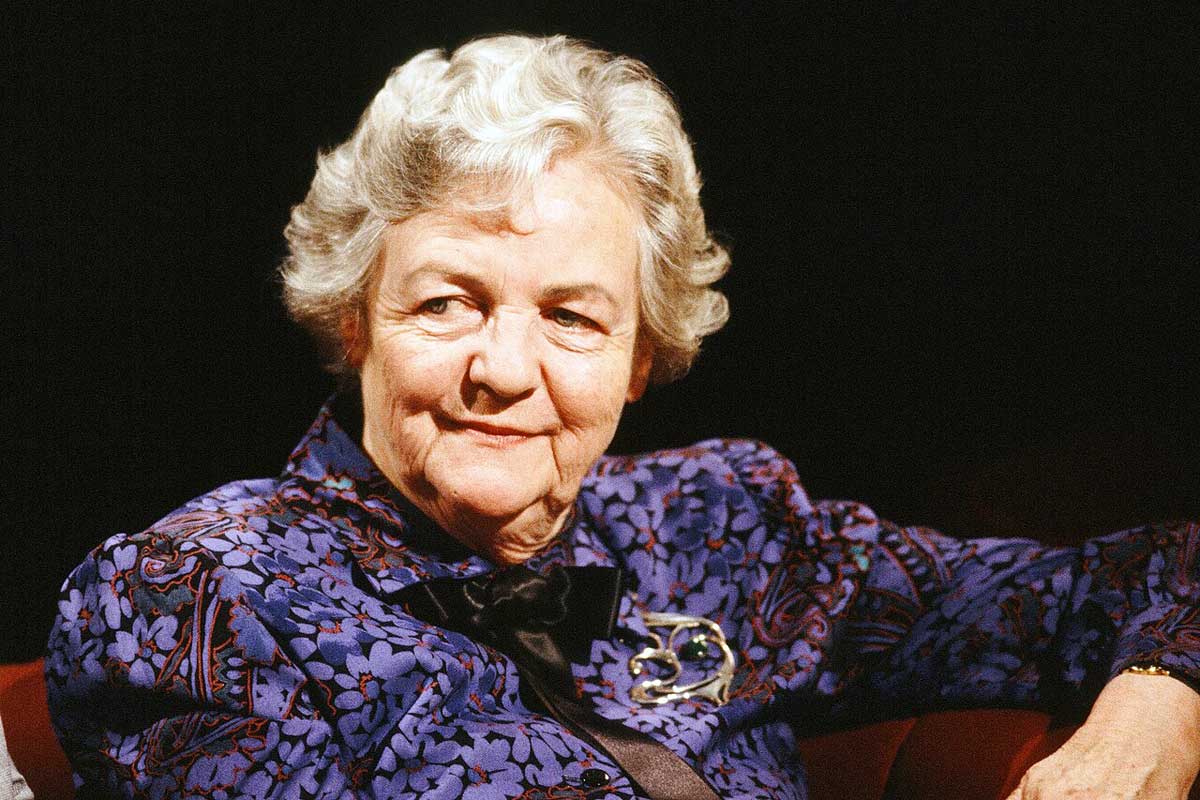
Decca remained dedicated to Communism, and sought a new life in America for herself and her daughter. She married a civil rights lawyer, Bob Treuhaft, and both joined the Communist Party of the United States of America. Decca soon made a name for herself as a writer whose journalism aligned with her left-wing politics, espousing the causes of trade unions and civil rights. In 1963, she published an exposé of the profit-hungry American funeral industry, The American Way of Death, and in later life, was a friend of the writer Maya Angelou.
She remained, literally, a world away from her British aristocratic upbringing, and returned to Europe and her sisters only briefly in 1973, when Nancy was dying of cancer. Decca’s life perhaps best encapsulates the striking mixture of closeness and divergence in the Mitford sisters’ relationships: a family who could squabble equally passionately about social niceties as about the extremes of 20th-century politics and its most radical figures, and who could assess one another in the same breath as dangerous extremists and “rather a darling.”
Deborah and Pamela Mitford (and Tom) and the Pursuit of Traditional Aristocracy
To end with the Mitford siblings who, if not for their more scandalous sisters, may have flown under the radar—and with one who often does fly under the radar.
Tom Mitford, born in 1909, was David and Sydney’s only son, and third of seven children. Like many young men of his class, he attended private school and formed close relationships with a number of his fellow male students. As a young adult, he orbited the riotous group of socialites known as the Bright Young Things. With the Second World War looming, Tom refused to fight against Germany, sharing two of his sisters’ sympathies for the Nazi regime, and was ultimately killed in action in Burma (now Myanmar) in 1945.
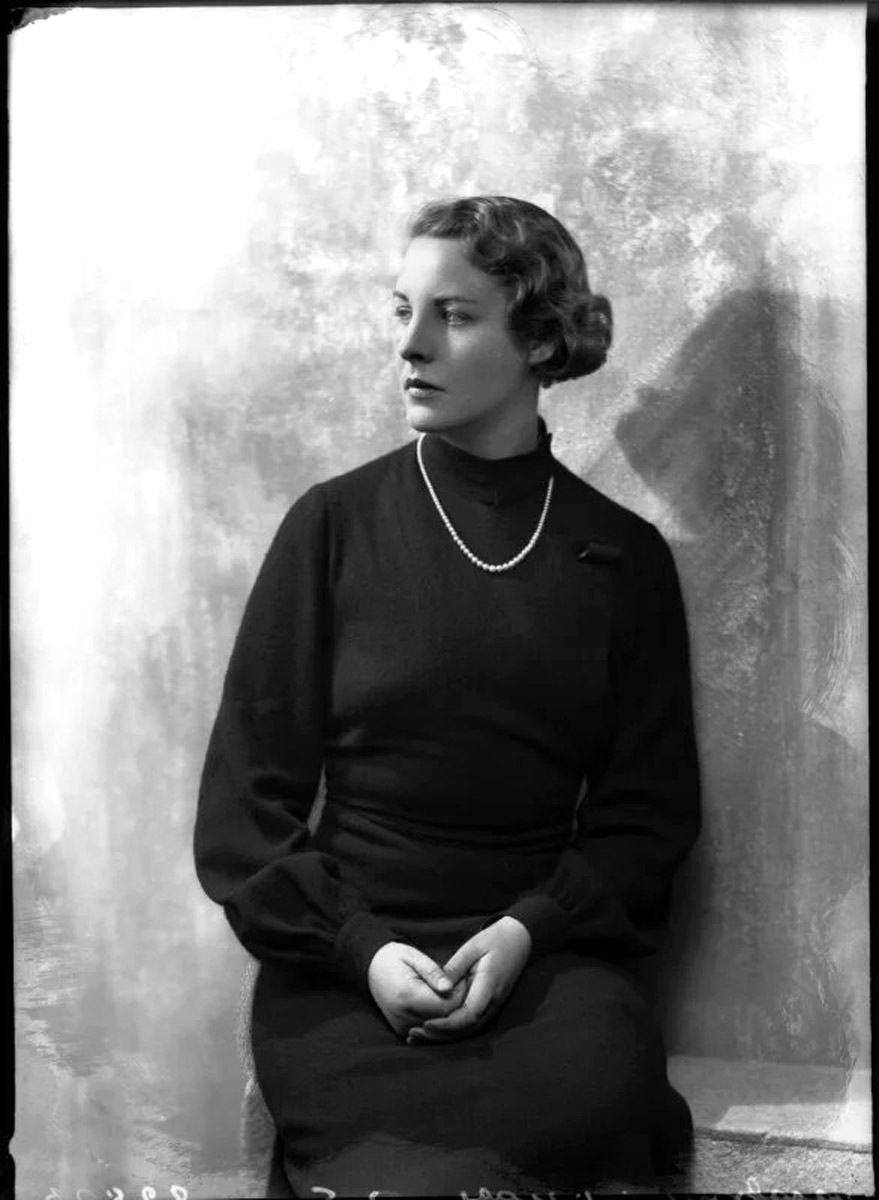
Pamela was two years older than Tom, and nicknamed “Woman” by her sisters for her seeming archetypal embodiment of the rural wifely ideal. Remaining at a remove from her sisters’ more serious squabbles, Pam is generally painted as having lived a quiet life with her horses and chickens.
However, she had her fair share of scandal. In 1936, she married Derek Jackson, a high-achieving, high-living scientist whose father was chairman of the News of the World newspaper, and whose total of six marriages didn’t prevent him from pursuing constant bisexual affairs. His marriage to Pam may have been one of convenience, since after their divorce in 1951, Pam lived out her remaining years with an Italian horsewoman.
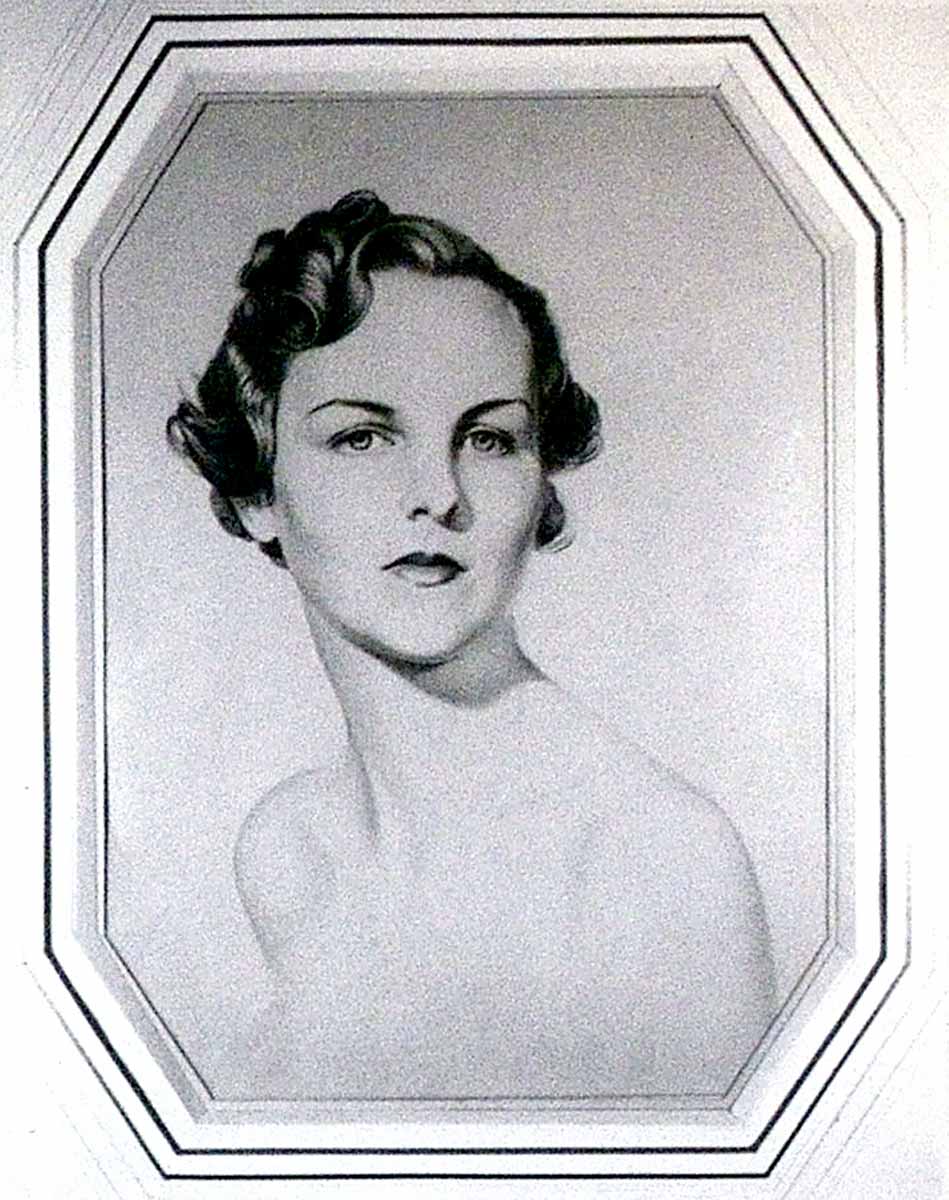
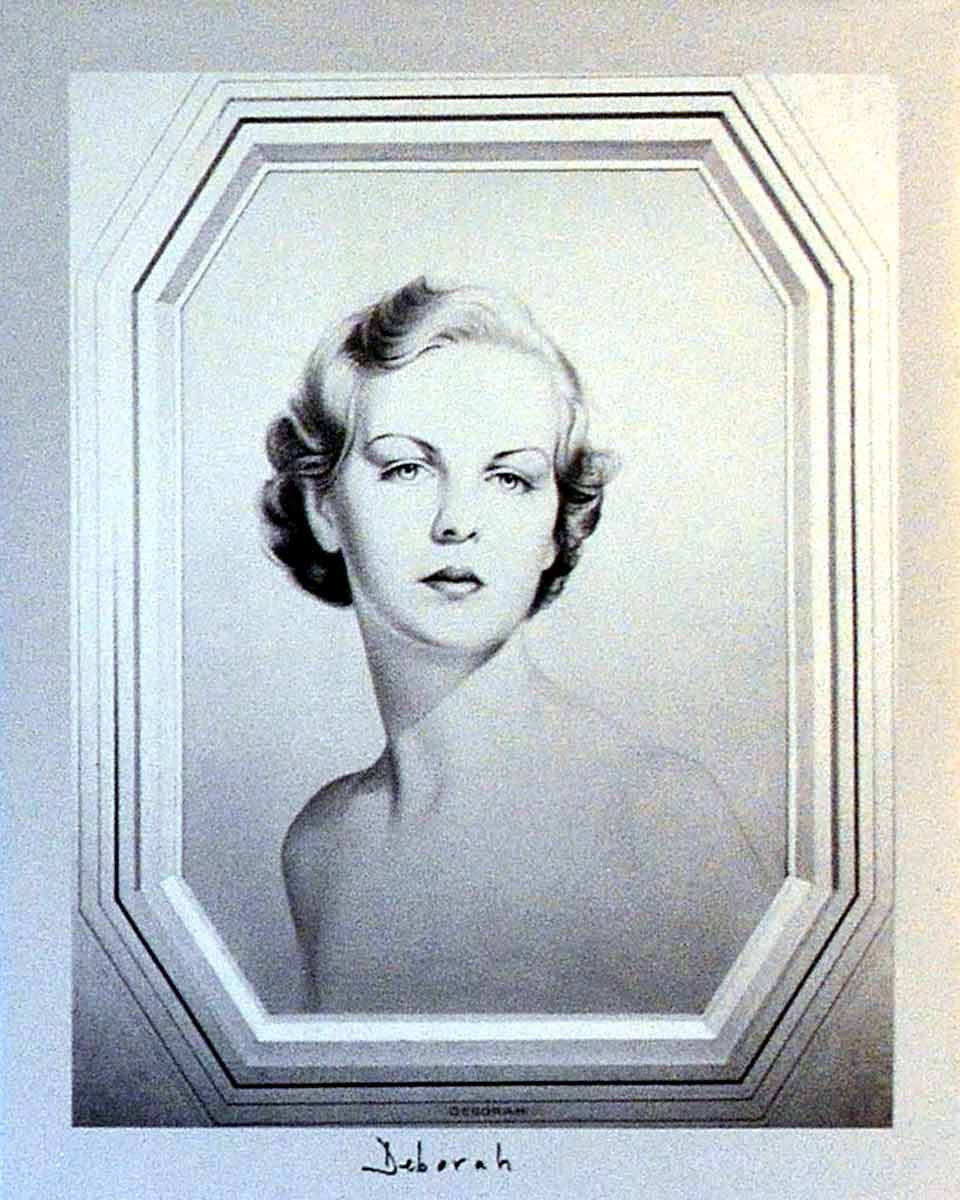
Deborah, known as Debo, was the youngest Mitford sibling, born in 1920. Her life might also have been considered ordinary enough if not for her sisters. She grew up intending to marry a Duke, and that’s what she did. Shortly after her marriage to Andrew Cavendish in 1941, she became the Duchess of Devonshire and took charge of Chatsworth House in Derbyshire (perhaps best known as the setting for the 2005 film adaptation of Pride and Prejudice).
Debo was notable, though, for her management of Chatsworth at a time when the British aristocracy was increasingly cash-poor, though asset-rich. By implementing economizing measures while restoring the house and attracting tourists, Debo became exactly the kind of wife her mother, Sydney, had raised her daughters to become.