
In the mid-1600s, the British Isles became caught in growing friction between two opposing factions. The king faced off against Parliament in a fight for power and over who had the right to collect taxes. On top of that, religious tensions simmered between Catholics and Protestants, and a bitter rebellion broke out in Scotland. The growing sparks of political and religious differences caught fire when King Charles I marched into Parliament to arrest his opponents. From there, civil war became inevitable.
King Charles I: The Divine Right to Rule
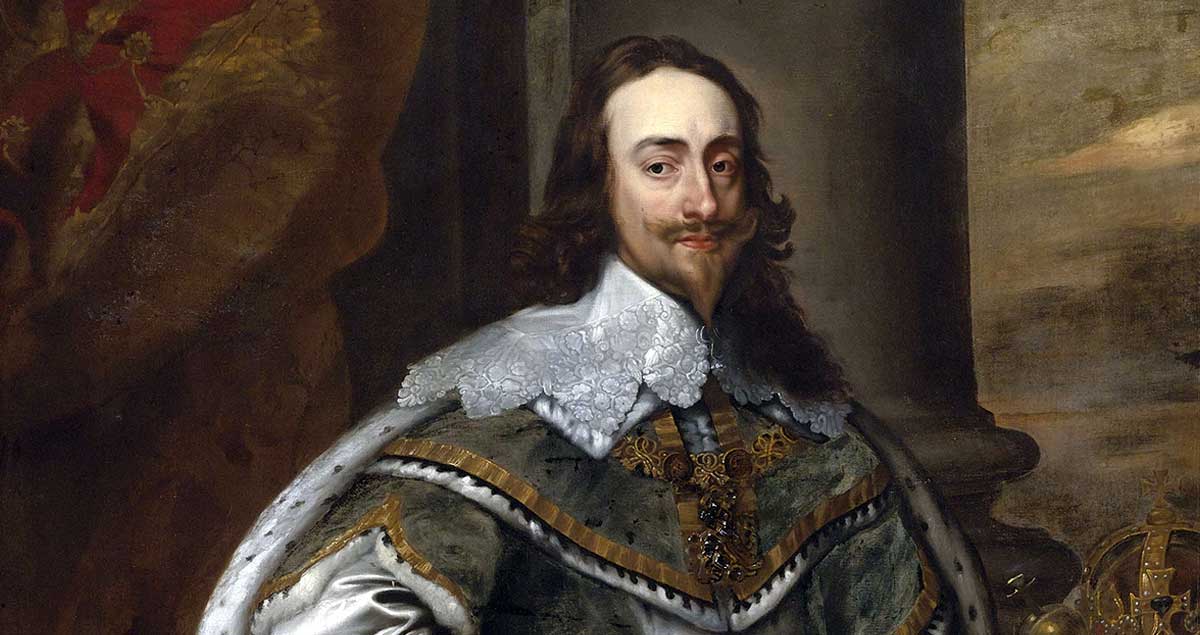
Charles I was born in 1600. He was a sickly child, unlike his healthy older brother, Henry. However, Henry died young from suspected typhoid, leaving Charles next in line. Succeeding his father, James I, Charles became king of England, Scotland, and Ireland in 1625.
In that same year, Charles married Henrietta Maria of France. The marriage formed a political alliance between England and France against Spain. However, the royal couple remained controversial, as Henrietta Maria was a staunch Catholic in Protestant England.
During his reign, Charles tried to unite his kingdom under stricter Anglican practices, which led to growing religious dissent. Religious opposition formed from Scottish Presbyterians and English Puritans. Many felt Charles was moving closer to Roman Catholic religious rituals.
Charles I believed in the Divine Right of Kings: he considered himself appointed by God and thus above the law. As a result, the monarch viewed questioning his decisions as insubordination. Charles treated Parliament with disdain, often ignoring it or dissolving active parliamentary sessions.

The king had refined tastes, especially in the arts, and commissioned renowned painters (such as Anthony van Dyck and Peter Paul Rubens) and bought lavish collections. Crown debts accumulated. Constant war worsened the financial situation. There were wars against Spain, Scotland, and even France, despite Charles’ marriage to a French princess.
Despite a serious lack of funds, Charles I ruled without consulting Parliament for 11 years. This meant raising revenue through other means, which became increasingly difficult and unpopular. One of the king’s unpopular taxes came in the form of “ship money.” Charles required all towns in England to supply the crown with ships or money. Despite these measures, by 1640 Charles had to summon Parliament to secure further funding.
Why Charles I and Parliament Were Destined to Clash
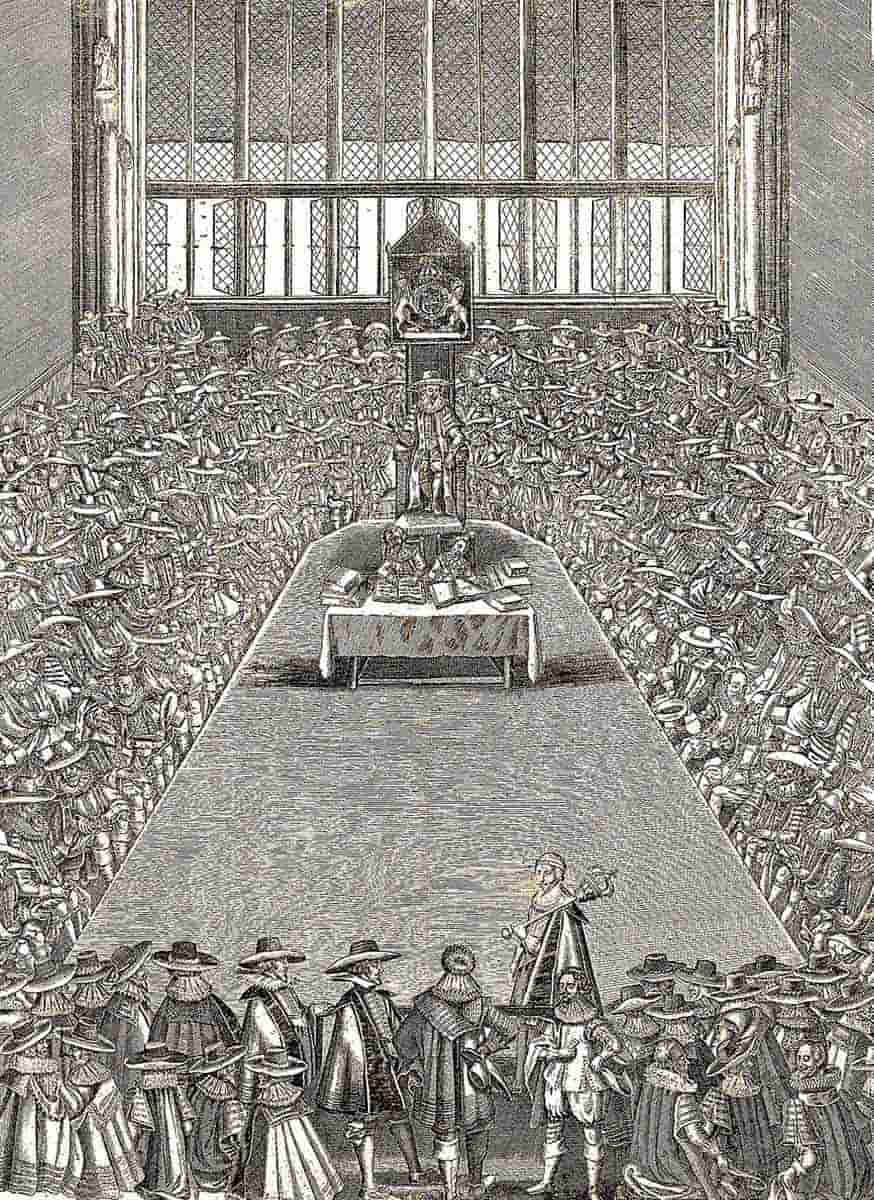
For centuries, English kings summoned Parliament only when they needed extra funds or special legislation passed. As a result, Parliament sometimes met several times a year or every few years. Typically, members of Parliament consisted of wealthy knights and landowners.
Charles I called three parliamentary sessions between 1625 and 1629, and they did not go well. In 1625, Parliament refused Charles’ request for a lifetime right to customs revenue, instead limiting the funds to just one year. Charles decided to ignore the ruling.
A second Parliament went into session in 1626. That meeting focused on efforts to impeach Charles’ favored advisor, the Duke of Buckingham, based on costly military adventures. In response, Charles imprisoned several adversarial members and dissolved Parliament.
The third session of Parliament met in 1628. Initially, parliamentarians passed the Petition of Right. This legislation outlawed taxation without Parliament’s consent and arbitrary imprisonment. The king initially consented, but later refused to recognize the new act. Charles then abruptly dissolved Parliament in 1629 and attempted to rule on his own.
In 1640, after an 11-year absence, Charles called a new Parliament, as he needed funds to supply his army against a Scottish rebellion. Angry at being ignored for over a decade, parliamentarians wanted their grievances addressed before granting the king money. In no mood to compromise, Charles dissolved the session. This brief assembly became known as the Short Parliament.
Charles suffered new defeats against the Scots, which led him to reluctantly call a new session of Parliament later the same year. This time, Parliament refused to dissolve (a move that earned it the name “Long Parliament”) and passed measures to prevent the king from dispersing them. This antagonism was a key factor leading to civil war.
Faith on the Frontlines: How Religious Tensions Fueled a Civil War
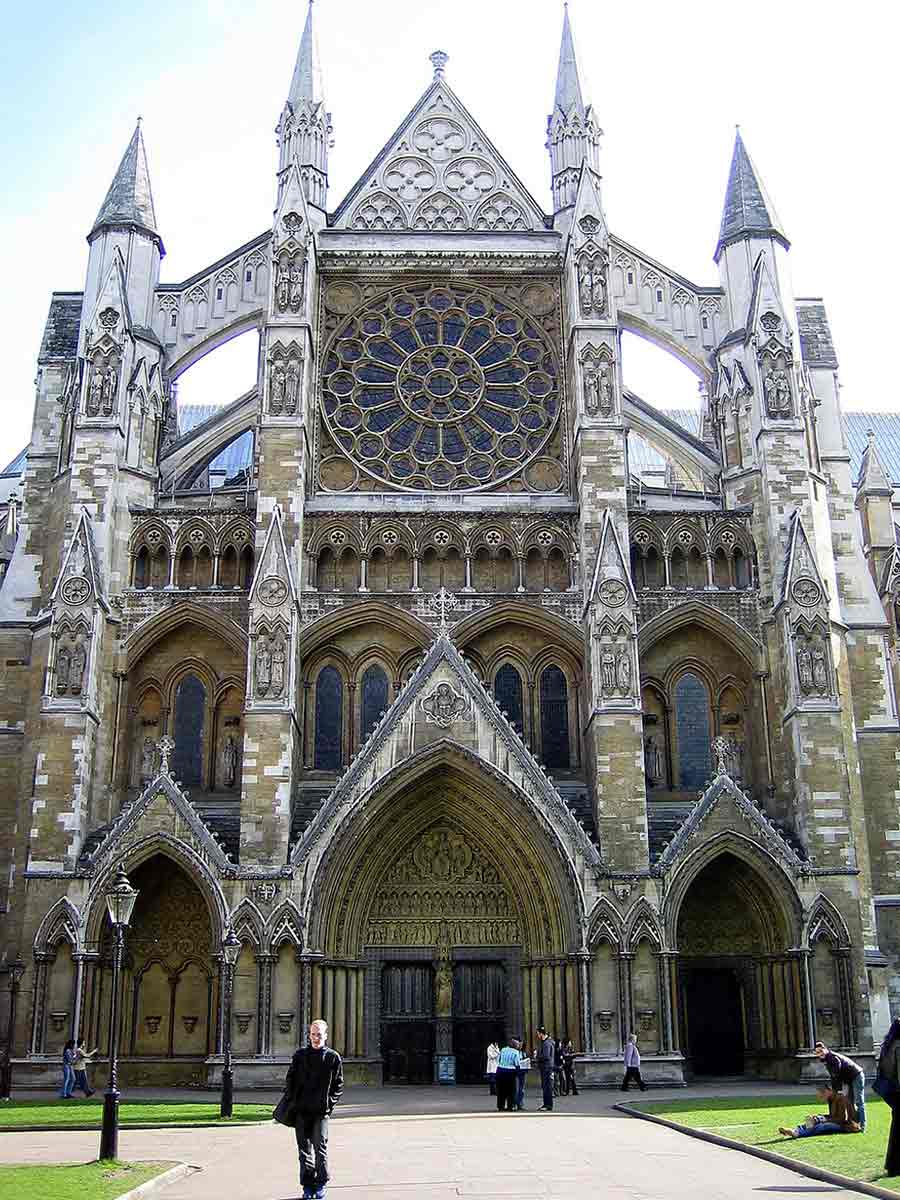
In 1534, King Henry VIII separated England from the Catholic Church and proclaimed his kingdom Anglican Protestant. Most of Henry’s successors balanced a Protestant state religion with tolerance for Catholic citizens. When King Charles I ascended the throne, the Thirty Years’ War, a brutal conflict essentially between Catholics and Protestants, had broken out in much of Europe.
Despite marrying a Catholic princess, Charles kept the Anglican Church as the religion of the kingdom. However, tensions continued to simmer based on Charles’ religious reforms. The king pushed for a form of Anglican worship that relied heavily on ceremony and rituals. This did not sit well with many Protestants who worried about backsliding to the Catholic Church.
Adding to the complexity, Charles insisted on governing his kingdom based on the already mentioned Divine Right of Kings. This doctrine placed the monarch above human law and religious reform, fueling Puritan fears that Charles was establishing an absolute monarchy exempt from parliamentary oversight.
A Protestant sect, the Puritans were gaining strength and power during this period. The Puritans wanted to purge all remnants of the Catholic Church from the Church of England, as they believed Anglicanism had not distanced itself enough from the grip of Catholicism.
Puritans had many followers sitting in Parliament. Among them was Oliver Cromwell, a Puritan who despised Catholicism and would lead the Parliamentary army in the civil war against Charles and the Royalists.
To make matters worse, Anglican Charles I ruled over England and Scotland, which were primarily Protestant. However, Charles also governed mostly Catholic Ireland. The religious differences inflamed further tensions.
When civil war finally broke out in 1642, the kingdom largely divided loyalties along religious lines. Catholics flocked to the Royalist side, while Puritans backed Parliament forces.
Scottish Bishops’ Wars: How an Uprising Unraveled a King
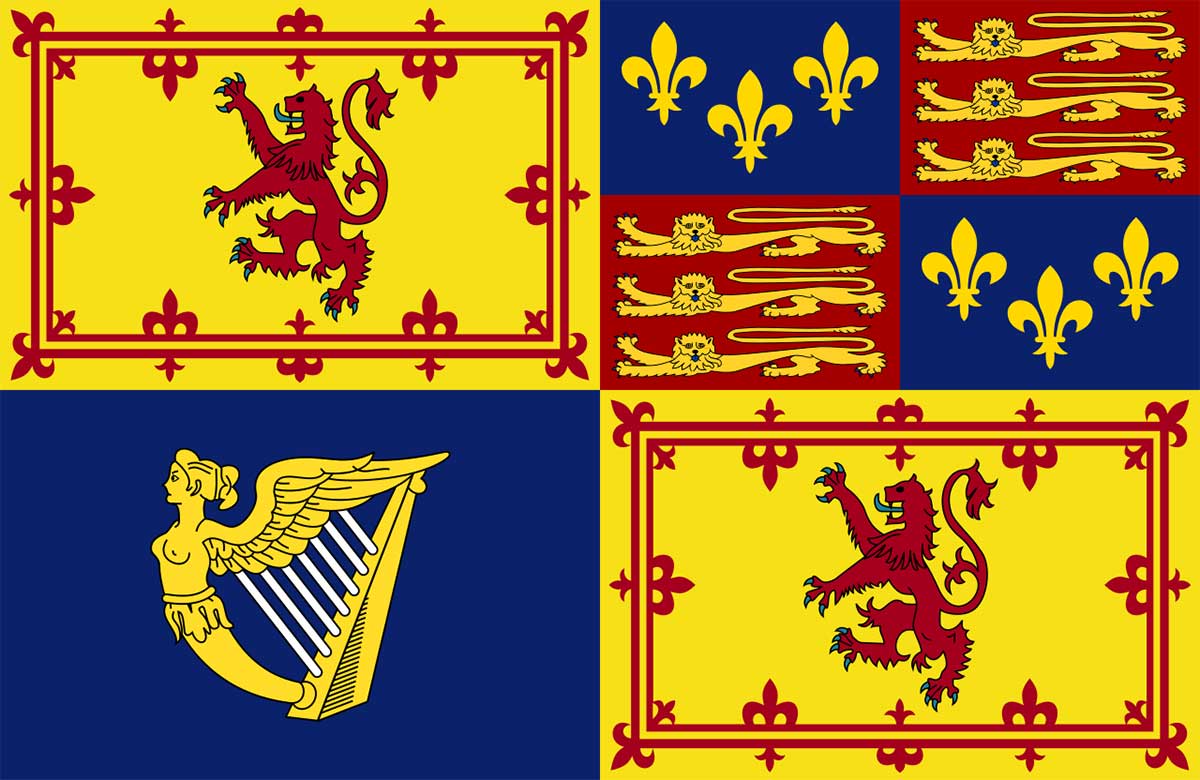
Much of the Scottish population during Charles I’s reign favored a Presbyterian form of worship. This meant religious practices were carried out through local leadership, electing elders instead of bishops, a practice that ran counter to the more hierarchical nature of Charles’s kingdom and the Anglican Church.
In some ways Presbyterians seemed similar to the Puritans. Many Presbyterians disliked Catholic teachings and saw the Anglican Church as similar to Catholicism. They resented Charles’ attempts to support religious conformity throughout the British Isles, with the introduction of an Anglican-style prayer book into Scottish churches in 1637. Charles subsequently appointed Anglican bishops to sit in the Scottish parliament, further alienating the populace.
Protests turned into a national Scottish resistance movement. Calling themselves Covenanters, many Scottish citizens rejected the king’s decrees. Bishops were expelled from parliament and Anglican prayer books removed.
In response, Charles marched his royal army north in 1639 to quell the Scottish rebellion. His forces were outnumbered and met fierce resistance. Known as the First Bishops’ War, the series of skirmishes lasted several months, resulting in a stalemate. In Berwick, on the Scottish border, both sides agreed on a truce, yet tensions remained. Less than a year later, the conflict renewed.
Dissatisfied with the status quo, Charles prepared his army for a second invasion. In a pre-emptive strike, Scottish forces, commanded by Alexander Leslie, invaded England and defeated Charles’ army in battle. With the military defeat in the Second Bishops’ War and an empty royal treasury, Charles reluctantly recalled the English parliament, leading to civil war.
The Failed Arrest That Sparked the English Civil War: January 1642
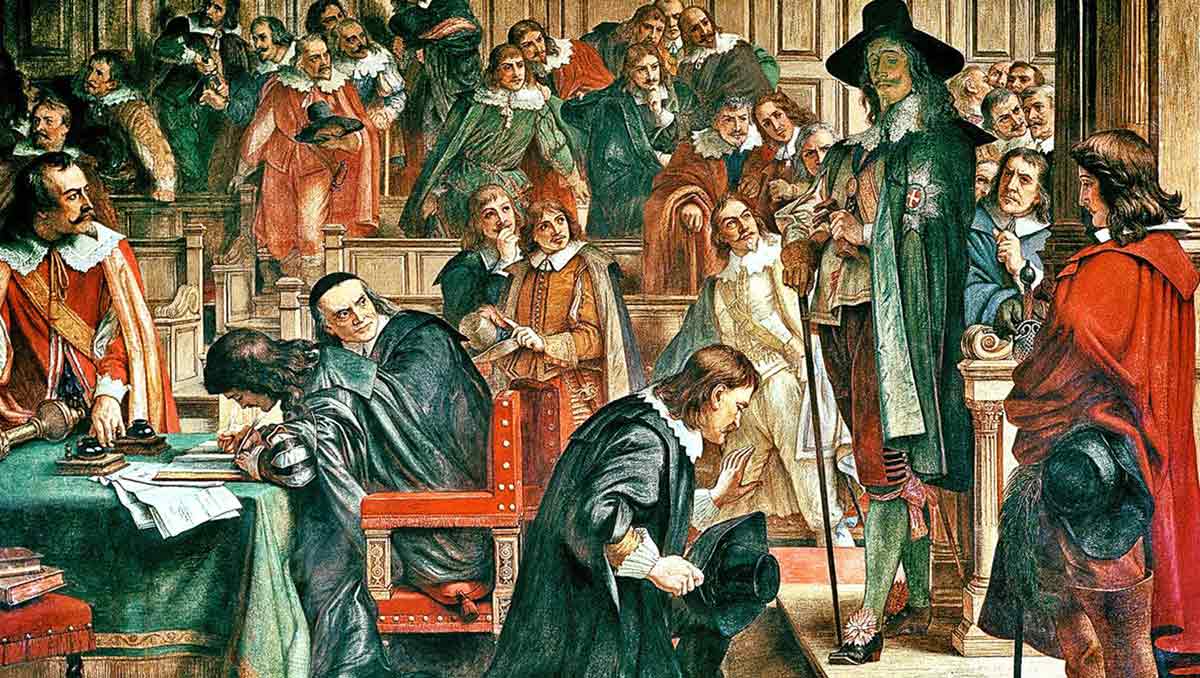
Witnessing Charles’ defeat against the Scots, Catholics in Ireland rebelled against English rule in 1641, killing a number of Protestants. In England, some Protestants feared Charles supported the rebellion and might raise an Irish army to impose Catholic rule.
The Long Parliament came up with a series of grievances against the government of Charles I in 1641. These demands became known as the Grand Remonstrance. While it did not directly attack the king, the document blamed his bishops, ministers, and advisors for the ill will between Parliament and the monarch. Among other requests, the Grand Remonstrance called for Anglican Church reform and Parliament’s approval of all ministers Charles appointed. The king rejected parliamentary demands.
Tensions between the monarch and Parliament reached a tipping point in January 1642. With a large force of royal troops, Charles entered Parliament to arrest the leading opponents of his regime. However, the proscribed individuals, having been warned, had already fled. The Speaker of Parliament refused to cooperate with Charles.
A humiliated Charles retreated to Nottingham, where he soon declared war against Parliament. At the start of the Civil War, royalist support came mainly from northern England and Wales. Parliament had backing from the south and east of the country.
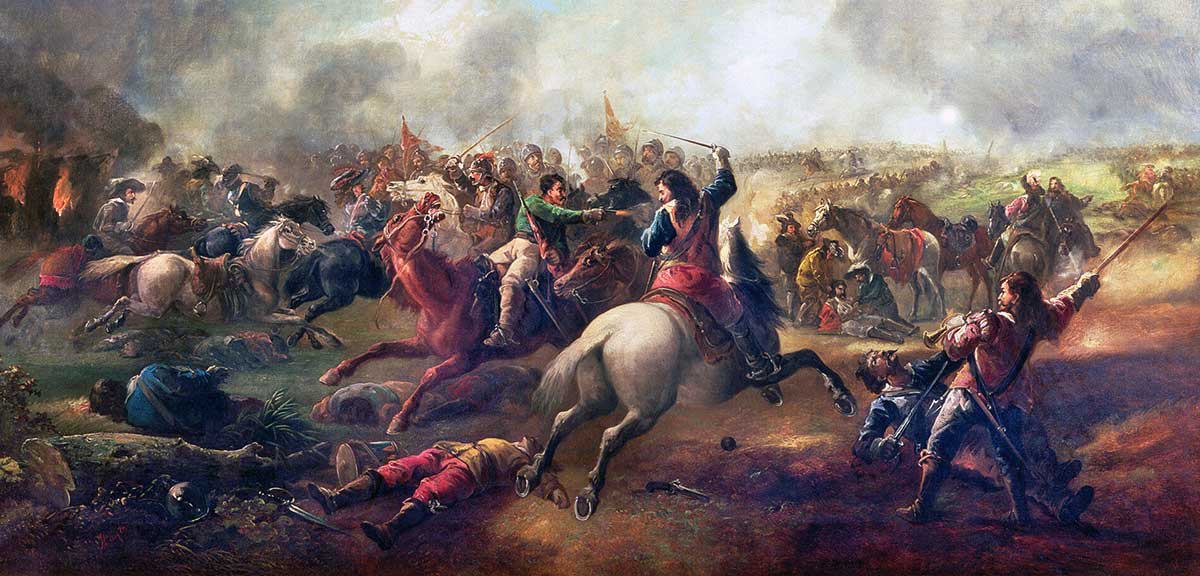
England appeared equally divided. However, the king seemed to have a military advantage, with more experienced generals and soldiers ready for battle. One member of Parliament witnessed the divisions of the kingdom: Oliver Cromwell. A Puritan, Oliver Cromwell would eventually take the lead as military leader of the Parliamentary army and turn the tide of the Civil War in Parliament’s favor.
The English Civil War lasted nine years, from 1642 to 1651. A victorious Parliament first imprisoned, then executed Charles I. England then became a republic until 1660, when Charles II, Charles I’s son, became king. In the conflict between Charles and Parliament, early compromises by both sides could have avoided bloodshed. However, by 1642, refusal to back down made conflict inevitable.