
Following the collapse of the autocratic regime of Tsar Nicholas II, a provisional government filled the political vacuum in Russia. The alleged aims of the new government under Prince Lvov and Alexander Kerensky were to establish liberal democracy, provide civil liberties, and continue Russia’s involvement in World War I. However, civil unrest continued throughout the country, and the Bolsheviks, led by Vladimir Lenin, violently took the opportunity to seize power.
Collapse of Tsar Nicholas II’s Monarchy
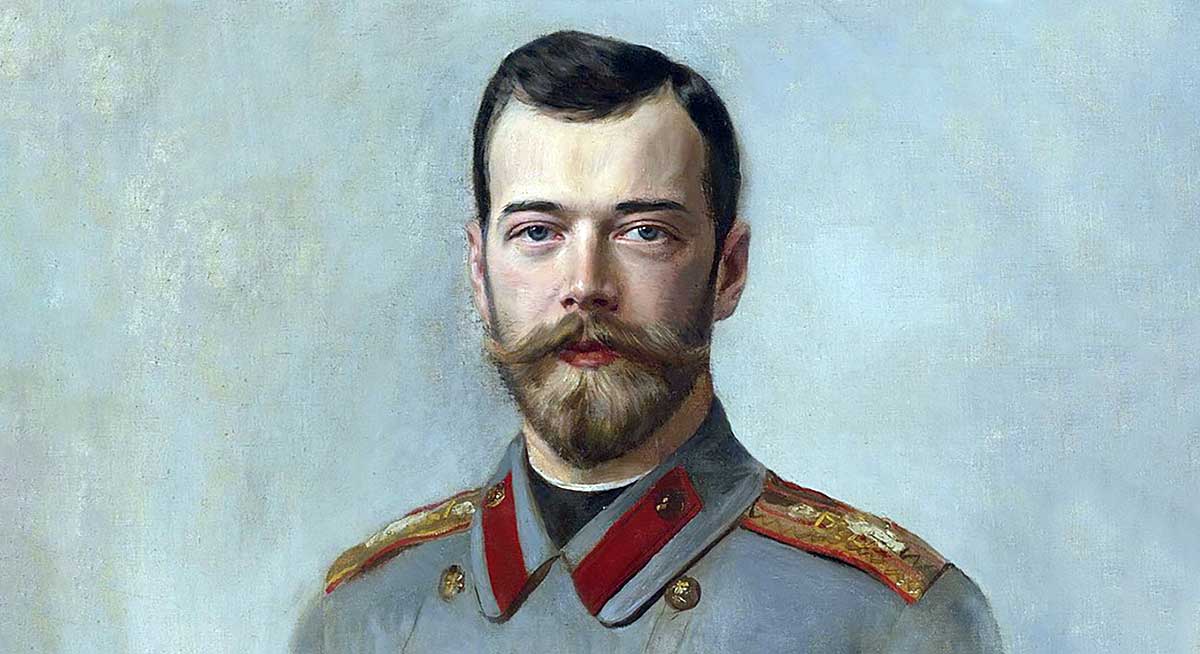
By early 1917, Russia was on the verge of collapse. An unsuccessful revolt and a disastrous war with Japan in 1905 had already weakened the monarchy. Participation in World War I accelerated the decline.
There was a steady German advance into Russian territory in the first years of the war. In 1915, against the advice of his political aides, Tsar Nicholas II took direct control over the Russian military. However, militarily humiliating retreats continued, and casualties mounted. As a result, morale among soldiers sank.
Meanwhile, on the home front, there was an economic recession, high inflation, food and fuel shortages, transportation disruptions, and ongoing strikes by workers. Poverty was widespread, both in the countryside and the cities. The population’s anger against the tsar grew.
Grigori Rasputin, an unpopular monk, had become a favorite and an influential political adviser to Nicholas II and Tsarina Alexandra. Both the aristocracy and the peasants believed the royal couple were under Rasputin’s control and despised his influence.
Revolutionary movements within Russia continued to advocate for open revolt. The Imperial parliamentary, Duma, created in 1905, remained politically weak and ineffective.
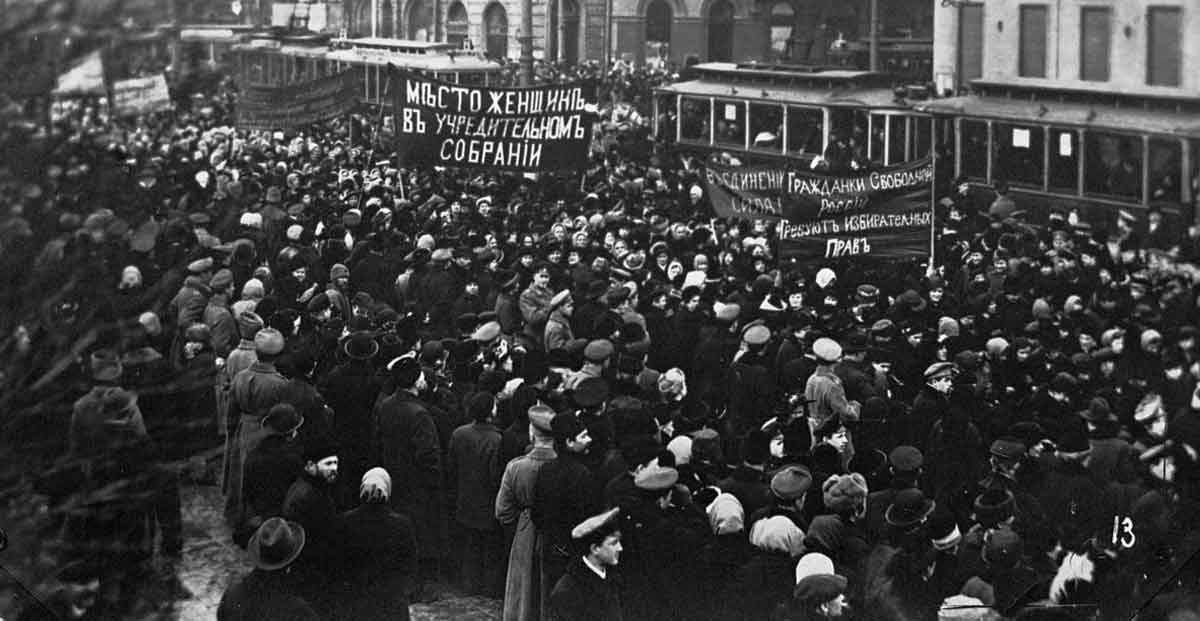
The 1905 revolt brought few changes to Russia. Poverty, hunger, and inflation continued. Revolutionary ideas and parties grew and radicalized. The devastating loss in the Russo-Japanese War of 1905 previewed Russia’s military debacle in World War I.
With the tsar away at the front to command the failing war effort and the economic situation deteriorating further, demonstrations and then riots broke out in the capital, Petrograd (present-day St. Petersburg), in March 1917. The imperial authority dissolved, as Russian soldiers refused to put down the new rebellion, known as the February Revolution. Whereas protesters in 1905 appealed to their tsar for economic relief, in 1917, they openly called for his downfall. The Duma, now supported by the army, demanded that Nicholas II abdicate.
On March 15, Nicholas II stepped down, giving royal authority to his brother Michael, who decided to turn down the offer. Into the political vacuum arose an interim provisional government.
Provisional Government Under Prince Georgy Lvov
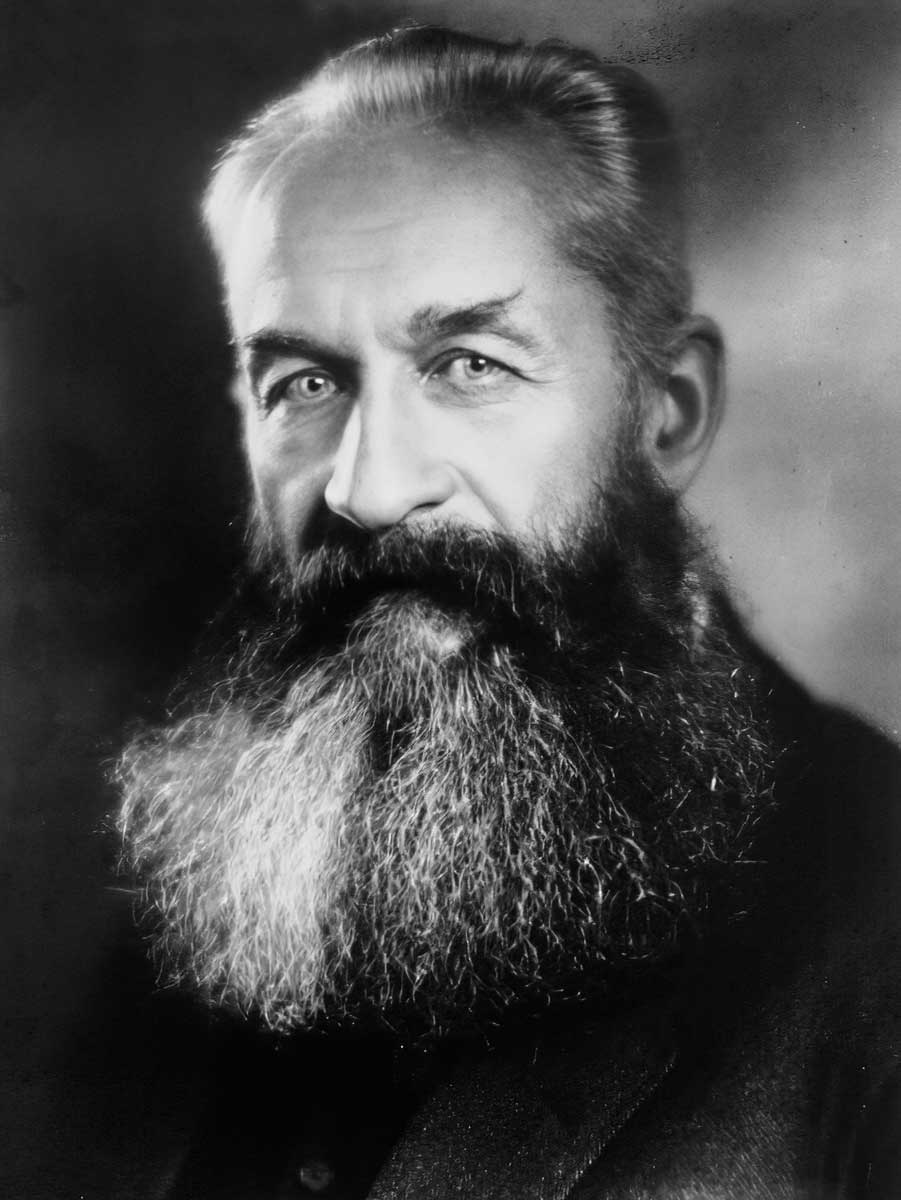
The Provisional Government inherited a Russian Empire that was weak, poor, and deeply divided. The role of the new government was to stabilize the country and prepare for elections for a new government. At first, there was joy and hope for a political body that would give stability and prosperity to the people.
Looking to stabilize the chaotic situation, the Provisional Government sought a leader who could bring the divided country together. Many politicians saw Prince Georgy Lvov as a moderate political figure. As he was not a member of the Duma at the time, Russians hoped he could rise above the political factions and successfully lead the nation. He took on the role of prime minister of the Provisional Government.
Most political observers viewed Lvov as a prudent politician. He was from the nobility, but he was not connected to the royal Romanov family. However, many critics also considered him a weak leader.
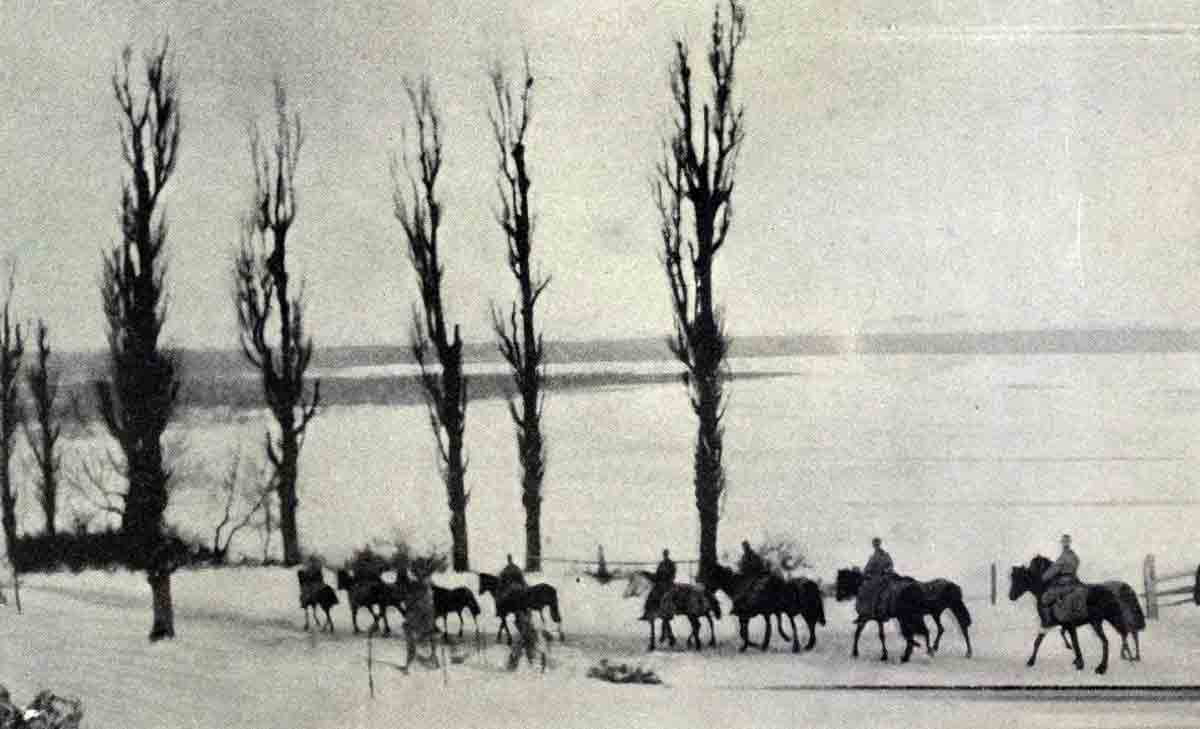
Additionally, the royalist factions believed Lvov to be a traitor to Tsar Nicholas for taking on the new role. Meanwhile, the workers’ factions representing the soviets (workers’ councils) did not trust him as a nobleman either. Thus, Lvov found himself isolated politically.
However, Lvov did manage to initiate important reforms for Russia. His government recognized trade unions and eight-hour work shifts for industrial workers. He abolished the tsar’s secret police. The release of political prisoners commenced. The Provisional Government also passed laws for universal suffrage, as well as freedom of speech, assembly, and a free press.
But one key decision continued to haunt Lvov and the Provisional Government: the plan to continue the unpopular war with Germany. In June 1917, a new Russian military offensive was launched. After initial successes, the Germans counterattacked, causing large casualties and further loss of Russian territory. Following widespread unrest, Georgy Lvov resigned as prime minister.
The Petrograd Soviet
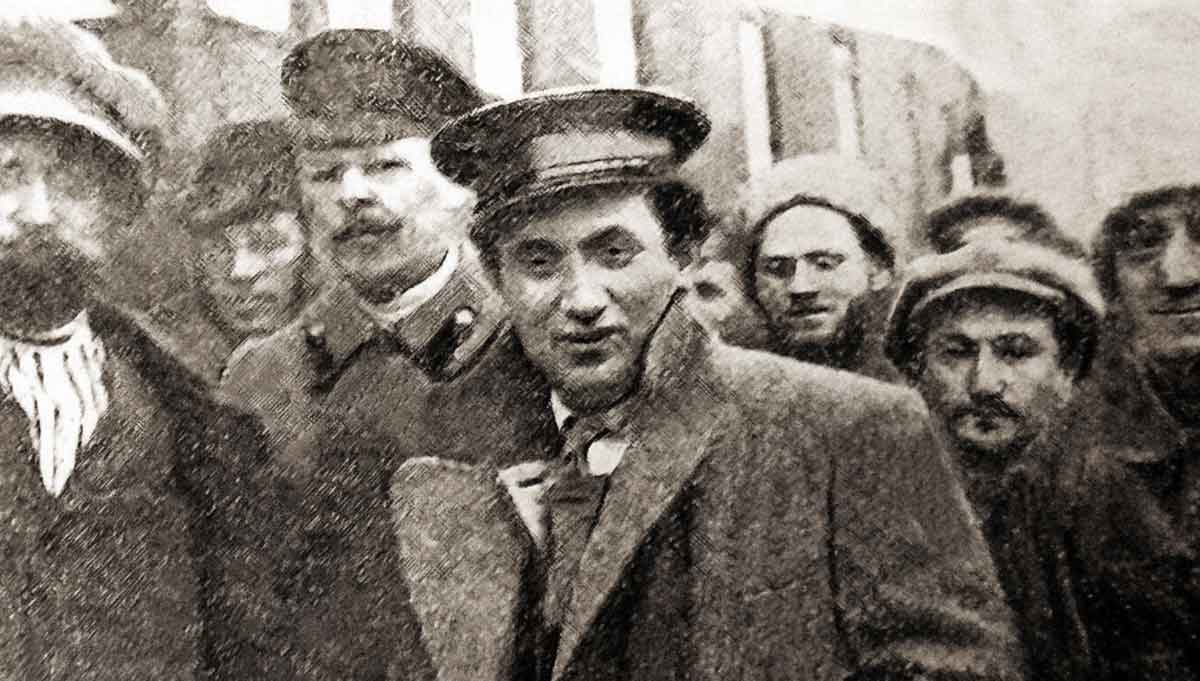
One of the biggest challenges to the Provisional Government was the Petrograd Soviet. Soviets were working-class socialist councils of workers, soldiers, and sailors. These political organizations formed throughout Russia after 1905. The Petrograd Soviet was the most influential of them, first opposing the tsar and then interfering in the new republic.
From the start, the Petrograd Soviet undermined the Provisional Government. In March 1917, the group issued “Order Number One,” advising all workers to refrain from following the direction of the Provisional Government, unless approved by the Petrograd Soviet first.
Essentially, the Petrograd Soviet set up an alternative form of government to the acting Provisional Government. There were now dual opposing forces governing Russia.
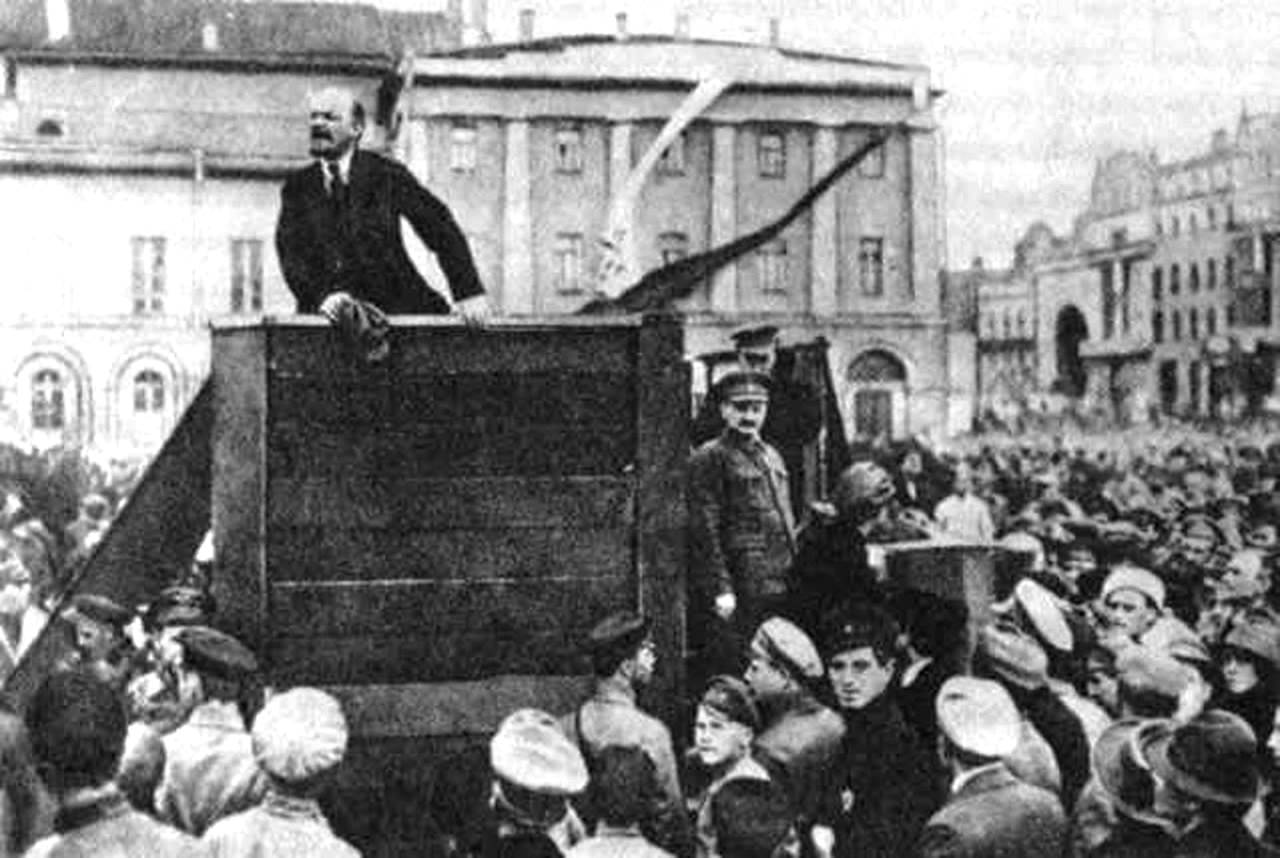
However, the Petrograd Soviet, though not a recognized legal entity, wielded more effective political power and control over institutions by running a tight organization with popular support. Lawyer and revolutionary Alexander Kerensky summed up the dilemma, saying the Petrograd Soviet possessed “power without authority” while the Provisional Government had “authority without power.”
Among the past leaders of the Petrograd Soviet was the Bolshevik Leon Trotsky. Trotsky and the radical Bolsheviks fought for control of the Soviet with their main rivals, the more moderate socialist Mensheviks. While the Mensheviks dominated the Petrograd Soviet at the start of the Revolution, the better-organized Bolsheviks gained influence throughout 1917.
Perhaps the biggest division between the two institutions was about the war. Soldiers and sailors made up a significant section of the Petrograd Soviet, and they opposed continuing the fight. The Mensheviks’ tepid support of the war effort dissolved their influence in favor of Vladimir Lenin’s Bolsheviks, who wanted to remove Russia from the conflict and promote a socialist revolution.
Provisional Government Under Alexander Kerensky
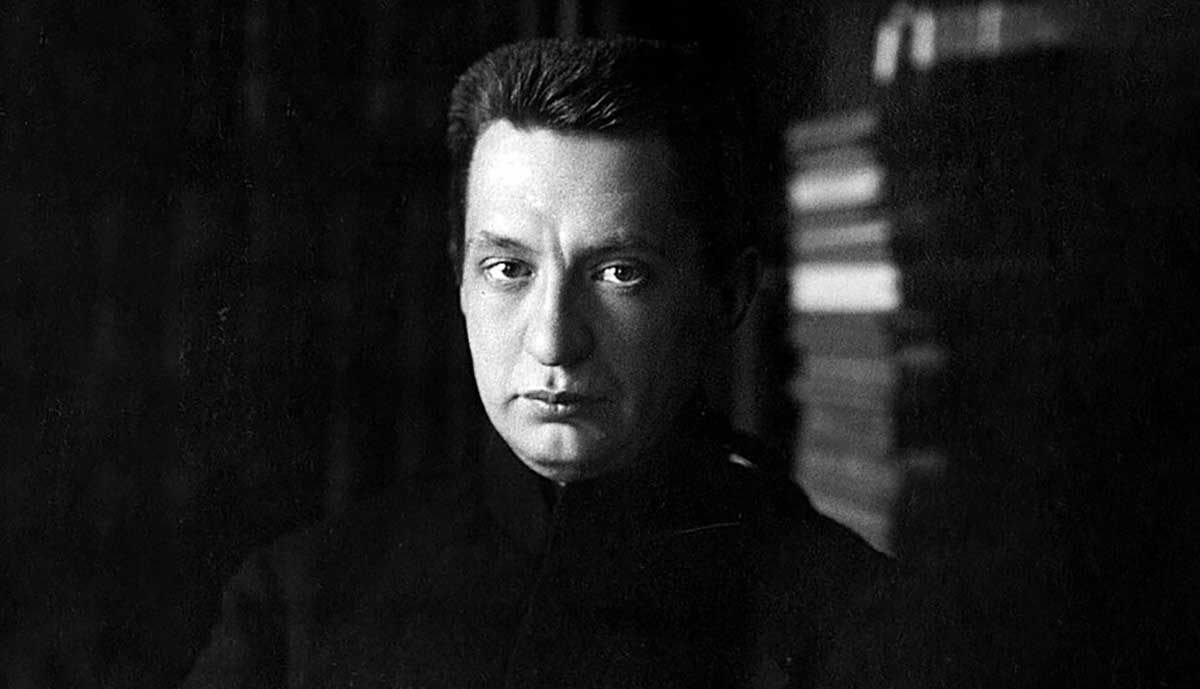
Alexander Kerensky replaced Prince Georgy Lvov as prime minister of the fledgling Provisional Government in July 1917. Curiously, Kerensky and Lenin had close connections. They grew up in the same town east of Moscow. They both trained as lawyers. They were each political socialists.
However, whereas Lenin embraced radical Marxism, Kerensky adopted the more moderate Menshevik style liberal ideology. For a brief period, Kerensky was even a vice-chairman of the Petrograd Soviet, while also working in the Provisional Government as the only socialist in the cabinet.
As war minister, Kerensky led the disastrous offensive of June 1917 that resulted in 400,000 Russian casualties. As prime minister, Kerensky continued to support the failing war effort.
Upon becoming leader, Kerensky’s first task was to quell Bolshevik-led unrest against the government. In response, Kerensky ordered Bolshevik leaders arrested. Lenin fled the country. Although the threat from the left temporarily eased, a new threat to the government came from the right.
In August, Kerensky’s newly appointed army commander-in-chief, General Lavr Kornilov, allegedly threatened to stage a military coup. Kornilov claimed he just wanted to bring law and order to Petrograd. Virtually defenseless, Kerensky desperately asked the Petrograd Soviet for armed support. In return, the Soviet demanded the release of Bolshevik prisoners arrested by the government, which they did.
These incidents further exposed the Provisional Government’s weaknesses. Kerensky attempted further reforms and added more socialist ministers to his cabinet to gain popularity. However, he continued the unpopular war effort despite growing opposition.
Towards the fall of 1917, the Bolsheviks dominated the Petrograd Soviet. To prevent their growing influence, Kerensky once again ordered raids on Bolshevik leaders and institutions. However, lacking effective military support meant government orders were mostly ineffective.
Fall of the Provisional Government
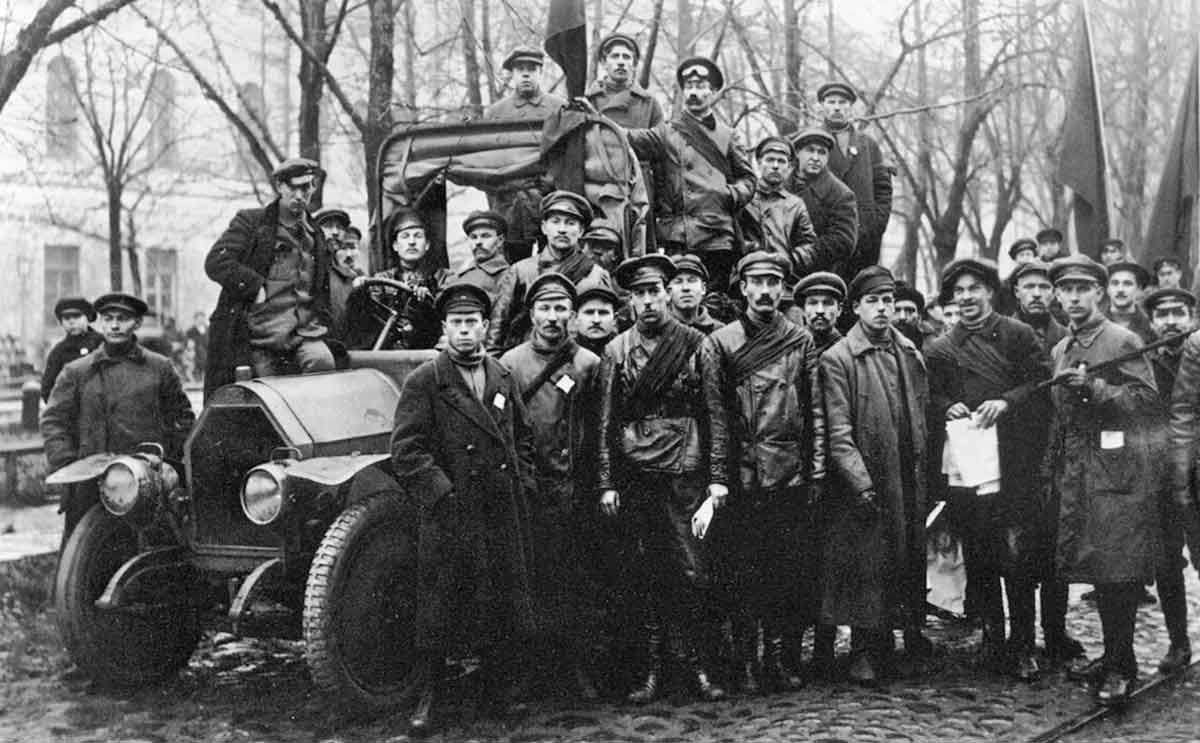
By November 1917, the Provisional Government had lost any lasting influence over Russia. Attempts at reforms had mostly failed, and the government stubbornly continued to support the war.
Meanwhile, backing for the Bolsheviks multiplied. Controlling the Petrograd Soviet, they once again elected Trotsky to lead the governing body. One of his first acts was to organize a military revolutionary committee to prepare for armed conflict. At the same time, Kerensky attempted to rally forces to support the government.
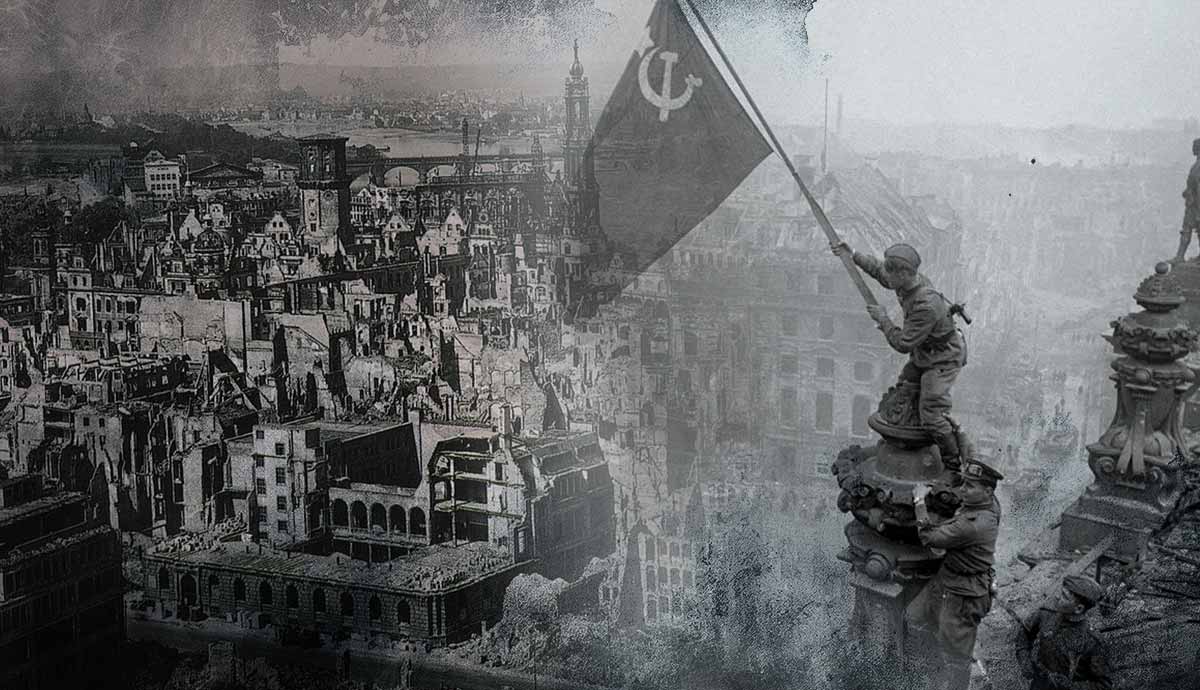
On November 7 (October 25 in the Julian calendar) came the final confrontation between the Petrograd Soviet and the Provisional Government known as the October Revolution. Following Kerensky’s unsuccessful crackdown, troops loyal to the Bolsheviks and the Soviet advanced on Petrograd to seize important installations, including government buildings, armories, bridges, and communication centers. The Bolsheviks, led by Lenin and Trotsky, had the support of city workers as they called for “peace, land, and bread.”
Later that day, Bolshevik forces surrounded the Winter Palace, the seat of the Provisional Government. Heavily outnumbered, defenders of the government waited for the attack. A signal for the assault on the palace came that evening. Almost immediately, the defenders fled in panic or joined the assault. Armed militias pillaged the Winter Palace and arrested government ministers hiding inside.
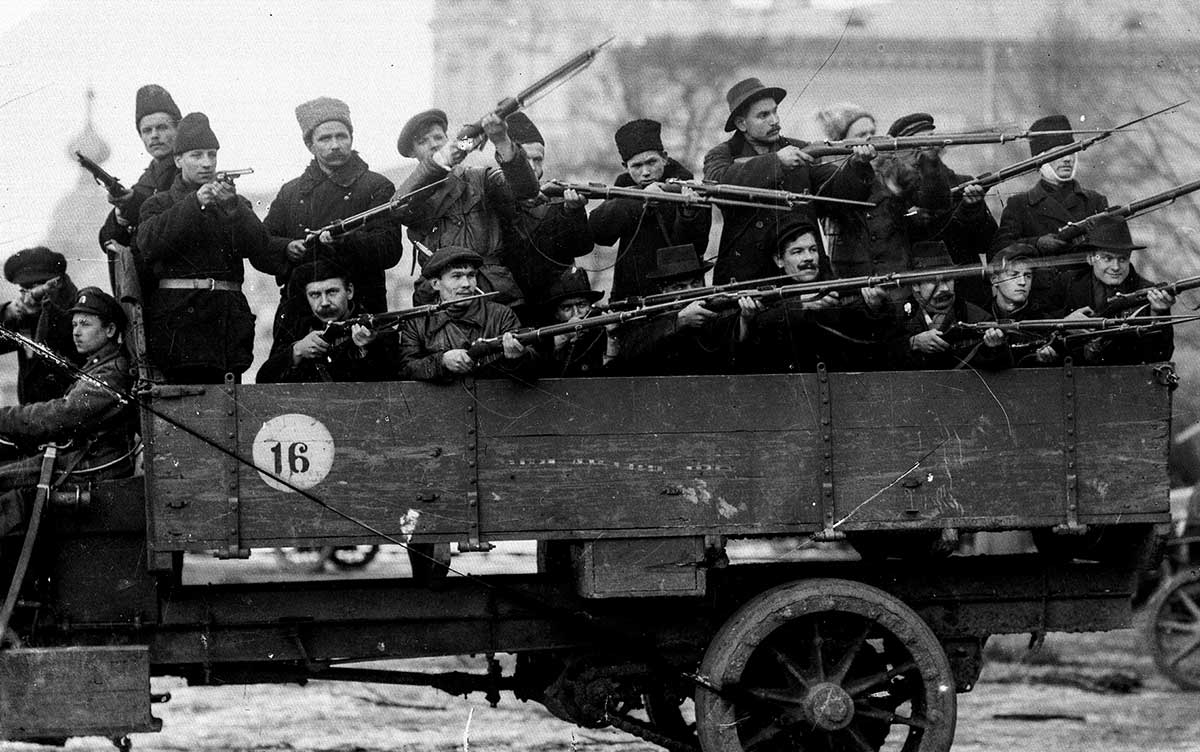
Kerensky fled Petrograd and eventually left Russia to settle in France. The Provisional Government had fallen with little bloodshed or resistance. At the same time, the Congress of Soviets was meeting. The day after the fall of Kerensky’s government, Lenin addressed the Congress. He claimed victory for the working masses, promised to immediately end Russia’s involvement in World War I, and to promote international revolution.
The Russian Provisional Government appeared doomed from the start. The government never won the hearts and minds of the people. Legislation for liberties such as freedom of speech and assembly came after the tsar’s abdication, but this freedom resulted in increasing agitation against the new government.
The economy continued to stagnate during 1917, causing further anger. The question remains what might have happened had the Provisional Government taken Russia out of the war. Perhaps they could have stayed in power long enough to form a stable government after a general election. Or that may not have made any difference against the Bolsheviks.