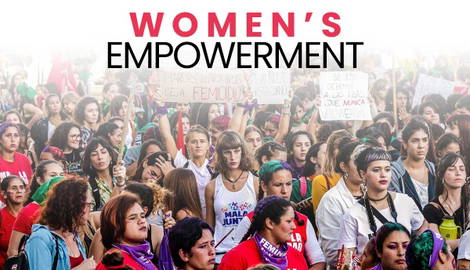

Women’s fight for human rights and equality has significantly progressed in recent years. Some brave women and organizations are changing the course of history by ensuring women are politically engaged, educated, and have access to all the opportunities that will make them financially and physically independent. These goals are accomplished through women’s empowerment and breaking gender barriers and stereotypes. Women’s empowerment is a multidimensional concept that can only be achieved systematically and inclusively. Read on to discover more about what women’s empowerment really is.
What Are the Main Aspects of Women’s Empowerment?
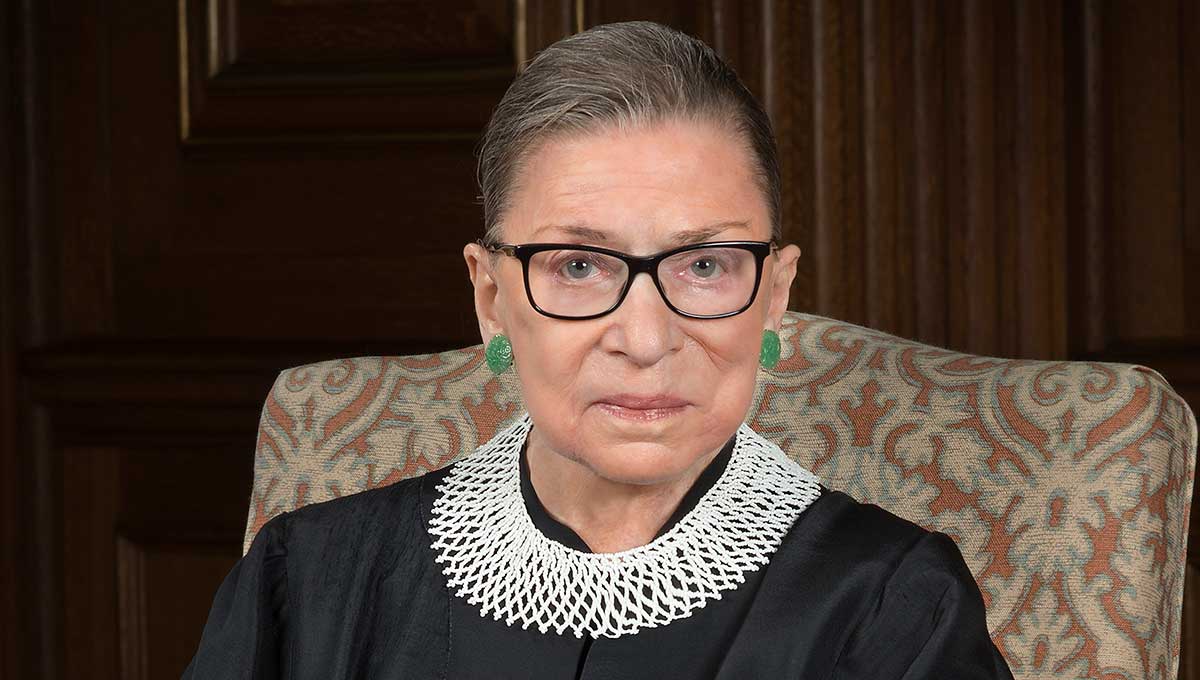
Women’s empowerment is crucial and is discussed in various fields and dimensions of scholarly and political work. The main aspects of women’s empowerment are social, economic, political, and psychological. All of these aspects are equally important, and by working on and implementing measures regarding them, we are building a fairer world where women participate at every level of society.
Social empowerment is about eliminating discrimination and ensuring that all women enjoy fundamental human rights, such as the right to education, healthcare, and safety. Reproductive rights are a big part of healthcare access since women’s right to bodily autonomy is essential and under attack worldwide. Making decisions about one’s body and healthcare is integral to the fight for equality and empowerment.
Another important aspect of women’s empowerment is economic empowerment, which is related to equal pay and employment opportunities. Because of centuries-long oppression, women often face wage gaps and lack leadership opportunities. Part of women’s empowerment is making policies regarding equal pay and preventing gender discrimination. Access to financial and business education and opportunities is crucial in the fight to become independent and close the gender gap economically.
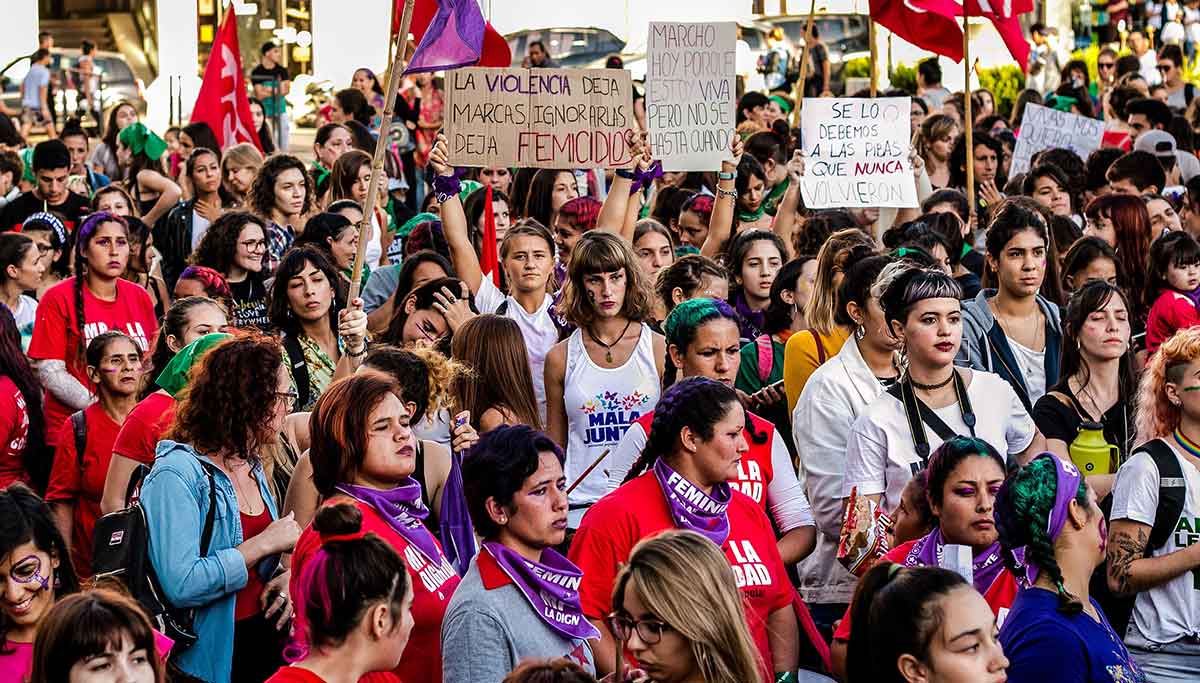
Political empowerment also ensures women’s participation in political processes and representation. As recently as the 19th century, women started gaining basic political rights such as voting, the right to run for political office, and the right to advocate for political and activist causes that would protect and better their lives.
The path to securing political rights was long and arduous. Women like Mary Wollstonecraft (1759-1797) were instrumental in the fight for equal rights. In the 18th century, Wollstonecraft’s call for women’s access to education and financial independence greatly influenced the later suffrage and feminist movements.
The suffrage movement advocated for women’s rights in the 19th and early 20th centuries. Through the movement, women gained some political rights and became more involved in policymaking. One of the most significant female voices in the movement was Susan B. Anthony. Together with her fellow activists, she greatly contributed to passing the 19th Amendment in the US in 1920, granting women the right to vote. In Great Britain, Emmeline Pankhurst, a leading figure in the suffragette movement, was influential in granting women the right to vote in 1918 and 1928.
An equally important aspect of women’s empowerment is psychological. It is based on personal development and overcoming gender norms and expectations. Gender discrimination, sexism, and misogyny can have severe psychological consequences. Thus, mental health and self-empowerment are essential tools in the fight for gender equality.
The Role of Education in Women’s Empowerment
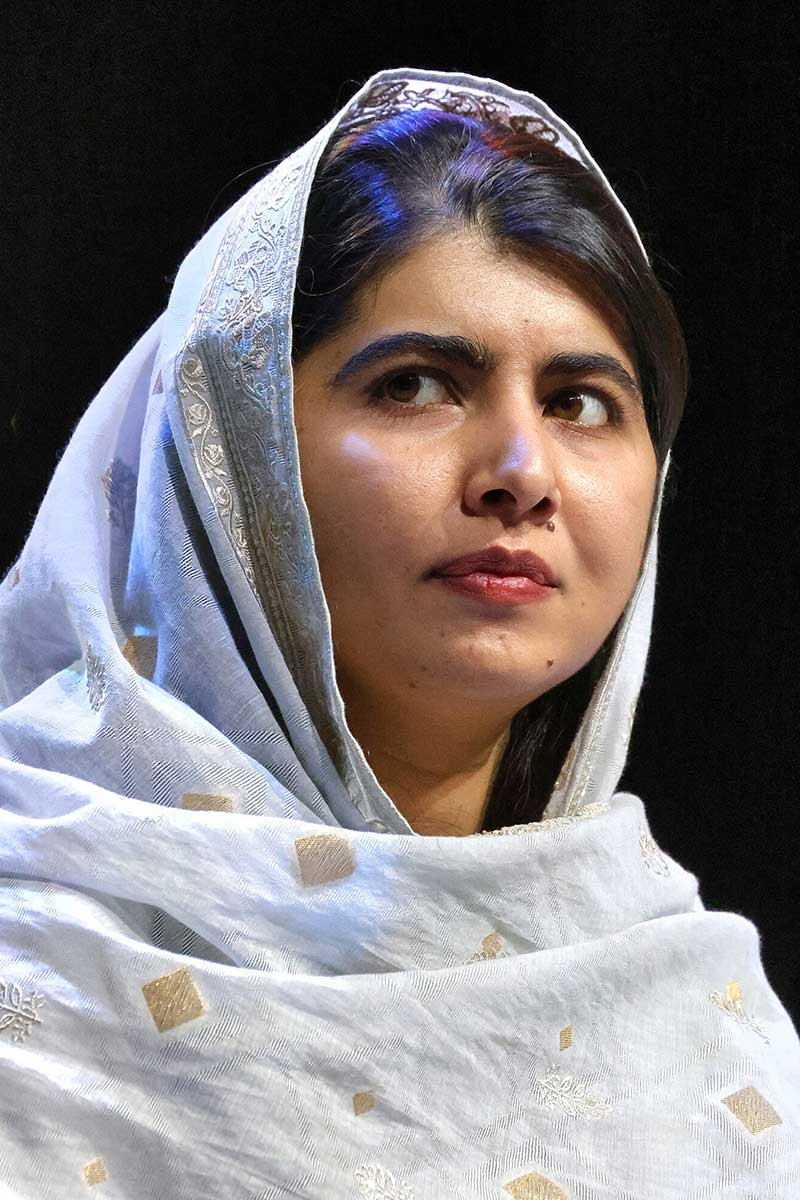
Education is vital in the fight for women’s empowerment and gender equality, as it has a crucial role in empowering women to become economically independent, get higher-paid jobs, and become involved in entrepreneurial endeavors. According to various studies, higher-educated women earn more and have more opportunities in different business and economic sectors.
Getting an education empowers women to become more financially independent and helps them thrive in various societal aspects. Additionally, education improves women’s overall health, as educated women are more likely to seek healthcare and care about nutrition and family planning. Being able to afford education, plan for the future, and have access to better, more nutritious food is a big part of women’s empowerment.
Political involvement and civic engagement are closely related to education. According to the Inter-Parliamentary Union (IPU), an international organization of national parliaments, higher educational and literacy rates are connected to female representation in politics. Education has proven to be significant in terms of voting and political engagement, encouraging a greater number of women to take political roles and participate in policymaking.
Another study similarly shows that women with higher education are more open to challenging existing discriminatory systems, leveling the field, and promoting policies regarding female employment. In countries with high female education, women are more likely to take roles in political and governmental leadership.
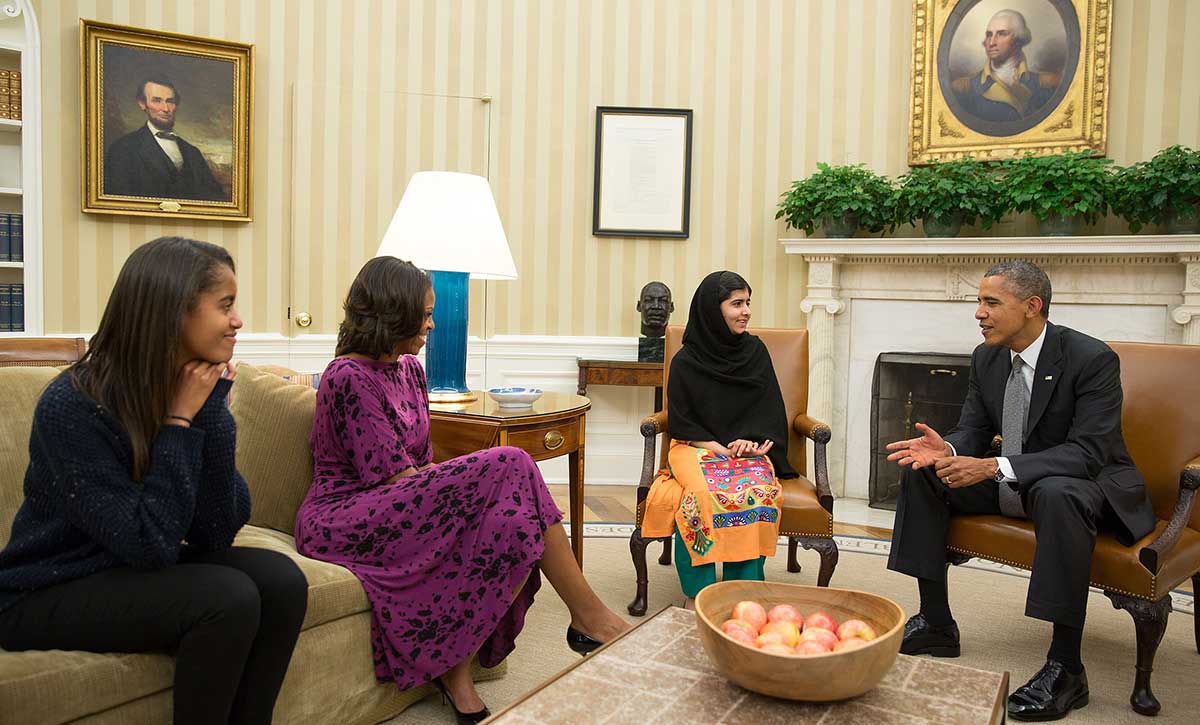
Although it is evident that education benefits women’s empowerment, women often face challenges. Some of those difficulties relate to poverty and the cost of education, books, and tuition. Other obstacles include sexism in some regions of the world, where women’s education is not prioritized or even allowed.
The importance of education for women’s empowerment can be seen through the work of Pakistani activist Malala Yousafzai, the 2014 Nobel Peace Prize winner. As a child, Malala was attacked for pursuing education and activism and survived an assassination attempt by the Taliban. That made her a symbol of perseverance and female empowerment. Malala is one of the founders of the Malala Fund, which aims to support and bring attention to the importance of the education of young women worldwide.
The Importance of Political Engagement
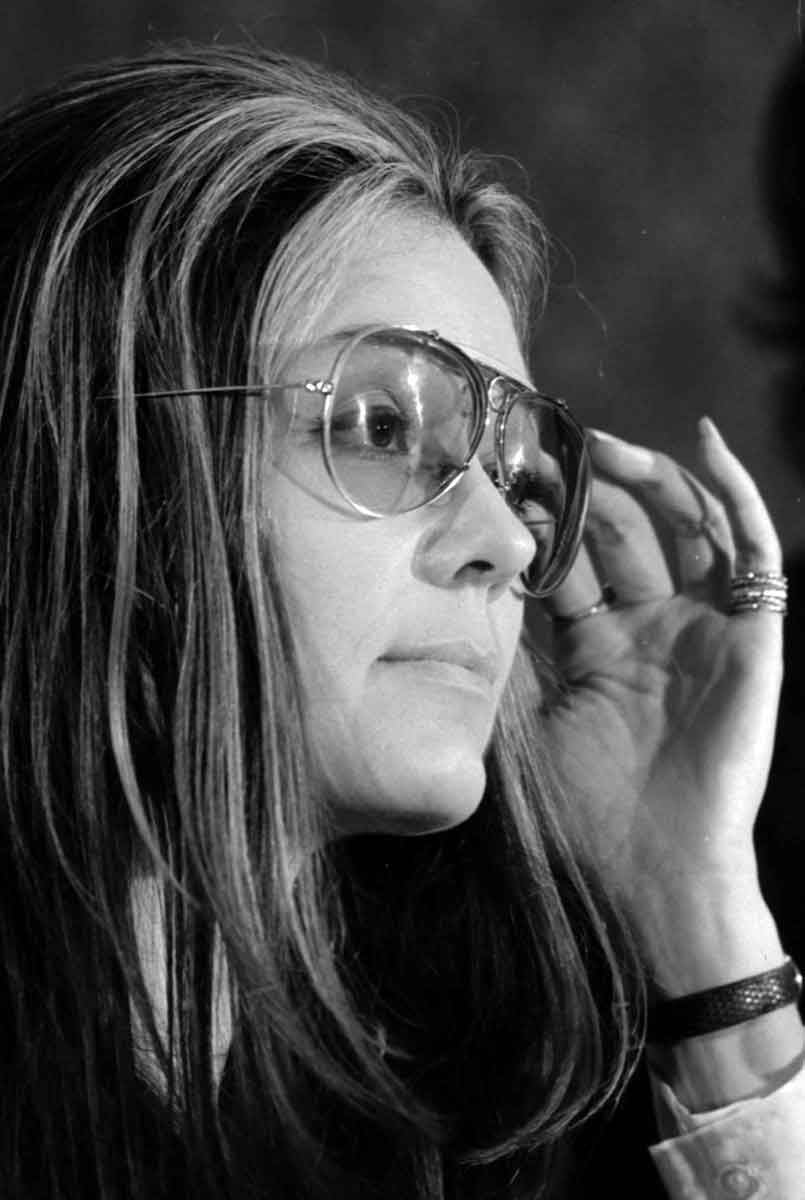
Getting politically engaged is one of the most essential parts of women’s empowerment. One of the main aspects of human rights and democracy is political participation and the right to be a part of political decision-making.
According to the United Nations’ Universal Declaration of Human Rights from 1948, all people, regardless of gender, should be granted access to political life and everything that comes with it: voting, running for office, and governing. In most countries, women started gaining political rights only a century ago. Even though women’s political positions and leadership are better than 50 years ago, they are still not equal to men. According to the Inter-Parliamentary Union (IPU), in 2024, the worldwide percentage of women in national parliaments is only 26%.
Women in political leadership positions allow women’s voices and demands to be heard. By actively engaging in political actions and decision-making, women advocate for anti-discriminatory laws, healthcare, childcare, and equal pay policies. Simply having women in political roles benefits everyone and generally makes the world more progressive and inclusive.
Unfortunately, in some parts of the world, women are not part of political decision-making and have a low or zero part in policy making. Women’s fight for equality and fundamental human rights (such as the right to be politically included) is far from over. Women are still encountering sexism and gender-based biases such as discrimination and misogyny. These kinds of discriminatory occurrences are limiting women’s participation in politics and political engagement.
Continuous Fight for Equality and Empowerment
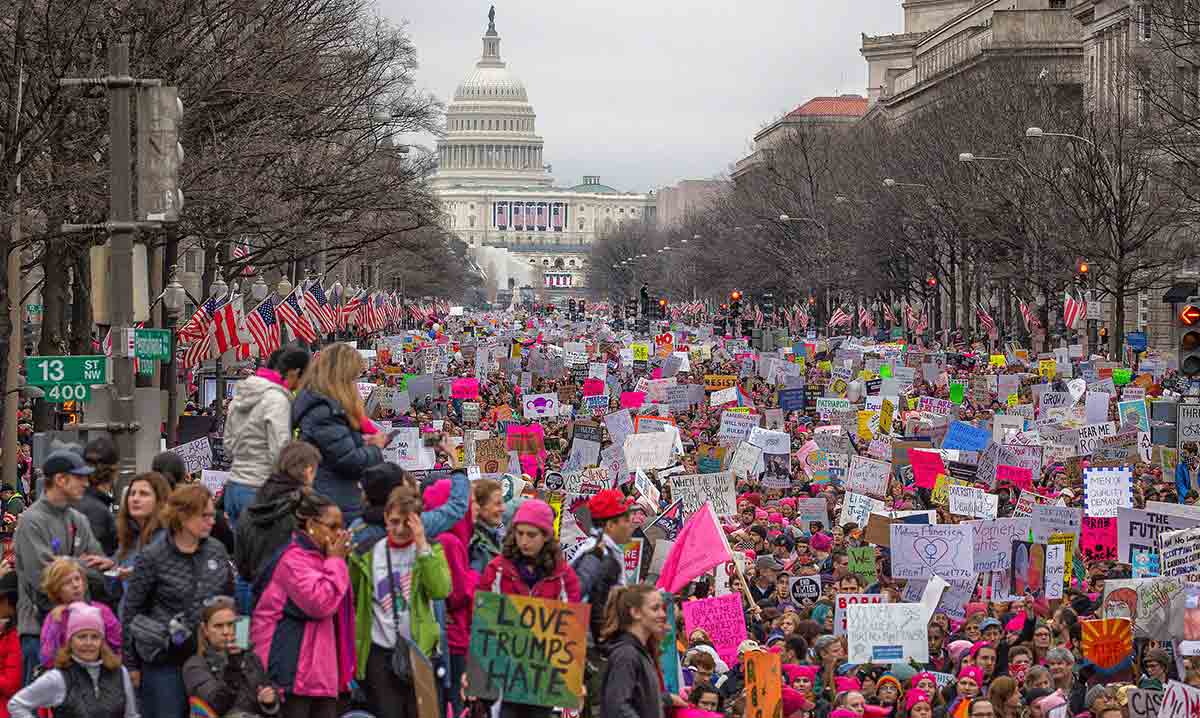
Even though women’s positions in the world are improving, according to studies and findings of the United Nations (UN), the World Economic Forum (WEF), the World Bank, and scholarly work, women still face barriers and discrimination. Those barriers are regarding opportunities, whether in economic or political fields. The gender pay gap, stereotypes, and violence are still present in almost every part of the world, somewhere more, somewhere less.
In recent years, more women have started pursuing higher education and careers, which is leveling the field regarding gender equality. However, women still do most of the “unpaid” work, such as housekeeping, caregiving, child care, and managing family affairs. This takes a mental and physical toll and directly affects women’s job opportunities and performance at work.
Gender stereotypes, expectations, and norms are still present regarding women’s involvement at home. Women are expected to have a family, career, and social life while caring for their children and partners. Nevertheless, women are increasingly breaking these traditional roles, showing the world that they no longer accept this state of affairs and can be more than mothers and homemakers.
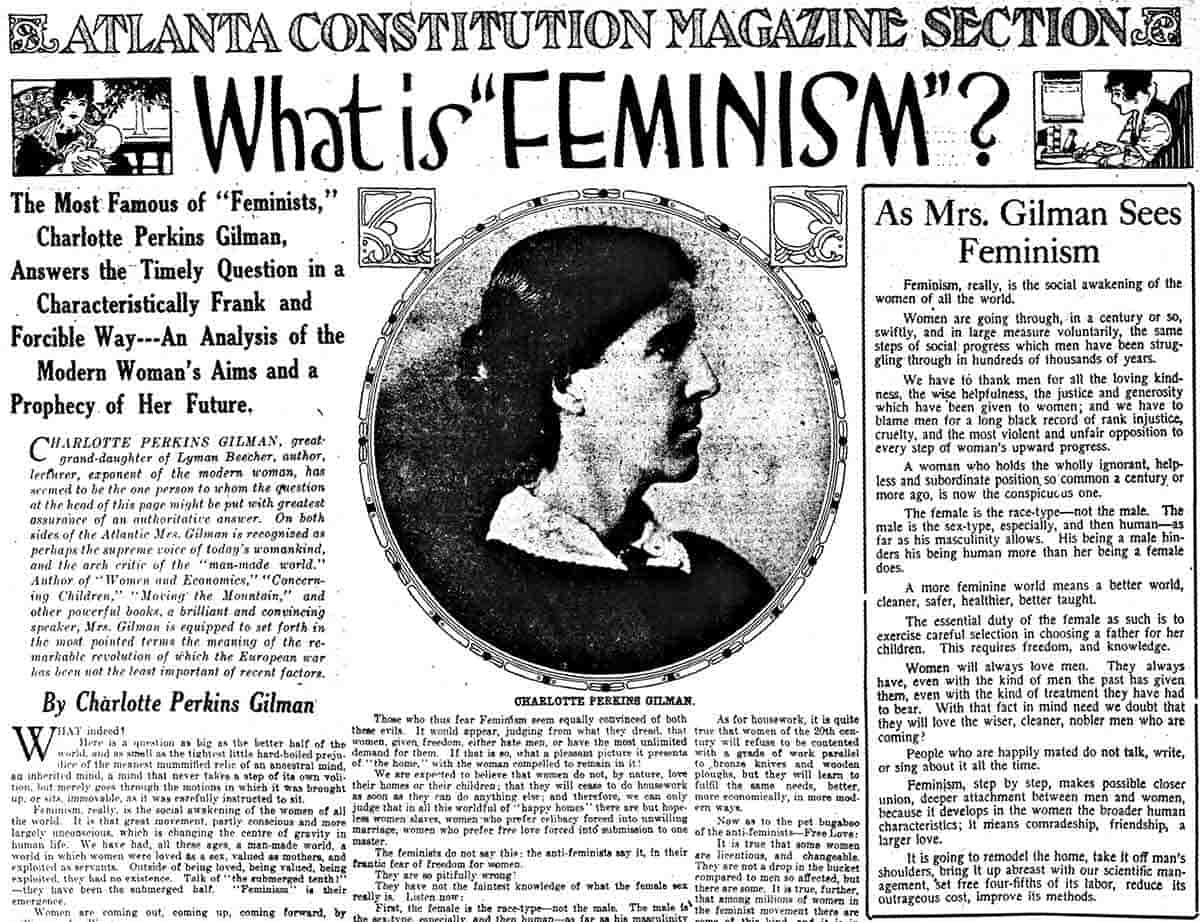
Having men as allies who understand the importance of women’s empowerment and taking responsibility is extremely important in women’s continuing fight for equality. Realizing that feminism is not a war on men but a battle for equal rights and opportunities is the first step in the right direction. International organizations that promote education and activist programs provide information to millions of girls and women worldwide, ensuring they understand that they are capable of anything and everything.
Best Women’s Empowerment Quotes
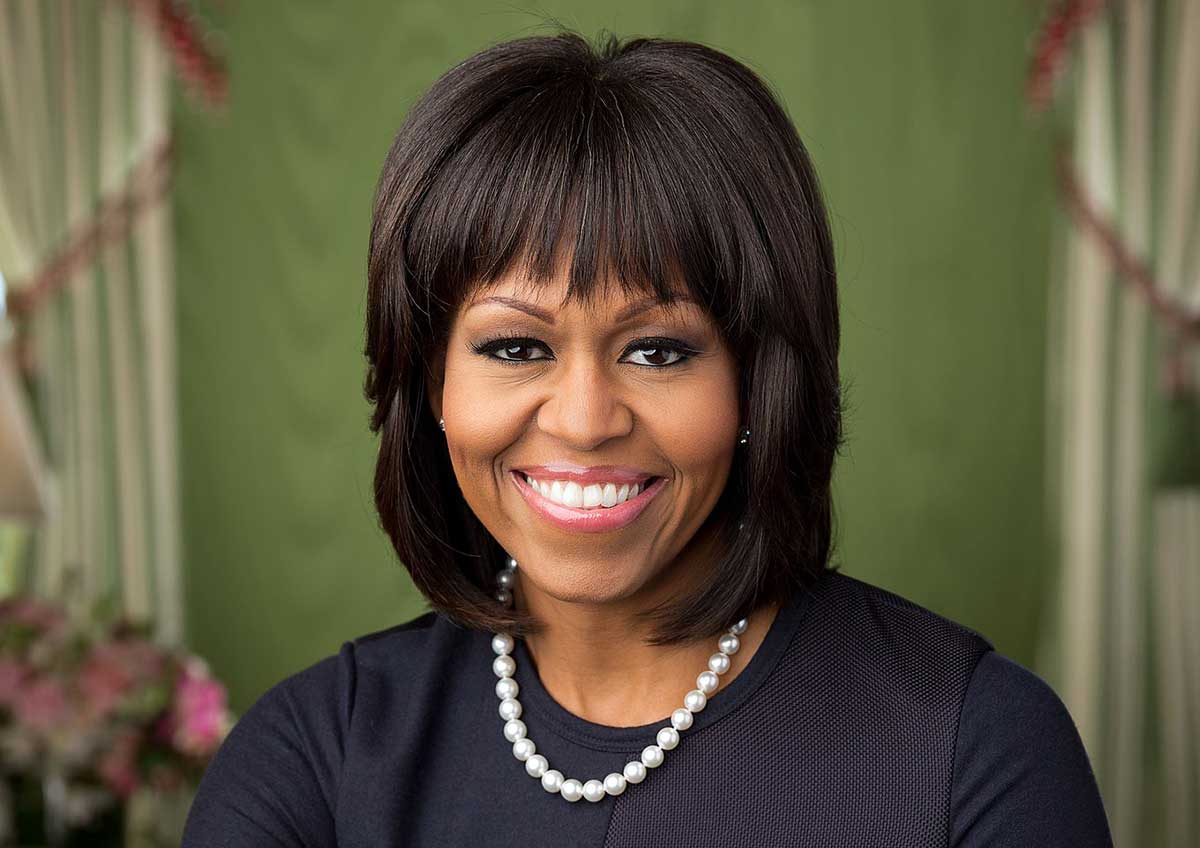
Some truly inspiring and brilliant women shared their thoughts regarding women’s empowerment and brought new ways of understanding women’s fight for equality and a brighter tomorrow. These are some of the most inspiring women empowerment quotas.
“There is no limit to what we, as women, can accomplish,” Michelle Obama, former first lady.
“No one can make you feel inferior without your consent,” Eleanor Roosevelt, former first lady.
“I raise up my voice- not so that I can shout, but so that those without a voice can be heard,” Malala Yousafzai, Nobel Prize-winning activist.
“Women belong in all places where decisions are being made,” Ruth Bader Ginsburg, late United States Supreme Court Justice.
“Well-behaved women seldom make history,” Laurel Thacher Ulrich, historian.
“Women are the largest untapped reservoir of talent in the world,” Hillary Clinton, former first lady and United States Secretary of State.
“Woman with a voice is, by definition, a strong woman,” Melinda Gates, American philanthropist and former multimedia developer.
“If you want something said, ask a man; if you want something done, ask a woman,” Margaret Thatcher, late former British Prime Minister.
“Women, like men, should try to do the impossible. And when they fail, their failure should be a challenge to others,” Amelia Earhart, late American aviator.
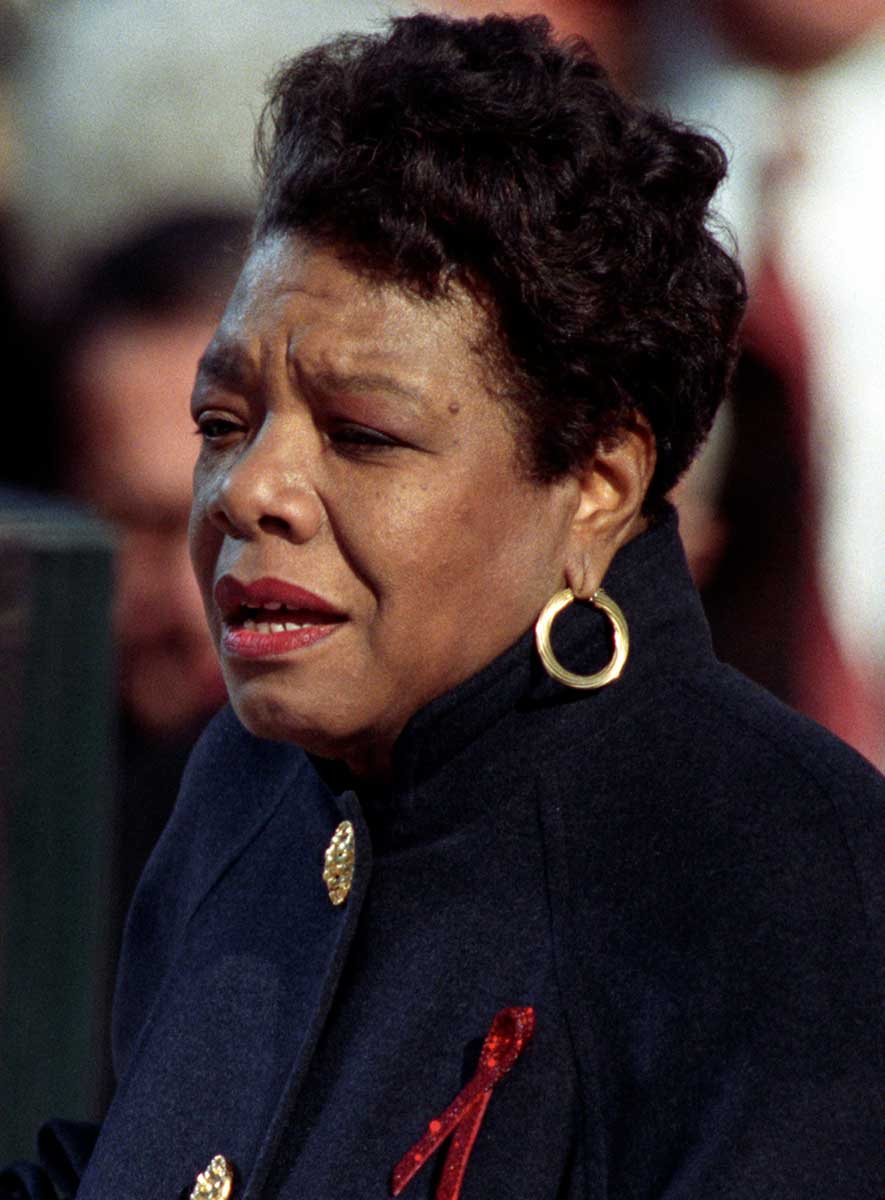
“I am grateful to be a woman. I must have done something great in another life,” Maya Angelou, the late poet and civil rights advocate.
“We realize the importance of our voice only when we are silenced,” Malala Yousafzai, a Nobel Prize-winning activist.
“If they don’t give you a seat at the table, bring a folding chair,” Shirley Chisholm, late American politician and the first black woman to be elected to the United States Congress.