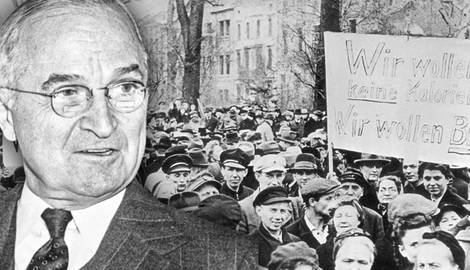

World War II left the European continent in ruins; it caused destruction, mass displacement, and economic hardships. The threat of the Soviet Union’s expansion, coupled with the harsh socio-economic conditions, paved the way to the “irreconcilable antagonism” of the Cold War between the Soviet Union and the United States. The US-initiated Truman Doctrine aimed to contain the spread of communism through military and political support to the vulnerable European states, while the Marshall Plan provided financial assistance to the war-torn European states to reconstruct and rebuild. While these foreign policy initiatives played a significant role in the economic revival of the European continent, they also solidified the ideological division between East and West.
The Long Telegram
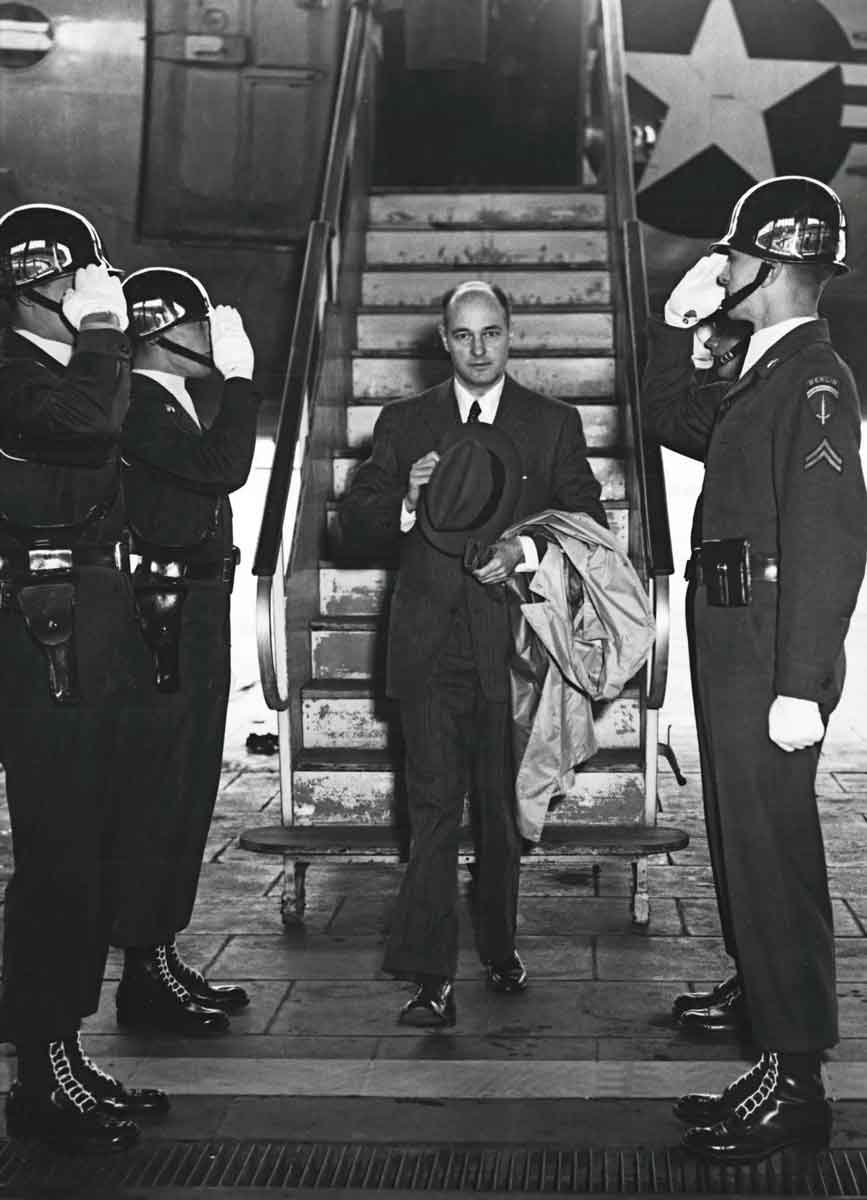
On February 22, 1946, George Kennan, an American Foreign Service officer and Chargé d’Affaires in Moscow, sent an 8,000-word telegram to the American State Department. The telegram, also widely referred to as “The Long Telegram,” became the base of American foreign policy during the Cold War. Through Kennan’s socio-cultural and historical analyses of the motives that shaped the Soviet Union’s foreign policy, the Long Telegram provided recommendations for Harry Truman’s administration.
According to Kennan, the Soviet Union would move forward on the whole European continent through geopolitical and ideological advances if the United States did not change its isolationist policies. Kennan concluded that “the main element of any United States policy toward the Soviet Union must be that of a long-term patient but firm and vigilant containment of Russian expansive tendencies.”
One year after the submission of the Long Telegram, on February 21, 1947, Great Britain notified the United States about the withdrawal of its military and financial aid from Greece and Turkey. This move made strategically placed European states vulnerable to communist takeover. Both Greece and Turkey were in deteriorating economic and political situations stemming from World War II. Greece was also in the flames of the Civil War, torn between the Greek monarchy and communist guerillas, and in a severe economic crisis.
In a broader context of the Soviet Union’s efforts to expand its dominance in the European region, Turkey’s government was dealing with Soviet forces stationed near the Turkish border, while Soviet leader Joseph Stalin demanded control over the Dardanelles Straits.
Britain considered Greece and Turkey under its sphere of influence due to their strategic location.
Aiming to secure control over the key maritime routes (the Dardanelles Strait and the Bosporus Strait in Turkey, as well as the Aegean Sea between Greece and Turkey) during the early 20th century, these countries had acquired strategic geopolitical importance for Britain. World War II, however, had drained British resources, and with the United States entering the international arena from its isolationist stance, Great Britain sought to pass the responsibility to America.
The Truman Doctrine
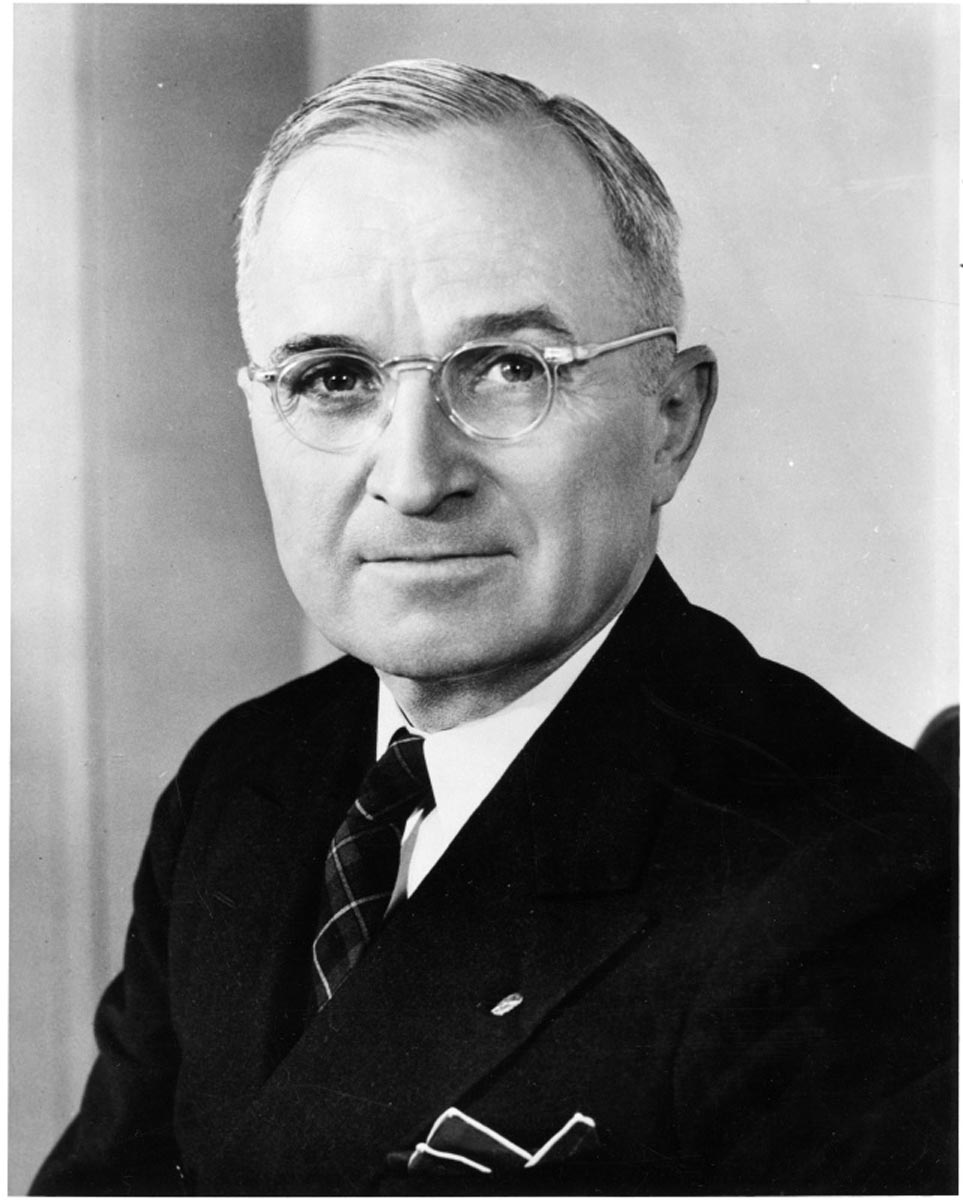
To address the challenge, on March 12, 1947, American President Harry Truman delivered a speech at a joint session of Congress. Truman asked Congress to provide financial and military aid to Greece against the Greek Communist Party and to Turkey. The Truman Administration requested $400,000,000 worth of aid (~$5.6 billion in 2025) for both states. The initiative became known as the Truman Doctrine.
By this time, the United States had already experienced significant failures in its foreign policy regarding the USSR during and immediately following World War II, which made it more difficult to pursue a reconciliation strategy with the Soviet Union. The following setbacks served as the impetus for the establishment of the Truman Doctrine:
- The Soviet Union failed to adhere to the principles of the Tehran Declaration of 1943, where Stalin pledged to withdraw from northern Iran by 1946.
- The Soviet Union rejected the Baruch Plan. The plan, which the United States government presented to the United Nations Atomic Energy Commission on June 14, 1946, aimed to establish international control over the use of nuclear energy and weapons.
In his speech, President Truman stressed the crucial importance of preventing the communist takeover of Greece and Turkey because doing so would change the security situation in the strategically significant Middle East.
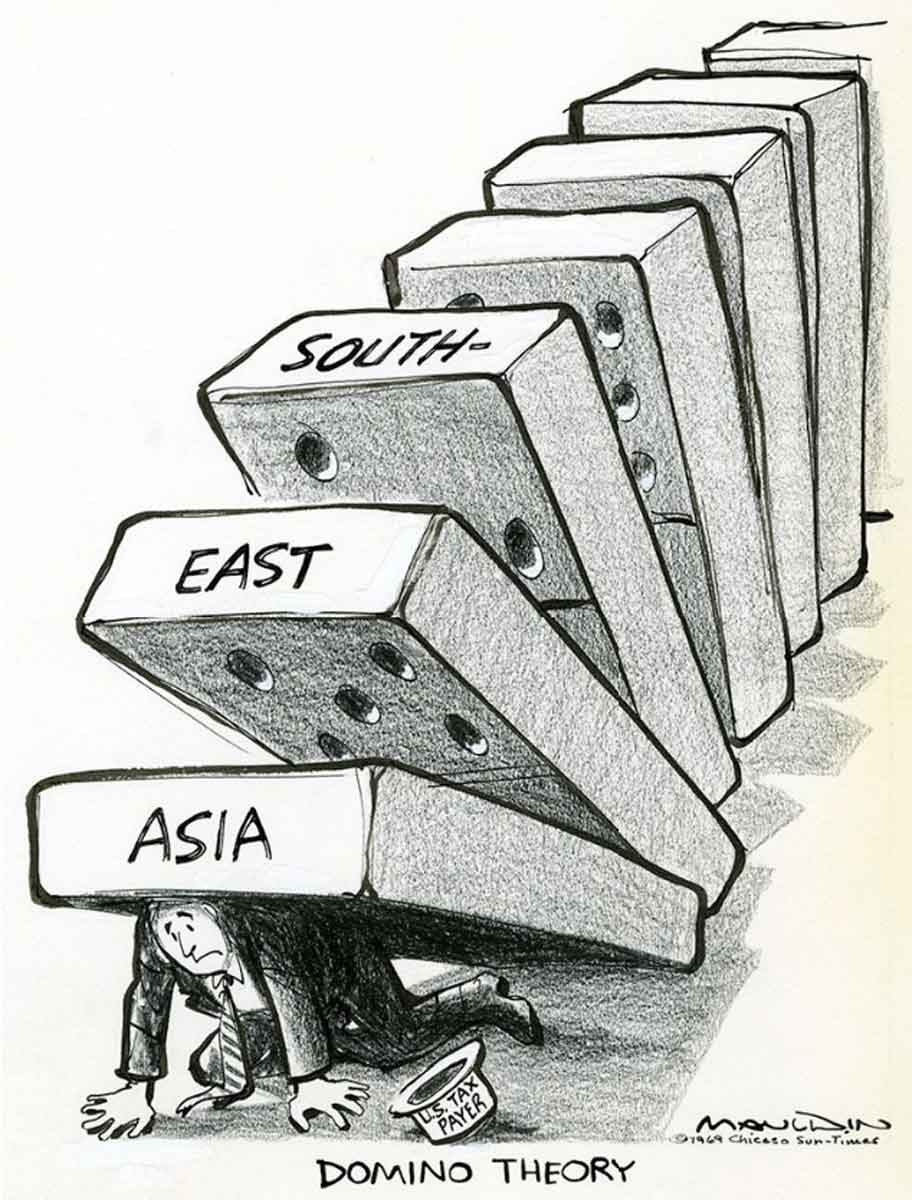
This assertion was mostly predicated on the “Domino effect” theory put forth by Undersecretary of State Dean Acheson. According to the hypothesis, if one country fell to communism, it would facilitate and even cause the takeover of the neighboring countries, much like a line of dominoes would fall if the first one collapses. In this sense, Turkey and other nations would succumb to communism if Greece fell to the Greek Communist Party.
Besides security considerations, Truman presented the American state as a guarantor of stability and peace of “free people” against the “totalitarian regimes,” declaring that its spread would “undermine the foundations of international peace and hence the security of the United States.”
Even though President Truman’s approval rating was only 35%, the largely Republican Congress nevertheless approved the request to deter the spread of communism in Europe. The decision was motivated by strategic calculations and a broader consensus on the importance of deterring the expansion of the Soviet Union in strategically important Europe.
Thus, Europe became the front line of the emerging Cold War rivalry.
The Marshall Plan
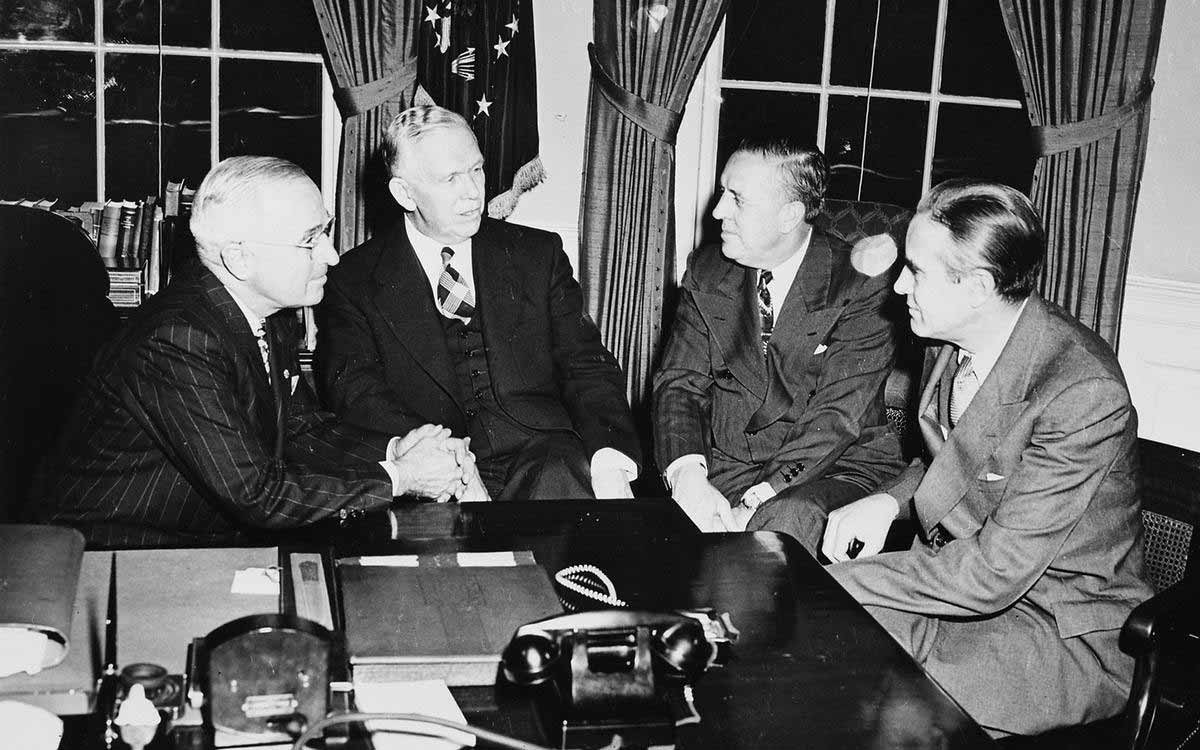
Secretary of State George C. Marshall saw the need for American economic assistance to Europe for its stability during his visit at the Moscow Foreign Ministers Conference in March and April 1947. During this event, the secretary of state once again became aware of the Soviet Union’s expansionist aspirations in Europe.
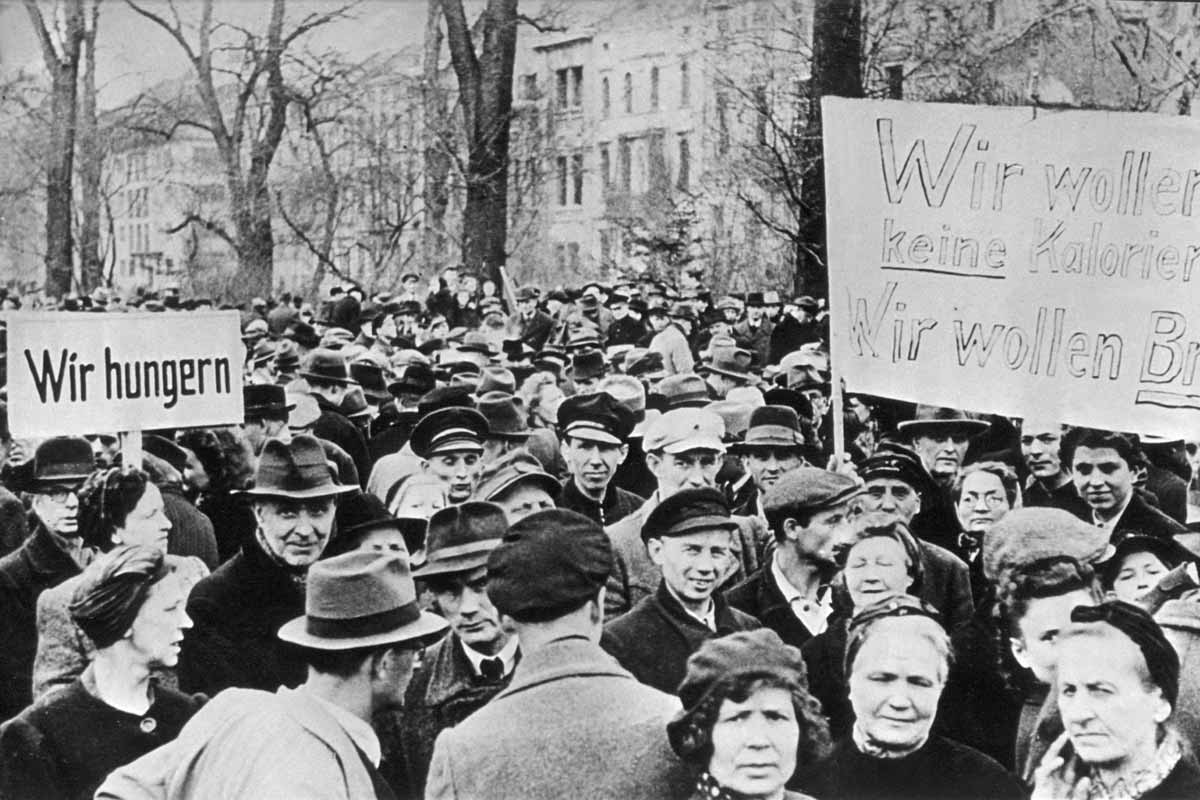
George C. Marshall believed that socio-economically weak European states were more vulnerable to communism. Indeed, following the end of World War II, European countries were on the brink of famine; cities were in ruins, infrastructure was destroyed, and the import of goods was disturbed. Marshall declared that “the patient is sinking while the doctors deliberate.”
Marshall assigned two weeks to American experts of different specialties to draft a strategy for the reconstruction and recovery of Europe. Subsequently, on June 5, 1947, Secretary of State George C. Marshall delivered a pivotal speech at Harvard University, outlining a comprehensive plan for European recovery.
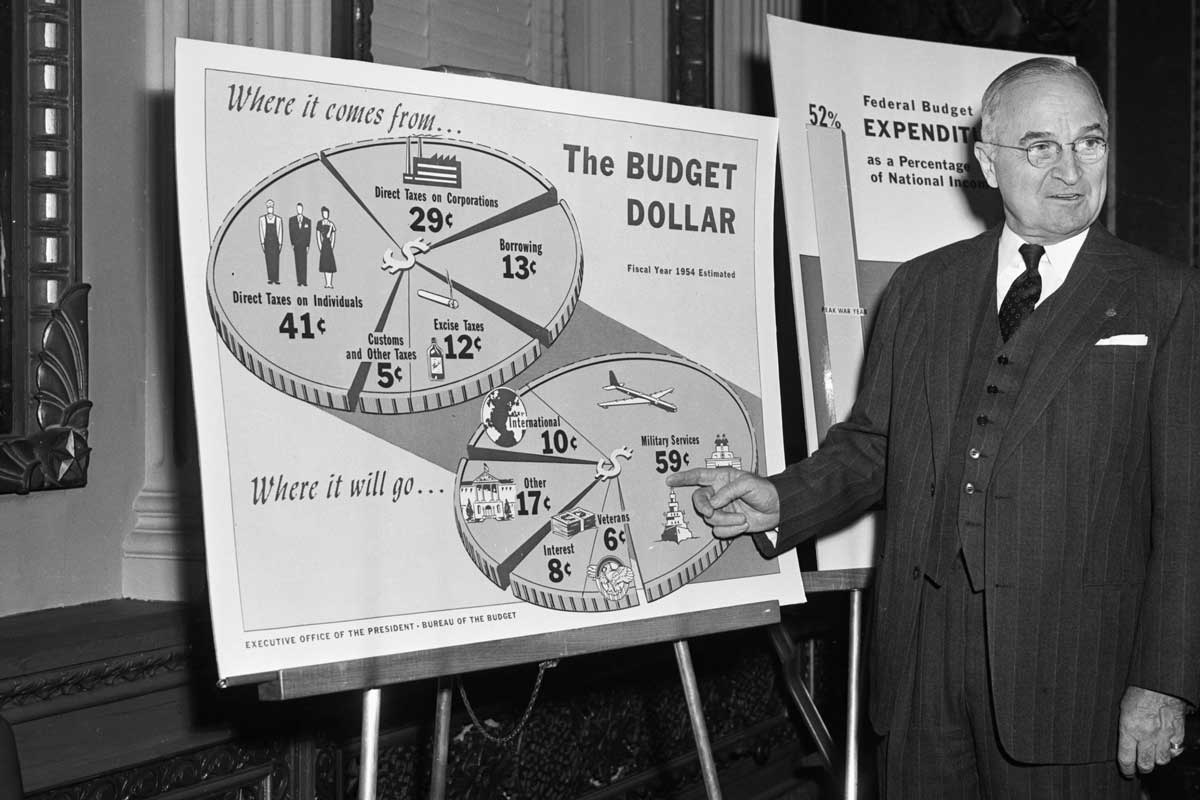
The Economic Cooperation Act, passed by Congress in March 1948, provided approximately $12 billion ($171 billion in 2025) for the reconstruction of Western Europe in response to the rapidly declining European economies and growing communist influence on the continent.
American President Harry S. Truman signed the European Recovery Program on April 3, 1948.
Initially, the Marshall Plan offered financial aid to almost all European countries, including the Soviet Union. The Soviet leader, Joseph Stalin, however, refused and forced its satellite countries, particularly Czechoslovakia and Poland, to deny participation in the program.
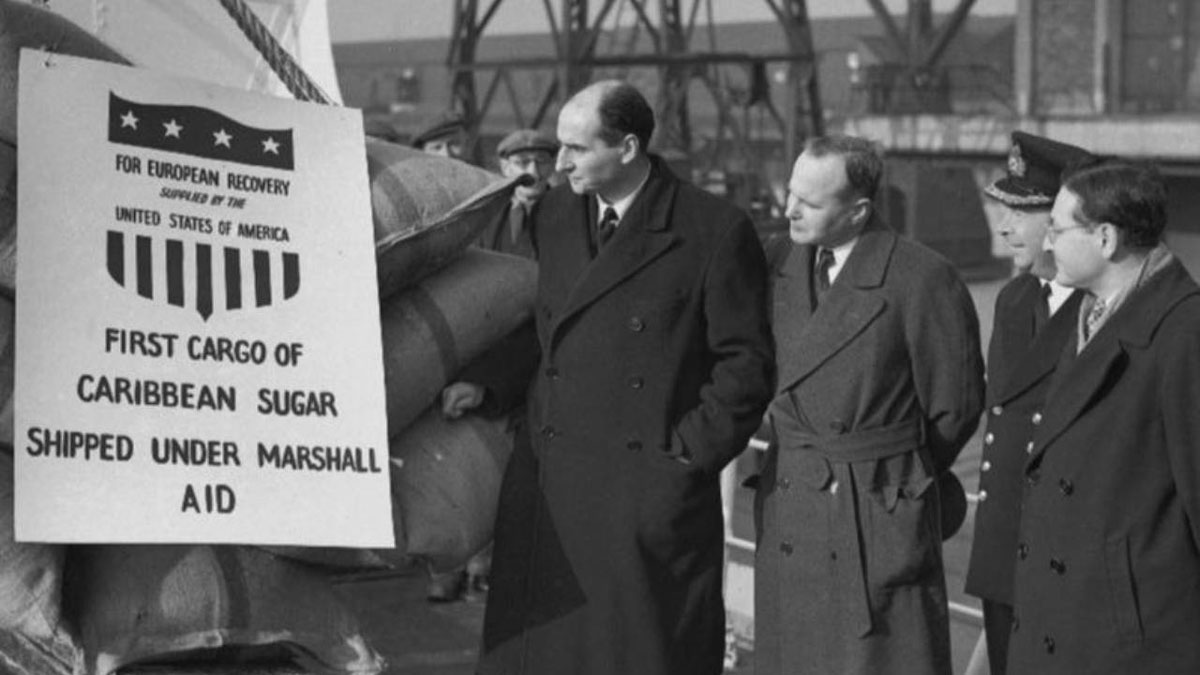
The Marshall Plan included the following European countries: Austria, Belgium, Denmark, France, Greece, Iceland, Ireland, Italy, Luxembourg, the Netherlands, Norway, Portugal, Sweden, Switzerland, Turkey, the United Kingdom, and western Germany.
The European Recovery Program established two implementing organizations, one representing the United States and another representing Europe. These organizations were assigned the role of facilitating dialogue between the two parties, coordinating and allocating funds, and negotiating the process of adoption of the policy reforms of the European states.
On the American side, the Economic Cooperation Administration (ECA), headed by Paul G. Hoffman, was established. Its main task was to distribute American aid to different European states for four years. The aid was designed to restore and enhance agricultural and industrial production, introduce a free market economy, support trade, and establish financial stability. The financial assistance of the Marshall Plan would be in the form of direct aid and loans.
On the European continent, headed by France and Great Britain, the Committee of European Economic Cooperation was established to coordinate the Marshall Plan locally. Following the completion of the Marshall Plan, the organization was replaced by the Organization for European Economic Co-operation (OEEC).
The Marshall Plan proved successful. During this period, Western European countries saw a rise in their gross national products of 15 to 25 percent. The plan revived European chemical, engineering, and steel industries. In return, the Marshall Plan provided new markets for American goods and facilitated international trade.
The Differences Between the Truman Doctrine & Marshall Plan
The emerging Cold War environment was complex, multifaceted, and had different dimensions of conflicting interests. The Truman Doctrine and the Marshall Plan can be regarded as dual strategies of containment and reconstruction. While they both were born in the face of emerging Cold War rivalry and intended to deter the spread of communism, they differed in the essence of assistance, target areas, and implementation mechanisms.
Context
The Truman Doctrine was a response to the changing post-World War II geopolitical environment in which the Soviet Union was actively extending its influence to Eastern European states. Communist insurgencies and political instability threatened the new world order. Thus, the Truman Doctrine was an immediate response to the crisis by providing military and political assistance to bolster American-friendly governments against communist movements. It can be viewed as more reactionary in nature compared to the Marshall Plan.
The Marshall Plan emerged in the context of a post-World War II European population struggling socio-economically, which made them more vulnerable to Soviet influence. The Marshall Plan aimed for long-term recovery and stability in Europe.
Target area
The Marshall Plan was specifically targeted on the European continent, while the Truman Doctrine was not constrained regionally and applied to any country facing the threat of communist takeover or establishment of the sphere of Soviet influence.
Implementation mechanism
The Truman Doctrine’s key focus was military aid for countries vulnerable to Soviet invasions, such as Greece and Turkey. The doctrine later became a leading strategy of the American foreign policy of the Cold War, signaling the end of its isolationism. The Truman Doctrine provided a specific amount of aid for immediate actions directly to the governments of the particular country.
The Marshall Plan, however, provided purely economic and financial assistance through grants and loans. The recovery was implemented through a structured bilateral framework between the parties: the Economic Cooperation Administration in the United States and the Committee of European Economic Cooperation in Europe.
The Truman Doctrine and the Marshall Plan played crucial roles in defining the structure of the emerging Cold War between the United States and the Soviet Union. They both became cornerstones of American foreign policy, resulting from the threat of Soviet expansion in Europe.