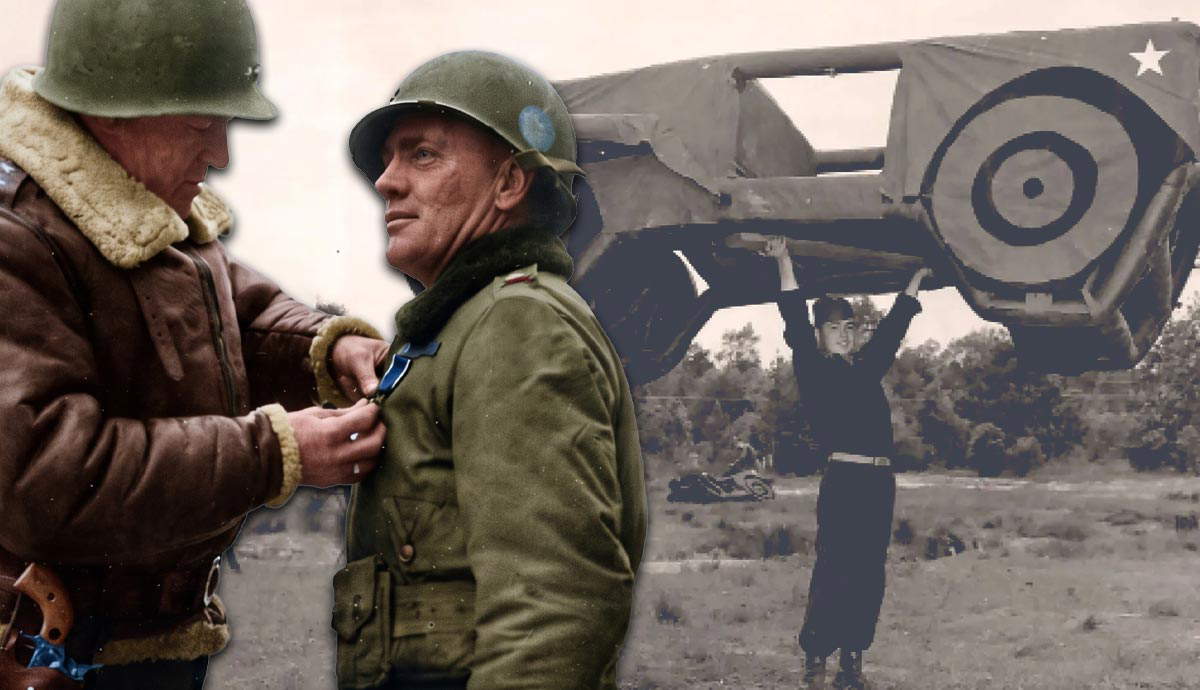

At the beginning of 1945, the Allies were fighting their way toward Germany and Japan. Outnumbered, the two Axis powers attempted to delay defeat, inflicting heavy casualties on their enemies in the last major battles of the war. However, with little air power and dwindling resources, they capitulated. While the Battle of Berlin marked the end of the hostilities in Europe in May, the war continued throughout the summer in the Pacific Theater.
The Last German Offensive Before the Battle of Berlin
Following the D-Day landings in France on June 6, 1944, the Allied armies smashed through German defenses. Optimists predicted the war in Europe could be over by the end of the year.
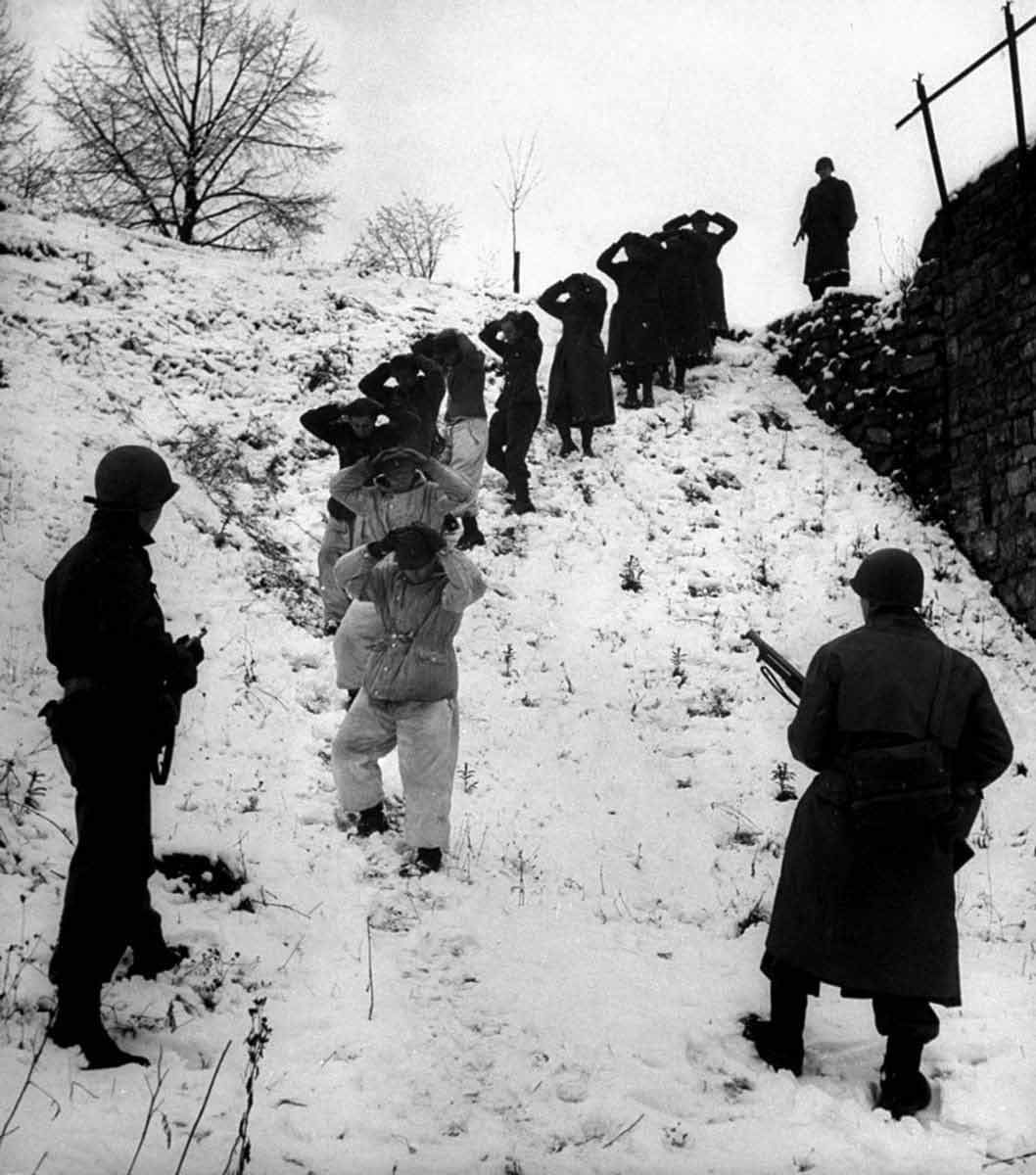
However, as winter descended on the continent, Adolf Hitler ordered a counteroffensive through the Ardennes to split the Allies and retake Antwerp. The bulk of the attack was against American forces stationed in the region. Many soldiers were inexperienced, and the Ardennes were considered quieter than other parts of the front line.
On December 16, amidst heavy fog that prevented American planes from taking off, more than 200,000 German troops and 1,000 tanks advanced west. The attack was like the offensive against France in May 1940 and took the Americans by surprise. After a full day of fighting, the Germans smashed through American positions, creating a bulge in the lines.
After the initial surprise, American troops rallied and put up a fierce resistance despite a lack of air support. Troops around the towns of Bastogne and St. Vith defended themselves vigorously and slowed the German advance.
Allied commander Dwight D. Eisenhower rushed in reinforcements to bolster Allied lines. The US Third Army under General George Patton raced north to counterattack German tank divisions. As the weather cleared in late December, American planes took off to bomb German positions.
In early January, the Allies counterattacked and pushed back the German forces. By January 25, the Nazis had retreated to their previous positions.
This was the last German attack in the west. The Allies continued their march toward Berlin. British Prime Minister Winston Churchill called the Battle of the Bulge the greatest American battle of the war. American casualties were close to 20,000 soldiers, while the Germans lost 100,000 men.
Closing In: The Bombing of Dresden
Following the Battle of Britain and the intense bombings of London and other British cities throughout 1940 and 1941, the Allies targeted Germany. For years waves of planes dropped bombs on German-occupied Europe in efforts to curtail the Nazi war machine.
The German city of Dresden remained mostly unscathed until 1945. Dresden was a historic city. In 1945, it was also the site of a German rail center and arms production factories. The population was 630,000, but an influx of refugees fleeing the advancing Soviets increased the number of residents to over a million in 1945.
The Allies scheduled coordinated air raids on Dresden between February 13 and 15. Britain would bomb at night, while American planes would attack during the day.
The first wave of bombings began on the evening of February 13, led by a Royal Air Force squadron of Lancaster bombers. With little opposition from anti-aircraft guns, the RAF flew at a lower altitude and dropped high-explosive bombs and incendiaries. Eight hundred eighty tons of bombs crashed into the city center.
The intensity of the bombings created high-pressure air. The fires created by incendiary explosives met the air to originate a firestorm. Firefighters on the ground were overwhelmed. Hurricane-force winds carried fires throughout the city.
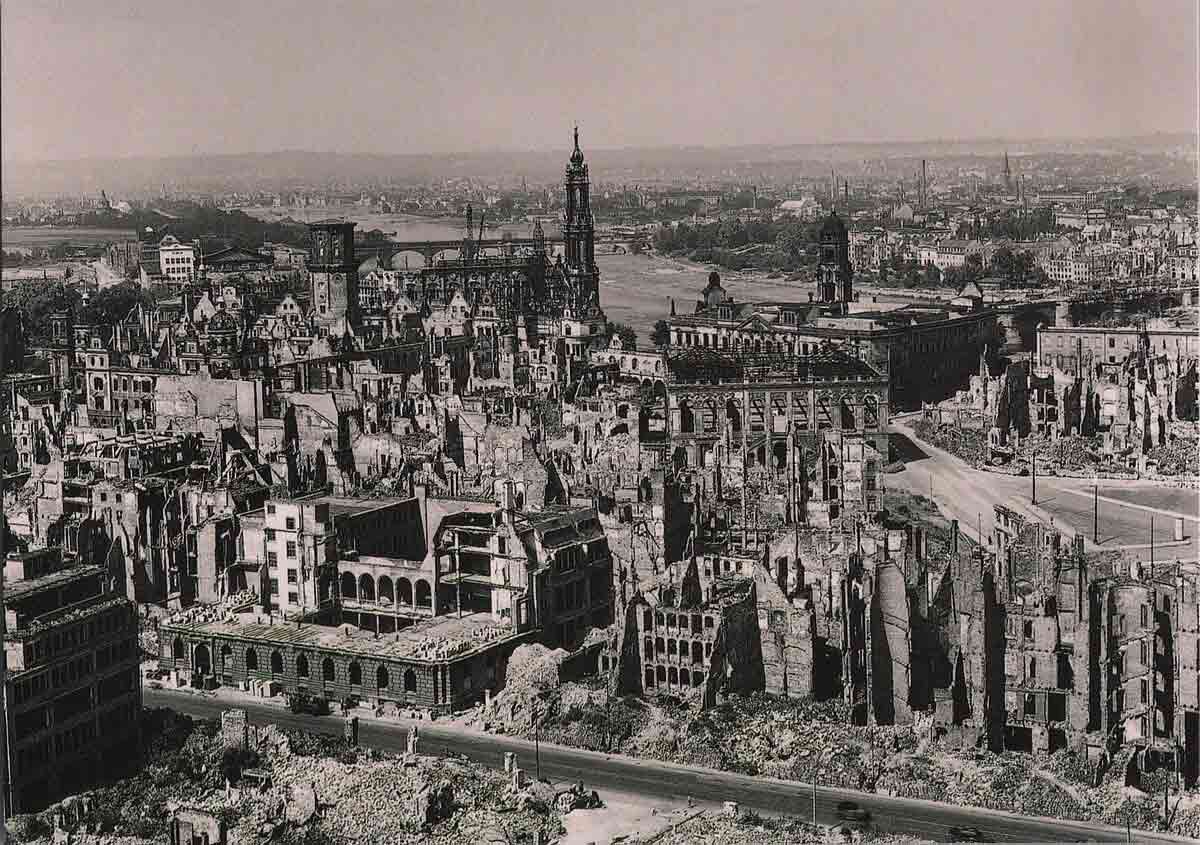
A second wave of Lancaster bombers followed, increasing the intensity of the firestorm. Steel melted, stone disintegrated, and trees exploded from the intense heat. The next day, more than 300 American B-17 Flying Fortresses struck Dresden, increasing the carnage. Several more Allied raids followed.
An estimated 25,000 to 35,000 people died in the Dresden bombings, perhaps more. It was difficult to make an accurate assessment as many bodies were incinerated instantly.
Germany’s Last Stand: The Battle of Seelow Heights
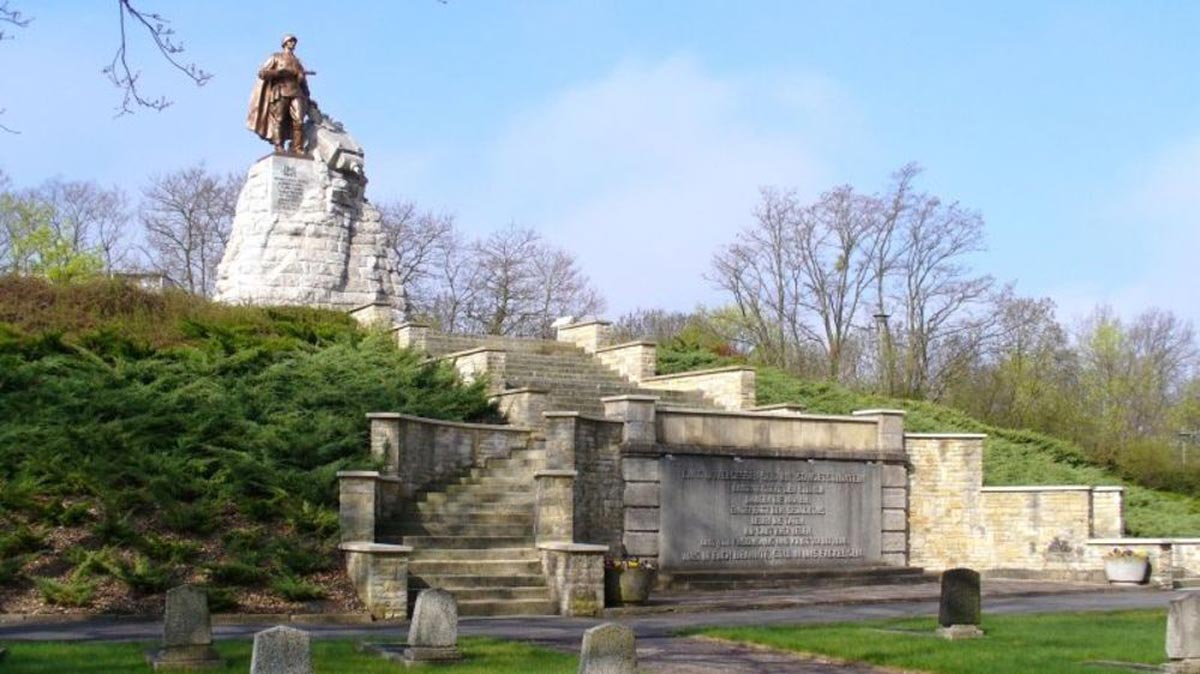
While the Americans, British, Canadians, and other Allies fought their way to Germany from the west, the Russians moved in from the east. By April 1945, the Russian army and their allies were ready to push to Berlin itself.
About 70 kilometers east of Berlin, German forces prepared a defense at Seelow Heights on the west bank of the Oder River. The Russians had approximately one million troops pitted against 100,000 Germans.
The Soviets at Seelow Heights were commanded by Marshal Georgy Zhukov. A rival commander, Marshal Ivan Konev, was in charge of another group nearby. Stalin decided that whoever got through German defenses first could lead the capture of Berlin.
Colonel-General Gotthard Heinrici led German troops. Heinrici ordered engineers to open dams on the Oder to flood the river and turn it into a muddy swamp.
On early April 16, Soviet forces unleashed a massive bombardment on German positions. Large searchlights were pointed at the defenders to spot their positions. However, large amounts of smoke reflected the lights back and left the Russians exposed instead. German fire held back the Russian advance.
By April 17, the Soviets were still bogged down under German artillery fire and the flooded river. Hearing that Konev was having better success, Zhukov intensified his frontal attack on April 18.
On April 19, Heinrici abandoned the last German defenses and retreated toward Berlin. Zhukov could now concentrate on the final assault on the capital.
The battle was short but costly. The Soviets sustained over 30,000 losses and hundreds of destroyed tanks. Around 12,000 Germans died at Seelow Heights.
Battle of Berlin
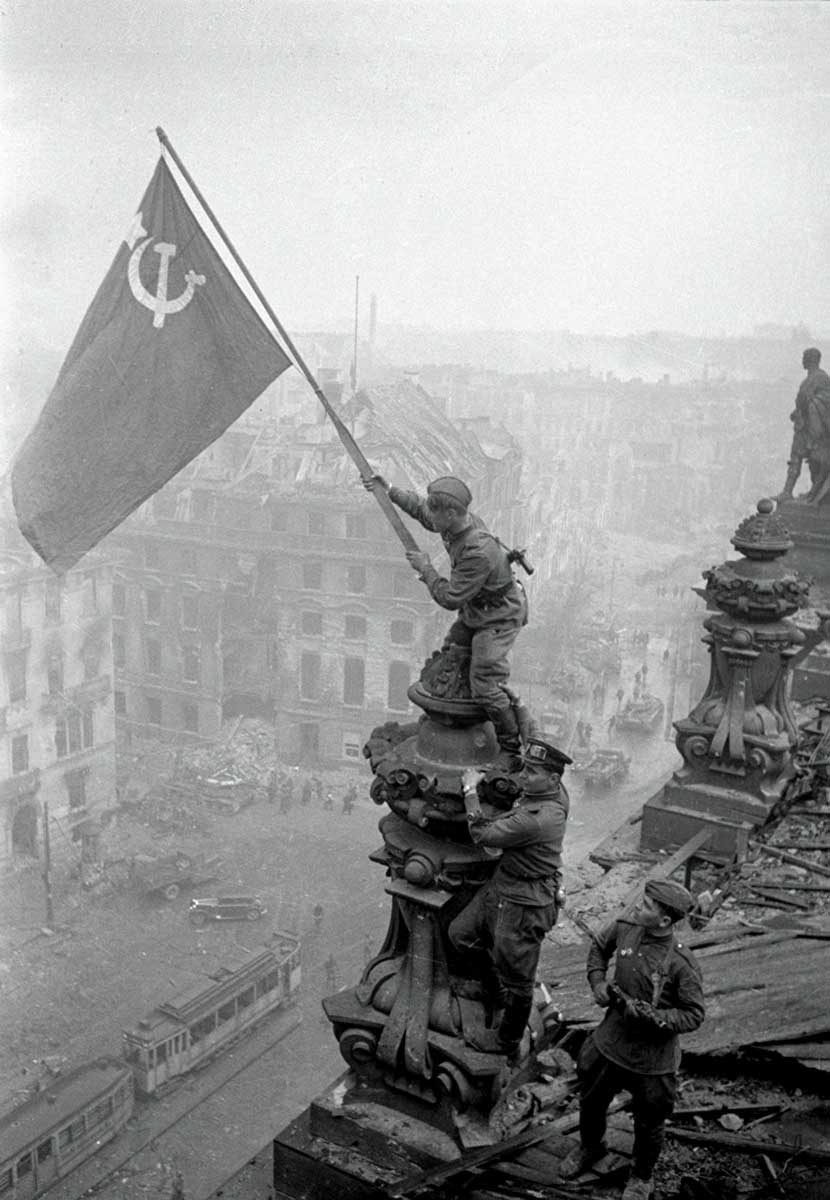
The last battle in Europe took place when Berlin was surrounded on April 20, 1945, by the Soviet army. The Soviets had far more troops, planes, tanks, and artillery than the defenders. Nearly two and a half million Russians faced less than one million German troops, some of them inexperienced boys of the Hitler Youth. A constant bombardment of the city lasted until its surrender.
The Germans attempted to break the siege but were easily repelled. Few Germans surrendered as they preferred to die fighting rather than becoming Soviet prisoners.
Hitler ordered all bridges into the city destroyed. When Russian troops entered Berlin, they were slowed by urban combat, as the Germans fought house to house.
The objective of Soviet Marshal Zhukov was to destroy German opposition and take the Reichstag (Parliament), seen as the symbol of Nazi power. He also wanted to force Berlin’s surrender to the Soviet Union before the Americans could reach the city.
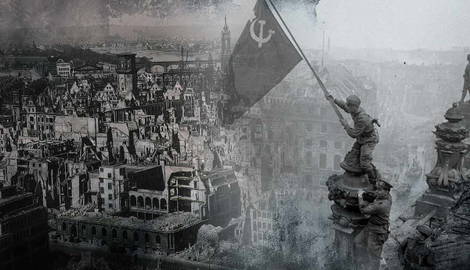
On April 30, Hitler and his new wife, Eva Braun, committed suicide in their bunker. That evening, the Russians reached the Reichstag, but the fighting around the building raged for two more days. There was vicious hand-to-hand combat. On May 2, troops reached the roof and hoisted the Soviet flag.
German general Helmuth Weidling, defending Berlin, ordered his men to lay down their arms and surrender. The Battle of Berlin was over. Fighting in other pockets of the country continued until the unconditional surrender of Nazi Germany on May 8. The war in Europe was finally over.
Once again, casualties were high. The Russians lost an estimated 80,000 soldiers, while 100,000 German troops died, along with over 100,000 civilians.
While the war in Europe ended after the Battle of Berlin, the conflict continued in the Pacific Theater.
The Pacific Theater in 1945: The Battle of Iwo Jima
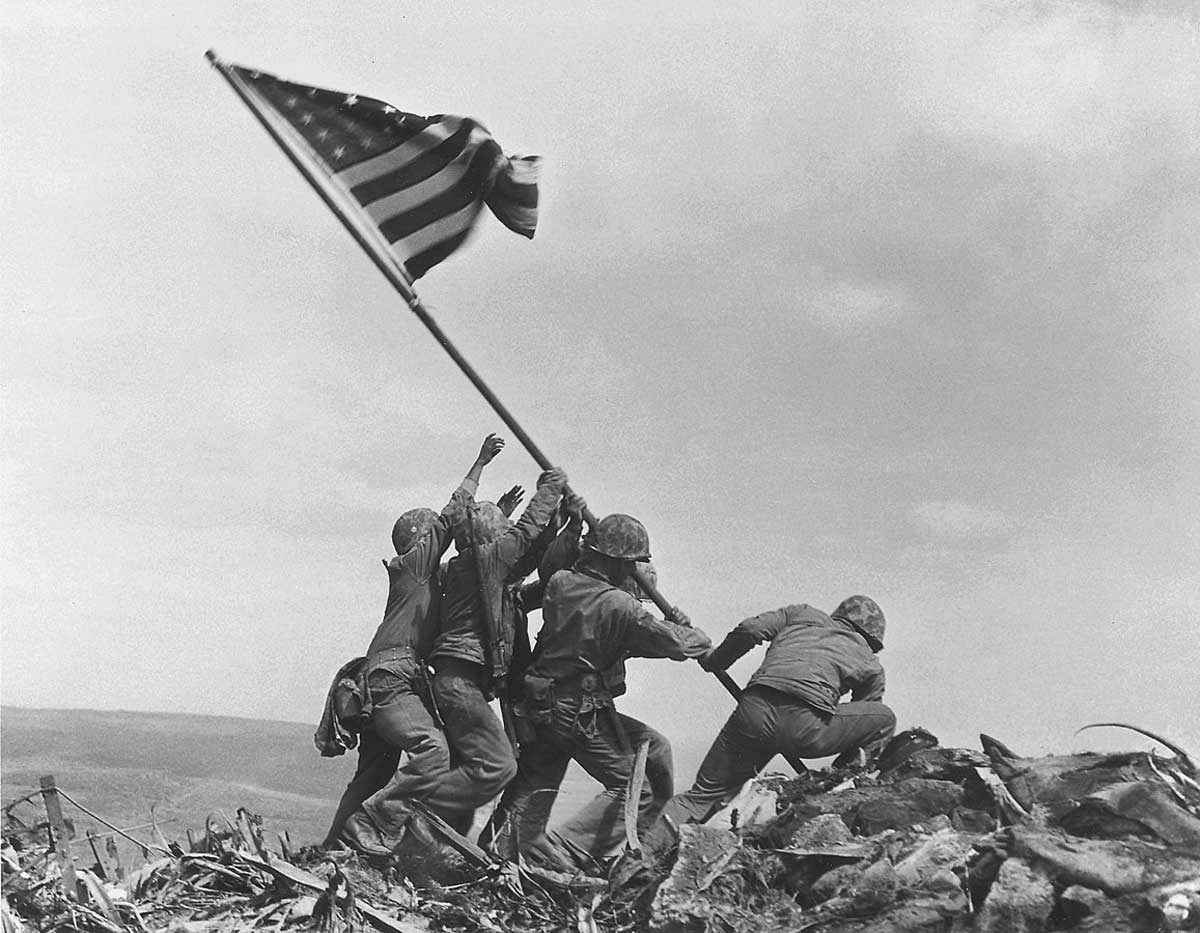
As in Europe, the Americans were steadily pushing through occupied Asia on their way to Japan. Iwo Jima was an island southeast of mainland Japan and was used as a base to attack American bombers flying toward their homeland.
The US military strategy was twofold. First, the Americans aimed to neutralize the tiny island’s strategic threat to American pilots. Then, they planned to turn Iwo Jima into a friendly airbase close to Japan to launch B-29 bombers and fighter planes.
Through late 1944 and into early 1945, American naval and air units bombed the island, hoping to soften troop positions there. However, Japanese defenders were deeply entrenched in secure bunkers waiting out the bombardments.
On February 19, thousands of US Marines landed on the beaches to confront the almost 20,000 Japanese troops waiting for them. The soft black volcanic sand proved exceedingly difficult for the American forces to advance while under heavy fire, causing numerous casualties on the first day. Still, marines reached the summit of Mount Suribachi, where they raised the American flag in the famous photograph.
The following days and weeks were bloody. Hand-to-hand combat was common. American troops used flame throwers and tanks to advance. The Japanese used mines and anti-tank guns in defense. In one confrontation, 800 marines died taking one Japanese fortification.
By the end of February, the Americans reached the opposite end of Iwo Jima, splitting the island in two. Yet heavy fighting continued into March. Most Japanese positions had to be conquered by infantry, with air and sea support proving ineffective.
On March 26, officials declared the island secure, and heavy fighting ended. Seven thousand marines perished in the battle. An estimated 19,000 Japanese troops died. Very few Japanese surrendered to the enemy.
Battle of Okinawa: The Last Major Battle of WWII
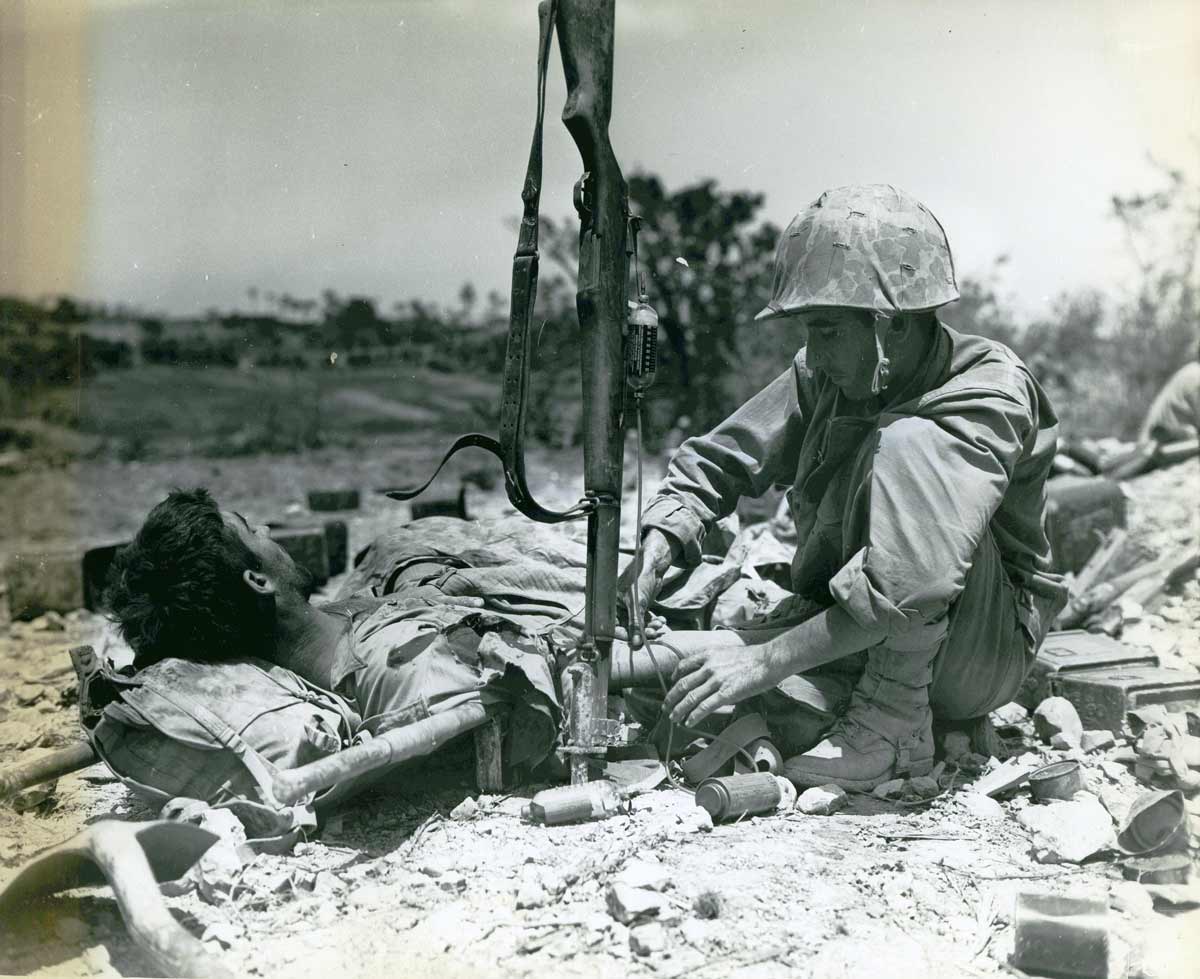
The island of Okinawa was located southwest of Japan. It was the last territory before an invasion of mainland Japan could begin. The strategic value of Okinawa for the Americans was that it could be used as an air and naval base to launch an attack against Japan.
Following heavy air and naval bombardment, the Americans landed on April 1, 1945, with little initial opposition. Japanese forces under Admiral Mitsuru Ushijima waited further inland in bunkers and tunnels.
The Japanese counterattacked on April 6 with hundreds of suicidal kamikaze-style air and boat attacks on the American fleet. Although some American ships were sunk in the deadly attack, the bulk of the fleet remained intact. During the kamikaze raids, the massive Japanese battleship Yamamoto attacked the fleet but then sank after a counterattack by American planes.
Heavy fighting ensued on land through April and May. The Japanese put up stiff resistance as they fought embedded in difficult terrain for the Americans to access. It became a war of attrition. Marines slowly fought their way through Japanese defenses, aided by artillery fire.
Monsoon rains in May added to the difficulties. The battlefield turned to mud, with rotting corpses, garbage, and maggots.
Toward the end of May, US Marines entered the mostly deserted Okinawan capital, Naha. Japanese troops retreated to regroup.
In early June, the Americans launched an assault on 4,000 Japanese sailors defending an airfield. Outnumbered and surrounded, all the defenders died in suicide attacks or by killing themselves. Sporadic pockets of fighting continued until June 21. Once again, many Japanese soldiers and almost all commanders committed suicide rather than surrender to the enemy.
Okinawa was yet another bloody confrontation. Up to 100,000 Japanese troops perished, including thousands of native Okinawans conscripted into the Japanese army. The Americans lost 12,000, with up to 50,000 casualties.
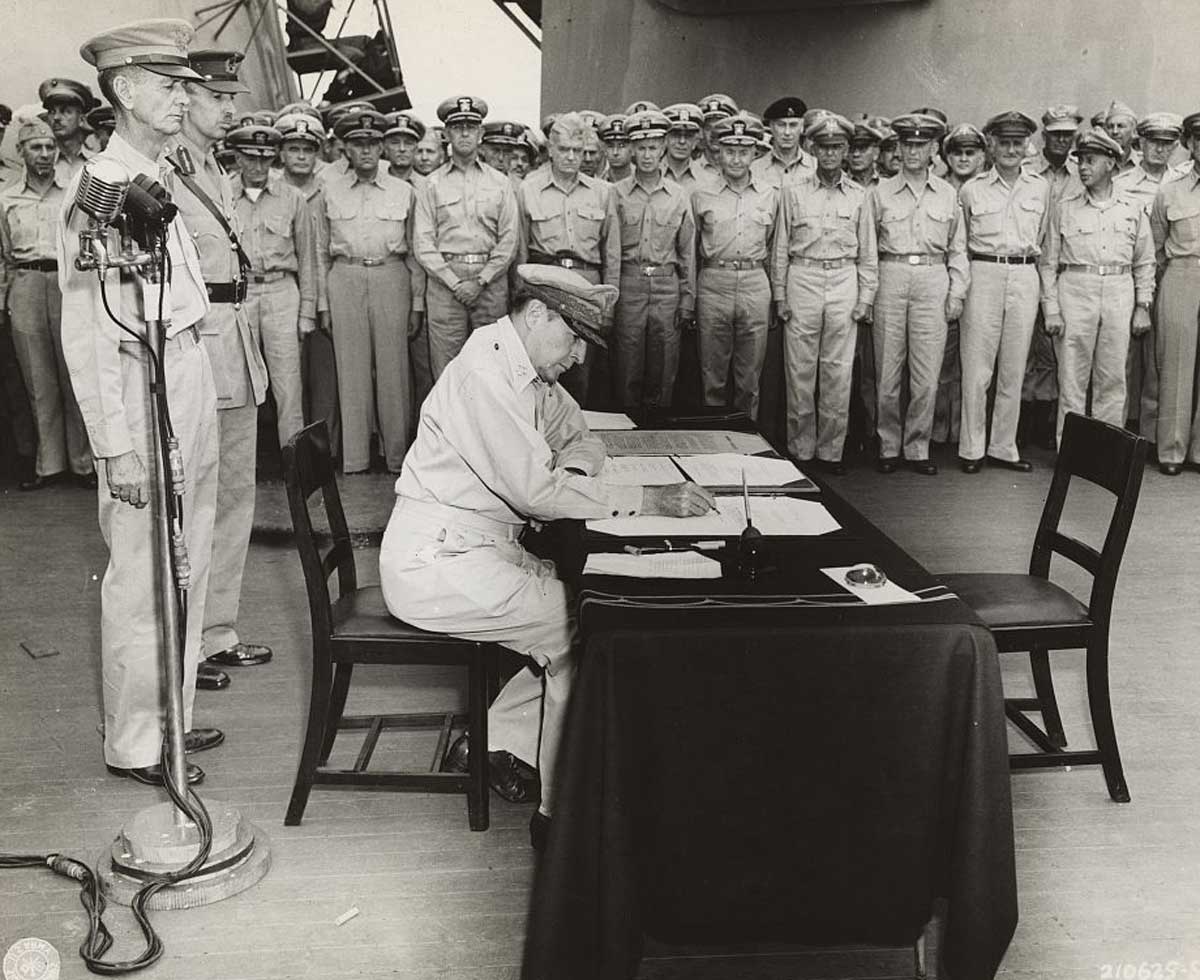
Okinawa was the last major battle of the Second World War. The war in Europe was already over after Germany’s capitulation in May. In August 1945, the Americans dropped two atomic bombs, leading to Japan’s unconditional surrender. In the final battles of World War II, the Allies were vastly superior in numbers, but the fighting was just as deadly and vicious as the earlier years.