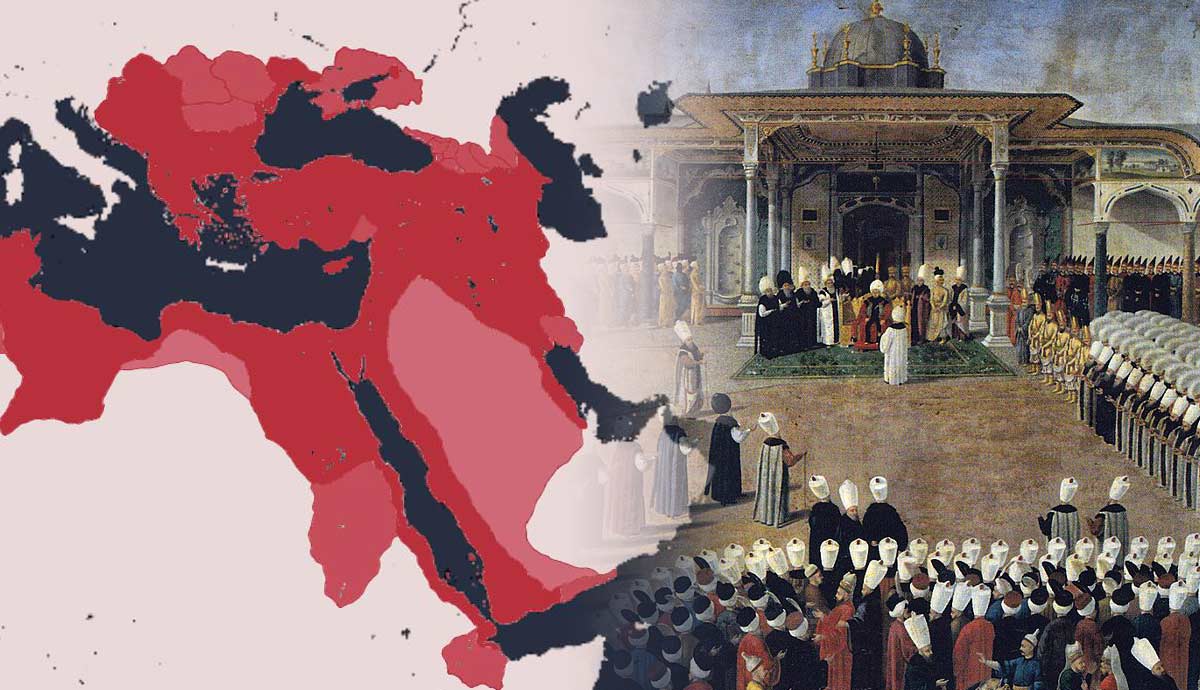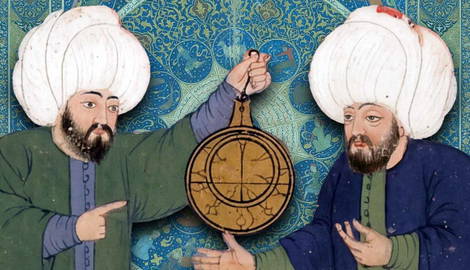

Court astrologers served as prominent advisors, counseling sultans on auspicious periods for declaring war, issuing decrees, and even giving birth. Whether it was superstition or science, court astrologers supported five centuries of Ottoman rule under one dynastic family, a feat most European empires never accomplished.
Institutionalization of the Court Astrologers
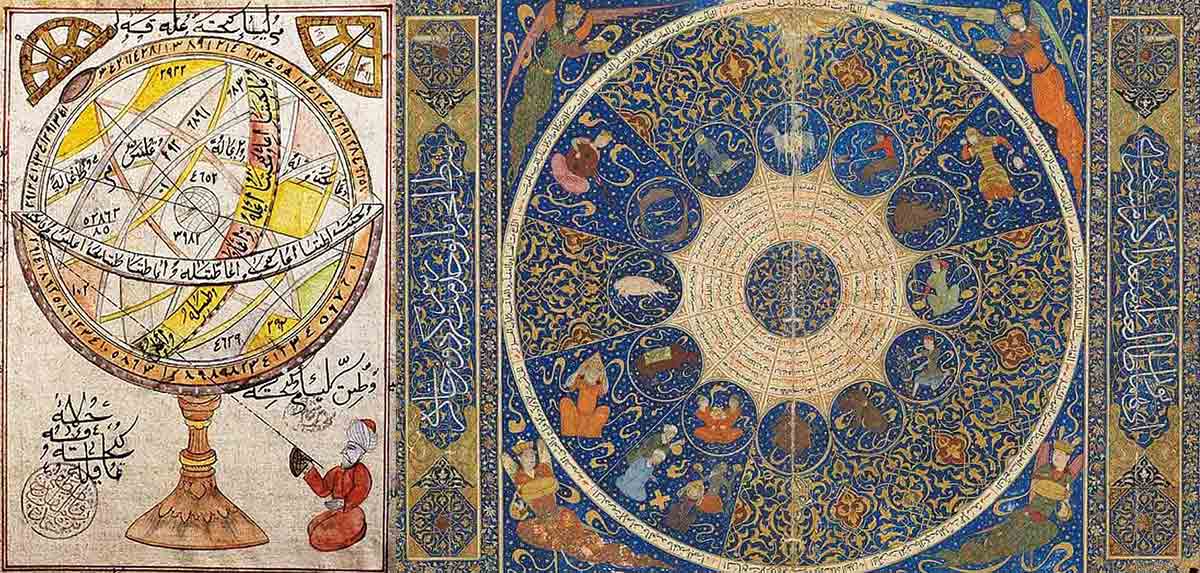
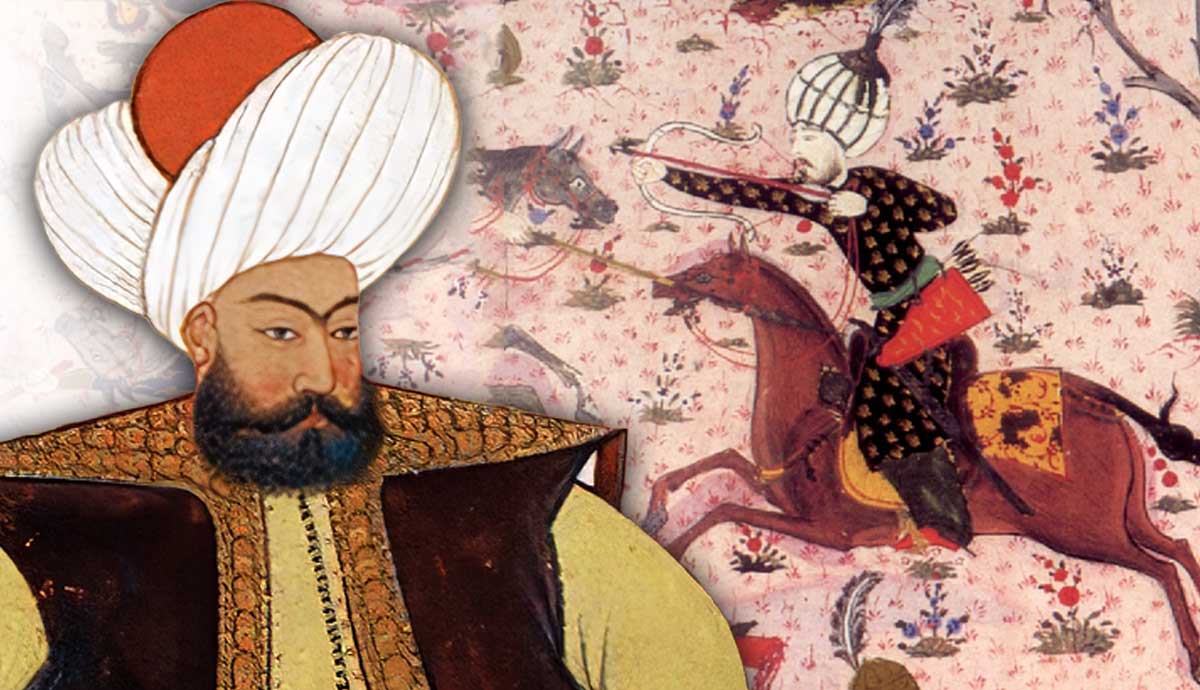
Since the 9th century AD, celestial studies played a crucial role in Islamic faith traditions, scholarship, and navigation. Astrology was not viewed as esoteric fortune-telling but a “science of the stars.” Bayezid II formalized astrological practices into an institutionalized court position by the late 15th century. One müneccimbaşı, chief astrologer, was appointed by the sultan to lead a team of astrologers called munajjims.
The munajjims became world-renowned astronomers. Aspiring court astrologers studied at the medrese and underwent rigorous training in geometry, astronomy, instrumentation, theology, and law. For instance, the müneccimbaşı Taqi-al-Din produced some of the most sophisticated and accurate astronomical observatories and tools in the early-modern world.
Military Campaigns: Waging War and Laying Siege
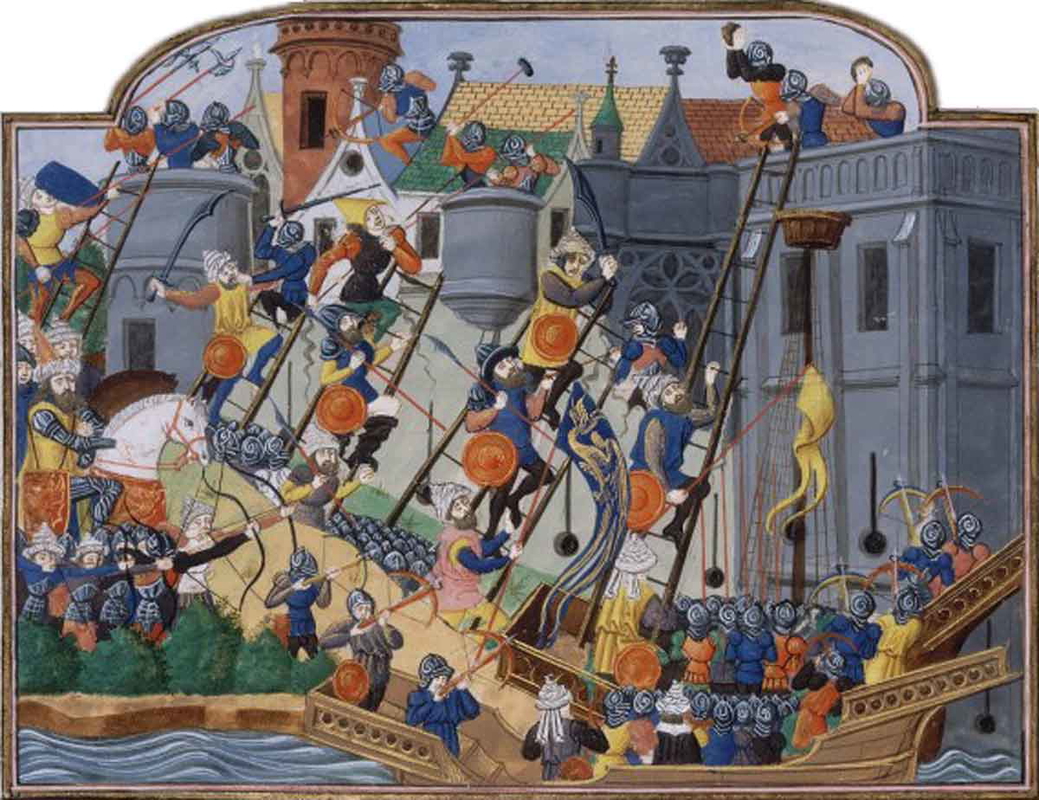
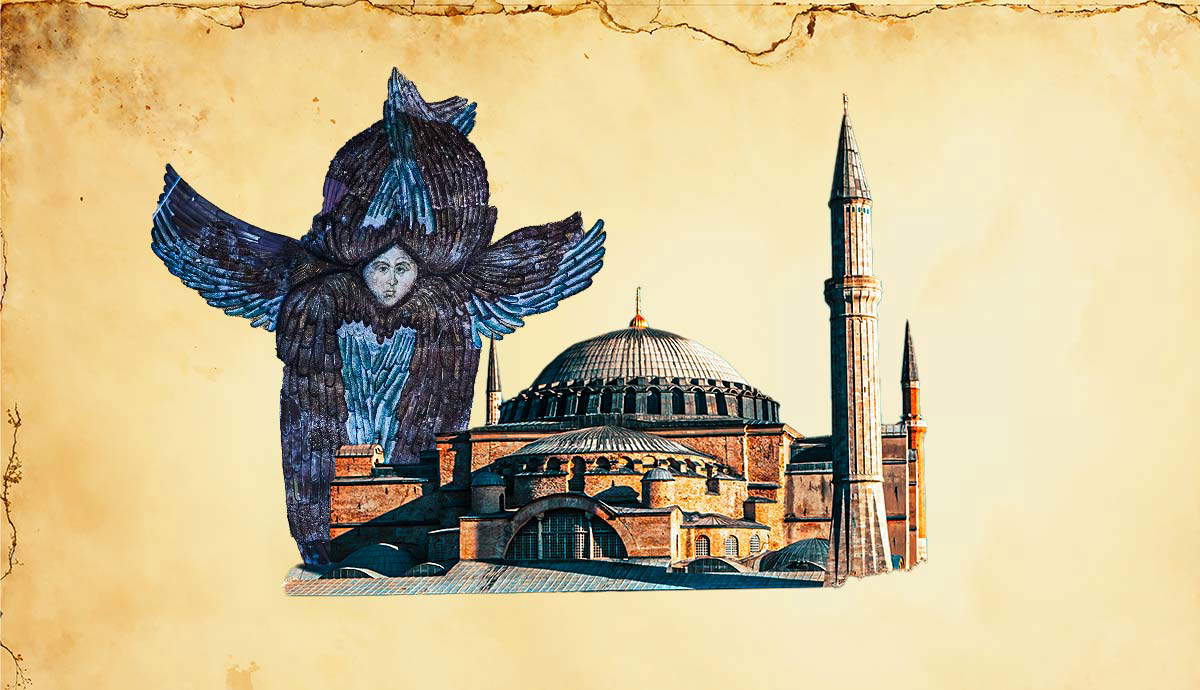
Astrology was consulted for military campaigns to decide when to declare war. For instance, astrologers were a key influence in Mehmed II’s conquest of Constantinople. After a month of high casualties and little success, Mehmed’s advisors suggested abandoning the siege.
Yet on May 22, 1453, a lunar eclipse shone a blood red moon over the city. Astrologers argued that the eclipse fulfilled a prophecy about the fall of the city. Embracing this interpretation, Mehmed II launched his final assault on May 29, 1453, and defeated the Eastern Roman Empire. Court astrologers remained a prominent part of military planning for the next 400 years.
Imperial Politics: Decisions, Decrees, and Authority
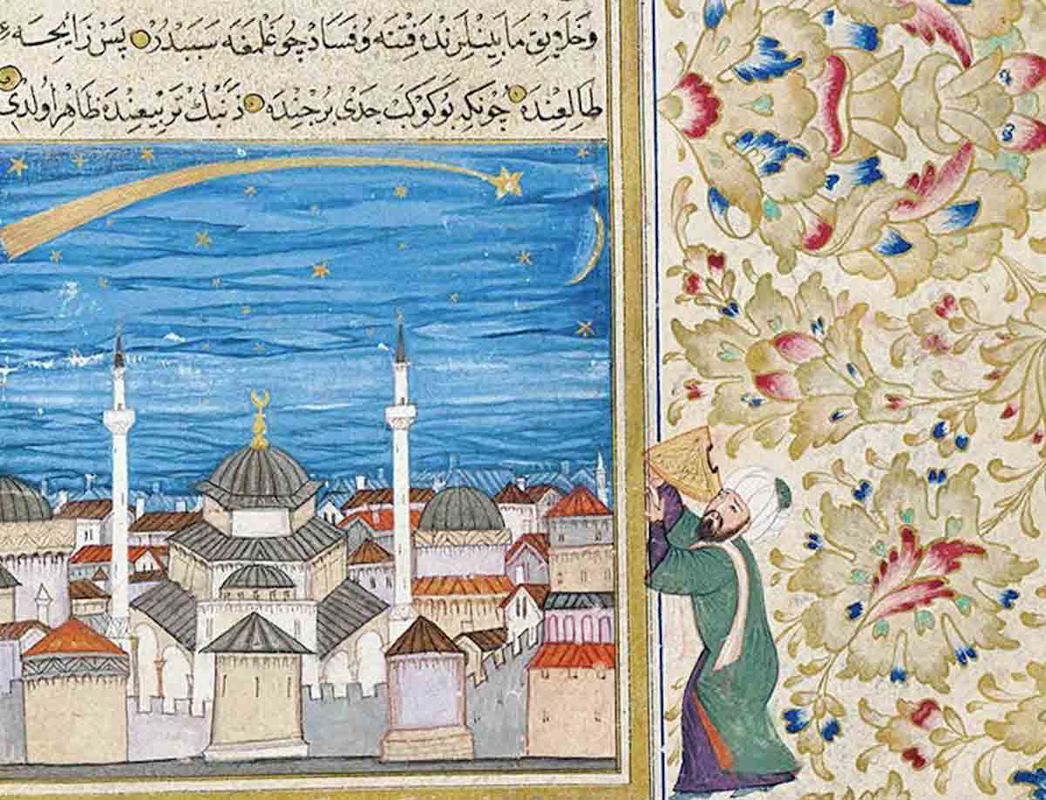
Court astrologers were also involved in politics. They forecast when to appoint the grand vizier and issue imperial decrees. They also assessed the political risk of celestial events. Eclipses and comets were interpreted either as omens of triumph and success or periods of plague, natural disaster, invasions, or riots.
However, if a chief astrologer fell out of political favor, they found themselves arrested, exiled, or in extreme cases, executed. For example, Taqi ad-Din was shunned after misinterpreting a comet in 1577. While he saw the comet as a sign of a future conquest of Persia, a horrific plague instead maimed the empire. Political and religious leaders opposing Taqi ad-Din condemned the plague as divine punishment for his new observatory. In 1580, Murad III (r. 1574-1595) bombed the complex into rubble.
Dynastic Planning: Marriages, Births, and Accessions
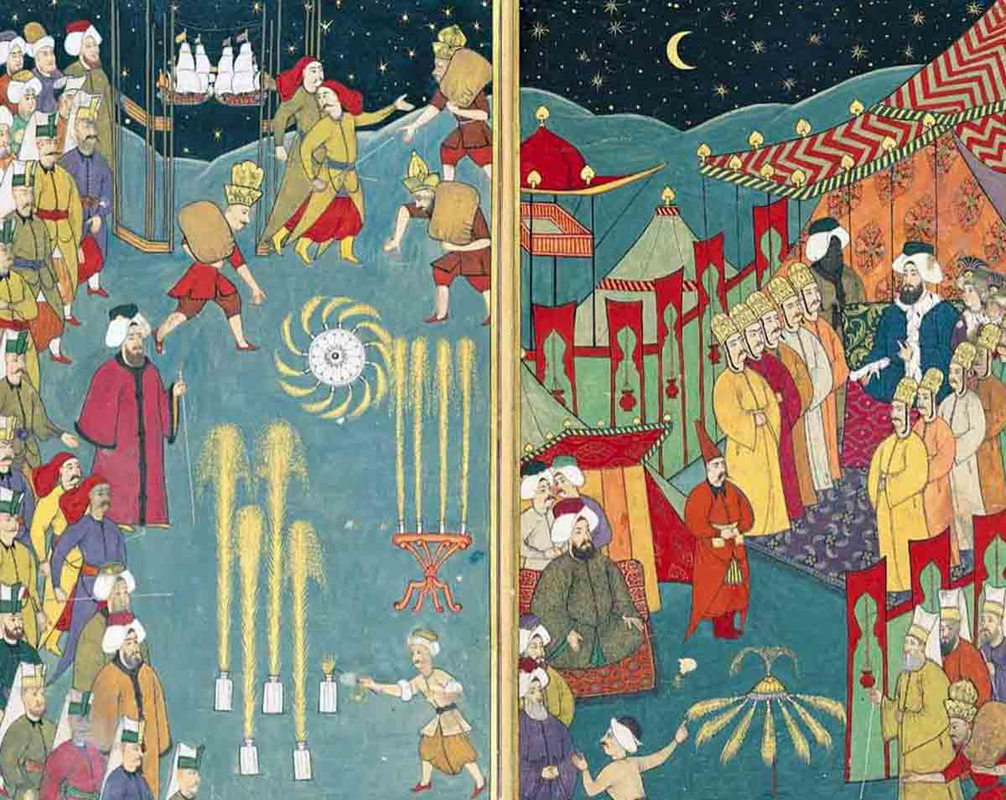
Court astrologers were tasked with forecasting the upcoming year for the imperial family. Almanacs and calendars offered personal horoscopes and timing advice for members of the royal household. They advised on when to host imperial events, royal weddings, circumcision ceremonies for young princes, give birth, travel, and begin education.
However, not all sultans heeded the advice of court astrologers. Some dismissed the practice on religious grounds, whereas others simply viewed it with skepticism. For example, Sultan Selim III (r. 1789-1807) did not believe in astrological forecasting. Yet, he still permitted the work of astrologers as an ingrained custom of the imperial court.
Timekeeping: Court Calendars, Almanacs, and Call to Prayer
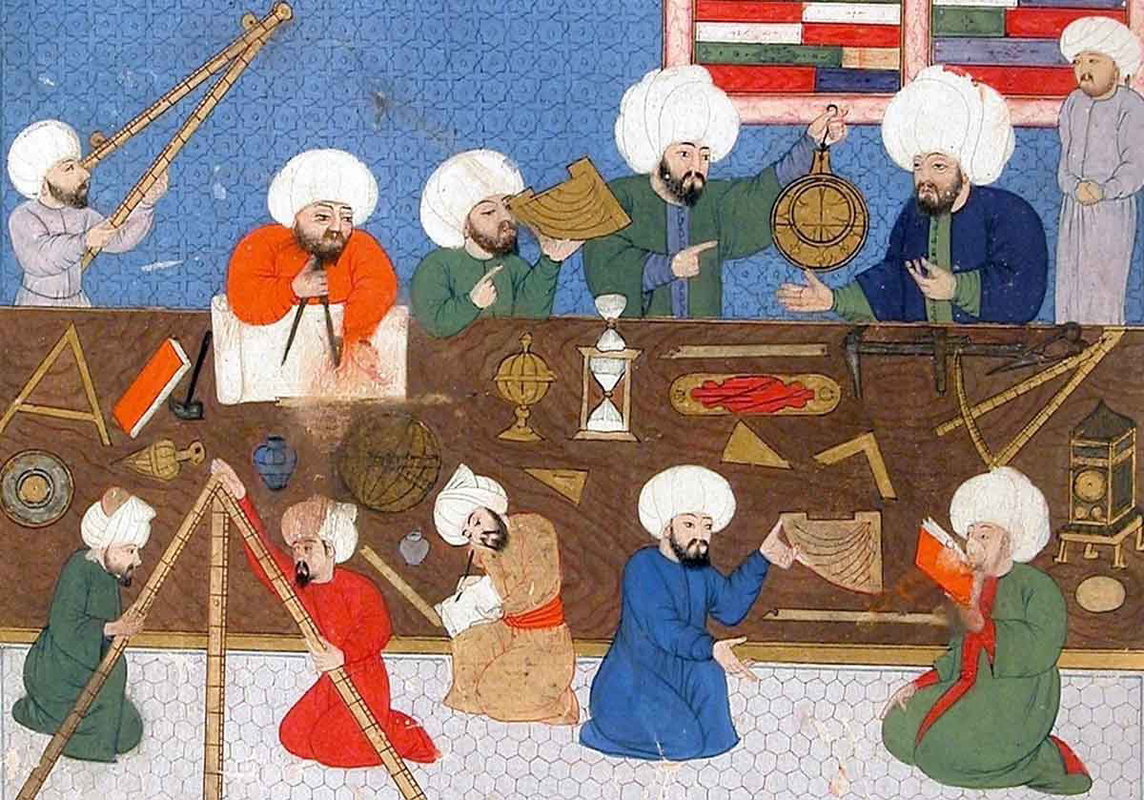
Timekeeping was another crucial role of court astrologers. The chief court astrologer oversaw and administered the muvakkithanes, the official timekeeping offices attached to mosques. He was also tasked with producing the annual takvim, or court calendar. This calendar merged Islamic dates with planetary calculations to schedule the most favorable dates for Ramadan, religious feast days, state ceremonies, fasting schedules, and horoscopes.
The calendars were held in such high regard that they were presented to the sultan in a dedicated ceremony as part of the annual New Year Nevruz festivities. During the ceremony, the sultan would be handed the takvim by the chief astrologer, who, in return, received a gift from the sultan.