
In a speech to the French Senate in November 1813, Napoleon Bonaparte declared, “All Europe was marching with us a year ago, today all Europe is marching against us.” A month before, the emperor had indeed faced troops composed of German, Russian, Austrian, Swedish, Italian, Polish, and British soldiers in Leipzig, a town in Saxony. Emboldened by Napoleon’s failed Russian campaign, Russia and France’s former allies joined their forces to expel the emperor from central Europe. The Battle of Leipzig, also known as the Battle of the Nations, was the largest and the bloodiest confrontation of the Napoleonic Wars. Ending with a disastrous defeat for France, the battle marked the beginning of the end for Napoleon’s empire.
The Road to the Battle of Leipzig: The Russian Retreat
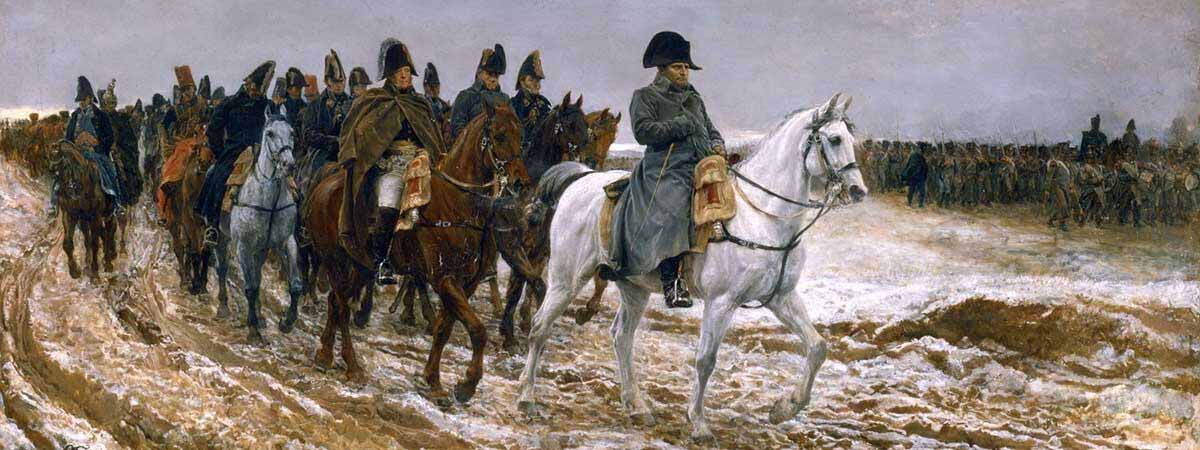
“There is but a step from the sublime to the ridiculous,” Napoleon famously remarked during the long and harsh retreat from Moscow. In 1812, the Emperor of the French, who had seized power in 1799, controlled most of Europe. In a series of successful military campaigns, known as the Napoleonic Wars, Napoleon had annexed the Low Countries along with large portions of the Italian peninsula and present-day Germany. In 1805, he united all the German states (except Prussia) in the Confederation of the Rhine. By the Treaty of Tilsit (1806), he extended his authority further, creating the Duchy of Warsaw in present-day Poland. A series of alliances with Austria, Prussia, and Russia secured the French emperor’s hold on continental Europe.
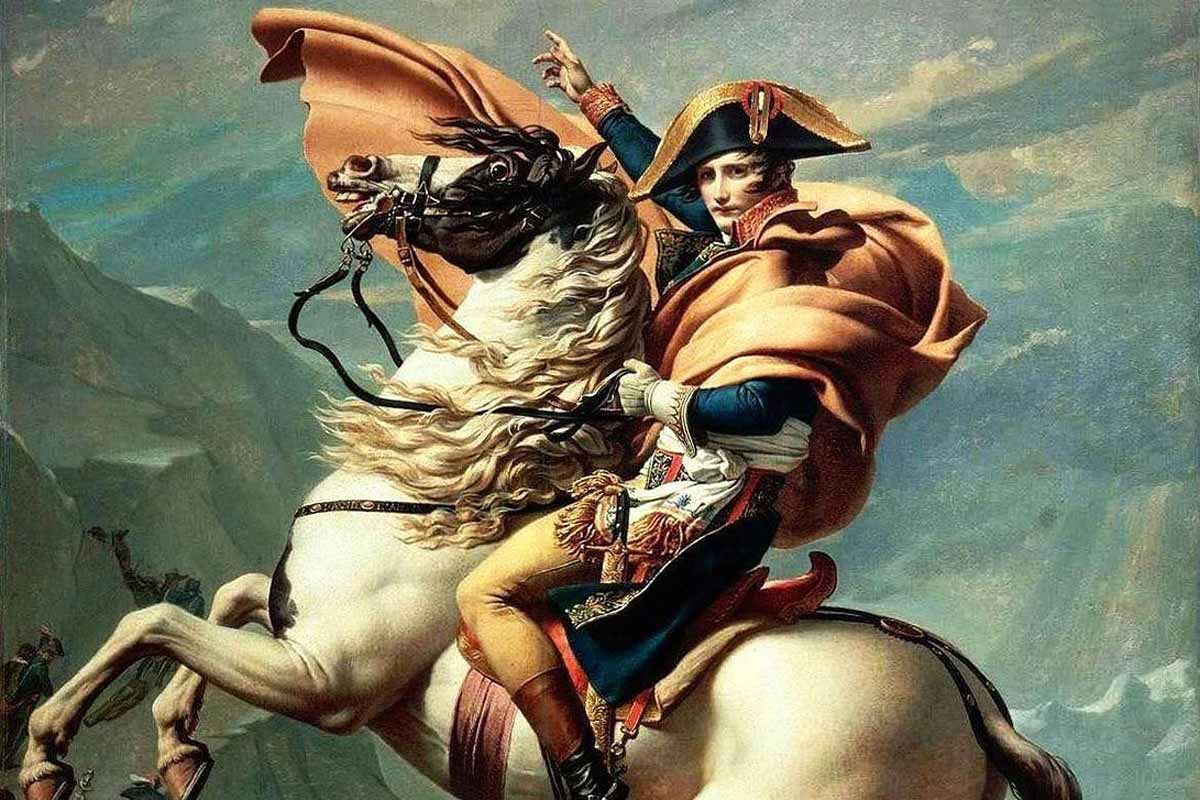
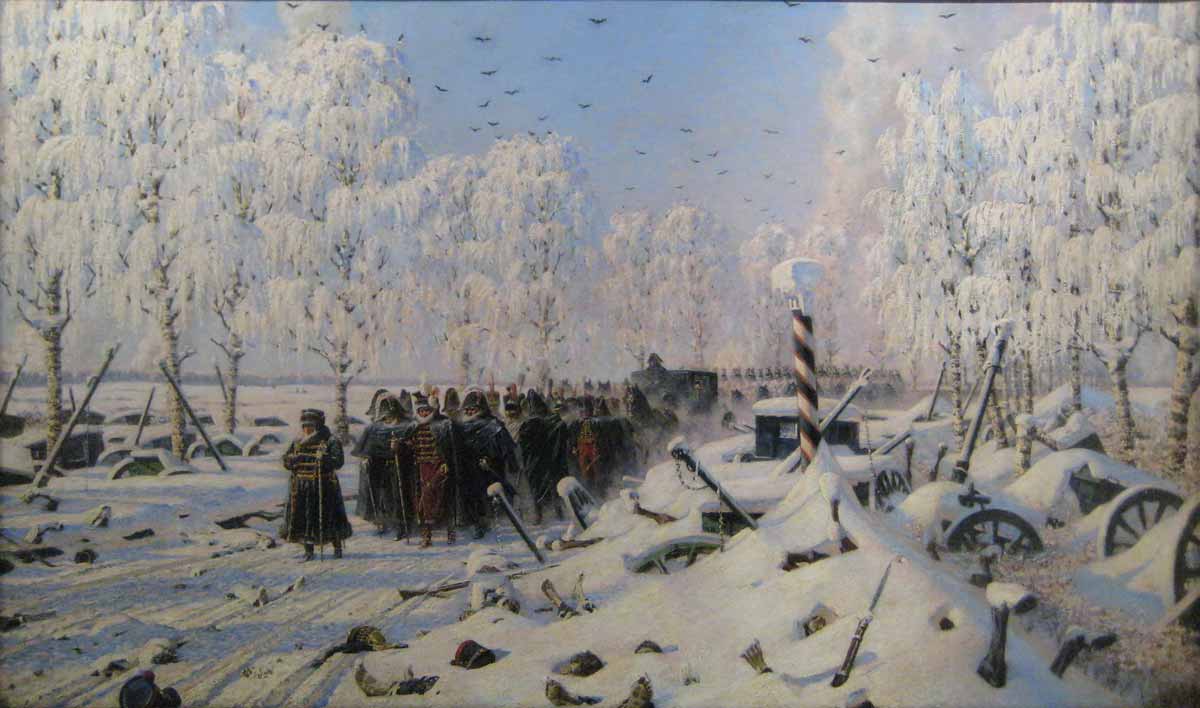
In 1812, as Tsar Alexander I was showing reluctance to comply with the terms of their alliance, Napoleon began to prepare a military campaign against his ally. The first French troops entered Russia on June 24, 1812. The Grande Armée arrived in Moscow in September and found the city burning. Faced with Russia’s refusal to sue for peace and the incoming winter, Napoleon began his retreat in October.
The long withdrawal through Russia was disastrous for the French army. Chased by enemy forces and exhausted by the frigid weather, the French soldiers finally crossed the frontier in early December. While the Russians suffered high casualties, the Grande Armée, one of the largest military formations ever assembled, was in shambles. Of the more than 610,000 soldiers who had followed Napoleon into Russia, only about 110,000 returned. Approximately 120,000 men were made prisoners.
Shifting Alliances
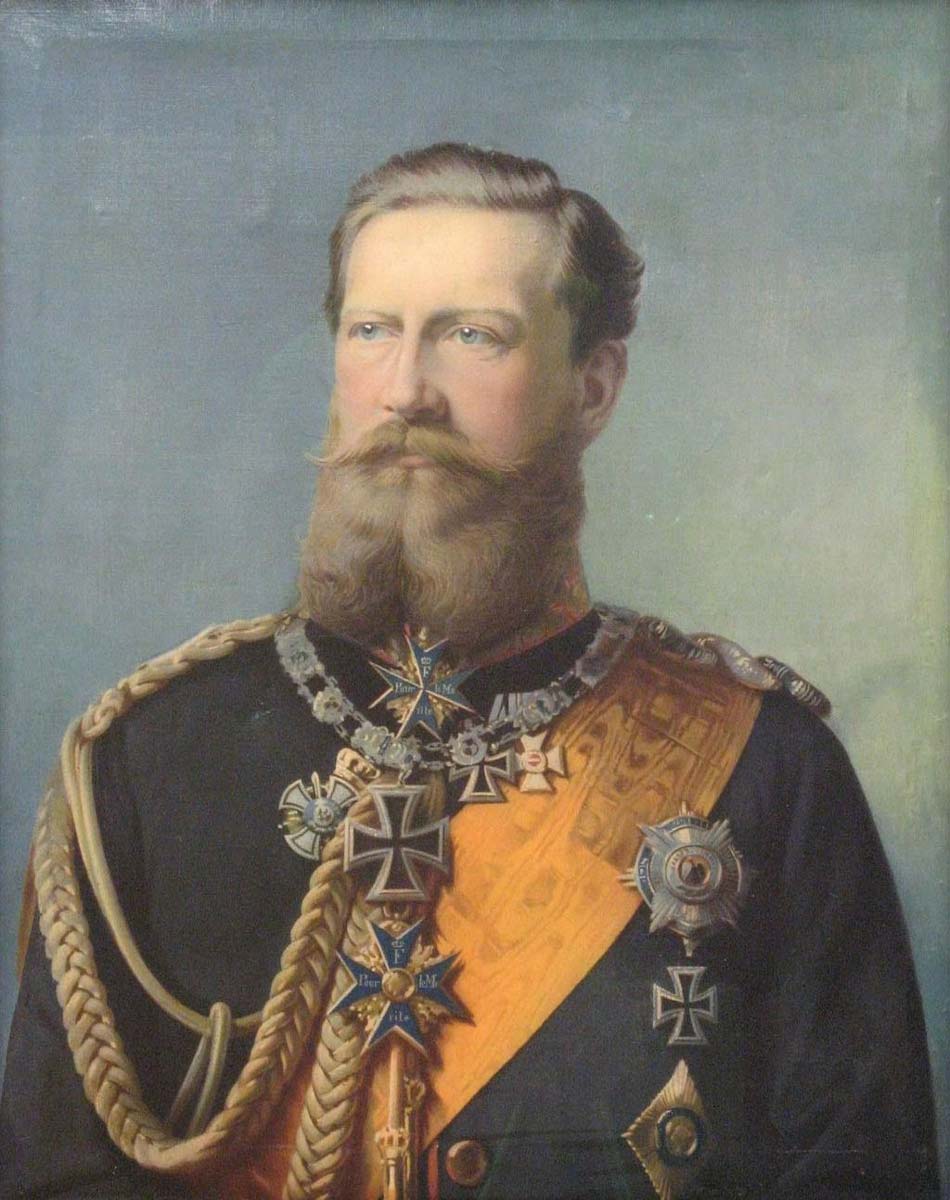
When Lithuanian novelist Sophie de Tisenhaus met Alexander I at the end of December 1812, the tsar commented on Napoleon’s disastrous campaign with the following words: “What a career he has ruined! Having gained so much glory, he could bestow peace on Europe, and he has not done so. The spell is broken.” Indeed, the failed invasion of Russia had irrevocably weakened the foundations of Napoleon’s Continental System.
The survivors of the Russian campaign witnessed firsthand the political effects of Napoleon’s defeat. “The attitude of the inhabitants left me in no doubt as to their hostility to us,” commented Lieutenant Colonel Noël upon entering East Prussia. “I was certain we should have been attacked if they had known that we were not being followed by more troops,” he added. To secure the safety of his soldiers, the French officer intimidated the local mayor into compliance, informing him that any threat would result in the burning of the village. The villagers responded by intoning scornful songs against the French. “The refrain of one of them was explained to us, ‘Five French to pay for one Prussian: it’s not too much,’” recalled Noël.
While Napoleon hoped for the continued military assistance of Prussia and Austria, the news of the outcome of his Russian campaign turned the balance of power in Europe against him. In December 1812, Prussian Field Marshal Johann von Yorck altered the system of alliances by signing the Convention of Tauroggen with the Russians. As a result, the French troops were forced to evacuate East Prussia. On January 4, 1813, the French Marshal Macdonald withdrew from Königsberg. On the same day, the Russian army entered the town. Shortly after the defection of Field Marshal Yorck, the Estates of East Prussia announced that they would no longer support Napoleon. Other regional Prussian authorities followed their example.
Pressured by the wave of anti-French sentiment spreading throughout Prussia, King Frederick William III finally decided to change sides, signing the Treaty of Kalish with Russia in February 1813. By the terms of the pact, the tsar pledged to help Prussia recover the territories lost after the battle of Jena. In exchange, Frederick William agreed to support the Russian military campaign against France. Additionally, the two sovereigns vowed not to undertake unilateral negotiations with Napoleon.
The German Campaign
On March 16, 1813, Prussia declared war on France. Two days later, the Russian troops reached northern Germany, seeking to spark a revolt against French rule. In January, they had already entered the Duchy of Warsaw. The defection of Mackenburg from the Confederation of the Rhine weakened the French emperor’s hold in central Europe. To make matters worse, the king of Sweden, Bernadotte, signed an alliance with Great Britain, joining the Sixth Coalition against Napoleon. In April, Bernadotte cemented his anti-French policy by entering an agreement with Prussia.
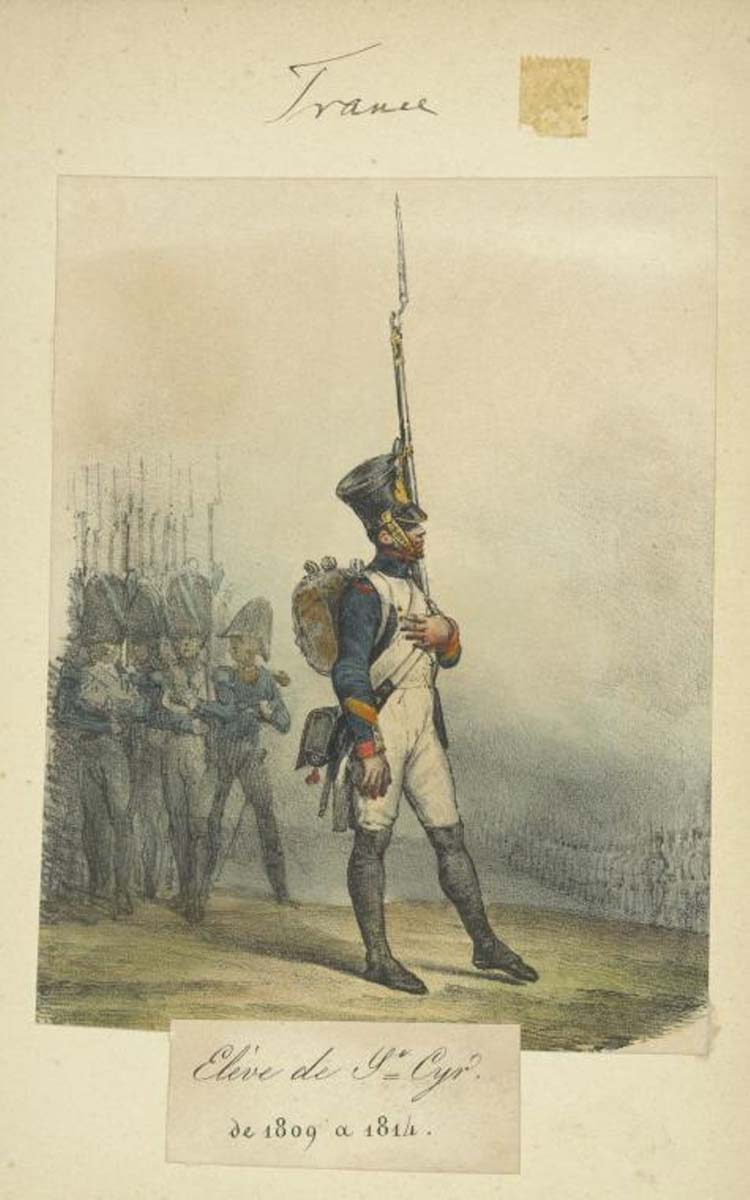
By the early months of 1813, Napoleon had partially rebuilt his Grande Armée. However, the heavy losses suffered during the Russian campaign had disrupted the efficient conscription system. Nevertheless, by April, the emperor had managed to amass approximately 150,000 men for the upcoming military expedition in Germany. However, most conscripts of the new army were young recruits without previous experience on the field. Nicknamed “Marie-Louises” for their youthful appearance, the teenage soldiers had also received little training. “Their extreme youth and poor physique roused a deep pity among the crowds around them,” commented Minister of Justice Louis-Mathieu Molé. Additionally, Napoleon lacked cavalry, whose ranks had been decimated in Russia.
The German campaign took off toward the end of April when Napoleon arrived in Erfurt, a city in present-day central Germany. On the field, he faced the collective forces of Russia, Prussia, and Sweden. As the emperor successfully led his men into Saxony, he hoped to recover northern Germany and cross the Vistula River as quickly as possible. On May 1, Napoleon’s army defeated the Allies in Lützen. However, his lack of cavalry prevented him from pursuing the retreating coalition formations at a quick pace. The same problem recurred in Bautzen on May 20 and 21.
Mediating Peace: Napoleon vs Metternich
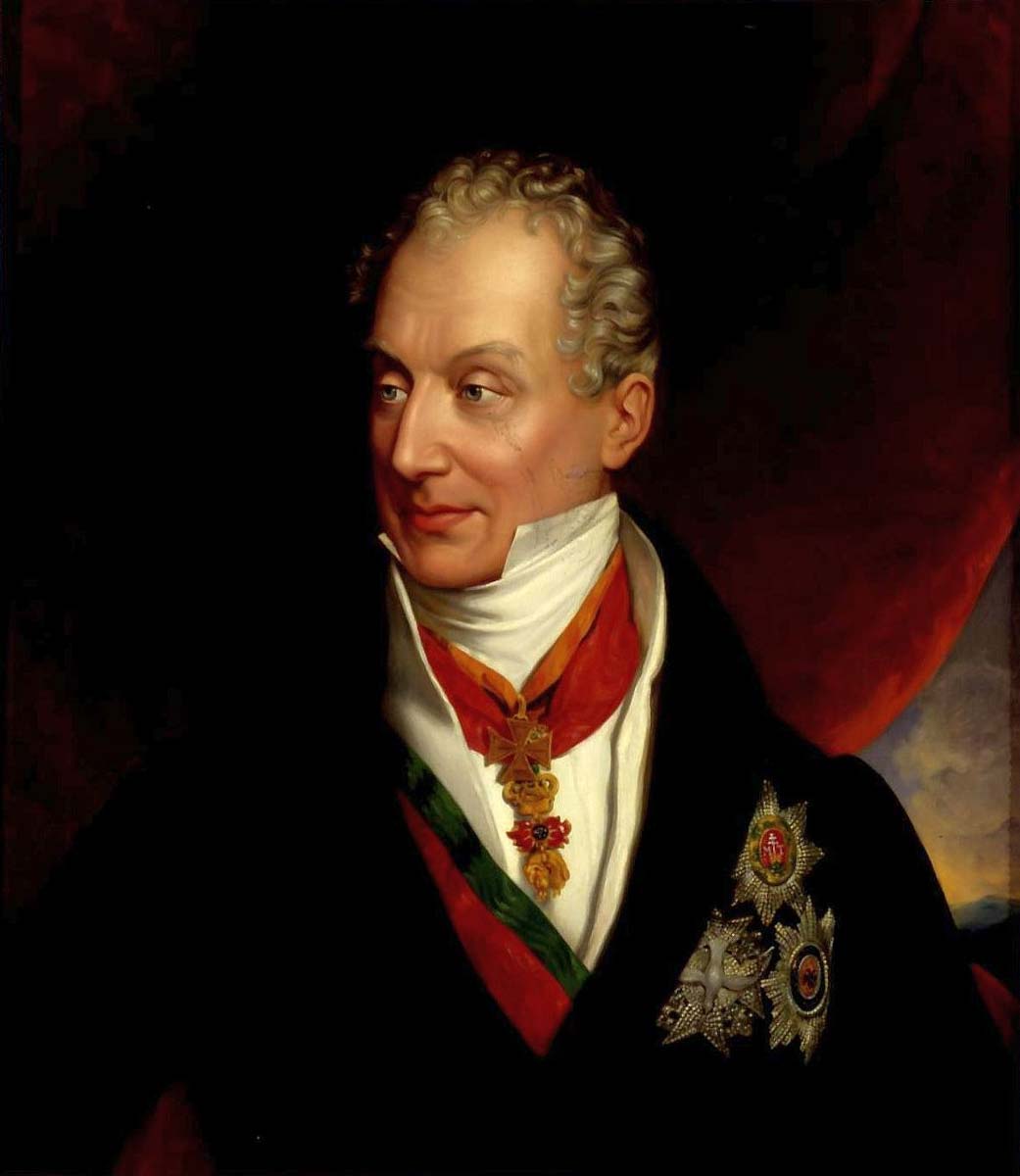
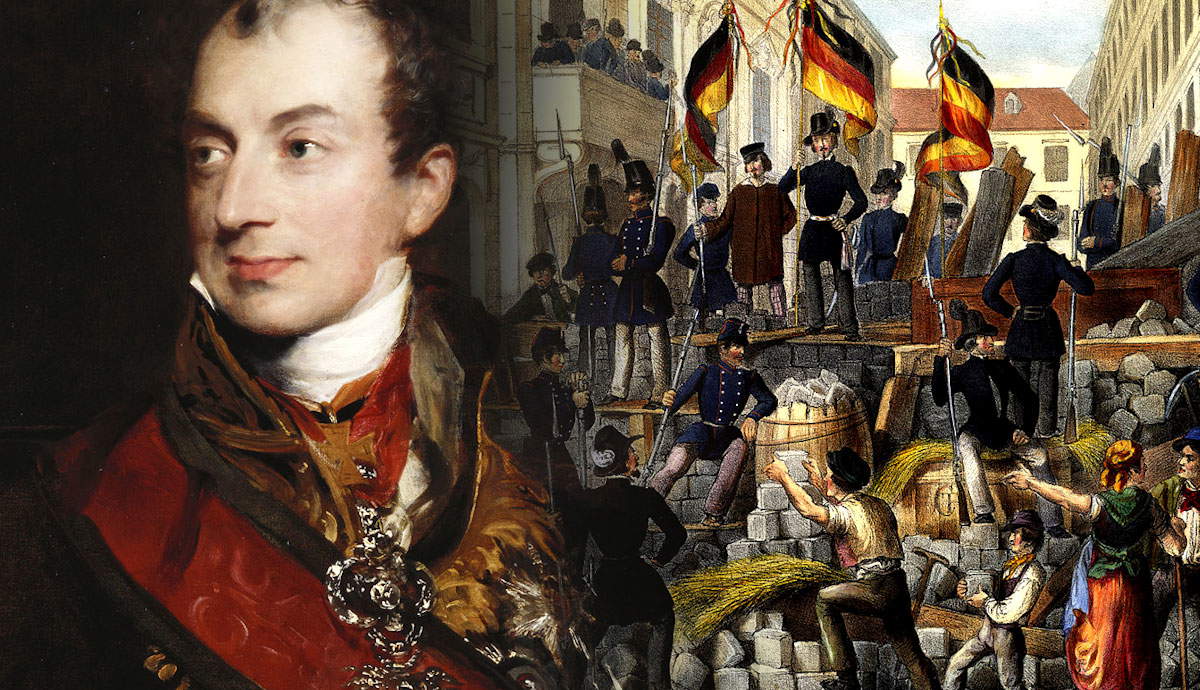
As Napoleon failed to score a decisive victory against the Allies, he accepted an armistice on June 4. “Two considerations have caused me to make this decision,” declared the emperor, “my lack of cavalry, which prevents me from striking strong blows, and the hostile attitude of Austria.” While Emperor Francis I had remained neutral during the Spring campaign, Napoleon had received news of an Austrian rearmament. “People are trying to mislead Papa François,” wrote the French emperor to his wife, Marie Louise, on May 14. In particular, Napoleon was wary of Clemens von Metternich’s influence on his father-in-law. He is “a mere intriguer,” he remarked.
Despite his distrust for the Austrian statesman, Napoleon agreed to meet Metternich at Marcolini Palace in Dresden on July 26 to negotiate peace terms. During their heated encounter, which lasted at least eight hours, Metternich supposedly requested from the emperor the return of Illyria, the dissolution of the Confederation of the Rhine and the Duchy of Warsaw, and the restitution of large portions of Italy. Napoleon would also have to agree to restore the pre-1806 Prussian borders. In his retrospective account of the meeting, Metternich claimed that Napoleon rejected his terms, exclaiming: “So you, too, want war; well, you shall have it. I have annihilated the Prussian army at Lützen; I have beaten the Russians at Bautzen; now you wish your turn to come.”
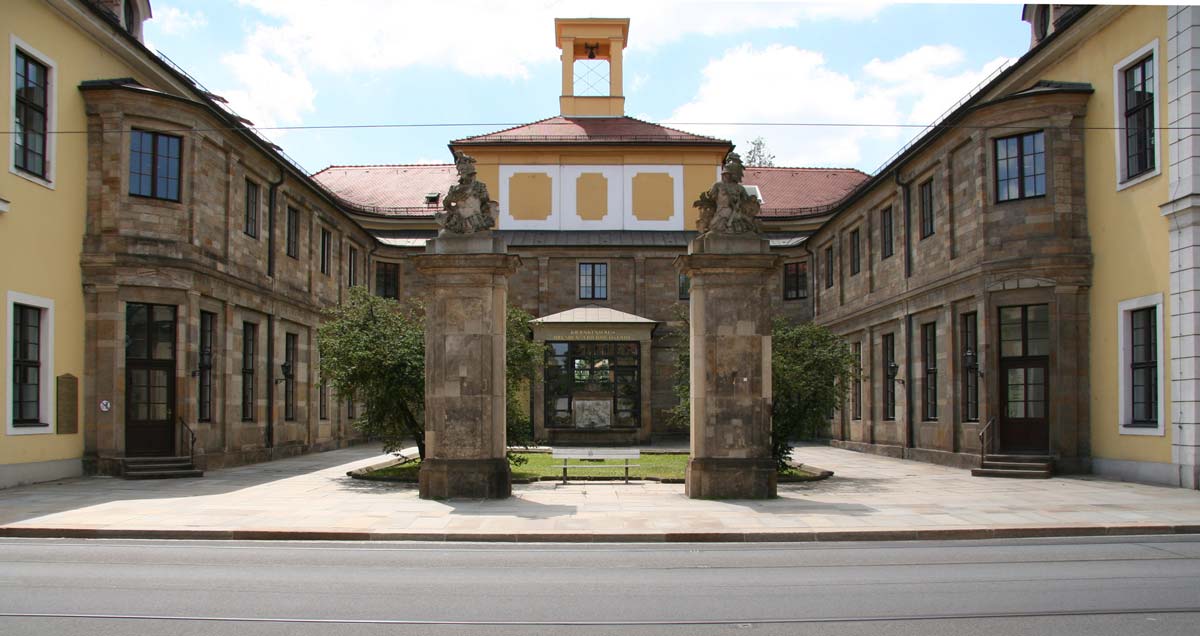
Unbeknownst to Napoleon, Metternich ratified the Convention of Reichenbach the following day, which stated that Austria would enter war alongside the Allies if Napoleon rejected the peace proposals. On June 30, the French emperor and Metternich met again. They agreed to extend the ceasefire and convene a peace conference in Prague in July. When Napoleon renewed his rejection of the Allies’ requests, Austria declared war on France on August 12, two days after the end of the armistice. Napoleon’s counterterms reached the Allies only two days later. “Deceived by Metternich, your father has sided with my enemy,” lamented the emperor to Marie Louise.
The Battle of Leipzig
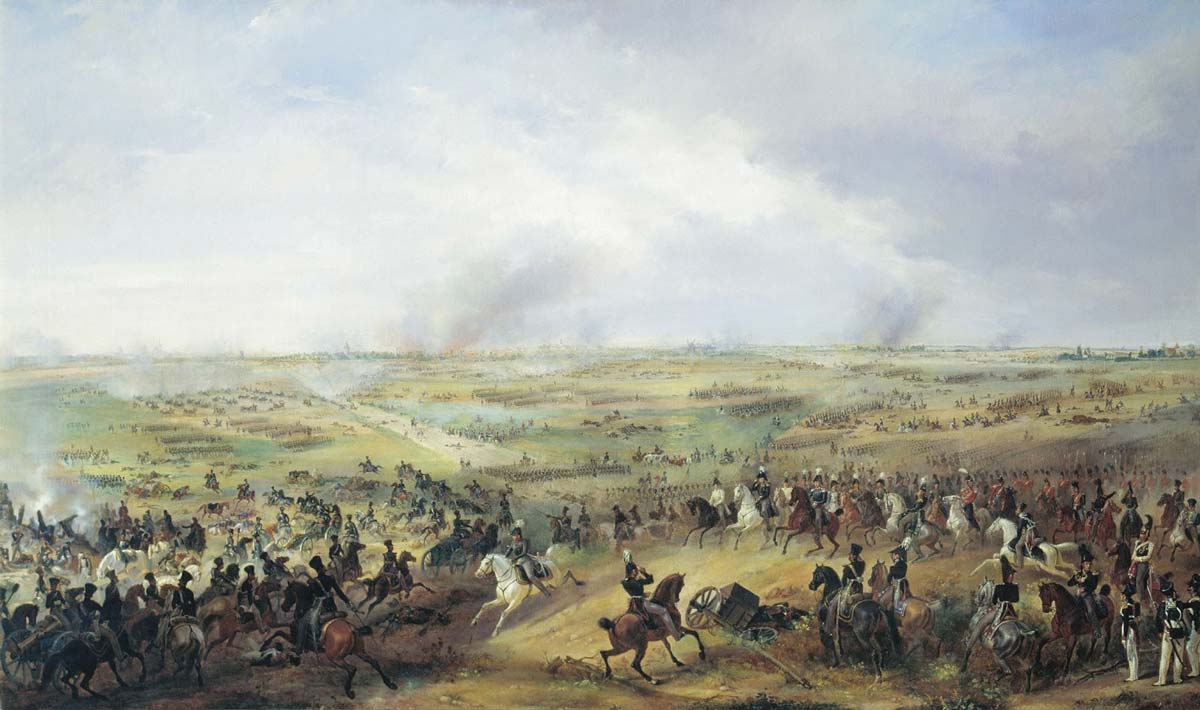
When the hostilities resumed, Napoleon faced three enemy forces: the Army of Bohemia led by the Austrian Prince of Schwarzenberg, the Army of Silesia under Prussian General Blücher, and the Army of the North led by Bernadotte. In July, the Allies’ commanders met in Trachenberg (present-day Żmigród) to devise a shared strategy. Following General Joseph Radetsky’s advice, they agreed to avoid a direct confrontation with Napoleon. Instead, they would concentrate their efforts against his lieutenants, thus forcing the French emperor to divide his army.
Despite achieving some victories in August, Napoleon’s forces, exhausted by the inconclusive campaign, were experiencing low morale in the Fall. To make matters worse, Bavaria declared its neutrality in September, prompting other German states to reconsider their alliance with Napoleon. In France, the population began to protest against the new levy.
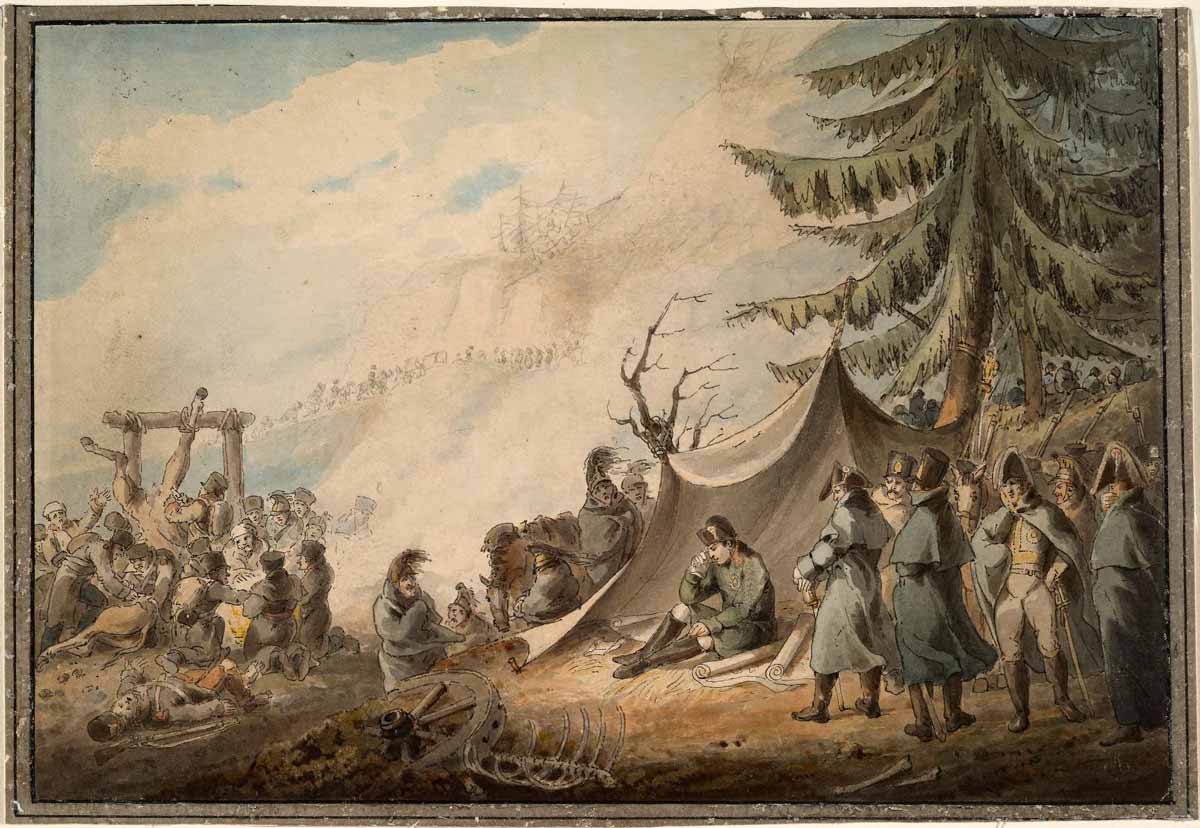
By October, the Allies had concentrated their forces near Leipzig. Instead of ordering a retreat, Napoleon decided to engage his enemies. The Battle of Leipzig began on October 16. On that rainy early morning, about 180,000 French troops faced approximately 350,000 Allied soldiers. By 5 p.m., Napoleon had successfully blocked a double attack from his enemies. However, he failed to achieve a definitive breakthrough. The following day, the French emperor allowed his men to rest and sent the Allies an armistice proposal. Among his ranks, morale remained low. “It was a wretched day: the sky hung low and gray and the weather was cold and wet,” later recalled artillery officer Noël, “Illusions were shattered as everyone began to understand the situation. We saw before us a numerous, courageous enemy determined, at any cost, to regain his independence.”
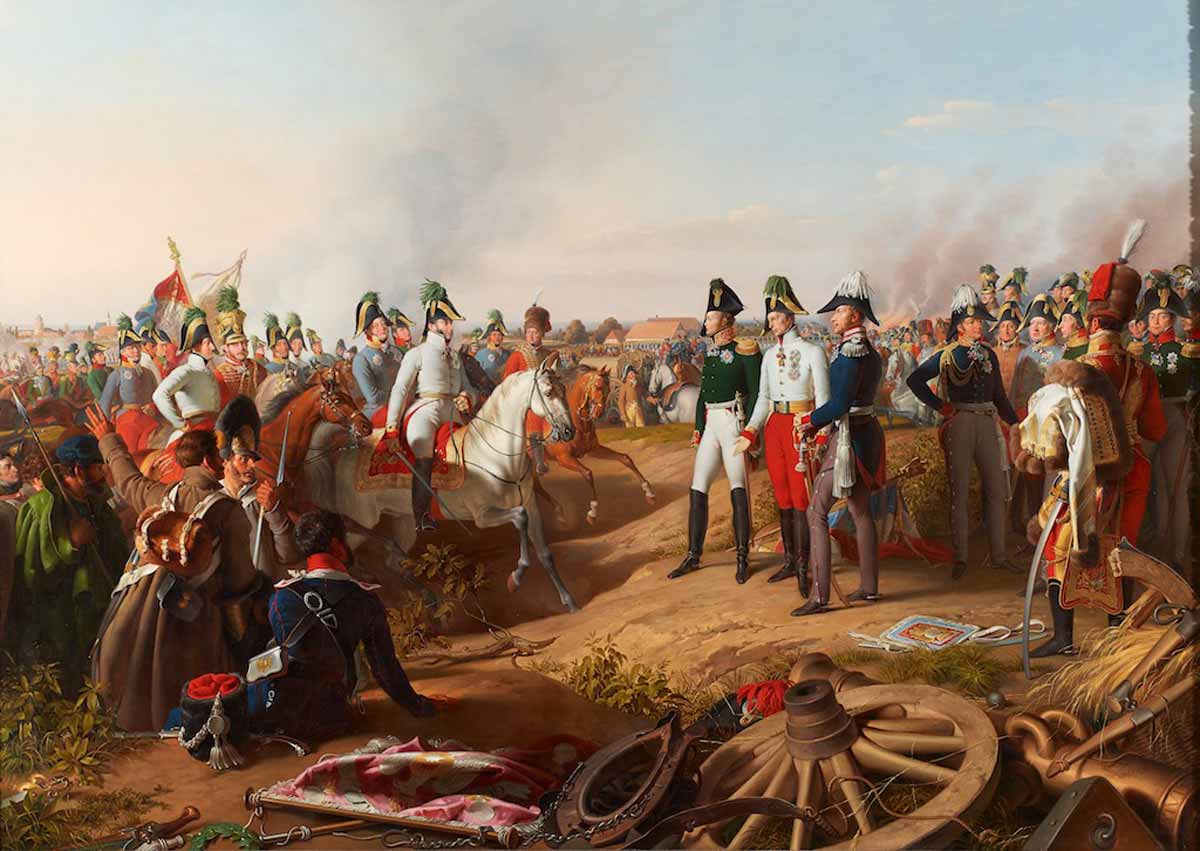
The Battle of Leipzig resumed on October 18. While Napoleon’s army initially held its ground against the enemy attack, things quickly turned bleak, especially after some Saxon divisions defected to the Allies and began firing against the French troops. In the afternoon, Napoleon realized the gravity of his situation. “His face was pale and as cold as marble,” officer Johann Röhrig wrote in his diary, “only occasionally did an expression of rage cross his face. He saw that all was lost. We were only fighting for our withdrawal.”
On October 19, the last day of the Battle of Leipzig, Napoleon ordered a retreat. The French army’s march out of Leipzig soon became chaotic. As they had not had enough time to build pontoon bridges across the rivers passing through the city, Napoleon’s troops were forced to cross by a single bridge. At 11:30 a.m., when the overpass was still full of soldiers, a corporal mistakenly blew it up. The effect was catastrophic. As body parts fell into the river, some officers and soldiers tried to swim to safety. Many drowned before reaching the opposite bank.
The Aftermath of the Battle of Leipzig
“Between a battle lost and a battle won,” Napoleon declared before the battle, “the distance is immense and there stand empires.” Indeed, the Battle of Leipzig marked a turning point in the Napoleonic Wars. As a result of his defeat, Napoleon lost all territories east of the Rhine River, considerably reducing the size of his empire.
After the battle of Leipzig, the emperor also lost a second army within the space of a few years. Between the captured, dead, and wounded, around 47,000 men did not return to France. Many soldiers died of sickness during the disorganized retreat from Germany. “Thus one might say that on leaving Leipzig we were accompanied by all the plagues that can devour an army,” commented Captain Barrès.
On the home front, the disastrous outcome of the 1813 campaign eroded the basis of Napoleon’s power. After ten years of frequent conflicts, the population longed for peace. In December, the Legislative Body issued a critique of the emperor’s conduct, demanding more civil and political rights. The various wars had also depleted the country’s finances.
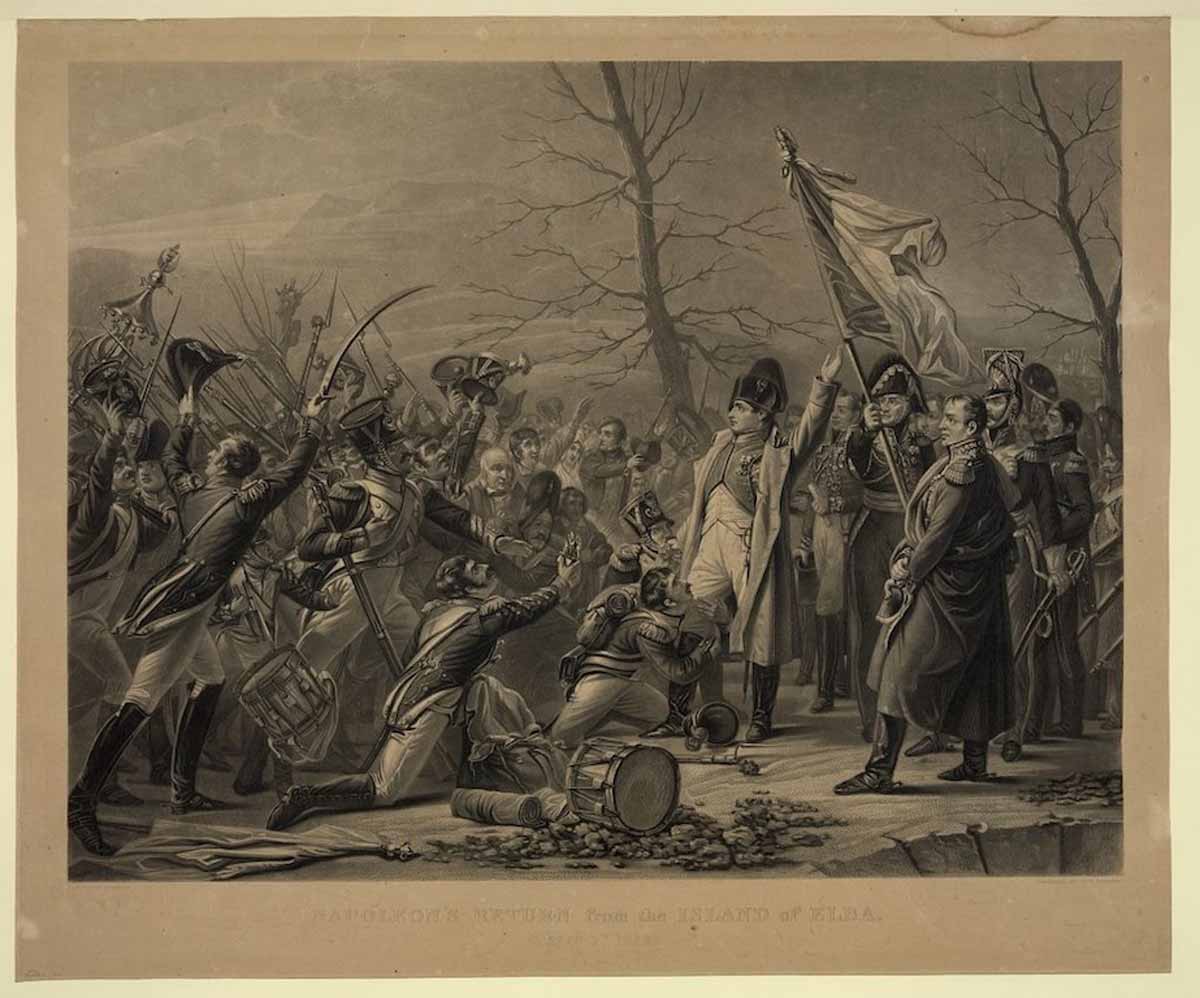
In 1814, Napoleon began reorganizing his military resources to arrest the Allies’ advance toward France. His prospects, however, were dire. All German states had changed sides. Joachim Murat had signed an alliance with Austria. The Duke of Wellington had entered southern France near Bayonne after securing a decisive victory in the Iberian peninsula. In April, the Allied armies entered Paris. Napoleon abdicated his throne and was exiled to the island of Elba. In March 1815, he escaped from his internment and returned to Paris. Napoleon’s second reign, known as the Hundred Days, ended with a catastrophic defeat at the Battle of Waterloo.