
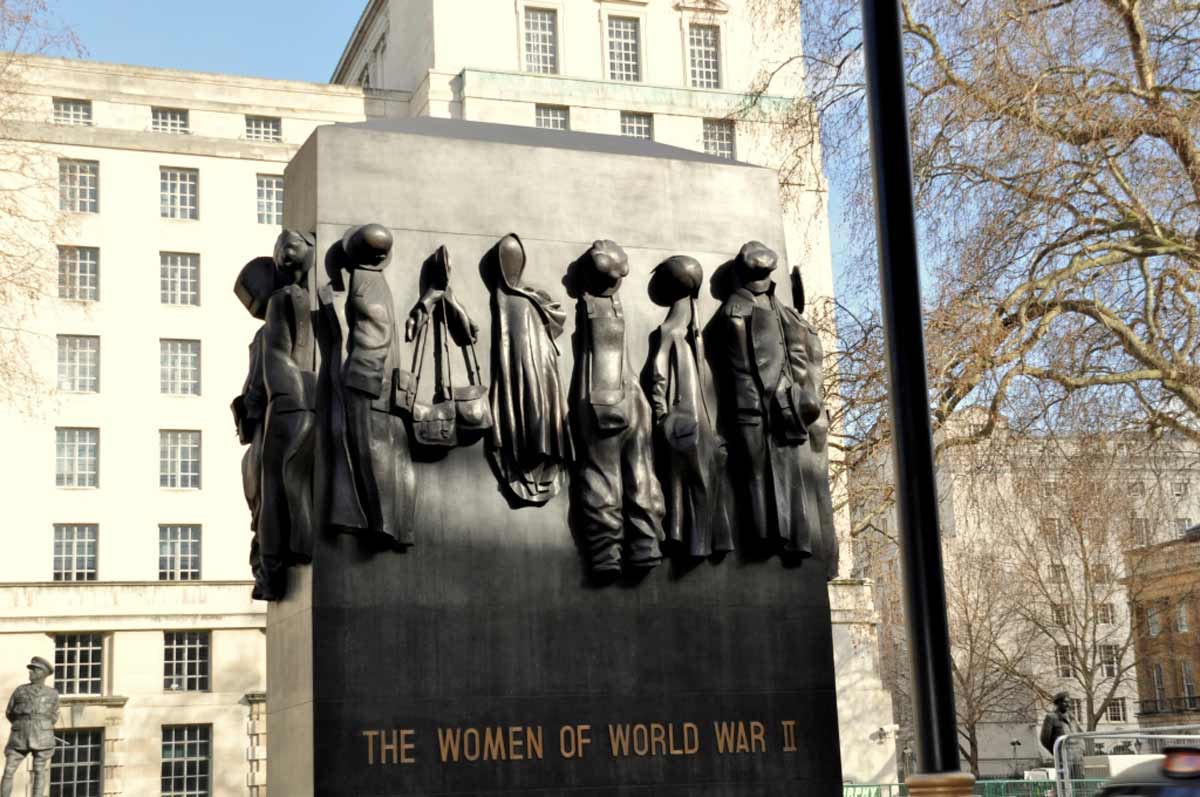
Women were technically barred from the front lines of WWII but that did not stop them from finding ways to support the Allied cause. Operating in the shadows, these famous female spies used their skills, courage, and the very stereotypes against them to build networks, gather intelligence, and challenge the enemy in ways both sanctioned and otherwise. This is the story of the groups that dared to recruit women for the dirtiest work: getting close to the enemy, winning their trust, and discovering and sharing their most precious information.
The Lucy Spy Ring: A Mystery Wrapped in an Enigma
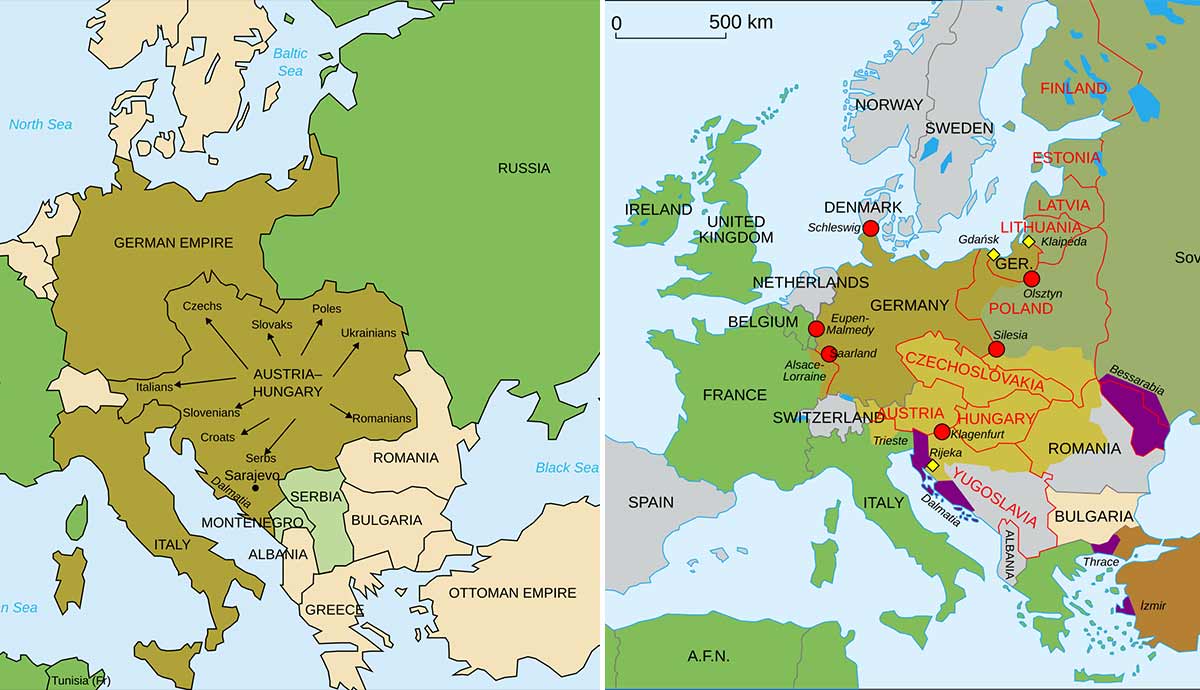
With a home base in neutral Switzerland, the Lucy Spy Ring was the brainchild of Rudolph Roessler, a seemingly unassuming German refugee and publisher who became a resource for disaffected German officers eager to sabotage Hitler’s plans. Armed with an Enigma Machine and with a direct line to Soviet intelligence, the Lucy Spy Ring provided critical insights into Nazi operations. While its methods remain debated, its impact on the Eastern Front was undeniable.
Rachel Dübendorfer, codename SISSY, worked tirelessly to undermine the Nazi war machine. Dübendorfer, born Rachel Hepner, had been a Soviet agent since the 1920s, operating under the direction of a Soviet handler. In Switzerland since at least 1932, she established herself as a pivotal figure in the Red Three, the network of Soviet-aligned agents in Switzerland. Dübendorfer’s activities prior to the war included liaising with Communist Party contacts across Europe and working within the International Labour Organization, which provided a convenient cover for her covert work.
The German invasion of France in 1940 severed Dübendorfer’s direct communications with Moscow and her superiors. She adapted by reconnecting with other operatives, including Henri Robinson, a pre-war collaborator, who facilitated the flow of intelligence and resources. By early 1941, Dübendorfer resumed regular communication with Moscow, often using intricate courier systems to evade detection. She even utilized her sister, Rose Luchinski, to transport funds and messages; an example of the familial risks so often involved in resistance work.
What set the Lucy Spy Ring apart was its access to German insiders, particularly through the 20th of July Movement, a resistance group plotting against Hitler. Dübendorfer and her colleagues leveraged this information pipeline to alert Soviet forces to critical German strategies, directly influencing key battles on the Eastern Front.
Dübendorfer’s independence and resourcefulness made her a crucial part of the Lucy network. Her legacy, though still cloaked in secrecy, remains a testament to the crucial yet under-acknowledged role of women in the early days of organized espionage.
The existence of the Lucy Spy Ring was only substantiated in the 1960s and less is known about this particular network of people than other groups. It has been argued that the operatives didn’t know that the sensitive information they collected was being shared with the West, but the truth of that statement is unclear.
The Red Orchestra: Resistance in Harmony
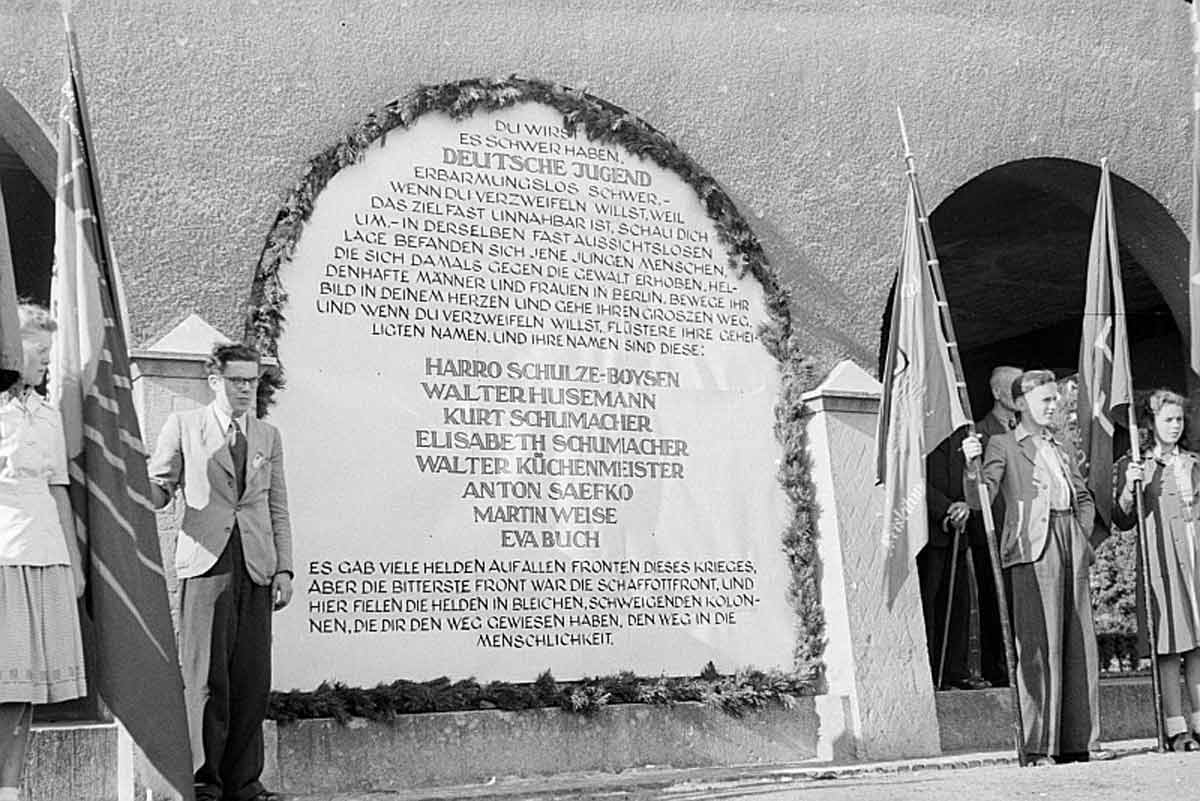
The Red Orchestra was a collection of intellectuals, artists, civil servants, and students, many of whom were women. By 1940/41, their efforts of resistance against the Nazi ideology had grown into seven interconnected circles in Berlin, uniting over 150 people.
Members documented Nazi atrocities, aided persecuted individuals, and hosted clandestine political and artistic discussions. The group’s greatest focus, however, was on political education; equipping ordinary Germans with the truth about the regime they lived under. They ventured beyond their private circles to distribute leaflets, post subversive messages in public spaces, and spread the message to disaffected people in Germany that there was another way.
The Gestapo struck in the summer of 1942, dismantling the network and labeling it the “Red Orchestra.” Members faced brutal interrogations and trials, accused of treason and espionage. By the end of 1942, over 50 members had been executed.
Women like Mildred Fish-Harnack risked everything to pass vital intelligence to the Allies. Mildred’s courage and work with the Red Orchestra cost her life. She remains the only American woman tried and put to death by Nazi Germany. The Red Orchestra’s Berlin operatives, including Mildred and her husband Arvid, were pivotal in gathering intelligence, but the risks were immense, and, along with Mildred, many sacrificed their lives for the cause.
Among them was Liane Berkowitz, a 19-year-old woman who had joined the resistance through her connections to Fritz Thiel and Friedrich Rehmer. Fluent in Russian and fiercely committed, she was arrested after a flyposting campaign against the anti-Soviet propaganda exhibition The Soviet Paradise (a series of visuals “proving” that life in the USSR was both poverty-laden and brutal).
Sentenced to death in early 1943, she gave birth to her daughter, Irene, while imprisoned. Even this tiny and unthreatening life wasn’t spared Nazi cruelty. Her daughter likely fell victim to a Nazi euthanasia program months after birth. Liane herself was executed on August 5, 1943. Her clemency plea was personally denied by Hitler.
The OSS: America’s Secret Army
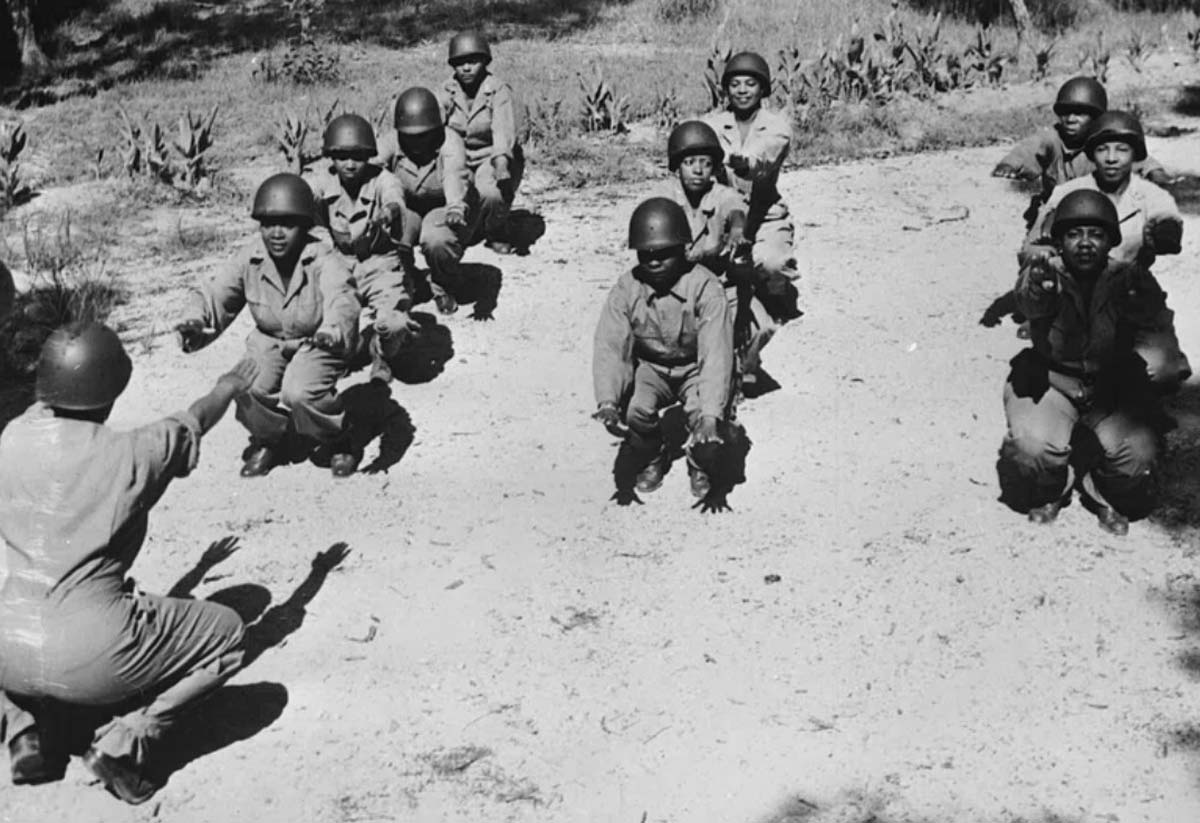
When the United States under President Roosevelt formed the Office of Strategic Services (OSS) in 1942, they took inspiration from Britain’s SOE and recognized the value of women capable of fieldwork. These American women worked as undercover agents, intercepted transmissions, and even infiltrated enemy territories.
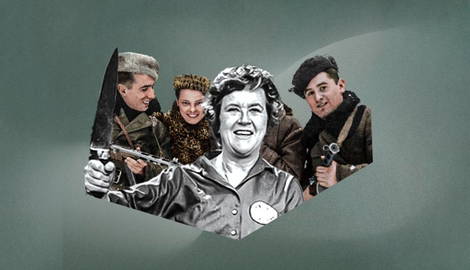
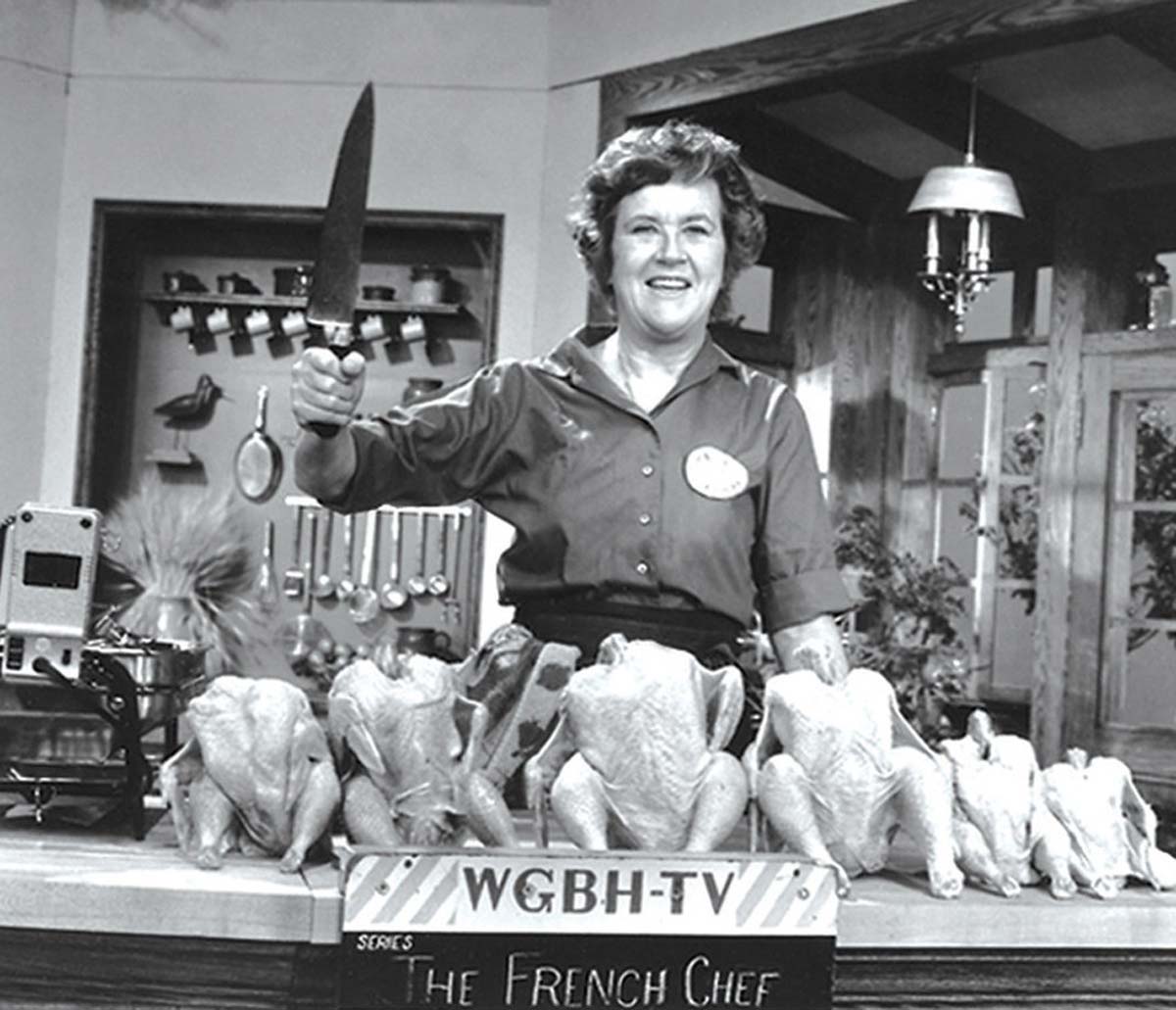
Julia McWilliams, later known to the world as chef Julia Child, began her career in the OSS before trading secret codes for soufflés. Her greatest accomplishment at the OSS: coming up with her first “recipe” for a shark repellent that protected submerged bombs.
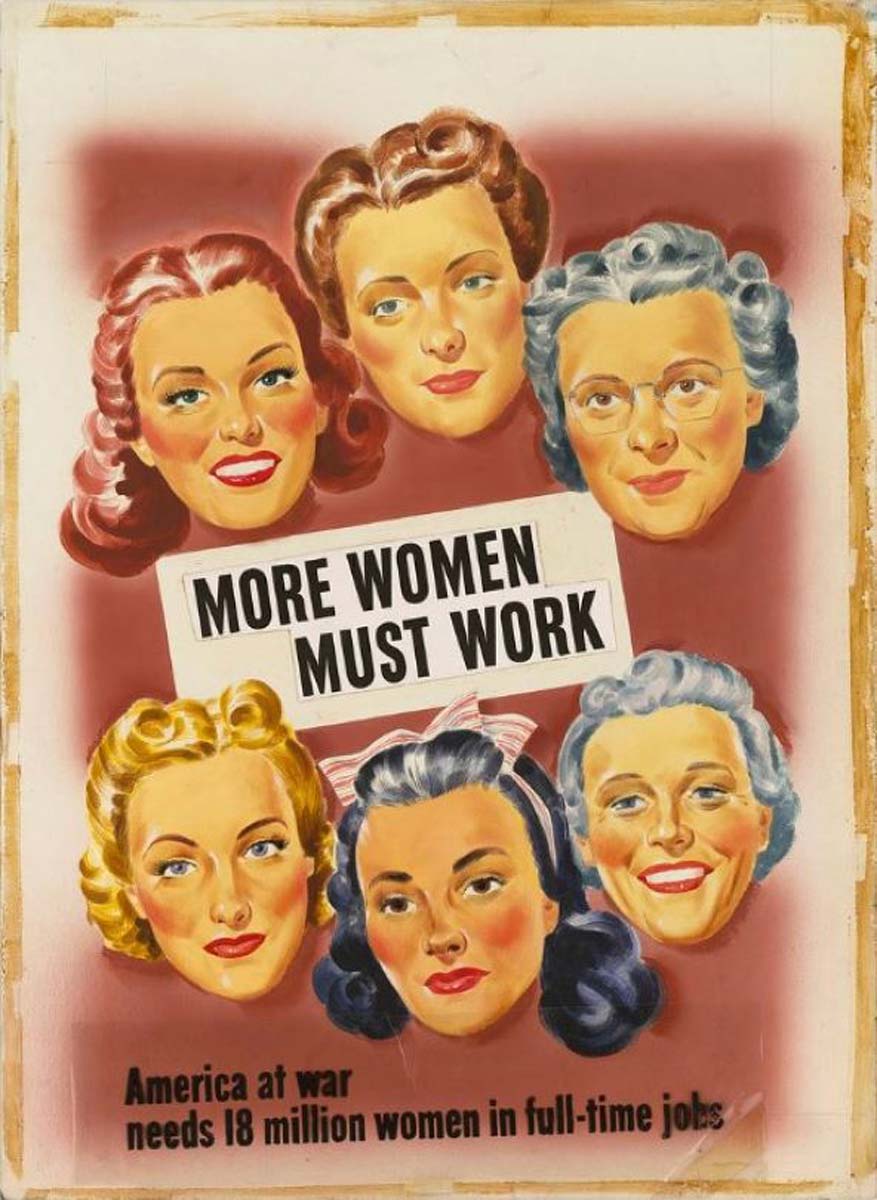
Other OSS women took their various skills into the field, becoming the vanguard of America’s modern spycraft. From planting bombs to analyzing aerial photos, these women, constituting 35% of the OSS’s workforce, contributed in ways that were as dangerous as they were groundbreaking.
Take Elizabeth McIntosh and Doris Bohrer, two OSS veterans who later happened to become neighbors in a Virginia retirement community. McIntosh worked in Asia, on missions with a focus on psychological warfare tactics. She once unknowingly handed a Chinese operative a bomb disguised as coal; a device that later blew up a train carrying Japanese soldiers. Decades later, she admitted to still wrestling with the moral weight of that action. Bohrer, who spent her WWII service years billeted in Italy, analyzed aerial photos, decoding the Axis powers’ military plans.
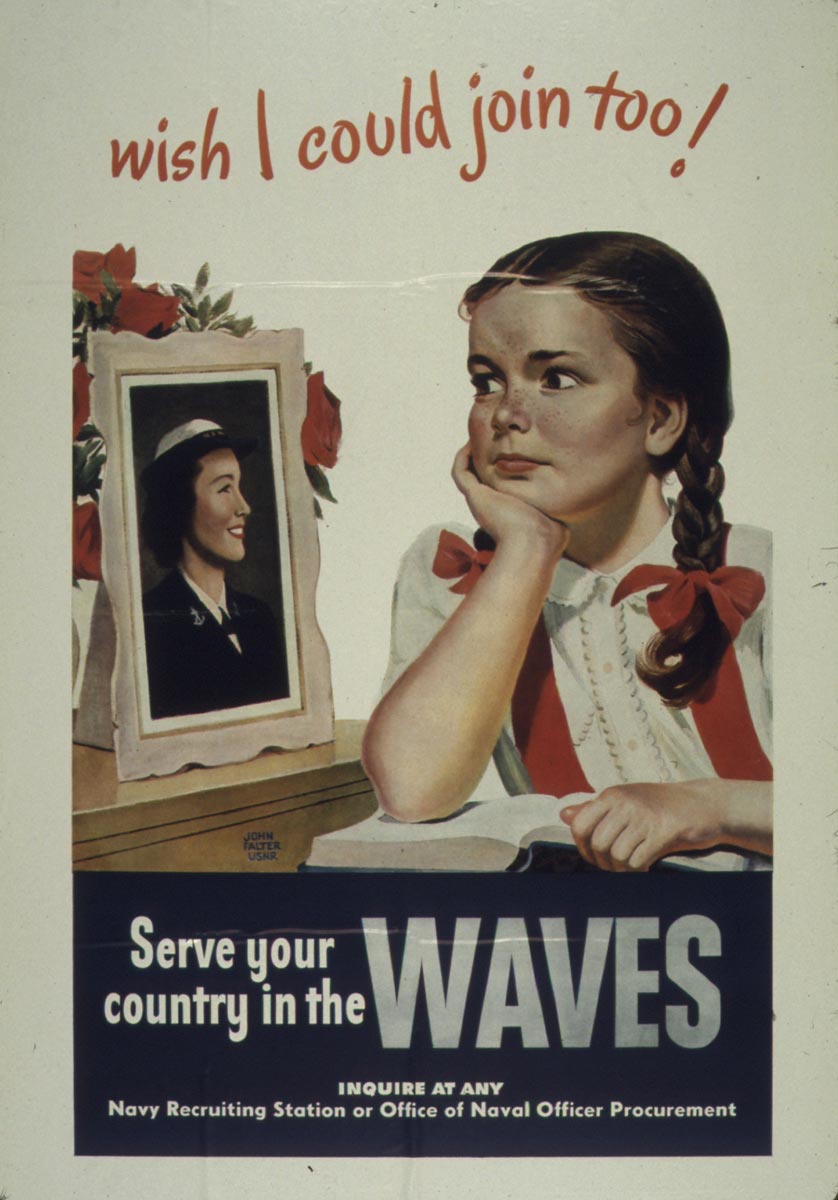
Recruiter Maggie Griggs spearheaded the effort to bring women into the OSS, though the task came with unique challenges. She advertised in vague terms in newspapers and magazines, unable to reveal the nature of the work due to security. Women like Cora Du Bois, a respected anthropologist, hit glass ceilings after answering Griggs’s call, despite her expertise. Others, such as Aline Griffith, took on missions tailored specifically to their abilities.
Griffith, a young Long Island socialite, found herself whisked into the OSS and assigned to Spain for espionage work. Her mission was to feed misinformation to a Nazi double agent, unknowingly playing a pivotal role in Operation Anvil, the Allied invasion of Southern Europe in 1944. Griffith, with her charm and social effervescence, was unknowingly the bait in a deception designed to mislead the enemy about the invasion’s true location. She was not told until later that the man she was ordered to get in contact with was a turncoat.
The women of the OSS faced great danger, but their many contributions laid the groundwork for women’s roles in intelligence and espionage for decades to come. The story of America’s “Secret Army” would be incomplete without the voices of these extraordinary women, who risked everything for missions they could rarely talk about, even to each other.
The SOE: Churchill’s “Glorious Amateurs”
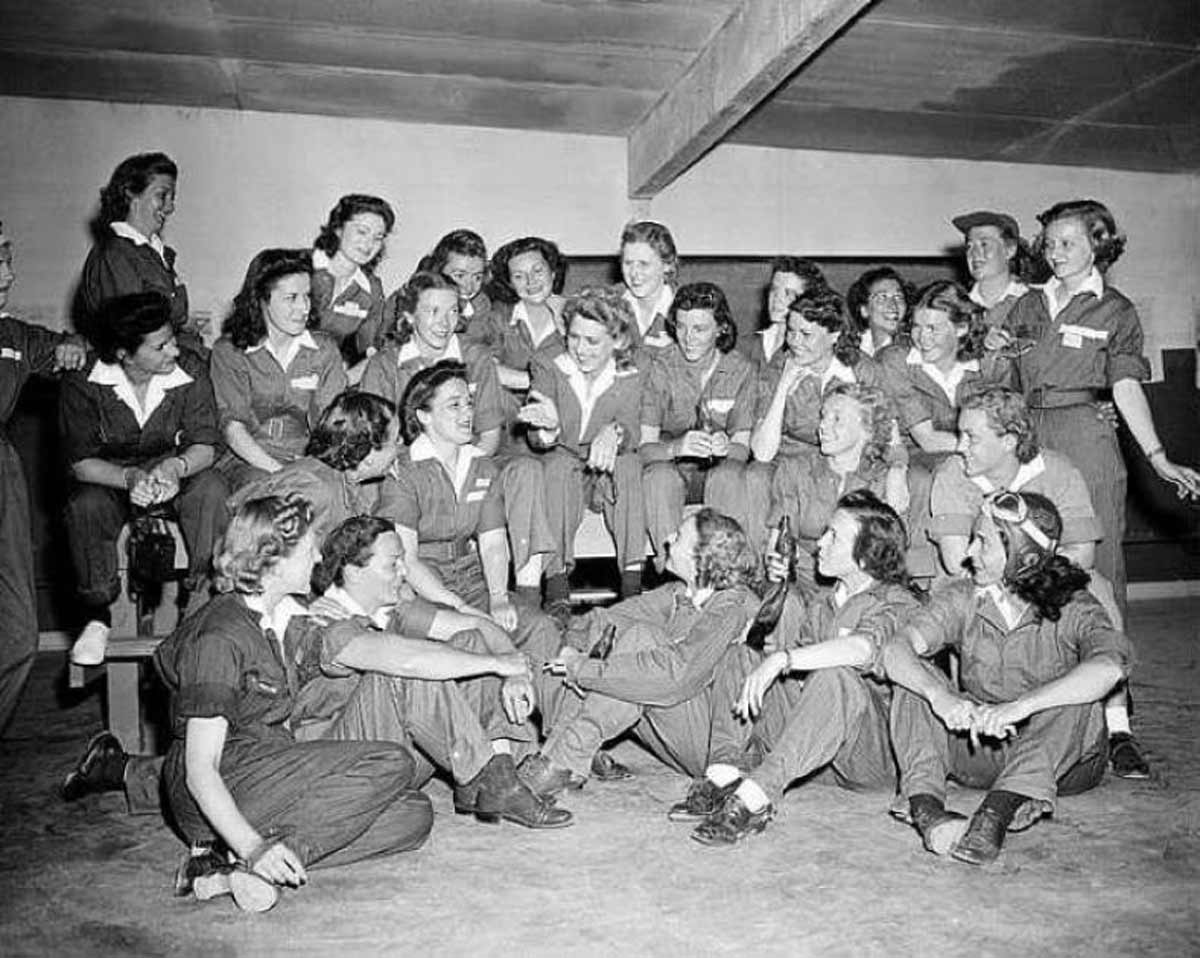
The Special Operations Executive (SOE) was the elder sister of the American OSS. Formed in 1940, it was tasked with “setting Europe ablaze” through sabotage and underground resistance. Women played a key role, often going unnoticed as couriers and radio operators in Nazi-occupied territories. Noor Inayat Khan, a wireless operator, kept the lines of communication open in Paris for months before her capture and eventual execution within the Dauchau concentration camp. Virginia Hall, the “Limping Lady” with a false leg, became a thorn in the Gestapo’s side, orchestrating resistance and evading capture with cunning and nerve.
This shadow army was trained in sabotage, unarmed combat, and deception, borrowing effective tactics learned from the Irish Republican Army’s irregular warfare. Agents blended seamlessly into occupied territories, armed with fluent language skills and the ability to disappear when being tracked.
The Gestapo’s bloody reputation loomed over every mission. Capture meant torture, or worse. Because of this, some agents carried cyanide pills concealed in coat buttons for a swift escape when they ran out of other options. Despite the dangers, the SOE began recruiting women in 1942, recognizing that gendered assumptions about war often allowed female agents to slip under the enemy’s radar.
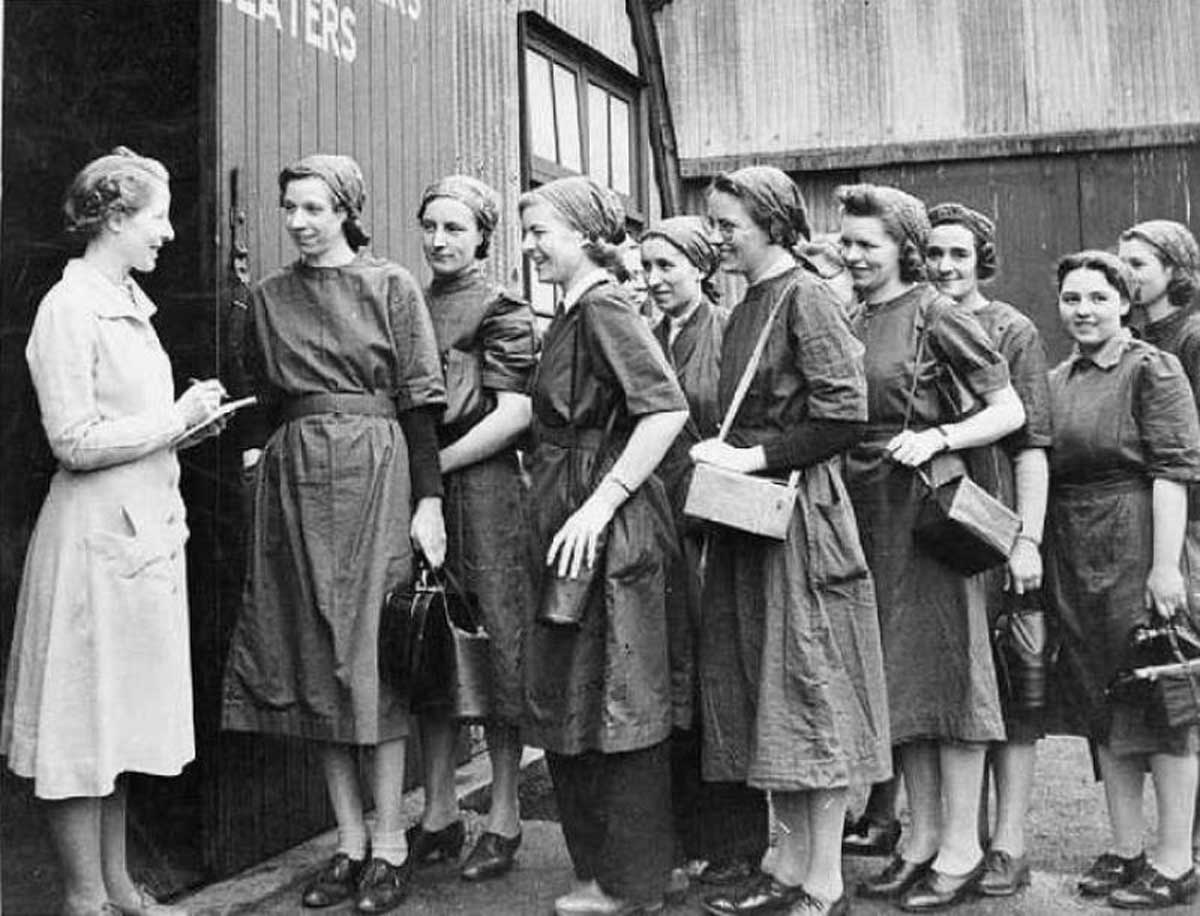
Among the first female operatives was Krystyna Skarbek, later known as Christine Granville, who started working behind enemy lines before the SOE even officially recruited women. Skarbek was legendary for her resourcefulness; once, she faked tuberculosis symptoms by biting her tongue to draw blood, convincing her German interrogators to release her or face infection. On another occasion, she and her lover, fellow agent Andrzej Kowerski, escaped capture by fleeing Europe in a car stolen from the Nazis.
By the war’s end, several female agents had been smuggled into France, Belgium, and other occupied territories. These women coordinated supply drops, trained resistance fighters, and gathered intelligence, often in plain sight. Many did not return home as the survival rate for these female agents was not great; one in five died on the job.
The SOE’s female agents were crucial in leading the war towards its eventual Allied victory. One of their greatest accomplishments was relaying information that helped the Allies know where enemies would be stationed during D-Day operations.
Jewish Women in the Shadows: Fighting Two Battles
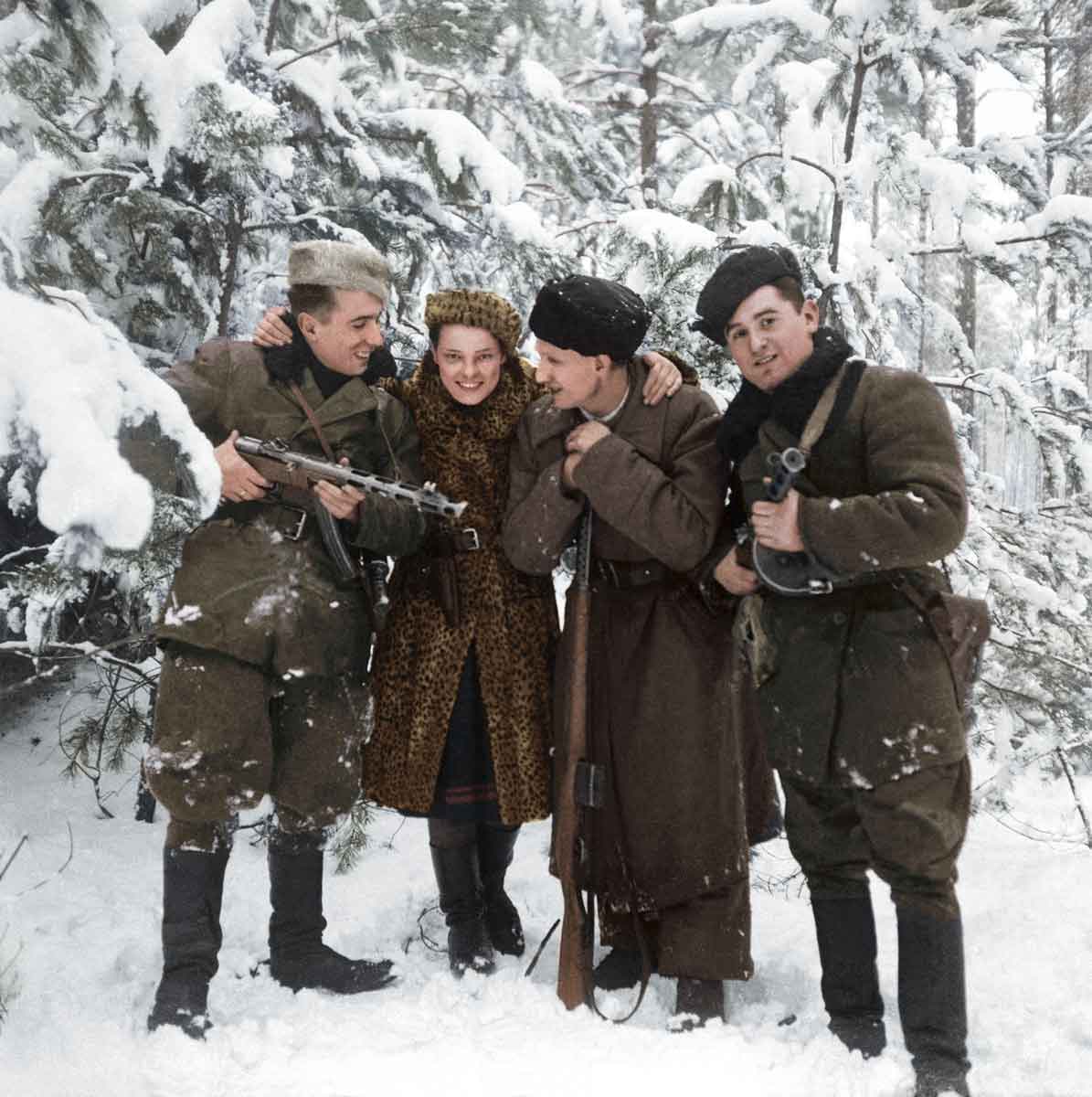
The bravery of Jewish female spies during World War II is nothing short of astonishing, their stories weaving together courage, tragedy, and relentless determination in the face of unspeakable odds.
Take Marthe Cohn, a 4’11” French Jewish woman who infiltrated Nazi Germany as an Allied spy. One mission nearly ended when she fell through thin ice while on an operation in winter. Emerging from the freezing water, Cohn refused to let hypothermia or fear stop her. Her fiancé, Jacques, had been executed for his resistance efforts, and her siblings risked their lives saving fellow Jews from the Nazis. Cohn would go on to say that she didn’t feel brave while carrying out her missions, simply that she had a “job to do.”
Another remarkable figure was photographer Faye Schulman, who miraculously survived a massacre in Nazi-occupied Poland. Not one to go quietly into the dark, she then joined a partisan group, using her camera to document the resistance in over 100 photos, preserving a rare glimpse of the human side of guerrilla warfare. While so many of the heroes of WWII have gone, Schulman’s photos live on and speak to a bravery that extends beyond combat, capturing the soul of resilience when winning seemed an impossibility.
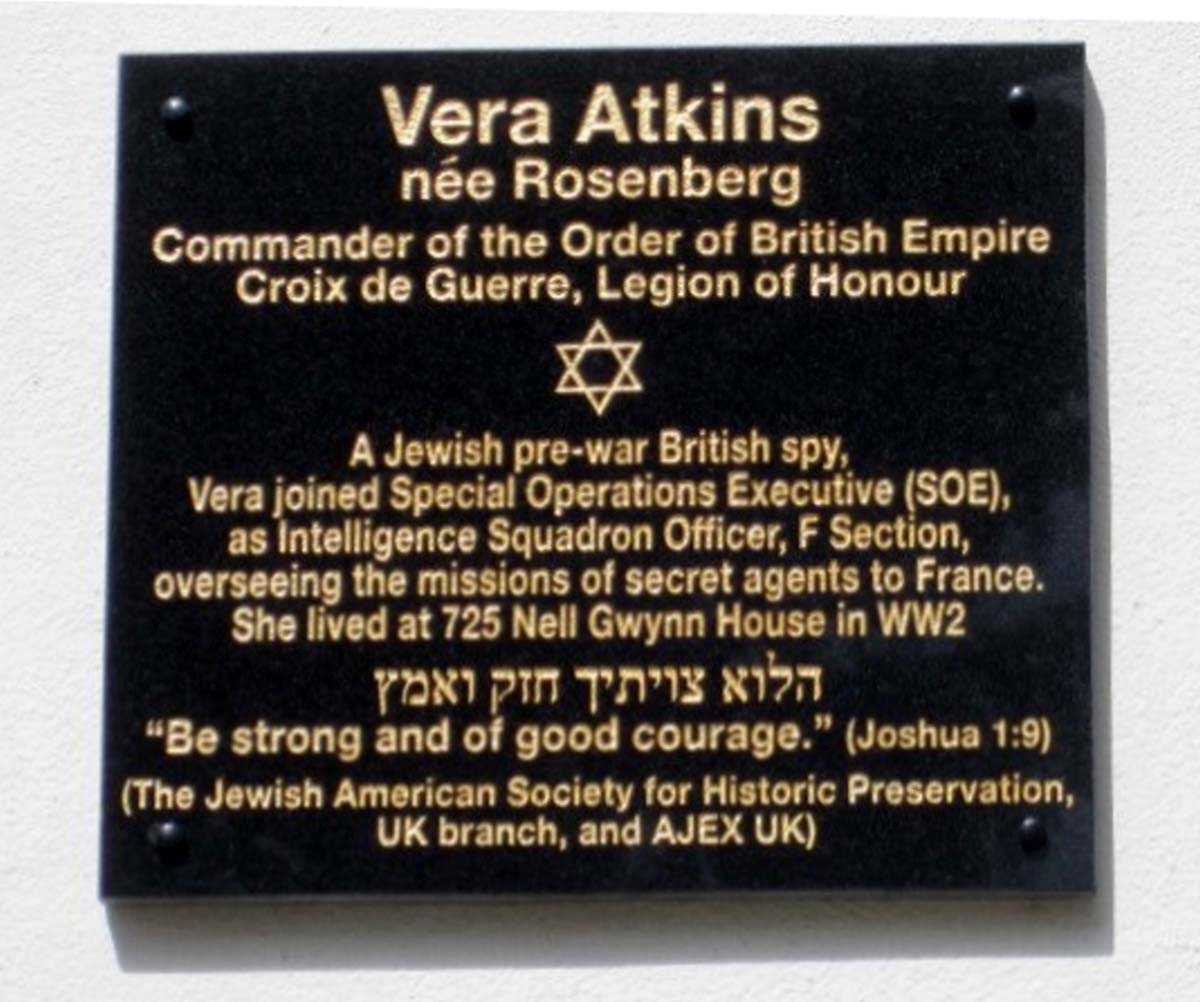
Then there’s Vera Atkins (maiden name Rosenberg), who was both a Romanian Jewish woman and an operative of the SOE. Atkins personally prepared and oversaw the missions of over 400 agents sent into Nazi-occupied France, many of them women she affectionately called her “girls.” She felt the weight of the lives she put in danger for Britain’s cause, but she chose to push forward until the war was won. She didn’t give up then, either. She spearheaded the effort to find out what, exactly, happened to agents who never made it home.
Each of these women left behind a legacy that serves as a powerful reminder of how ordinary people, in horrifyingly extraordinary times, can be catalysts for good.