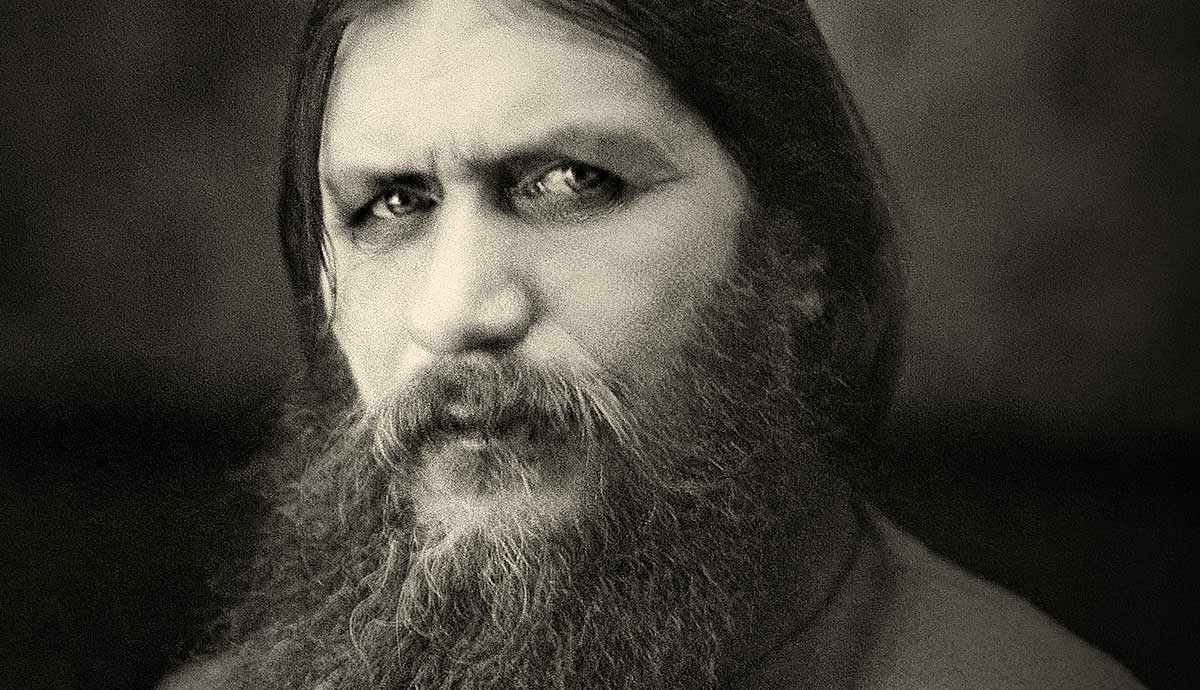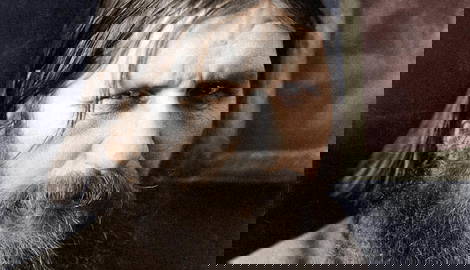

From peasant to trusted advisor and friend of Tsar Nicholas II and his wife, Alexandra, Rasputin is one of the most intriguing figures of the late Russian Empire. A monk with a unique interpretation of Orthodox Christianity, a self-proclaimed healer, and a seducer, Gregory Rasputin’s rise and fall inspired generations of writers and filmmakers. While his name is famous, his story is mysterious. Discover more about the enigmatic figure with 11 unbelievable facts about the “Mad Monk.”
Rasputin Life Timeline
| 1869 | Born in Pokrovskoye, Siberia |
| 1887 | Marries Praskovya Dubrovina and starts having children |
| 1897 | Goes on a pilgrimage and has a spiritual awakening |
| 1904 | Arrives in St Petersburg, where he is accepted as a faith healer |
| 1905 | Meets Tsar Nicholas II and Alexandra |
| 1907 | Becomes a court favorite and physician to the Tsar’s son, Alexei |
| 1914 | Attempted assassination attempt; discourages involvement in WWI |
| 1915 | Nicholas goes to the front, leaving his wife in power, heavily influenced by Rasputin |
| 1916 | Rasputin predicts his own death and is killed on December 29/30 |
1. Rasputin’s Childhood Is Considered a “Black Hole”
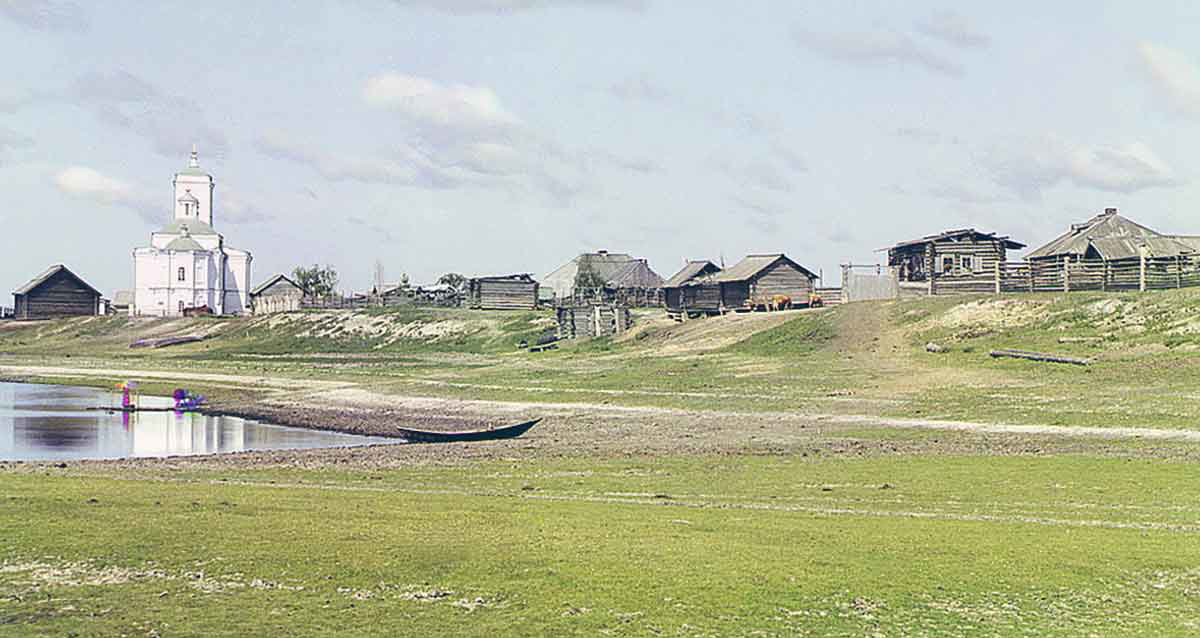
Not much is known about Rasputin’s early years before his religious conversion, and it is sometimes referred to as a “black hole.” Born on January 21, 1869, he was probably one of nine children born to his peasant parents. Potentially only one of his siblings, a sister called Feodosiya, survived to adulthood. He lived in a small Siberian village named Pokrovskoye, and harsh conditions resulted in high infant mortality rates.
His father seems to have been a farmer and local church elder, and also worked as a government courier, ferrying people and goods between Tobolsk and Tyumen in the harsh Siberian environment. This probably meant that Rasputin received no formal education and was illiterate well into adulthood.
2. He Was Married with Children
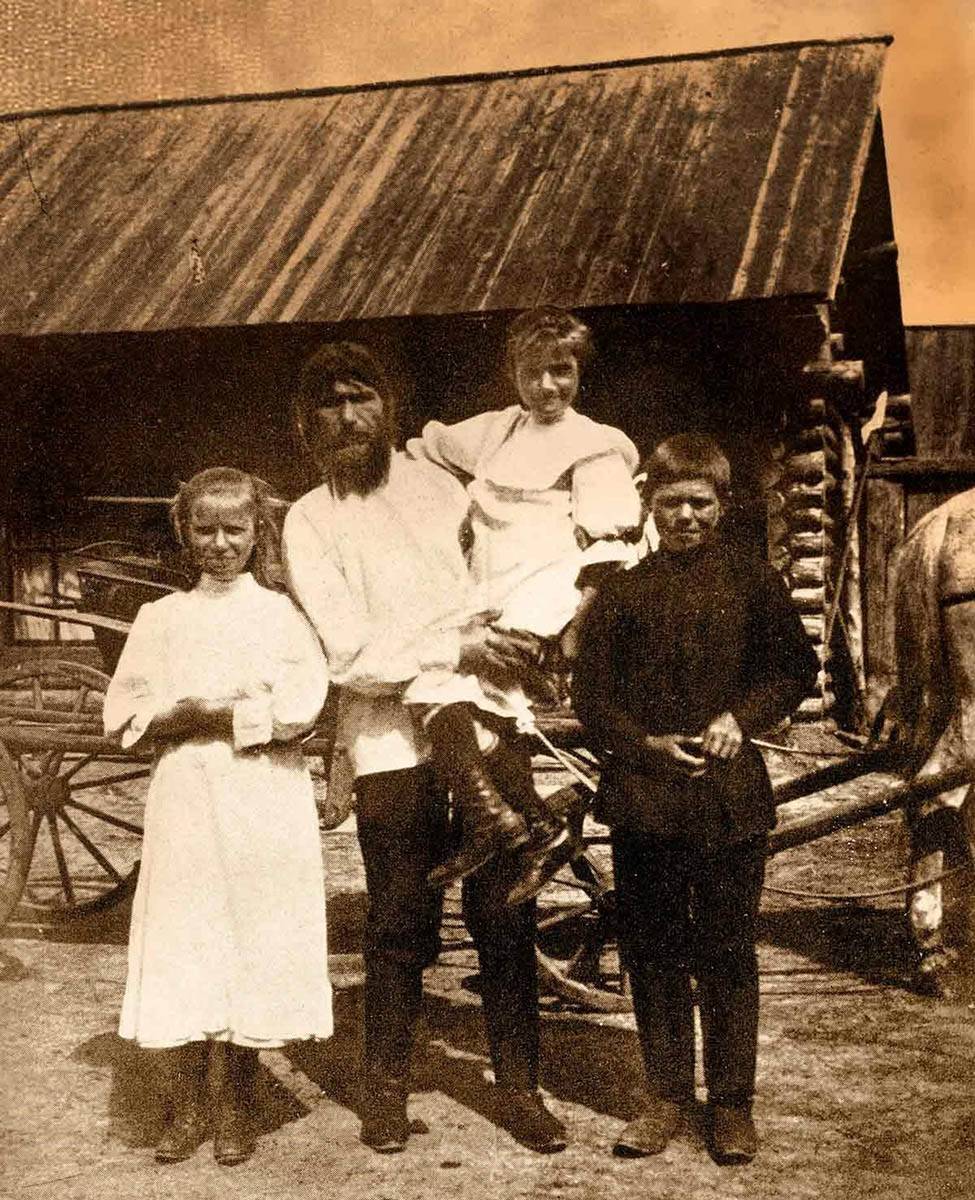
Rasputin lived a fairly standard peasant life until he joined the Orthodox Church in the 1890s. He travelled to Abalak, another Siberian village, to find a wife, a peasant girl named Praskovya Dubrovina. He courted her for several months and then married her in 1887, taking her back to Pokrovskoye.
The couple had seven children together, three of whom survived into adulthood: Dmitry, born in 1895; Maria, born in 1898; and Varvara, born in 1900.
3. He Joined an Illegal Sect in the Russian Orthodox Church
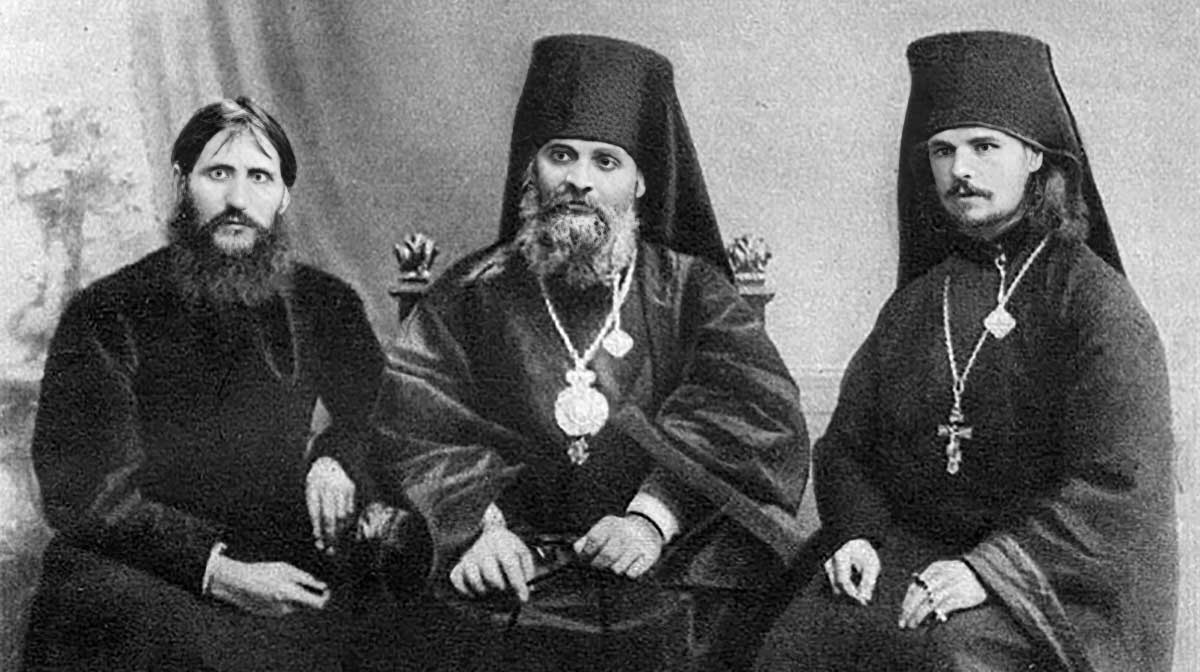
The 28-year-old Rasputin went on a pilgrimage in 1897 that led to a religious awakening. He visited various towns and churches and discovered the Khlyst sect. One of the many beliefs of the Khlysts was that only by committing sins and repenting can one get close to God. This is based on his later religious beliefs, which aligned with Khlyst ideas, but there is no evidence that he actually joined the sect.
It is believed that he learned to read and write when he spent several months at a monastery in Verkhoturye, but did not stay because he criticized the monks for engaging in homosexuality.
Following his “awakening,” Rasputin returned home, but spent much of his time traveling around the Russian Empire, declaring himself a “Holy Man” with supernatural abilities, such as healing. When he was home, he had a small circle of followers who prayed with him on Sundays and other Holy Days, with their secret prayer sessions raising local suspicions.
4. He Was Probably a Hypnotist, Not a Healer
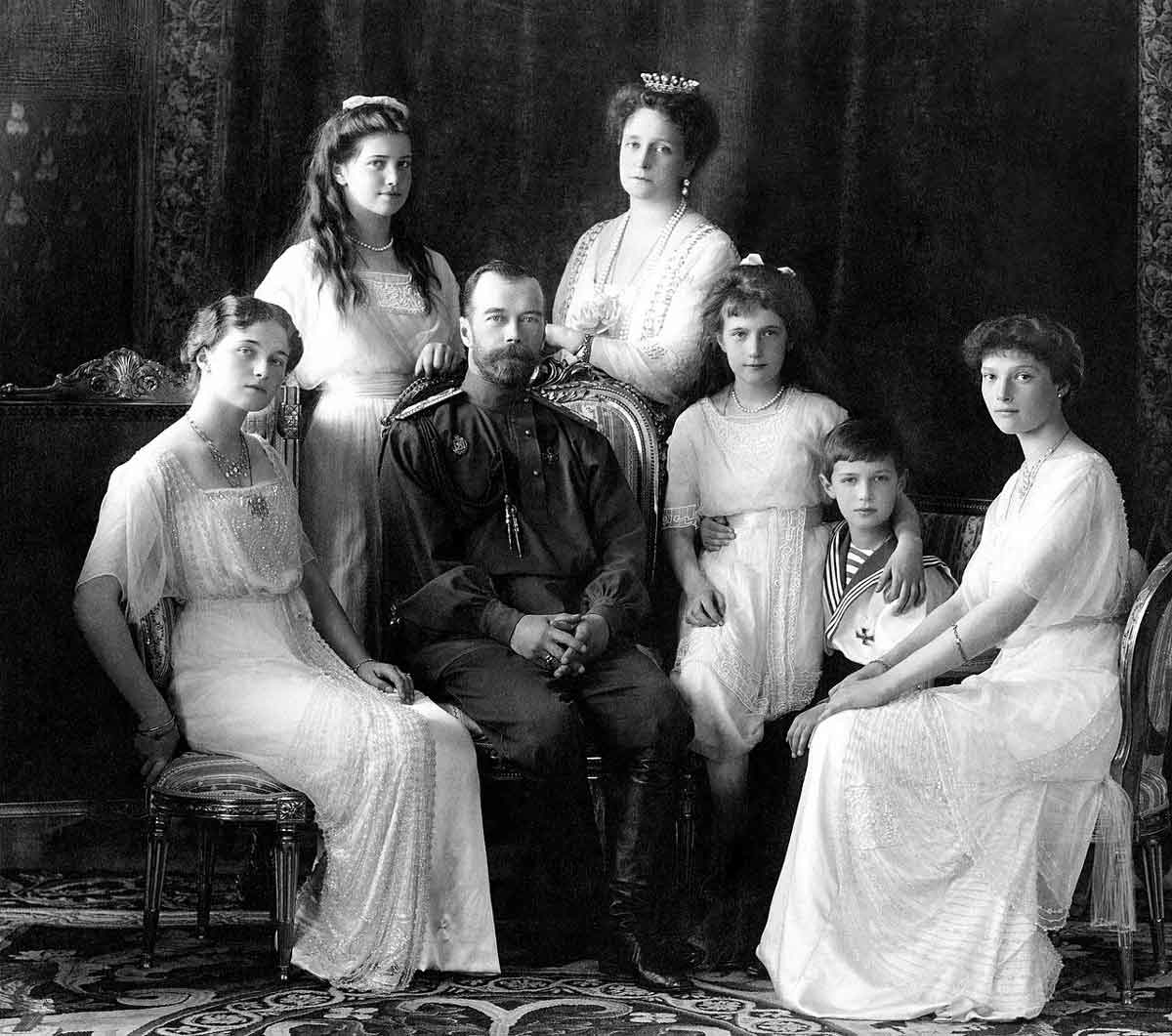
Shortly after the Russian Revolution of 1905, Rasputin was introduced to the Royal Household. He gradually got close to the Romanovs and, in 1907, helped stabilize the condition of the sick young heir Alexei. This event would gain him the favor of Nicholas II, and more particularly, of his wife, Alexandra.
It is unlikely that the monk possessed any of his self-proclaimed healing abilities. As a matter of fact, even the inner circle of the Royal Household disbelieved this. While he indeed helped young Alexei, he may have used hypnosis skills that he developed during his “religious awakening.” Hypnosis was very common among Orthodox priests. Rasputin often utilized his abilities, particularly to impress the ladies of the Russian nobility.
5. Rasputin Had Terrible Manners and Horrible Hygiene
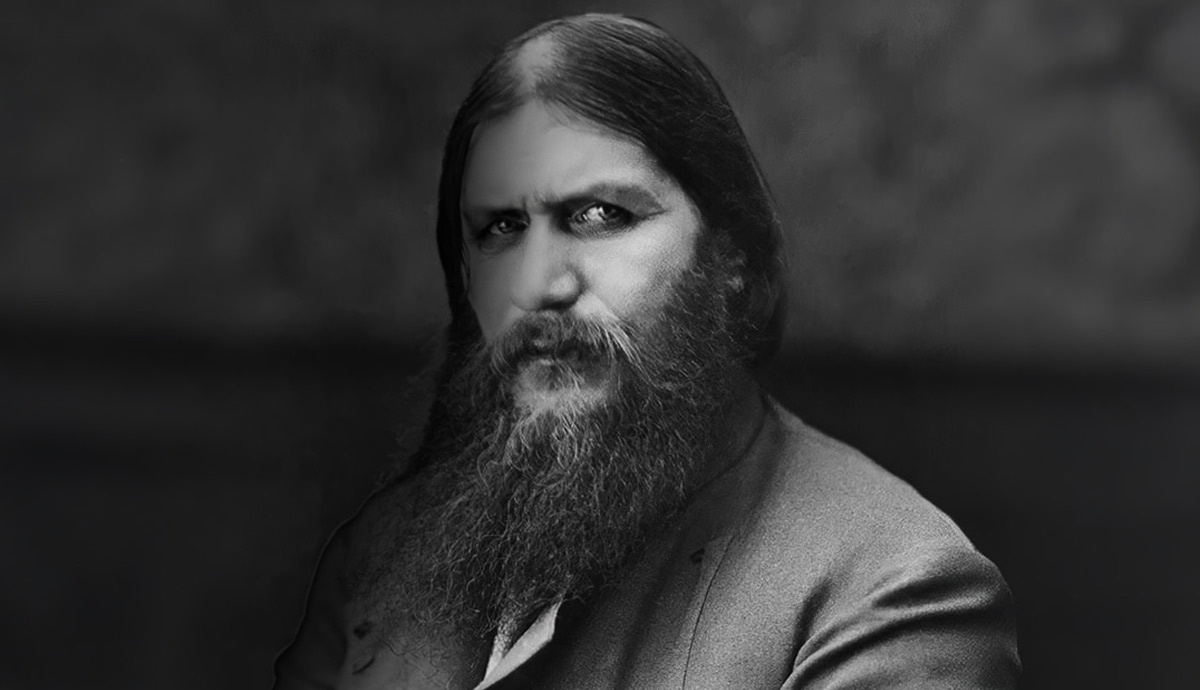
According to most of his contemporaries, Rasputin’s manners were unfit for Russian nobility. Like most peasants, he was accustomed to a humble lifestyle. The use of spoons, forks, and knives had yet to be generalized among the peasantry, and thus, the monk struggled to adapt to the customs of his new entourage.
However, by all accounts, his bad manners were excessive even for the peasantry. It is said that he would lick spoons before serving others and often had food portions in his beard. In addition, Rasputin rarely washed and often had a foul odor.
6. Rasputin Called Himself “Christ in Miniature”
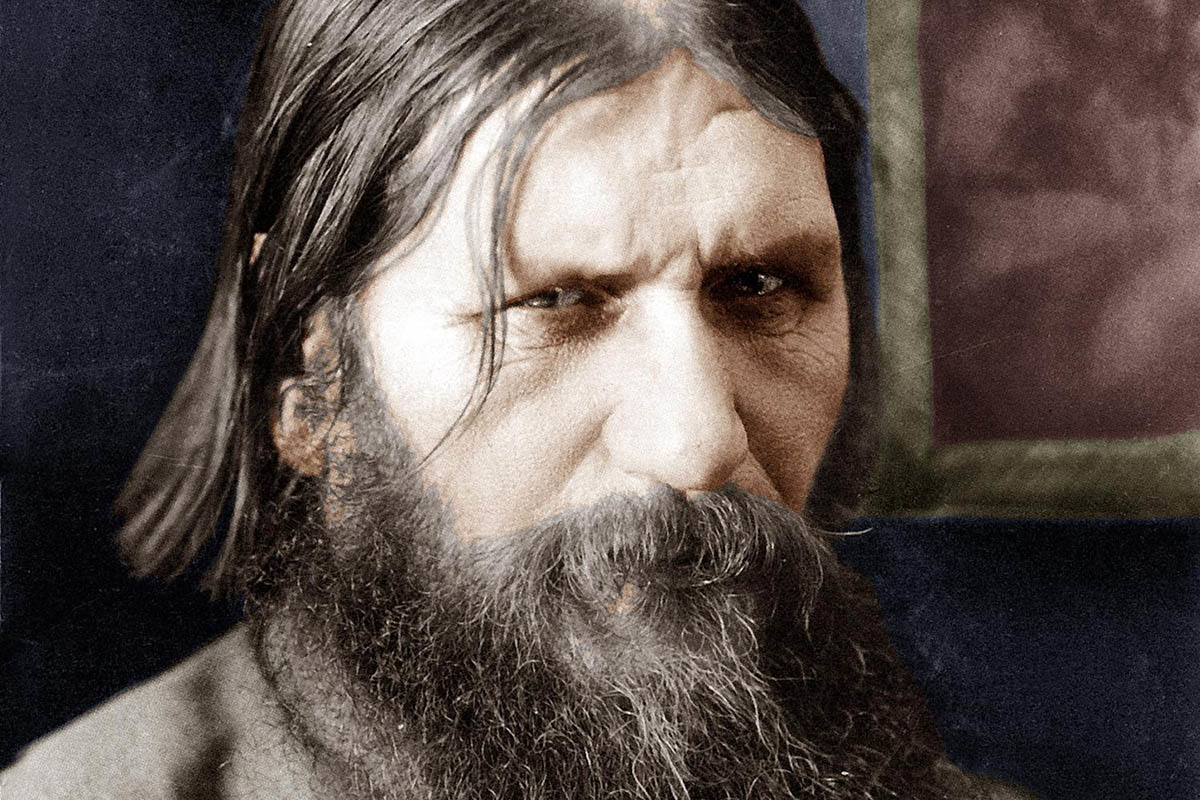
Following his religious conversion in 1897, Rasputin traveled around the country, supposedly healing people with his “unnatural” powers. He progressively developed a reputation as a mystic and declared himself a “holy man.” He embraced this reputation so strongly that he claimed to be sent by God to save the Russian Empire, knew the time of his death, and said to the French Ambassador that “despite his terrible sins, he is Christ in Miniature.”
Those words would have usually passed for the rambling of a madman if it weren’t for the fact that a significant part of the Russian nobility believed him and followed his words, including Tsarina Alexandra.
7. Rasputin Seduced Several Noblewomen
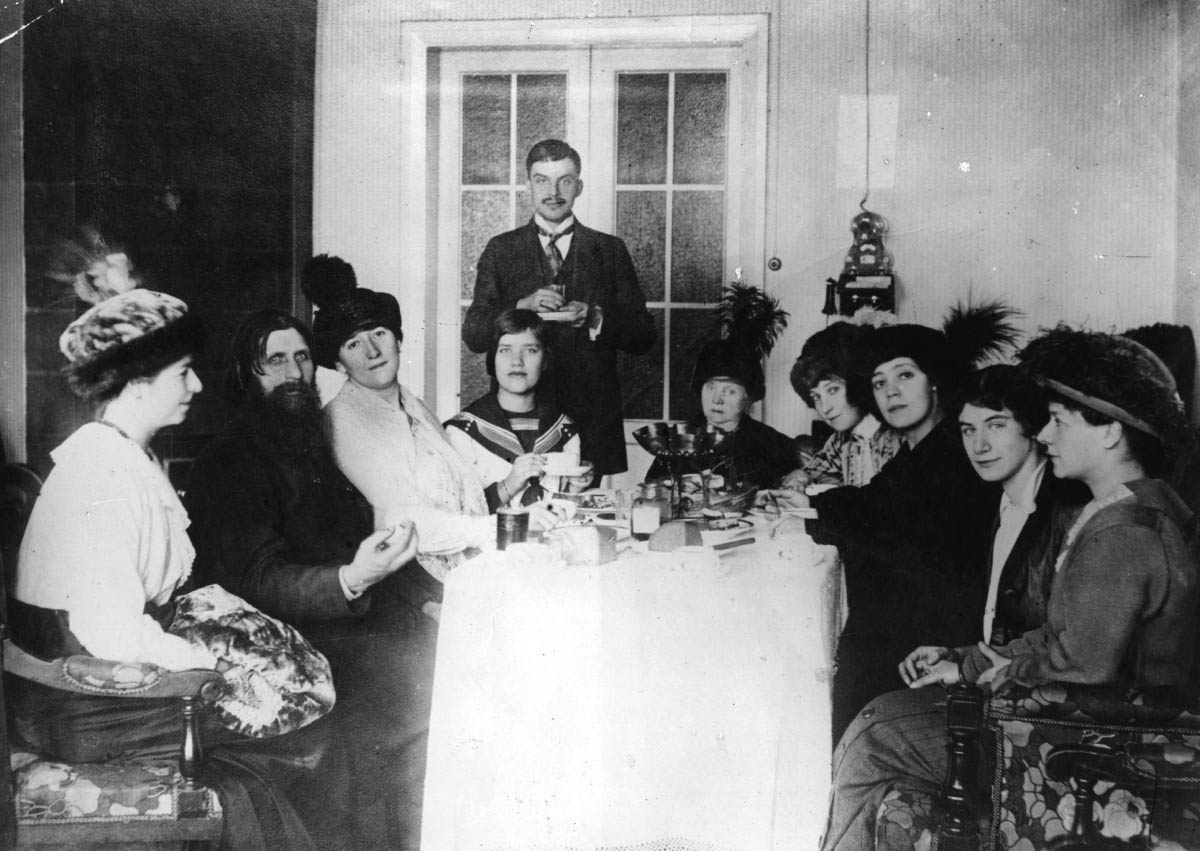
Despite his self-declared holiness, Rasputin indulged in several activities considered sinful. The “Mad Monk,” as he was called by many, was a heavy drinker. It is said that he rarely sobered up, and when he did, it was only to spend time with various ladies of the court.
In fact, despite his severe lack of hygiene, Rasputin managed to gain the favor of many noblewomen. It is even said that he had an affair with the Empress Alexandra Feodorovna. While this is questionable, he certainly had a great influence over her, and she blindly implemented his advice when her husband left her in charge of the country in 1916 following his departure to the front.
Both his political influence and his popularity among the ladies of Saint Petersburg gained Rasputin enemies in the upper class. The latter’s resentment only grew with time and reached a breaking point on the eve of the First World War in 1914.
8. He Influenced Russia’s Involvement In World War I
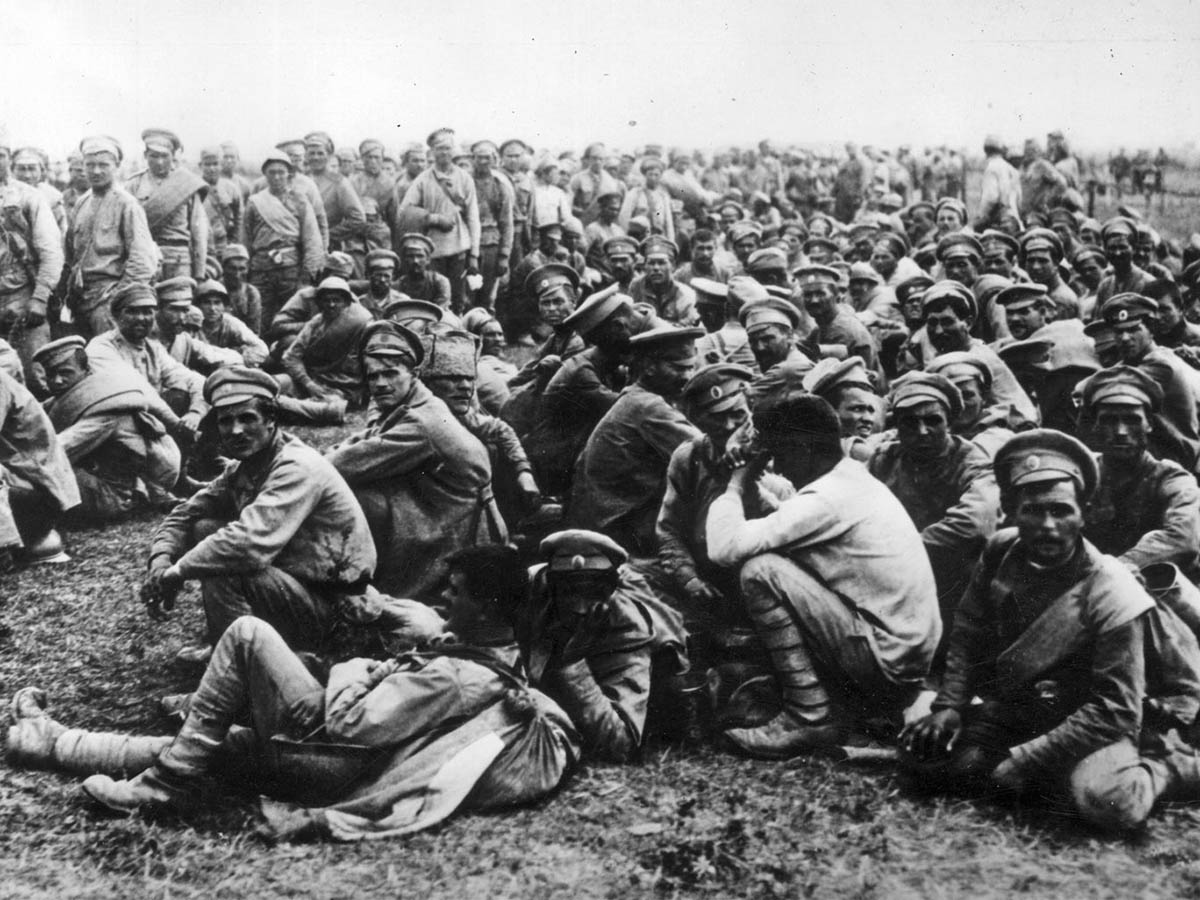
Rasputin opposed Russia’s entry into World War I. He claimed that the conflict would be disastrous for the country and have cataclysmic consequences for the monarchy. As his advice was not heeded, Rasputin insisted on going to the front to bless Russian troops. This was refused, and the army’s Commander-in-Chief, Grand Duke Nicholas Nikolaevich, vowed to have him hanged if he got anywhere near the frontlines.
However, Rasputin correctly predicted the early disastrous defeats of the Russian Empire. This pushed Tsar Nicholas II to heed his advice to take command of the army, thus abandoning Saint Petersburg to his wife, who was under the monk’s influence. The Tsar’s leadership in battle did not impact the stalemate with the Central Powers and damaged his popularity.
9. Rasputin Predicted His Own Death
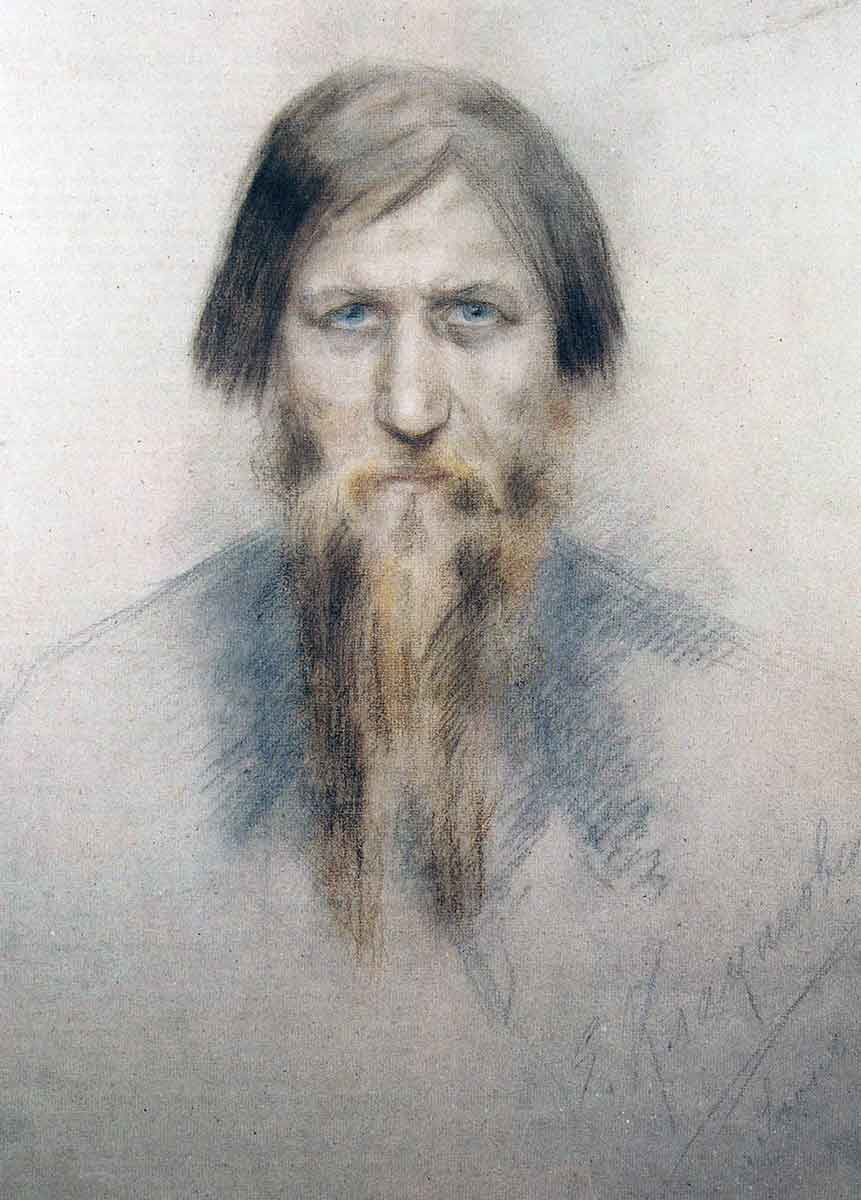
The correspondence of Rasputin and Tsar Nicholas II after the monarch’s departure to the frontlines indicates that the monk had quite an interest in his own death. In a letter from December 1916, Rasputin wrote: “I feel that I shall leave life before January 1st… If it was your relations who have wrought my death, then none of your children will remain alive for more than two years.”
It would indeed be the Tsar’s relations that ended the life of Rasputin. Growing weary of his lasting influence, some of the most prominent noblemen of Petrograd (Saint Petersburg’s name during World War I) plotted his assassination in December 1916, two months before the start of the February Revolution that would end Romanov rule. His prediction that the Tsar’s children would die two years after his death came true.
10. Rasputin Survived an Assassination Attempt In 1914
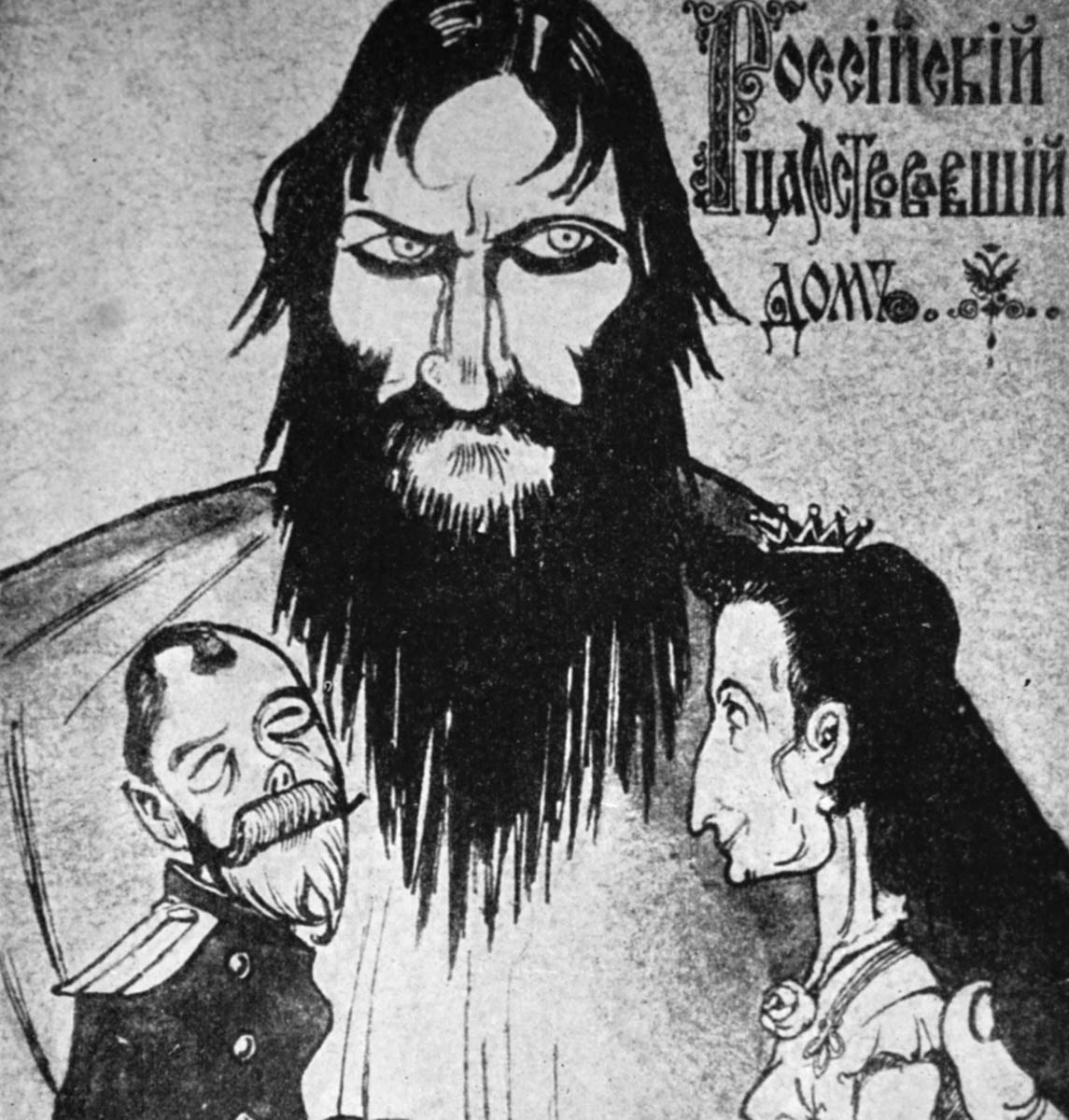
Due to his influence, the many enemies of Rasputin were not only members of the Russian nobility. Many priests of the Orthodox Church severely condemned the self-declared “Christ in Miniature.” Among them was Sergei Trufanov, also known as Hieromonk Iliodor. He was one of the followers of Georgy Gapon, a leading figure in the 1905 Revolution, and severely condemned the shortcomings of the late Romanov rule.
On the 12th of July 1914, a peasant woman named Chionya Guseva, a supporter of Iliodor, approached Rasputin on the streets and stabbed him in the stomach. The Mad Monk managed to run away and survived the wound. The would-be assassin was later found insane and isolated in an asylum in Tomsk. Iliodor fled to Norway right after learning of the failed attempt.
11. Rasputin Proved Hard to Kill
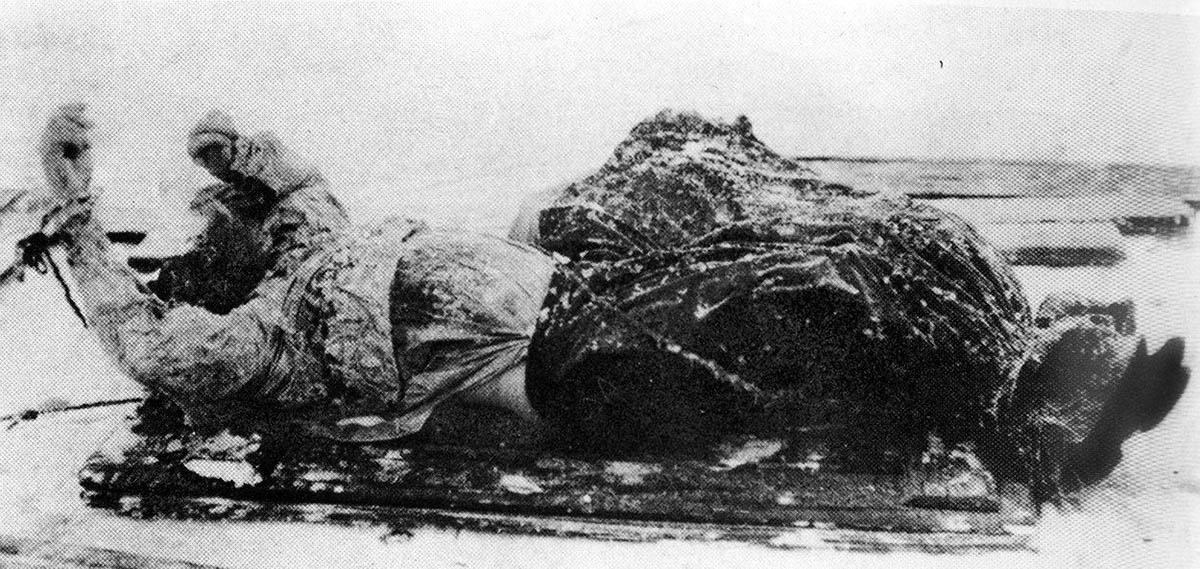
Prince Felix Yusupov, a nobleman and significant opponent of Rasputin, lured him to his palace on the 29th of December 1916. With co-conspirators, the Grand Duke Dimitri Pavlovich and Deputy Vladimir Purishkevich, Prince Yusupov fed the monk some cyanide-laced cakes and drinks. But despite the high quantity of consumed poison, Rasputin did not die and continued indulging himself in the various offered commodities.
Exacerbated, Yusupov and his allies shot the monk several times. But even then, Rasputin survived. However, he found himself incapacitated by the wounds and was thrown into the Malaya Nevska River. The water found in his lungs suggests that Grigory Rasputin died by drowning at the age of 47. A few months later, the Tsar abdicated, and the Russian Empire was no more.