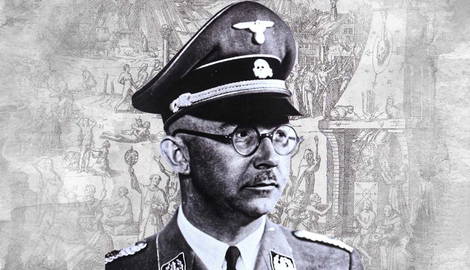

In 1945, as the Red Army advanced into the Third Reich’s territories, a Polish librarian discovered more than 30,000 documents recording trials of German witches in a castle in Schlesiersee (present-day Sława) that the retreating Germans had abandoned. The documents belonged to the so-called Hexenkartothek, an archive compiled by the Hexen-Sonderauftrag (Witch-Special Mission), a group founded by Heinrich Himmler to document the persecution of German witches during the Middle Ages and Renaissance period. Deeply enmeshed in Nazi ideology, the Hexenkartothek aimed to prove the regime’s racial and völkish theories.
The Hexenkartothek: Himmler, Witchcraft, and Occultism
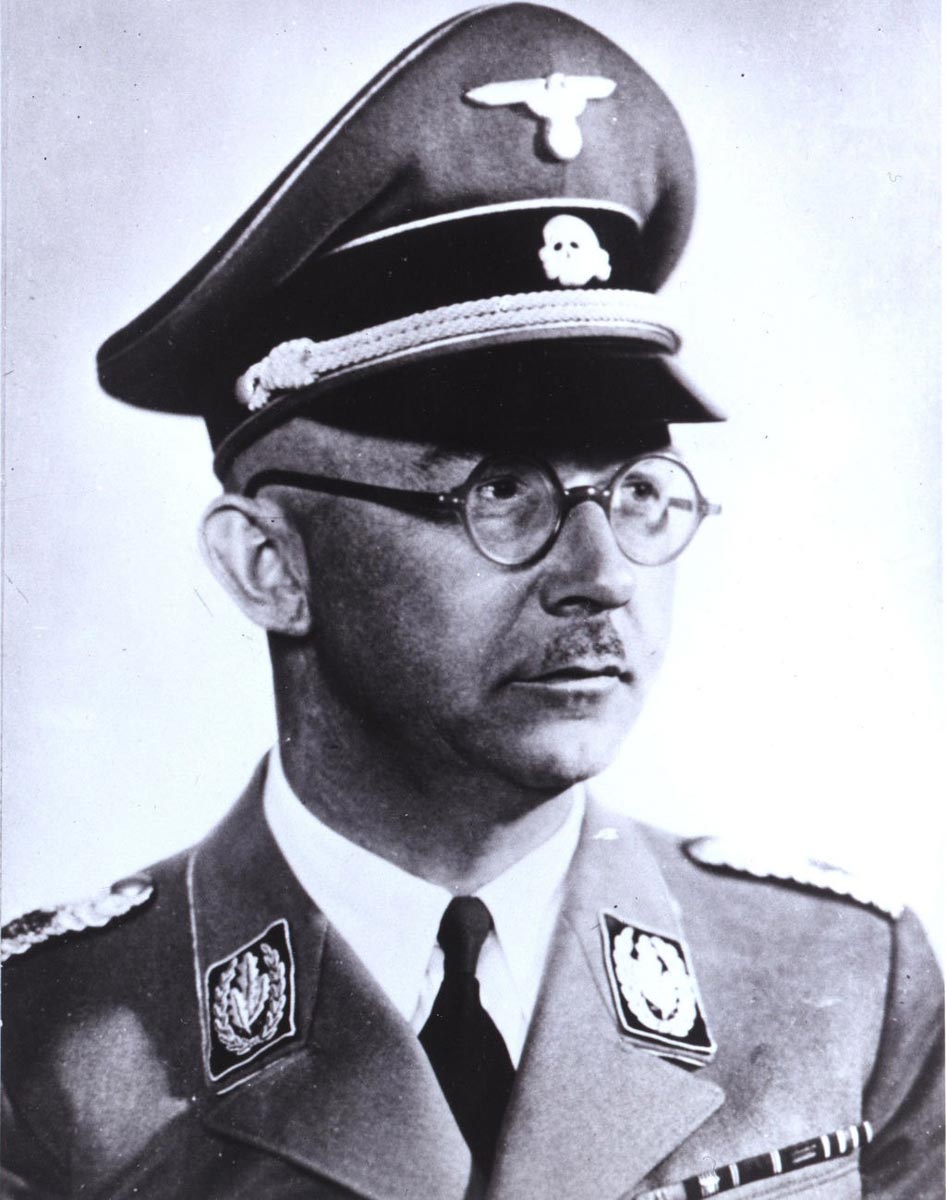
In a 1944 speech, Heinrich Himmler, the head of the SS, declared that the witch hunts had “claimed hundreds of thousands of mothers and women of German blood through barbarous persecution and execution methods.” By that time, the Hexen-Sonderauftrag had been amassing documents regarding witch trials in the territories of the Reich (and beyond) for almost 10 years. Himmler believed the “witch archive” would prove his theory of a mass murder the Catholic Church had perpetrated against the Germanic religion and culture.
Himmler’s interest in witches and witch trials predates the establishment of the Nazi regime and is rooted in his relationship with religion. The son of a Roman Catholic schoolmaster, the SS leader was a devout Catholic during his youth when he tried to combine his racist and völkish views with his faith. In 1923, for example, he described Christianity as an “outstanding protest of Aryanism against Judaism, of good against evil.” However, Himmler eventually rejected his previous belief, advocating instead for the return to a “native” Germanic religion.
“We must settle accounts with this Christianity, this greatest of plagues that could have happened to us in our history, which has weakened us in every conflict,” declared Himmler in a speech held in 1942 at the funeral of Reinhard Heydrich, the head of the Sicherheitsdienst (SD). “Everything that we do must be justifiable vis-à-vis the clan, our ancestors,” urged the SS leader. Drawing on the theory of Germanic continuity and the idea of “blood and soil,” Himmler believed the key to (re)asserting an authentic “Germanness” lay in the revival of old pagan practices and rituals.

Witchcraft and witches were essential elements in Himmler’s plan to establish a strong sense of nationhood in the population of the Third Reich. Indeed, witches were seen as the embodiment of Germanic values “Judeo-Christianism” had tried (and failed) to eradicate. Driven by his growing fascination with paganism, esoterism, and the occult, in the 1930s, Himmler had contacted archivist Arnold Ruge and paid him to compile a report on witch hunts. Ruge’s “research” confirmed Himmler’s view of witch trials as an attempt by the Church to prevent the “organic development of more energetic cultures.”
After the establishment of the Nazi regime, Himmler founded various divisions to “research” his outlandish racial theories. The Ahnenerbe (Ancestral Heritage), for example, was tasked with finding “scientific” proof of the Aryans’ superiority. The SS leader was often assisted in his efforts by Karl Maria Wiligut, an occultist Himmler met in the occult circles flourishing in post-World War I Germany. After 1933, Himmler turned his penchant for paganism and occultism into tools of Nazi propaganda.
Paganism & Occultism in the Nazi Regime
The link between Nazism and occultism is still a much-debated question. While some scholars believe occult theories and the supernatural heavily informed Nazi ideology and Weltanschauung (world view), others caution against portraying the Nazi leaders as enthusiast occultists.
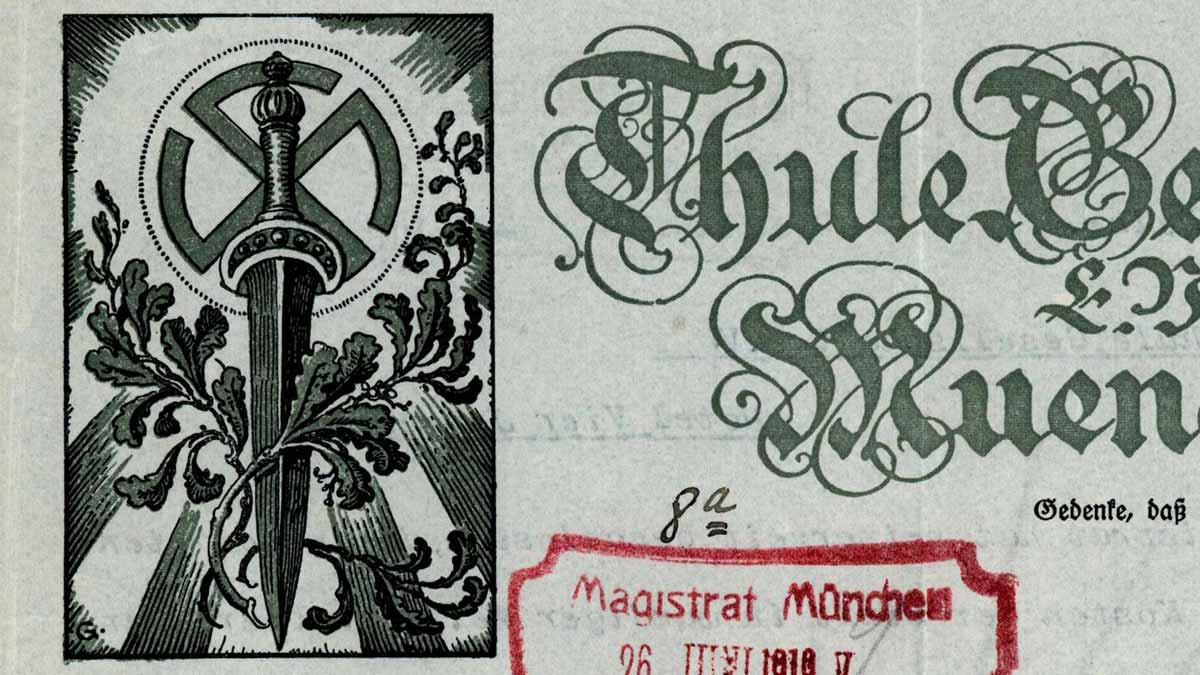
In the years of the Weimar Republic, some future Nazi high-ranking officials did embrace theories circulating among occult societies. Rudolf Hess and Alfred Rosenberg, for example, were involved with the Thule Society, an elusive group preaching racial purity and following pagan practices. On the other hand, Adolf Hitler and other leading Nazis showed skepticism toward some of the more outlandish theories promoted by occult organizations.
There is no denying, however, that the Nazi ideology drew on narratives and myths belonging to fringe science, paganism, occultism, and folklore. Indeed, theories regarding the existence of an Indo-European Aryan race and the continuity between old Germanic rituals and modern folklore were extremely useful as propaganda tools to support the Nazi regime’s geopolitics and ethnic cleansing. At the same time, figures and tropes from Nordic mythology and Roman-era pagan beliefs became a means to promote the idea of racial purity.
In the 1930s, when the Nazi regime launched an anti-Catholic press campaign, the idea of a spiritual regeneration of the German nation through the return to a “pure” Germanic religion, popular among several neo-pagan groups, became a trope in the regime’s battle against a “political Catholicism.”
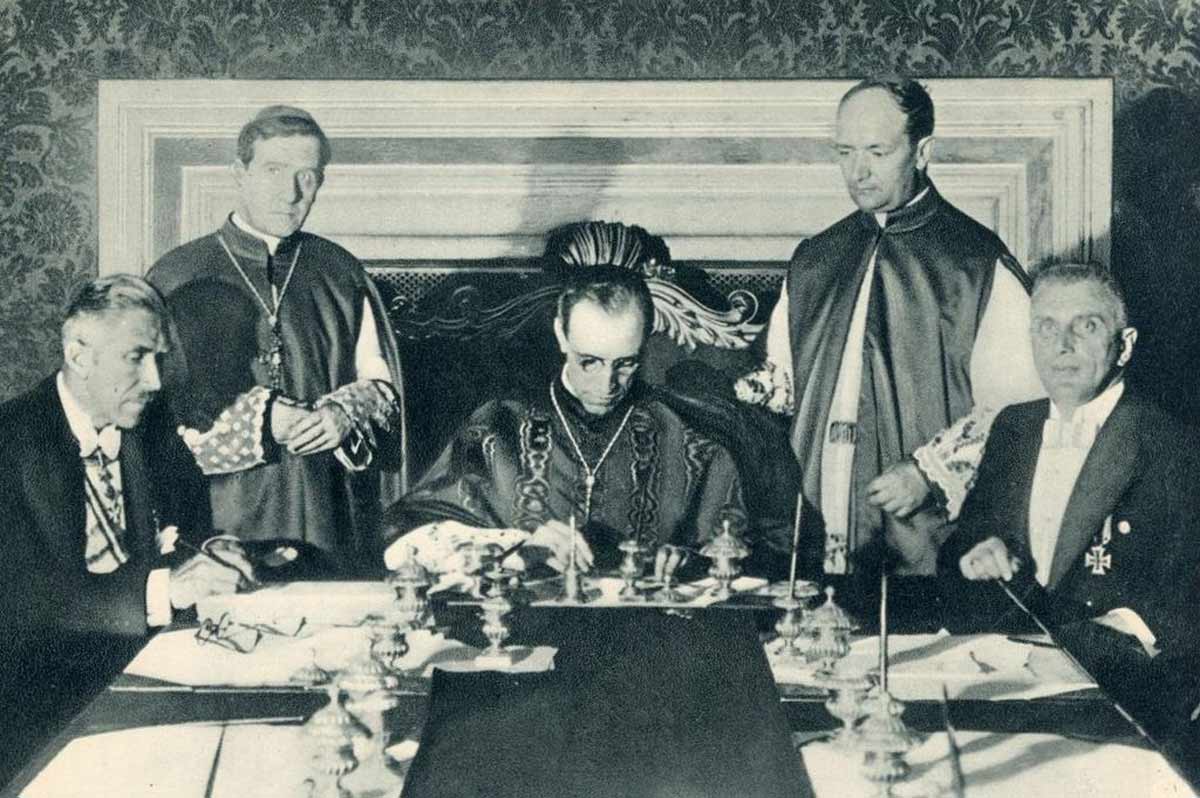
At the beginning of 1933, as the so-called Gleichschaltung (Nazification) of German society began, the regime sought to bring the Christian churches under its control. In July, the Reichskonkordat with the Vatican led to the de-facto subjugation of the Catholic Church. However, some more radical members of the Nazi Party, including Himmler, called for an immediate “de-Christianization” of the Reich. Among Himmler’s efforts to promote the return to a pagan past was the creation of the special division tasked with conducting archival research on witch hunts.
The Hexenkartothek: Researching Witch Trials
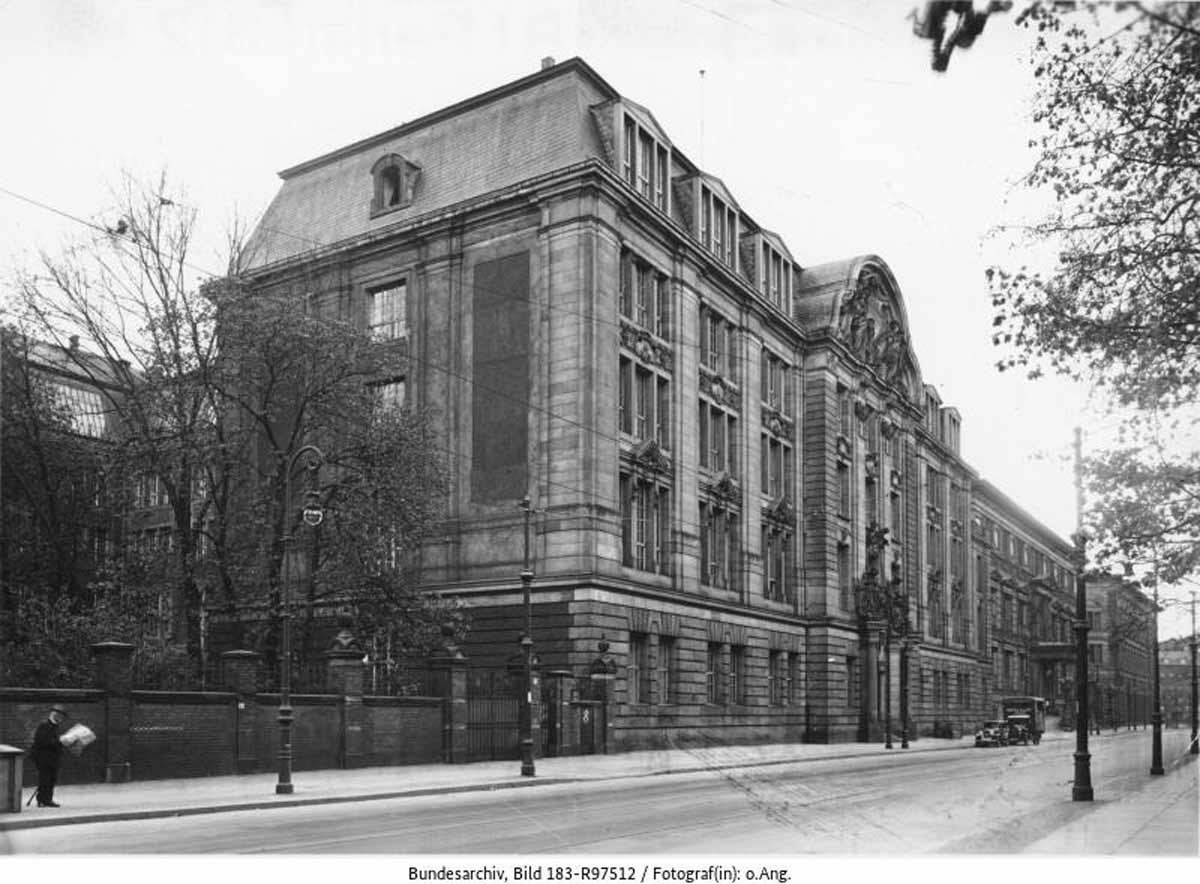
The researchers of the Hexen-Sonderauftrag (Witch-Special Mission), or H–Sonderauftrag, began working in 1935 as part of the Sicherheitdienst. The first report was filed on September 11, 1935. In 1939, the group had its own department in Amt II of the Reich Security Main Office. Finally, in 1941, the H–Sonderauftrag was relocated to the “Ideological Research and Evaluation” office (Amt VII) led by Franz Alfred Six.
Until 1944, the SS researchers collected and studied archival documents and literature regarding the persecution of witches in the territories of the expanding Third Reich and abroad. Some file cards of the Hexenkatothek contain information on witch trials from locations as far as Mexico and India.

Supervised by Dr. Wilhelm Spengler and Dr. Rudolf Levin, the H–Sonderauftrag comprised philologists, historians, theologians, and jurists. A librarian was responsible for the organization of the Hexenkartothek. For nine years, the “witch researchers” scoured about 260 archives and libraries for evidence of the Catholic Church’s alleged systematic persecution of witches. In total, the researchers compiled 33,000 file cards organized into folders by region.
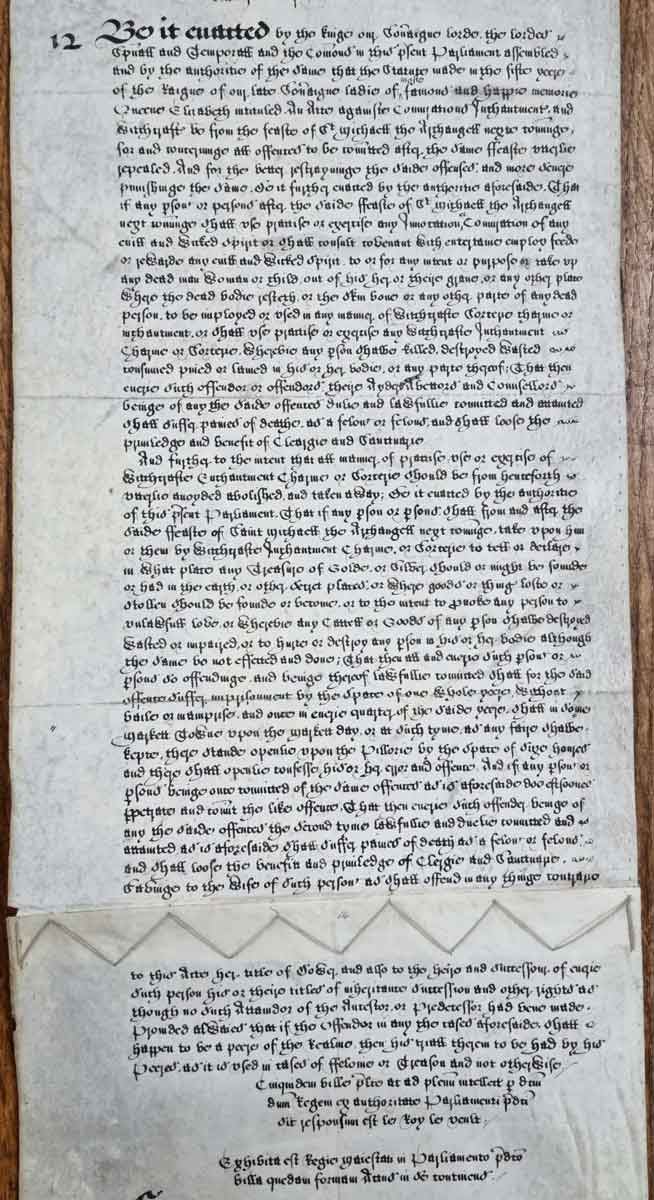
Like all pseudo-scientific units created during the Nazi regime, the H–Sonderauftrag conducted its research on the basis of a series of precise ideological underpinnings. In particular, the main purpose of the “witch researches” was the study of a specific enemy of the Reich: the Catholic Church. Eager to find any possible “evidence” of the alleged culture war waged by the clergy against the Germanic way of life, the members of the H–Sonderauftrag often made no distinction between primary, secondary, and tertiary sources. In several file cards regarding witch trials in England, a text about witchcraft in Renaissance drama is the only cited source. At some point, the group’s researchers even believed that a certain Margareth Himbler, a woman burnt as a witch in a town in Bade-Wüttenberg in 1629, was a direct ancestor of Himmler himself.
The Hexenkartothek & Nazi Ideology
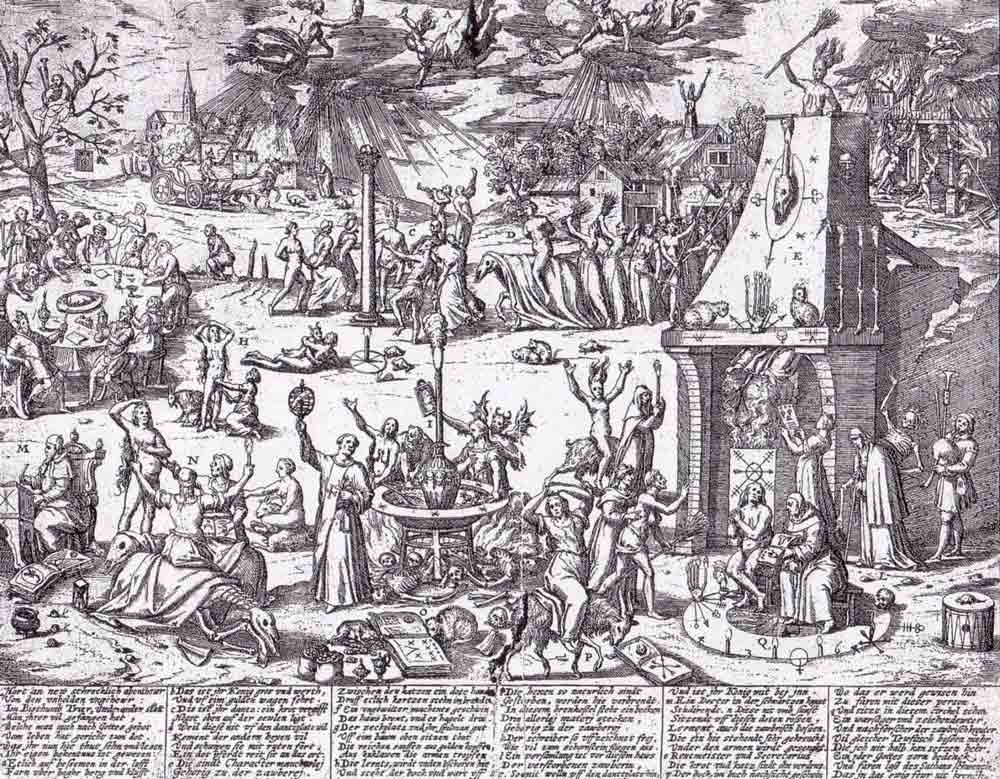
In a 1944 letter to Frank Six, Dr. Levin listed a series of future propagandist projects involving the Hexenkartothek, including essays, brochures, radio programs, and films, with the aim of educating the German public about the mass persecution of witches during the Middle Age and Renaissance. In the previous years, the Nazi regime had already employed references to witches and witchcraft in its propaganda campaign.
In 1934, Joseph Goebbels renamed May 1 (present-day May Day, or International Workers’ Day) “National bank holiday of the German Volk,” declaring: “On May 1 Ancient Germania celebrated Walpurgis Night, the beginning of the twelve consecrated nights of the summer solstice.” The Minister of Propaganda then complained that “all the old customs were changed by the church and branded as magic, witch-craze etc., thus transforming nature symbolism into Oriental demonic spook.” In the same year, the Ministry of Propaganda organized a German Dance Festival in Berlin, which featured a Hexentanz (Witch Dance). But what role did witches play within the ideological structures of the Nazi regime?
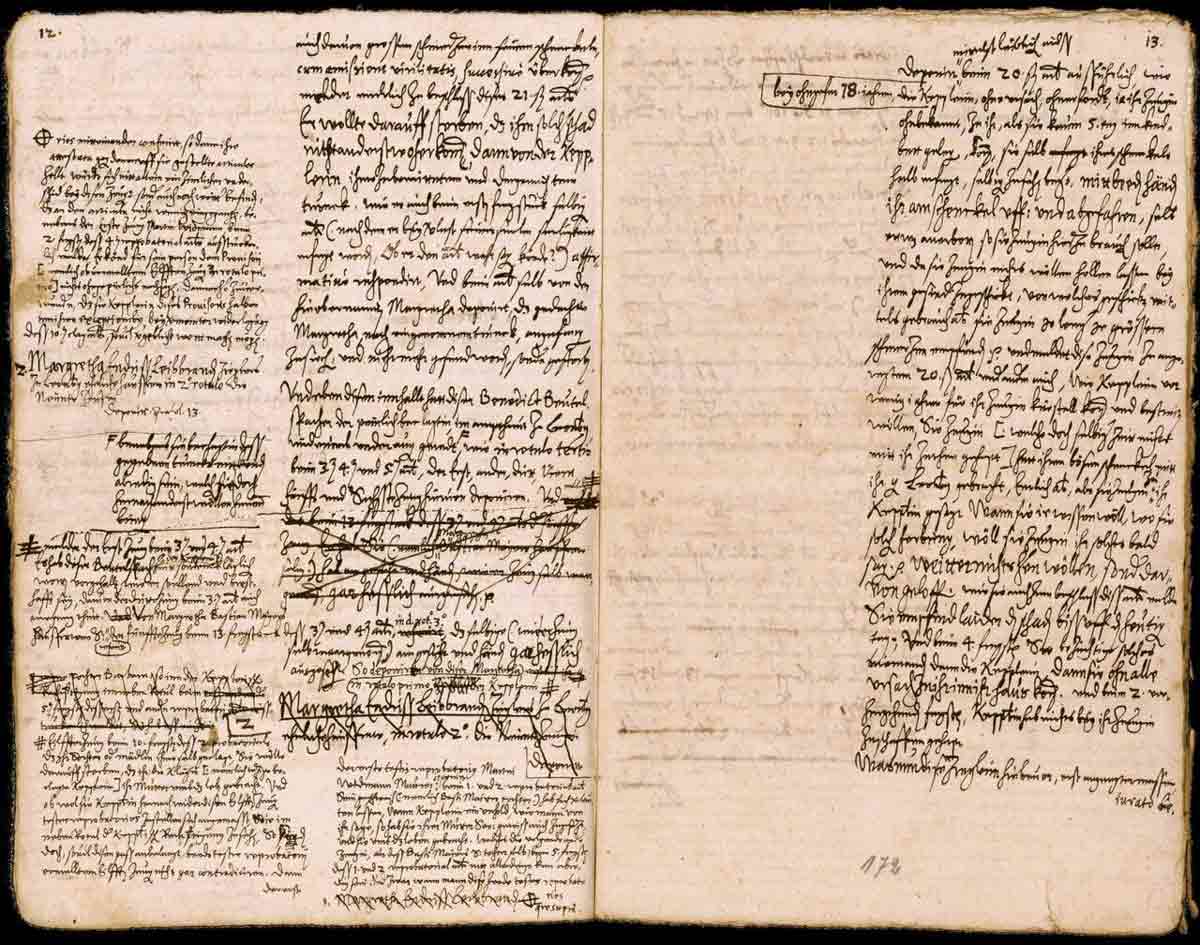
Himmler and Alfred Rosenberg viewed witches as the embodiment of a magical Germanic past characterized by racial purity and an authentic form of spirituality. In this sense, Himmler and Rosenberg claimed the later persecution of witches had marked a crucial step in the formation of a German national (and racial) identity. Indeed, according to this narrative, in the Middle Ages and Renaissance, a “Jewish-Catholic” plot had targeted witchcraft exactly because witches were living reminders of an ancestral Germanic culture. “Only insofar as he is free, the Teuton can be creative, and centers of European culture could emerge only in areas devoid of the witch craze,” wrote Rosenberg in his 1930 The Myth of the Twentieth Century.
The Nazi leaders’ view of witches and witchcraft was heavily influenced by a series of works that had widely circulated among right-wing circles after World War I. In particular, German racialists were fascinated by Jules Michelet’s portrayal of witches as vestiges of an untainted primeval world in his 1862 La sorcière (The Witch). The Grimm brothers’ Deutsche Mythologie (German Mythology), written in the backdrop of the Napoleonic Wars, was also a fundamental reading for German nationalists angered by the country’s defeat in the First World War and the terms of the 1919 Versailles Treaty.
The Legacy of the Hexenkartothek
After World War II, as news of the Holocaust began to emerge, scholars believed the Nazis had compiled the Hexenkartothek to study torture methods of the past, with some even speculating the witch persecution had partially inspired the Nazi regime’s horrific crimes. Only later did the ideological and propagandist project behind the creation of the archive become clear.
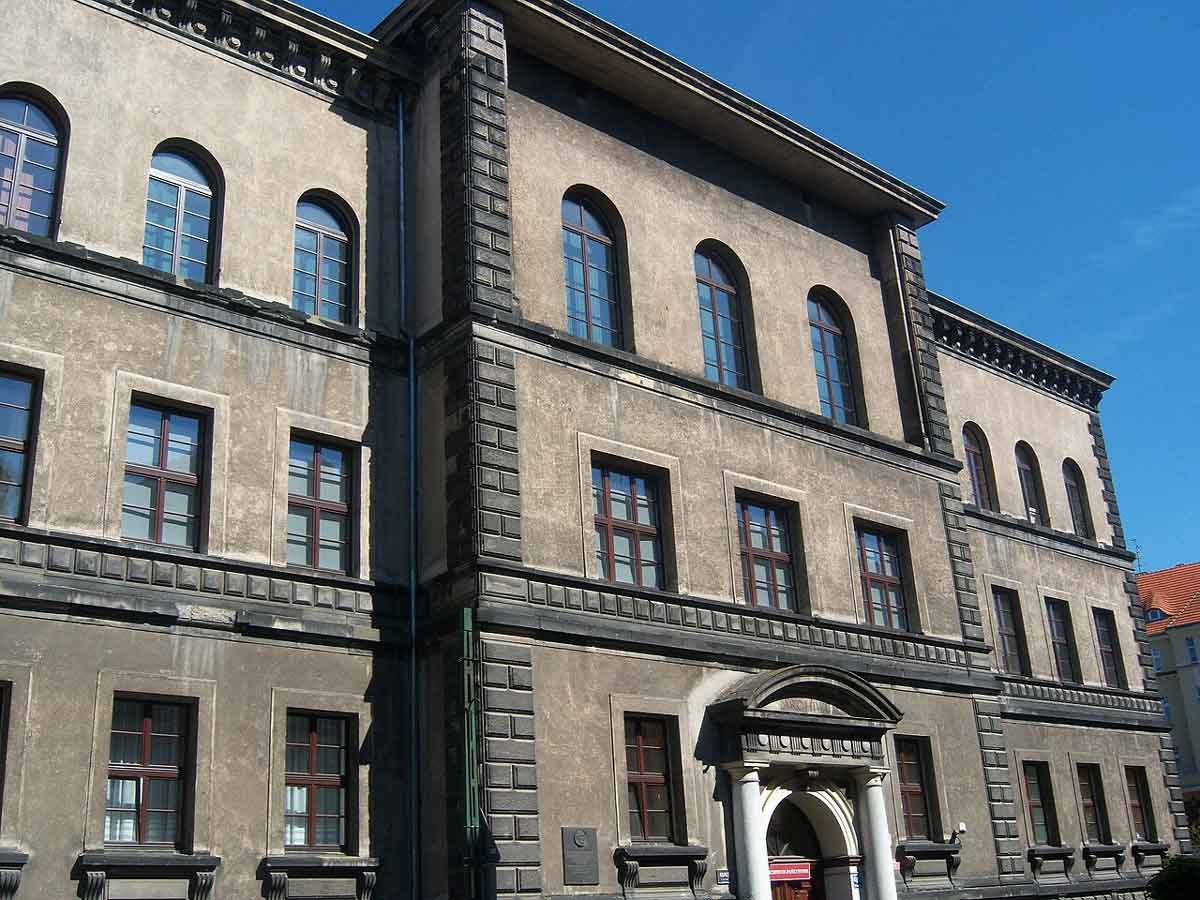
Today, the Hexenkartothek is kept in the Polish National Archive in Poznań. While the documents of the collection have little value as sources for future research on witch trials, the Hexenkartothek is a useful object of study for those who wish to explore the ideological underpinning of the Nazi regime.