
Reoccurring plagues, the Reformation and the English Civil War left little respite from violence, death, and paranoia in early-modern England. The most vulnerable members of society, usually elderly, impoverished, or widowed women, were often scapegoated for these misfortunes. Tragedies exacerbated local gossip accusing spinsters of bewitching those better off. English print culture simultaneously exploded during this time. Witch pamphlets and books detailing witch accusations, trials, and executions became coveted tabloids. As such, for two centuries witchcraft trials scandalized yet morbidly fascinated English populations.
Chelmsford Witch Trials, Essex (1566)
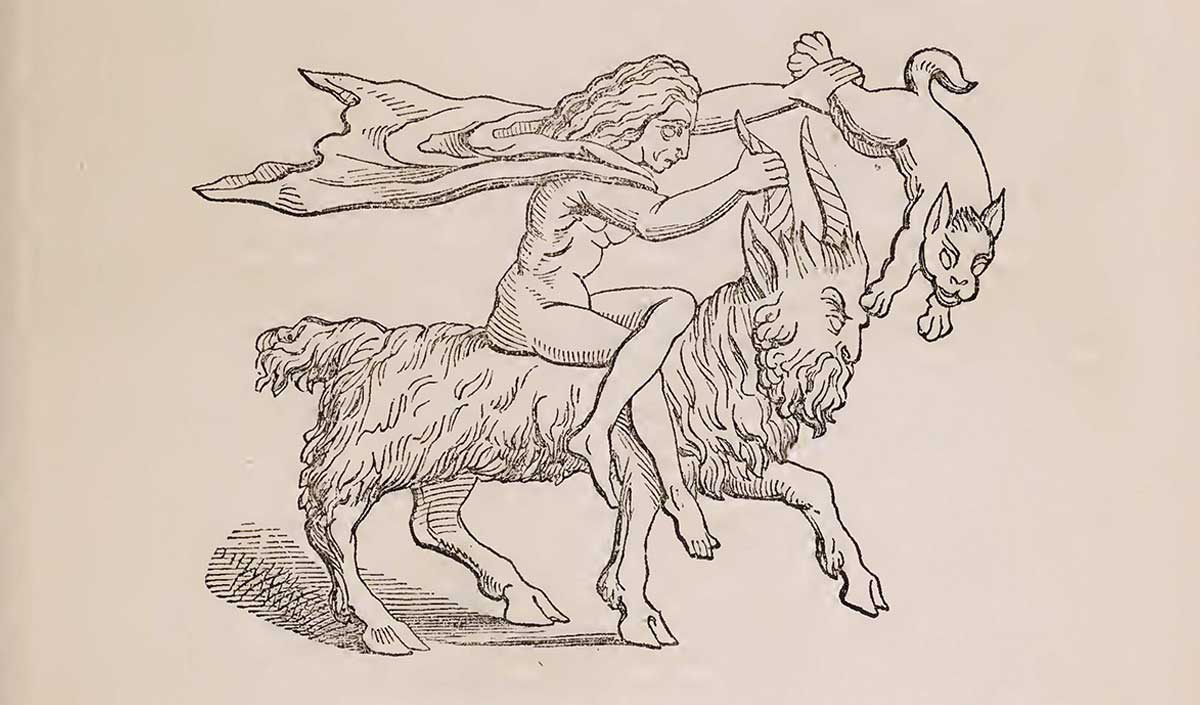
Agnes Waterhouse’s trial remains one of the most famous English witchcraft cases. Her chief accuser was her 12-year-old neighbor who claimed she commanded a demonic spirit to commit murder. The child claimed a demonic dog with an ape face and horns threatened and pressured her to commit suicide, motioning to Agnes’ home to indicate his owner. Agnes’ sister Elizabeth and daughter Joan were arrested shortly after. Village rumors erupted, claiming Agnes and Elizabeth inherited a familiar, a cat named Sathan, from their grandmother who taught them black magic. Under torture, Agnes pled guilty to these charges and admitted to using this demonic spirit to kill livestock, bewitch her neighbors, and murder her husband. In return for her confession, her daughter was acquitted.
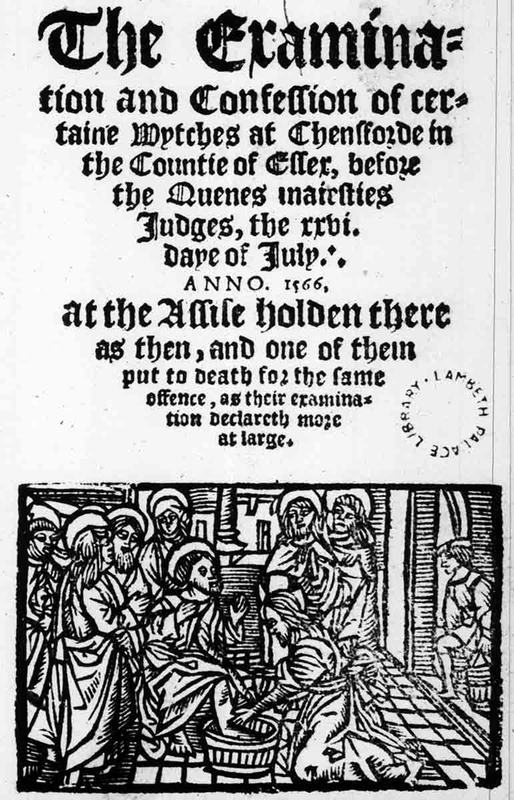
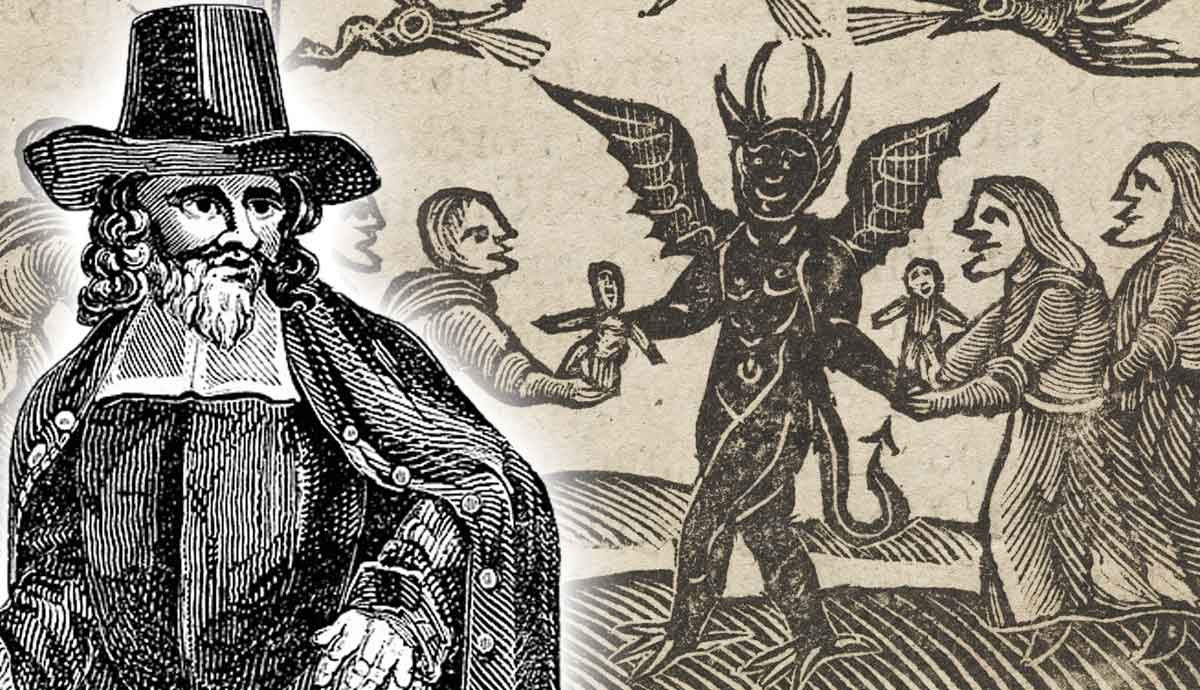
English populations were scandalized by Agnes’s trial because she was the first person executed under a new Witch Act from 1563 that enforced the death penalty on murder convictions committed by witchcraft. Executed two days after her confession, witchcraft pamphlets immediately sensationalized the trial. Exaggerated eyewitness accounts presented local rumors as evidence. Readers were spooked by morbid drawings of the demonic creatures that filled the pages alongside crude depictions of her that emphasized her age and poverty.
St. Osyth Witch Trials, Essex (1582)
The St. Osyth Witch Trials in 1582 were one of the first instances where local hysteria, gossip and prejudice erupted into a village-wide witch hunt. This began when personal vendettas targeted Ursula Kempe, a poor and unwed single mother and healer. First adored for her talent to remove hexes, this same skill later served as damning evidence that sent her to the gallows. The Thurlowe family first accused Ursula. They claimed she bewitched and murdered their infant daughter in retaliation for not being hired as the infant’s nursemaid. After shorting Ursula payment for additional treatments, the Thurlowe’s had her arrested, catalyzing local rumors against Ursula and her unconventional ways.
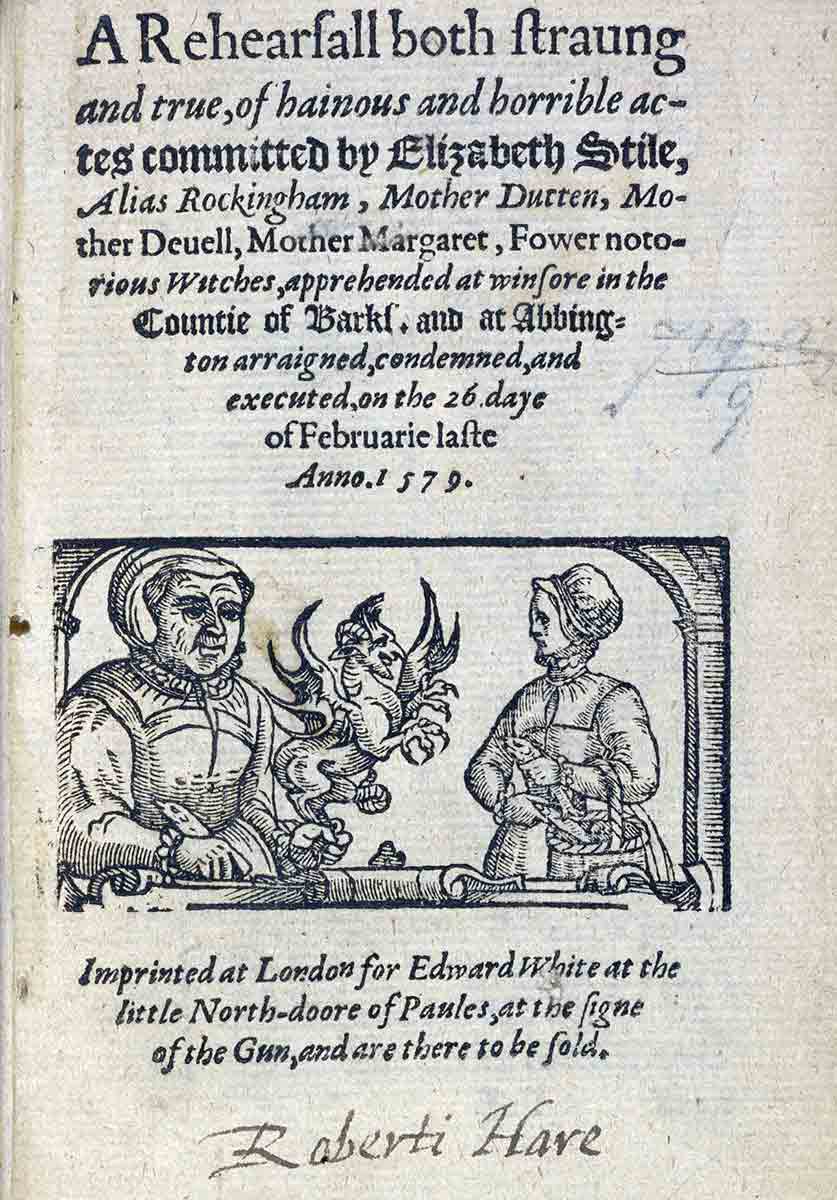
After the local magistrate forced Ursula’s eight-year-old son to testify against her, she confessed to all crimes from hindering beer production, and nursing demonic familiars, to killing the Thurlowe baby. Despite being promised clemency for confessing, she was sentenced to death. In response, Ursula settled her own scores by naming and accusing multiple women as fellow witches. This spiraled into a massive trial including fourteen alleged witches, resulting in four guilty convictions and two executions. Also tried in Chelmsford, Essex soon became the epicenter for witchcraft paranoia and England’s most violent, dramatic, and infamous witch-hunts.
Warboys Trials, Cambridgeshire (1589-1593)
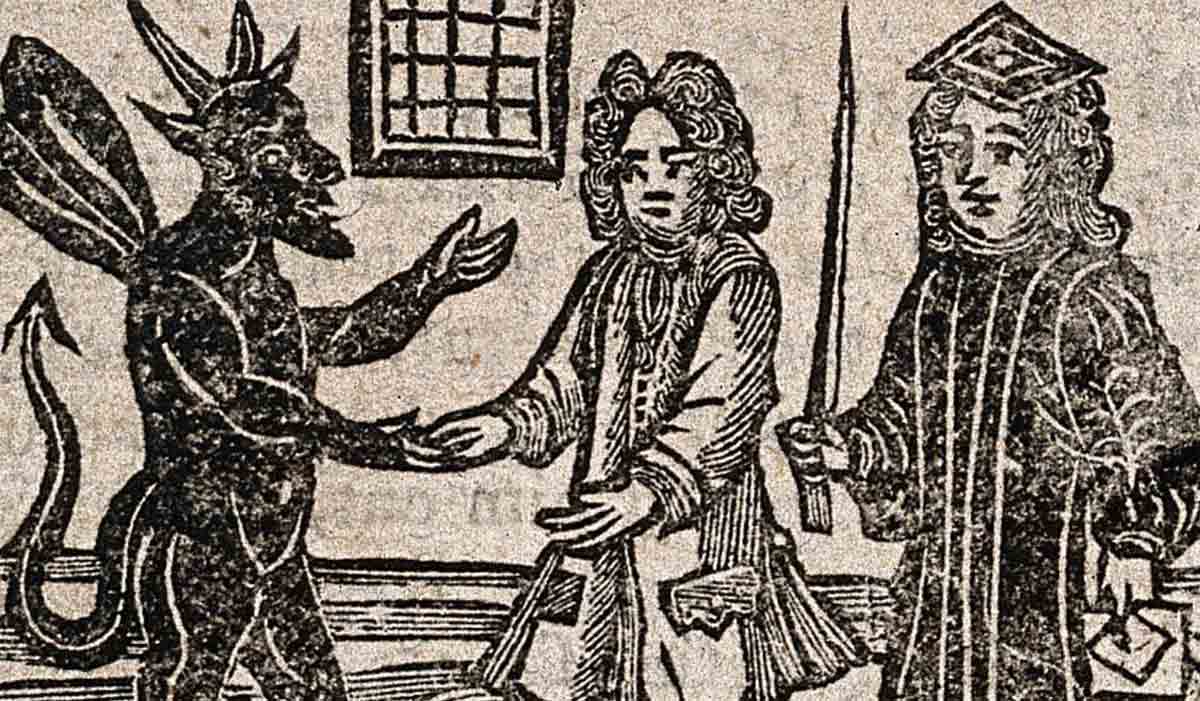
Most historians agree that the Warboys case is the most famous witchcraft trial of the 16th century. Alice Samuel and her family were executed for murdering one of the wealthiest commoners in England. The daughters of the local squire Robert Throckmorton first accused Alice. Robert’s daughters and servants began experiencing signs of possession with violent fits, convulsions, and trances. When Alice joined her neighbors to visit and care for the girls, one of the daughters attacked Alice and claimed she hexed them. Throckmorton turned to his friends Sir and Lady Henry Cromwell, the future grandparents of Oliver Cromwell, for help. Lady Cromwell agreed to interview Alice. But shortly after their meeting, Lady Cromwell began suffering night terrors, fell ill, and died.
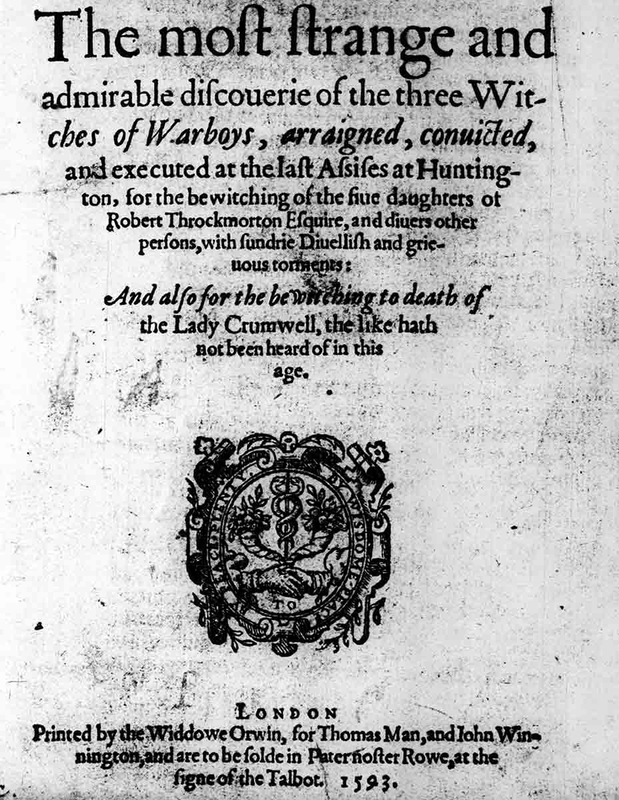
The next day, a local clergyman pressured Alice into admitting she was a witch. Despite retracting the statement, Alice, her husband, and daughter were arrested, tried, and hung for the murder of Lady Cromwell on April 4, 1593. Afterwards, their bodies were searched for witch marks. Executioners found a small mark on Alice’s corpse, further proving her satanic acts. Alice’s trial became one of the most sensationalized cases covered by witchcraft pamphlets. Audiences were stupefied by how a lower-class family managed to threaten one of the most powerful local families through demonic powers and witchcraft.
Pendle Witch Trials, Lancashire (1612)
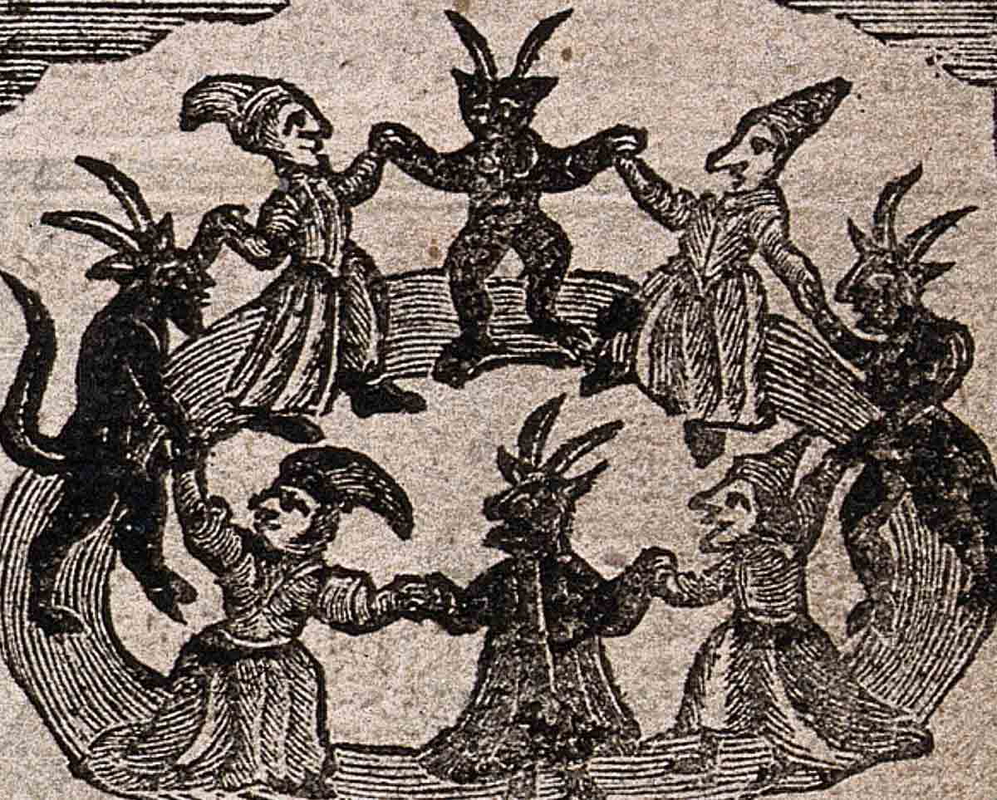
The Pendle trials remain one of England’s most notorious witchcraft cases. These trials alone account for 2% of all witches executed in England. For decades, two rival families became known for their alleged witchcraft practices. Both impoverished, one was led by Elizabeth Southerns, nicknamed “Old Demdike”, and the other by Anne Whittle, who was called, “Mother Chattox”. Accusations began when Alizon Device, a Demdike, confessed to bewitching a villager, John Law, who rejected her peddling.
Her confession implicated Mother Chattox, who also admitted to being a witch, accidently implicating both families. Generations of members began accusing one another of murders, animal abuses, hexes, and demonic celebrations. During the initial investigations, Alizon’s brother James was also arrested for allegedly holding a witch sabbath at the nearby Malkin Tower.
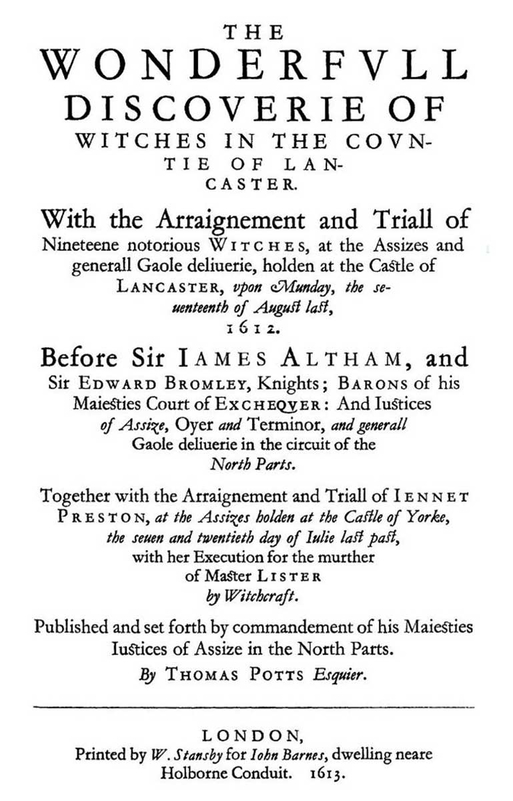
After Old Demdike died in prison, the most damning evidence came from her nine-year-old granddaughter Jennet. While Jennet was meant to provide eyewitness testimony about Malkin Tower, she instead implicated her whole family. She recounted them convening with spirits, flying on ponies, holding sabbaths, making hexing dolls, and plotting to kill the local governor. Accounts detail how her mother, Elizabeth, reacted so viscerally to her daughter’s testimony that she was removed from court. On August 20, 1612, ten members the Chattox and Demdike families were executed. Capitalizing on recent witchcraft hysteria triggered by James I and the failed Gunpowder Plot, Thomas Potts published his firsthand account of the trial from his involvement as the court clerk.
Bideford Witch Trials, Devon (1682)
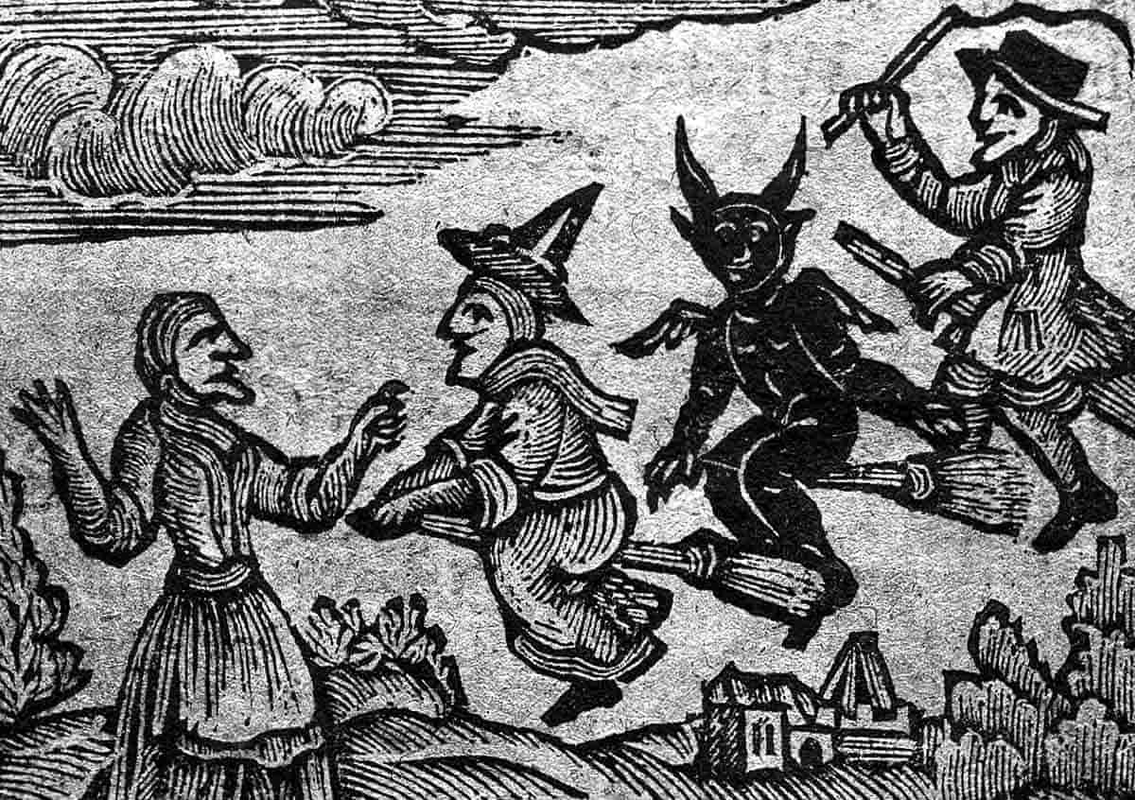
One of the last well-known trials ended with three executions. Previously acquitted, Temprance Lloyd was once again accused of witchcraft by a fellow villager, Anne Wakely, in 1682. Anne claimed to have seen Temperance nurse demonic spirits, summon a crow-shaped familiar, and cause illness against a neighbor. This triggered a series of rumors accusing Temperance of all forms of curses and violence. For instance, William Herbert swore on his deathbed that Temperance was responsible for his ill fortune. Accusations began targeting other poor, widowed, or abandoned women like Susan Edwards and Mary Trembles. Multiple witnesses claimed to have overheard them discussing their sexual escapades with demons and plots to harm others. During Mary’s questioning, one accuser even collapsed in a shaking fit, further condemning her.
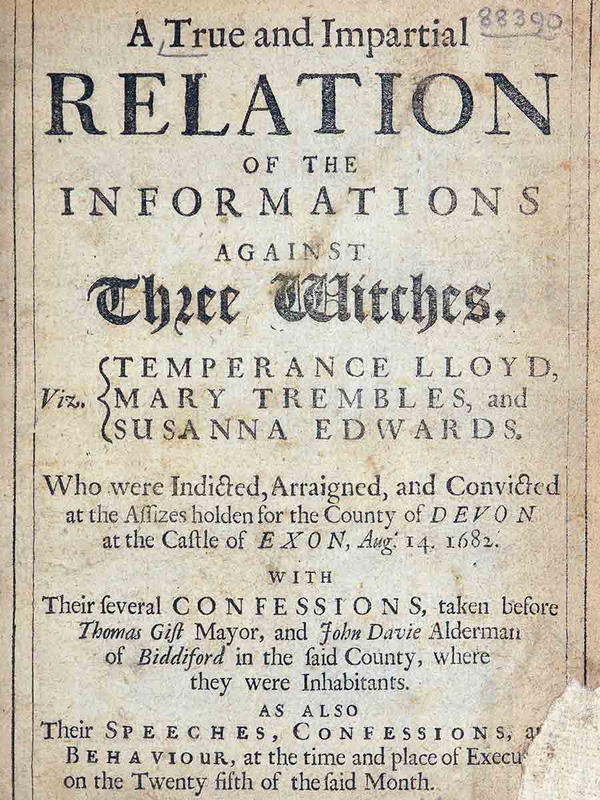
After being brutally interrogated and searched for witch marks, Mary pled guilty to witchcraft but blamed Susan for initiating her to work with the devil. Likewise, Susan admitted to witchcraft but blamed her actions on Temperance. Temperance instead confessed to nursing demons, shapeshifting into a cat, and killing multiple people. They were hanged on August 25, 1682. English populations were shocked that such trials occurred in Devon. But decades of instability prolonged by the English Civil War and constant plagues, made it easy for communities to scapegoat their most detested populations.