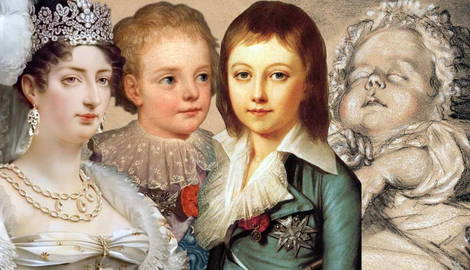

Until 1789, Marie Antoinette and Louis XVI ruled as absolute monarchs over France, one of the major European powers in the late 18th century. However, the increasingly violent French Revolution first limited royal power, then removed it completely. The revolutionary government eventually executed both Louis and Marie Antoinette as traitors. Before her death, the queen watched as her children suffered, leaving only one to survive the upheaval of the revolution. From the tragic early deaths of three heirs to the long exile of the eldest daughter, here is the fate of the four French royal children.
| Name | Lifespan | Key Details |
|---|---|---|
| Marie-Thérèse Charlotte | 1778–1851 | Eldest child, survived the Revolution, exiled, died of pneumonia. |
| Louis Joseph | 1781–1789 | First dauphin, died of tuberculosis of the spine. |
| Louis Charles | 1785–1795 | Became Louis XVII, died of tuberculosis in Temple prison. |
| Sophie Hélène Béatrice | 1786–1787 | Youngest, died as an infant. |
Marie-Thérèse Charlotte (1778-1851)
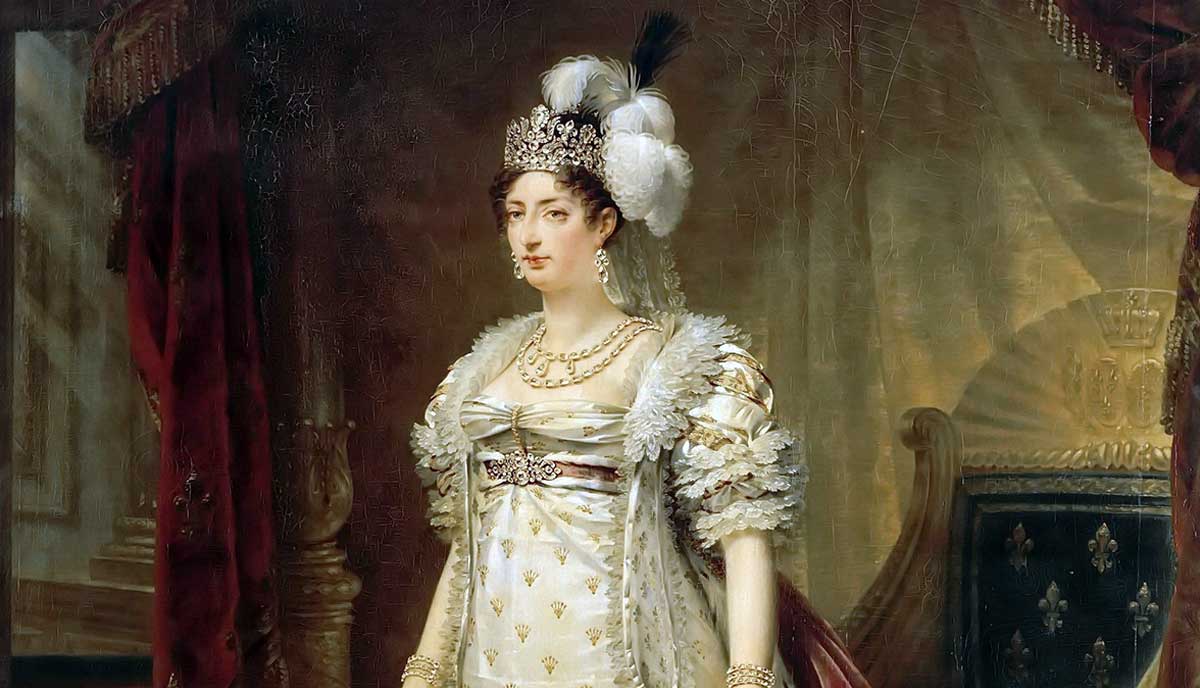
Marie Antoinette named her first child, a daughter born in 1778, after her mother. Marie-Thérèse Charlotte, also known as Madame Royale, lived in the luxurious Palace of Versailles until the French Revolution. Separated from her parents a few years later, she also wound up in prison. Marie-Thérèse’s sentence became permanent exile.
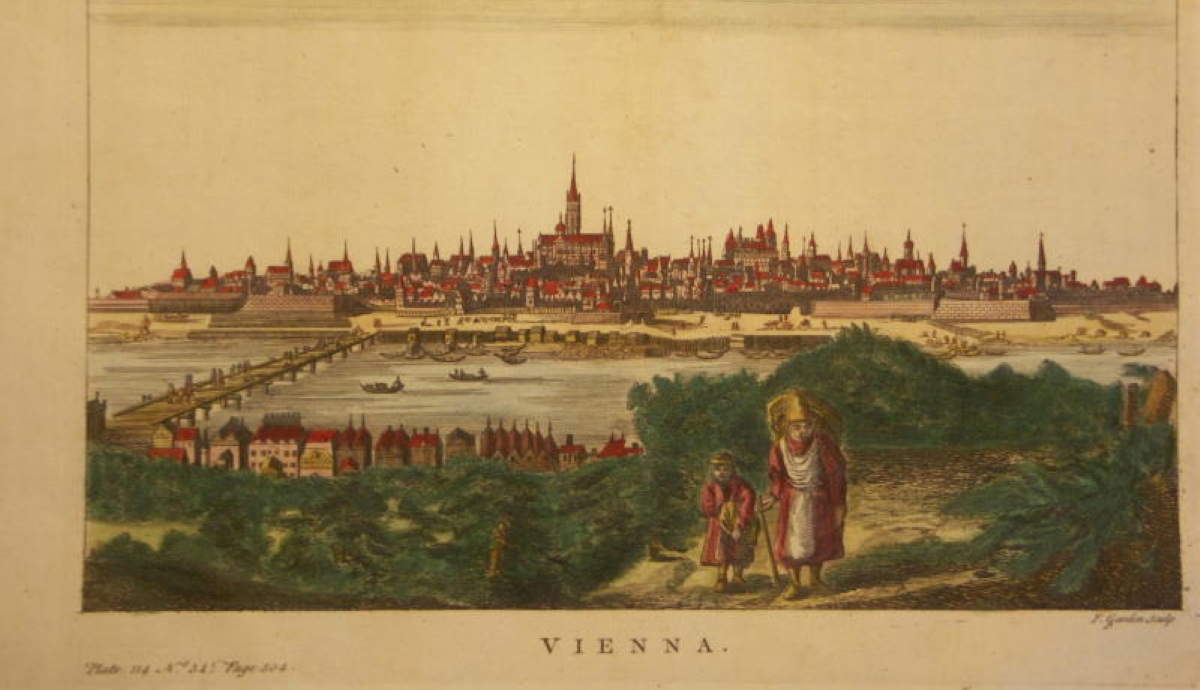
In 1795, Austria negotiated her release from France. She then fled to the imperial court of Austria’s Emperor Francis II in Vienna. In 1799, the princess married her cousin, Louis Antoine d’Artois, who was living in Latvia. Marie-Thérèse became the Duchess of Angouleme.
The military defeat of Napoleon Bonaparte ushered in a return to the French monarchy. Marie-Therese’s uncle, Louis XVIII, took the throne, followed by Louis’ younger brother, Charles X, in 1824. The inauguration of the new king elevated Marie-Thérèse to the rank of Dauphine of France.
A second revolution in 1830 overthrew the existing monarchy and installed Louis Philippe I as the new king. Marie-Thérèse had to flee her home once again. After the death of Charles X in exile in 1836, many referred to Marie-Thérèse as the rightful “Queen of France.” Meanwhile, she lived in various locations, including Great Britain and the Austrian Empire.
Yet another revolution established a second French Republic in 1848, and Louis Napoleon became its president. Marie-Thérèse watched from afar as another French monarchy was abolished. In 1851, Louis Napoleon seized absolute power in a coup d’etat. One year later, he declared himself emperor, as his uncle Napoleon Bonaparte had done.
However, Marie-Thérèse never lived long enough to see Louis Napoleon become Emperor of France. In 1851, at the age of 73, the first daughter of Marie-Antoinette passed away after complications from pneumonia near Vienna.
Louis Joseph Xavier François (1781-1789)
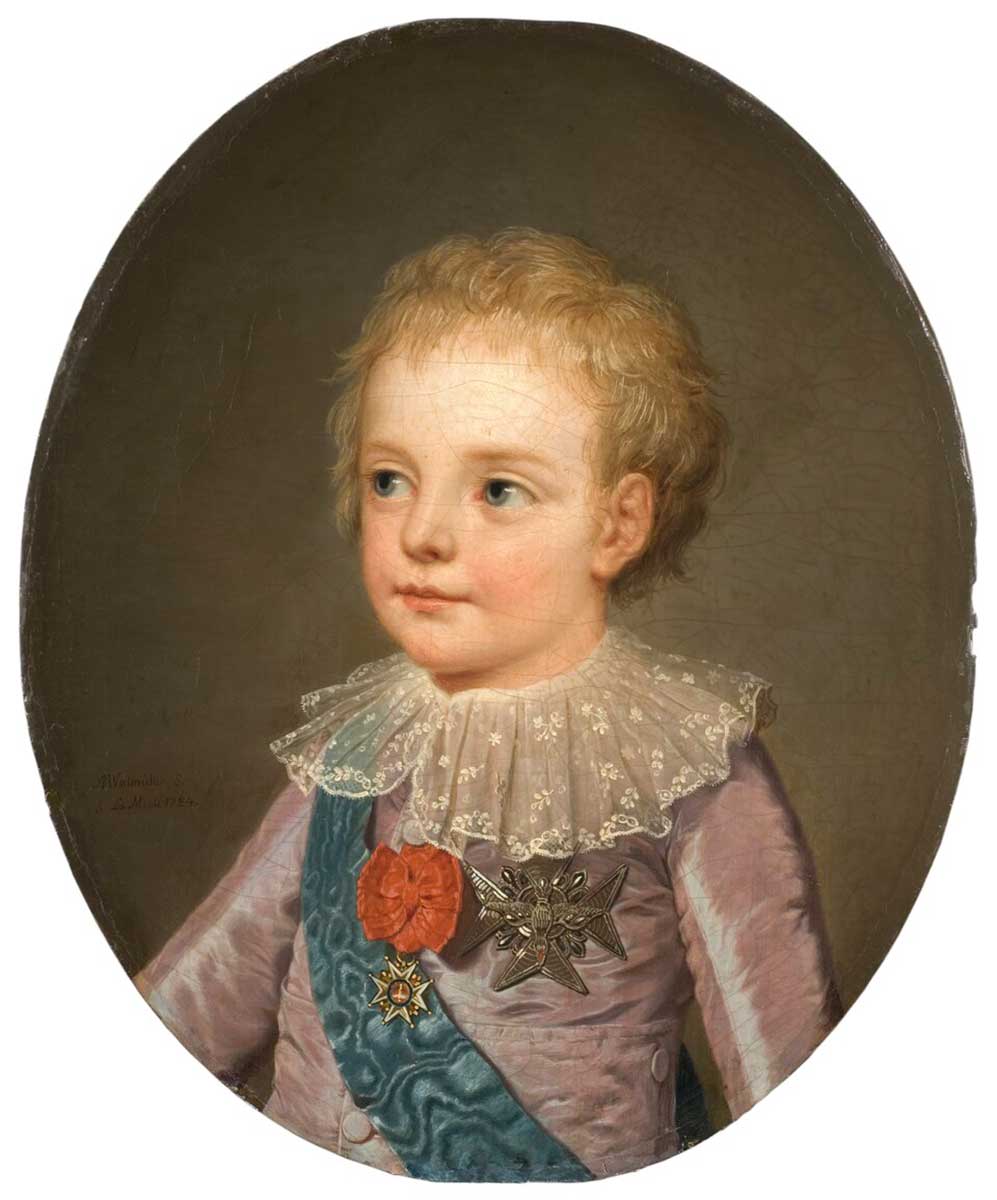
After delivering her first child in public, with more than 200 people watching, Marie Antoinette gave birth to Louis Joseph in front of a smaller crowd of onlookers. Only trusted ministers and advisors witnessed the birth of the royal son. The result was a much easier ordeal for the queen than her first child.
Louis Joseph was to be the heir to the French throne and was known as the “first dauphin.” Unfortunately, Louis Joseph became ill at a very early age. At only three years old, he developed a series of high fevers. Royal physicians then discovered that Louis Joseph had signs of tuberculosis of the spine.
There was no cure for tuberculosis during this period. Medical care focused on easing symptoms of the disease, rather than on effective treatment. Louis and Marie Antoinette watched helplessly.
The family decided that it would be best for the dauphin to spend time away from the busy court life at Versailles. His parents sent Louis Joseph to the countryside, where it was thought that the better air quality would restore the boy’s health. However, he continued to worsen.
Louis Joseph developed a curvature of the spine, which hindered his ability to walk. He was made to wear iron corsets to prevent further deformity of the spine. Still a young child, Louis Joseph was likely aware of his slim chances of survival.
The death of Louis Joseph at just seven years old dealt a severe loss to Marie Antoinette. That the death occurred while the French Revolution was just getting underway made it even more difficult for the royal family to cope. Indeed, he passed away on June 4, 1789, just 40 days before the storming of the Bastille.
Louis Charles (1785-1795)
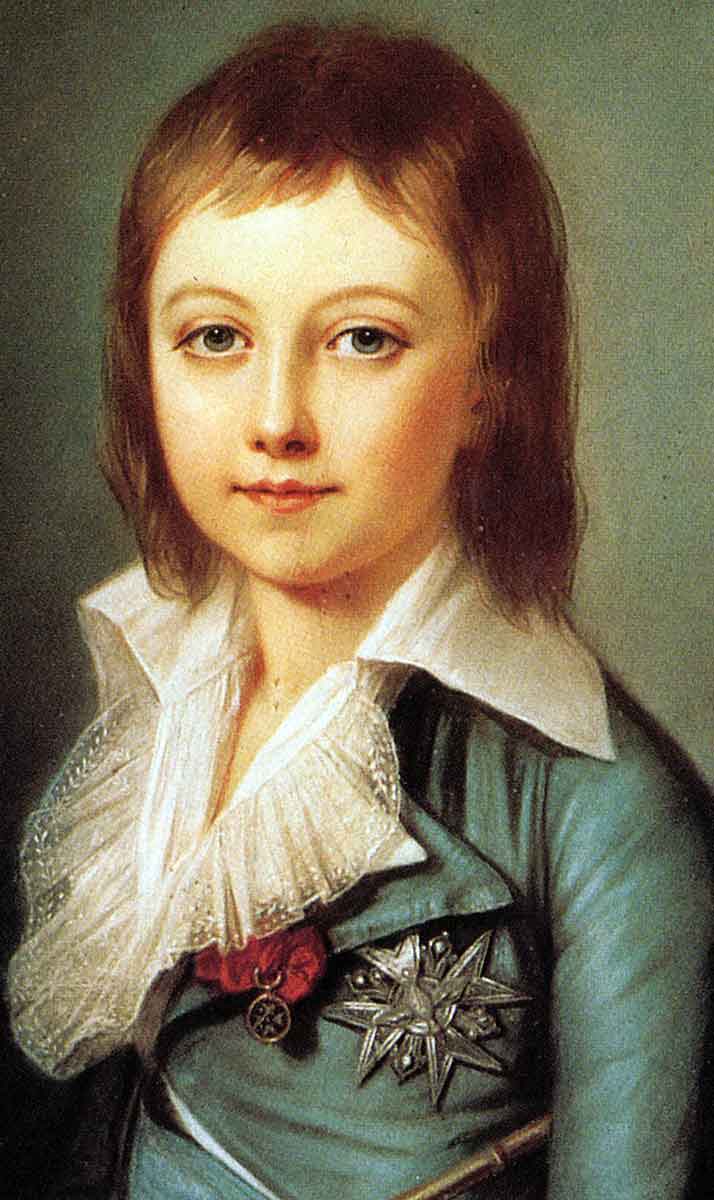
The first years of Louis Charles’ short life were spent in royal luxury. Like his older siblings, he enjoyed the privileges of Versailles. But tragedy struck quickly, changing his fortunes forever.
In June 1789, his older brother Louis Joseph died. That death instantly turned Louis Charles into the dauphin, next in line to be king. Just two months later, the French Revolution erupted. For the next few years, Louis Charles’ parents were consumed with dealing with grief over the death of their son and growing unrest in the country.
After leaving the vast Palace of Versailles in late 1789, the royal family was forced to live in the Tuileries Palace in Paris. On August 10, 1792, revolutionaries stormed the palace and then sent Louis Charles and his family to live as prisoners in a medieval fortress, known as the Temple prison. After his father’s execution in early 1793, Louis Charles became Louis XVII, recognized by royalists throughout Europe as the new king of France.
Now a widow, Marie Antoinette cared for her children until shortly before her own execution later in 1793. The care of Louis Charles was then transferred to a revolutionary shoemaker named Antoine Simon. Simon’s role was to educate the young dauphin in the Temple prison. Specifically, his job was to push Louis Charles to renounce his own royalty. This education included testifying against his own mother during her trial.
Louis Charles remained a prisoner living in reportedly filthy conditions. As a result, his health deteriorated, and he became seriously ill, as the French Republic negotiated transferring him to Austria. In 1795, Louis Charles died in prison of tuberculosis. He was only ten years old.
Sophie Hélène Béatrice (1786-1787)
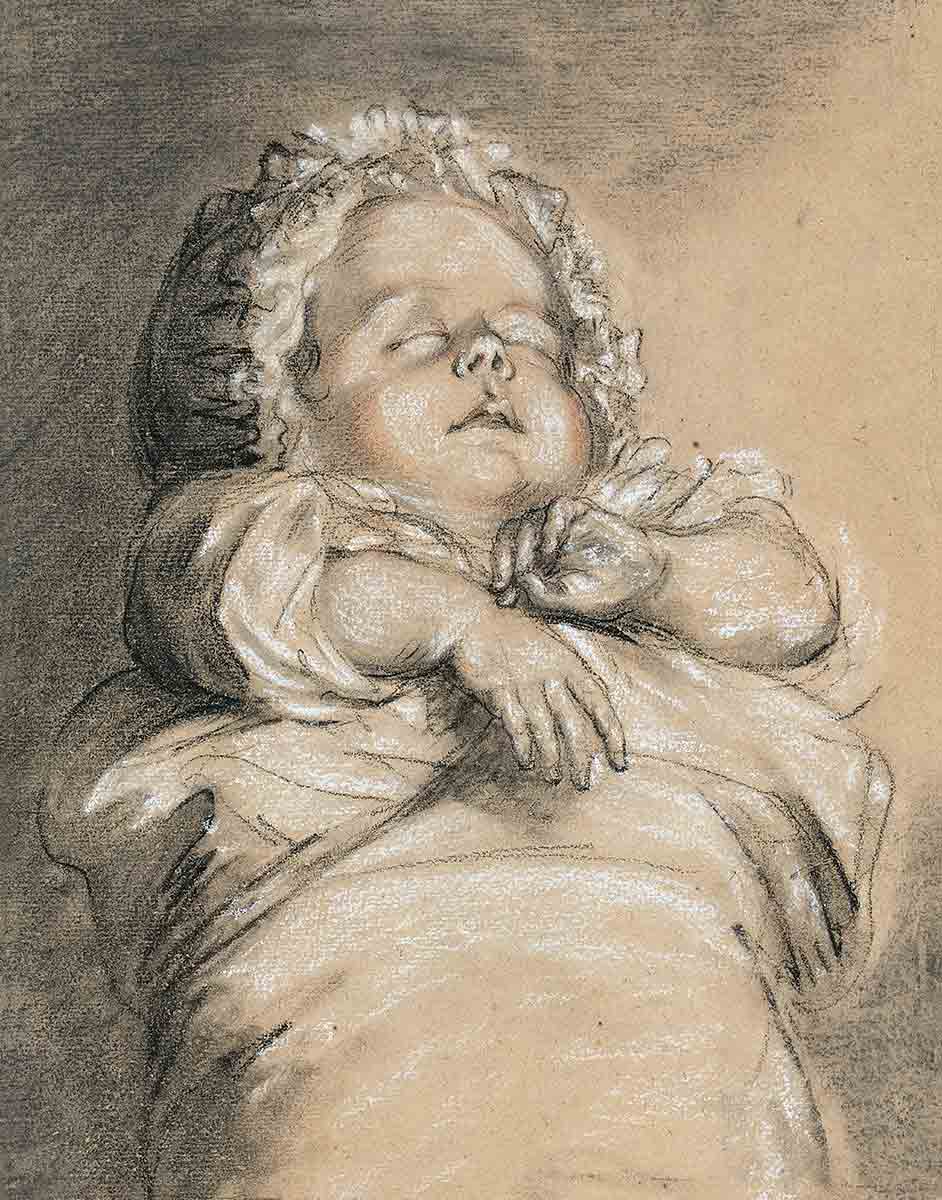
Within a family full of tragedy, Sophie Hélène’s fate may be the saddest. The last child of the royal family lived for less than a year. Even her birth created controversy. Some claimed the father of the baby was not Louis XVI. However, the king was delighted by the birth of his youngest daughter.
Like her older siblings, Sophie Hélène died from tuberculosis. Her last days were painful. For four days, the princess suffered severe convulsions, apparently brought on by teething. Louis XVI wrote in his diary that he canceled a hunting trip due to his daughter’s illness, an unusual thing for a king to admit in those days.
The governess of the royal children and close friend of Marie Antoinette, the Duchess de Polignac, had been on vacation when Sophie Helene fell ill. Her steadying absence complicated the family’s efforts in dealing with the sudden loss.
An autopsy revealed that the baby was underdeveloped. She had been born premature. The funeral and burial rites were simple and inexpensive. During an economic downturn in France, as well as the premature death of a baby and a girl, there wasn’t an elaborate ceremony performed.
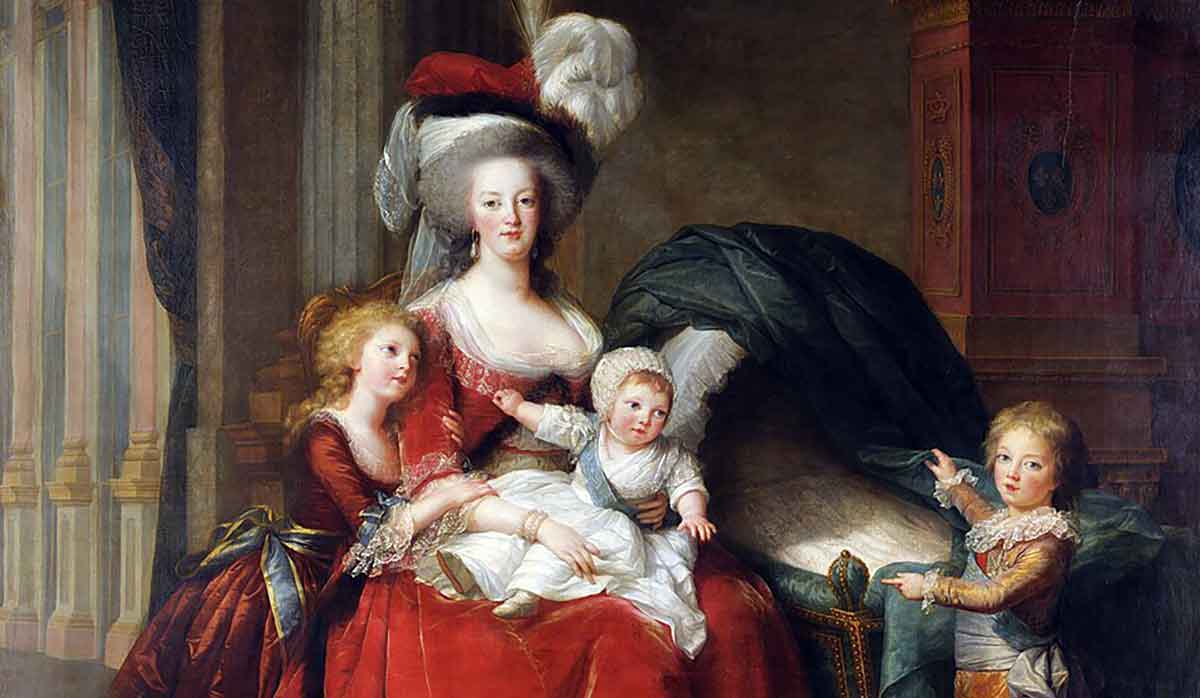
The queen was devastated. Faced with the queen’s grief, painter Élisabeth Vigée Le Brun erased Sophie Helene from a new family portrait she was working on. Instead, an empty cradle surrounded Marie Antoinette and her other children.
Marie Antoinette’s foster brother, Joseph Weber, visited France to try to comfort the queen. He suggested the young baby would not yet have formed a close attachment to her mother. The inconsolable queen replied: “Don’t forget that she would have been my friend.”
Aside from Marie-Thérèse Charlotte, all of Marie Antoinette’s children suffered from difficult illnesses and early death. In the case of Louis Charles, the French Revolution had a direct impact on his demise. Sadly, Marie Antoinette went to her execution still grieving the loss of her husband and two children, while never knowing the ultimate fates of her two surviving offspring.
The Background: The Royal Family and the French Revolution
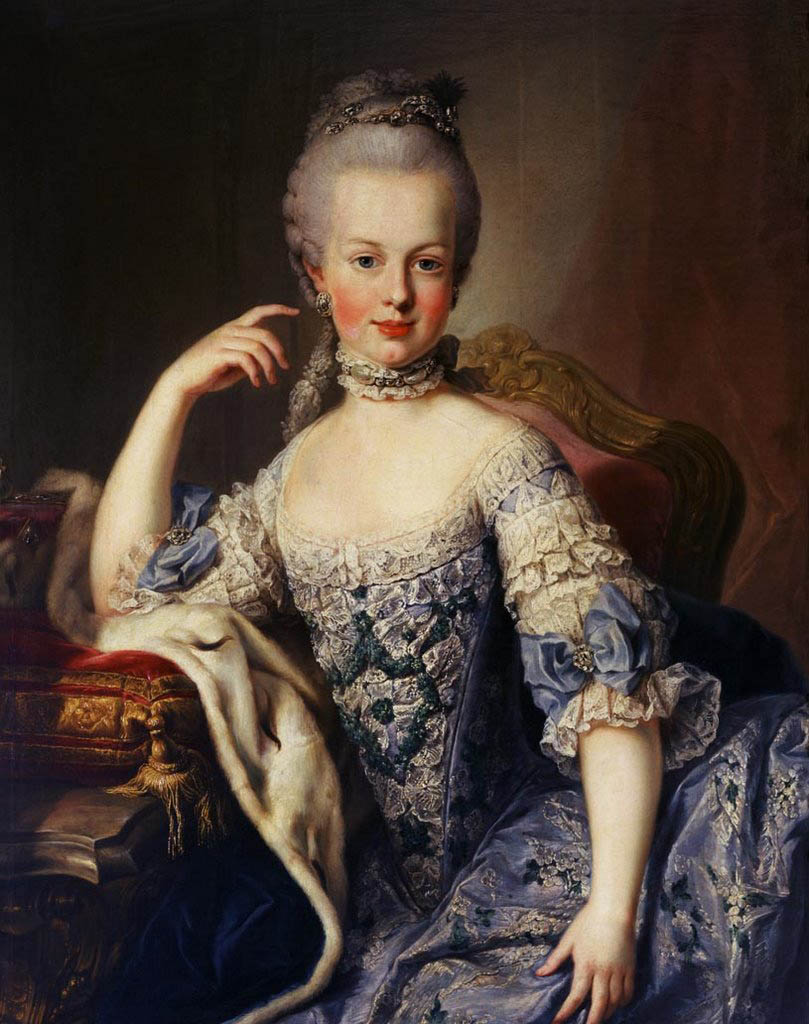
As Louis XVI and Marie Antoinette grew their family, political forces rose against the French monarchy, resulting in the transformative and violent French Revolution. France in the late 1780s was heavily in debt, spending lavishly on endless wars, particularly against Great Britain.
The royal family became increasingly unpopular, especially Marie Antoinette, who was a foreigner from Austria and married into the French royal family. Many people viewed the queen as an outgoing woman who loved going to parties and gambling. Meanwhile, the public viewed her husband as a shy, weak leader lacking in leadership skills.
The growing debt problem forced Louis XVI to call for a meeting of representatives in Paris to decide how to fix the financial mess. During the 1789 meeting, many representatives broke away and formed the National Assembly. The Assembly demanded a series of reforms, including changing France politically from an absolute monarchy to a constitutional monarchy.
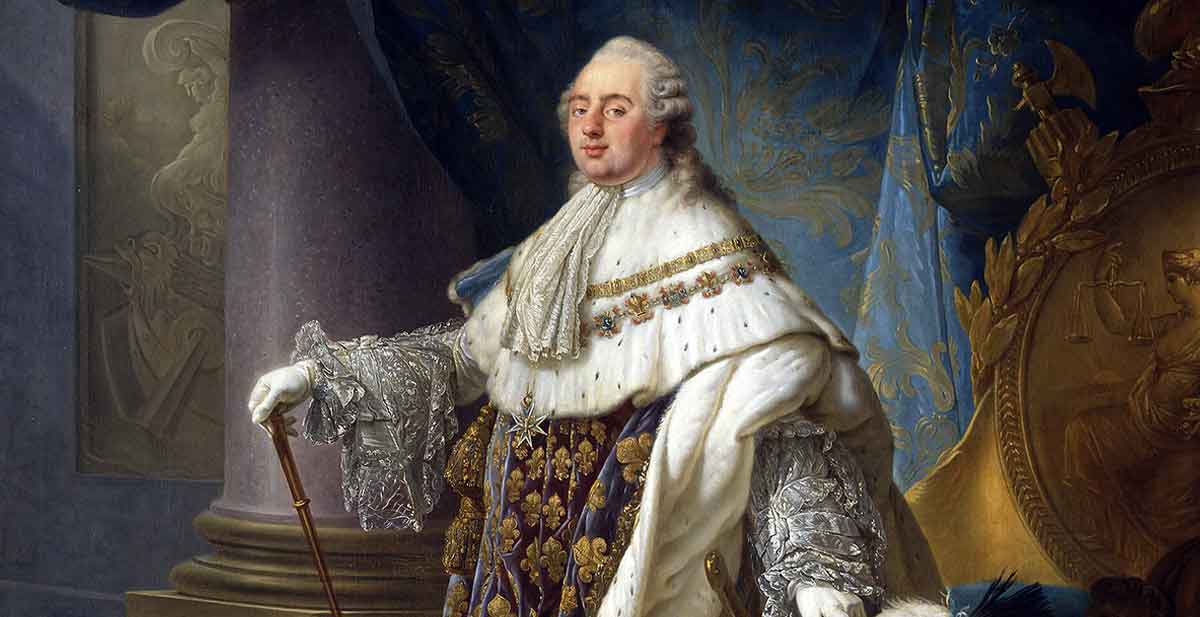
The French Revolution gradually turned more radical. Massive protests forced Louis XVI and Marie Antoinette to leave Versailles and live in Paris. In the city, they felt increasingly constrained by the mob in their Tuileries Palace, essentially under house arrest. After a failed attempt by the royal family to flee the country, the king and queen were imprisoned, and the monarchy was abolished.
Following show trials by the new French Republic, both Louis XVI and Marie Antoinette faced execution by guillotine. They were among thousands of others killed as enemies of the nation. Revolutionaries eventually started condemning each other to death. The revolution fizzled out. Just a few years later, Napoleon Bonaparte seized power and replaced the aristocratic royal family, becoming the new emperor of France.