
On October 30, 1961, in the far north of Russia, the largest man-made explosion in history was set off by the Soviet Union with its new nuclear weapon, the Tsar Bomba. It exploded with a yield more than 3,000 times that of the bomb that shook Hiroshima. It was originally designed to be even bigger.
The Terrifying Cold War Arms Race That Convinced Moscow to Go Big
In 1961, the United States and the Soviet Union were embroiled in an economic, political, and military race for supremacy over much of the world. Following World War II, the communists who had taken over Russia were seeking to expand their power, and part of that expansion involved keeping the United States and its military at bay. To do so, the Soviet Union invested heavily in new nuclear weapons capability. Both countries had developed nuclear bombs which dwarfed the immense destructive capabilities that the United States had used against the Japanese at Hiroshima and Nagasaki. Unfortunately for the Soviets, the United States had the capability to strike against Russia directly, but the Soviets were unable to strike against the continental United States.
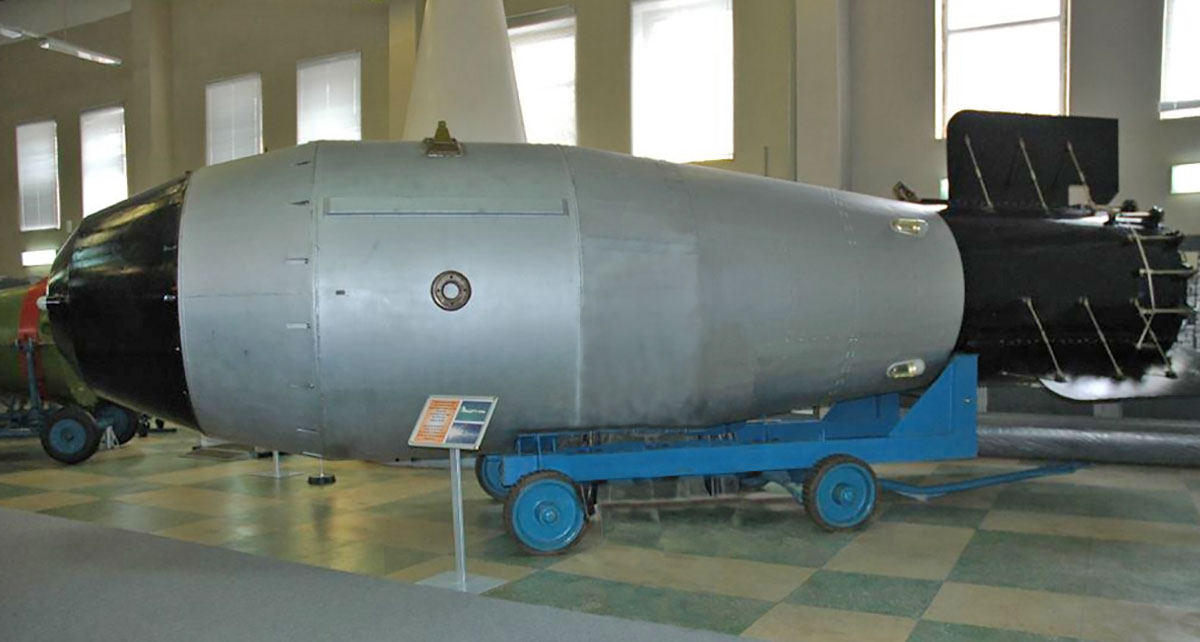
By 1961, the Soviets were pushing hard in their nuclear weapons development, and had worked on a design for five years which could produce a detonation of 100 megatons— where the detonations over Japan did not even reach ONE megaton. “Kuzka’s Mother,” as the Soviets called it, was the biggest bomb ever built (the “Tsar Bomba” name did not appear until the 1990s).
Why Did the Soviets Scale Back the Tsar Bomba?
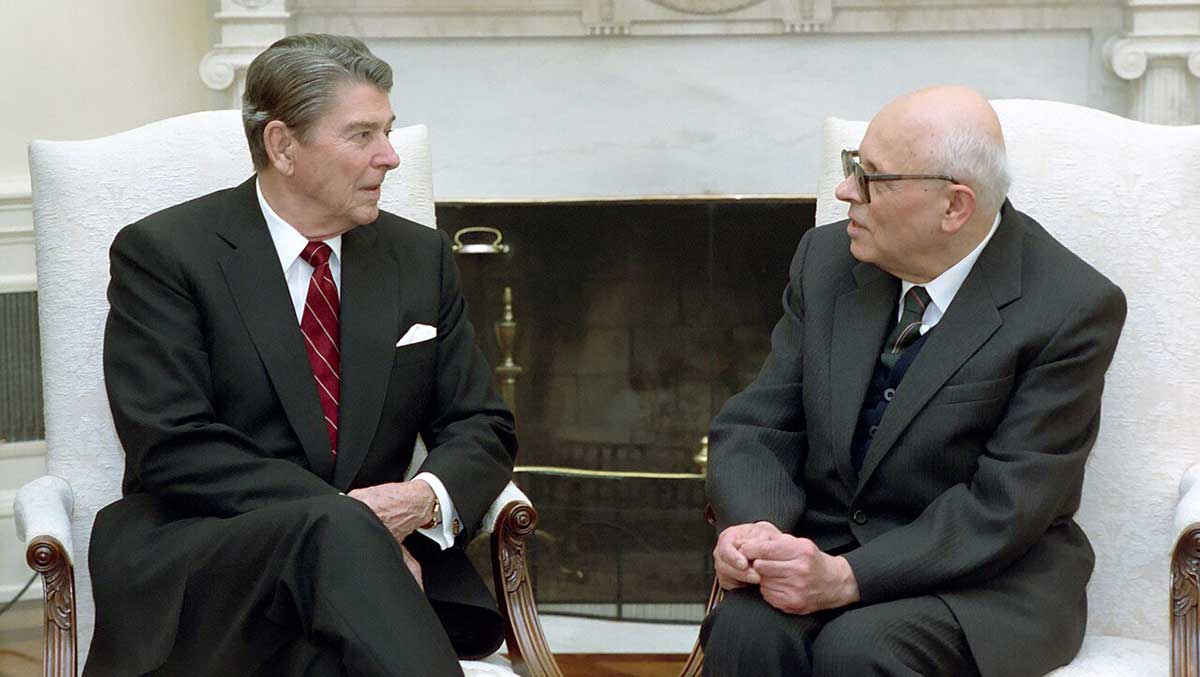
Andrei Sakharov, the nuclear physicist who designed the Tsar Bomba, believed the Soviets needed a nuclear deterrent against the United States. However, when he calculated the destructive potential of his design at 100 megatons, as well as the long-term radioactive potential due to the type of nuclear reaction the bomb produced, he modified the design to produce a 50-megaton explosion and a different, less radioactive type of nuclear explosion. The lower yield also protected the crew of the bomber dropping the bomb, as there was a high chance they would not survive a 100 megaton explosion.
The Blast That Shook Earth – What Happened When Tsar Bomba Detonated
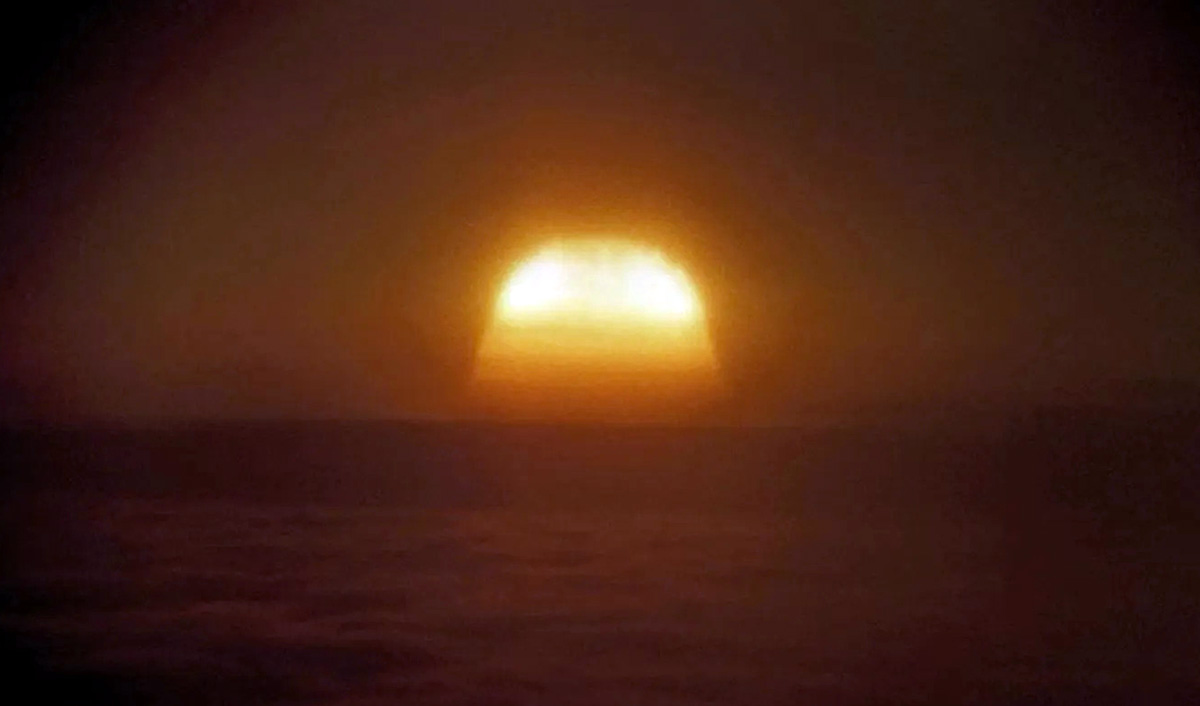
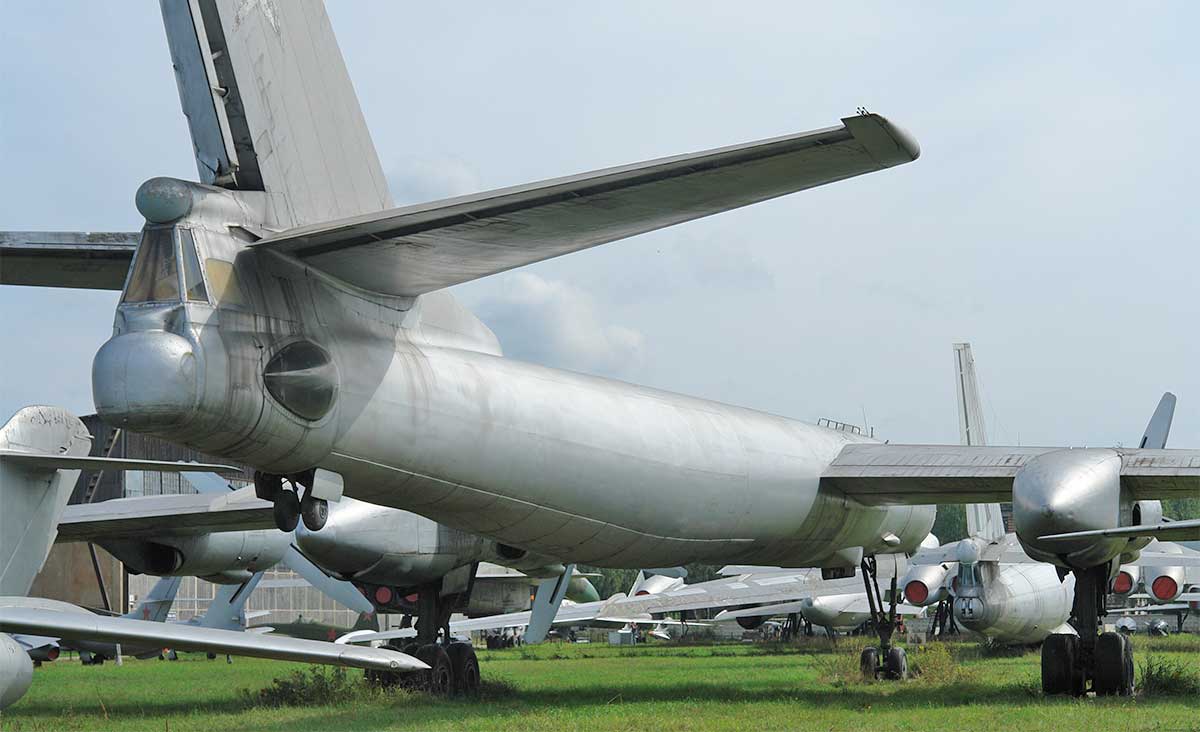
The modified Tupolev Tu-95 bomber carrying the 30-ton bomb and the Tupolev Tu-16 observation aircraft took off from Olenya airbase at about 9:30 am on October 30, 1961. At 11:32 am, the bomb was released and detonated over Sukhoy Nos, a cape of Severny Island north of the Arctic Circle. The detonation resulted in a fireball five miles wide and a flare visible as far as Alaska. The “mushroom cloud” reached 42 miles, above the stratosphere and into the mesosphere. The seismic wave circled the Earth three times. The resulting explosion also produced little to no nuclear fallout (which the 100 megaton yield would have produced with long-term implications), so little that the blast site was able to be safely visited only hours after the explosion.
How the World’s Most Dangerous Bomb Accidentally Sparked Peace
The test of the Tsar Bomba frightened both sides in the Cold War, and resulted in the Limited Test Ban Treaty of 1963, which disallowed above-ground nuclear bomb testing. Radioactive fallout had become an increasing concern, and the Castle Bravo test the United States conducted at Bikini Atoll in 1954 (a 15 megaton explosion with extensive radioactive fallout), combined with the Tsar Bomba test and other above-ground nuclear weapons tests, made nations realize that limits needed to be made.
Andrei Sakharov, the principal designer of the Tsar Bomba, was a major agent in pushing for the end of nuclear proliferation and contributed heavily to the treaty. Sakharov would go on to promote peace and oppose the Soviet government, suffering imprisonment and dissident status. For his efforts in promoting peace and human rights, he was awarded the Nobel Peace Prize in 1974, and one of the European Union’s highest honors was named after him—the Sakharov Prize for Freedom of Thought. The Tsar Bomba became the final impetus for the Cold War to begin its long thaw.