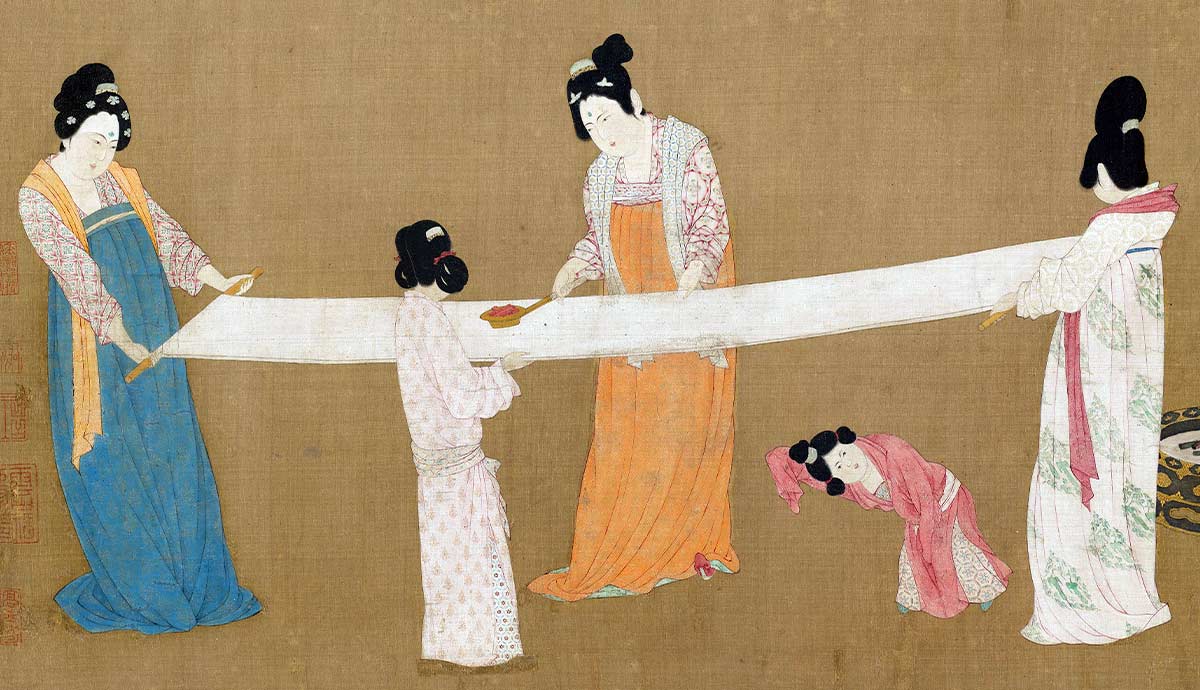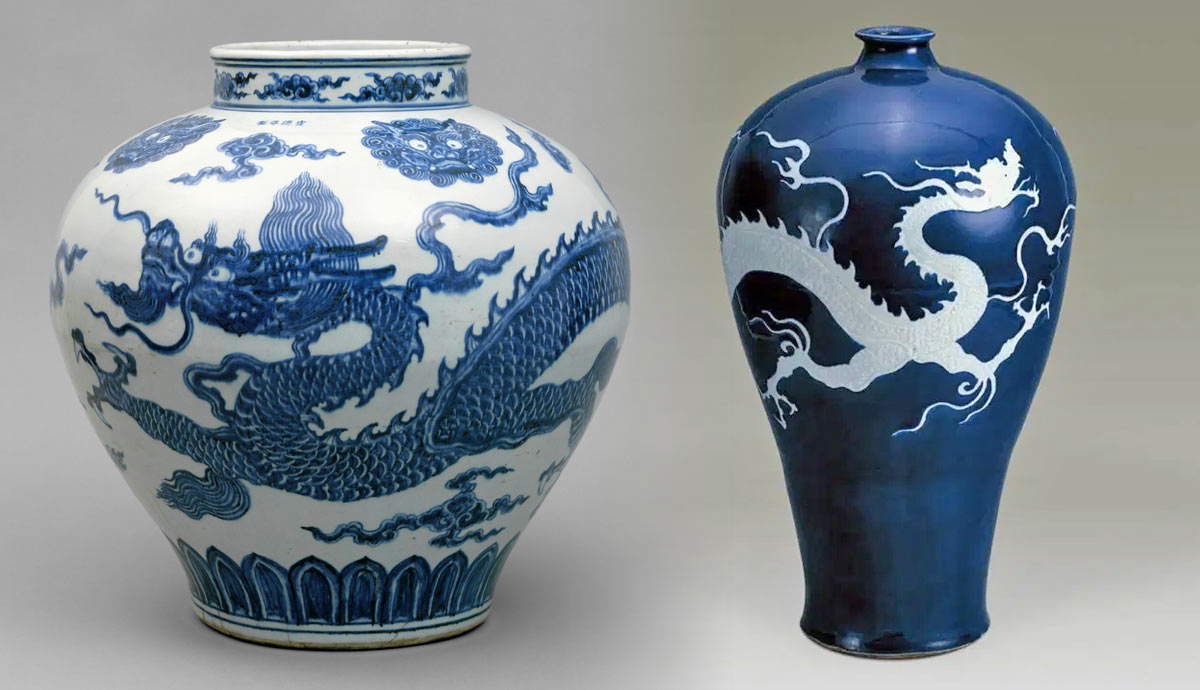

In the late 1700s, Britain faced a serious trade imbalance with China. Silk, porcelain, and tea from China were in high demand among people across all social classes in Britain. By 1800, for example, the British East India Company was importing millions of pounds of tea from China into Britain annually. China, on the other hand, was self-sufficient and considered Western goods to be quaint novelties. As a result, there was little demand for Western manufactured goods.
The Commercial Crisis That Led Britain to Smuggle Indian Opium
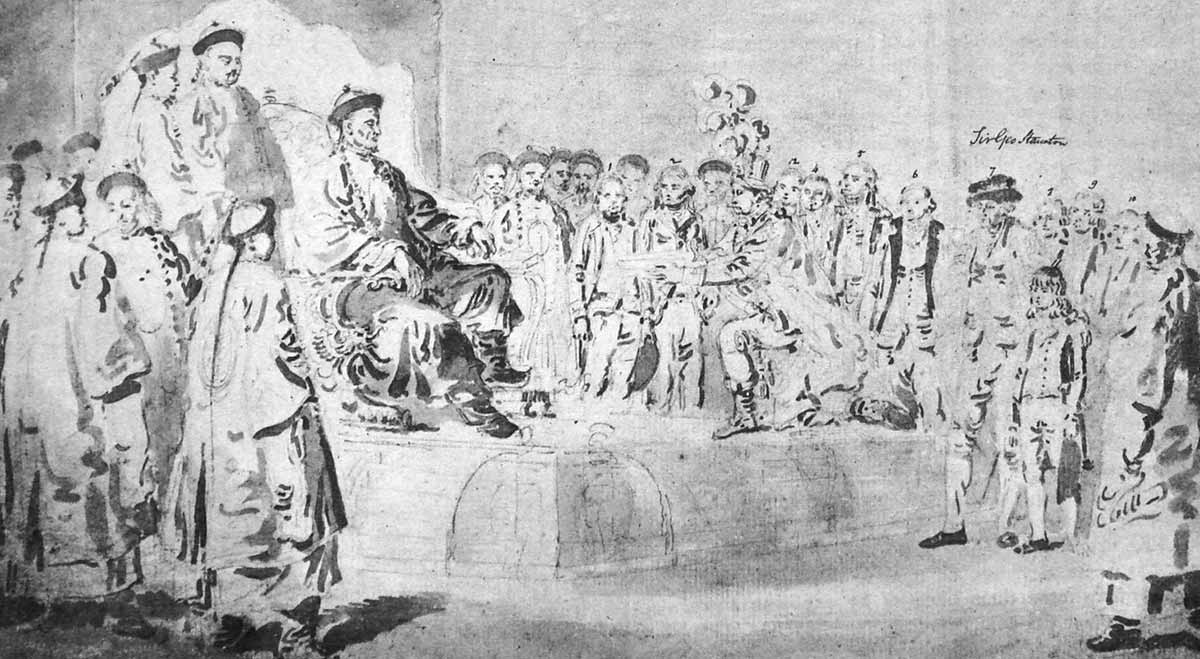
Wanting to solve these trade problems, Britain dispatched the Macartney Embassy in 1793 to broker better trade terms, but the Qianlong Emperor rejected every request. The failure of this mission meant that Britain had to continue to pay for Chinese goods using silver bullion. By the late 1700s, however, the outflow of silver from Britain to China was threatening to deplete British East India Company coffers. Britain quickly realized that it needed to find a trade commodity that China couldn’t resist.
British merchants finally found what they were looking for halfway across the world in British-occupied India. The British East India Company had created an effective monopoly on opium production in the Bengal and Bihar regions of India at that time. The opium was primarily used for recreational smoking and medicine.
Technically, the British East India Company did not transport opium directly to China. Company officials sold processed opium chests to foreign traders at public auctions in Calcutta. Ships owned by foreign private merchants then transported the chests of opium to Lintin Island, close to mainland China. There, Chinese brokers paid for the drug in silver before local smugglers used small, fast boats to transfer the chests into China. By the late 1830s, over 30,000 chests of opium were entering China every year.
Lin Zexu’s Opium Crackdown and the Clash Over Free Trade
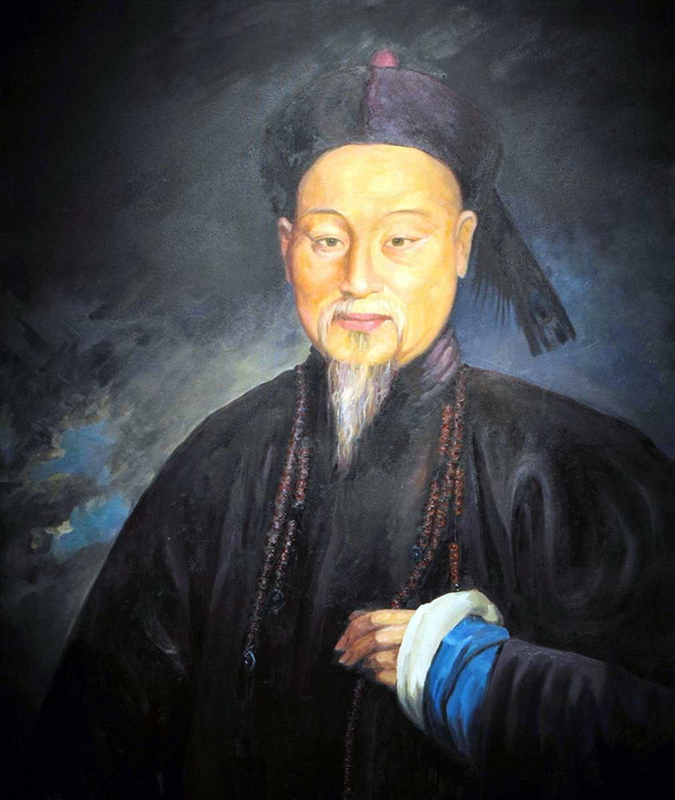
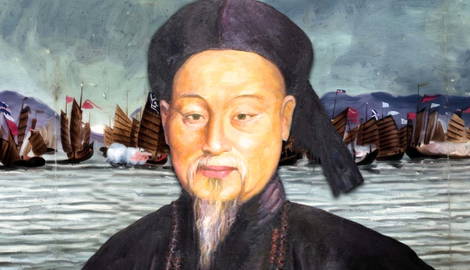
On December 31, 1838, the Daoguang Emperor appointed Lin Zexu as an Imperial Commissioner to end the opium trade, as Lin was known for his firm moral stance on the issue. The most immediate danger at the time was a currency crisis caused by the massive drain of silver from the country. This happened because the value of silver rose sharply against copper.
Since peasants were paid in copper but had to pay taxes in silver, their tax burden effectively doubled, causing a major economic crisis. The military was also weakened because many soldiers were addicted to the drug. The problem reached endemic levels in the government as well, and widespread addiction hampered effective administration and led to more corruption.
When Lin arrived in Canton that spring, he forced all foreign merchants to hand over their opium supplies. He then ordered that the opium be destroyed and dumped into the ocean. The destruction of over 2 million pounds of opium at Humen sparked outrage in London. Meanwhile, a vocal group of private British merchants pressured Parliament by arguing that China had violated international law and the rights of free trade. While Lin viewed the action as a matter of domestic law enforcement, the British Foreign Office agreed to defend the property rights of its citizens and the principle of free trade.
How British Naval Superiority Forced Open Chinese Ports in 1842
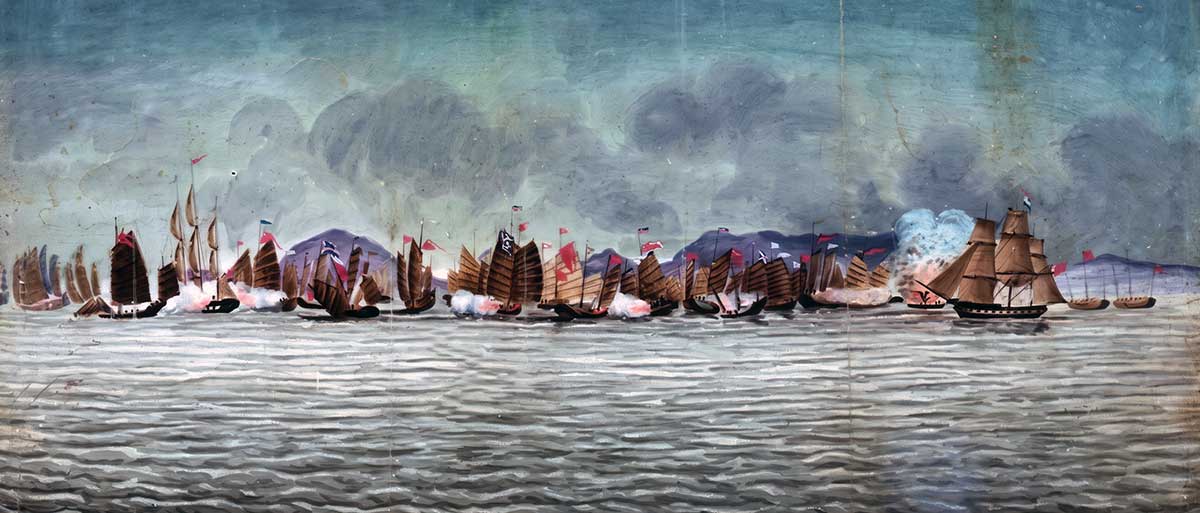
The Battle of Chuenpi took place on November 3, 1839, when HMS Volage and HMS Hyacinth fired upon a Chinese force of war junks near the entrance of the Pearl River estuary. The naval clash marked an escalation in tensions that led to the First Opium War. The vast gap in military technology between the British Navy and the Chinese defenses eventually forced China to sign the 1842 Treaty of Nanjing. Under the agreement, China would pay a substantial sum to compensate Britain for the destroyed opium and cover the costs of the conflict. The East Asian nation was also required to hand over control of Hong Kong Island to the British and open five strategic ports where foreign merchants could trade without restriction.
How Further Conflict Ushered in China’s Century of Humiliation
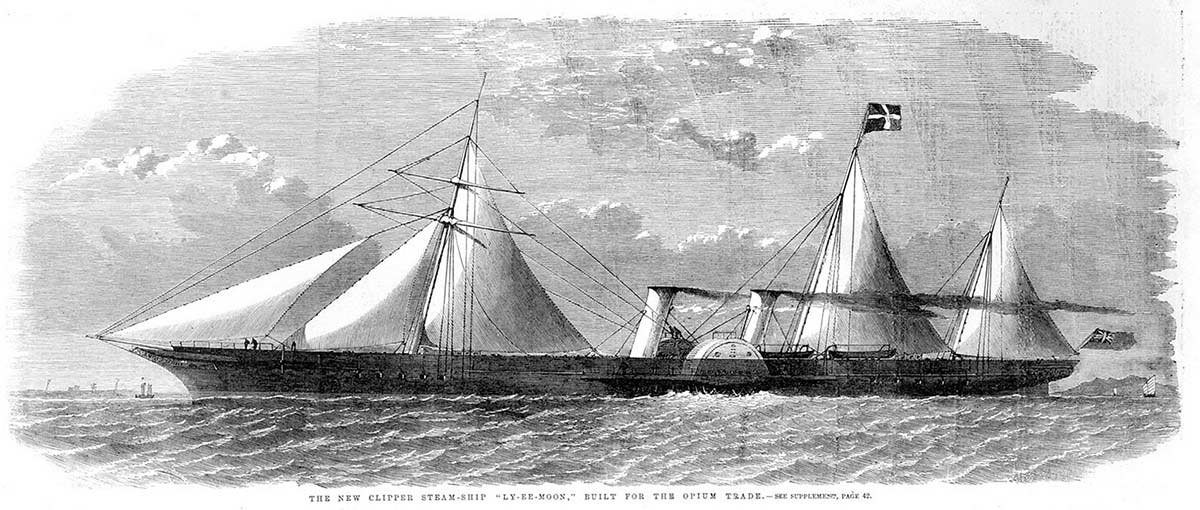
The 1843 Treaty of the Bogue established extraterritoriality and most-favored-nation status, but since the treaty ignored the opium problem, smuggling continued to flourish. Britain and France eventually launched the Second Opium War in 1856 while China was already struggling with the internal Taiping Rebellion. Allied forces soon captured Beijing in 1860 and burned down the Old Summer Palace.
The defeats compelled China to sign the Convention of Peking. Subsequent tariff agreements finally legalized the opium trade and granted foreigners the right to travel throughout the Chinese interior.
While the main objective for Britain was to guarantee that its citizens could keep profiting from the Chinese market, the unequal treaties ushered in China’s “century of humiliation” and triggered a decline in Qing power that lasted until the end of imperial rule in 1912.