
The atomic bomb remains one of the most consequential military inventions of the 20th century, shaping the trajectory of global politics and military strategy for a generation. The development of the bomb in the United States during World War II was carried out under the secretive Manhattan Project. However, the Soviet Union’s own project, which successfully tested a nuclear device on August 29, 1949, remains an equally compelling part of history. This is the story of how the Soviet atomic bomb was built and the political shockwave it left behind.
The Origins of the Soviet Atomic Bomb Project
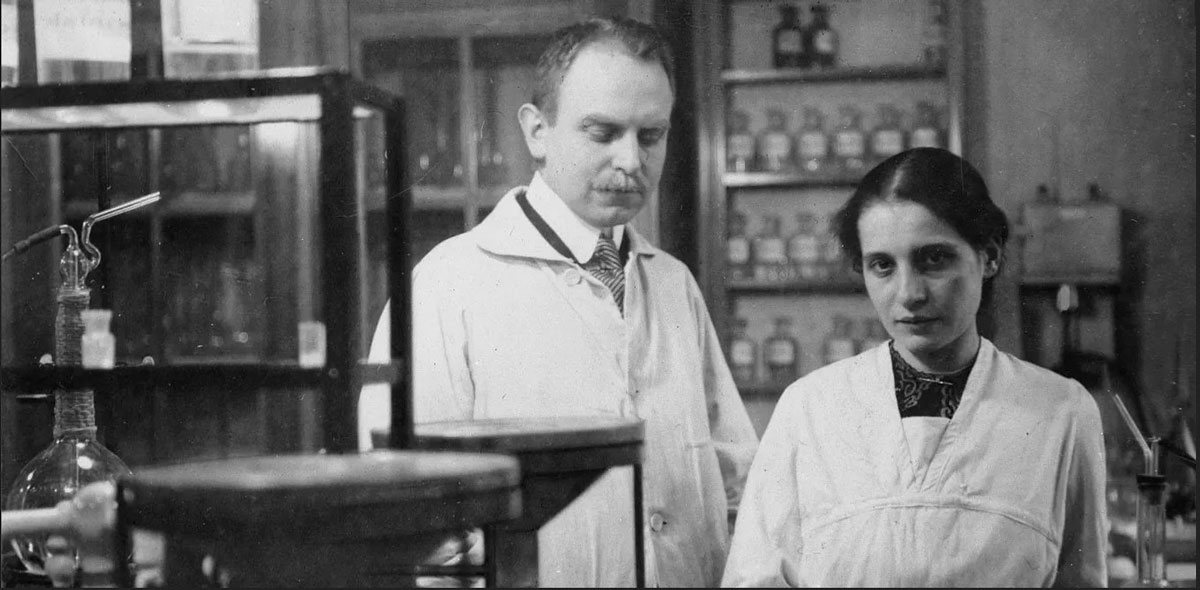
While the theoretical framework behind such a device had existed in nuclear physics since the early 1920s, the Soviet atomic program began in earnest during the early 1940s. The Soviet scientists Igor Tamm, Lev Landau, and Yakov Frenkel had all made significant contributions to the field of nuclear physics, but their work lacked the focused government support necessary to build an atomic weapon. This soon changed in 1938 when German physicists Otto Hahn and Fritz Strassman discovered nuclear fission, while Lise Meitner and Otto Frisch calculated the destructive power such a force could wield. The global scientific community came to the realization that a massive release of energy could result from the splitting of an atom, and the race to build a weapon to harness this power began in earnest.
The USSR became aware of the potential military applications of a nuclear fission bomb after reports that Western scientists were working on a device were intercepted by intelligence sources and were fed back to the Kremlin. In 1940, the Soviet physicist Georgy Flyorov authored a paper in collaboration with Konstantin Petrzhak that detailed how the spontaneous fission of a uranium atom could occur. Flyorov then went on to write a secret communique to Soviet leader Joseph Stalin, urging the USSR to prioritize the creation of a nuclear weapon above all other scientific endeavors. During this time, the Western scientific community had become suddenly reticent to discuss the topic, an early indication that the United States and Britain were already developing an atomic weapon in secret.
World War II Breaks Out
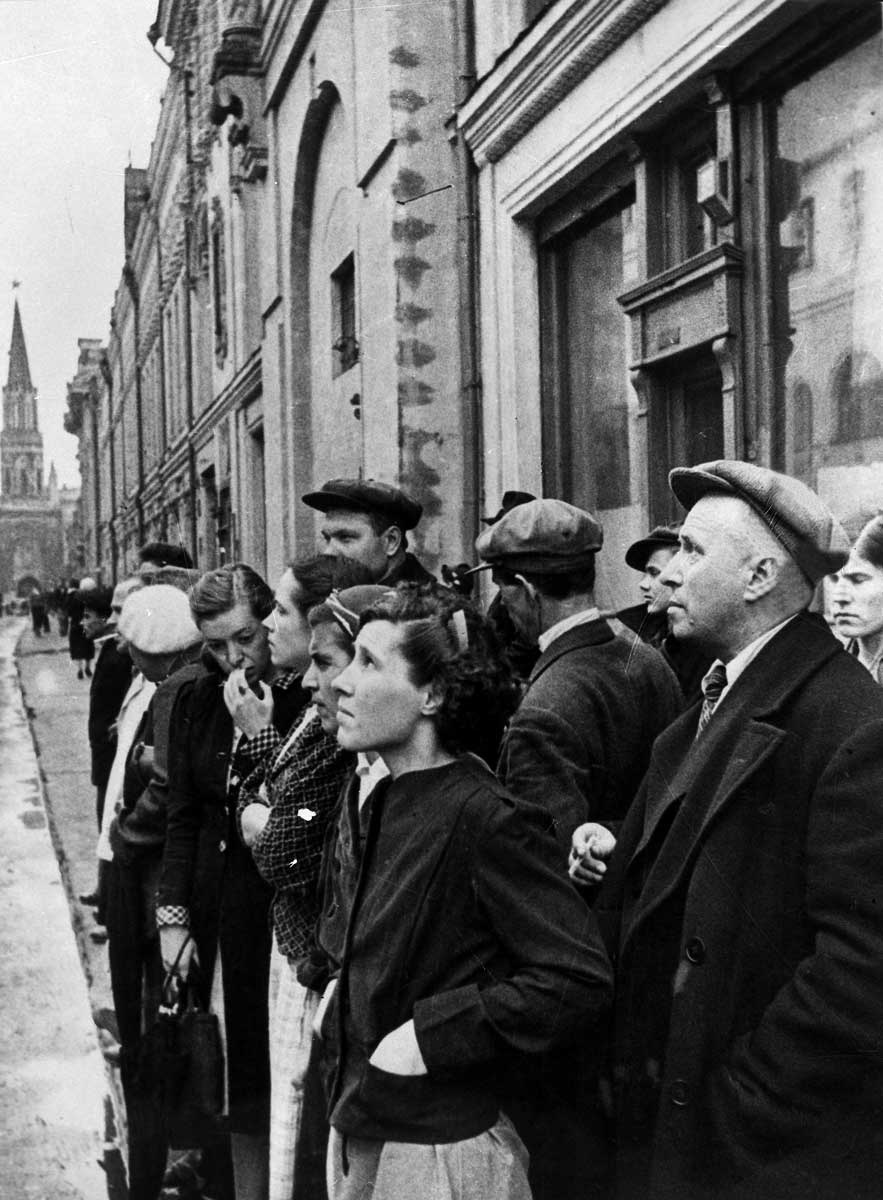
During World War II, the Soviet Union faced an unprecedented fight for its very existence, a struggle that diverted considerable resources away from nuclear research. The German invasion of the USSR in 1941, known as Operation Barbarossa, placed a huge strain on the Soviet industrial complex and forced the Kremlin to prioritize the production of conventional weaponry. However, Stalin upheld the strategic importance of nuclear weapons research, and in 1942, he ordered the creation of a special committee to oversee the creation of an atomic bomb. The special committee was led by Igor Kurchatov and became a parallel to the Manhattan Project in the United States.
Despite renewed focus, the progress towards the construction of an atomic bomb was slow. The Soviet Union lacked access to high-grade uranium ore, modern laboratory facilities, and experienced personnel on the scale of the Manhattan Project. Worsening these key difficulties was the very real threat of German occupation. A number of critical research facilities had to be relocated eastward as German forces threatened to take Moscow and Leningrad. In the end, the logistical and material constraints of the war effort severely delayed the Soviet atomic bomb project and allowed the United States and its allies to forge ahead without any serious competition.
How Espionage Helped the Soviet Atomic Bomb Project
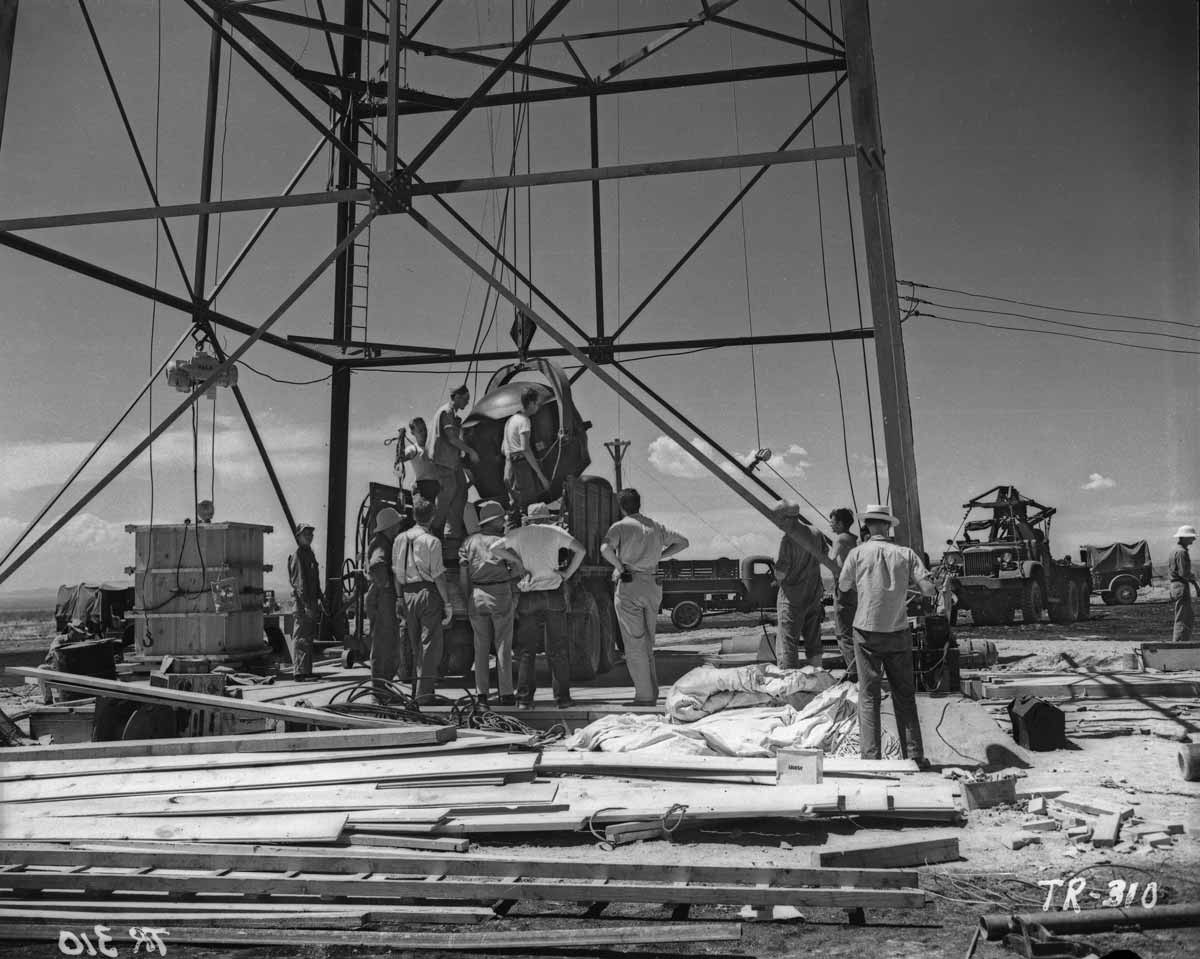
One of the most important factors that helped to contribute to the Soviet atomic bomb project was the role of espionage. While the Soviet scientists assigned to the project were highly capable, their progress was aided significantly by intelligence that was gathered from the Manhattan Project. Soviet intelligence agents from the NKVD obtained highly detailed information about the design and methods of the first atomic bomb. Key figures in the espionage network who provided critical intelligence to their Soviet handlers included Klaus Fuchs, Theodore Hall, and David Greenglass.
Fuchs was a German-born physicist who worked at Los Alamos and supplied the Soviet Union with blueprints of the implosion mechanism that was used in America’s plutonium bomb. Hall, another key physicist of the Manhattan Project, passed on vital information regarding the bomb’s design and uranium enrichment process. Greenglass, who worked as a machinist at Los Alamos, also contributed details about the construction of the bomb’s casing and inner workings. While each of these individuals had their own reasons for sharing classified information with the Soviets, they shared a belief that the United States alone should not be allowed to possess a weapon as powerful as the atomic bomb and that sharing the knowledge of its construction would restore the balance of power among nations.
The intelligence obtained from the Manhattan Project provided the Soviet Union with a technological roadmap that allowed Igor Kurchatov and his team to bypass years of trial and error and begin building a prototype bomb. However, the Soviets did not merely copy the United States. Instead, they incorporated their own theories and knowledge to create a weapon that was completely unique.
The End of World War II and Stalin’s Determination
While the end of World War II brought relief to the Soviet Union, it also heightened Joseph Stalin’s urgency to complete the Soviet atomic bomb project. The American bombing of Hiroshima and Nagasaki in August 1945 and Japan’s subsequent surrender not only underscored the destructive power of such a weapon but also showed the immense strategic power they possessed. Stalin viewed America’s atomic monopoly as a direct threat to Soviet security and global influence. Moreover, the refusal of the US to share nuclear technology through the Baruch Plan further convinced Stalin that the Soviet Union must build its own arsenal to compete in the coming Cold War.
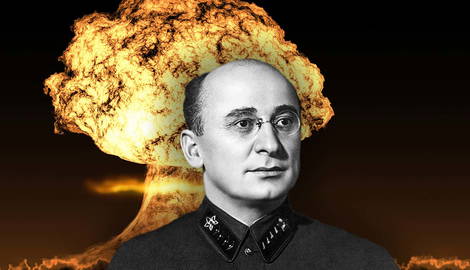
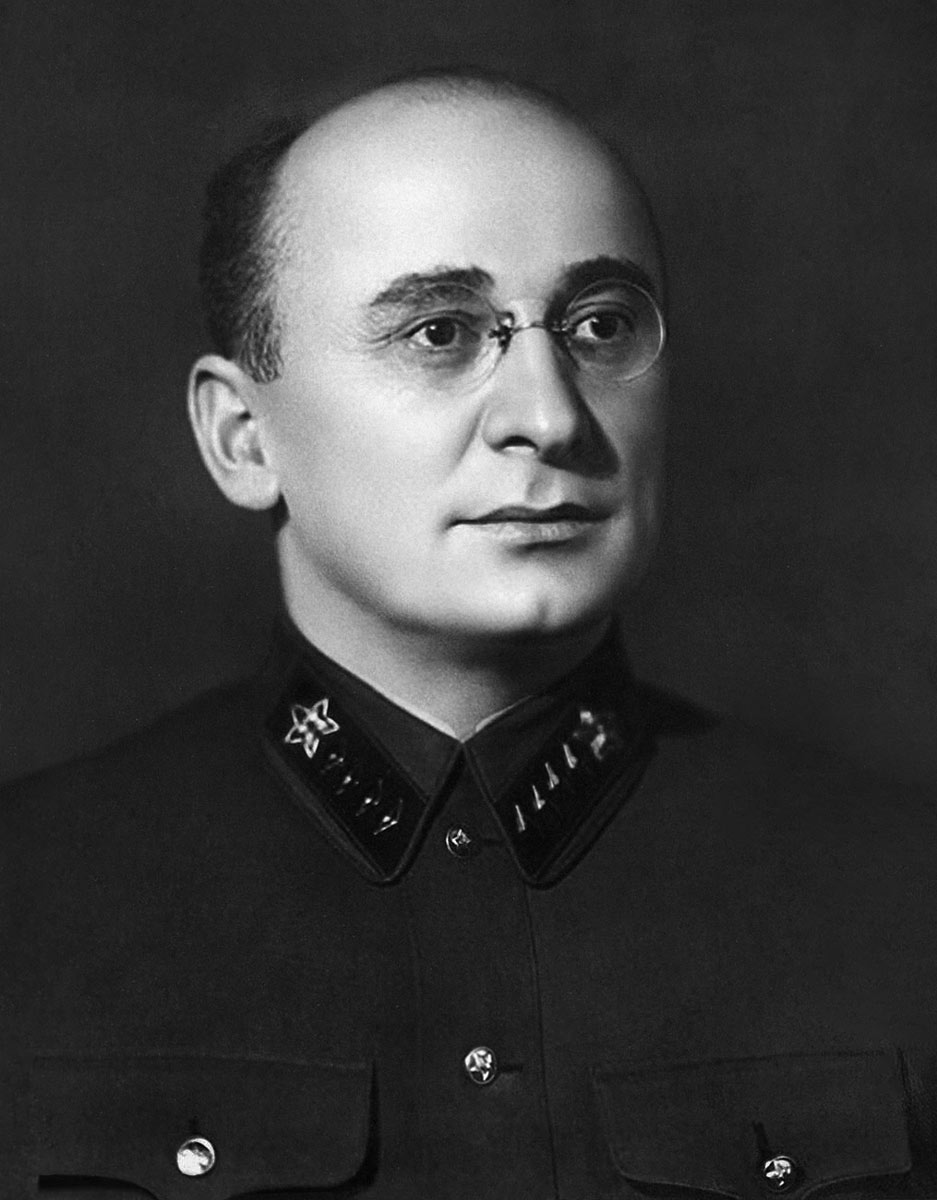
In the years following the end of the war, Stalin diverted all of the Soviet Union’s scientific and military resources into the creation of an atomic bomb. The program was overseen by Lavrentiy Beria, the head of the NKVD, who created a culture of secrecy and discipline within the Soviet atomic bomb project. Under Beria’s leadership, failure was not tolerated, and even senior scientists could face imprisonment or execution if they did not meet strict deadlines.
Key Scientific Breakthroughs
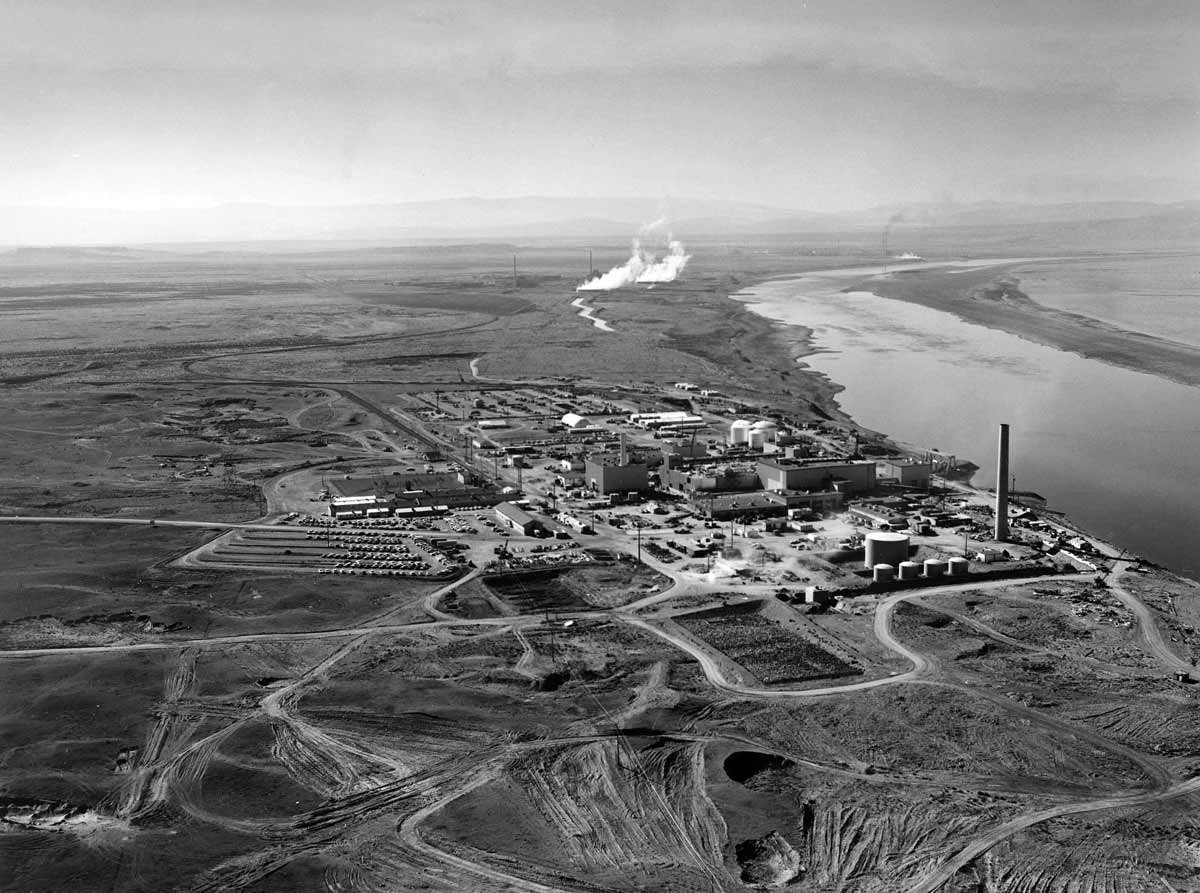
Under the strict orders of Lavrentiy Beria, Igor Kurchatov assembled a team of brilliant nuclear scientists from across the Soviet Union. This team worked around the clock to overcome the myriad technical and material obstacles that stood in the way of creating an atomic bomb. However, the primary challenge facing the Soviet Union was not expertise but sourcing raw materials. The USSR lacked sufficient access to rich uranium deposits, unlike the United States, which had been allowed access to rich deposits in Canada and the Congo. To address this problem, Soviet engineers developed innovative methods for enriching uranium and plutonium by building vast nuclear reactors and enrichment facilities.
Operation First Lightning
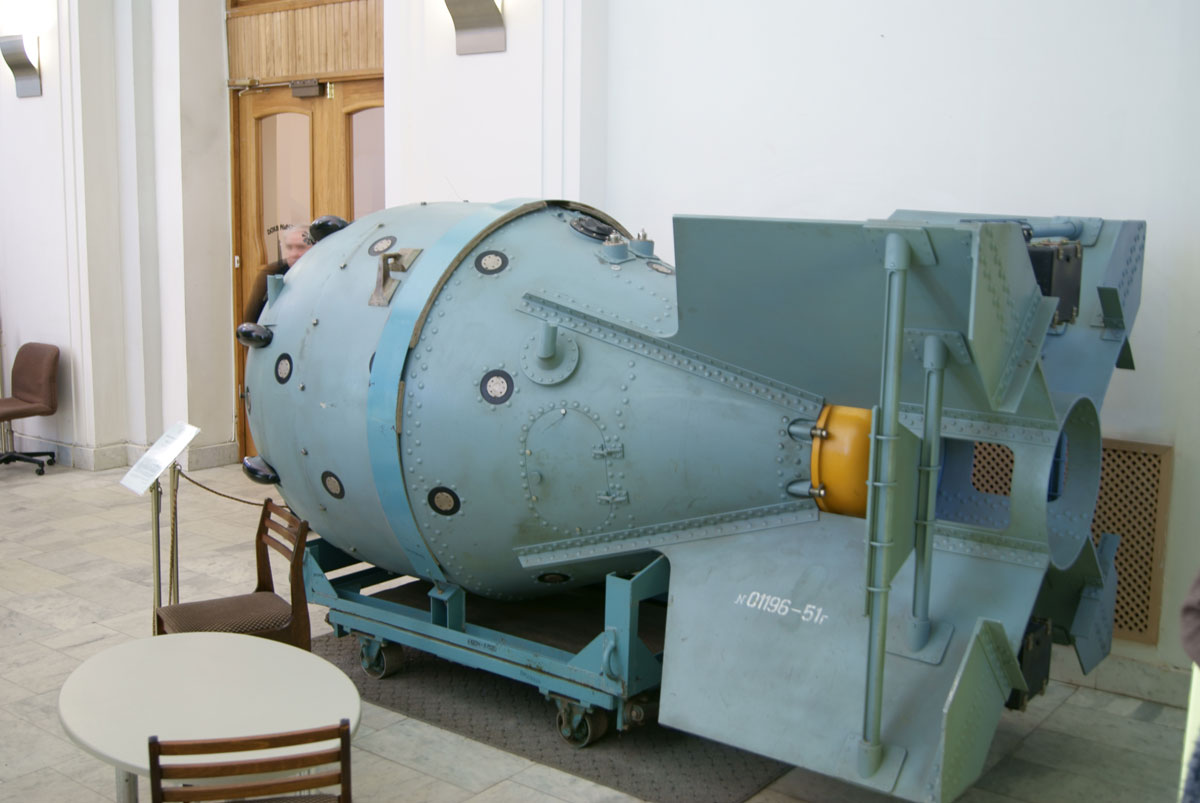
On August 29, 1949, the Soviet Union successfully conducted its first nuclear test at the Semipalatinsk Test Site in Kazakhstan. The device was code-named “First Lightning” or RDS-1, a plutonium implosion bomb that was similar in design to the Manhattan Project’s “Fat Man” device. The test was observed by a group of top Soviet officials, scientists, and military personnel. Once detonated, the RDS-1 bomb produced an explosion equivalent to approximately 22 kilotons of TNT, comparable to the bombs dropped by the United States on Hiroshima and Nagasaki.
Once the USSR announced to the world that it had successfully built and detonated a nuclear bomb, it produced a seismic shift in global geopolitics. It broke America’s monopoly on nuclear weapons and fundamentally altered the shifting dynamics of the nascent Cold War. The United States, which had assumed it had at least a decade until the Soviets built a nuclear bomb, was forced to confront the new reality of a nuclear-armed USSR.
The Soviet Nuclear Legacy
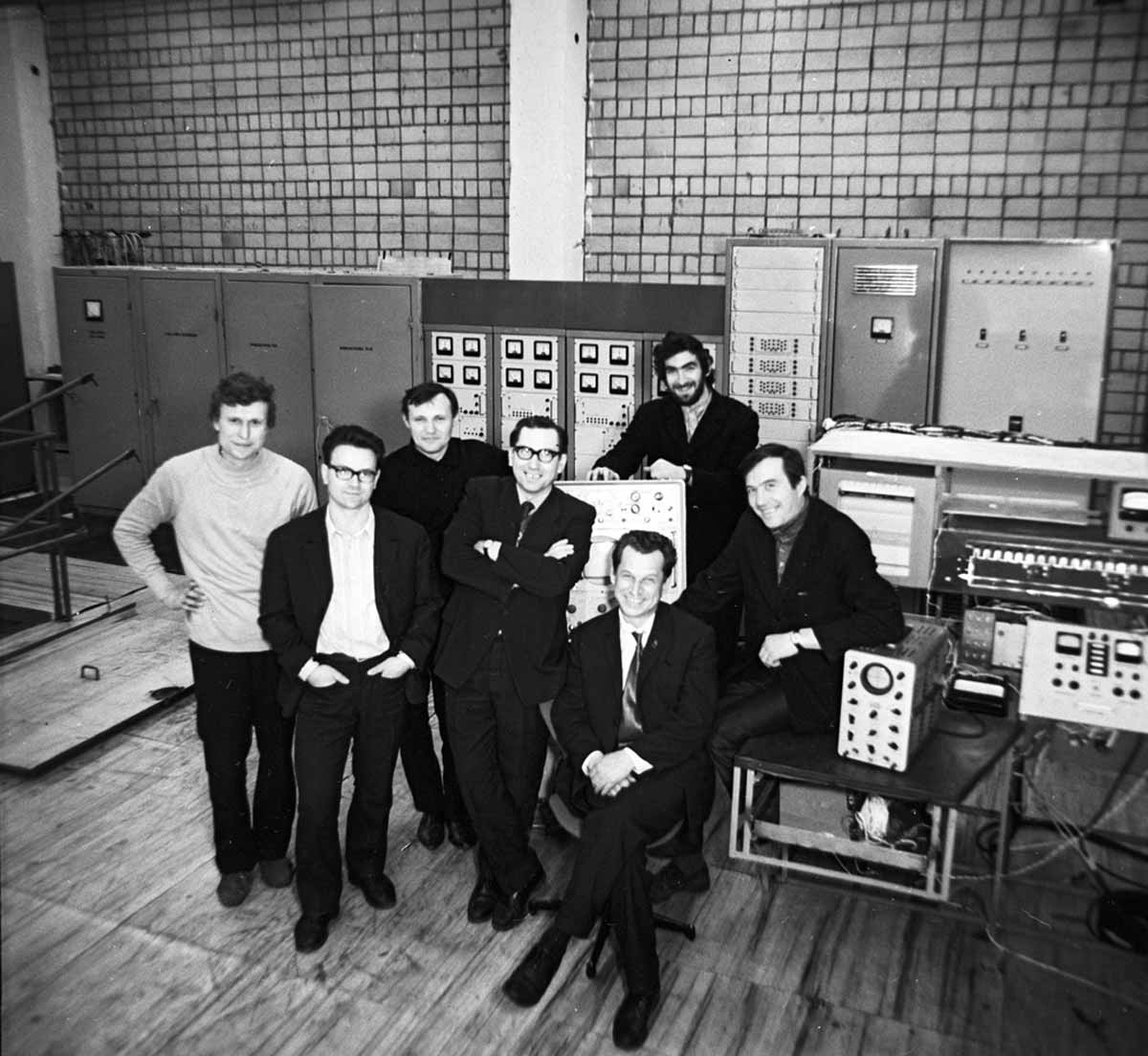
The Soviet nuclear program was not simply a technical achievement but also a testament to the resilience and ingenuity of Soviet scientists. Key figures such as Igor Kurchatov and Andrei Sakharov emerged as legendary founders of Soviet science, with Sakharov later using his status to become a vocal advocate for arms control and human rights. Moreover, the program also laid the groundwork for a nationwide network of nuclear facilities that helped the Soviet Union not only build a vast stockpile of nuclear weapons but also introduced civilian applications such as nuclear power to the growing USSR.
However, the Soviet nuclear program also left behind a legacy that is marked by ethical and environmental controversies. The secrecy and panic surrounding the race to build a Soviet nuclear bomb led to profound environmental contamination and extreme health risks in regions such as Semipalatinsk. Moreover, because the Soviet Union relied on prison labor to mine nuclear materials and handle waste products, a huge number of individuals were exposed to high levels of radiation on an almost constant basis.