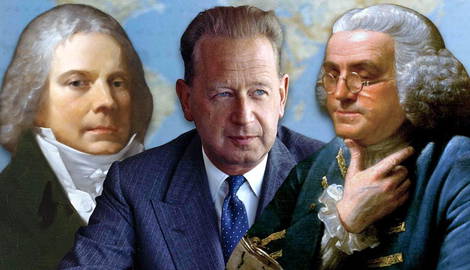

Generals who win wars and battles do not necessarily win the peace. After the parades and awards ceremonies, it is up to diplomats to negotiate a lasting and advantageous peace. Diplomacy is the art of letting someone else have your way, and in the high-stakes theater of international relations, these ten individuals were the undisputed masters of the craft. This is a ranking of some of history’s greatest diplomats based on the magnitude and endurance of their achievements.
| Diplomat | Key Achievements and Legacy |
| Klemens von Metternich | Architect of the Concert of Europe and a pioneer of the theory of realpolitik. |
| Charles-Maurice de Talleyrand | Secured generous peace terms for France at the Congress of Vienna and negotiated Belgian independence. |
| Benjamin Franklin | Mobilized French support for the American Revolution and obtained recognition of independence with ample territorial boundaries. |
| Cardinal de Richelieu | Transformed the Thirty Years’ War into a struggle to check Habsburg dominance and established French hegemony. |
| Dag Hammarskjöld | Pioneered UN peacekeeping and successfully brokered an end to the Suez Crisis. |
| Henry Kissinger | Encouraged Détente with the USSR, normalized relations with China, and brokered a ceasefire after the Yom Kippur War. |
| Zhou Enlai | Negotiated an end to the French Indochina War and ended China’s isolation by improving ties with the U.S.. |
| Alexandra Kollontai | The first accredited female ambassador; she secured recognition for the USSR and ended the Finnish Winter War. |
| Richard Holbrooke | Arranged the Dayton Accords to end the Bosnian War and served as a mediator for Kosovo. |
| Lester Pearson | A major proponent of UNEF to resolve the Suez Crisis and a critical contributor to the NATO charter. |
1. Klemens von Metternich
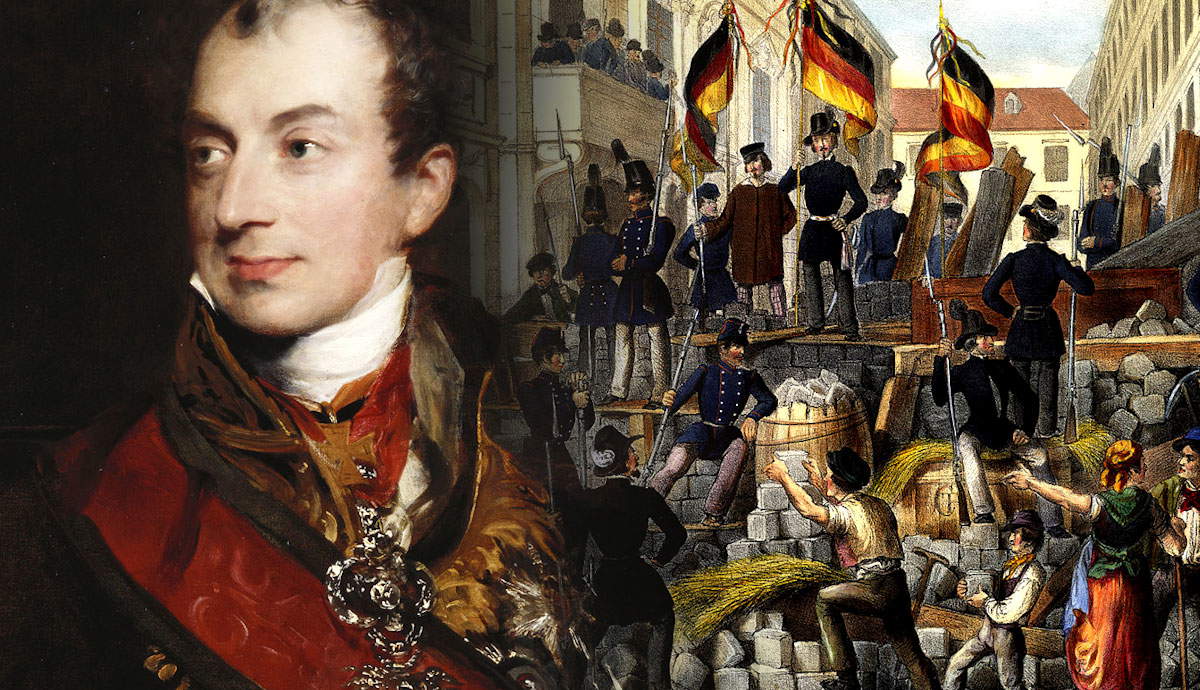
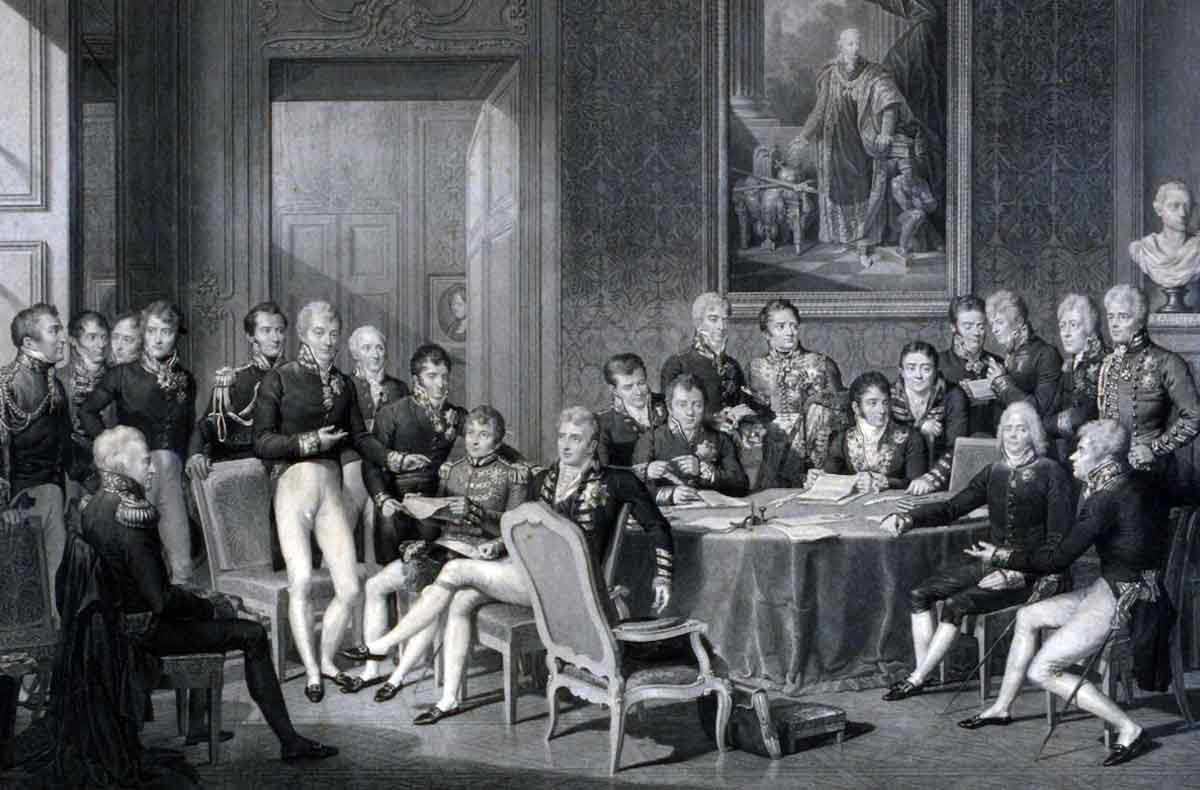
It is hard to think of a more well-known European diplomat than Klemens von Metternich. He was the architect of the Concert of Europe, the geopolitical order that governed Europe for much of the 19th century. This order, which came out of Napoleon’s defeat and the Congress of Vienna, was in some respects a precursor of the European Union. Metternich, by helping create this system, established himself as one of the most powerful men in the world at the time.
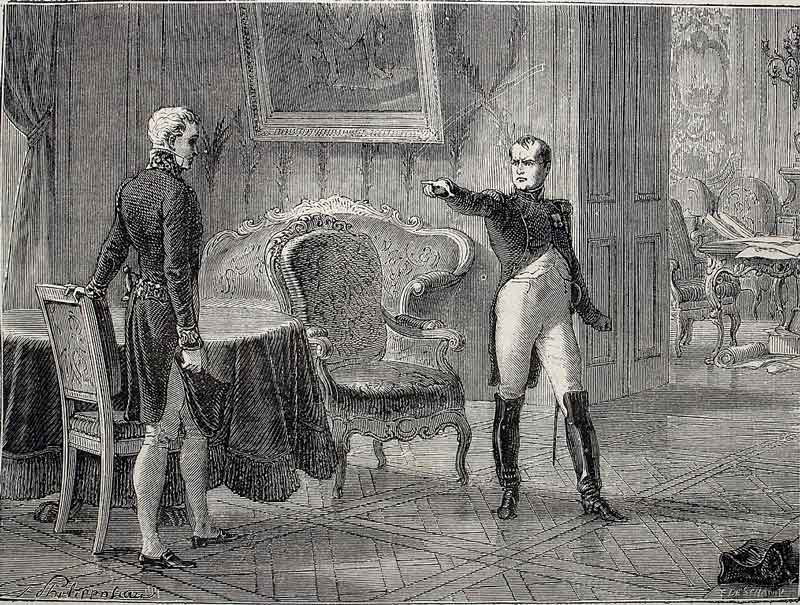
From 1809 to 1814, he served as the foreign minister for the Austrian Empire. Later on, he became the Chancellor and a major figure in post-Napoleonic Europe. Although he gained influence by advocating a policy of accommodation with Napoleon, Metternich was one of the primary architects of his defeat.
As an aristocrat from a German princely family, Metternich was disgusted by the French Revolution and considered the liberal and nationalist movements of the early 19th century as a continuation of the revolutionary impulses that tore up the fabric of Europe and spilled much blood.
Metternich believed that maintaining a balance of power would preserve European peace. However, he was forced to leave Vienna during the Revolution of 1848 as he watched the system he helped build come under attack. Nevertheless, scores of future diplomats (including some listed below) came to see him as a role model and idolized his theory of realpolitik.
2. Charles-Maurice de Talleyrand
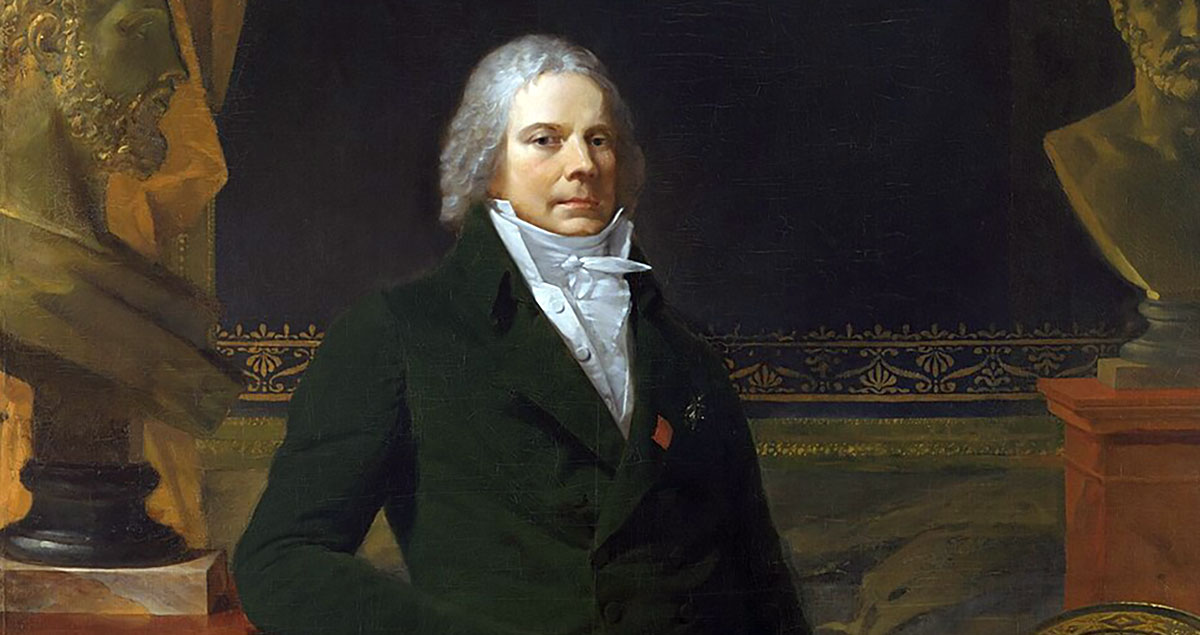
Metternich had a rival for the title of Europe’s most influential diplomat at the time: Charles-Maurice de Talleyrand. He was the ultimate political survivor, serving as France’s chief diplomat across seven different regimes, including the French Revolution, the Napoleonic Empire, and the Bourbon Restoration. While he initially welcomed the rise of Napoleon, he came to believe that the Bonapartes were destroying France and plotted his downfall.
When the victorious powers of the Sixth Coalition began negotiating the future of post-revolutionary France at the Congress of Vienna, Talleyrand took advantage of the divisions within the Coalition to secure peace terms that were fairly generous to France. For instance, France kept almost all of its pre-1792 borders intact, although the return of Napoleon during the Hundred Days in 1815 ensured that France faced more punitive measures.
While serving the Bourbon monarchy, he negotiated the independence of Belgium in 1830, a deal that ensured France had a friendly buffer bordering the Netherlands. He later served as Ambassador to Britain and helped to transform the relationship between France and Britain from rivalry to cooperation.
While Talleyrand was criticized for corruption and his ability to switch sides repeatedly, Talleyrand himself argued that he remained true to his constitutional liberal principles and many diplomats were impressed by his adaptability. His efforts after Waterloo were crucial to France’s survival as a European power.
3. Benjamin Franklin
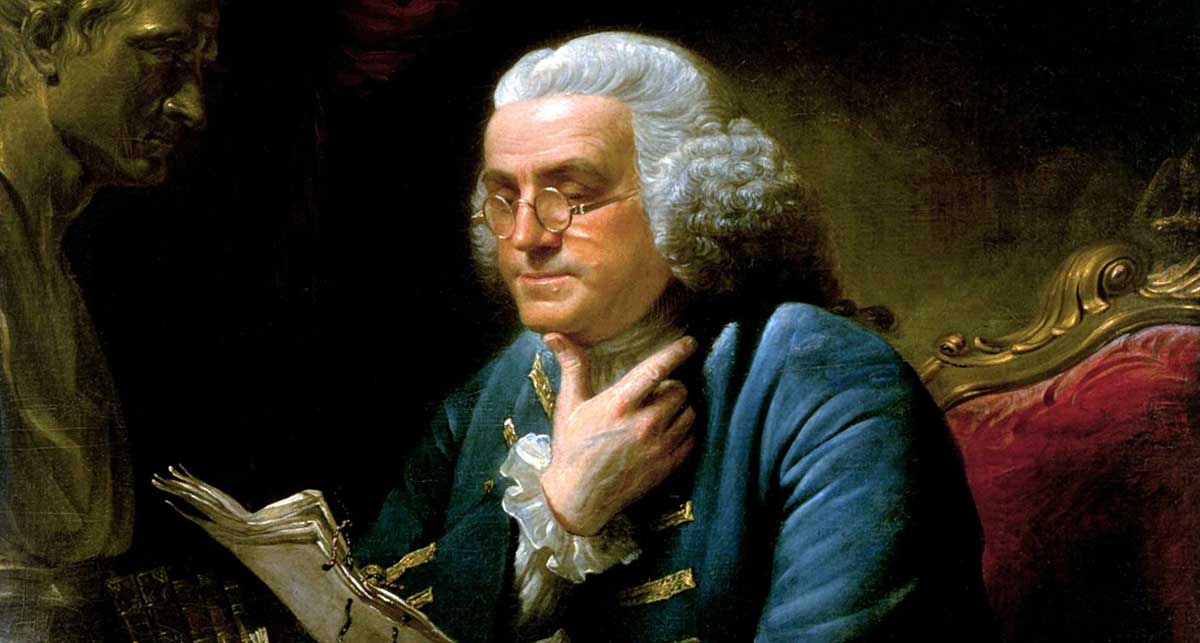
Without the support of France, the American Revolution would never have succeeded. That support largely came about through the tireless efforts of Benjamin Franklin. A prominent scientist and writer, Franklin had signed all four key documents of the Revolution.
In 1776, he was dispatched by the Continental Congress to Paris to get French assistance. Through relentless diplomacy and marketing the American cause like a salesman, he was able to secure a treaty between the Americans and the French, ensuring that the revolutionaries had a chance. France’s formal entry into the war in early 1778 obliged the British authorities to prioritize protecting its interests in Europe.
By the 1780s, the British were ready to sue for peace and Franklin headed the negotiating team for the Americans. Not only was he able to achieve recognition of American independence, he obtained territorial boundaries that gave the 13 colonies ample room for expansion. Franklin amazed everyone he came into contact with: other Americans, French servants of King Louis XVI, and his British opponents. American diplomacy owed its origins to his relentless work in mobilizing support for the revolution and he earned the sobriquet “The First American.”
4. Cardinal de Richelieu
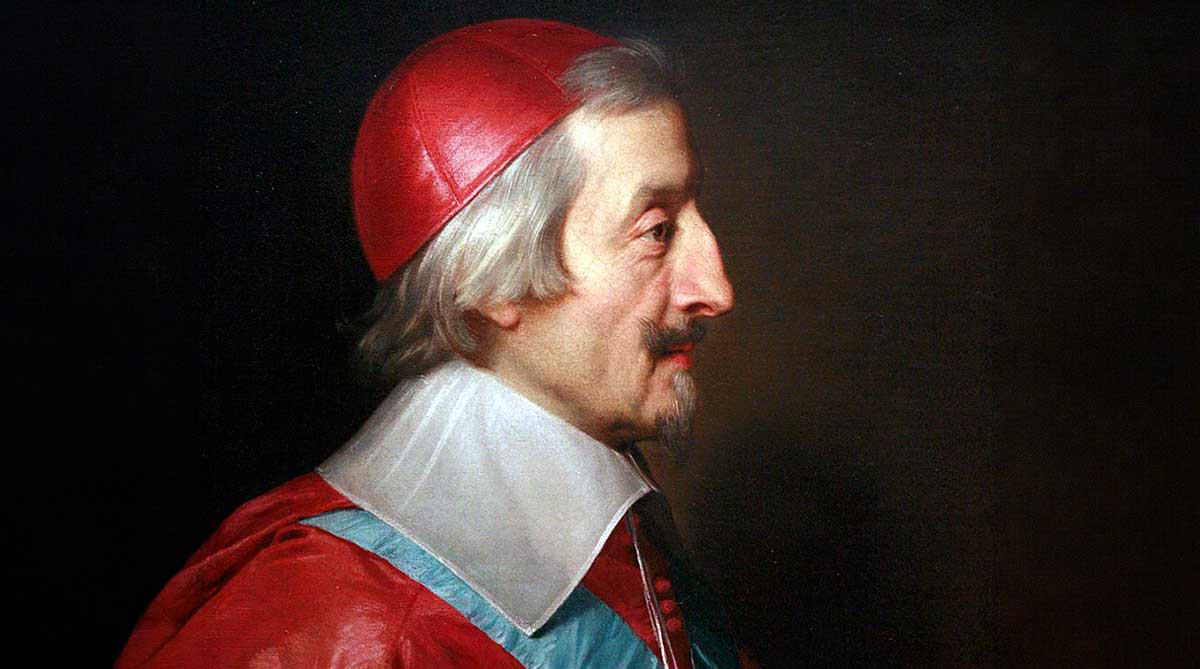
Before Talleyrand, the architect of French diplomacy was a stern-faced cardinal from Paris. Cardinal de Richelieu, born Armand-Jean du Plessis, was the Chief Minister to King Louis XIII from 1624 to 1642. He was a firm believer in the power of the French state to break its enemies, whether domestic or foreign. At the same time, he could be a pragmatist, aligning France with Protestant kingdoms at times to weaken the Habsburg kingdoms of Spain and Austria.
While serving as minister, he transformed the Thirty Years’ War into a geopolitical struggle to check Habsburg dominance. Initially, he advocated for France to stay out of the war, sending subsidies to allies like Gustavus Adolphus of Sweden. When Sweden began facing difficulties, France entered the war at Richelieu’s urging, marching to seize crucial terrain in Spanish-controlled Italy.
Despite early setbacks and domestic unrest over high taxes, his persistent pressure exhausted the Habsburgs. French victory over Spain at the battle of Rocroi in 1643 signaled the rise of France as the hegemonic power in Europe during the reign of Louis XIV, although the war did not end until 1659. Richelieu became synonymous with power and conservative nationalism, presaging the type of diplomacy and force used by the likes of Talleyrand and Metternich.
5. Dag Hammarskjöld
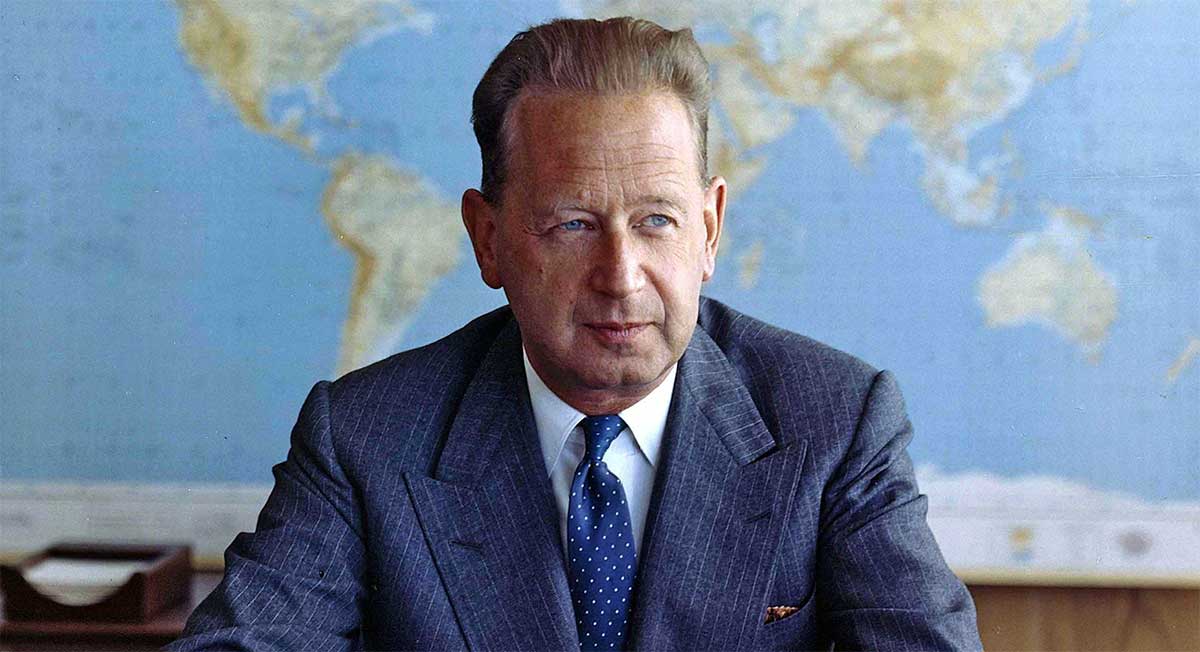
In recent years, the United Nations has earned an unfortunate reputation as slow, inefficient, and unable to contend with the proliferation of crises around the world. Back in the 1950s, the organization had a similar reputation. However, its Secretary-General from 1953 to 1961, Dag Hammerskjöld, proved to be remarkably effective in getting the UN involved in extensive peacemaking efforts. A Swedish economist and delegate for the Marshall Plan, Hammerskjöld pioneered the concept of UN peacekeeping, in which contingents of UN member militaries ensured that the terms of peace treaties were enforced.
A talented, forceful diplomat, he oversaw the creation of UNEF to broker an end to the Suez Crisis. After the Korean War ended, he personally secured the release of several American prisoners of war from China. His most successful action as UNSG was the creation of ONUC, the UN peacekeeping force that helped stop a separatist revolt in the Democratic Republic of the Congo. Tragically, he did not see the end of the crisis because his plane crashed (or was shot down) in 1961 while he was flying to Rhodesia. The UN benefited greatly from his talent for diplomacy and willingness to enforce peace.
6. Henry Kissinger
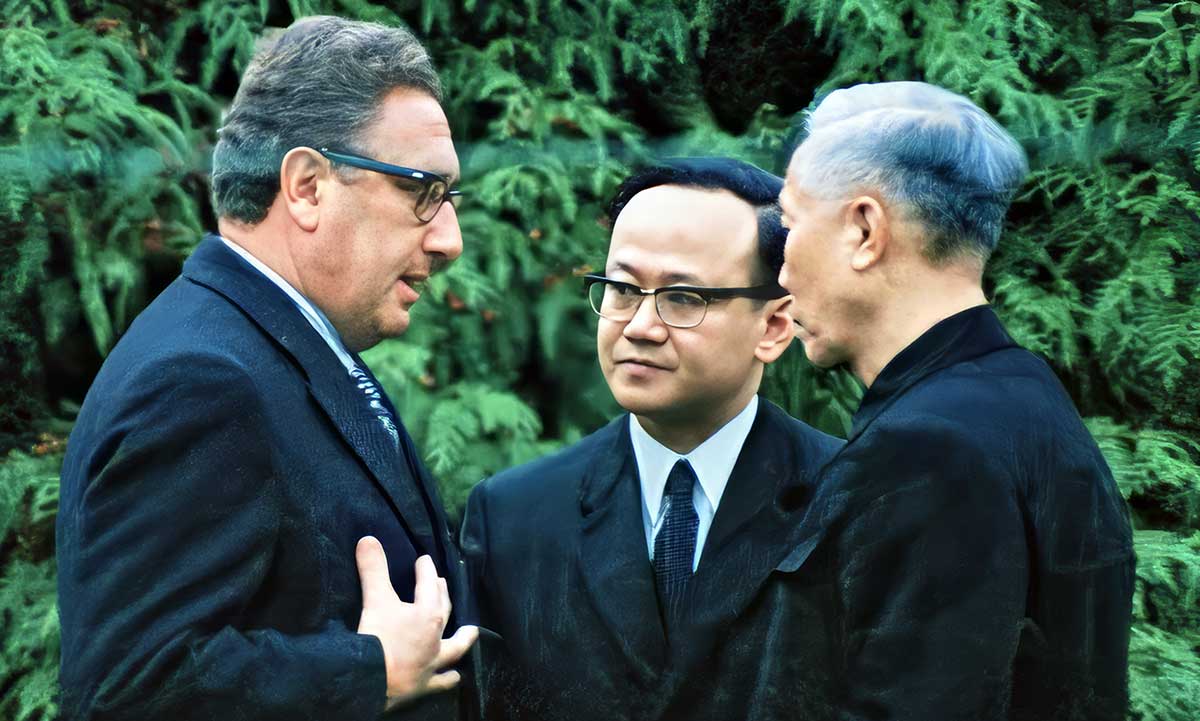
Henry Kissinger, often considered the American equivalent of Cardinal de Richelieu and Metternich, was both the US National Security Advisor and Secretary of State for the Nixon and Ford administrations. Kissinger was a German Jewish refugee to the United States who returned to Germany during WWII as an American GI. Subsequently, he became a professor at Harvard University, an author of a book on America’s nuclear doctrine, and a consultant for both major political parties.
Kissinger saw America as an arbiter of power and rejected any form of idealism, making him unpopular in liberal circles. He helped encourage a period of de-escalation with the Soviet Union known as Détente, and was also instrumental in laying the ground for normalizing Sino-American relations. In 1973, he was awarded the Nobel Peace Prize for his negotiations with North Vietnamese negotiator Le Duc Tho (notwithstanding that the war did not end with his negotiations).
However, his greatest foreign policy success, which defined his approach to peacemaking, was brokering a ceasefire between Israel and the Arab alliance following the Yom Kippur War. By flying back and forth between Jerusalem and the Arab capitals, he was able to get a disengagement of forces before the war could expand and possibly involve the USSR. This negotiation and his visit to China were the accomplishments that came to define his legacy as a diplomat.
7. Zhou Enlai
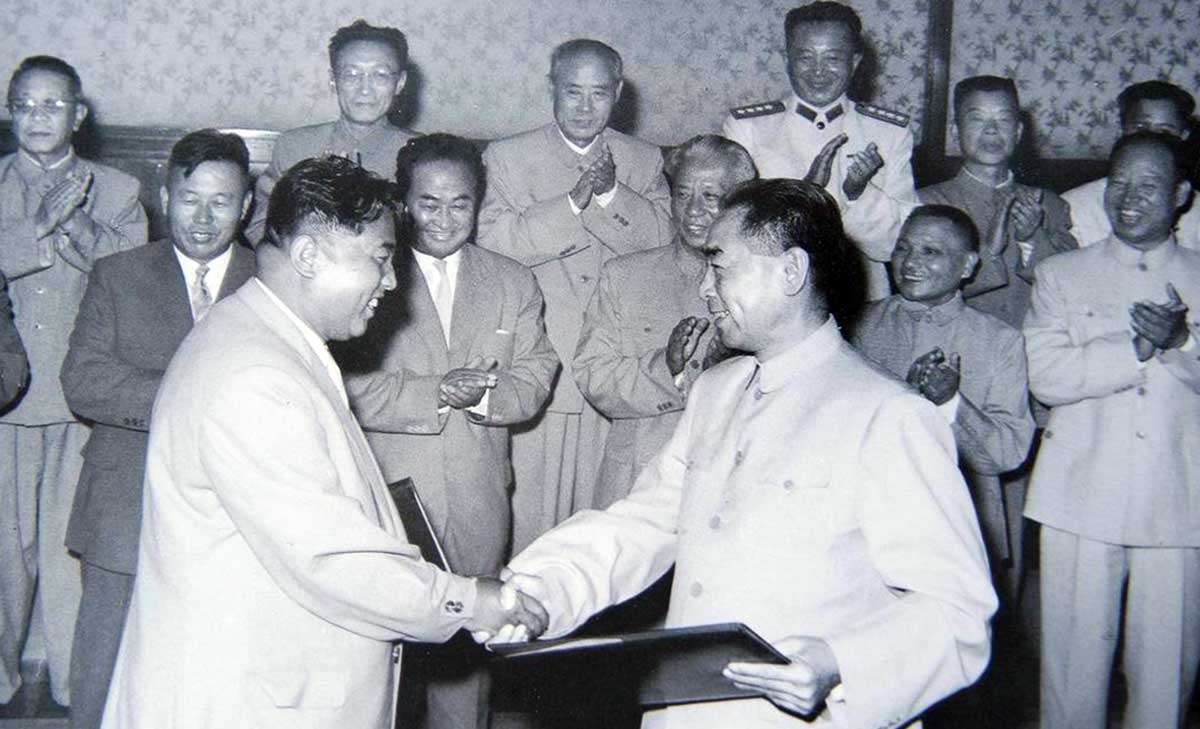
China’s internal chaos after the Communist victory in the Civil War was devastating for its people and could have led to the state’s complete collapse. However, China managed to project a public face that averted much of the criticism it could have received from the international community. This was largely due to the efforts of Zhou Enlai, who served as China’s premier from 1949 until 1976 and concurrently as foreign minister between 1949 and 1958.
Although a committed Communist revolutionary, Zhou was a consummate diplomat known for being respectful and polite even to China’s greatest adversaries. He helped negotiate an end to the French Indochina War by convincing the Vietnamese communists to support the partition of the country. Additionally, he was a major player behind the 1955 Bandung Conference, which created the Non-Aligned Movement of nations.
In the 1970s, Zhou realized that China faced significant challenges. Its ties with the USSR were being strained and it still faced hostility from the US and India. Angering three major powers all at once was not a suitable position. Therefore, Zhou worked privately with Henry Kissinger and President Nixon to improve the relationship between the US and China. This led to a transformation of China’s role in the world and ended its isolation. He continues to be considered one of China’s greatest diplomats and experts on international affairs.
8. Alexandra Kollontai
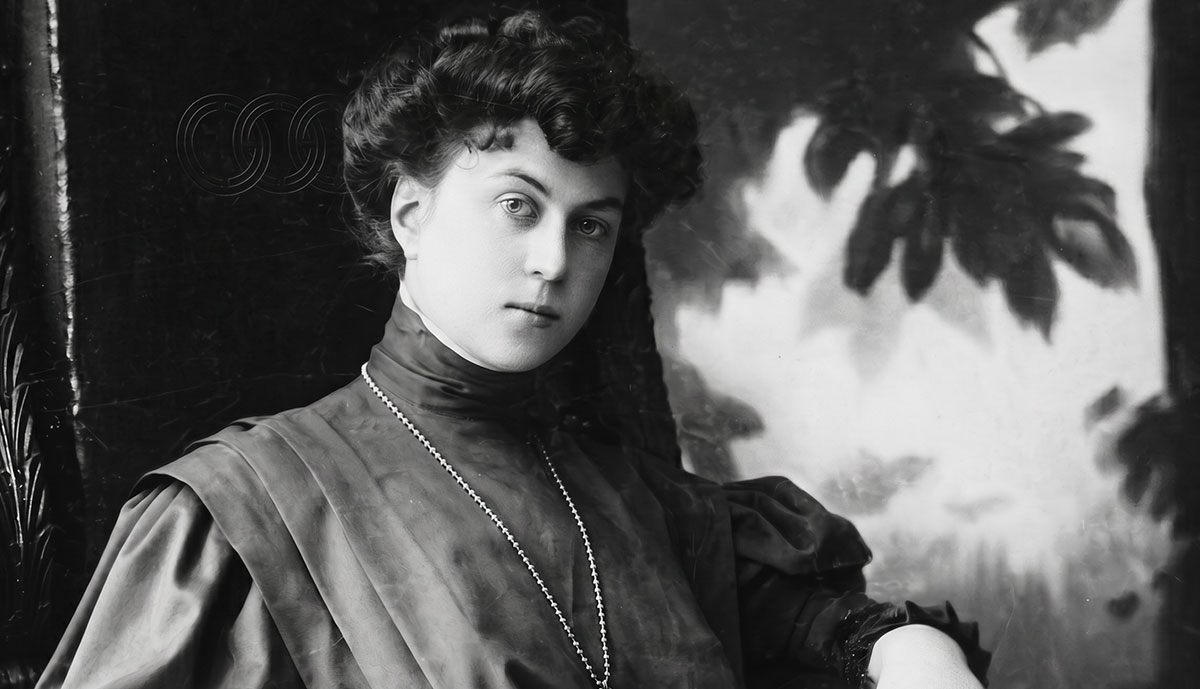
While many women have played influential roles at court and in government of centuries of human history, it was only in 1922 that the first woman became an accredited ambassador. Alexandra Kollontai was born in St. Petersburg, Russia, in 1872 and became a member of the Russian Social Democratic Labor Party before becoming a Bolshevik aligned with Lenin.
Kollantai had a difficult time in her first job as the People’s Commissar of Social Welfare of the Russian SFSR. In 1924, she was assigned to her first foreign posting as minister plenipotentiary to Norway. After that, she was posted to Mexico, Sweden, and Norway again. From 1930 to 1945, she served as the ambassador to Sweden and played a major role in the Nordic region during WWII.
Kollantai’s main accomplishments were securing recognition of the USSR from Norway in the 1920s and ending the Finnish Winter War in 1940. She was twice nominated for the Nobel Peace Prize, although she never received it. She earned praise from diplomats around the world for her willingness to work pragmatically and help the Allies win World War II.
9. Richard Holbrooke
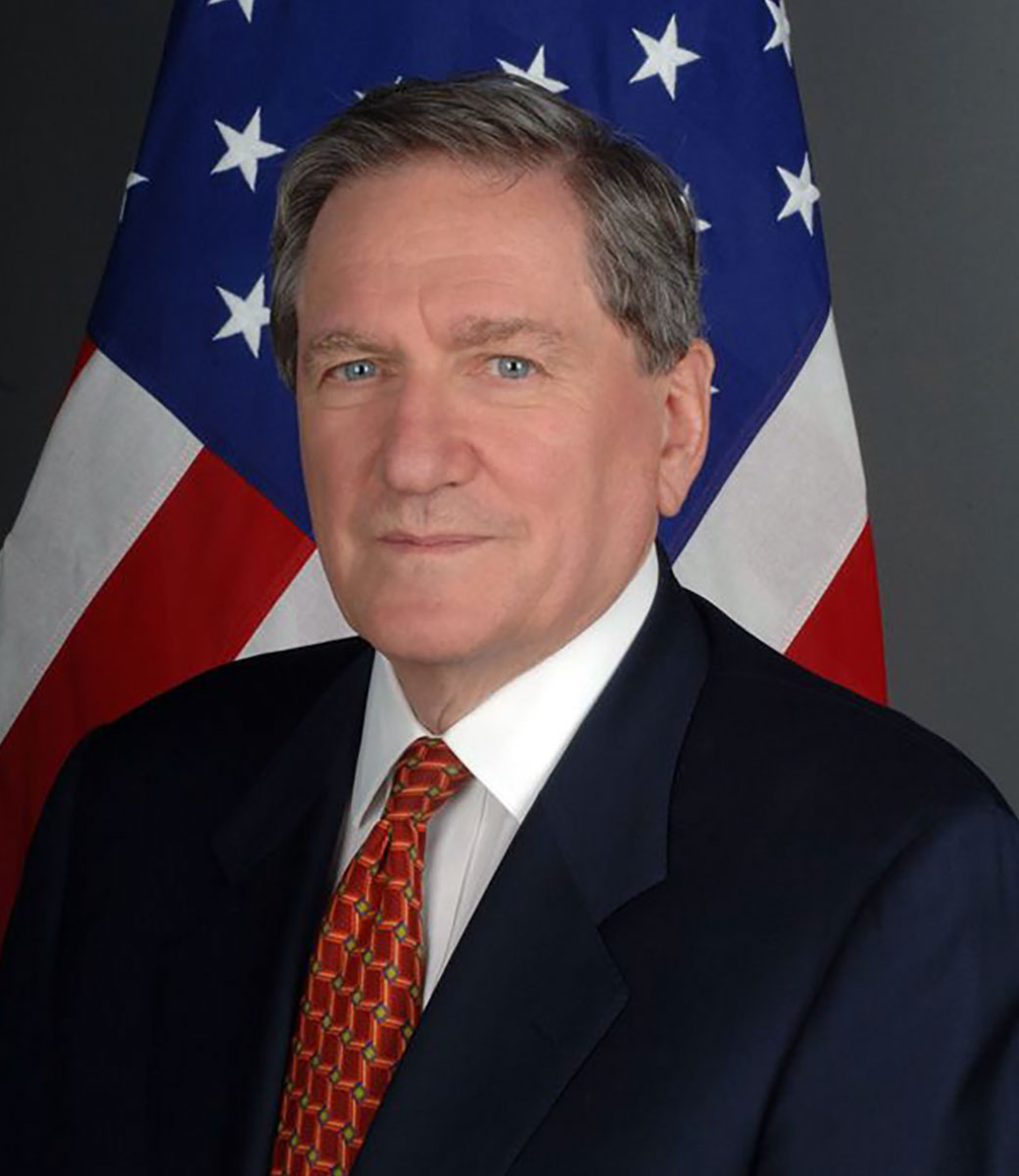
Even though he never served as Secretary of State, Richard Holbrooke was probably one of America’s most famous diplomats due to his fifty-year career in government. Born into a Jewish immigrant family to New York, Holbrooke entered the foreign service when President Kennedy encouraged Americans to join the government in 1962. He started out working on East Asia matters, helping evacuate refugees (known as the “boat people”) to the United States. After a hiatus on Wall Street, he returned to the State Department as US ambassador to Germany and then Assistant Secretary of State for European and Eurasian Affairs until 1996.
In this capacity, he arranged for the signing of the Dayton Accords, which ended the Bosnia war and continues to serve as the basis of Bosnia’s constitutional framework to this day. After leaving the government again, he agreed to continue mediating negotiations between Serbia and the Kosovo rebels at the end of the Clinton administration. His name became synonymous with Balkan peace treaties and it earned him a reputation as one of America’s most capable diplomats. After a brief stint as the US ambassador to the UN, his final role as a public servant was as Special Representative for Afghanistan and Pakistan during the Obama administration.
10. Lester Pearson
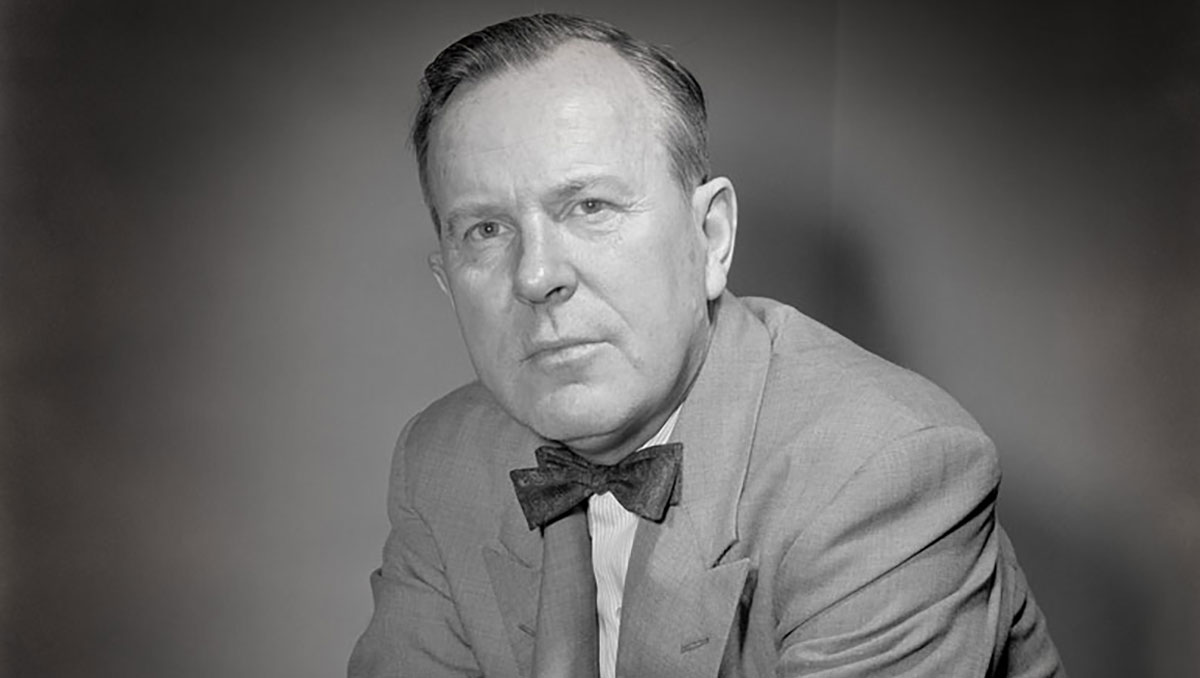
The last diplomat on this list is one who is not that well-known, notwithstanding his accomplishments. Lester Pearson served as both Foreign Minister and Prime Minister of Canada in the mid-20th century. He is regarded as Canada’s most effective diplomat for his work in helping build multilateral institutions and arranging for a ceasefire between the Anglo-French-Israeli coalition and Egypt following the Suez Crisis in 1956. Pearson worked closely with Secretary-General Hammerskjöld and was a major proponent of the creation of UNEF to enforce the ceasefire, which earned him a Nobel Prize.
Prior to the Suez Crisis, he played a critical role in the establishment of NATO’s charter in 1949. His idea that countries in the alliance should work together beyond the military realm became Article II in the Charter (also known as the “Canada Article”). As President of the UN General Assembly, he helped negotiate the Armistice to end the Korean War. After his premiership ended in 1969, he led a World Bank commission that produced Partners in Development, a landmark report that established the target for wealthy nations to provide 0.7% of their GNP in foreign aid. His accomplishments remain the gold standard for Canadian diplomacy to this day.
The Impact of Diplomacy
Each of these diplomats varied in their attitudes towards negotiations and their ideals. Some, like Kollontai and Zhou, were revolutionaries seeking to incorporate Marxism into diplomatic practice. Others, including Kissinger and Richelieu, believed that their role was to balance power around the world and shed any notions of idealism in policymaking. What every one of these people had in common was the belief in the importance of promoting their national interests in negotiations and the use of both hard and soft power to accomplish their objectives.
Diplomats are often the most public face of a country and it is they who are often the most well-remembered. In the 1970s, Henry Kissinger was considered one of the most powerful men in the world, almost as powerful as his boss, President Nixon. He balanced that image of power with a talent for good public relations and a friendly demeanor with the press. Similarly, Talleyrand sought to show that he was willing to represent France regardless of who was in power. These diplomats balanced a willingness to use power with a measure of gregariousness and flair to promote their public persona. That is what made them icons of power and diplomacy.