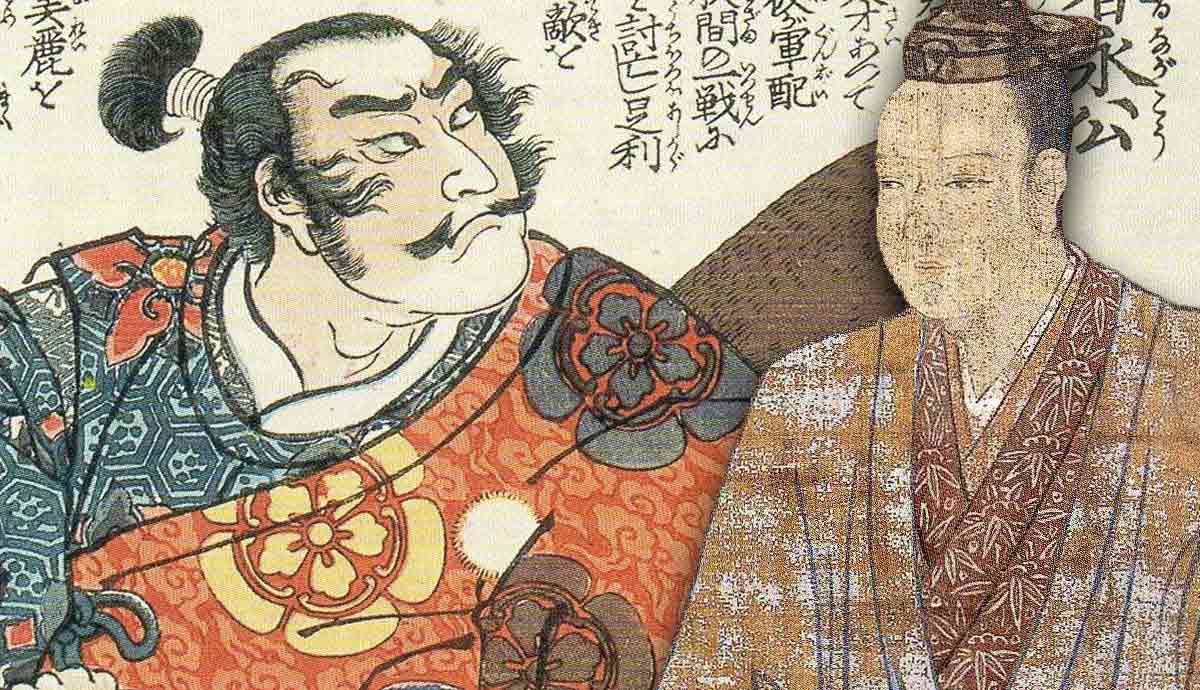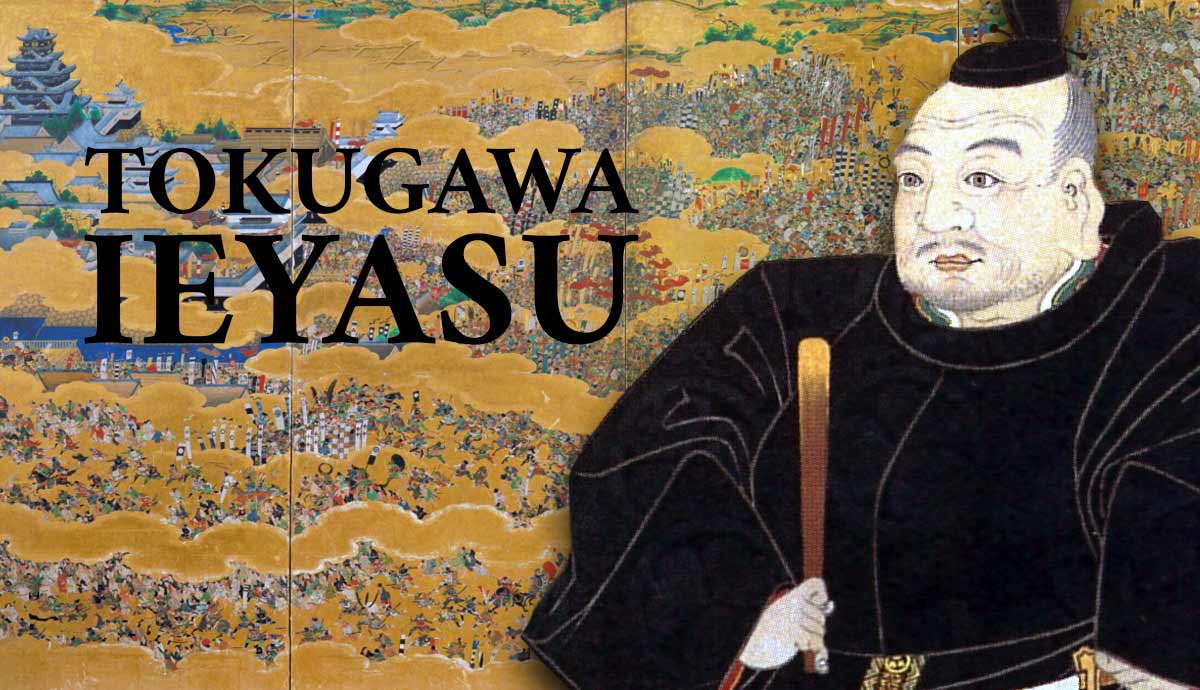

Tokugawa Ieyasu’s victory at the Battle of Sekigahara in 1600 secured his future and led to his appointment as shogun in 1603, inaugurating the Tokugawa shogunate that ruled Japan until 1868. But all those accomplishments could have gone to his chief rival, Ishida Mitsunari, with history remembering the Edo Period (1603–1868) as the Ishida shogunate. It is impossible to overstate how different that Japan might have been had Mitsunari emerged victorious at Sekigahara. But we can get an idea of this counterfactual hypothesis by first understanding Ishida Mitsunari himself.
The Three Cups of Tea That Shaped a Nation
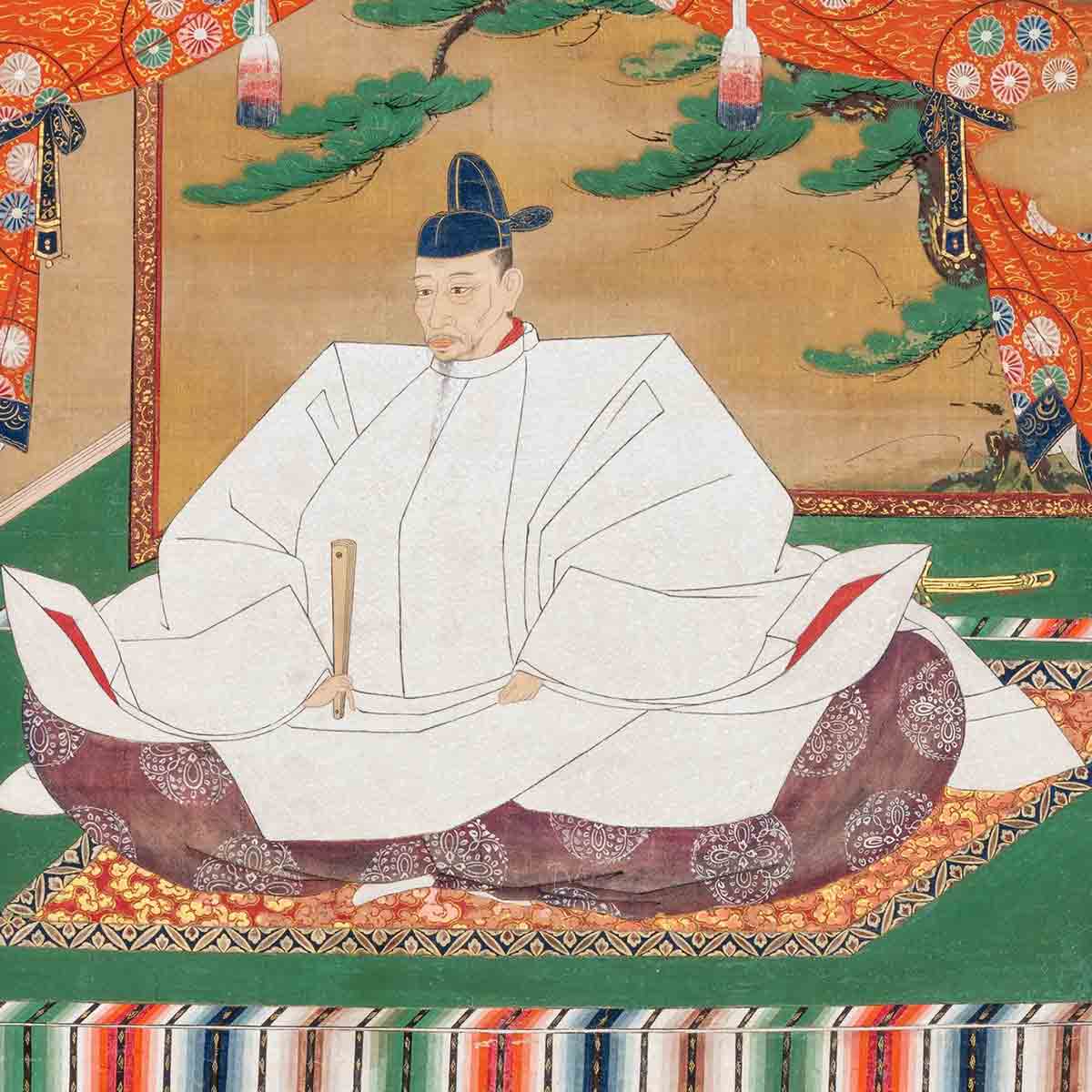
Ishida Mitsunari was born in Omi Province (modern-day Shiga) in 1559 or 1560. He spent his formative years being educated at a Buddhist temple (possibly Kannon-ji), with the solemn, contemplative environment profoundly shaping his temperament. The temple upbringing cultivated discipline, attentiveness, and a seriousness of spirit that later distinguished Mitsunari from his more warlike contemporaries.
The defining episode of his youth—which is almost definitely apocryphal but great men of history deserve their legends—was his encounter with Toyotomi Hideyoshi, the future second great unifier of Japan, then serving Oda Nobunaga and going by the name Hashiba Hideyoshi. While apprenticed at Kannon-ji, Mitsunari served Hideyoshi three cups of tea, each adjusted precisely to the lord’s changing needs.
According to lore, Hideyoshi was so thoroughly impressed by this perception and attention to detail that he immediately took Ishida Mitsunari into his service. True or not, the story encapsulates Mitsunari’s essence as a man who did not forge his destiny through brute strength but rather careful thought and prudent preparation. Mitsunari believed in order, authority, and loyalty to institutions. His zeal for taming chaos, sharpened by his monastic youth, made him a formidable foe to his greatest rival: Tokugawa Ieyasu.
The Bureaucrat Who Challenged Warlords
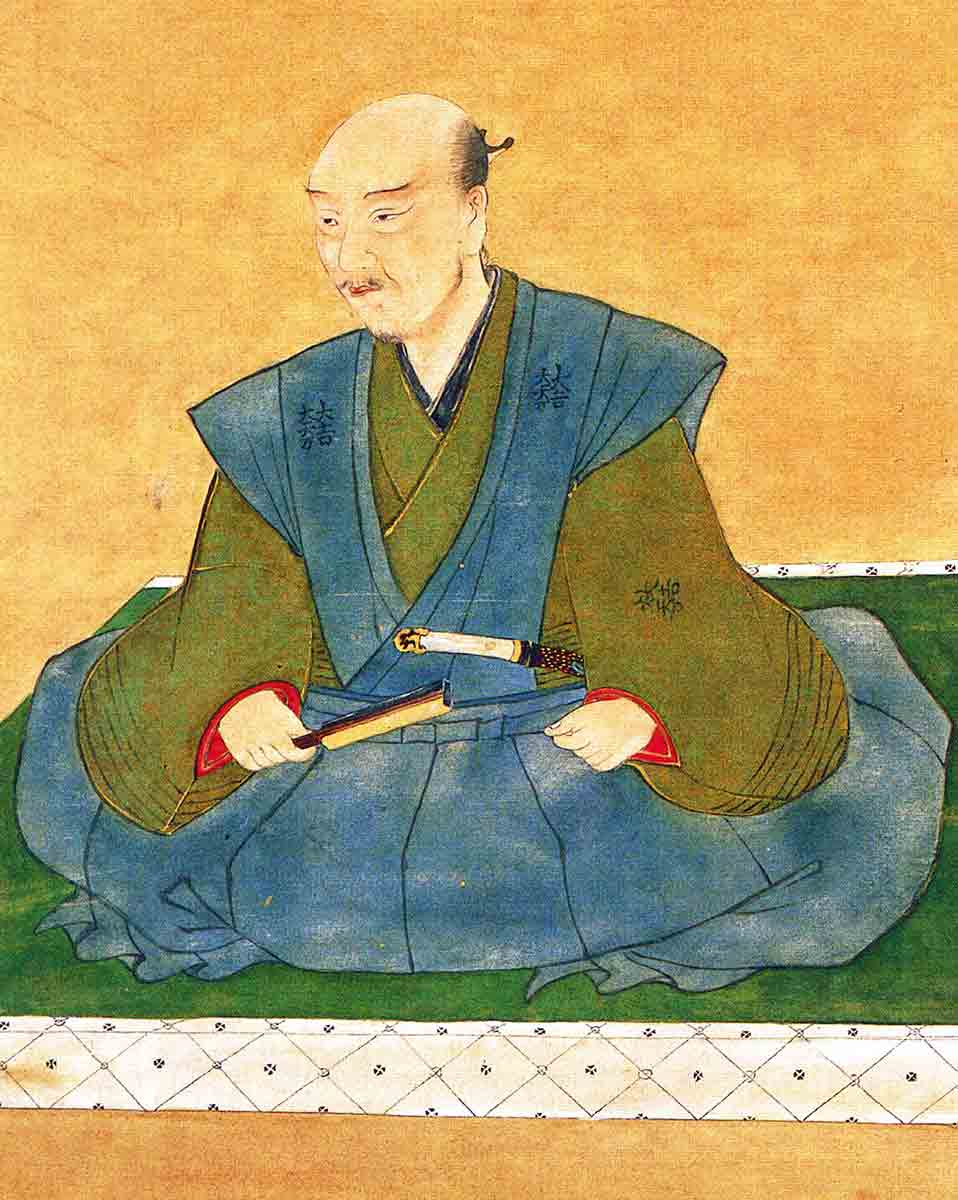
Ishida Mitsunari’s rise to power followed a path radically different from the heroes and villains of the Warring States period when regional warlords vied for supremacy. While his contemporaries distinguished themselves through blood-soaked warfare, Mitsunari identified his keen mind as his greatest weapon, which he wholly devoted to serving Toyotomi Hideyoshi. Though he did see military service during the Battle of Shizugatake of 1583 and the siege of Oshi Castle in 1590, his primary role in these campaigns was not active combat, but rather offering tactical advice, coordinating supply lines, and organizing reconnaissance missions. Military logistics might not be glamorous, but it is often an essential ingredient for victory.
Toyotomi Hideyoshi understood this. As Japan moved closer towards unification, logistical mastery became as important to him as martial skill, and Mitsunari proved an indispensable and trusted general, especially after Toyotomi became the most powerful man in Japan following the death of Oda Nobunaga. During his service, Mitsunari administered cities for Toyotomi and organized provisions for large-scale campaigns like his master’s conquest of Kyushu. With each year, Hideyoshi (a famously paranoid and distrustful person) treasured the allegiance of Ishida Mitsunari more and more.
With time, Mitsunari found himself at the heart of the Toyotomi government, acting as the regime’s chief executive, issuing orders in Hideyoshi’s name and enforcing central authority across the realm.
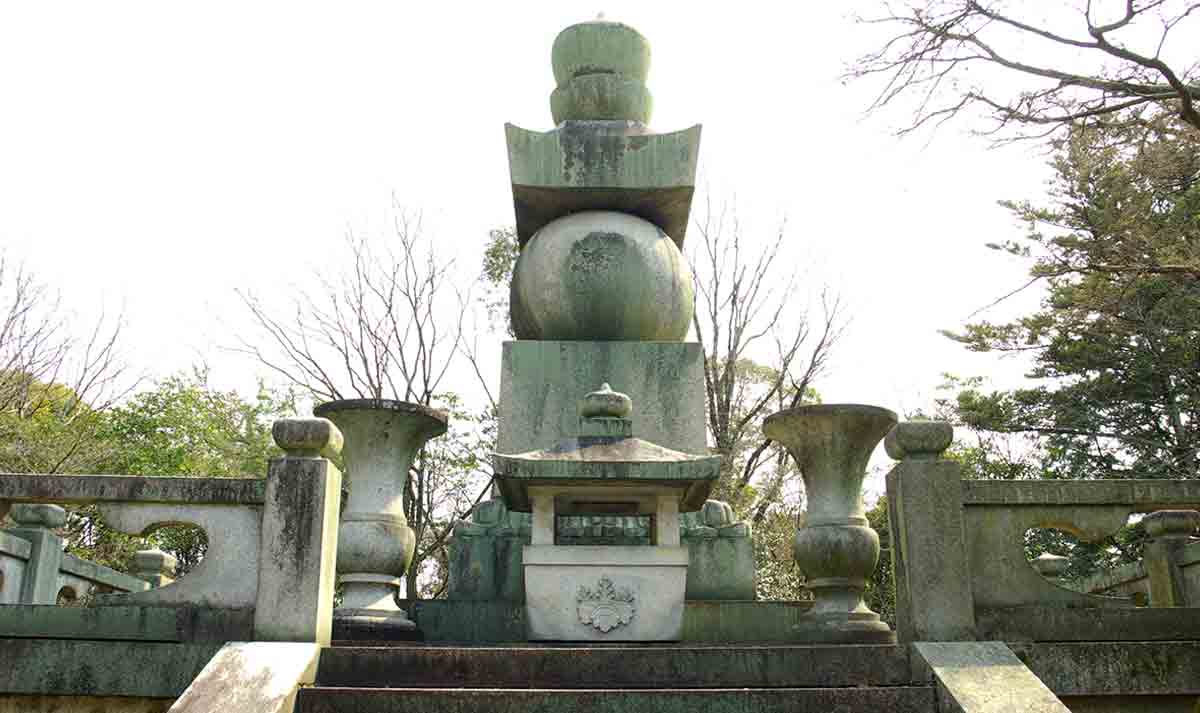
However, while his administrative responsibilities made Ishida Mitsunari incredibly influential, it also fueled resentment towards him. Warrior samurai clans in Toyotomi’s service hated being supervised by a man whose authority came not from how many heads he had taken in battle but from bureaucratic competence.
Mitsunari’s uncompromising insistence on following orders and on his authority derived through service to his master, the Taiko, ruler of the realm, exacerbated these tensions. Then, in 1598, one of the most important moments in Ishida Mitsunari’s life happened: Toyotomi Hideyoshi died.
Clash of the Titans
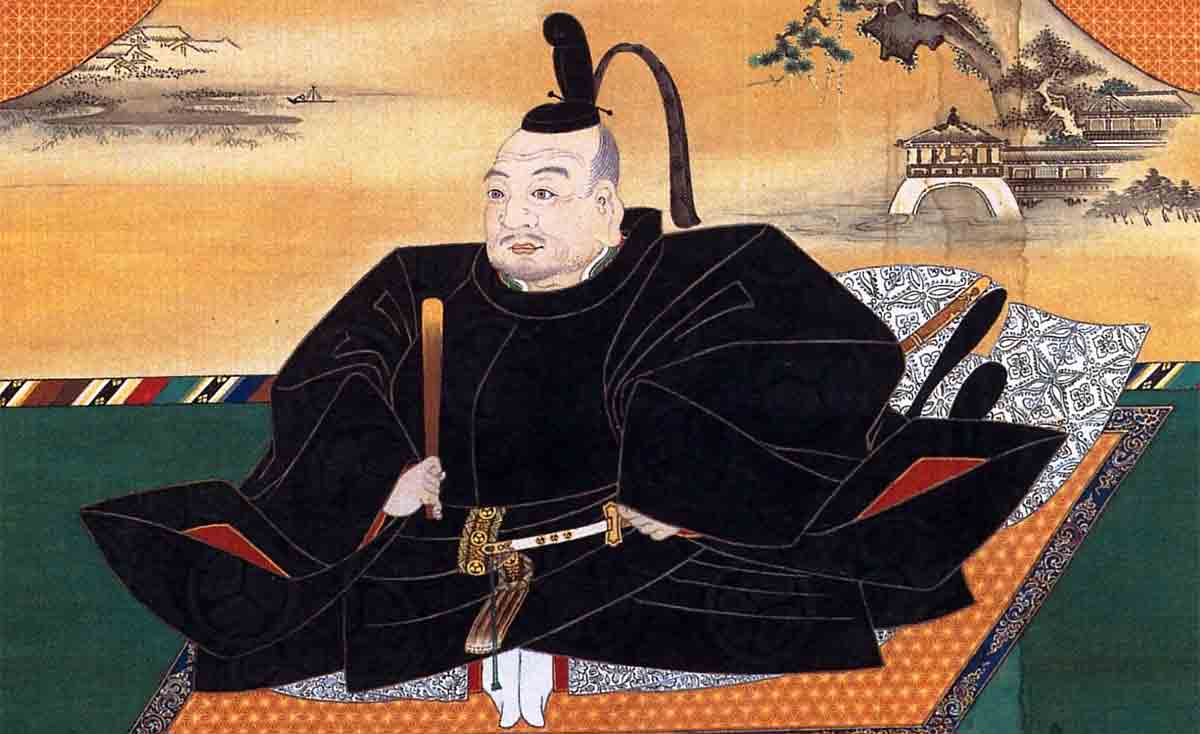
The rivalry between Ishida Mitsunari and the more militaristic parts of the Toyotomi camp came to the fore after Hideyoshi’s death. Hideyoshi left behind a fragile political structure centered on his young heir Hideyori, overseen by a group of elders and commissioners including Tokugawa Ieyasu.
Within this framework, both Mitsunari and Ieyasu had equal chances to lay claim to Hideyoshi’s legacy, though through radically different paths. Ieyasu commanded military power supported by his battlefield achievements. Mitsunari, however, represented legitimacy itself: he was the guardian of Hideyoshi’s heir, executor of Hideyoshi’s testament, and the man who embodied the continuity of Toyotomi rule.
Ishida Mitsunari accused Ieyasu of undermining the Toyotomi legacy and seeking to become a military dictator. His concerns were justified, as Ieyasu started maneuvering towards taking control of Japan pretty much the minute that Hideyoshi died.
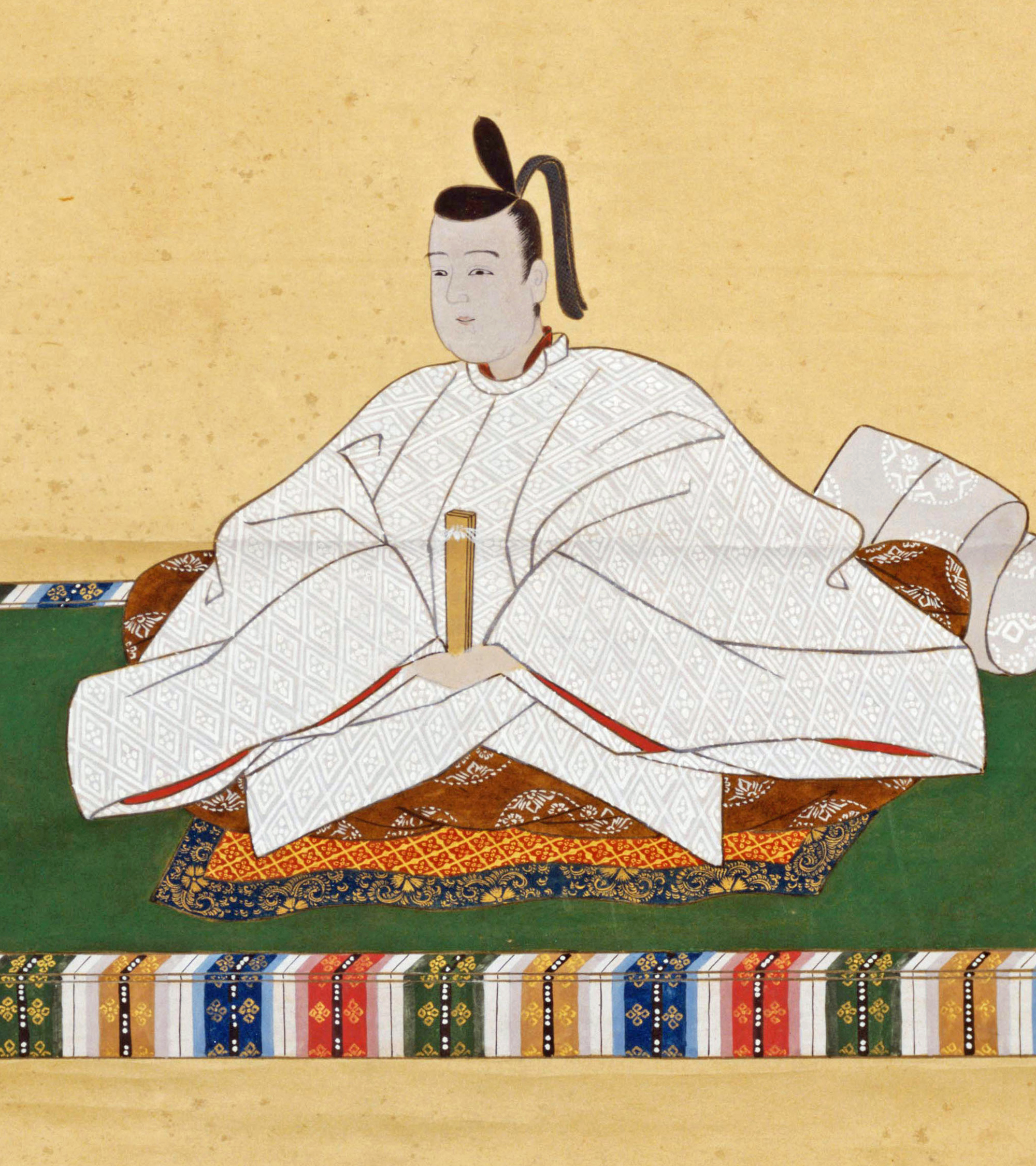
Ieyasu countered by depicting Mitsunari as an unscrupulous schemer using Hideyori to seize power for himself. This characterization caught on quickly with the warrior elites and also was not without merit. The truth is that, as the underdog of history who lost to Ieyasu, Mitsunari’s image has been somewhat laundered by history. His dedication to Hideyoshi is undeniable and there is little proof that he was anything but a steadfast loyalist, but who can say for sure what was in his heart after Hideyoshi’s death? Maybe there was a tiny glint of ambition in his eye?
Whatever his actual motives, Mitsunari’s position gave him the stronger moral claim to rule, at least until Hideyori came of age. That is why, when war came, Ieyasu was a rebel and Mitsunari a dutifully appointed statesman trying to maintain the established order. If he had won, we probably would have known him as shogun Ishida Mitsunari, possibly serving the regent Hideyori. Alas for Mitsunari, there was the Battle of Sekigahara.
Just a Few Hours Away From a Shogunate
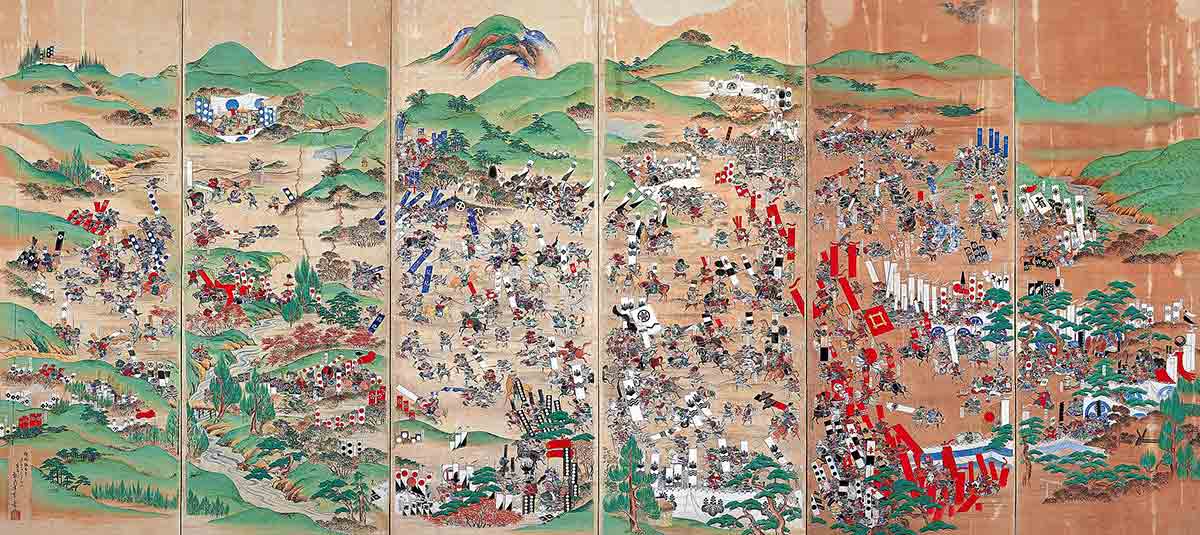
The road to the Sekigahara began in 1599 when Mitsunari narrowly survived an attack by his enemies. From that moment on, armed conflict between him and Ieyasu was inevitable. Warlords loyal to Toyotomi Hideyori rallied around Mitsunari, forming the Western Army. Ieyasu’s supporters became the Eastern Army. Both sides framed the conflict as an unavoidable moral necessity.
Mitsunari moved decisively. He took hostages (though some chose death over becoming his pawns), issued proclamations branding Ieyasu a rebel, and coordinated movements of large contingents of warriors with that unmistakable Ishida Mitsunari flair for logistics. By October 1600, the armies converged at Sekigahara in modern-day Gifu. Mitsunari established his headquarters on high ground and enjoyed a numerical advantage. He was not planning to fight personally but did lay out a complex encirclement strategy and trusted his generals to execute it.
His battle plans were perfect on paper, but their execution failed due to betrayal. Early on in the battle, the Western Army held firm but suddenly key contingents defected or refused to engage. This was partly due to personal dislike of Ishida and partly because of behind-the-scenes scheming by Ieyasu. It turned out that Ishida’s rival was not just about brute strength. He was also capable of great cunning. After the turncoat armies started attacking Mitsunari’s allies, the Western line collapsed, together with any real prospects of Ishida Mitsunari ever becoming shogun.
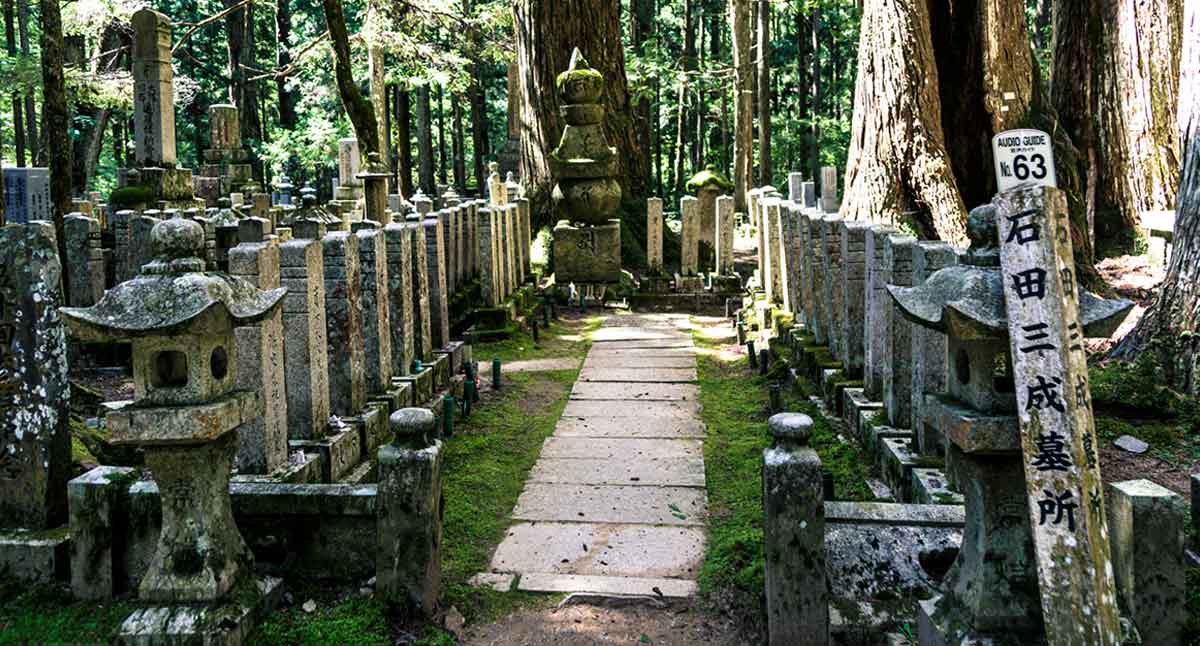
Mitsunari fled the battle but was captured days later. When brought before Ieyasu, he accepted death calmly, declaring that his defeat was the will of the heavens. Mitsunari was then publicly executed. At Sekigahara, Japan had almost chosen political legitimacy forged in the fires of the Warring States period, which tried to mend a shattered country and promised to bring order to chaos. Instead, military force had won.
The Real Ishida Mitsunari
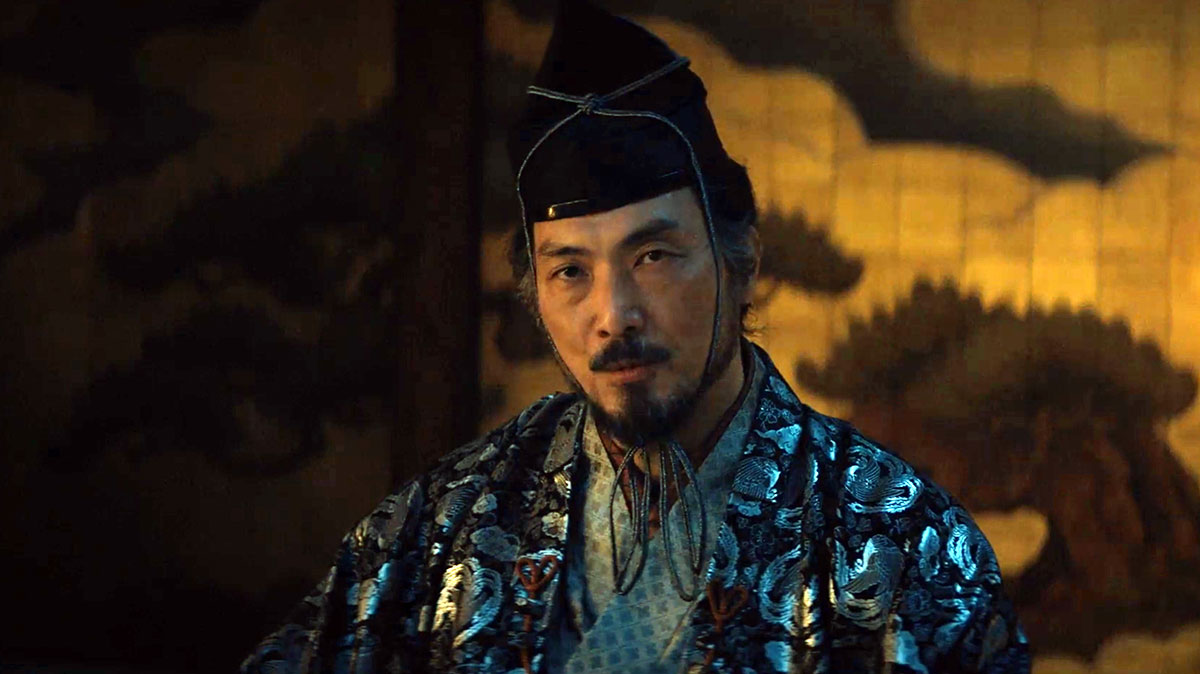
The Tokugawa shogunate did not rule through violence. Other than the siege of Osaka Castle to kill Hideyori, the Tokugawa shogunate seemed to prefer the rule of law and bureaucracy. Perhaps the government of Ieyasu’s descendants was not so different from a hypothetical Ishida shogunate, even if the latter may have formally shared power with the young regent Hideyori. Unfortunately, we will never know for certain how that arrangement would have looked or if it would have worked.
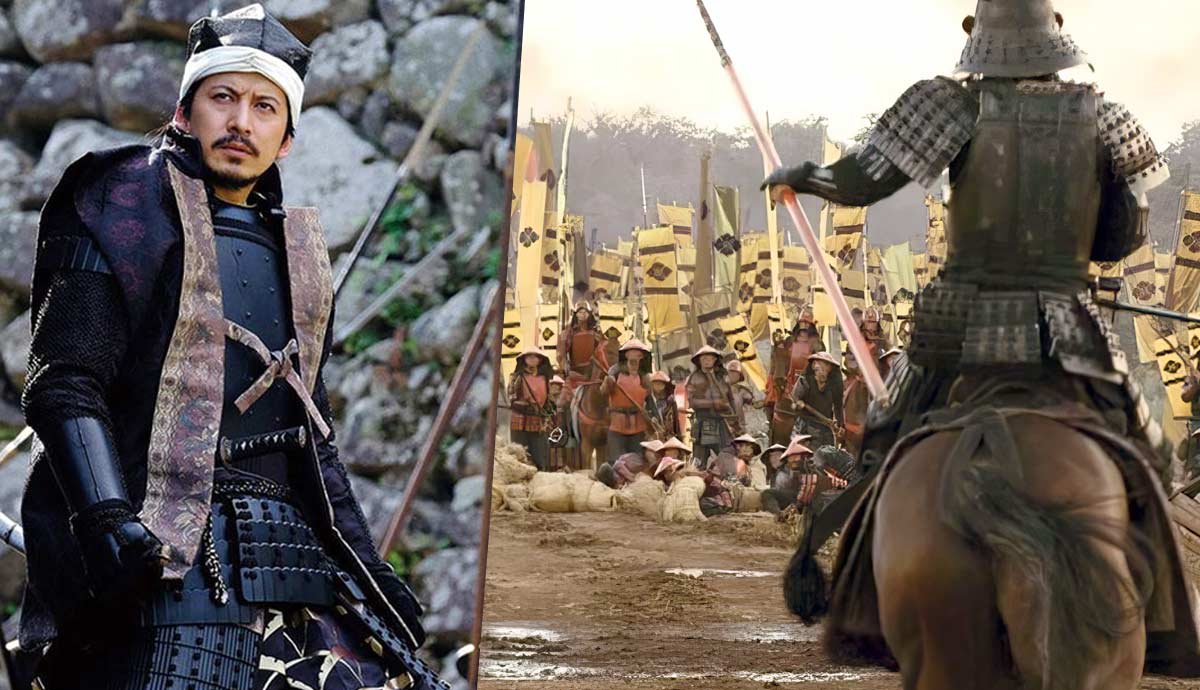
In cases like these, all we can do is try to get an accurate picture of a man who almost changed Japanese history. Most of the world knows of Ishida Mitsunari through the FX streaming series Shogun, where his stand-in Ishido is the show’s resident, ninja-dispatching villain.
The historical Ishida was more complex than that. He was a skilled administrator, political leader, and a legitimate contender for supreme power. He stood for law, continuity, and institutional rule in an age of war and anarchy when every warlord had to fend for himself, and where alliances were quickly made and broken. He was not a villain trying to take something that was not his. His was the road not taken.