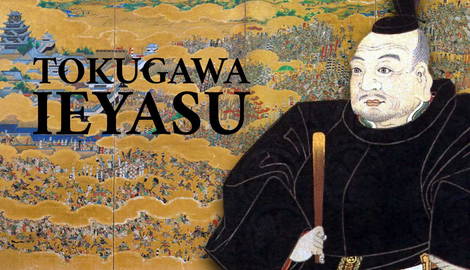

Tokugawa Ieyasu came to be known as the third great unifier of Japan—following Oda Nobunaga and Toyotomi Hideyoshi—by combining patience and battlefield prowess to end the chaos of the Warring States (Sengoku) period. Rising from a child hostage to the undisputed ruler of Japan, he won the Battle of Sekigahara (1600) and neutralized the Toyotomi forces during the Siege of Osaka (1614–1615), some of the largest military engagements in feudal Japanese history. Fictionalized in the award-winning TV drama Shogun, read on to learn about Ieyasu’s historical life.
Ieyasu’s Rough Start
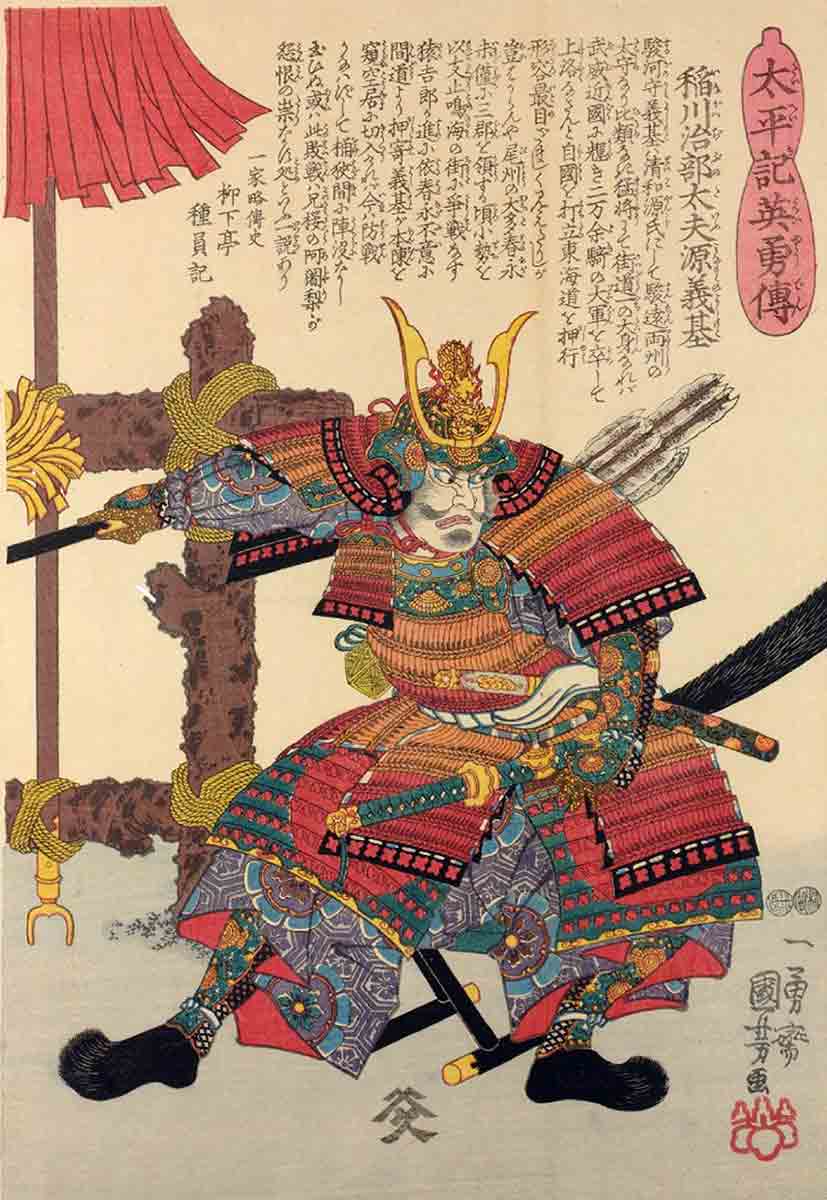
Born Matsudaira Motoyasu in 1543 at Okazaki Castle in Mikawa (modern-day Aichi Prefecture, central Japan), the beginning of Japan’s third great unifier’s story was rather inauspicious. As his family did not command much respect or fear amid the ceaseless regional power struggles of the Warring States period, the young Motoyasu was sent away as a political hostage, first to the Oda clan, then to the powerful Imagawa, impressing on him the cost of powerlessness and the mechanics of survival under stronger warlords.
Tokugawa Ieyasu’s harshest lesson about the realities of Sengoku Japan came when he was ordered to punish alleged treason within his household: “In 1579, Tokugawa Ieyasu’s son and heir Nobuyasu and his mother Tsukiyama Gozen, Ieyasu’s wife, were denounced to [Oda] Nobunaga for atrocious conduct and treasonous activities. Nobunaga demanded that Ieyasu put them to death; Ieyasu complied, forcing Nobuyasu to commit hara-kiri and having Lady Tsukiyama executed” (Elisonas, J.S.A. & Lamers, J.P., p. 38).
While Ieyasu’s early life was marked by adversity, these misfortunes instilled in him patience, adaptability, strategic humility, and the knowledge of when to accept temporary submission and bide his time. Everything may have been stacked against Tokugawa Ieyasu, but without learning to overcome brutal obstacles from an early age, he may have never become Japan’s third great unifier.
Allegiances, Adversities, and Advantage
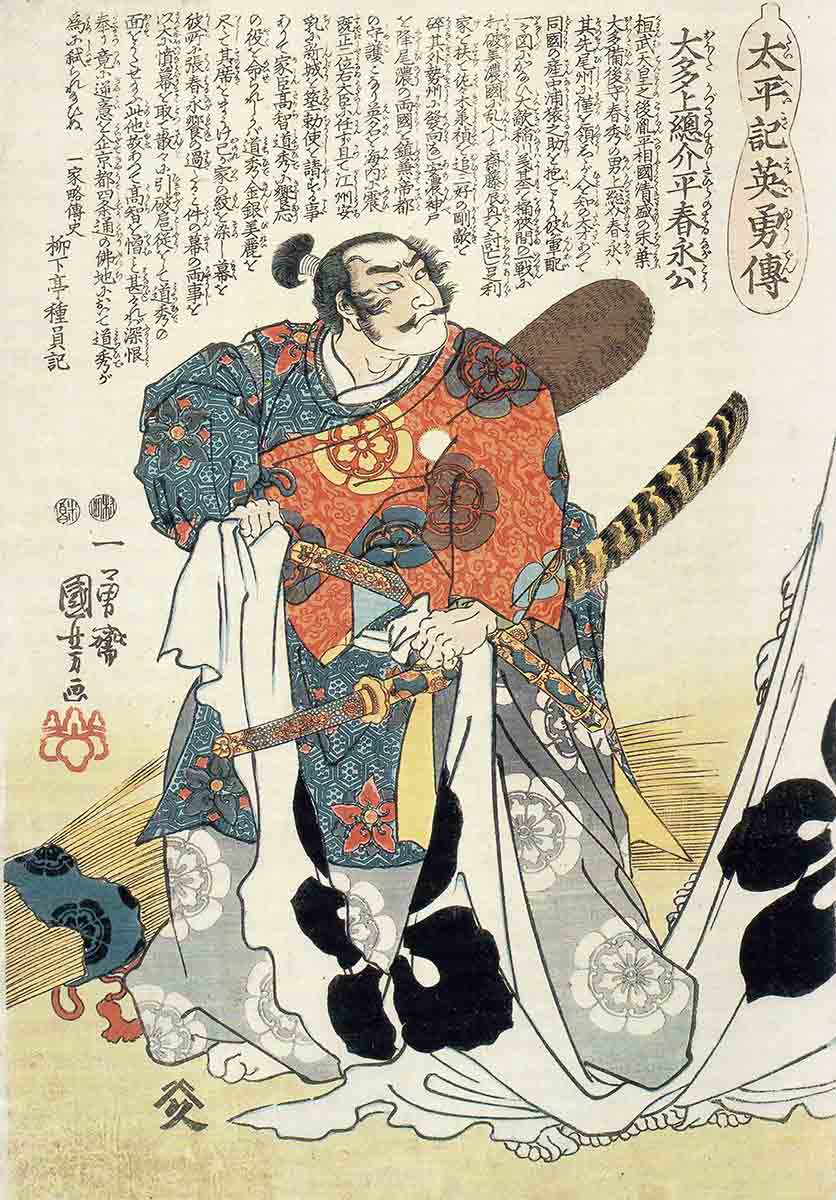
Tokugawa Ieyasu’s rise reads like a master class in strategic survival and converting vulnerability into strength. In 1560, Ieyasu allied himself with Oda Nobunaga after the warlord thrashed the armies of Imagawa Yoshimoto, the man who once held Ieyasu hostage, during the Battle of Okehazama (1560).
As mentioned before, serving Nobunaga had its downsides, but under the ambitious warlord, Ieyasu not only got the opportunity for revenge but also learned statecraft and logistics, from supplying troops to entertaining patrons.
Ieyasu’s survival strategy emerged from his experiences with Nobunaga and centered around three main pillars. First: emotionless pragmatism. His “partnership” with the warlord essentially amounted to subordination and cost him a son and wife, but sentiment had to be put away in exchange for military aid. “I bear Nobunaga no rancor,” Ieyasu is recorded as saying in The Chronicle of Lord Nobunaga (Elisonas, J.S.A. & Lamers, J.P., p. 38). “As long as I am locked in conflict with a great enemy [Takeda Katsuyori] and depend on Nobunaga to back me up, I cannot very well defy Nobunaga. It cannot be helped.”
The second pillar was martial readiness. Ieyasu built and maintained a loyal inner circle of warriors he could trust with his life. He also refined defensive strongholds and learned the value of firearms after almost dying in 1564 when a stray bullet pierced his armor, and after witnessing the power of arquebuses at the bloody Battle of Nagashino (1575).
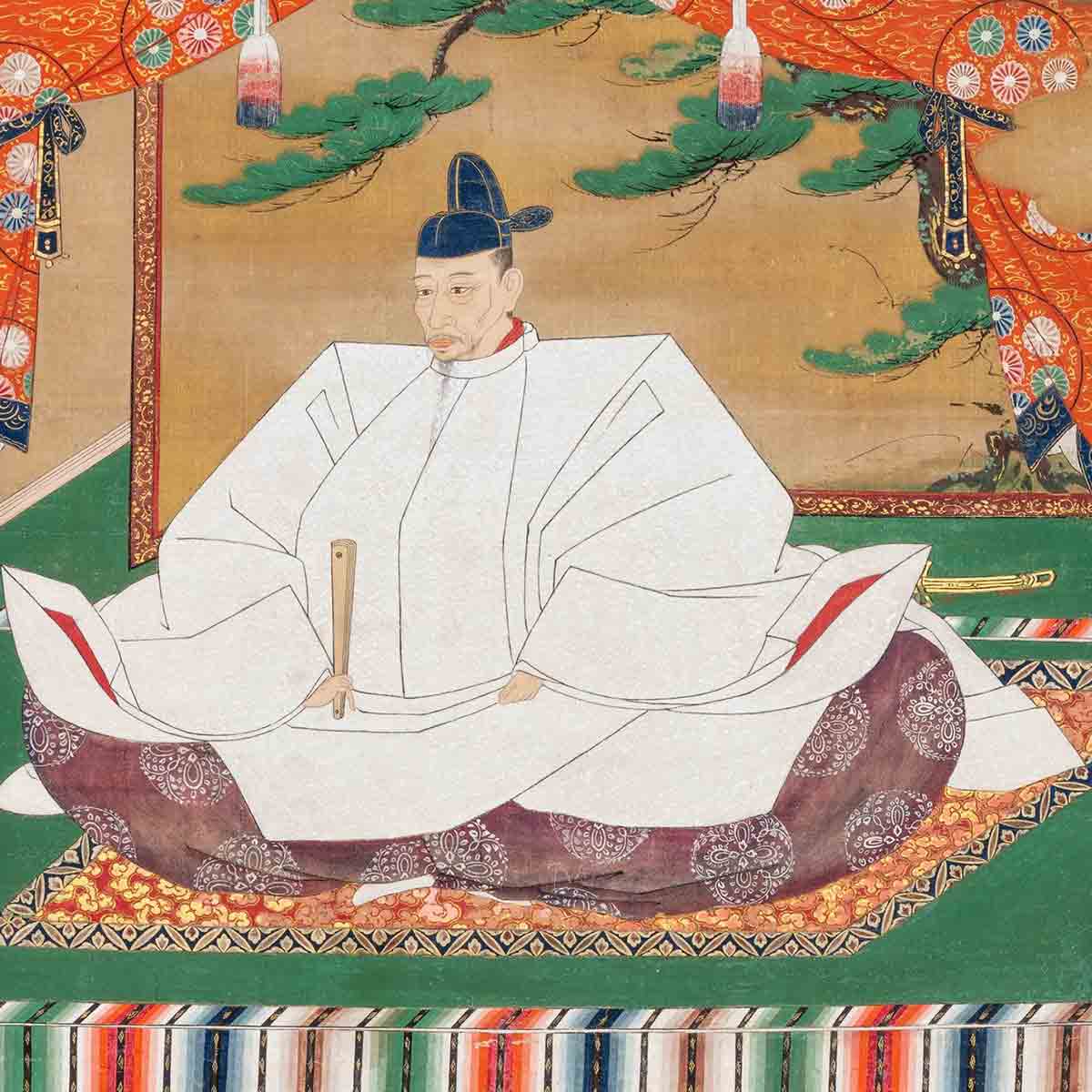
Tokugawa Ieyasu’s third pillar was patience, often explained by a colorful parable. Legend goes that when all three unifiers of Japan were asked what they would do with a cuckoo that wouldn’t sing, Nobunaga said: “Kill it,” Toyotomi Hideyoshi (the second great unifier of Japan) said “Force it,” and Ieyasu said “Wait.” While the story is fully apocryphal, it is a faithful depiction of the real-life Ieyasu: enduring, observant, and willing to wait for the right window of opportunity.
The assassination of Oda Nobunaga in 1582 placed Ieyasu in great danger, but he survived and switched his allegiance to Hideyoshi. In 1590, Ieyasu was effectively relocated to the Kanto region in eastern Japan, supposedly to administer the provinces of the vanquished Later Hojo clan. In reality, it was a strategy to keep Ieyasu away from the power base of his home territories and the imperial court in Kyoto. Oaths of loyalty or not, Toyotomi was sensing a powerful rival in Ieyasu. He was right to worry because Ieyasu used this time to quietly amass allies, using Hojo holdings to build the Tokugawa war chest, and laying the foundations that would one day transform his base, Edo Castle, into the city of Tokyo.
But, more importantly, he regarded the fluid political landscape of late 16th-century Japan as if it was a little cuckoo unwilling to sing, and patiently waited. Finally, in 1598, Toyotomi Hideyoshi died, giving Ieyasu his opening.
The Long Game Pays Off
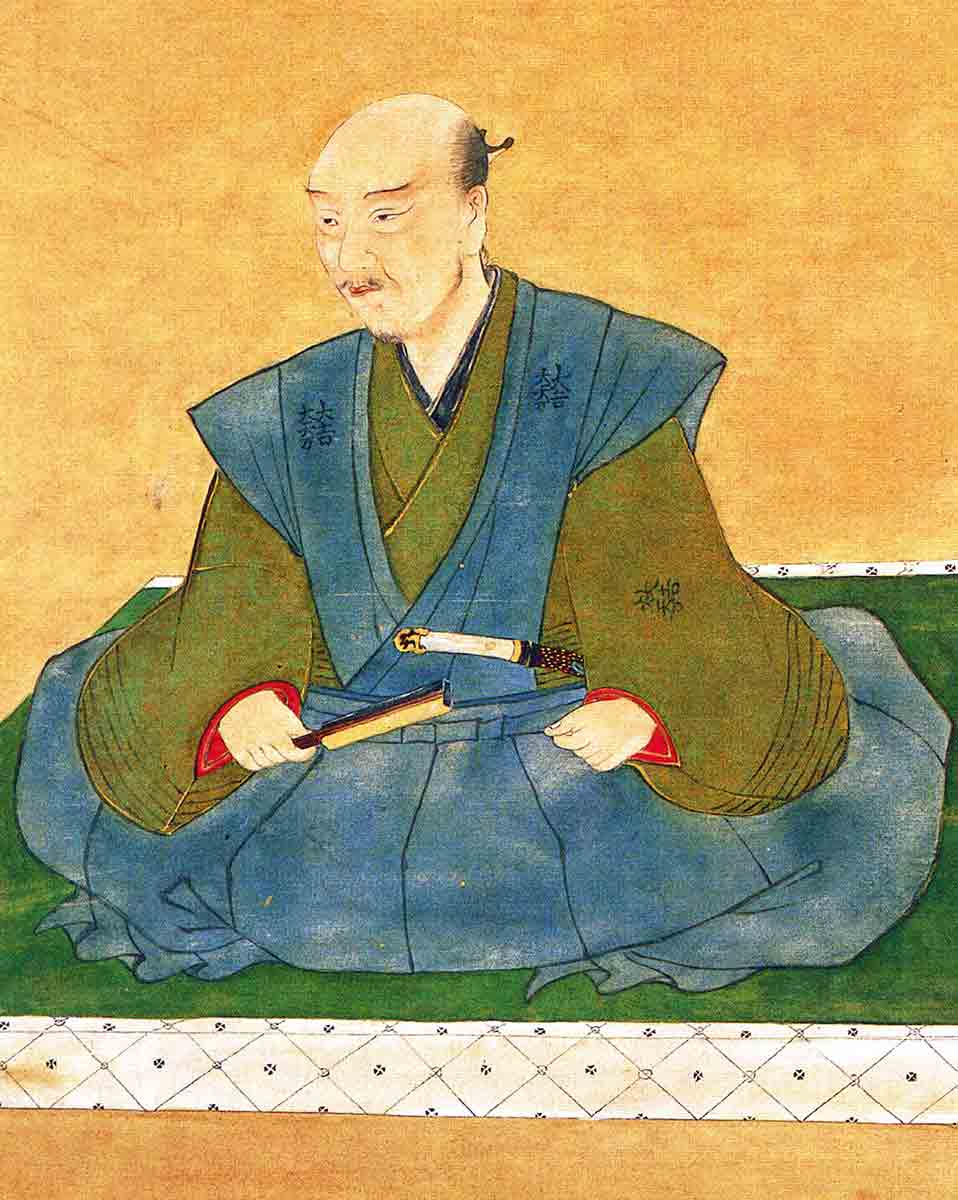
Toyotomi Hideyoshi left behind a son, Hideyori, and a delicate regency system of the Council of Five Elders who were supposed to hold the realm in one piece until the heir matured. Ieyasu, as the shrewd operator he was, used his position to create friction and goad his enemies (primarily Ishida Mitsunari; Ishido in Shogun) into open conflict. He arranged strategic marriages and alliances, redistributed lands, and moved nobles, magistrates, military commanders, and bureaucrats like chess pieces, always with a view towards ultimate supremacy.
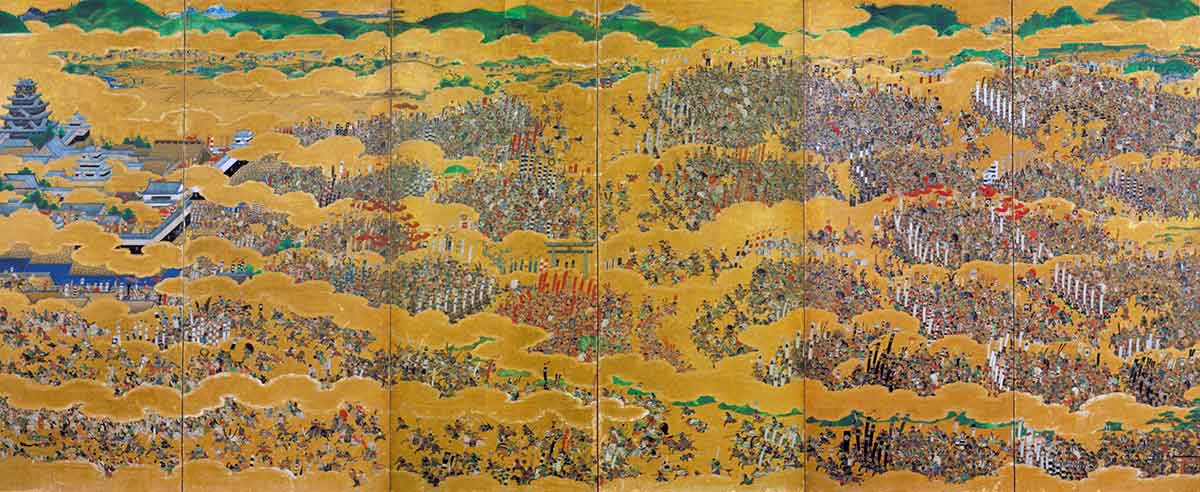
Through this calculated series of political maneuvers and a military campaign designed to antagonize his rivals, Ieyasu succeeded in arranging the big confrontation he craved. The decisive clash for the future of Japan happened on October 21, 1600, at Sekigahara, the largest samurai field battle in history. Ieyasu’s Eastern Army faced Ishida’s Western Army coalition in a battle that became the final contest for rule over all of Japan.
Sekigahara was not merely a clash of arms but intricate political theater. Many warlords were undeclared until the final moments, hesitant to commit either side while hostages and family ties pulled them this way and that. Ieyasu’s genius lay in securing secret assurances, exploiting rivalries within the Western camp to encourage defections, and timing his attacks to crush enemy morale. It did not take long for the Western Army to crumble.
Once the dust settled, Tokugawa Ieyasu immediately started redrawing the map of Japan to his favor. “After the Battle of Sekigahara, Ieyasu made sure to secure his control over the daimyo [warlords], both those whom he was allied with and those he viewed as his rivals. In effect, Ieyasu manipulated the daimyo system to his own benefit. Depending on the daimyo, he reduced their landholdings or removed them altogether. He sometimes kept the land he confiscated for his own domains; still other land he gifted to relatives and Tokugawa family retainers” (Deal, W.E, p. 12).
In 1603, the emperor formally appointed Tokugawa Ieyasu shogun, a purely symbolic gesture from a figurehead but an important one that officially sanctioned Ieyasu’s power. Plus, it was just politically smarter to rule through the divine “authority” of the emperor than by sword and arquebus. However, despite his victory at Sekigahara, the Toyotomi faction—centered on Hideyori in Osaka Castle—remained a threat. Ieyasu’s job was far from done.
From 1614 to 1615, Ieyasu engaged in the Siege(s) of Osaka to eliminate the final obstacle to his dominion over Japan. Over the course of a winter (1614) and a summer (1615) campaign, Ieyasu surrounded Osaka and crushed the Toyotomi resistance, culminating in Osaka’s fall, Hideyori’s death, and the extinction of the Toyotomi clan. At last, Japan belonged to the Tokugawa clan.
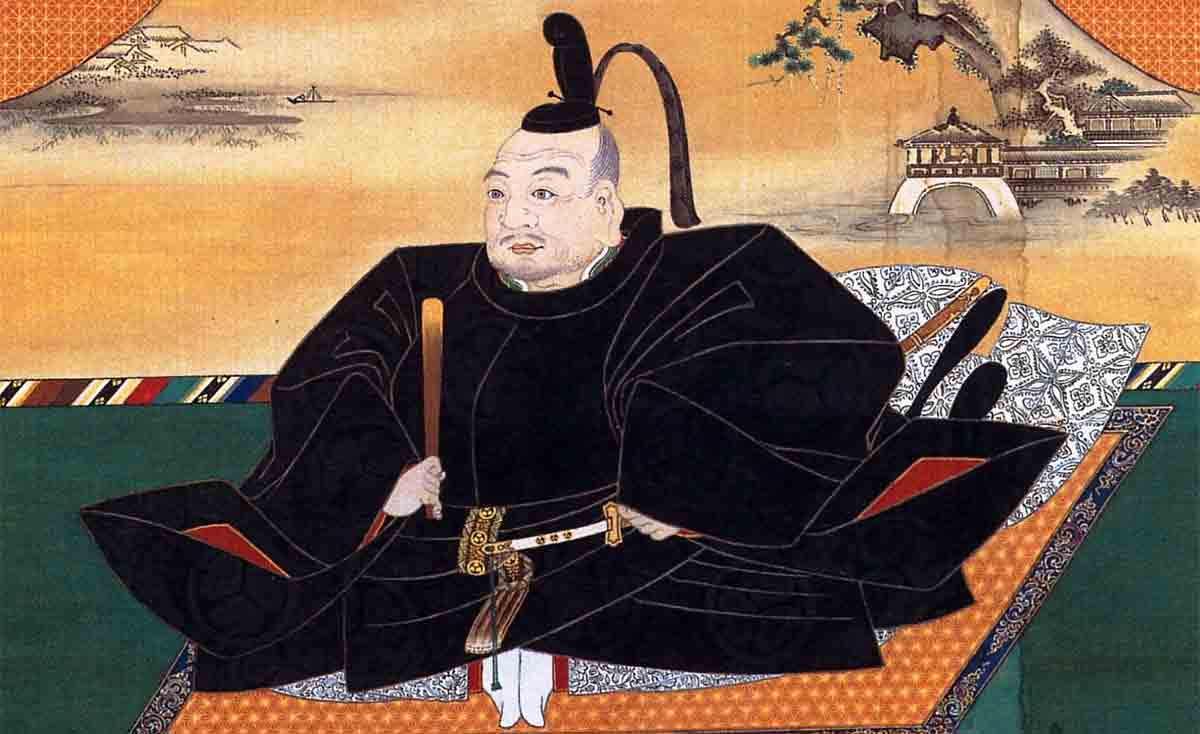
Ieyasu’s post-victory policies secured his family’s position. “[He] kept order and continued the basic thrust of Hideyoshi’s administrative and political policies long enough to pass on to his mature and prudent son Hidetada a realm that was partially habituated to the rhythms of peace” (Totman, C., p. 219). Ieyasu also strategically secured control over firearms and munitions, relocated potential threats to distant provinces, and reduced the number of castles to prevent anyone from repeating his own playbook.
In short, Ieyasu’s climb to a position of absolute power in Japan did not end with Sekigahara/Osaka. It was also backed by thorough post-war reorganization and administration that consolidated Tokugawa rule during the early Edo Period.
The Enduring Legacy of Tokugawa Ieyasu
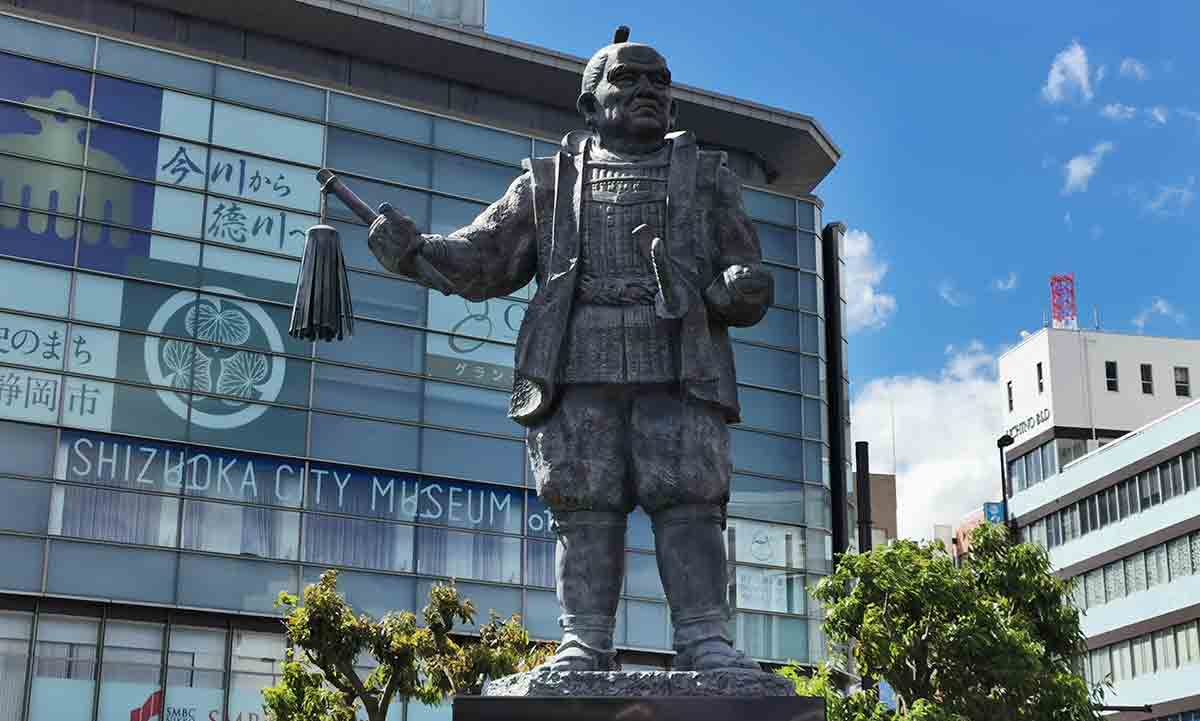
The Tokugawa shoguns would go on to rule Japan for over two and a half centuries until the feudal system was abolished following the Meiji Restoration of 1868. Nothing lasts forever, but to forge a system of peace and stability from the fires of the Warring States period, and to put it in the hands of your own clan for over a quarter of a millennium, must be recognized as one of the greatest success stories in history.
Not bad for a former hostage whose only means of retaliation against his (Imagawa) bullies was, according to legends, to stand up and defiantly urinate at their feet.
Sources:
- Deal, W.E. (2006). Handbook to Life in Medieval and Early Modern Japan. Oxford University Press.
- Ota, G. (author), Elisonas, J.S.A., Lamers, J.P. (trans. & eds.) (2011). The Chronicle of Lord Nobunaga. Brill’s Japanese Studies Library.
- Totman, C. (2016). A History of Japan, Second Edition. Blackwell Publishing.