
The Four Pests Campaign was, by many measures, a political success. It mobilized millions under a single cause, exterminating rats, flies, mosquitoes, and sparrows for the purpose of a cleaner, more modern China. But it also contributed to the deaths of 15 to 45 million people. Unless Chairman Mao considered his own citizens the fifth pest, it qualifies as a uniquely bittersweet victory. In the end, Mao seemed to have underestimated one thing about nature and its inhabitants: when you bite them, they tend to bite back.
Man Must Conquer Nature
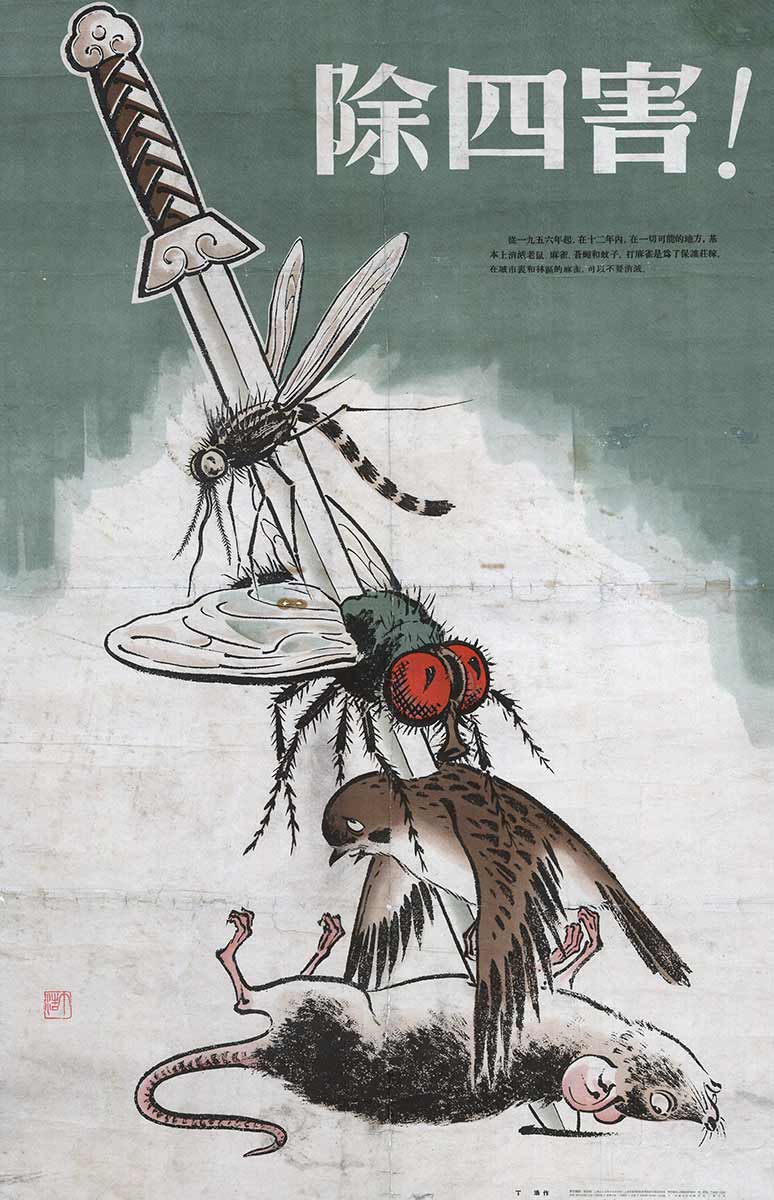
Mao Zedong launched the Four Pests Campaign in 1958 with the goal of eliminating rats, flies, mosquitoes, and sparrows. These animals were cast as enemies of progress due to their spreading of disease and consumption of natural resources. But beneath the surface, this campaign was Mao’s attempt at exerting his control over the animals of his country, in addition to its people.
The campaign emerged as part of the Great Leap Forward, Mao’s sweeping plan to rapidly industrialize and collectivize the country. Sanitation and food production were reframed as revolutionary tasks. Clean cities, pest-free fields, and the eradication of disease were proof of ideological strength. And so, a war on pests became a war on entropy, dirt, and ecological balance itself.
This war on nature marked a radical shift from China’s older traditions. The Chinese went from a country that worked alongside the rhythms of nature to one that battled them. Mao believed that the Earth was something he could dominate. Under the slogan “Man must conquer nature,” harmony and balance acquired a new meaning.
How Did the Campaign Work?
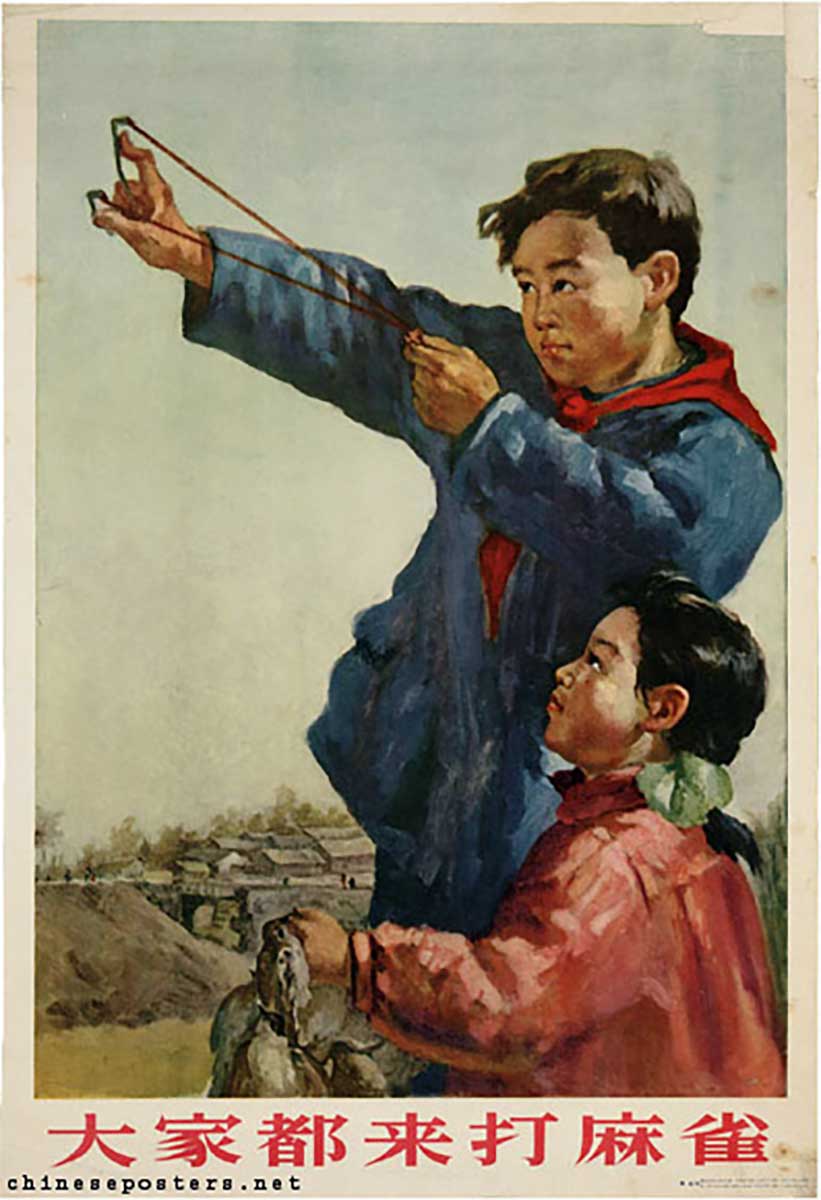
The campaign did not rely solely on trained officials or organized pest control. It relied on everyone. Mao mobilized China’s men, women, and children (above the age of five) into a single, unified assault on nature.
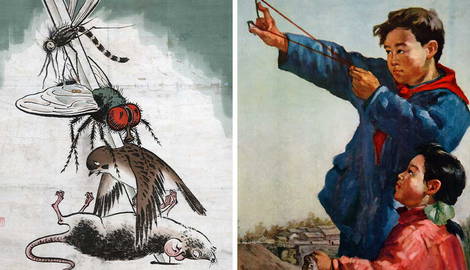
Children were among the most celebrated participants. Posters showed them smiling beside piles of dead sparrows, holding sticks or slings like weapons of revolution. The messaging here was unmistakable. Mao called on the people to “wage war against the four pests.” Quotas were set and awards were given to those who performed. If you were not killing pests, you were part of the problem.
Sparrows were the biggest target of this assault. The plan was simple: deny them rest. Citizens across the country banged pots and pans in an effort to keep the birds flying until they collapsed mid-air. Nests were destroyed, and birds were shot out of the air. The sheer scale was astonishing. It is estimated that over 1.5 billion sparrows were killed during the campaign.
Why Were Sparrows Targeted?
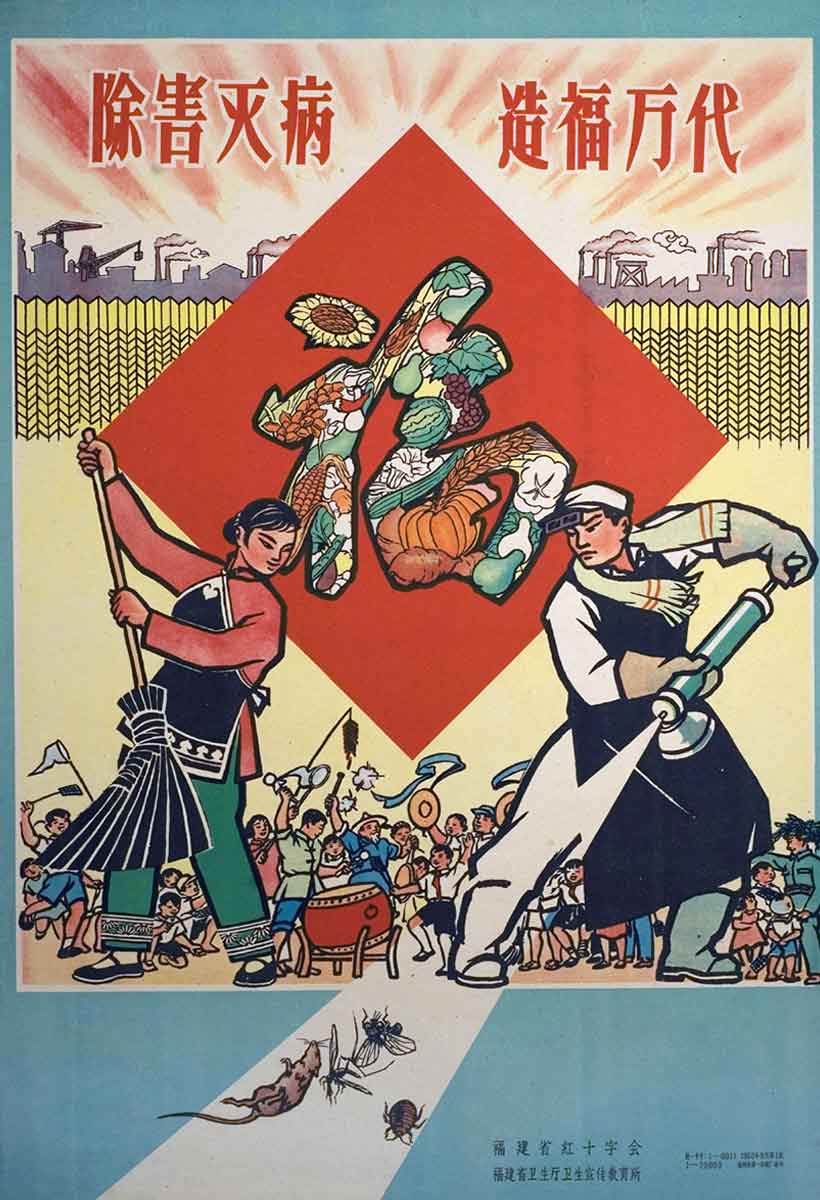
Rats and mosquitoes are famously some of the biggest disease spreaders throughout human history. To some lesser extent, flies also fit into this category. But what about sparrows? What was so threatening about these birds that Mao saw as a roadblock to prosperity?
Simply put, sparrows ate grain. In a country where food production was central to national survival and political legitimacy, any creature that consumed even a fraction of the harvest became an enemy of the state.
According to state estimates, each sparrow consumed roughly 4.5 kilograms of grain per year. Multiply that by millions of birds, and suddenly, Mao’s war on sparrows doesn’t sound so far-fetched. But the math was not science, it was speculation motivated by a powerful ideology.
The campaign operated on the logic that fewer birds meant more grain, and so, the sparrow became a stand-in for waste sabotage. Propaganda posters depicted them as greedy, thieving creatures. One infamous slogan declared: “Birds are public animals of capitalism.” Thus, killing sparrows became a revolutionary act. But while the Party focused on political metaphors, biologists who understood ecosystems were ignored.
What Went Wrong?
The campaign’s early numbers looked promising as sparrows vanished and reports of cleaner streets and full granaries rolled in. State media declared it a victory, but nature has a habit of responding to force with subtle vengeance.
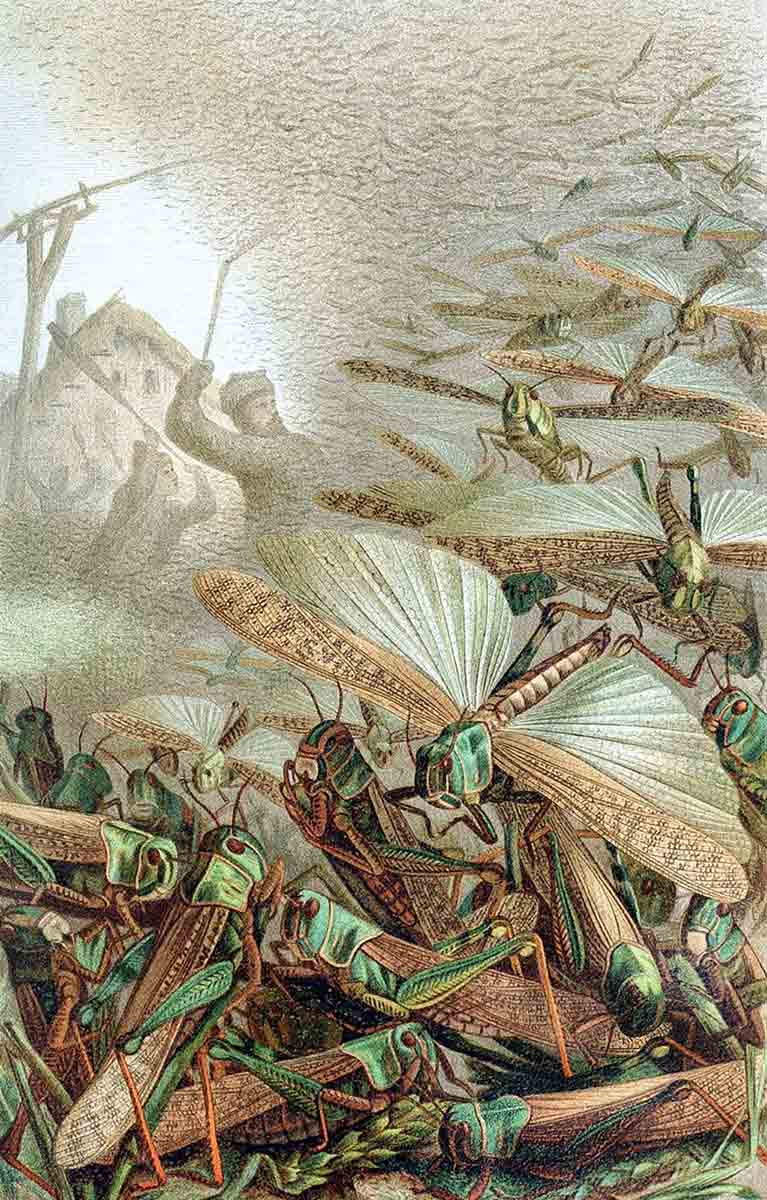
Sparrows do eat grain, but they also eat insects. Without their natural predators, crop-eating insects, such as locusts, flourished. Fields that had once been under the balance of nature turned into habitats for crop-decimating pests.
As food supplies dwindled, Mao’s regime, too invested into the Great Leap Forward, doubled down. The campaign had to continue. Local officials inflated success reports to avoid punishment, while peasants starved.
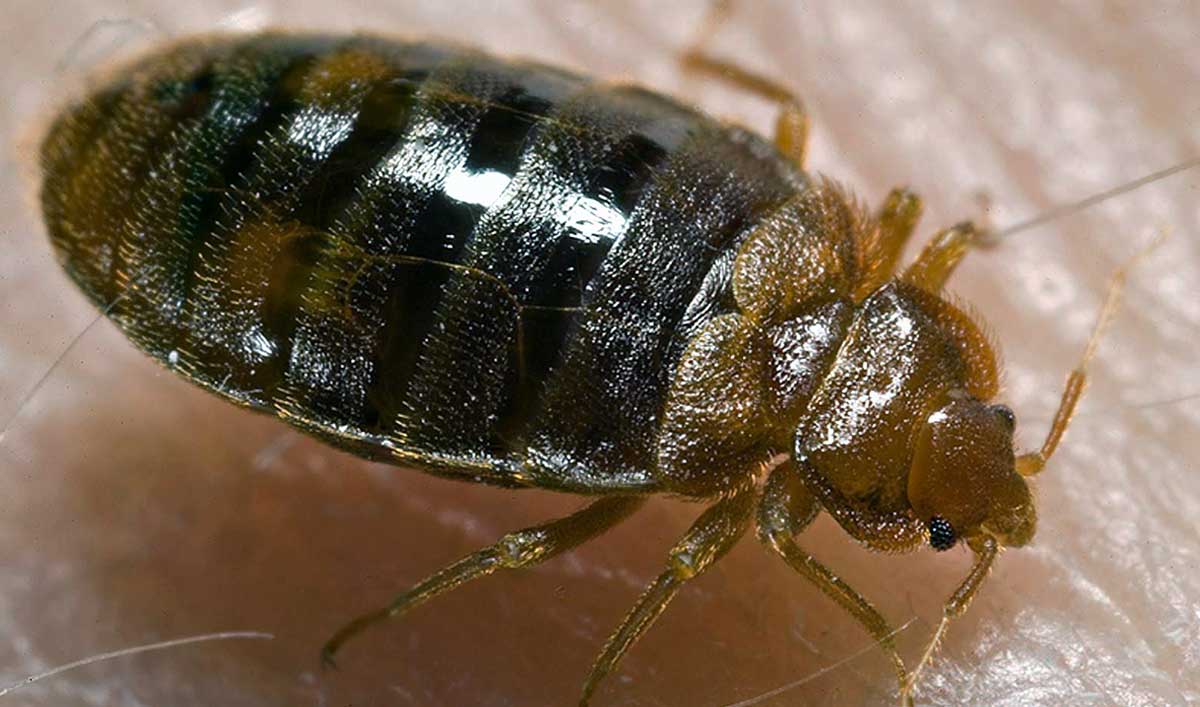
Silently, and without official admission of fault, the government reversed course as a result of their withering farmland. In 1960, sparrows were removed from the Four Pests Campaign. Bedbugs took their place.
By the time the government reversed course, however, the damage had been done. Crops failed nationwide, and grain shortages and ecological imbalance turned into a full-scale famine.
The Cost of Ecocide
The Great Chinese Famine lasted from 1959 to 1961 and claimed between 15 to 45 million lives, making it one of the deadliest famines in recorded history. The Four Pests Campaign was not the only cause, but it was a major trigger.
Estimates suggest that over 1.5 billion sparrows were killed during the campaign; rats, flies, and mosquitoes were targeted with similar fervor. The total number of animals exterminated is incalculable, and the ecological consequences affected food chains, disease patterns, and biodiversity for years.
And yet, there was no public reckoning, no press release, and no apology. The policy simply shifted, and the campaign faded into the broader machinery of the Cultural Revolution.

Scientists like Cheng Tso-hsin, one of China’s leading ornithologists, reportedly warned that eliminating sparrows would destabilize the ecosystem. He was ignored. In a state gripped by ideological fervor, data did not matter. Mao’s vision had no room for nuance, and certainly no room for dissent.
The Propaganda Machine and Political Cult
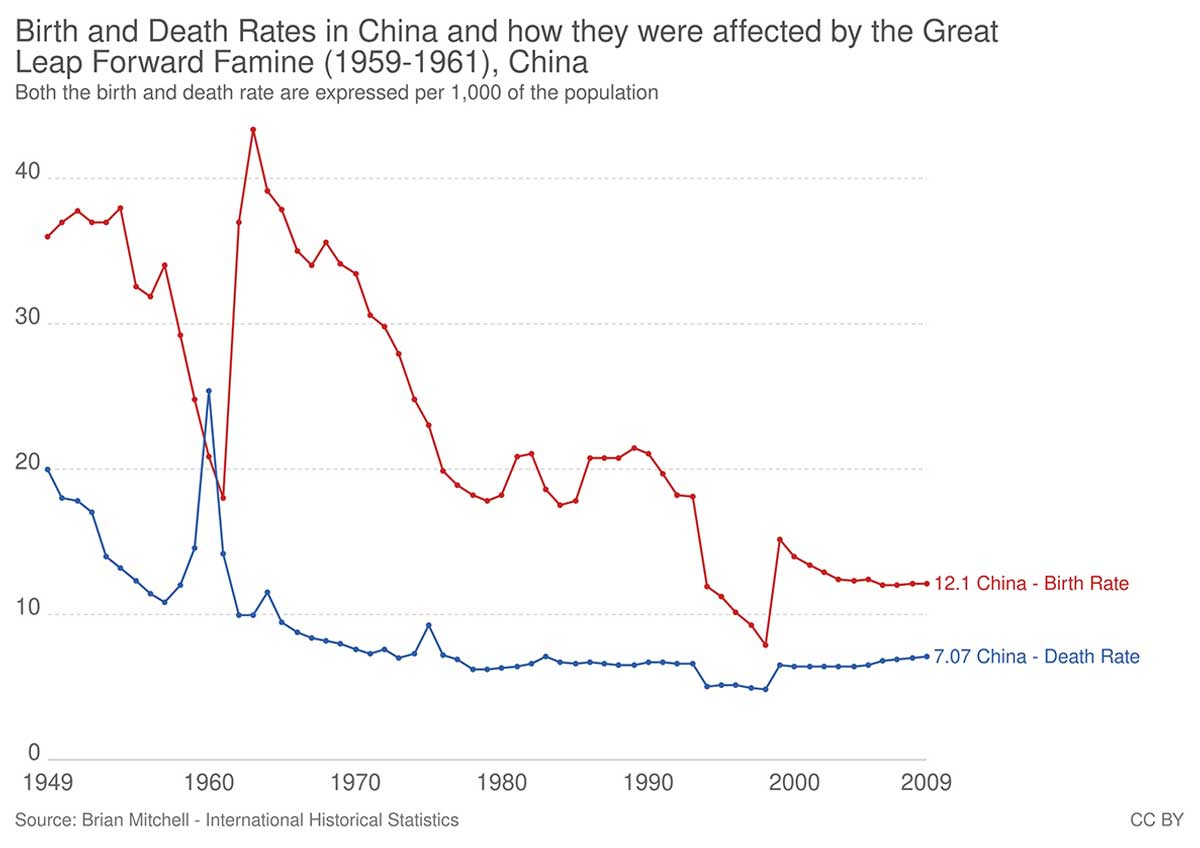
Forward Famine (1959-1961). Source: Brian Mitchell – International Historical Statistics/Our World In Data via Wikimedia Commons
The Four Pests Campaign, while touted as the means of improving public hygiene and crop yields, was really about control over people and the natural world. In Maoist China, exterminating pests was an ideological performance.
Mao’s image during this period was transforming. The Four Pests Campaign allowed him to frame the future in clear terms: nature could be defeated, order could be imposed, and the people, if obedient, could accomplish anything. Public praise was heaped on those who exceeded their targets set by quotas; humiliation and suspicion followed those who did not.
The result was mass action without feedback or accountability. And in a system where loyalty was measured by obedience, the louder the drumbeat, the fewer questions were asked.
The legacy of the Four Pests Campaign is a warning to people everywhere. When politics demands simple enemies, nature often provides complicated consequences. And by the time those consequences arrive, the slogans are already out of print.