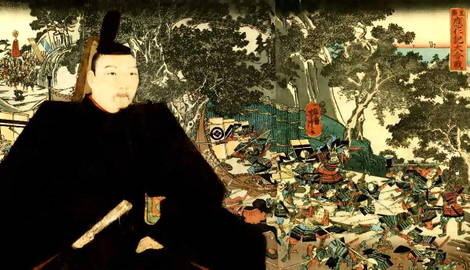

The 15th century in Japan was marked by ongoing institutional decline, famine, social unrest, and internal conflicts, all of which needed to be addressed by a politically deft hand. Unfortunately, the job of keeping Japan from fragmenting fell to Ashikaga Yoshimasa whose reign as shogun (1449–1473) led to the devastating Onin War and the erosion of central authority in Japan that ultimately ushered in the chaotic Warring States period. It was not until 1603 and the rise of Tokugawa Ieyasu that the title of “shogun” regained its former importance.
Before the Collapse: The Crumbling Foundations of a Fragile Political System
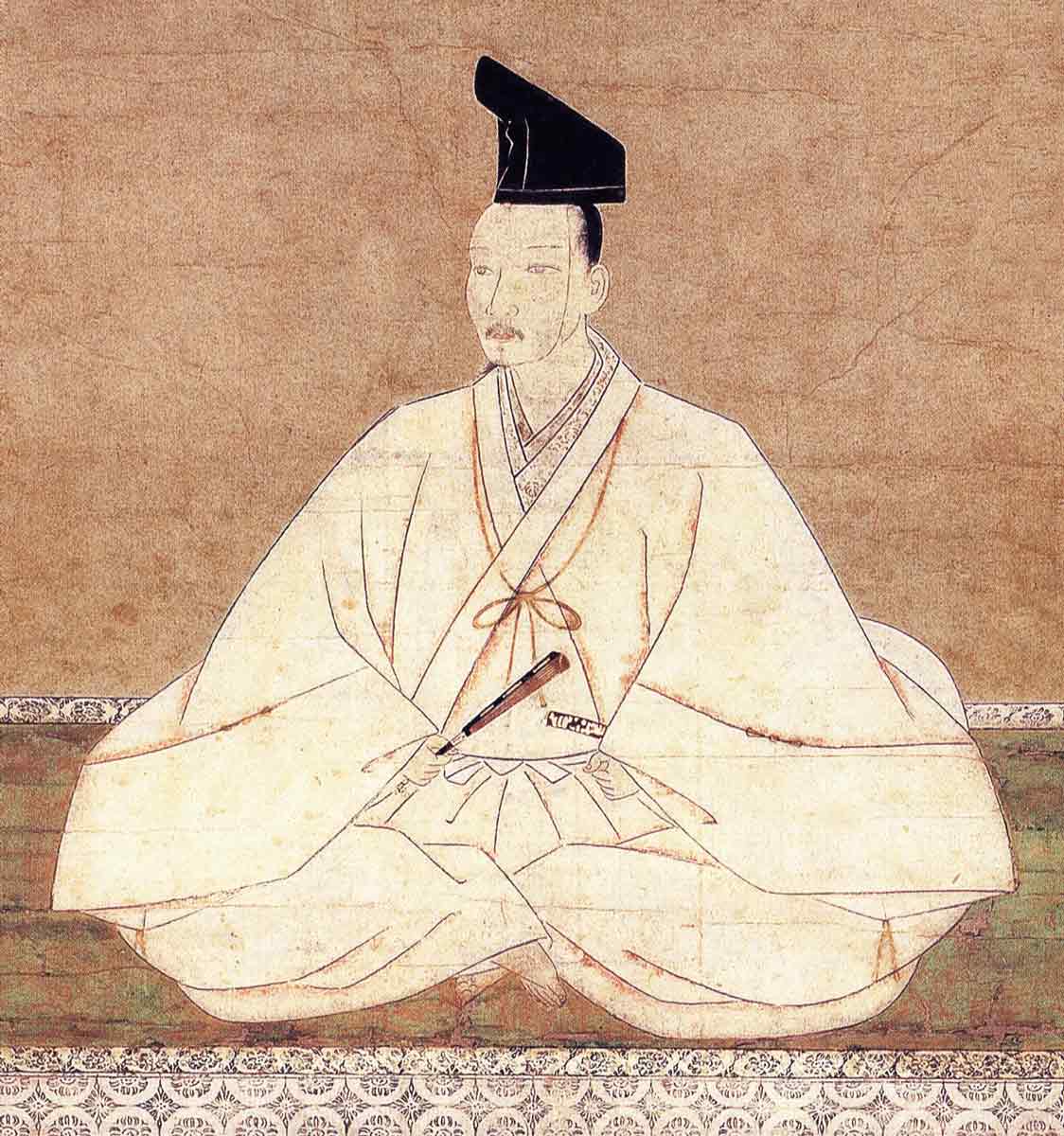
The instability that defined Ashikaga Yoshimasa’s reign was not the sole responsibility of a single individual. It was the result of decades of slow decline in Japan’s warrior government (bakufu). By the time Yoshimasa took office, the authority of the shogun had already weakened significantly. Earlier rulers like Yoshimasa’s father Ashikaga Yoshinori, who was shogun from 1429 to 1441, attempted to enforce stronger control over the country, but their reliance on coercion fostered resentment among all social classes.
The Japanologist Conrad Totman describes Yoshinori’s fate thus, “As of 1441, in short, Yoshinori had little to show for twelve years of energetic governance, and his forcefulness had given him many enemies. One of them, the daimyo Akamatsu Mitsusuke, took it upon himself to murder the shogun at a garden party” (Totman, p. 169). The ensuing succession crises and the rise of regional warlords further undermined the shogunate, which Ashikaga Yoshimasa was not equipped to handle. As another scholar bluntly described him, “Yoshimasa is known both for his promotion of the arts and other cultural pursuits, and for his lack of political acumen” (Deal, p. 23).
During Yoshimasa’s reign, day-to-day administration fell to regents and deputies such as Hosokawa Katsumoto. Their personal, devastating rivalries reflected broader factional divisions among powerful samurai throughout Japanese provinces that were growing more independent.
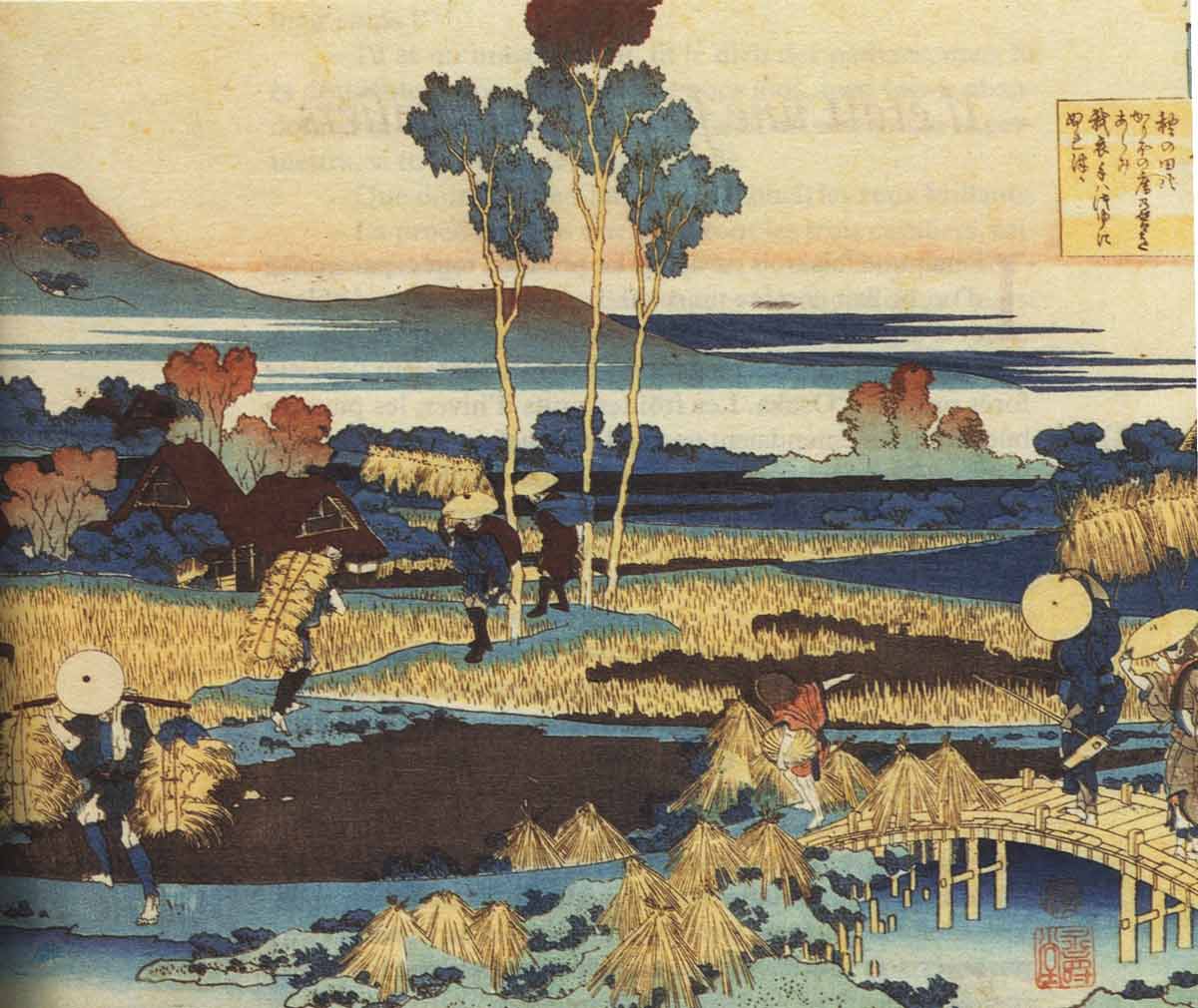
Economic conditions compounded political instability. The gradual breakdown of the shoen estate system significantly reduced revenue streams, weakening aristocratic and military administrations. Simultaneously, droughts and famine contributed to uprisings. Between 1428 and 1461, widespread ikki peasant revolts challenged ruling classes, demanding debt relief or policy changes, displaying a defiance of Japan’s social hierarchies and willingness to resist established power.
As shogun, Yoshimasa inherited a country on the brink of social collapse, agricultural disasters, and a title with compromised authority. These conditions formed the background of the conflicts that would escalate into the Onin War—named for the era it started in—whose consequences would be felt in Japan for over a century of instability and infighting.
The Shogun Who Could Not Govern
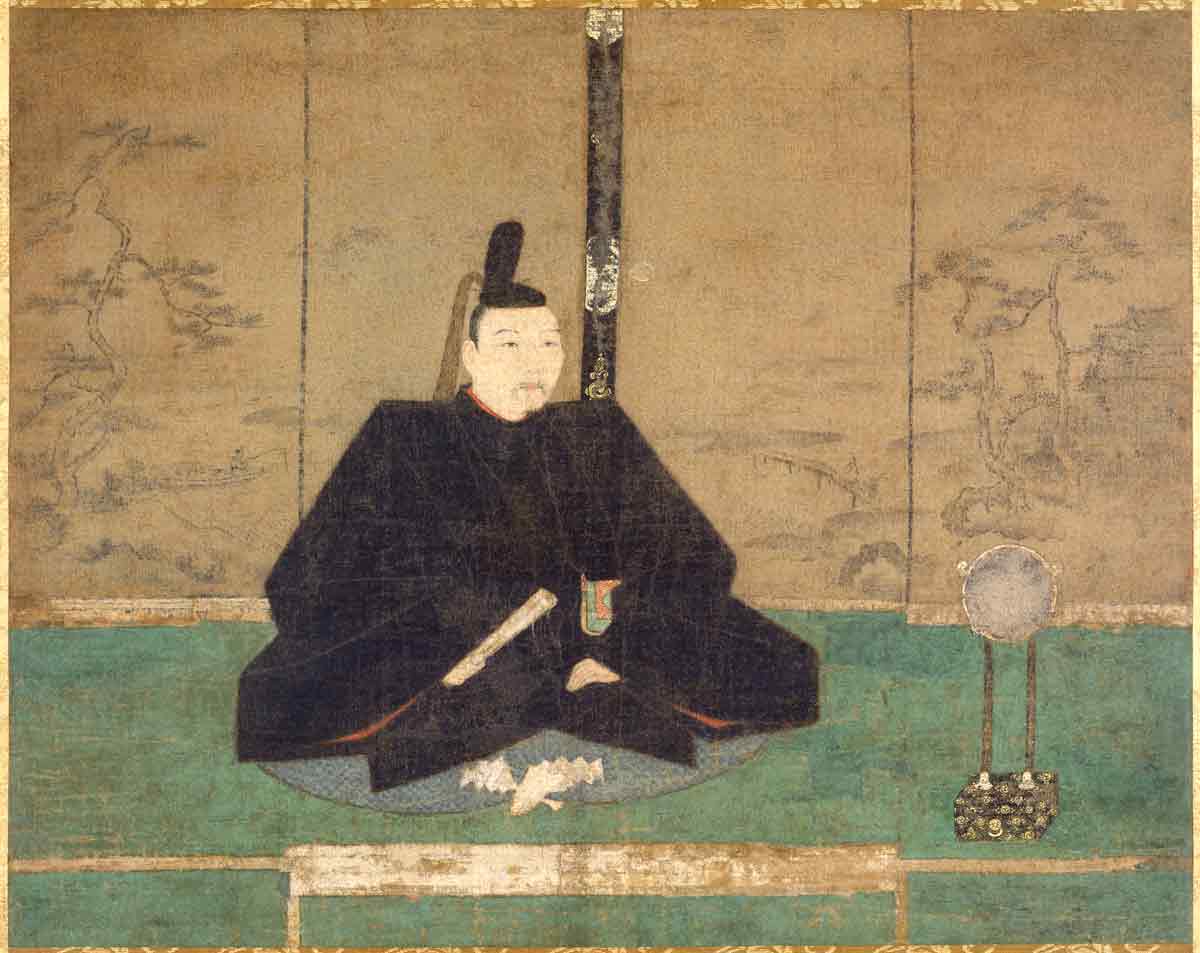
Ashikaga Yoshimasa was ill-prepared for leadership. Initially not intended to rule, he was designated a successor at age seven and became shogun at age 13 after the sudden deaths of his father and brother. This unexpected succession placed him in a demanding position for which he lacked both training and inclination.
Although Yoshimasa later attempted to assume a more active role in Japan’s government, his efforts were inconsistent and, in the best cases, merely unsuccessful. His interventions in disputes such as succession conflicts within major clans often actually worsened tensions due to his indecision and shifting support. Even taking into account his very young age and the chaos he was dealing with, his inability to assert authority or surround himself with the right advisors quickly diminished the prestige of the shogunate and emboldened powerful warlords.
A critical factor in the buildup to the Onin War was the heated rivalry between Hosokawa Katsumoto, one of the shogun’s deputies (the actual decision-makers during Yoshimasa’s reign), and Yamana Sozen, a challenger to Japan’s central authority known by the imposing sobriquet “The Red Monk.” Driven by both ideological and personal rivalry (Katsumoto was Sozen’s son-in-law), these powerful figures forged alliances among regional samurai across the country, effectively dividing Japan’s political elite into pro- and anti-government forces. One of Ashikaga Yoshimasa’s biggest failures was his refusal or inability to contain the animosity between Hosokawa and Yamana.
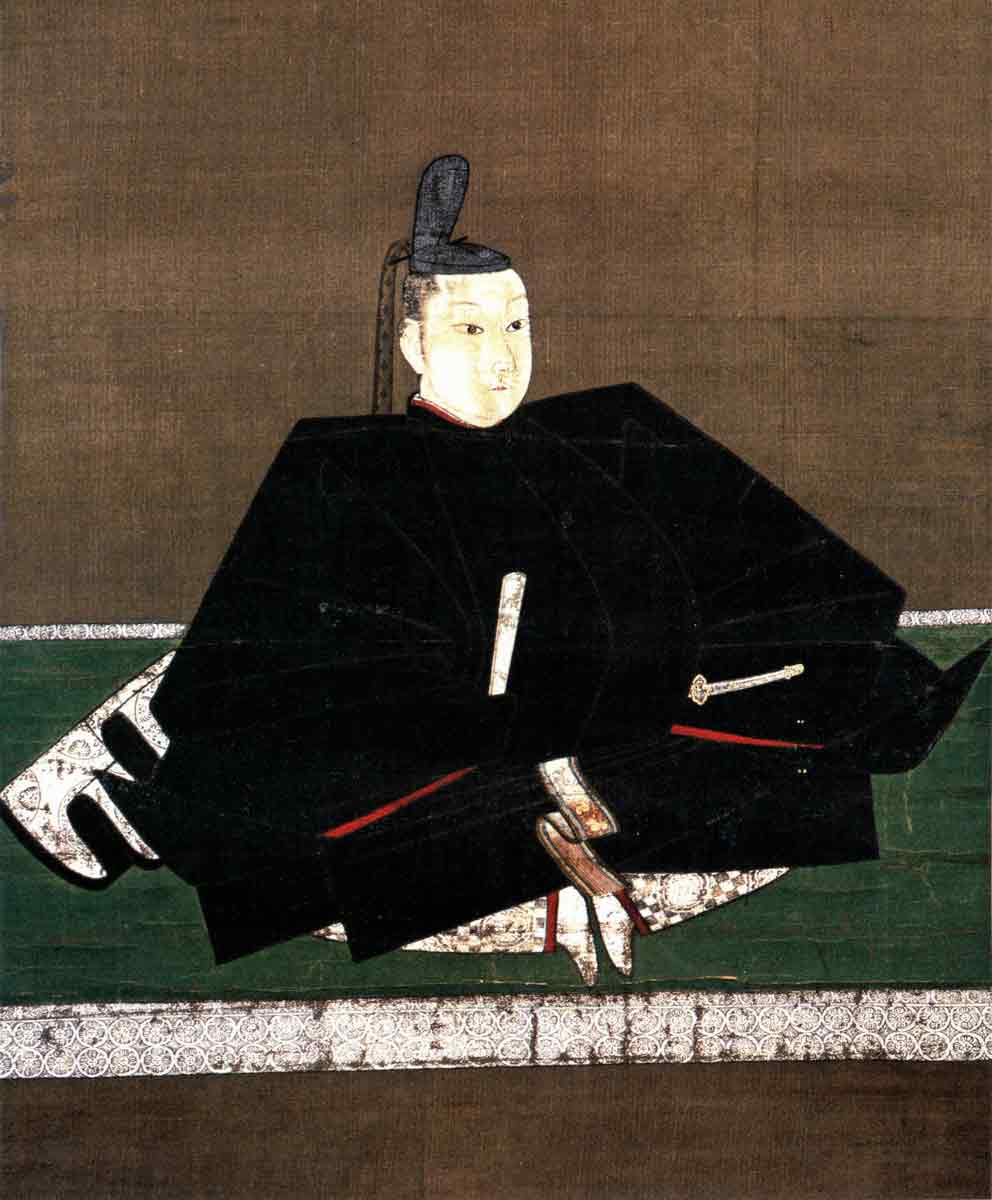
Then came the succession crisis. While he was without a son, Yoshimasa initially adopted his brother Yoshimi as his heir. However, his wife Hino Tomiko later gave birth to a boy, Yoshihisa. Influenced by Tomiko’s ambitions, Yoshimasa removed his brother as his heir, giving his enemies an opening by claiming support for Yoshimi.
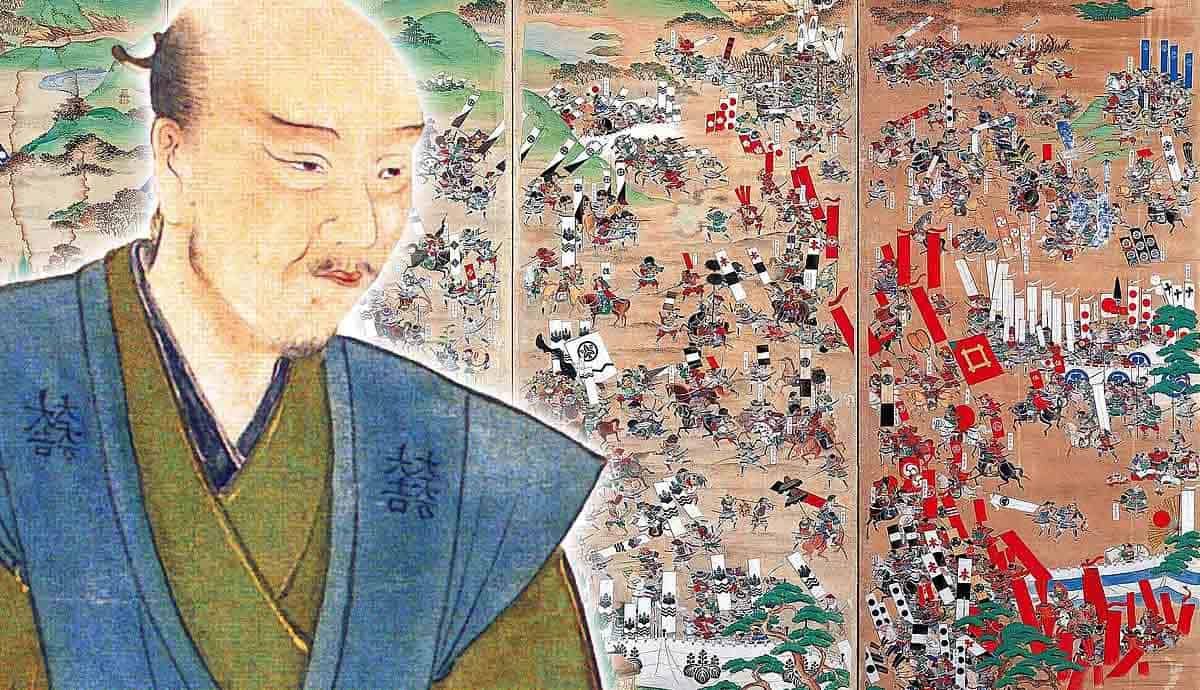
Despite having created the issue in the first place, Yoshimasa declined to intervene further, withdrawing from an active role in governing the country. His reluctance to engage decisively in a political crisis contributed directly to the outbreak of war that stripped the title of “shogun” of any meaning until the ascension of Tokugawa Ieyasu in the early 17th century, as dramatized on the FX series Shogun.
The Onin War
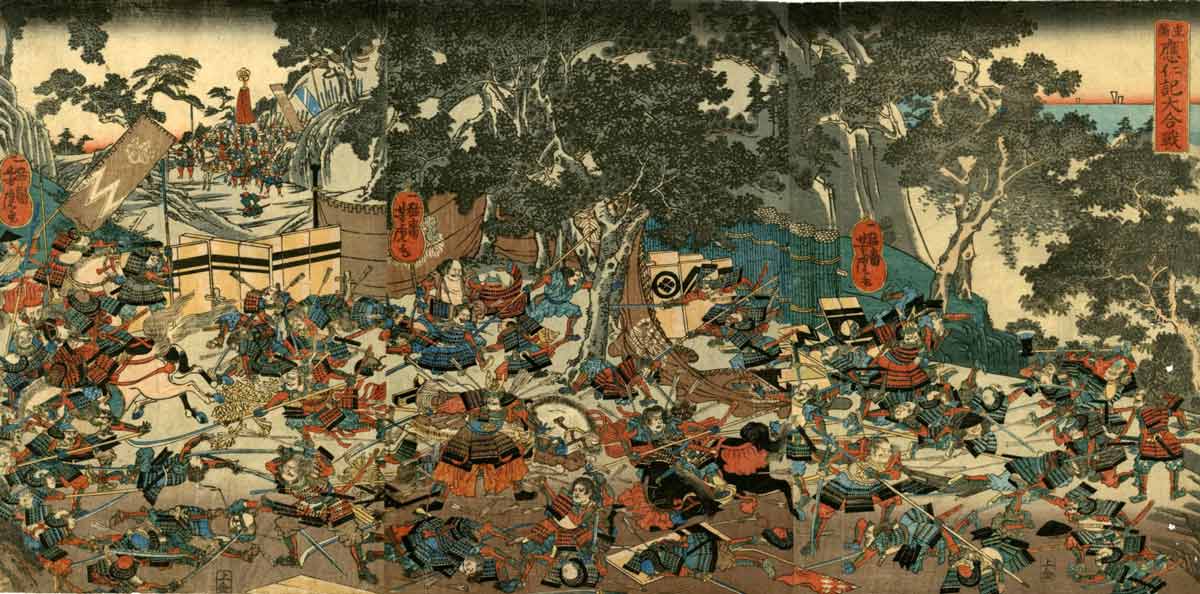
The Onin War began in 1467 and lasted over a decade, fundamentally altering Japan’s political landscape. Initially centered in Kyoto, it transformed the ancient Japanese capital into a warzone, with the conflict quickly expanding as regional lords mobilized forces in support of either the eastern faction led by Hosokawa Katsumoto or the western faction under Yamana Sozen. “The rival armies conducted virtual trench warfare across the city’s blackened remains until their personal causes were exhausted.” (Turnbull, p. 5).
The prolonged stalemate when neither side achieved a decisive victory kept the conflict going for years after the deaths of both Hosokawa and Yamana in 1473. The fighting’s aftermath would be felt much longer. The war’s most significant consequence was the effective collapse of the central government in Kyoto. Many warlords, concerned about instability in their own territories, withdrew from the capital and returned to the provinces with the intent of governing them as independent principalities. As regional autonomy spread, local rulers started to simply ignore directives from the shogun’s government.
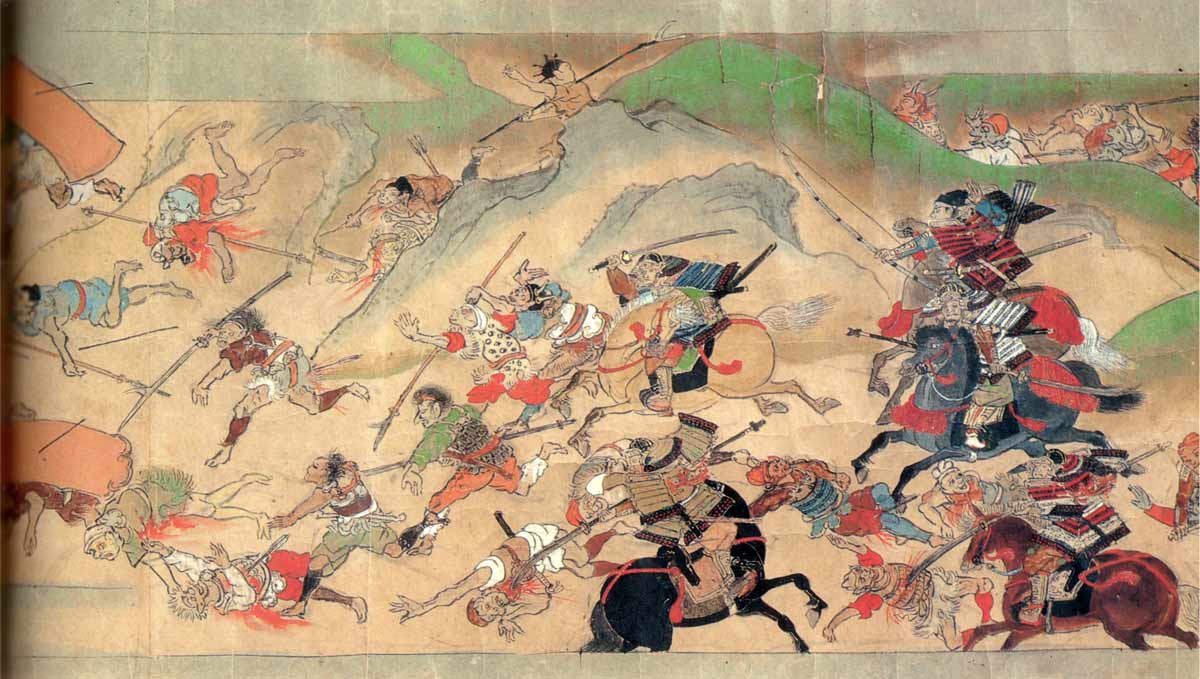
Although Yoshimasa formally remained shogun, his authority was gone. In the 14th century, Yoshimasa’s ancestor Ashikaga Takauji had taken power from Emperor Go-Daigo and made the emperor a figurehead. Now the same has happened to the once-exalted title of shogun. Yoshimasa eventually abdicated in favor of his son, devoting his later years primarily to cultural pursuits.
Although an ineffectual leader, Yoshimasa contributed significantly to the artistic and aesthetic heritage of Japan, laying down the foundations for what we now consider the heights of traditional Japanese culture, from architecture to the tea ceremony, flower arranging, and more. The combination of political failure and cultural achievement defines his legacy, but the former often eclipses the latter, causing the historian Stephen Turnbull to describe Ashikaga Yoshimasa as “the shogun who fiddled while Kyoto burned” (Turnbull, p. 107).
The Age of Warring States
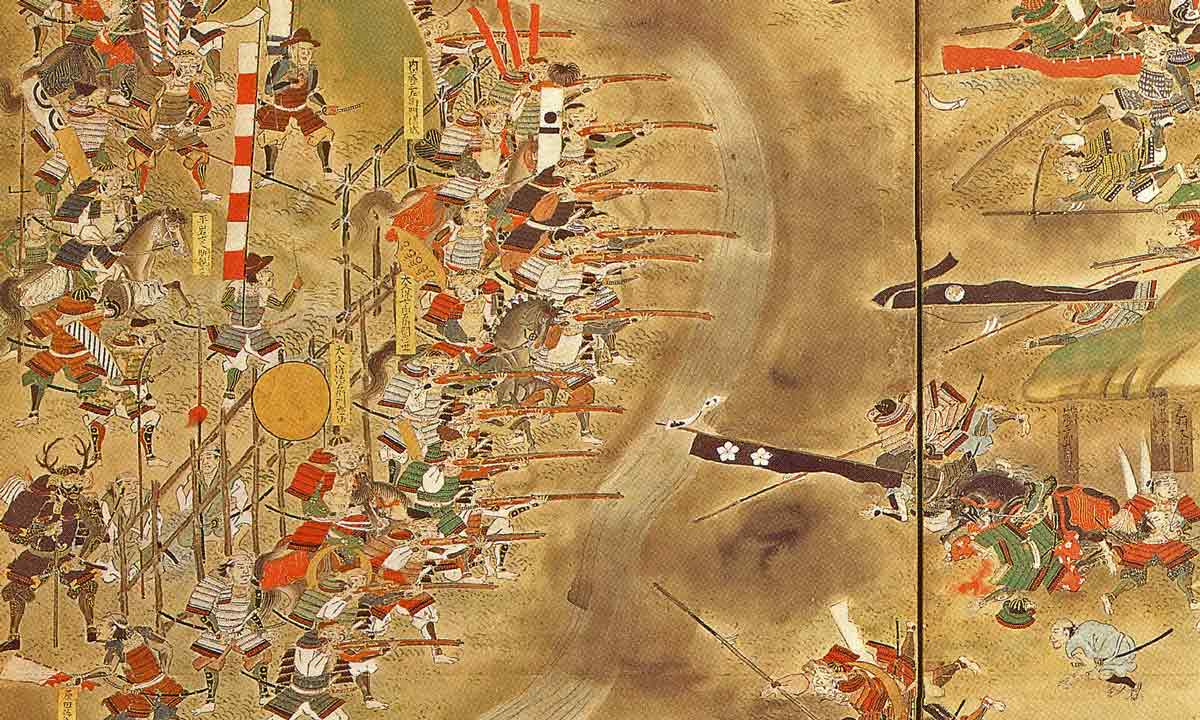
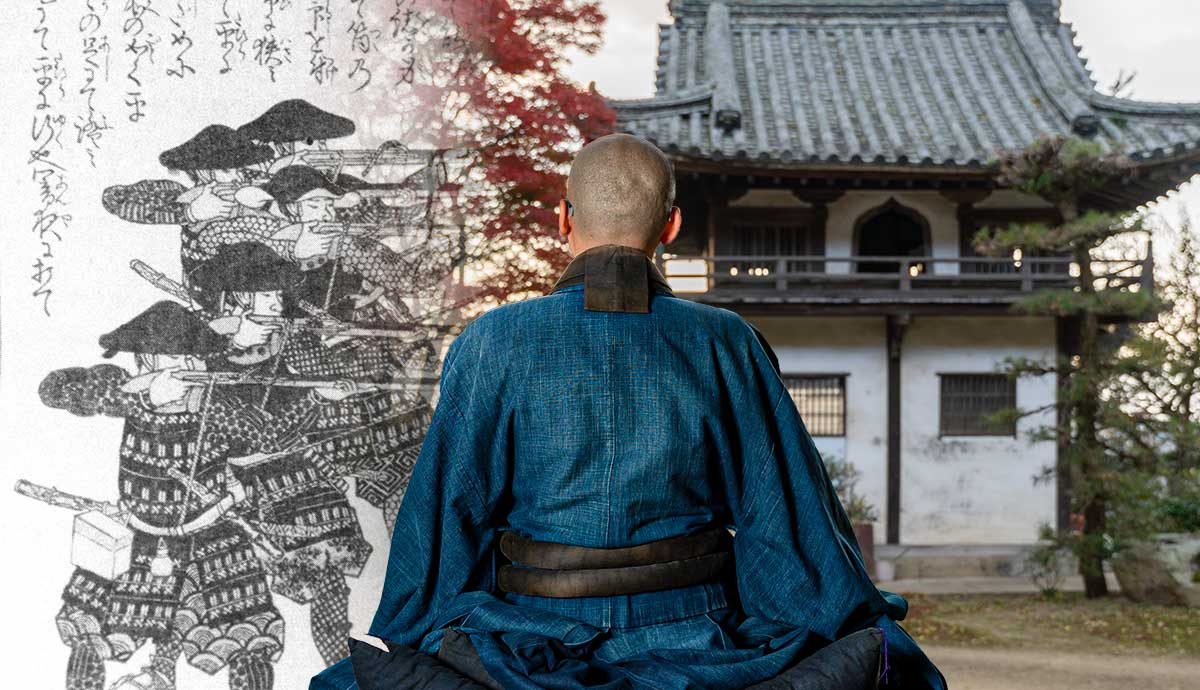
The Onin War wedged itself into the cracks already showing in the foundation of Japan’s central government and expanded from there, collapsing the structure and plunging the country into Sengoku, the Warring States period, which lasted for over 100 years of warfare and political destruction.
Peasant uprisings from the earlier period, which Yoshimasa also failed to address, surprisingly contributed to the era of Japan at war with itself. The ikki movements of 1428–1461 demonstrated the capacity of commoners to organize effectively. In the post-Onin environment, their skills were prized by samurai warlords growing their private armies. Local rulers increasingly incorporated peasant warriors into their ranks, leading to the expansion and prominence of ashigaru foot soldiers in Japanese armies.
“These peasants made a good source of arrow-fodder for the shugo-daimyo [powerful warlords], who could always use more men, and who readily took them in. The peasants entered the armies at the lowest rank and were called ashigaru (‘light feet’). They were cheap to outfit as armour and weapons were everywhere—battlefield scavenging was a common method of acquiring or up-grading one’s own equipment” (Bryant, p. 19).
As armies became larger and more flexible, it reduced reliance on elite warriors and enabled massive and longer conflicts. Most of the biggest military campaigns in Japan’s feudal history happened between the end of the Onin War and the accession of Tokugawa Ieyasu as shogun. The Warring States truly lived up to their name.
Yoshimasa’s Legacy
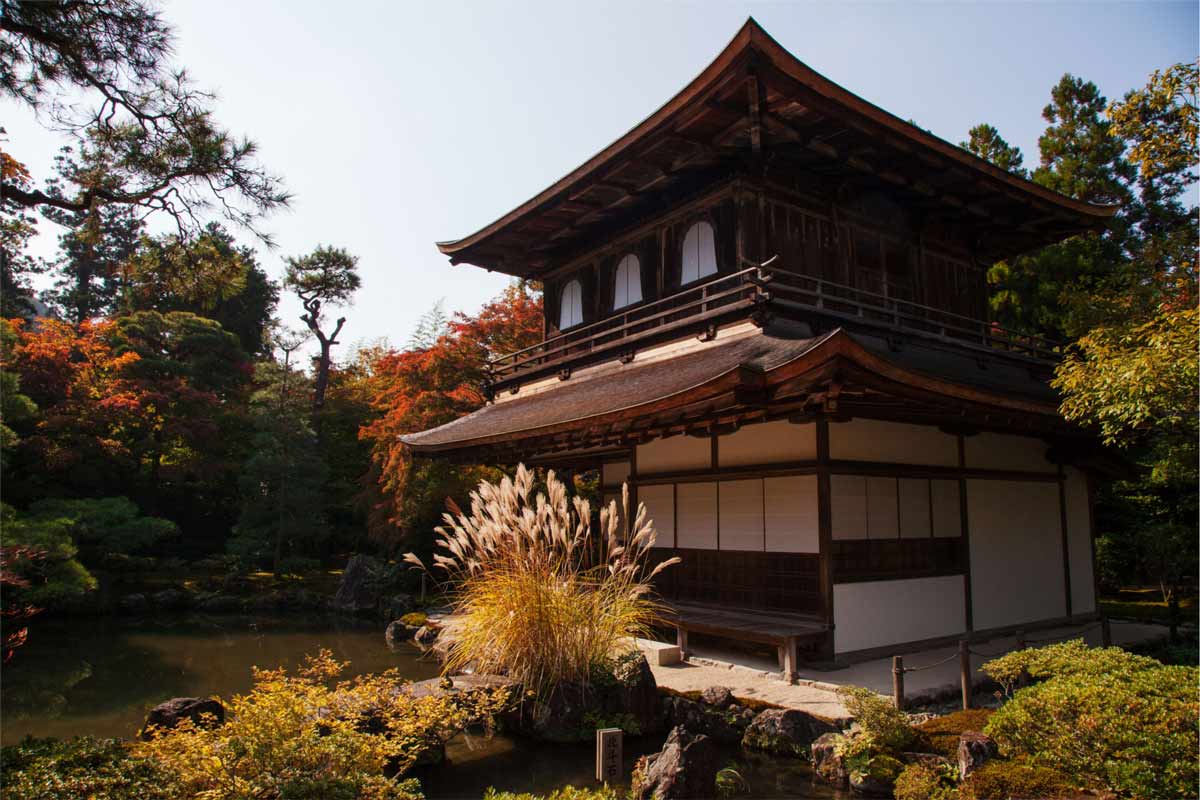
Sengoku is part of the complex legacy of Ashikaga Yoshimasa. His inability to maintain stability did not create the conditions that preceded the Warring States, but his ineptitude allowed them to accelerate at breakneck speed. At the same time, his patronage of the arts and cultural developments—which included the founding of the famous Ginkaku-ji Silver Pavilion—persisted despite political chaos and cannot be ignored. People are never truly just one thing. Like many before and after him, Yoshimasa contained multitudes.
The disorder unleashed during his time also ultimately set the stage for a stronger unification under leaders like Oda Nobunaga, Toyotomi Hideyoshi, and Tokugawa Ieyasu, the last of whom founded the Tokugawa shogunate that lasted for two-and-a-half centuries (1603–1868). In this sense, Ashikaga Yoshimasa can possibly be described as a catalyst for the transformation of political power in feudal Japan, which is probably as kind as history will ever be to him.
Sources
- Bryant, A.J. (2008). The Samurai. Osprey Publishing.
- Deal, W.E. (2007). Handbook to Life in Medieval and Early Modern Japan. Oxford University Press.
- Totman, C. (2016). A History of Japan, Second Edition. Blackwell Publishing.
- Turnbull, S. (2021). The Onin War 1467-77, A Turning Point in Samurai History. Helion & Company.