Throughout history, various cultures have celebrated festivals that honor the dead and ward off evil spirits, often linked to the changing of the seasons. From the ancient Celtic festival of Samhain, which inspired modern Halloween to Latin America’s Día de los Muertos, these holidays share common themes of honoring the dead and protecting against the supernatural. They often involve similar rituals, including food offerings, trickery, and lanterns or bonfires. Discover seven spooky festivals from around the world that honor the dead, and the striking similarities between their traditions.
1. Samhain: The Gaelic Roots of Halloween

Among the Gaelic Celts, Samhain was both an end-of-harvest festival and a day of the dead. This festival marked the end of the growing and reaping season and the beginning of winter, a time when it was believed that the lines between the living and the dead were less unyielding. This made it the perfect time to honor the ancestors, but also came with other supernatural risks.
In the Neolithic Period, around 6,000 years ago, there weren’t any towns or cities. Instead, there stood massive stone monuments, called megaliths, scattered across the landscape. These sites weren’t just imposing monuments; they were gathering places where scattered communities could come together to celebrate. While some of the most famous monuments, such as Newgrange in Ireland, were aligned with the sun on the winter solstice, others were specifically aligned with the sun on Samhain, which was November 1st and considered the start of the new year. The Mound of the Hostages (Dumha na nGiall) at Hill of Tara in Ireland receives dawn light streams through its entryway on Samhain, illuminating the back wall of the central chamber. At Boscawen-ûn Stone Circle in Cornwall, England, the sun sets on Samhain directly between key perimeter stones, including a notable stone made of quart
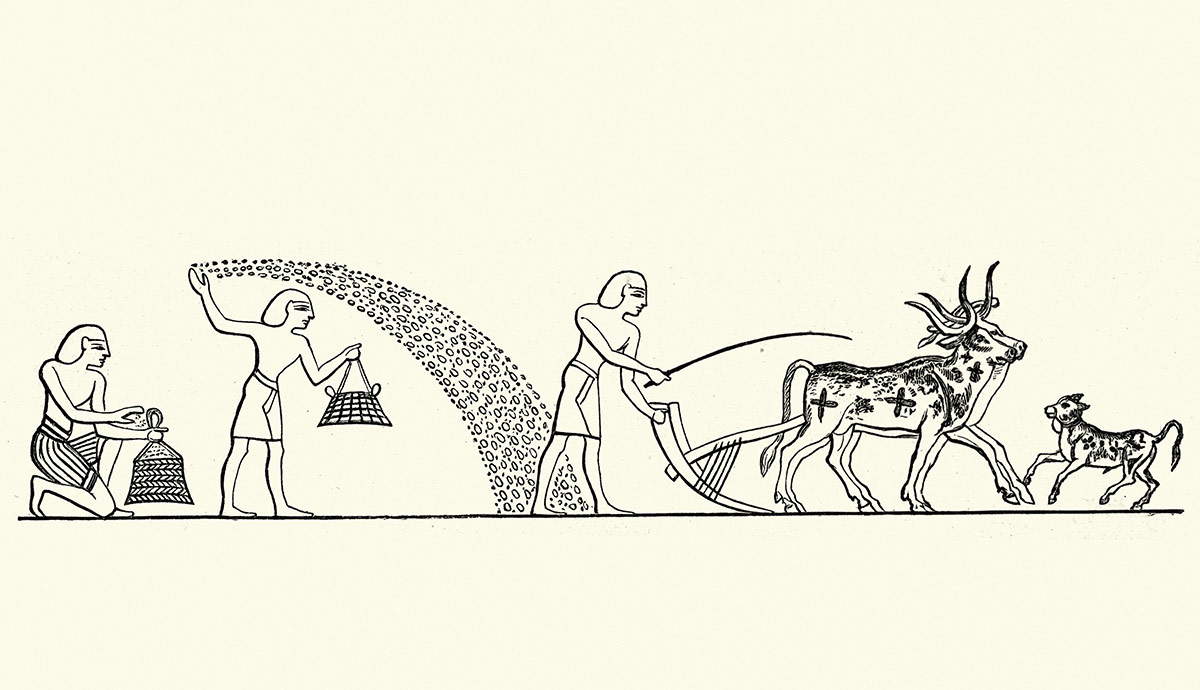
These festival days were traditionally marked with massive feasts of in-season foods, which would soon become scarce after the harvest. In a world with no refrigerators and limited ways to preserve food, it was important to consume as much of the season’s bounty as possible before it rotted. These meals were as much a part of the ritual as the spoken histories and the honoring of the dead.

But Samhain was more than a seasonal marker. It was the most important day of the year for communing with the dead. The Celts believed that the Otherworld, the realm of spirits, wasn’t some far-off place. It was right here, overlapping with the world of the living. Most of the year, the dead stayed in their realm, but on Samhain, the veil between worlds was at its most translucent, allowing spirits to cross over.
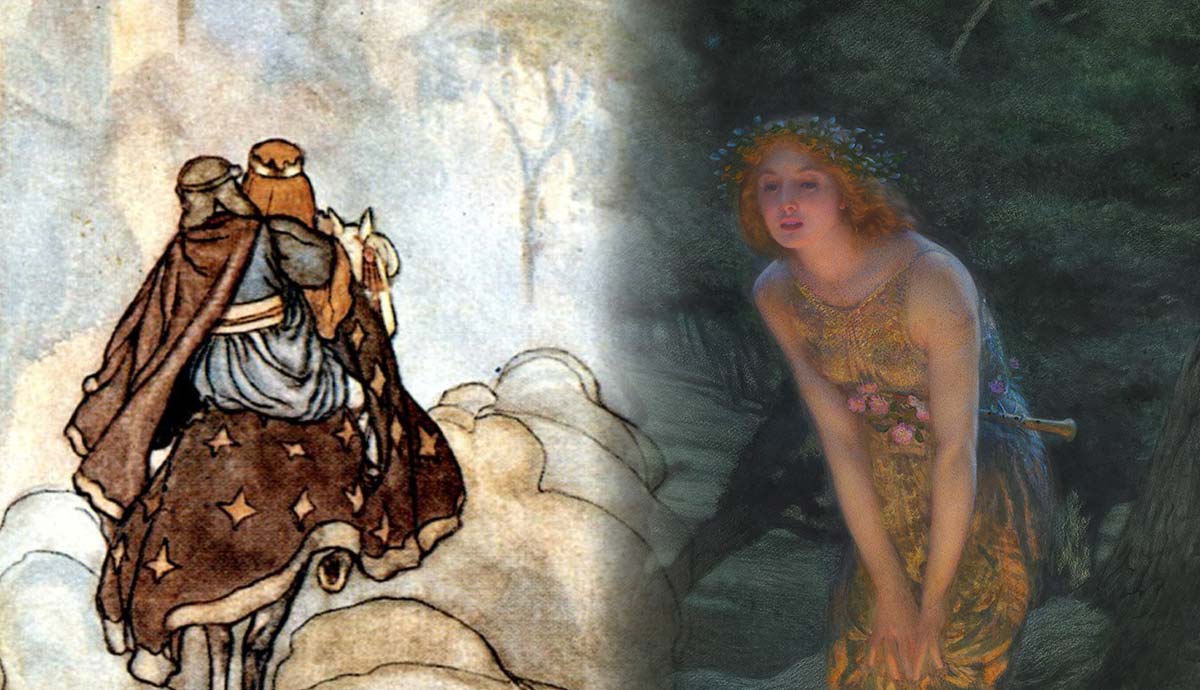
The same megalithic sites where people gathered to feast were the places most likely to call to these phantoms. These holy locales were called “sí” sites in Irish Gaelic, and were believed to be sacred spots where the Earth and Otherworld lined up, creating liminal sanctuary spaces for what we might call “fairies.” These beings were deeply connected to the kingdom of the dead and to Samhain, making the festival a time when the living could reach out to their ancestors, those intermediaries, and even glimpse the future.
2. Halloween: The American Spooky Season

Halloween is a holiday that’s become as American as apple pie with a ghoulish twist. However, the seeds of Halloween weren’t planted in the New World but in Europe’s earliest Christian interpretations of pagan practices, notably Samhain.
It all started with soul cakes, as food once again took center stage. In the Middle Ages, people would bake these little cakes and hand them out to the poor, who in return vowed to pray for the souls of a family’s dead stuck in purgatory. This was all part of “souling,” a tradition that was kind of like a church-sanctioned early trick-or-treating. Over time, those soul cakes, stuffed with sweet raisins and spices, evolved into the candy we know and love today.

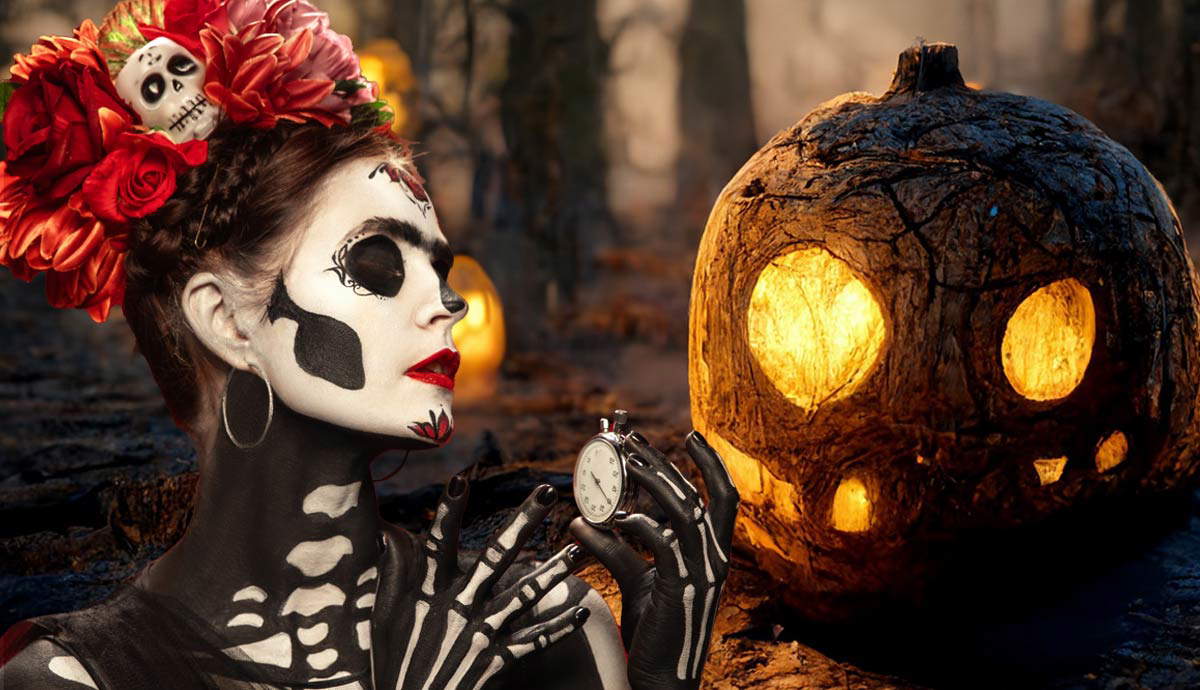
If soul cakes were the initial start of the trend that led to candy, what was the precursor to the adorable orange gourd that makes its home on many a front porch? The origins of Jack-o’-Lanterns can be found deep in Irish lore. Jack started out as a rule breaker who tricked the Devil so that he would not take his soul, but also was not accepted in heaven. So, when he died, he ended up wandering the earth with nothing but a hollowed-out turnip to light his way. Eventually, the tradition emerged that these vegetable lamps could scare off spirits like Jack.
When the Irish arrived in the U.S. en masse, especially after the potato famine in the mid-1800s, they brought Jack’s tale with them. But while turnips weren’t plentiful in America, pumpkins were, and were much easier to carve. And so, Jack the Turnip became Jack the Pumpkin, giving us the grinning, glowing Jack-o’-lanterns that have become the very symbol of Halloween.
Cultures collided in America and created a new way to mark the end of the harvest season, with soul cakes from England, Jack-o’-Lanterns from Ireland, and “field witches” from Germany, which would give birth to the American scarecrow. Halloween was celebrated in the States as early as the late 1800s, but it wasn’t until the 20th century that it really became the social juggernaut we know today. Mail order retailers, never ones to miss a chance to make a buck, started mass-producing Halloween cards, decorations, and costumes. Suddenly, what was once a night of modest merriment turned into a full-blown celebration, complete with haunted houses, spooky parties, and lots of candy.
3. All Souls’ Day: From Purgatory to the Festa dei Morti

If Samhain is the ancient, spooky ancestor of Halloween, then All Souls’ Day is like its devout but equally eerie auntie. Celebrated on November 2nd, this day is all about remembering the dearly departed, especially those who’ve left this world but might still be lingering in the in-between, waiting for a little help to move on to the pearly gates. Originally, this day was all about praying for the souls in purgatory, but in Italy, especially in Sicily, All Souls’ Day evolved into something a bit more festive: “Festa dei Morti.”
In Sicily and many places where Sicilians have settled, the Festa dei Morti is celebrated with all the vibrancy you would expect from a Mediterranean carnival. For these communities, it is believed that on the night of November 1st, the spirits of the dead return to visit their families and friends. But rather than just sitting around and mourning, the living prepare a grand welcome with all the accouterments of the best parties. In the lead-up to the Festa dei Morti, Sicilian families prepare special treats like “Frutta Martorana,” colorful marzipan fruits, and “Ossa dei Morti,” or “Bones of the Dead,” bone-shaped biscuits that are delightfully crunchy on the outside and decadently soft in the middle.

Children in Sicily wake up on the morning of November 2nd to find small gifts and sweets, left behind by the visiting spirits of their ancestors. It is a tradition that is meant to connect the youngest generation with those who’ve passed, those they may never have been lucky enough to know, teaching them to honor their roots while also enjoying a little sugary indulgence. Some liken it to Christmas, but with a much spookier guest list.
But Festa dei Morti is certainly not all sweetness and light. There’s an underlying reverence for the dead, and the day is filled with visits to cemeteries, where families clean and decorate the graves of their ancestors with fragrant flowers and warmly lit candles. It is a way of keeping the memory of the dead front of mind, ensuring these treasured spirits are not forgotten even as the world turns.
4. Día de los Muertos: A Vibrant Celebration of Life and Death

Día de los Muertos, or the Day of the Dead as it is known in English, is no ordinary holiday. This is a vibrant, colorful celebration that is as much about enjoying living as it is about dying. Like many of the beautiful traditions that have made it into the modern day, it reflects a mixing of cultures, specifically Aztec traditions and Spanish Catholicism.
Long before the Spanish ever set foot in Mexico, the Aztecs were already honoring the dead. The Aztecs believed that death was just part of the cycle of life, not an end but a continuation. They spent an entire themed month dedicated to celebrating the deceased, where they offered food, drinks, and bouquets to help their loved ones on their journey through the afterlife. It was a sort of 30-day-long Halloween.
Then came the Spanish, bringing their Catholic traditions with them. The result? A fusion of beliefs that gave birth to Día de Muertos, celebrated on November 1st and 2nd, right after All Saints’ Day. But here’s the twist. While the first day, Día de los Angelitos, is dedicated to the pure souls of children who’ve passed, the second day, Día de los Muertos, is all about honoring the departed who reached adulthood. It is a two-day fiesta that’s less about mourning and more about remembering, celebrating, and reconnecting.

If there is a star of the Día de Muertos show, it is the marigold. Known as cempasúchil in Mexico, these bright orange blooms are more than just pretty petals. They’re believed to guide the spirits of the dead back to the world of the living, their vibrant color and overpowering scent creating a bridge between this world and the next for the souls to follow. That is why all can see marigolds thick on nearly every surface during the festival: lining streets, decorating altars, and even scattered atop graves.
Altars, or ofrendas, are the heart and soul of Día de los Muertos. A complete and visually appealing ofrenda is a multi-tiered altar filled with photos of the departed, their favorite foods and drinks, candles, incense, and, of course, marigolds. Each element has a purpose. The candles light the way, the incense purifies the space, and the food is there to welcome the spirits back with open arms and full bellies! Upon the altars can also reside sugar skulls, pan de muerto (a special bread made just for the occasion), and other personal items that were meaningful to the departed. It is like throwing a party for the ancestors, complete with all their favorite things.
Despite all this, Día de los Muertos isn’t just about the dead. It is also a celebration of life, a reminder to cherish the time we have and the people we love. It is a time when the veil between worlds is thin, and for just a moment, the living and the dead come together to dance, laugh, and remember.
5. Obon: Japan’s Festival to Honor Ancestors and the Spirits of the Dead

In mid-August in Japan, the air is buzzing with excitement and the soft hum of beating dragonfly wings. Families will be packing up, heading back to their hometowns, and preparing for one of the most cherished holidays of the year: Obon. It is a time for both honoring passed family members and thanksgiving for all their hard labor.
Obon, at its core, is all about family, both the living and the dearly departed. It is a time to reconnect with loved ones who’ve moved on, to honor their memory, and to celebrate the lives they lived. Think of it as a grand family reunion that spans generations, where the guest list includes those who’ve transcended to the next world. During Obon, it is believed that the spirits of the ancestors return to the world of the living to visit their families. And what better way to welcome them back than with a festival?
But while these festivals are a celebration, opening the doors to the dead also carry risks. So there are important things that people should and shouldn’t do to protect themselves. What is wrong with a little fishing during a family holiday? According to Buddhist tradition, Obon is a time to respect all living creatures, big and small. That means putting down the fishing rod and letting the fish enjoy their own happy lives. Honoring life equates to eating less flesh. Some also believe that ancestors can come back as dragonflies during Obon, so wisdom dictates people let the bugs be, too.

Sewing is also off the table during Obon. Why? There is a chance you might prick your finger. Blood is considered “unclean” during this holy high holiday, so it is wisest to save those sewing projects for another week. No one wants a minor injury to mess up the all-important vibes when you’re trying to connect with your ancestors.
A significant part of the festival is the Bon hozuki, or the devil’s lantern. This isn’t as terrifying as it sounds. These bright, flickering decorations are works of art that serve an important purpose. They’re like neon signs for the spirits, or the Japanese version of Mexico’s marigolds, lighting the way back home. Along with these lanterns, families set up Buddhist altars with the big five of offerings, known as goku: incense, flowers, lighted lamps, purified water, and food and drinks.
Obon is also filled with joyful moments: dancing in the streets at Bon Odori festivals, visiting family graves, and sharing memories of loved ones who have passed. It is a beautiful blend of reverence and celebration, where the past and present come together in a lively, heartfelt way.
6. Sat Thai: Thailand Shows Gratitude to the Dead

In Thailand Buddhist rituals and a touch of ghostly charm collide, culminating in Sat Thai, one of the most fascinating festivals in the rather packed Thai calendar. Sat Thai is a festival dedicated to the familial deceased. Taking place on the new moon at the end of the tenth lunar month, this event is like Thailand’s answer to Halloween, Thanksgiving, and a family reunion all combined. Instead of costumes, there are spirits, temple offerings, and a whole lot of amazing food.
During Sat Thai, spirits are at the forefront, with locals focusing their energy on good deeds done for their ancestors. It is a time to honor the dead, offer them a little help in the afterlife, and ensure they’re well taken care of. Think of it as sending a care package to the great beyond.
The festivities span three days, each with its own special ritual. The first day, known as Hmu Rub, is all about setting the stage. Held on the 13th night of the waning moon, it is the calm before the spiritual storm, where families prepare to honor their ancestors.

Next comes the day of Gratitude. On this day, families bring food to the temple, offering it up to their deceased relatives. But there is more to it than just a meal. This act is believed to help release souls from suffering, giving them a better shot at a peaceful ever after.
Finally, there is the day of Merit. This is when the good deeds and offerings really count. It is believed that any merit made on this day is fully received by the deceased, helping them pay off their karmic debts and hopefully securing a better rebirth. It is a moment of deep spiritual communion, where the living and the dead are brought together in a shared hope for redemption and peace.
One of the most intriguing parts of Sat Thai is the setting out of food for the dearly departed. During the festival, people place dishes on elevated platforms as offerings for those ancestors who may not have any living relatives. After a while, the food is considered “consumed” by the ghosts, and that is when things get interesting. The food is then up for grabs by the living participants. Eating a ghost’s leftovers? That is considered good luck!
7. Qingming Festival: China’s Tomb Sweeping Day

The Qingming Festival, also known as Tomb-Sweeping Day in China, is a time when families come together to honor their ancestors, spruce up graves, and connect with the past. This springtime celebration is also known as the Pure Light Festival.
Qingming, celebrated on April 4th or 5th, is all about paying respect to ancestors. Traditionally, families visit gravesites, clean them, offer flowers, and burn incense and paper goods as a way to send a little something to their loved ones in the afterlife.For the growing number who count themselves among the Chinese diaspora and can’t physically be at the gravesite of their loved ones, there are plenty of ways to keep the Qingming spirit alive. The holiday is often observed overseas by setting up a family altar at home.
Some folks like to take this day to think deeply about their ancestors, reflecting on the time spent together, the lessons learned, and the influences that have shaped them at the most personal, intrinsic level. Memories are shared over qingtuan, a green mochi-like dessert that is a staple of the occasion.

Another common practice during Qingming is to burn “冥币” or joss paper at a crossroads. Any place where paths cross is believed to be a symbolic junction between the living and the dead, an emblematic and perfect spot to send paper offerings to the ancestors. Another tradition is to carry or affix willow branches to a home’s front door to ward off any wandering spirits that might be feeling a little too curious during Qingming. It is a simple gesture, but one that is an act of ancient warding. While burning incense and offerings on Qingming is acceptable, it is traditional to avoid using fire for more utilitarian purposes and only eat cold food. Whipping up some delicious no-cook dishes is part of the custom.
Qingming teaches those left behind that the love, respect, and connection we all inherit bond us to our ancestors and transcend the distance between the living and the dead.