
Before he was president of the Confederacy, Jefferson Davis played another role in US military history. As chairman of the Senate Committee on Military Affairs and later Secretary of War, he was deeply involved in efforts to improve the effectiveness of the American armed forces. After catching wind of an idea proposed by a forward-thinking lieutenant, Davis began championing a new idea for military transportation – camels. It might have sounded strange, but the proposal had its merits. Still, Davis’ most notorious military endeavor eventually killed his camel project.
Why the Southwest’s Deserts Broke US Army Supply Lines
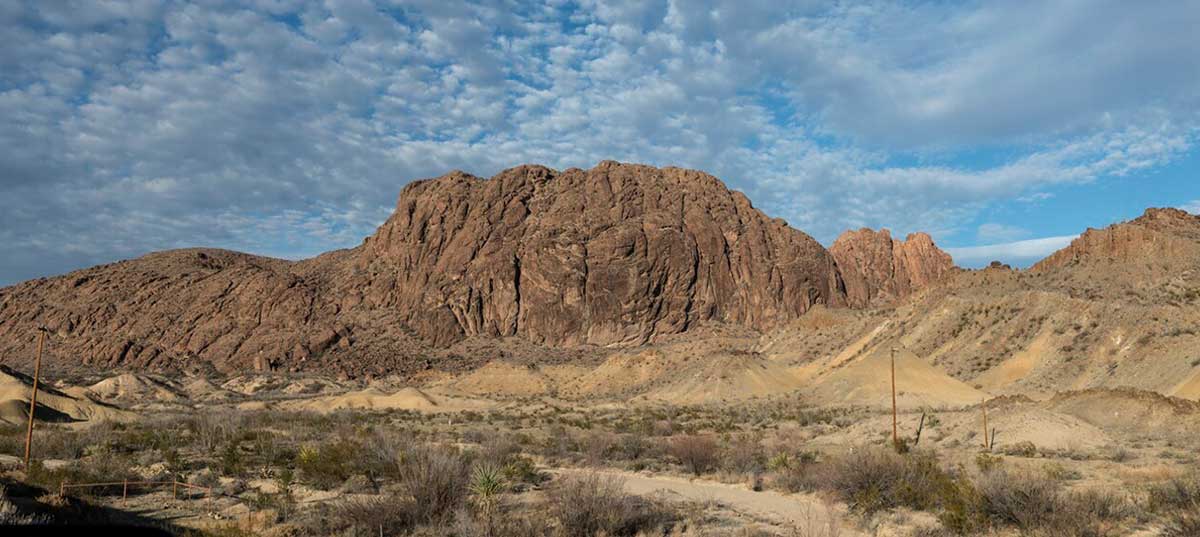
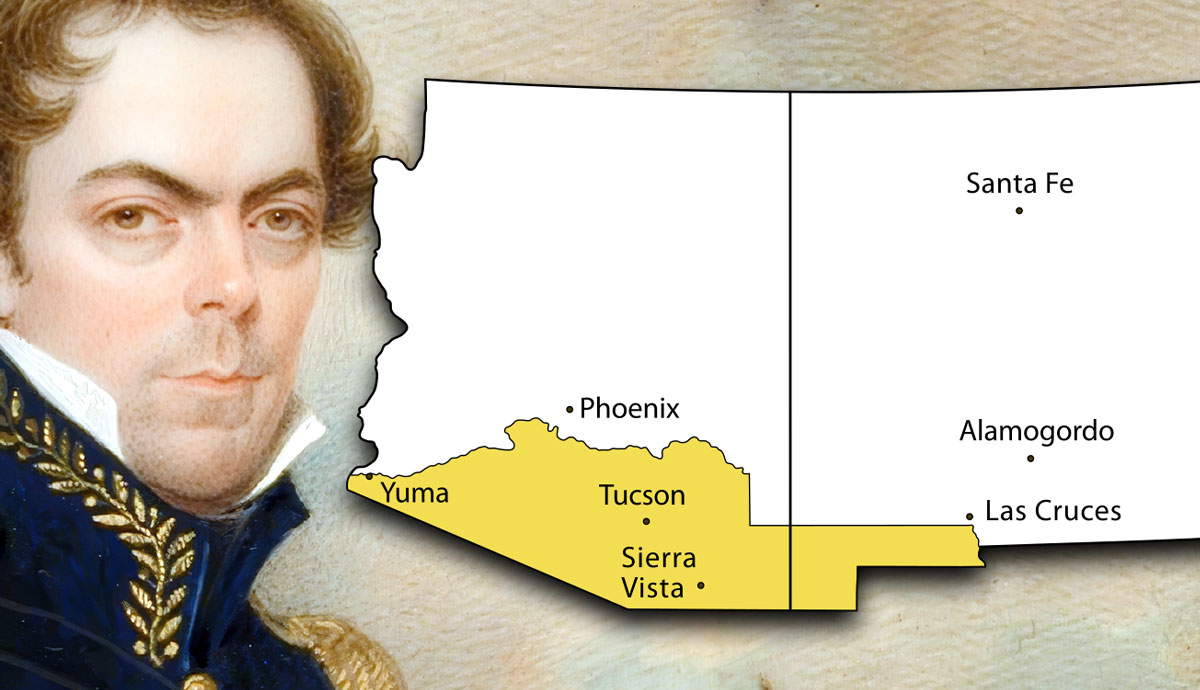
While Manifest Destiny and war drastically increased the size of US territory in the 1800s, these gains had drawbacks. Most notably, this new land was inhospitable for travel and settlement. The dry deserts and insurmountable peaks were challenging to even the most skilled mountain men. After the Mexican-American War, the western United States became even more massive… so how would the government tackle the challenge of subduing this challenging new climate?
The government saw military bases in the new territory as a necessity to manage threats from displaced Indigenous nations and rival foreign bodies. However, transportation of supplies to these outposts seemed impossible. Even the toughest horses and mules suffered in the conditions of the Southwest. In 1847, Major Henry C. Wayne submitted a request to the War Department for camels. He figured that since these critters thrived in desert conditions, they’d make excellent transport vehicles for the army in the American desert, too.
How Jefferson Davis Secured $30,000 for a Radical Military Experiment
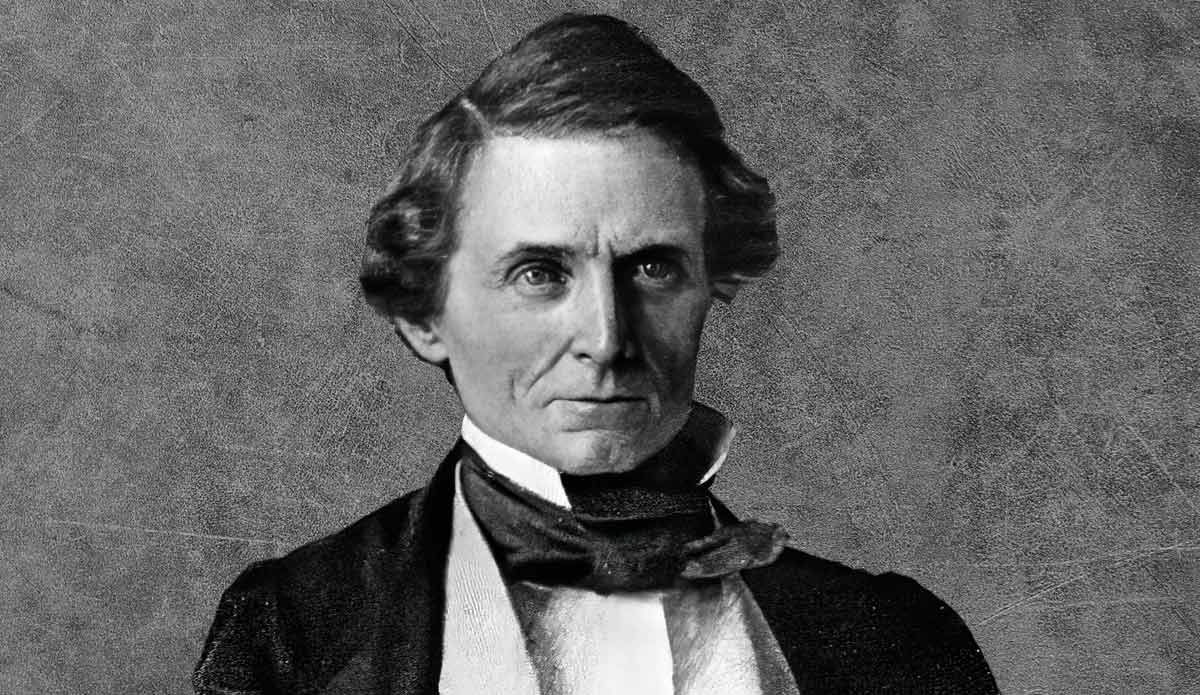
Wayne’s request caught the eye of Senator Jefferson Davis, chairman of the Senate Committee on Military Affairs, and Davis championed the camel cause. However, his efforts failed. Fast forward to 1853, when Davis was appointed Secretary of War under President Franklin Pierce. Davis returned to the camel idea and presented it to the president and Congress. Finally, in 1855, the US government agreed to try the camel corps and appropriated $30,000 for the venture.
The Navy’s Floating Camel Barn and the Mediterranean Mission
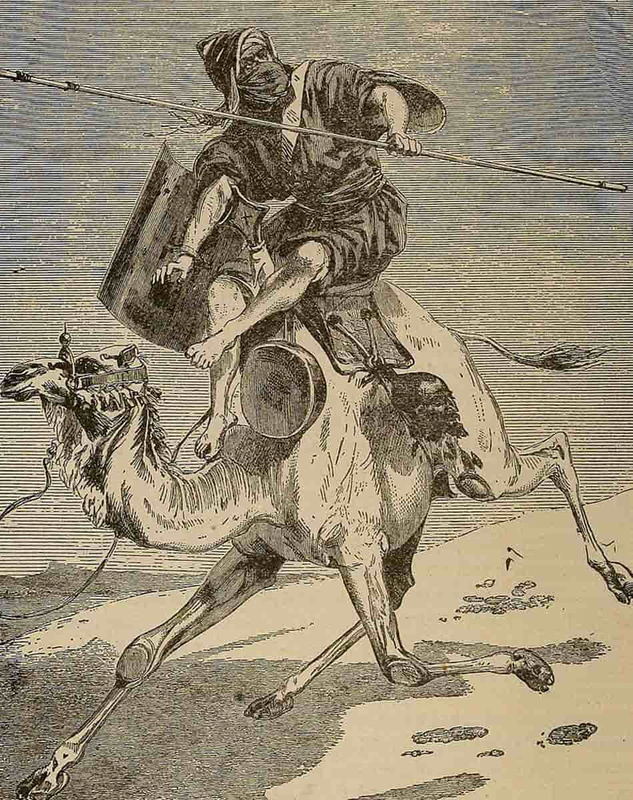
The camel corps was a joint Army-Navy effort. Major Wayne oversaw the sourcing of the camels, finally seeing his dream come to fruition. A naval officer named Lieutenant David Dixon Porter would oversee the transport of the non-native animals to the United States. He was no stranger to camels, having grown up in the Middle East with his diplomat father. A naval ship, the USS Supply, was outfitted as a floating camel barn. It included individual stalls, special hatches, and a new ventilation system. Harnesses were even included to hold the animals in place should the ship encounter rough seas.
Wayne traveled the Middle East searching for the right candidates. He visited Tunis, locations in Egypt, Constantinople, and Smyrna. 33 camels were eventually acquired and set sail for the US on February 11, 1856. Nine of the camels were dromedary camels (one hump), 23 were Bactrian camels, which are two-humped and larger, and one was a hybrid of the two. By the time they reached their home base in Cape Verde, Texas, the herd had grown to 34, with a newborn joining the group on the 87-day trip.
The Brutal Field Trials That Proved the Camel’s Value
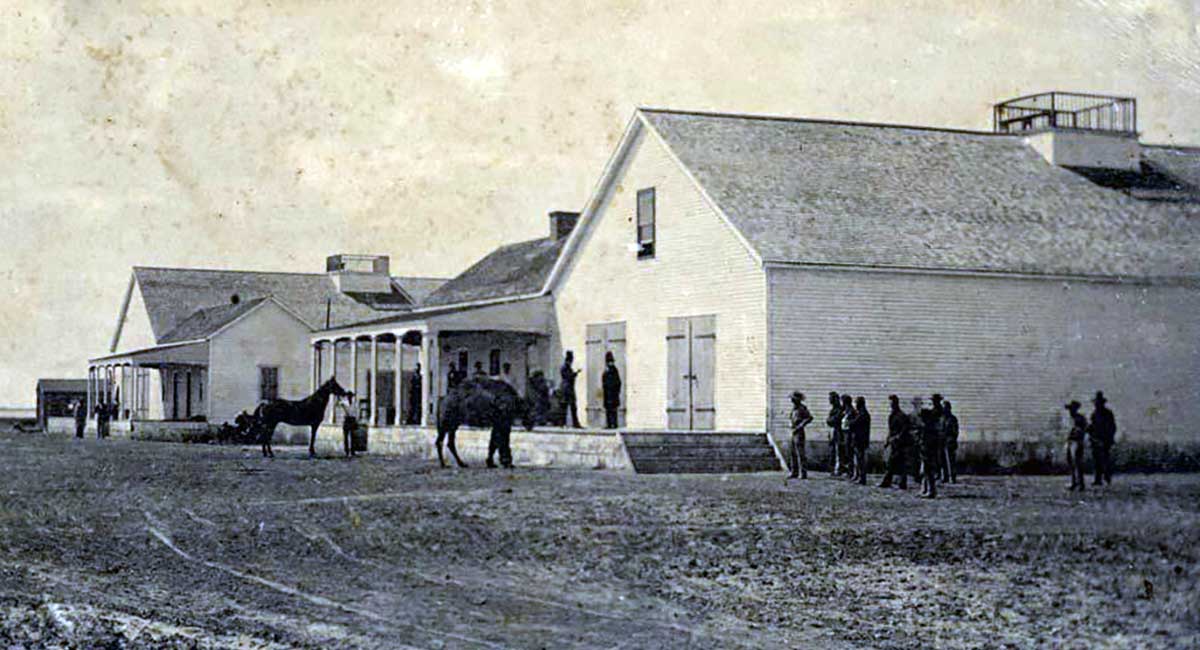
Almost immediately, Porter was ordered to return for a second trip to collect camels, while Wayne stayed behind to test the original imports. The US government hoped the camels could be used not only for military transport but also as cavalry animals. Unfortunately, Wayne’s testing soon proved this impossible. A camel’s unique nostrils, which protect it from blowing desert sands, don’t allow it to breathe adequate air during stretches of rapid movement, and the animals proved to be unwieldy in mock-combat situations. Wayne soon learned that camels required far more attentiveness than horses. They were susceptible to disease, stinky, and would spit or bite if unhappy. Almost all soldiers reported motion sickness after riding them.
Still, camels did seem to have some success as pack animals, as 25 served in the exploration and construction of a wagon road overseen by Edward Fitzgerald Beale, in 1858. This road was later significant as an immigration route to Arizona. In one experiment, an equivalent number of camels proved to haul a load twice the size of a six-mule team, and made the trip in two days versus five.
How the Civil War Scattered the Army’s Camels into the Desert
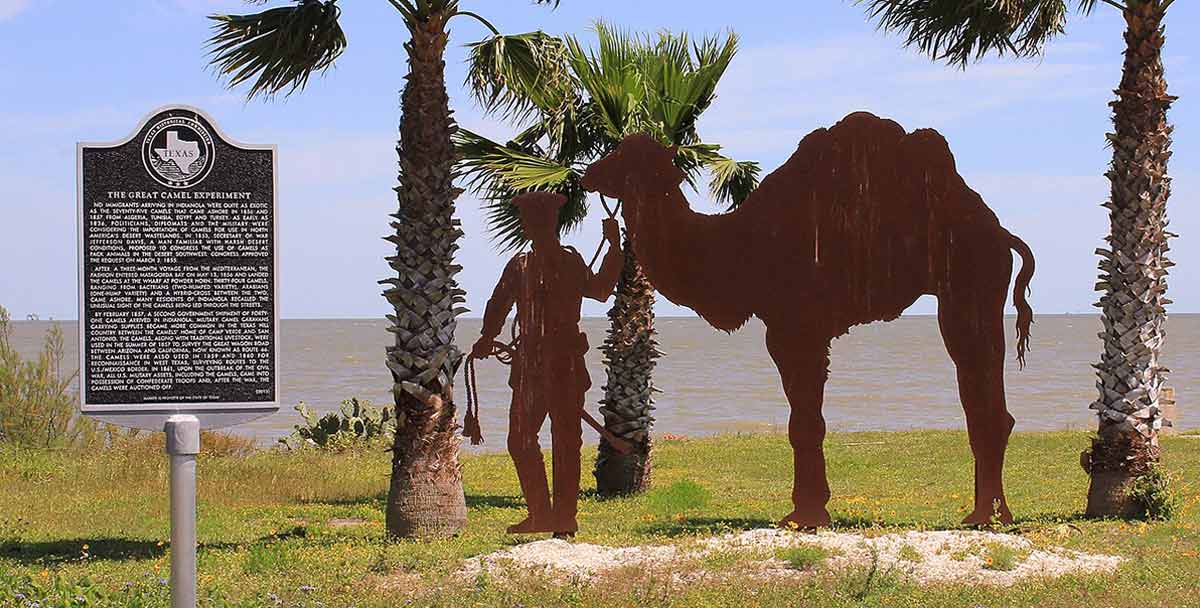
Though the camels proved an able mode of transportation, the camel corps project was killed by none other than Jefferson Davis’ own forces. Early in the Civil War, Confederate troops occupied Cape Verde. They used the camels as military pack animals, but they were largely mistreated, and several died. Eventually, the herd was dispersed and sold, and some were released by their new owners to wander the southwest. The last of the army camels, Topsy, reportedly died in 1934. Even so, camel sightings continued in the decades that followed, though no population of wild camels is reported to exist in the American Southwest today.