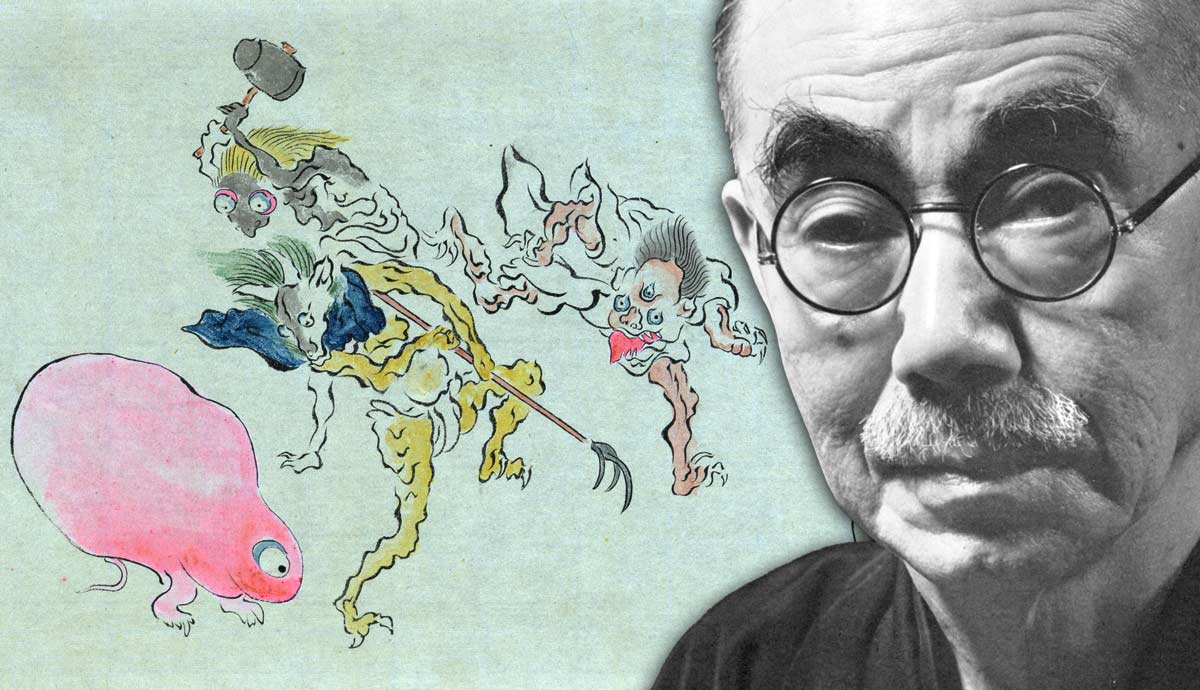

In the isolated Heian court of 11th-century Japan, a widowed noblewoman named Murasaki Shikibu revolutionized literature. Most writers of the age were transcribing history, poetry, or religious texts. Shikibu instead wrote a 54-chapter narrative titled The Tale of Genji, filled with complex character development, psychological depth, and interconnected subplots that prioritized internal emotion. She invented the foundational techniques of modern fiction and wrote the world’s first novel centuries before European authors invented their own version of the medium.
The Cultural World of the Heian Imperial Court
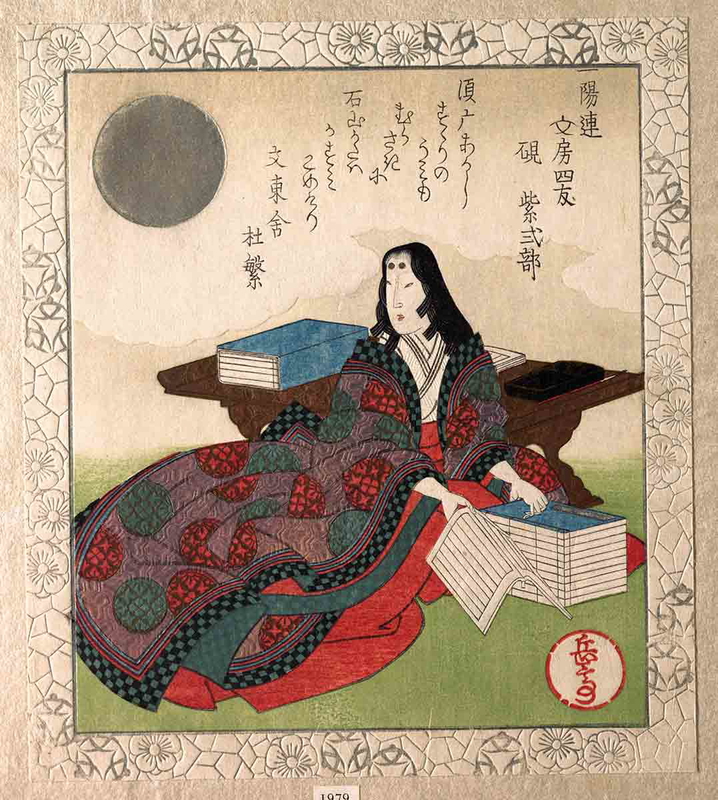
Murasaki Shikibu lived in the insulated, aesthetically obsessed Heian-kyō court in 11th-century Japan. The sole purpose of an aristocratic woman was to give birth to boys while living a secluded life of studying poetry and calligraphy. Women were not expected to master the kanji of the revered Chinese court, which was viewed as superior to the Japanese. Instead, women had their own form of writing known as kana, a phonetic script that was used for intimate, vernacular storytelling over the grandiose literature of the Chinese.
From Court Companion to Literary Mastermind
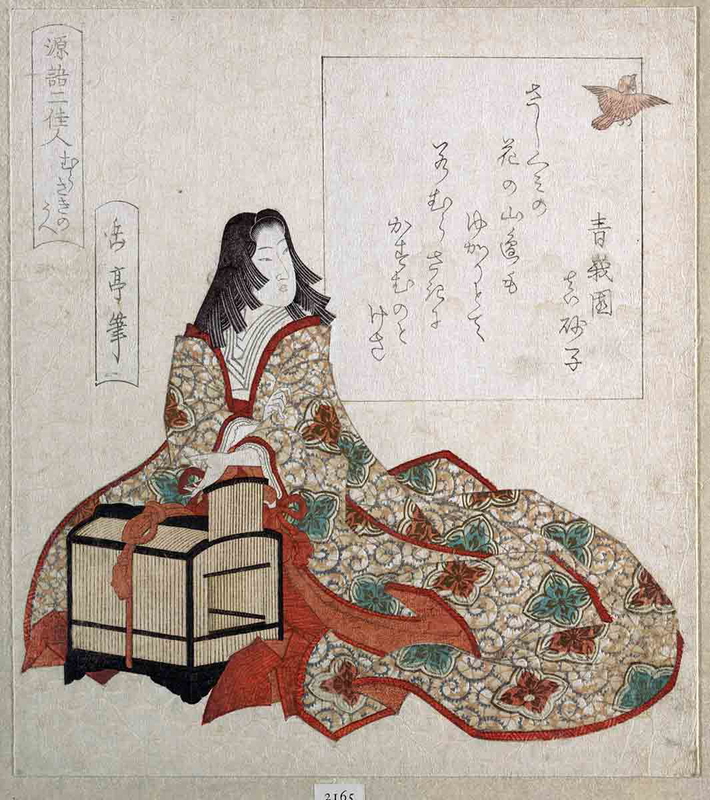
Shikibu was a rare woman in her day, because her scholarly father permitted her to study classic Chinese texts. She was highly educated and knew more than many men. As a noblewoman, she at one point entered the imperial court as a lady-in-waiting to the Empress Shōshi. The Heian court was filled with rivalries and political intrigue that served as rich inspiration for Shikibu to observe.
What Made The Tale of Genji a True Novel
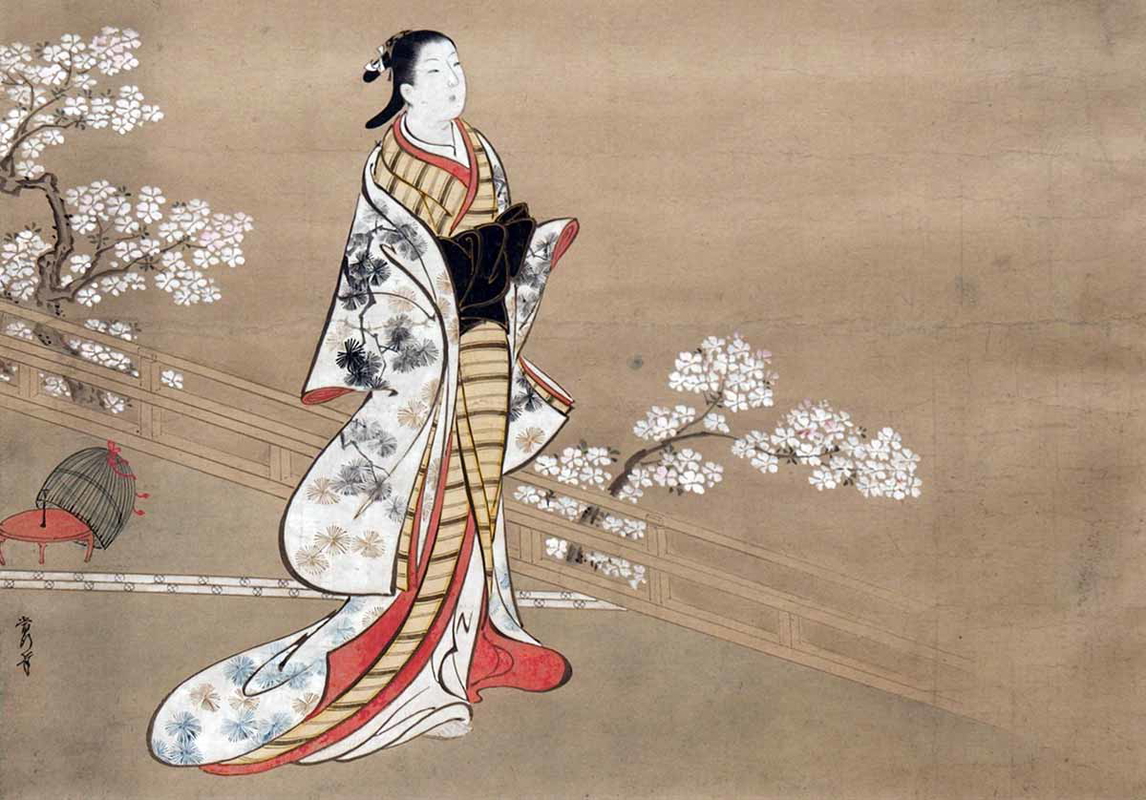
During Shikibu’s era, the structures for novels didn’t exist. There were frameworks for poetry, historical chronicles, and epics, but nothing that could be considered akin to a modern novel. Novels have a narrative structure that is told in continuous prose. Fables were shorter stories, epics were long poems, historical chronicles recorded historical events, and poetry could be short or long. Nothing was comparable to a novel in the written word. Shikibu changed that when she wrote The Tale of Genji by including long character arcs, moral ambiguity, and internal monologues. What made her work even more spectacular was that her main protagonist, the Shining Prince Genji, changed over fictional time, depicting realistic human aging with dramatic action and resulting consequences.
Why Her Masterpiece Outpaced Western Literature
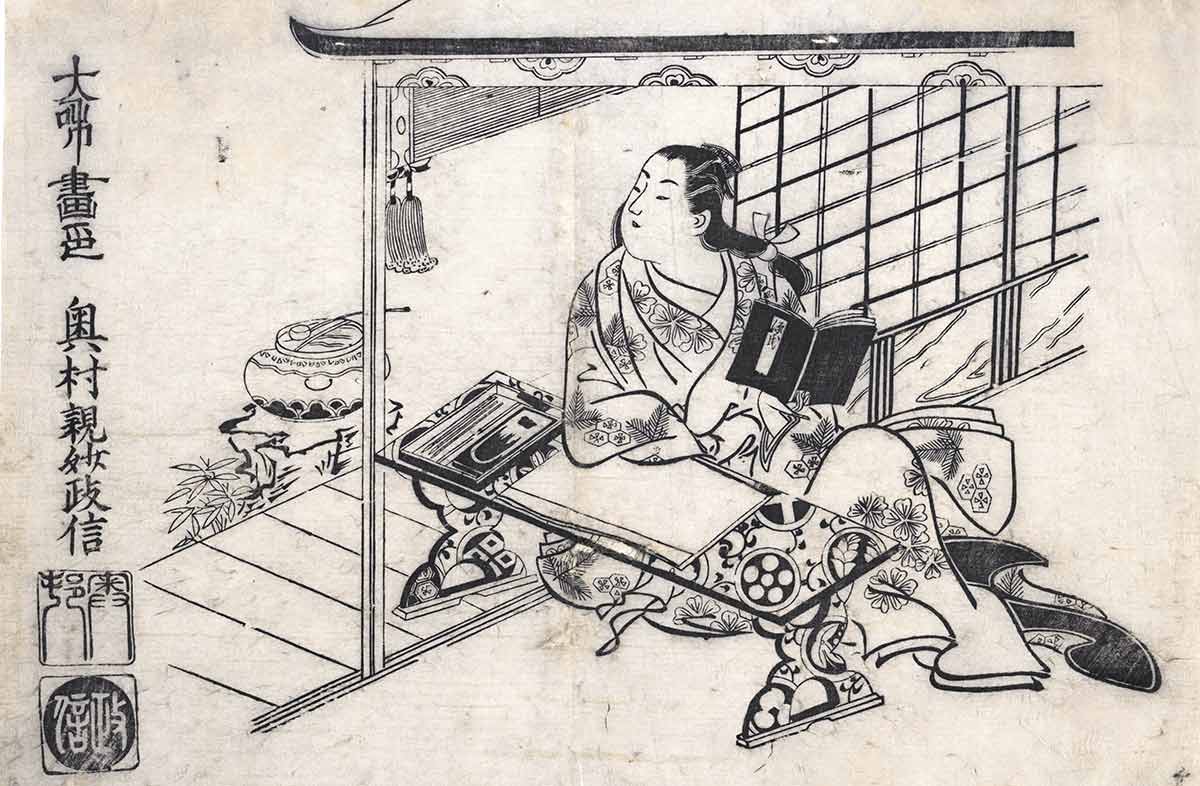
Shikibu’s story contrasted with Western medieval epics such as Beowulf and The Song of Roland because these were stories told in verse and were respectful accounts of a romanticized historical figure or historic events. While they broached the same literary devices as The Tale of Genji, it wasn’t to the same scale. Beowulf and The Song of Roland still fall into the category of poetry due to structure and embodiment of classical romantic schemes. The Tale of Genji is more akin to Miguel de Cervantes’s Don Quixote in structure and literary devices, especially long character arcs and internal monologues. The former, however, was written a continent away and six centuries before Cervantes.
A classic motif in Japanese culture is fleeting beauty or an event that only exists in the moment, never to be experienced again. Shikibu was very familiar with this aesthetic that was celebrated throughout Japanese art, including painting and haiku. She captured this essence in the literary concept mono no aware, the poignant awareness of impermanence, and scattered it throughout The Tale of Genji.
The Global Legacy of Murasaki Shikibu
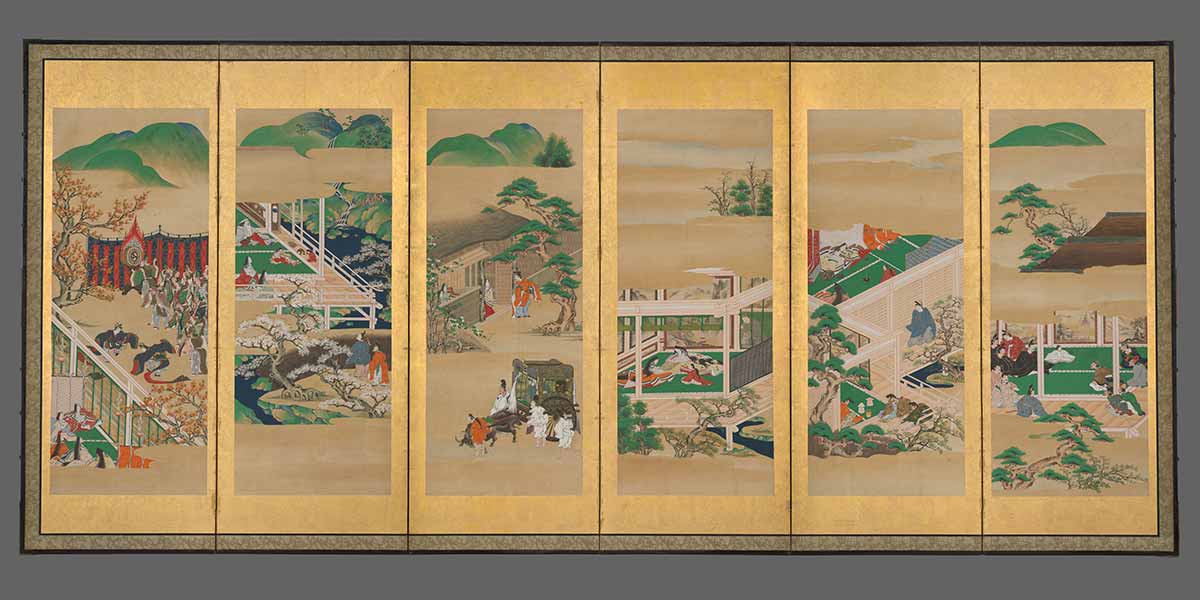
Japan has gone through centuries of varying upheavals, especially in the last 200 years when the country faced Westernization, rapid industrialization, and the nuclear fallout of World War II. Despite all of the changing eras within the country, The Tale of Genji has endured, becoming an integral part of Japanese and world literature. The novel was unknown to the world until it was translated by Edward Seidensticker and Arthur Waley in the 20th century. Shikibu remains one of the pioneering forces in global literature as well as human storytelling.