
The invention of writing is considered the dividing line between prehistory and history, and it represents a major achievement that provided a foundation for human civilization. Developed in Sumeria over five millennia ago, cuneiform was the script that first recorded stories, thoughts, prayers, hymns, lists, and business transactions.
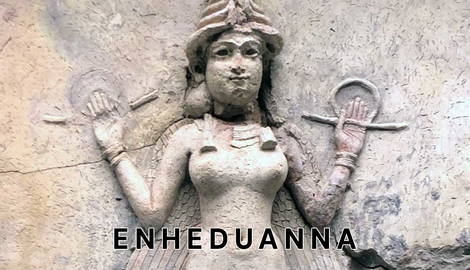
Of huge importance to this dynamic was a woman named Enheduanna (𒂗𒃶𒌌𒀭𒈾), a high priestess in the city of Ur, a daughter of (the great) Sargon of Akkad, and the first named author in world history.
This is her story and how she helped shape the Mesopotamian world.
The Rise of Akkad and the Historical Context of Enheduanna
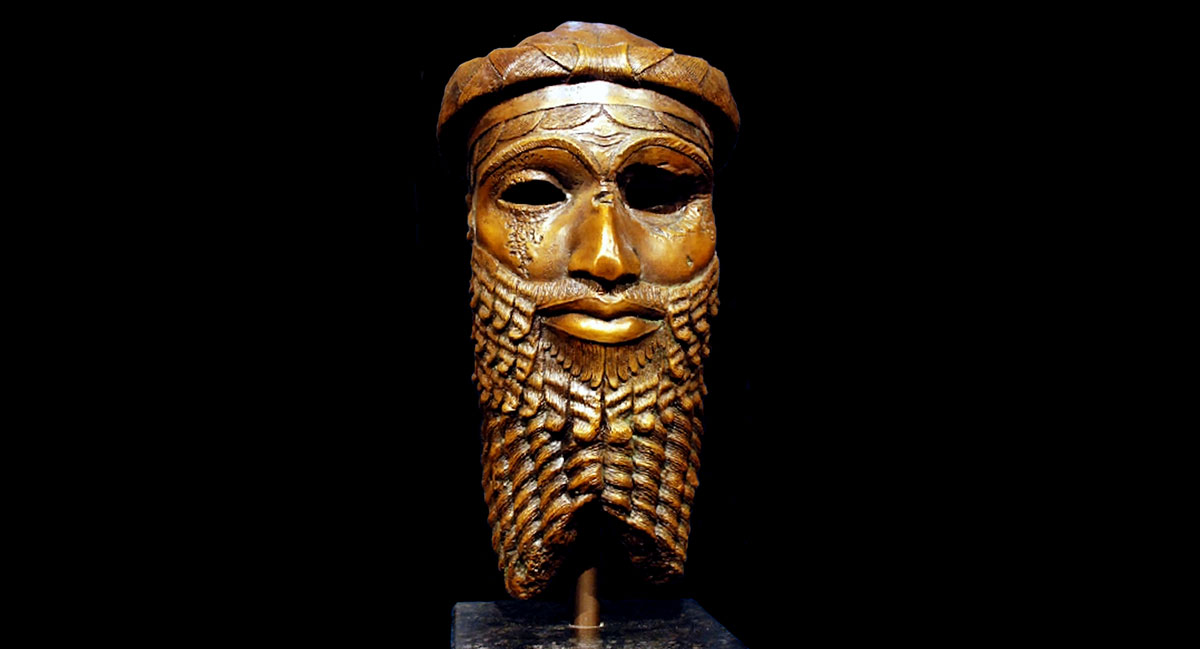
Enheduanna was born into a turbulent world of conquest and the formation of the world’s first empire. In the southern portion of Mesopotamia existed the Sumerian city-states, each an independent polity that vied for control with one another, often leading to violent conflict. To their north were the city-states of Semitic-speaking peoples. Sargon rose to power in the northern city-state of Kish and then launched a campaign against Lugal-za-gesi, who had united the Sumerian city-states. After taking Uruk and capturing Lugal-za-gesi, Sargon conquered the whole region, uniting the Semitic-speaking people with the Sumerians and forging the Akkadian Empire.
Building a nation required cultural syncretization, and Sargon appointed his daughter as High Priestess of Ur, where she could attend to this demand. She took the name of Enheduanna, which means “High Priestess (En) Ornament (Hedu) of Heaven (Anna),” and played an important role in this dynamic, as she merged Sumerian and Semitic peoples into a unified whole through religious respect. What her original name was at birth is lost to history, but we know her adopted name was Sumerian, differing from her original name, which would likely have been Semitic.
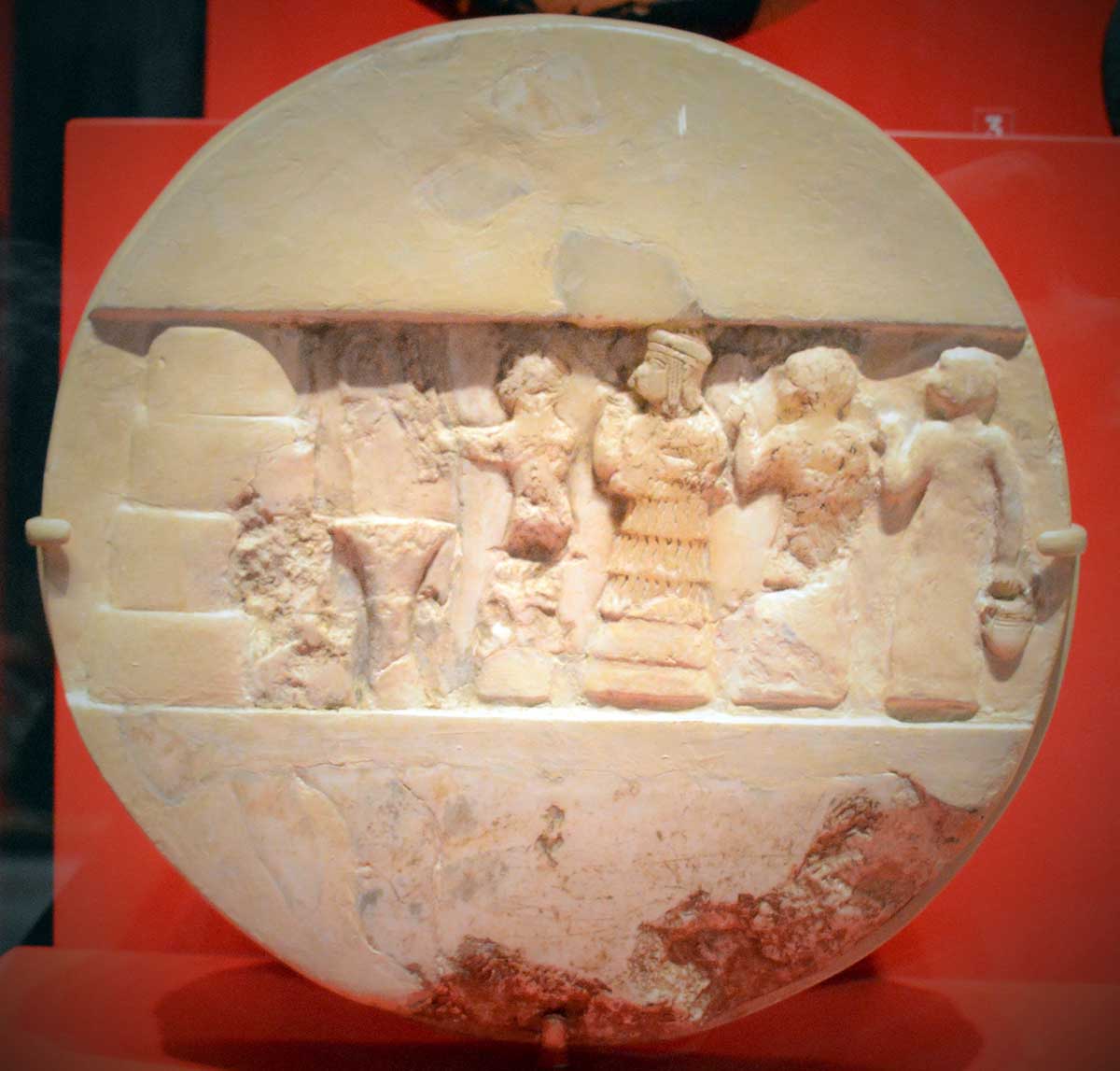
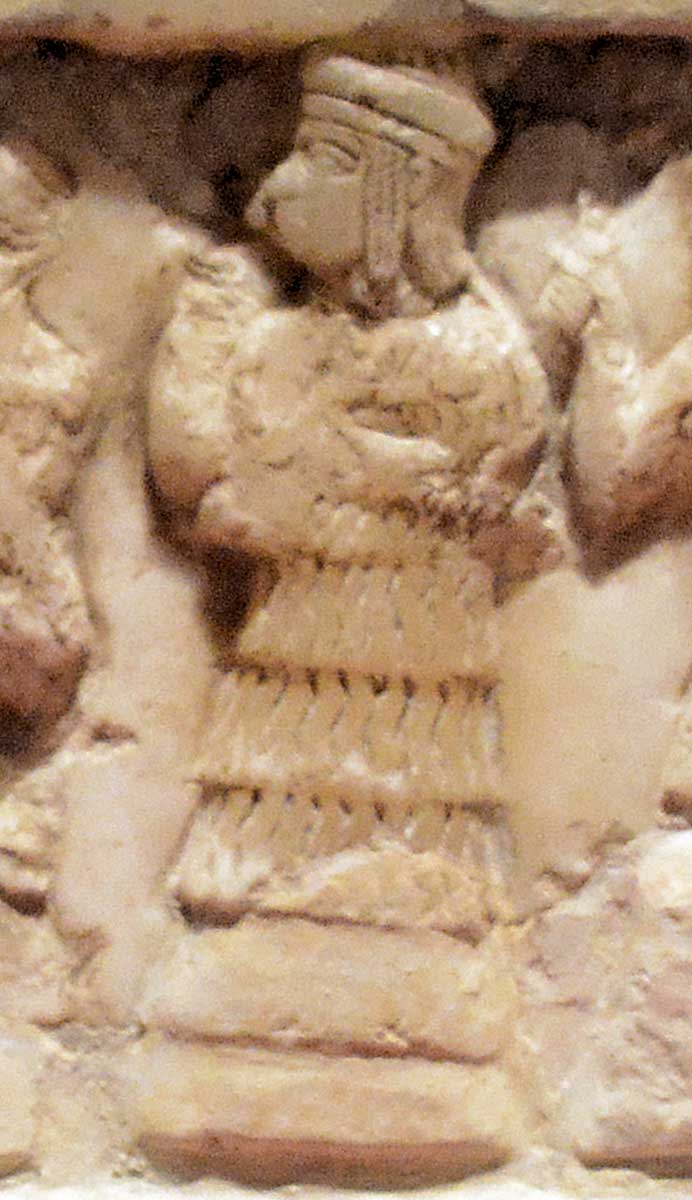
In the city of Ur, Enheduanna had the title of En-Priestess, which was reserved for royal women, and held significant spiritual and administrative power. To this, she was the representative of the Sumerian moon god, Nanna. In 1927, an alabaster disk was excavated by Sir Leonard Woolley and his team. The shattered pieces were reconstructed, and the reverse side identified Enheduanna as the wife of Nanna, while the front depicts Enheduanna in worship.
Power and Duty
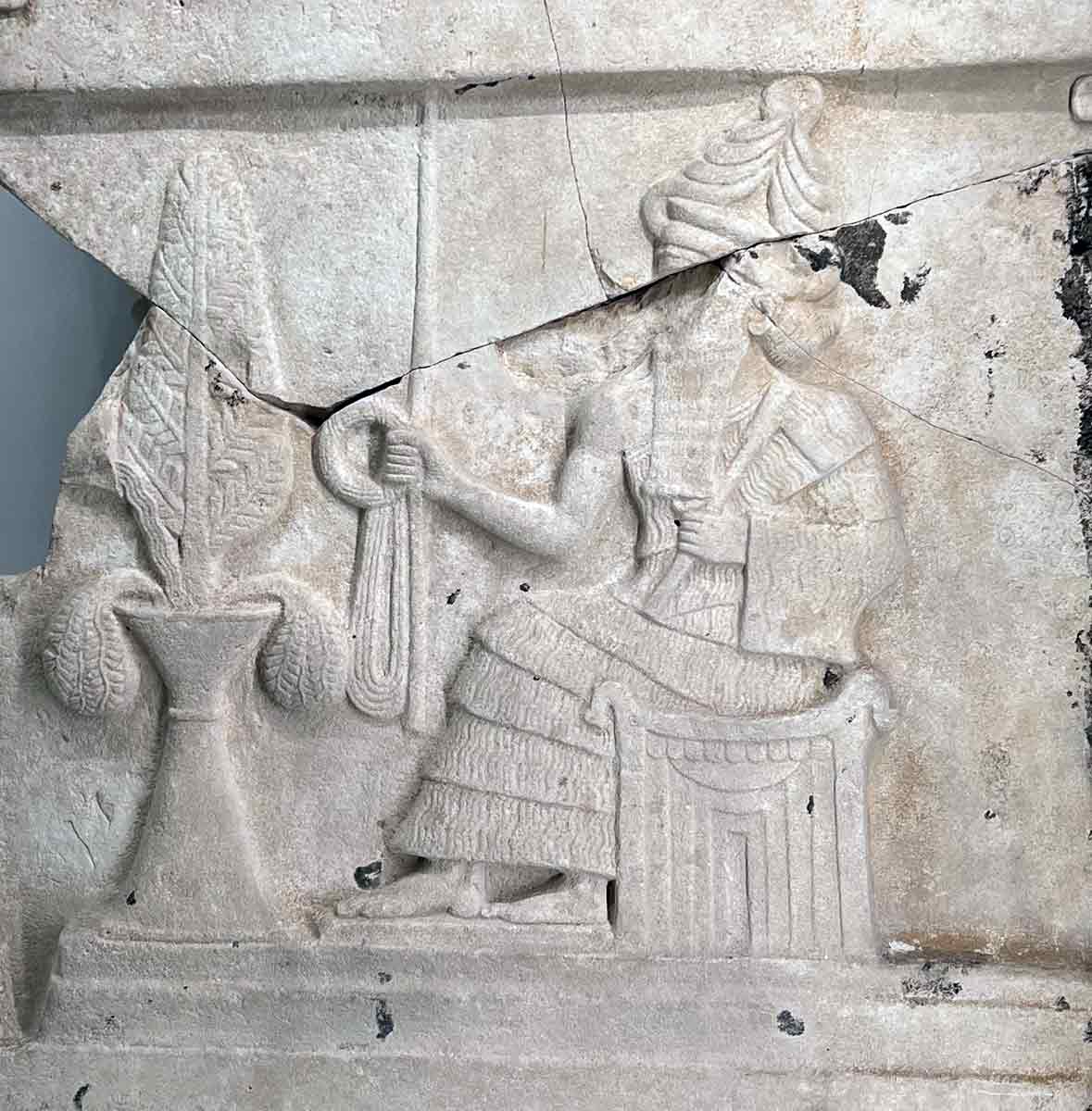
As an en-priestess, Enheduanna was the most powerful figure in the giparu, Ur’s temple complex, which represented the religious aspect of the city of Ur. This made her one of the most prestigious people in the city. However, primary executive, administrative, and military power still rested with the šakkunakku (governor). Nevertheless, her positions as a high priestess and a princess made her one of the most influential and well-known people in the entire empire. Assyriologist Joan Goodnick Westenholz suggested that the position of High Priestess held a level of prestige comparable to that of a king.
The power of the temples at this time was not just religious and moral, but underpinned by economic activity. Temples served as factories for commercial manufacturing and as storage facilities for grain. Without the centralized economic power of the temple complex, the city could face severe, possibly catastrophic, economic disruption.
Enheduanna’s appointment likely came at the behest of her father, who wanted his daughter to use the position to cement ties between the Sumerian and Semitic/Akkadian religions and foster a sense of unity. This appointment set a precedent for tradition, and in the centuries that followed, royal princesses became high priestesses of Ur, although the records of this practice are incomplete and may suggest an intermittent tradition rather than a continuous one.
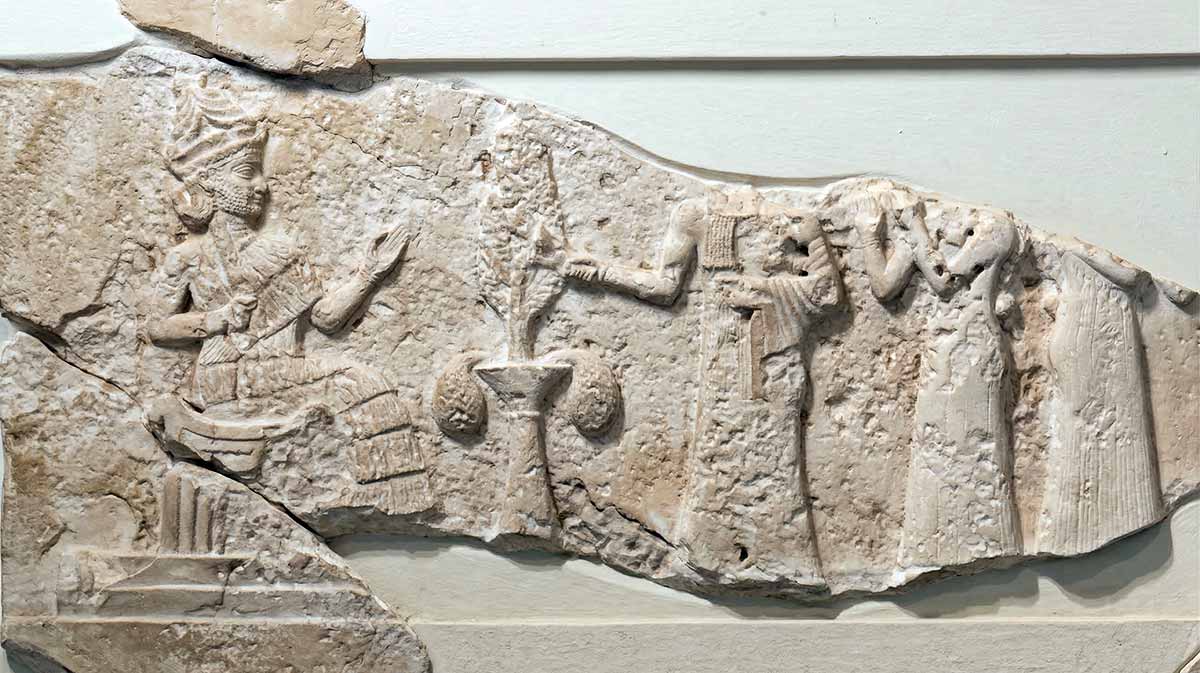
As a high priestess, Enheduanna’s duties were vast and varied. Despite intense research into the subject, there is little information about what the specific duties were and how they were carried out. Nevertheless, safe assumptions can be made.
She would have looked after the statues of the temple, organizing their proper treatment. She made offerings and sacrifices, and interpreted dreams and omens. Along with her staff, she was responsible for cataloguing celestial movements. This was tied to religious beliefs and would have been a complex endeavor, though it is unknown how it was carried out.
As a religious figure, she represented the god Nanna and his wife, Ningal. In some circumstances, she was considered the embodiment of Ningal, and once a year, she took part in a ritual marriage to a representative embodying Nanna. Whether they had intercourse is unknown, but it is possible.
Apart from the religious aspects, Enheduanna had many other high-profile responsibilities. She would have been a diplomat, keeping peaceful and productive relations with other temples and cults within the temple complex. As her temple owned significant agricultural land, she would have also been responsible for overseeing the temple’s transactions and finances, as it acted as a bank as well as a distribution center. There were also many employees, such as farmers, fishermen, and shepherds, who worked for the temple, adding to its economic power and its position as a vital aspect of the city.
Enheduanna the Writer
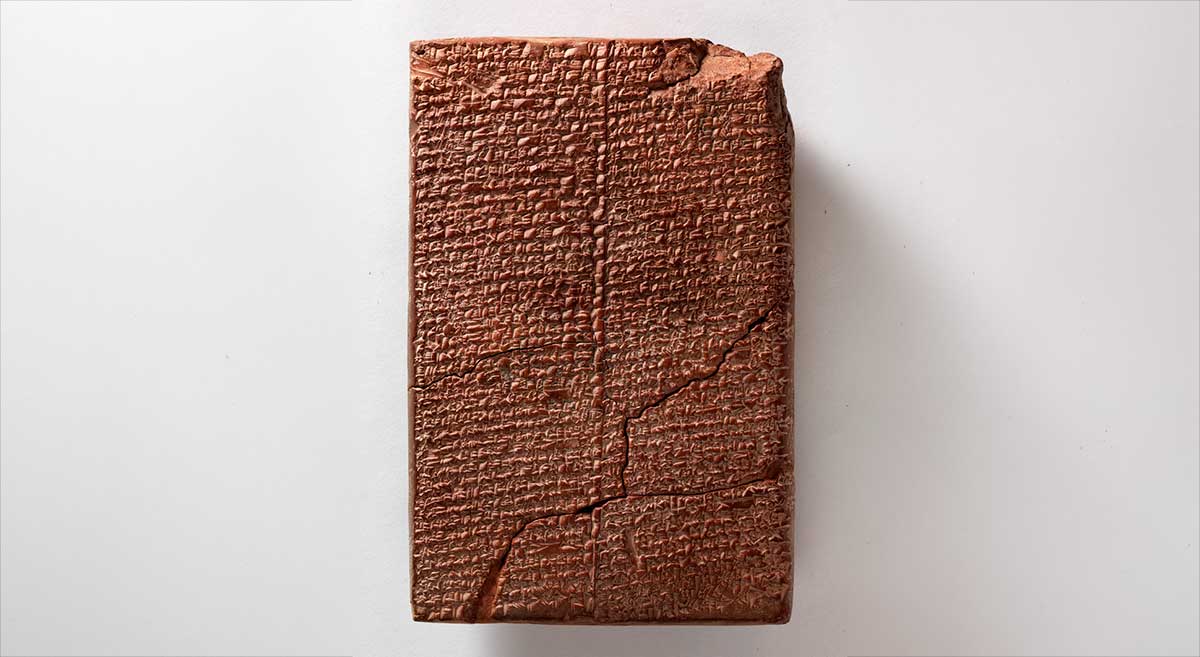
As with many priestesses and those involved in administration, literacy was a core feature of Enheduanna’s education, but up until the time of Enheduanna, texts were anonymous. Enheduanna represents the first instance of a writer attributing their work to themselves by including their own name. She did so by naming herself in the concluding statement (colophon) of her texts. This is a quote from a compilation of her texts known as the Temple Hymns:
“The compiler of the tablets was Enheduanna. My king, something has been created that no one has created before” (The Temple Hymns 543-544).
Representing the main corpus of her work, the Temple Hymns were reconstructed from 37 tablets containing 42 hymns, found in Ur and Nippur and dated to several centuries after Enheduanna first put stylus to clay. The originals, sadly, have been lost to time, but Enheduanna’s works were copied and “republished” many times over during the centuries that followed her life. Attributions of this period, however, are difficult to ascertain, and some of the hymns were not written by Enheduanna. Over time, hymns were added to the collection, but the main body of work is generally attributed to Enheduanna. Each hymn is dedicated to a god or goddess, and the city with which they were associated.
A separate and distinct hymn written by Enheduanna was Nin-me-šárra, the Exaltation of Inanna (Ishtar), which contains 153 lines of cuneiform text. Inanna was the Sumerian goddess of fertility, love, and war, and the daughter of Nanna and Ningal. Enheduanna seems to have dedicated much time to the worship and exaltation of this goddess, and as a result, Inanna’s popularity within Akkadian/Sumerian society skyrocketed.
No explanation of the Exaltation can be complete, however, without mentioning the context in which it was born…
Political Exile and the Exaltation of Inanna
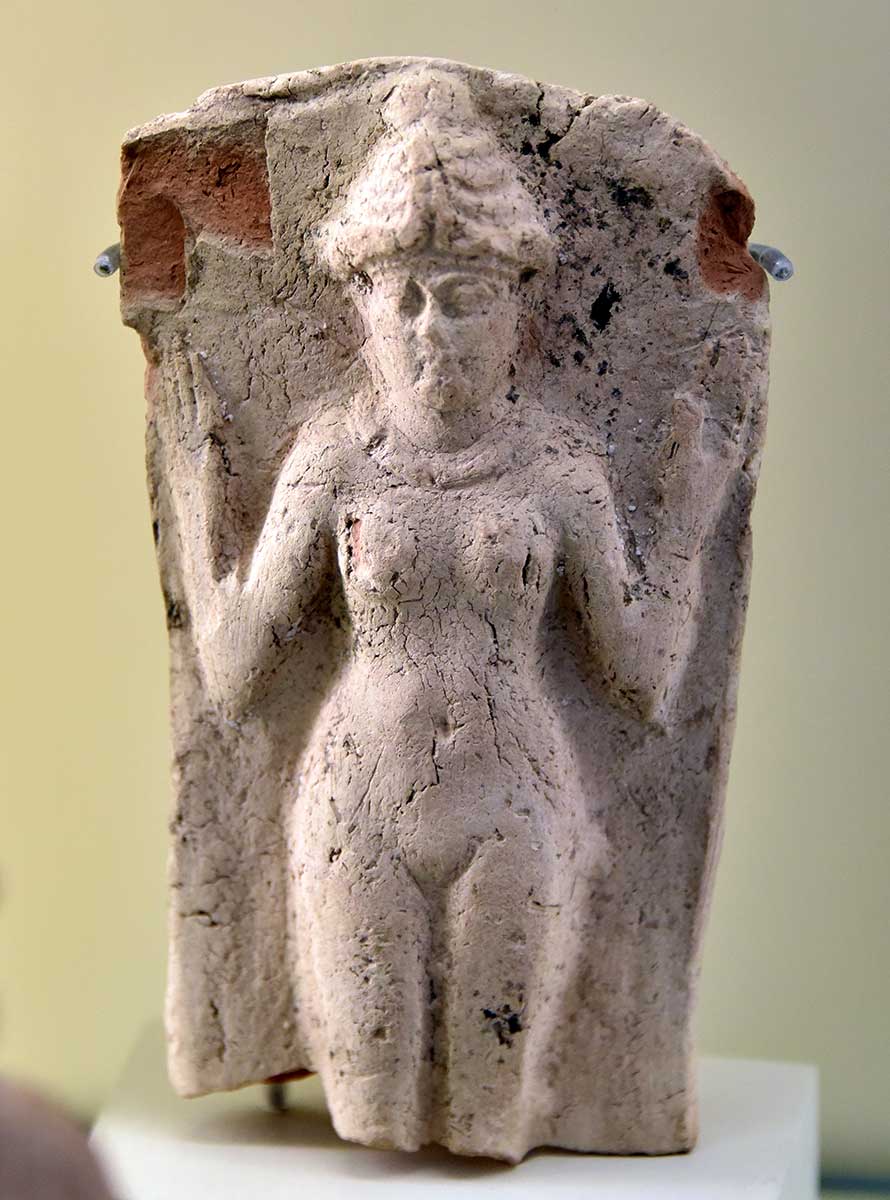
When Enheduanna wrote the Exaltation of Inanna, her life had been turned on its head, and the words she wrote were a reflection of this challenging period. Much of what is known of the political crises comes from the stylus of Enheduanna as she described her own situation. The text is a personal plea in religious language rather than an account of historical events. As such, the facts are difficult to verify.
Likely during the reign of Sargon’s grandson (or possibly son), a local usurper named Lugal-Ane assumed power in Ur and deposed Enheduanna for not confirming his assumption of power. Lugal-Ane exiled Enheduanna, following which the former high priestess wrote the prayer, pleading with Inanna for divine justice and to punish the impious usurper. While the prayer ends with Inanna accepting the pleas and restoring Enheduanna, it can be assumed to be a mythic interpretation. There is no consensus amongst historians on the matter.
What really happened in the end is unknown.
The Implications
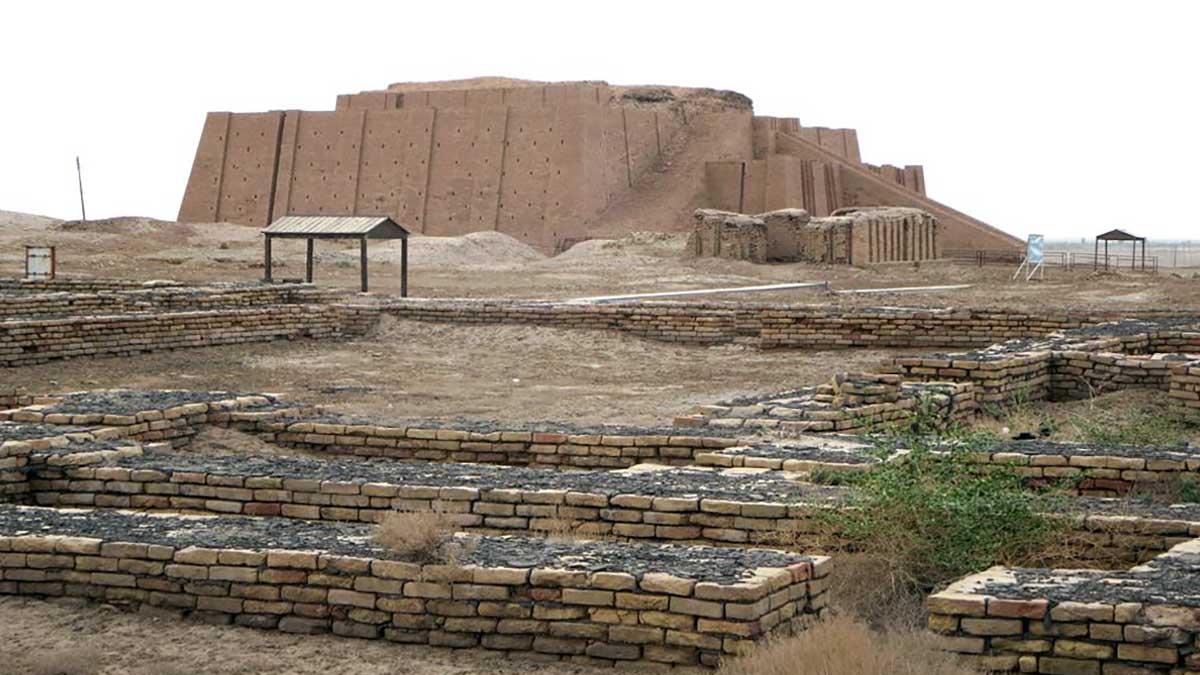
While verified knowledge of Enheduanna’s fate is left to apocrypha, the fate of her writing lasted long after her demise. Enheduanna’s name outlasted the politics and became entrenched in dogma and impressed in clay. For centuries, scribes copied her works as religious traditions were preserved past the timeframe of the Akkadian Empire.
At the time of her struggles against Lugal-Ane, the Exaltation acted as propaganda, justifying religious sentiment against the usurper. Through this, political and personal struggles were transposed into literature, giving us arguably the first instance of someone injecting their own personality into writing. Enheduanna was the first to give us a glimpse into her own world in her own words.
And she did so over one and a half millennia before Homer wrote his Iliad and Odyssey. In this, Enheduanna is recognized as the world’s first author, and a powerful symbol for literature, ancient Mesopotamian religion, and women in the ancient world.