
Beliefs surrounding life and death for Greeks of the Ancient and Classical eras were not simple. Beyond an immensely complex pantheon of gods, filled with fantastical stories, there were mythic places that mortals could only imagine. Many of these places were reserved for the dead.
For the Greeks of antiquity, there were several possible destinations. Some were islands of paradise, while others were hellish nightmares. Here are 7 realms of the dead in Greek mythology.
1. Hades, the Primary Realm of the Dead
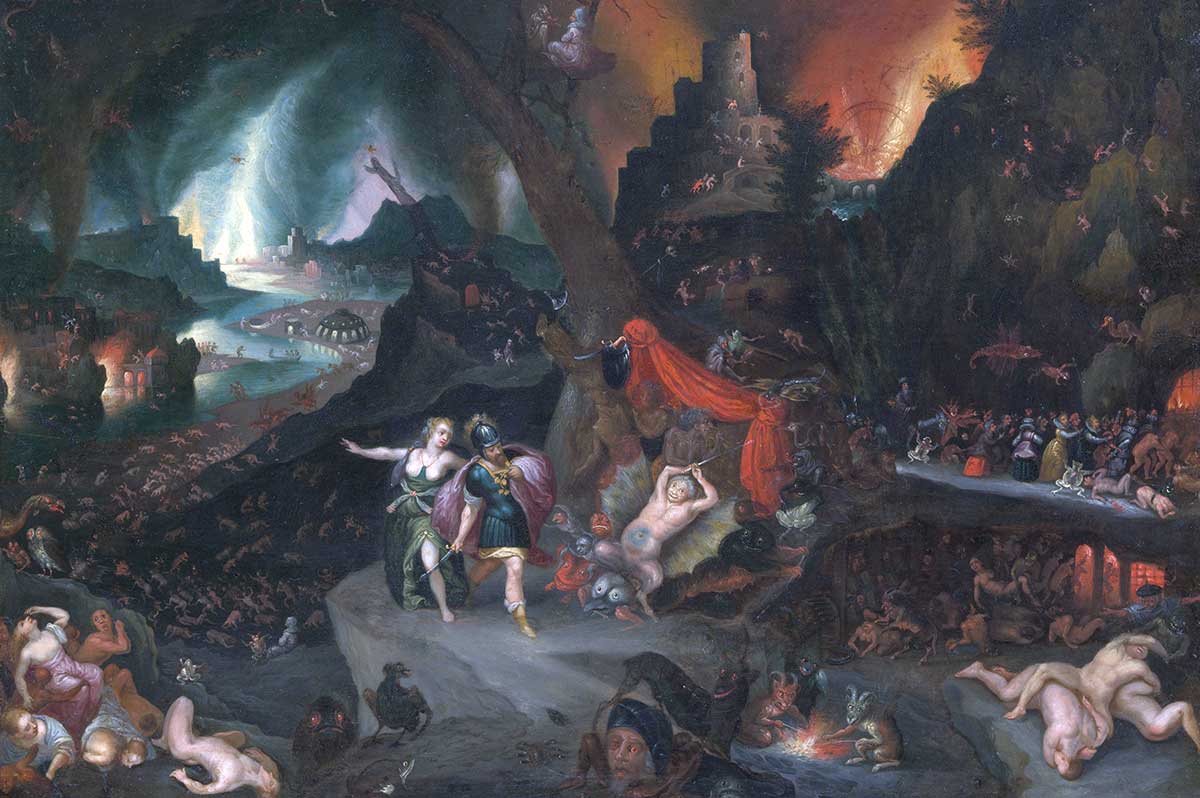
Certainly, the most recognizable name when discussing the Greek realms of the dead, Hades remains the most prominent example of the ancient Greek afterlife. Sharing a name with its patron god, Hades was the first realm of the dead written about in ancient Greek literature. It was thought to be either somewhere at the edge of the world or under the earth.
During the time of Homer, all the dead ended up in the gloomy fields of Hades, where spirits flitted about in a state of semi-consciousness. Homer, in the Iliad, describes it as a damp place accessed through gates guarded by the “hound,” after which the spirits must present themselves before the realm’s rulers, Hades and Persephone.
In the Odyssey, written around the late 8th or first half of the 7th century BC, Homer situates Hades at the edge of the world, beyond the Okeanos, the river which encircles the earthly realm. He notes that the dead are guided to Hades by Hermes and judged by Minos, a demigod who decides the eternal fate of the souls that pass into the afterlife.
There are several places within Hades where a soul can end up. The caveat is that not all Greek mythology was standardized, and this included its geography. Some ancient authors put certain realms of the dead outside of Hades, and other authors put those same realms within it.
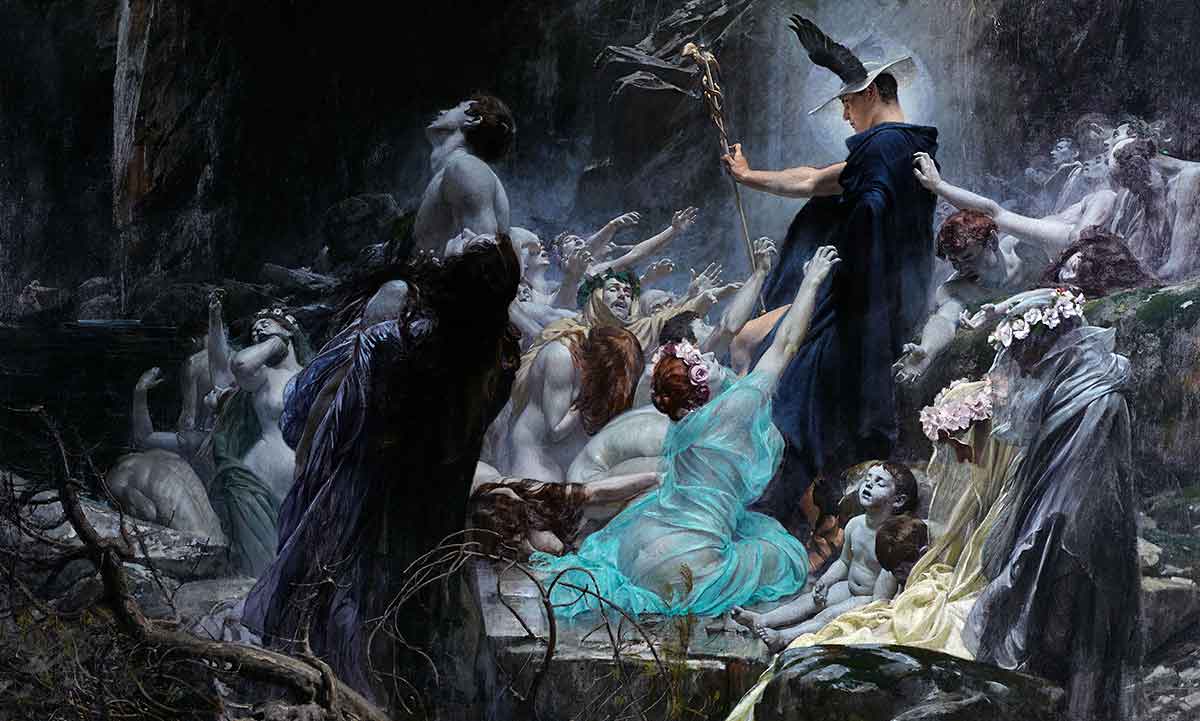
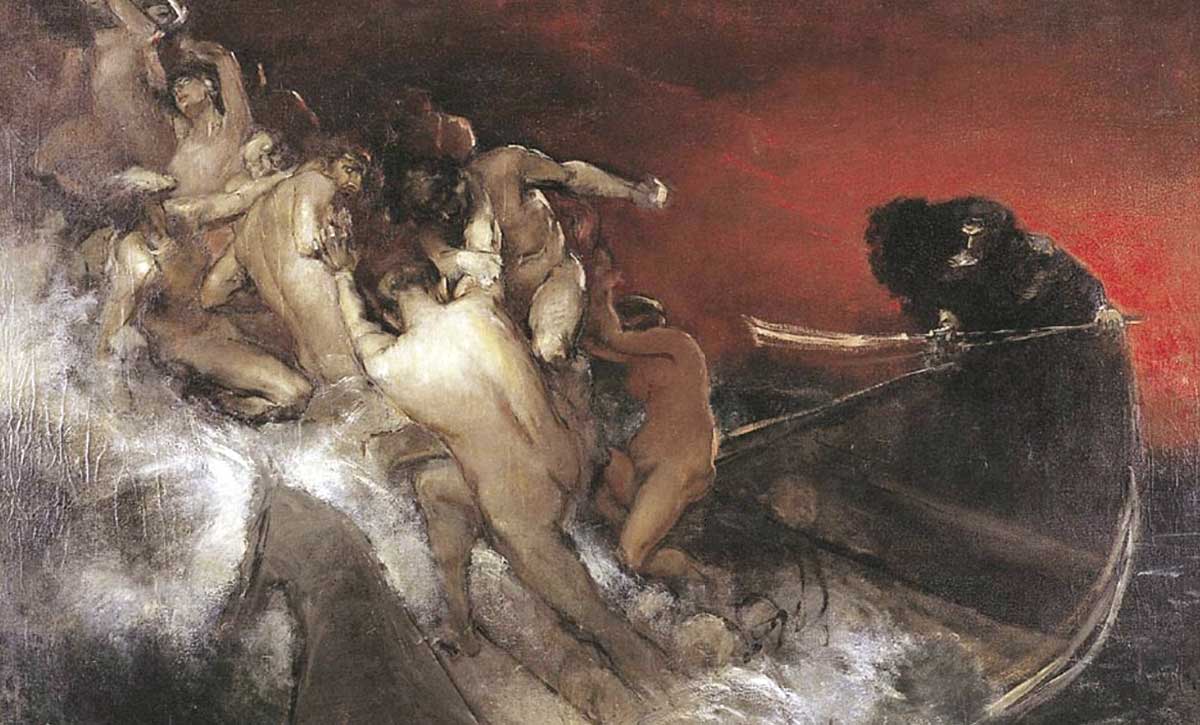
Certain features, however, were always ascribed to Hades, and several rivers are of particular note. The Styx is the most prominent and serves as an entrance to Hades. The dead are ferried across by Charon, the ferryman.
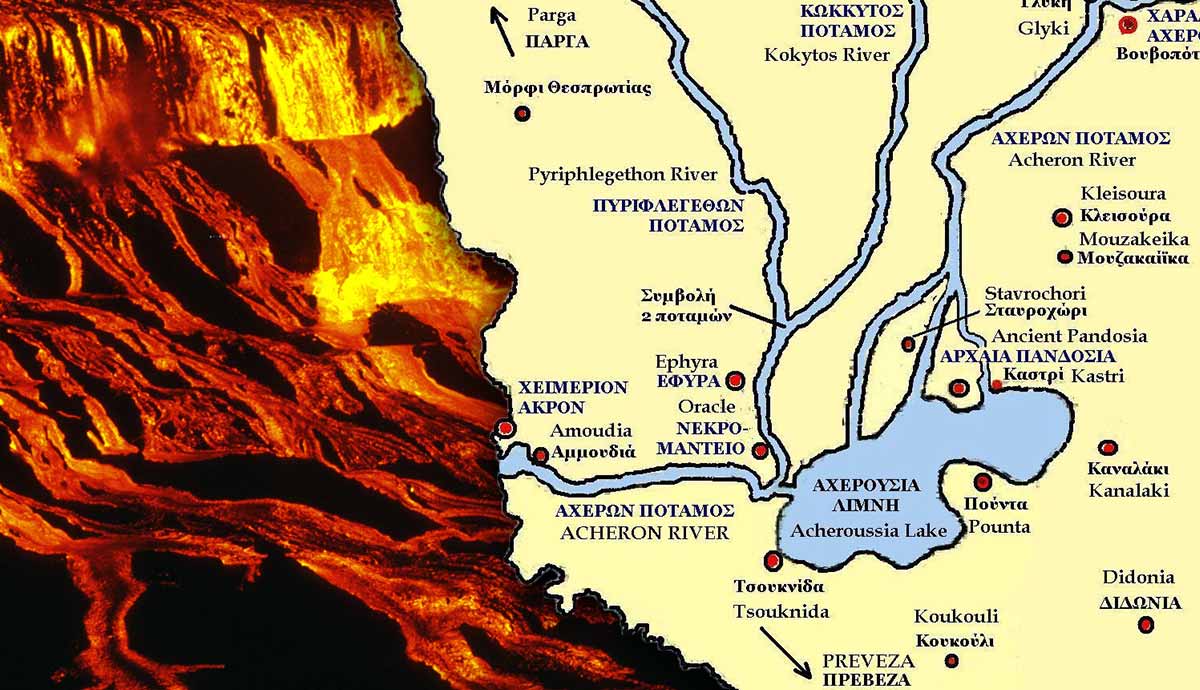
The river Acheron is associated with misery and woe, while the Pyriphlegethon burns with fire, and according to Plato, leads into the realm of Tartarus. Also mentioned by Plato as emptying into Tartarus is the Cocytus (or Kokytos), the river of wailing, associated with the punishment for murderers. The fifth river, the Lethe, is the river of forgetfulness, which shares its name with the goddess of forgetfulness and oblivion, and was either situated within Hades or the Elysian Fields.
2. The Elysian Fields, a Paradise for Heroes
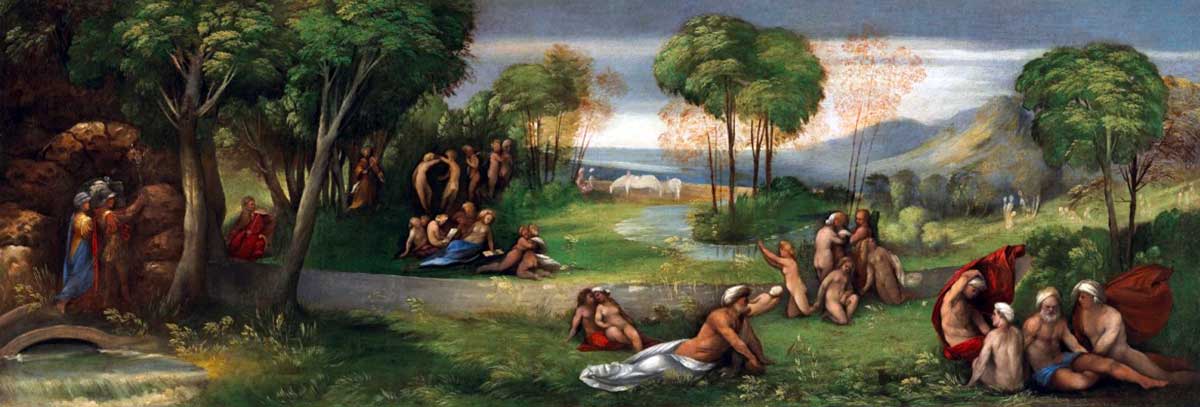
In contrast to the rest of the gloomy realm of Hades, the Elysian Fields (or Elysium) was a place where it never snowed or rained, and where life was easy for those who were chosen to reside there. This was according to Homer, who wrote of Elysium in his Odyssey. Over the centuries, poets and writers expanded on Homer’s ideas, adding their own descriptions to this place of paradise.
Initially, only mortals related to the gods could enter Elysium, but over time, concepts surrounding Elysium evolved, and those permitted to enter included heroes, the righteous, and those chosen by the gods. Those fortunate enough to be granted entrance to this paradise could live out eternity in blessed happiness, indulging in whatever they found joyful in life.
By the 5th century BC, Elysium had been conflated with the Isles of the Blessed.
3. The Isles of the Blessed

Introduced by Hesiod in the late 8th and early 7th centuries BC, the Isles of the Blessed were treated as a realm distinct from the Elysian Fields. In his Works and Days, Hesiod locates the Island of the Blessed as being on the banks of the “deep-swirling” Okeanos, and describes it as a place with life-giving land that produces honey-sweet harvest three times a year, feeding its inhabitants, untouched by sorrow.
The Theban poet Pindar (ca. 518 BC to 438 BC) does not use the names “Elysium” and the “Elysian Fields,” but ascribes their paradisal qualities to the Islands of the Blessed, thus merging the two conceptual places as one afterlife for heroes and those of righteous virtue.
Originally conceived as a number of islands, Pindar reduced the number of islands to one, and described it as being a place of shady parklands where residents indulged in music and athletic pursuits—ideal pastimes in ancient Greece.
In an attempt to rationalize the myth, writers of later eras tried to situate the Isle(s). Plutarch (ca. AD 50 to AD 120) states there are two islands and that they are located 1,250 miles west of Africa. He claims these islands constitute the Elysian Fields that Homer mentioned.
Pliny the Elder notes Snake Island at the mouth of the Dnieper as being called the Isle of the Blessed; however, this island is too small and unappealing to be conceived as being an eternal realm of paradise.
4. Tartarus, a Prison for the Damned
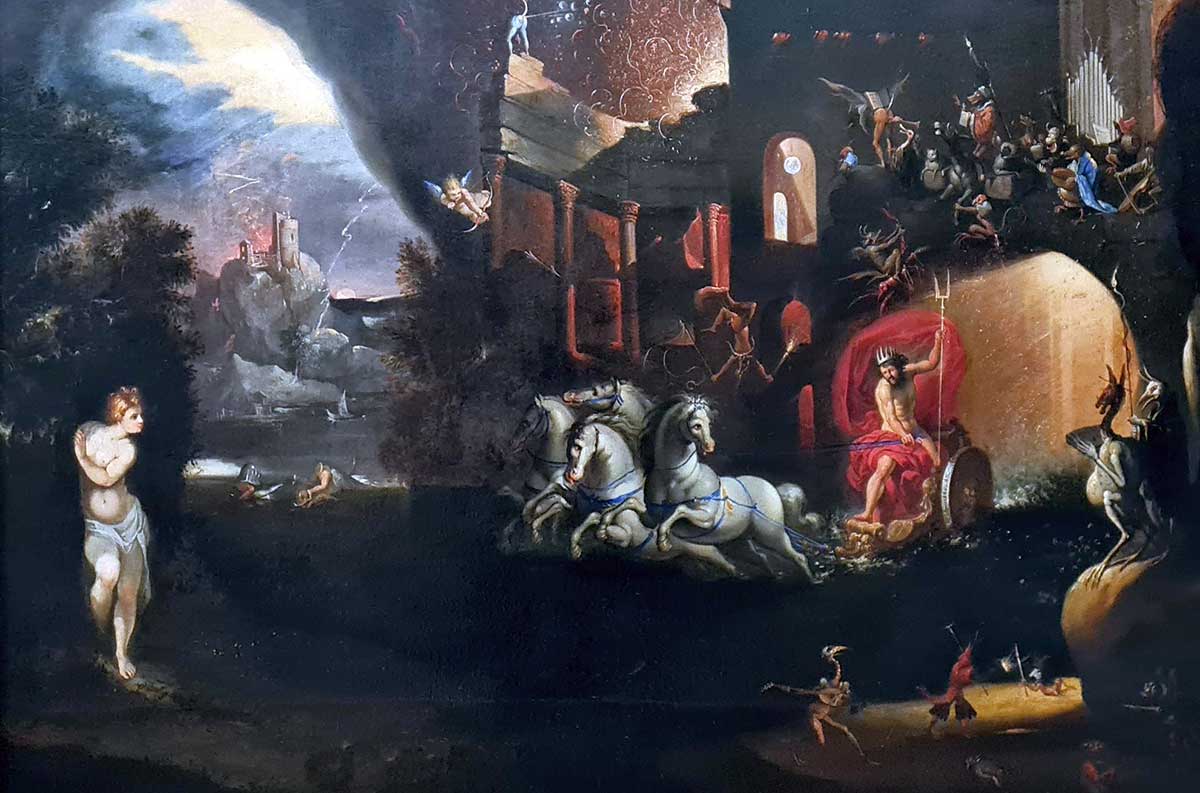
From eternal paradise to eternal suffering, Tartarus is a place of torment in Greek myth. A dark abyss, Tartarus was both a place and the concept of a being. As one of the primordial gods, Tartarus was one of the first generation of divine entities detailed in Hesiod’s Theogony.
Tartarus became the prison of the Titans after they were overthrown by Zeus and the Olympians, and is thought of as a place of abyssal depth, far beneath the Underworld.
It is also the home of King Sisyphus, who is forced to roll a boulder up a hill for all eternity, only for it to roll back down on every attempt. Zeus’ punishment for Sisyphus demonstrates the futility of challenging the gods, for Sisyphus considered himself cleverer than Zeus.
This realm is the polar opposite of Elysium and, according to Plato, exists as a place of punishment for the wicked after their souls are judged. While the damned spend eternity there, those with sins that can be atoned for spend a limited time in Tartarus as penitence.
Not confined to Greek mythology, Tartarus also makes an appearance in the Bible.
For if God didn’t spare angels when they sinned, but cast them down to Tartarus, and committed them to pits of darkness to be reserved for judgment;
— 2 Peter 2:4
5. Asphodel Meadows, an Afterlife for the Ordinary
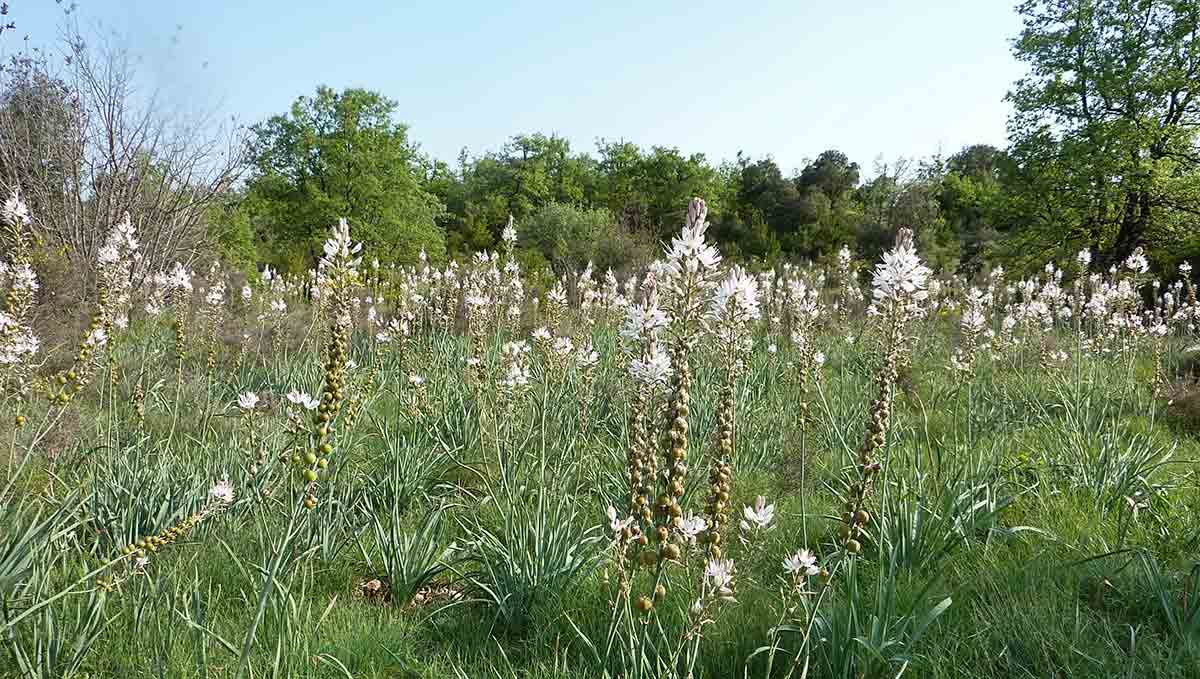
There is nothing spectacular nor terrifying about Asphodel Meadow, for it is where those who led neither good nor bad lives go after they die. Those who live ordinary lives are also sent here.
The most common theory is that this afterlife is named after the asphodel flower, and while the plant is not particularly unusual as far as flowers go, the American classicist Edith Hamilton suggested that the asphodels in this realm were “pallid, ghostly flowers,” and not the usual flowers of reality. The ghostly color of these flowers is appropriate for this part of the Underworld.
The first mention of Asphodel Meadows comes from Homer, who ascribes to it little more than a neutral existence rather than a place of judgment. It sees little mention by later authors, and those mentions are derivative rather than foundational. The ordinary condition of the dead, as can be safely assumed to be in the Asphodel Meadows, is one of meaningless existence where the shades of people wander and float around without direction or purpose.
6. The Mourning Fields, a Misery of Earthly Grief
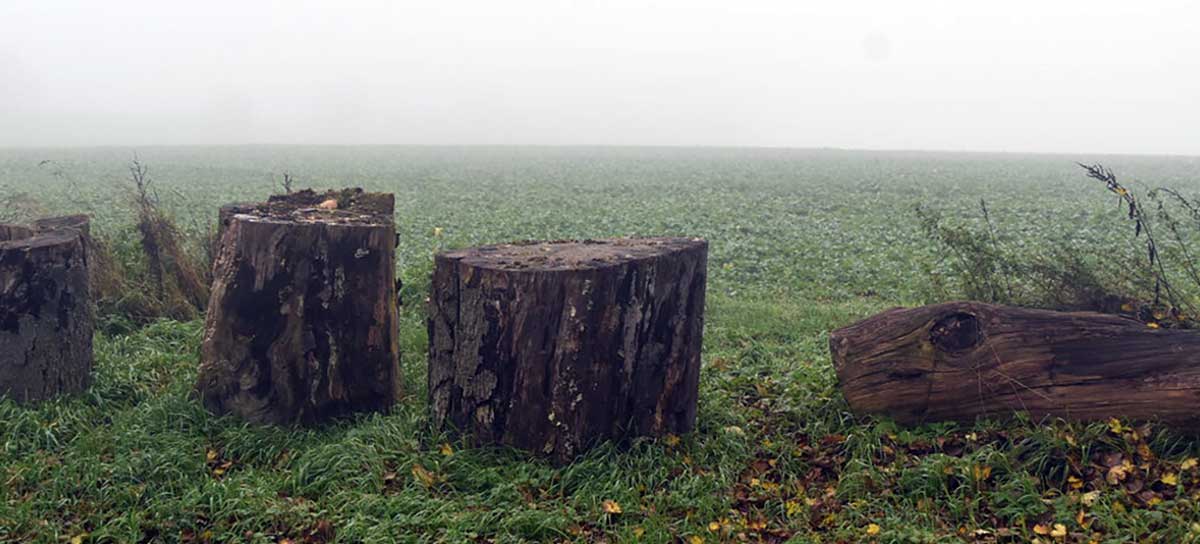
Mentioned by Virgil in the Aeneid, the Mourning Fields or Fields of Sorrow is a place of gloomy paths and myrtle groves, located near the waters of the Styx. Here, souls recall their earthly grief and unfulfilled love.
It is a place for those who died in sorrow, tied to tragic love. Among the people who dwell there are Dido, who fell in love with Aeneas and committed suicide after he left her, and Eriphyle, who convinced her husband to join a doomed expedition. Eriphyle was killed by her own son in vengeance.
Another soul who wanders the Mourning Fields is Phaedra. In Euripides’ tragedy Hippolytus, Phaedra falls in love with Hippolytus and her love is revealed, but Hippolytus reacts with such revulsion that Phaedra, consumed with embarrassment and misery, kills herself.
7. Erebus, a Place of Primordial Darkness
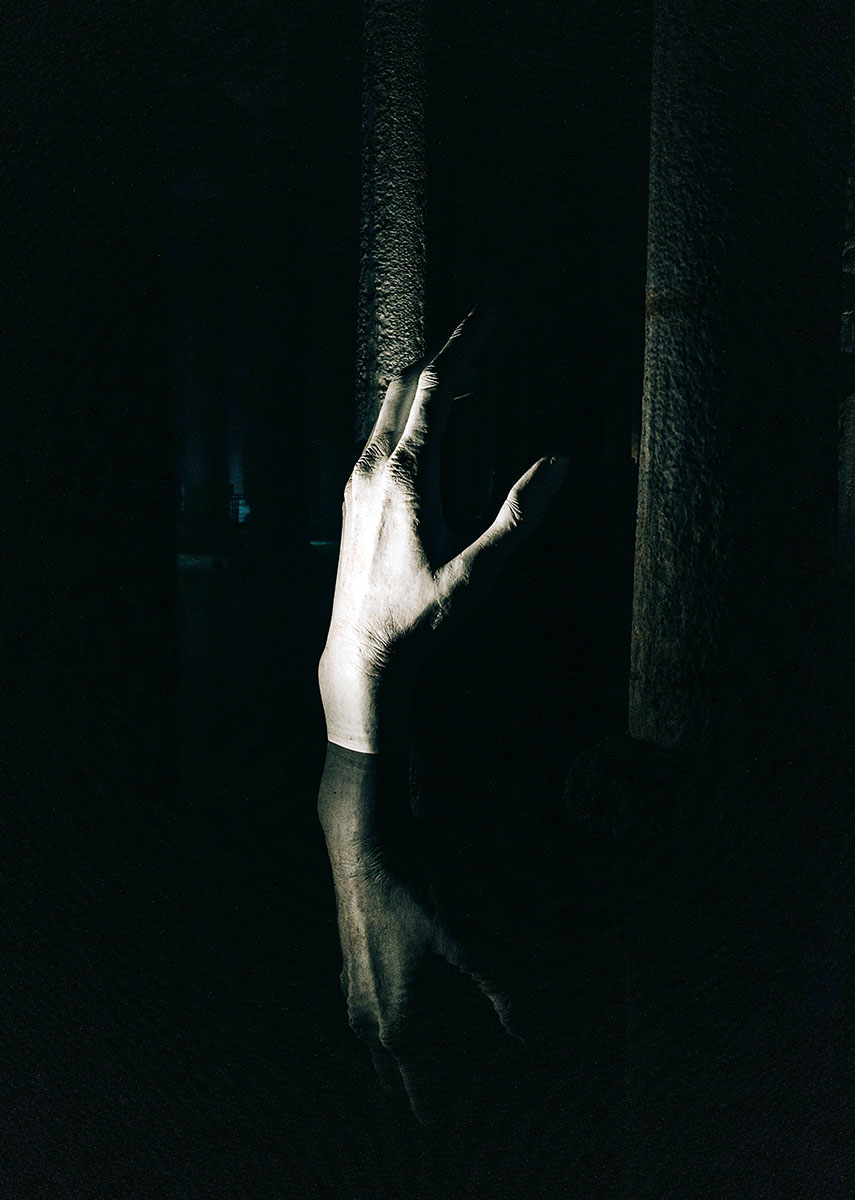
A place of transition rather than any permanent residence, Erebus is the gloomy place that is a part of the Underworld. It can also be interpreted as a place through which souls pass on their way to Hades. Like Hades, Erebus is also a being, but he is one of the primordial cosmic forces before the Titans and the Olympians. Homer references Erebus as a place in both the Iliad and the Odyssey, but does not go into any detail other than inferring that it is a location where the dead dwell.
Apart from being beneath the earth, descriptions of Erebus are scant in the ancient texts, and it is only mentioned as a place of the dead.
From the depths of Tartarus to the bliss of Elysium, the afterlife was a concept rich in layered thought. For the ancient Greeks, the afterlife mirrored the complexity of life itself. It was shaped by morality, heroism, and fate—things that were of primary importance in ancient Greek culture.