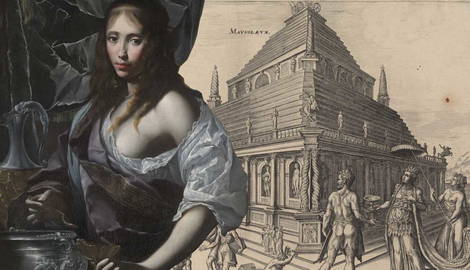

In the 4th century BCE, an elaborate tomb was built for King Mausolus of Caria and his sister-wife Artemisia II of Caria. A towering 45 meters tall, the monument contained 400 freestanding statues commissioned from famous Greek sculptors of the day. It was such an impressive and imposing monument that Antipater of Sidon included it among his Seven Wonders of the Ancient World.
Quick Facts about the Mausoleum at Halicarnassus
| Built | c. 353-351 BCE |
| Creators | Greek architects Satyros and Pythius of Priene. Artists Leochares, Bryaxis, Scopas, and Timotheus decorated the four sides of the tomb |
| Location | Built on a hill overlooking the city of Halicarnassus |
| Overview | A 45-meter-tall marble tomb built for Mausolus, king of Caria, and his wife, Artemisia II |
| Destruction | Destroyed by earthquakes in the 15th century |
Mausolus & Artemisia II of Caria
At the start of the 4th century BCE, Halicarnassus was the main city in the kingdom of Caria, which, from the middle of the 6th century, was a satrapy of the Persian Empire, then ruled by the Achaemenid dynasty.
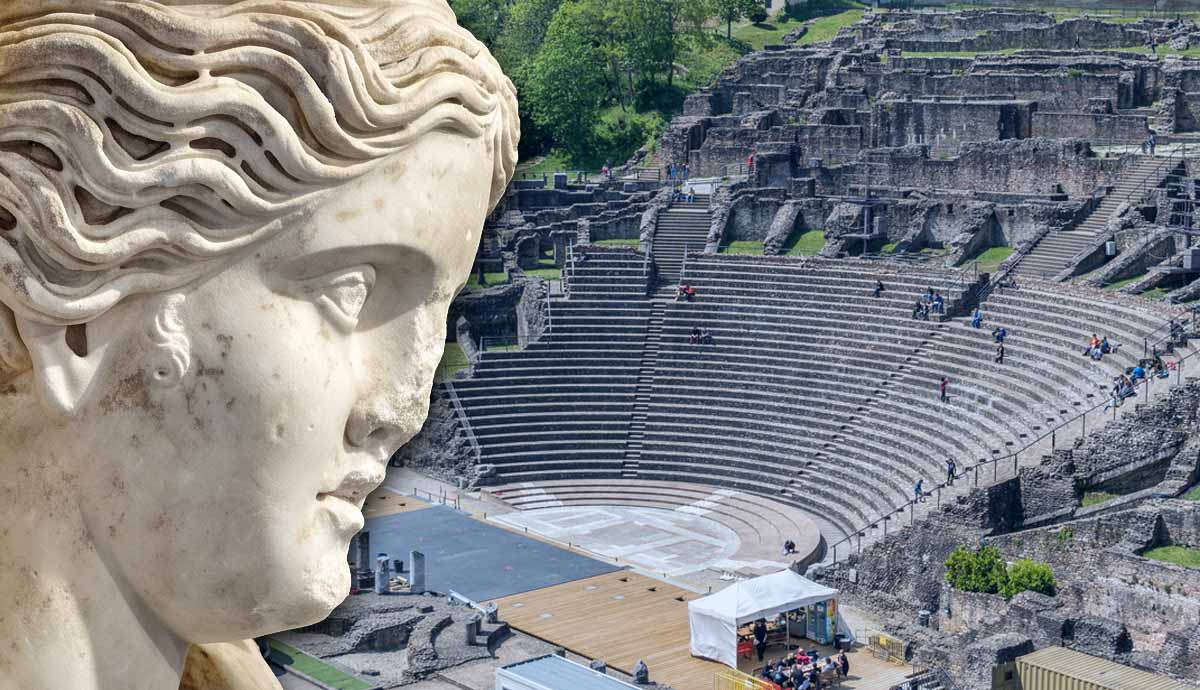
In 377 BCE, the satrap of Caria, Hecatomnus of Milas, died and was succeeded by his son, Mausolus. The new ruler embarked on an ambitious program to consolidate his position. He expanded Carian influence, taking parts of Lycia, Ionia, and the Dodecanese islands. He also worked to aggrandize his principal city of Halicarnassus. He re-founded the city, building it on a new grid pattern and relocating villagers from the surrounding area to his growing city. He followed Greek patterns, building a large theater and agora, expanding fortifications, and building a place next to the Temple of Apollo.
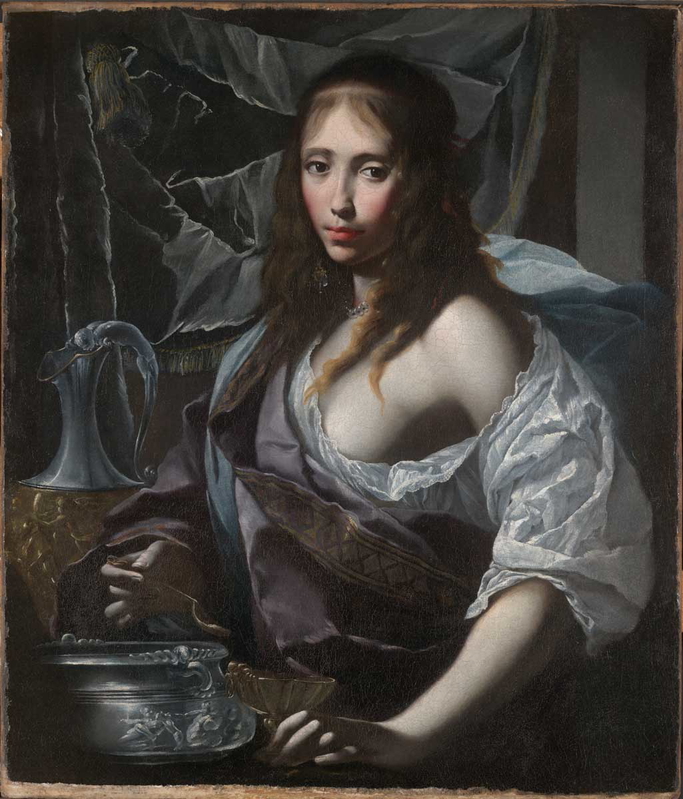
His sister-wife Artemisia was famous in her own right and even ruled on her own for two years following the death of Mausolus in 535 BCE. She was renowned for the extraordinary grief that she showed following her husband’s death, mixing her ashes in her daily drink. Even more famously, she built, or at least completed, the elaborate tomb.
Halicarnassus in the Ancient World
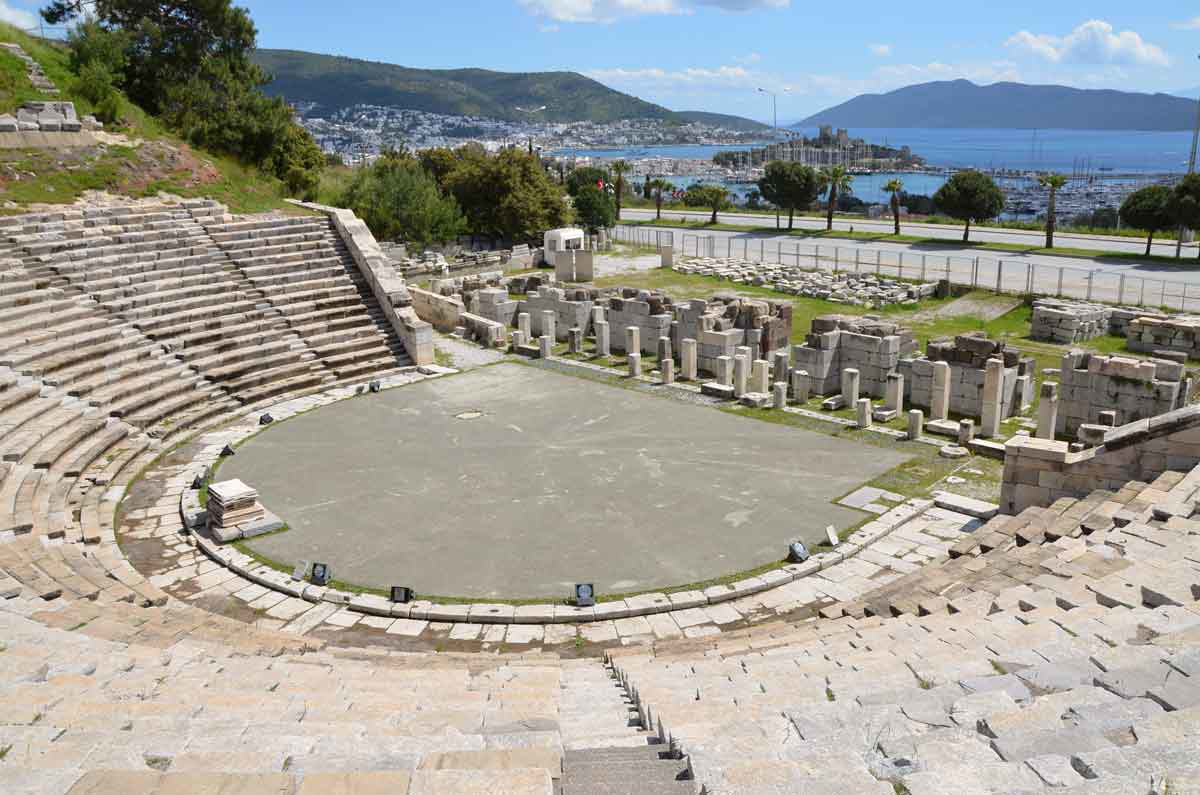
Thanks to geography, the city of Halicarnassus, located on the western coast of Asia Minor (modern Turkey), found itself at the center of tensions in the ancient world. The city, like so many in Anatolia, had close connections, political and cultural, with both the Greeks to the west and the Persians to the east.
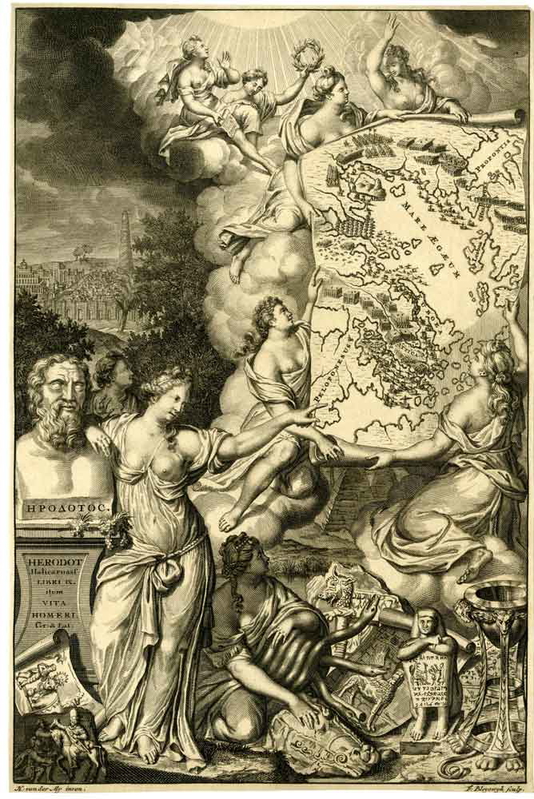
Halicarnassus was also the birthplace of the “Father of History,” Herodotus, one of the most famous historians from the ancient world, Dionysius of Halicarnassus, a historian and teacher of rhetoric who was active during the late 1st century BCE.
According to the geographer Strabo, the city was founded by Anthes, the legendary son of Poseidon. However, after Halicarnassus had been incorporated as part of Cyrus the Great’s Persian empire, the city found itself more closely allied with its new rulers.
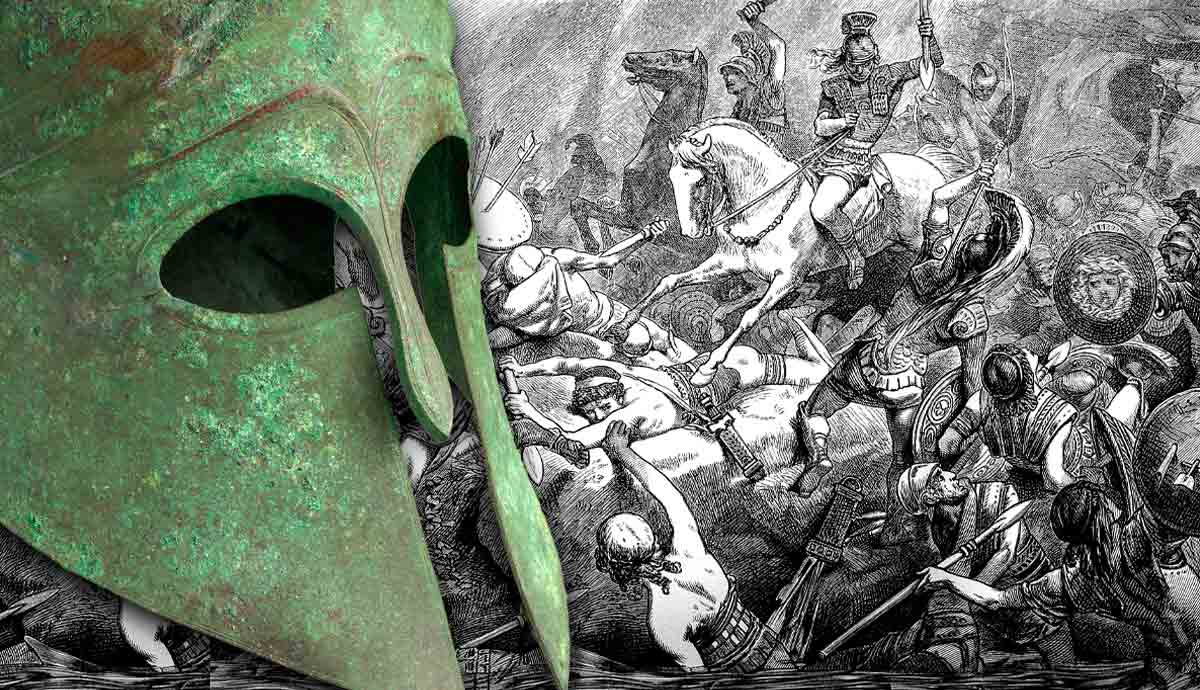
The tensions between Greek and Persian influences continued through the Classical Age and into the Hellenistic Period. In 334 BCE, Alexander the Great took control of the city thanks to his benevolent treatment of Ada of Caria. After she had surrendered the fortress of Alinda to the Macedonian king, Alexander returned the government of Caria to her, prompting her to adopt Alexander as her son.
After Alexander died in 323 BCE, the city, like much of his empire, was squabbled over by his various successors. Halicarnassus continued to be prominent in the Roman age, and in 58 BCE, it was annexed and became a part of the province of Asia.
When Was the Mausoleum of Halicarnassus Built?
As Mausolus and Artemisia expanded their influence into Lycia, they came into contact with the monumental tombs characteristic of the region. The most famous are the Tombs of Xanthos, built between the 6th and 4th centuries BCE. They were rock-cut tombs cut directly into cliff faces or free-standing sarcophagi on elevated bases. Many featured facades with columns that mimicked temples. This would inspire the great Mausoleum in Halicarnassus.
Given the extraordinary dimensions of the mausoleum, it is highly probable that the structure was planned, and probably began, well before Mausolus died in 353 BCE, and his wife completed the building project.
It was reportedly Artemisia who invited the most renowned Greek artists to decorate the monument. Among these artists was Scopas, the man who had supervised the rebuilding of the temple of Artemis at Ephesus, Leochares, Bryaxis, and Timotheus. Greek architects Satyros and Pythius of Priene designed the blueprint of the tomb.
| Year / Era | Event |
| 377 BCE | Mausolus becomes Satrap of Caria and begins rebuilding his capital of Halicarnassus. |
| 353 BCE | King Mausolus dies; his sister-wife and successor Artemisia II continues tomb construction, commissioning renowned Greek artists. |
| 353–351 BCE | The Mausoleum is completed; both Mausolus and Artemisia are laid to rest within the structure. |
| 334 BCE | Alexander the Great captures Halicarnassus, but the Mausoleum remains untouched. |
| 28 BCE–14 CE | Construction of the Mausoleum of Augustus in Rome, influenced by the Halicarnassus design. |
| 12th–15th Century CE | A series of powerful earthquakes progressively damage the structure’s upper levels. |
| 1494–1522 CE | The Knights of St. John use the remaining stones and reliefs to fortify Bodrum Castle. |
What Did the Mausoleum of Halicarnassus Look Like?
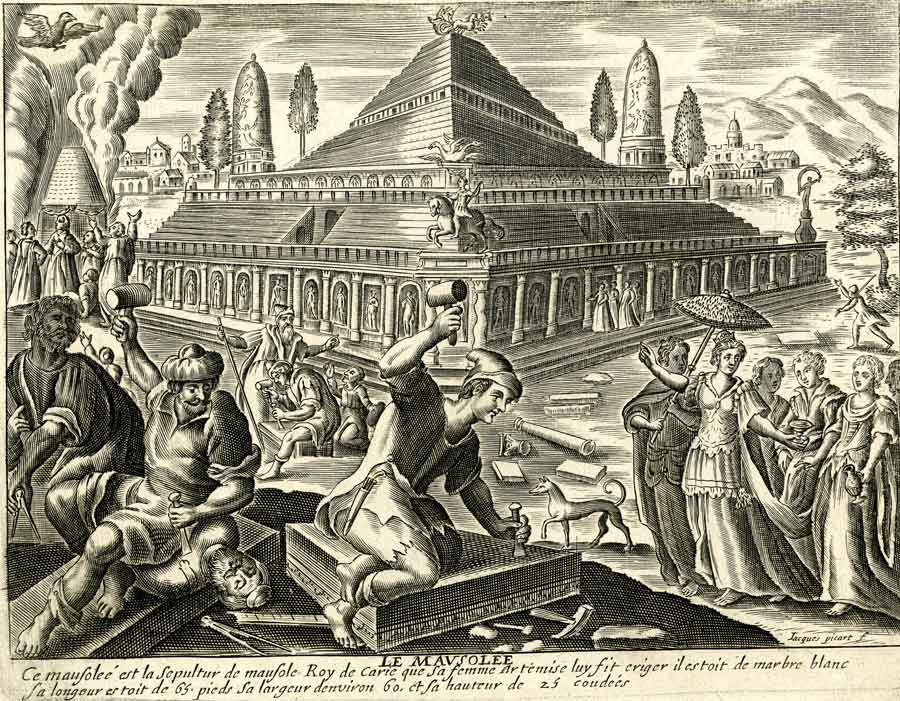
The Mausoleum was erected on a hill overlooking the city of Halicarnassus. The structure was positioned within an enclosed courtyard, at the center of which the Mausoleum sat atop a great stone platform. Visitors to the Mausoleum would have needed to ascend a monumental staircase, flanked on each side by marble lions. The platform was decorated with statues of gods and goddesses from the classical world. The tomb itself, in the center of this stone platform, was a grand marble edifice.
Tapering at the summit, the Mausoleum reached a height of 45m. The structure was richly decorated with bas-reliefs and other sculptural works. These are described by Pliny the Elder, who notes that it was the artistic merit of these works, and not the Mausoleum’s colossal size, that made it a wonder of the ancient world.
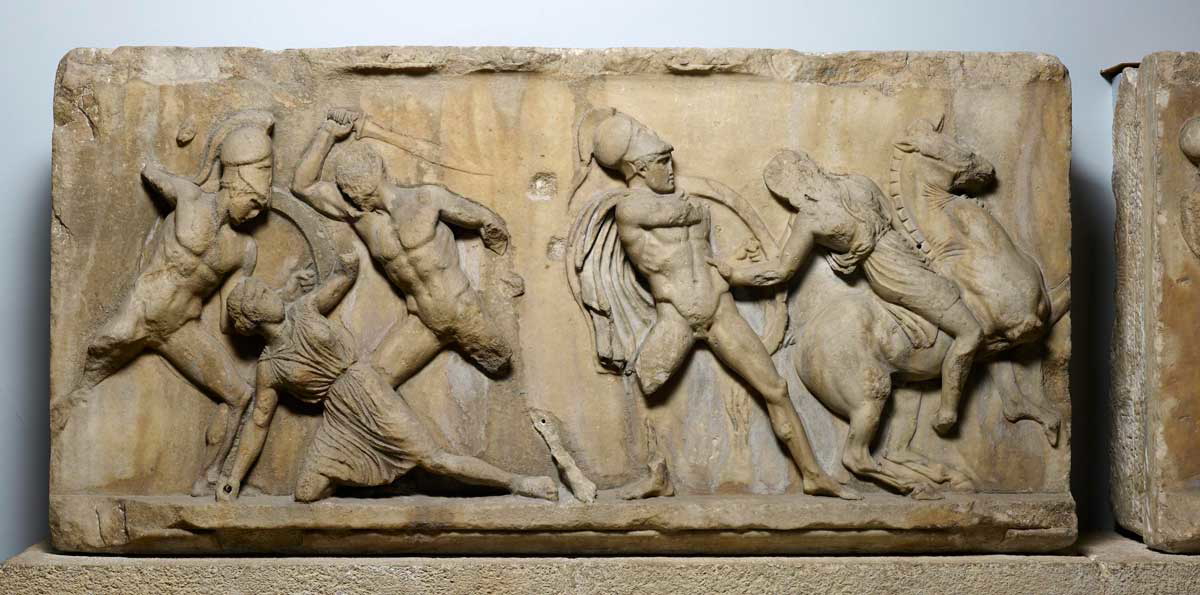
The reliefs were narrative in character, depicting a range of mythological scenes, including a Centauromachy (the battle between centaurs and lapiths) and the Amazonomachy (the clash between the Greeks and the Amazons). Often, these subjects were used as allegories for the conflict between East and West. Thus, they were apt on a monument that was the jewel in the crown of a city that had lived experience of this tension.
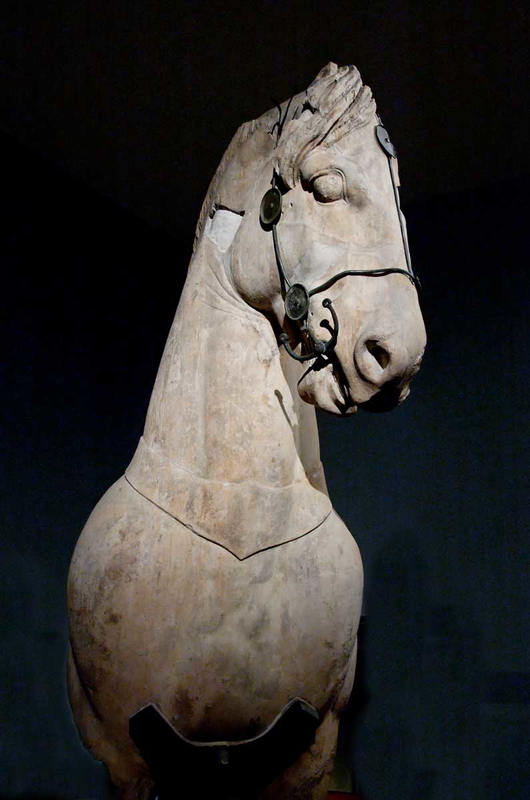
At the top of the Mausoleum, proudly displayed on the pyramidal roof, there was a quadriga. This is a four-horse chariot, often associated with the Triumphal procession in ancient Rome. The quadriga on the Mausoleum was pulled by four massive marble horses, which survive in fragmentary form.
Surviving Decorations from the Mausoleum of Halicarnassus
| Decoration Item | Description & Significance |
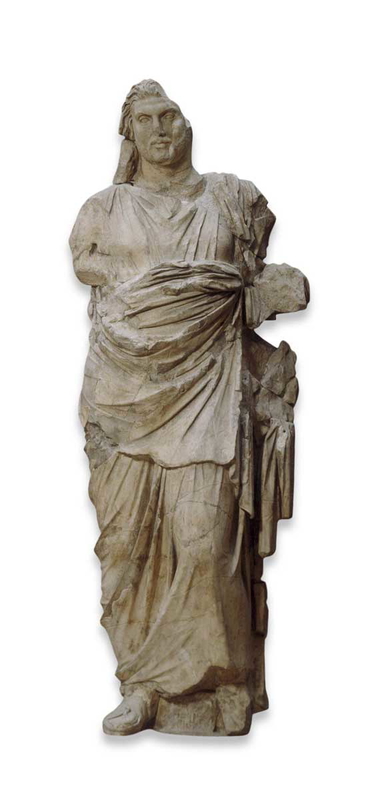
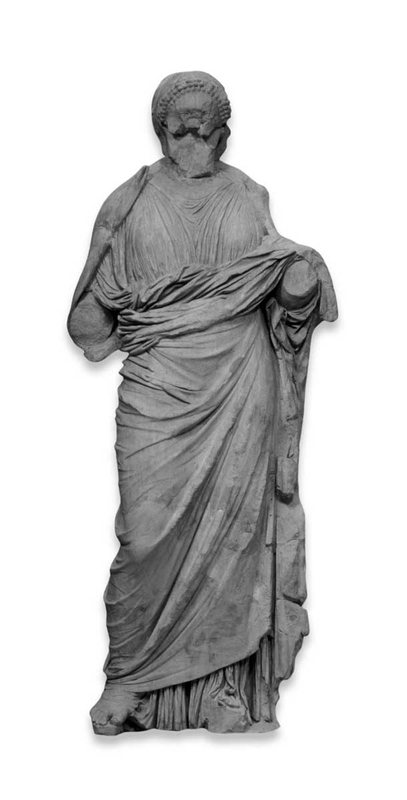
| “Mausolus” Statue | A colossal, draped male figure traditionally identified as King Mausolus himself. |
| “Artemisia” Statue | A colossal, draped female figure traditionally identified as his successor, Artemisia II. |
| Colossal Horse Fragments | Large remnants of the four-horse chariot (Quadriga) that sat atop the pyramidal roof. |
| Lions | Several colossal lion statues that likely stood guard along the monumental staircase. |
| Heads & Fragments | Various remains of other life-size and colossal statues that adorned the levels of the tomb. |
| Amazon Frieze | Slabs depicting the Amazonomachy (battle between Greeks and Amazons) from the podium. |
| Centaur Frieze | Fragments of the Centauromachy (battle between Centaurs and Lapiths) from the roof base. |
| Chariot Frieze | Decorative fragments possibly depicting chariot racing or narrative ceremonial scenes. |
What Happened to the Mausoleum of Halicarnassus?
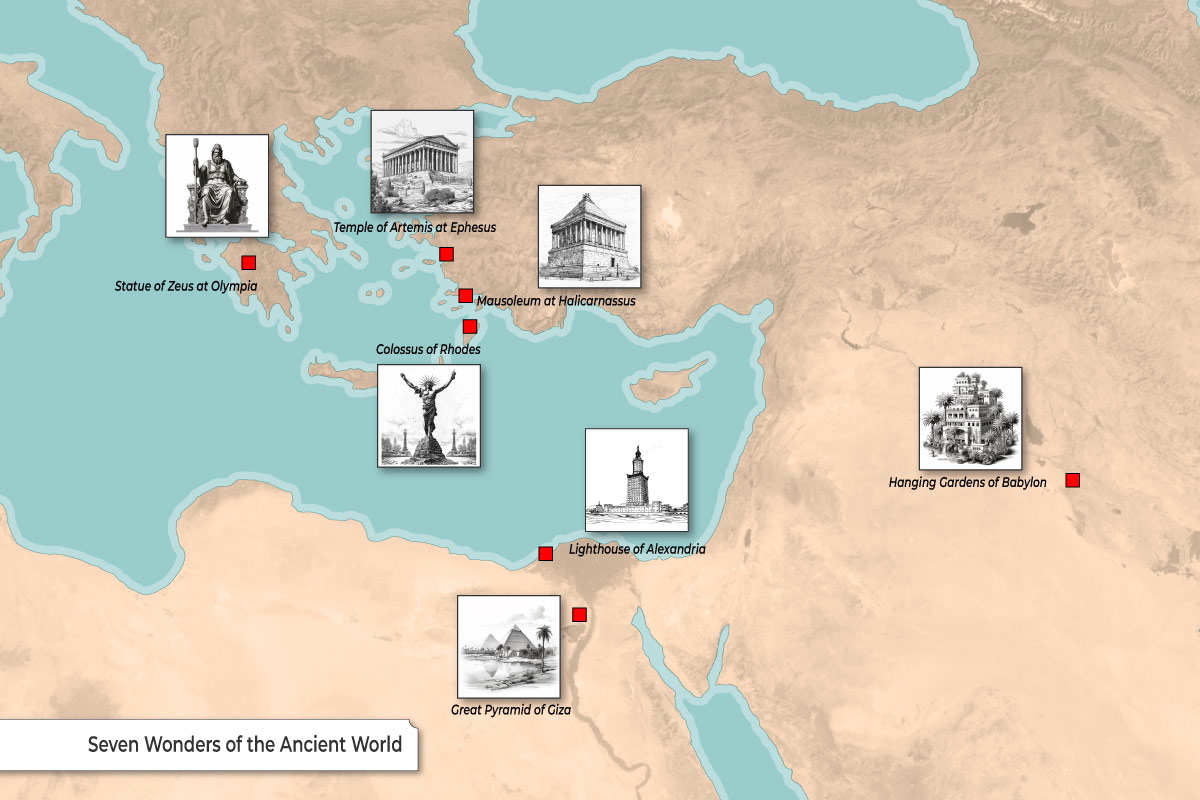
Apart from the Great Pyramid at Giza, the Mausoleum of Halicarnassus was the most long-lived of all the Seven Wonders of the Ancient World. Alexander the Great’s conquest in the fourth century BCE did not touch it, nor did the Roman annexation of Asia Minor. The turbulence of the Middle Ages also did not bring about the ruin of the ancient wonder.
OTHER WONDERS OF THE ANCIENT WORLD
- Pyramids at Giza
- Lighthouse of Alexandria
- Statue of Zeus Olympia
- Hanging Gardens of Babylon
- Colossus of Rhodes
- Temple of Artemis at Ephesus
Eustathius of Thessalonica, a scholar in the Byzantine Empire and the Archbishop of Thessalonica during the 12th century, described the Mausoleum as still being worthy of wonder in his day.
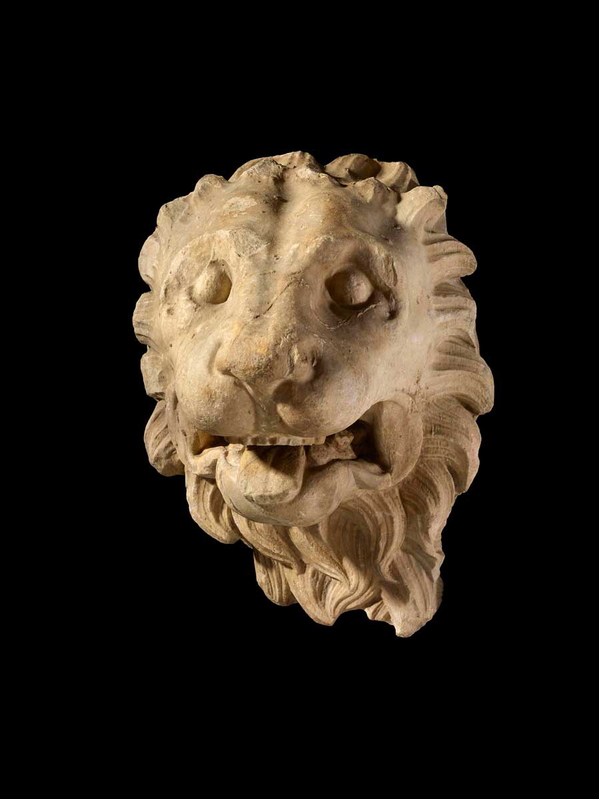
At the beginning of the 15th century, the Knights of St John of Jerusalem, the Hospitallers, recycled material from the Mausoleum for the construction of the fortress at Bodrum. This was likely because an earthquake in the 15th century had inflicted significant damage on the structure. some of the sculptural pieces were salvaged and displayed in Bodrum Castle.
The Legacy of the Mausoleum of Halicarnassus
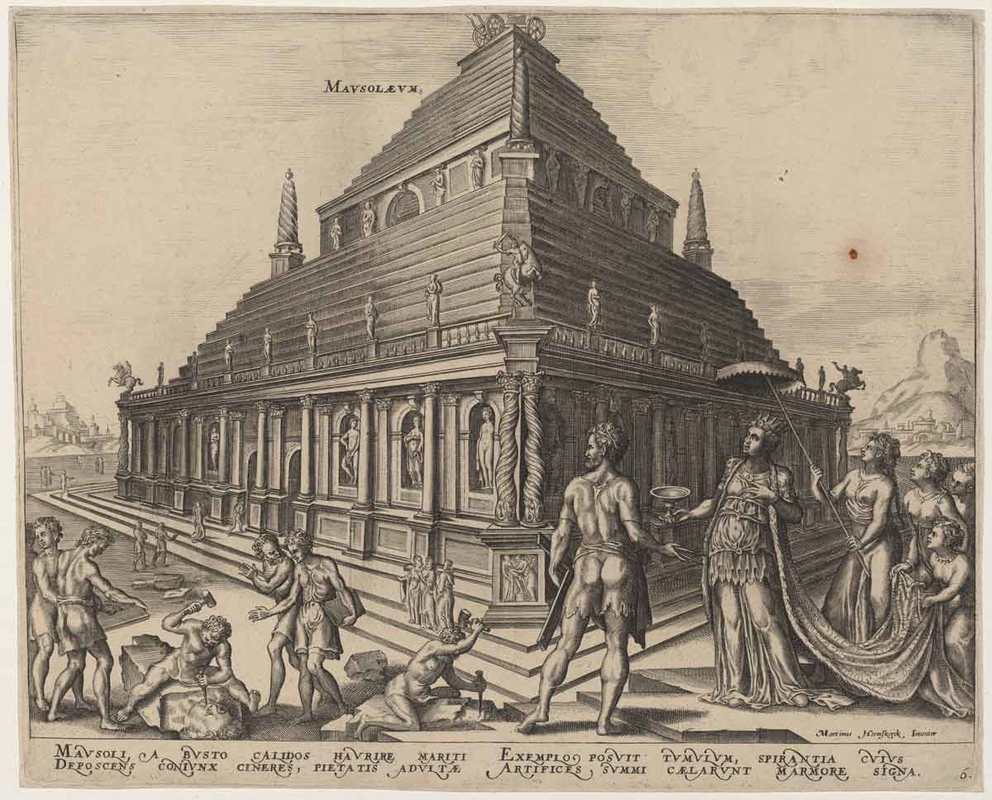
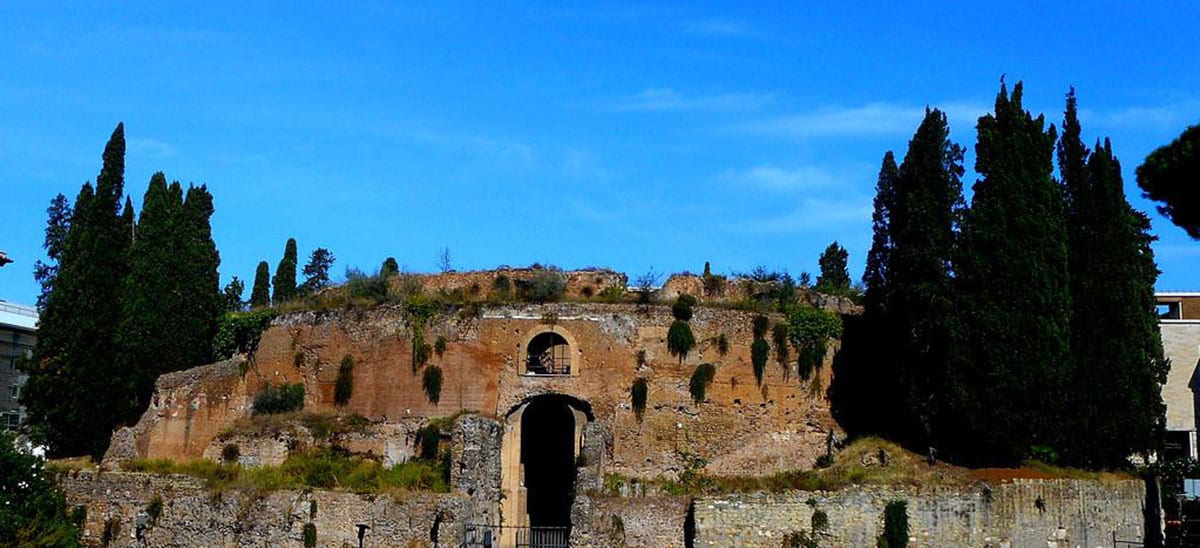
The architectural blueprint offered by Mausolus’ monumental tomb has been mimicked around the world throughout the centuries. Some have even suggested that it inspired the Mausoleum of Augustus in Rome, which was even grander, measuring 42-50 meters (138-164 feet) tall and about 90 meters (292-295 feet) in diameter.
Many cities in the US today also testify to the legacy of the Mausoleum of Halicarnassus, not least the Masonic House of the Temple in Washington, DC, which gives an excellent idea of the form of the ancient structure.
Perhaps the greatest legacy was linguistic. Such was the splendor of Mausolus and Artemisia’s vast tomb that its name became the eponym for all stately tombs around the world: mausoleum. As the 2nd-century geographer, Pausanias noted, “the tomb at Halicarnassus was made for Mausolus, king of the city, and it is of such vast size, and so notable for all its ornament, that the Romans in their great admiration of it call remarkable tombs in their country ‘Mausolea’.