
In ancient Greece, beards marked the transition from youth to adulthood and reflected a man’s place within civic and moral life. A beard could signal maturity, restraint, or intellect, while its absence might suggest vanity or submission. From early warriors to later philosophers, the meaning of the beard evolved, yet it consistently revealed how the Greeks linked the body with virtue and identity.
From Youth to Manhood in Classical Greece
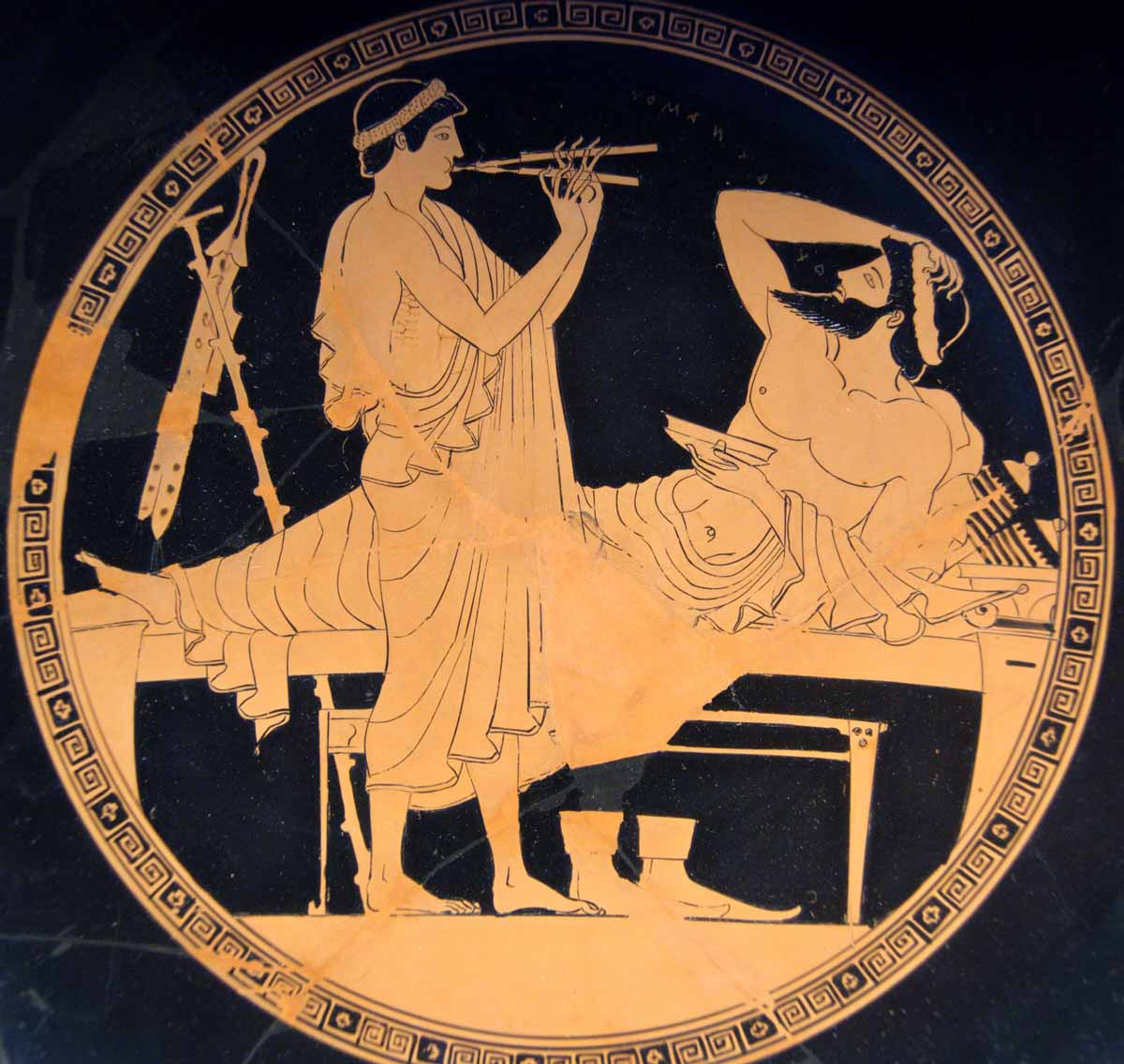
In classical Greece, the first signs of facial hair meant more than a change in appearance. When a young man began to grow a beard, it signalled that he had reached the age to serve in the army and participate in the public life of the polis as a citizen. According to ancient sources, a beard was regarded as a badge of virility and full adulthood. In a culture that valued moderation and self-control, being able to outwardly show maturity on one’s face mattered.
Across Greece, the passage into adulthood was tied to systems of mentorship where older men guided younger companions through physical and intellectual training. In Sparta and Crete, these relationships formed part of a military upbringing, with experienced warriors demonstrating the strength and fortitude that young men were expected to live by. The presence or absence of a beard helped define these roles. It made clear who instructed and who learned, who embodied responsibility and who was still being shaped.
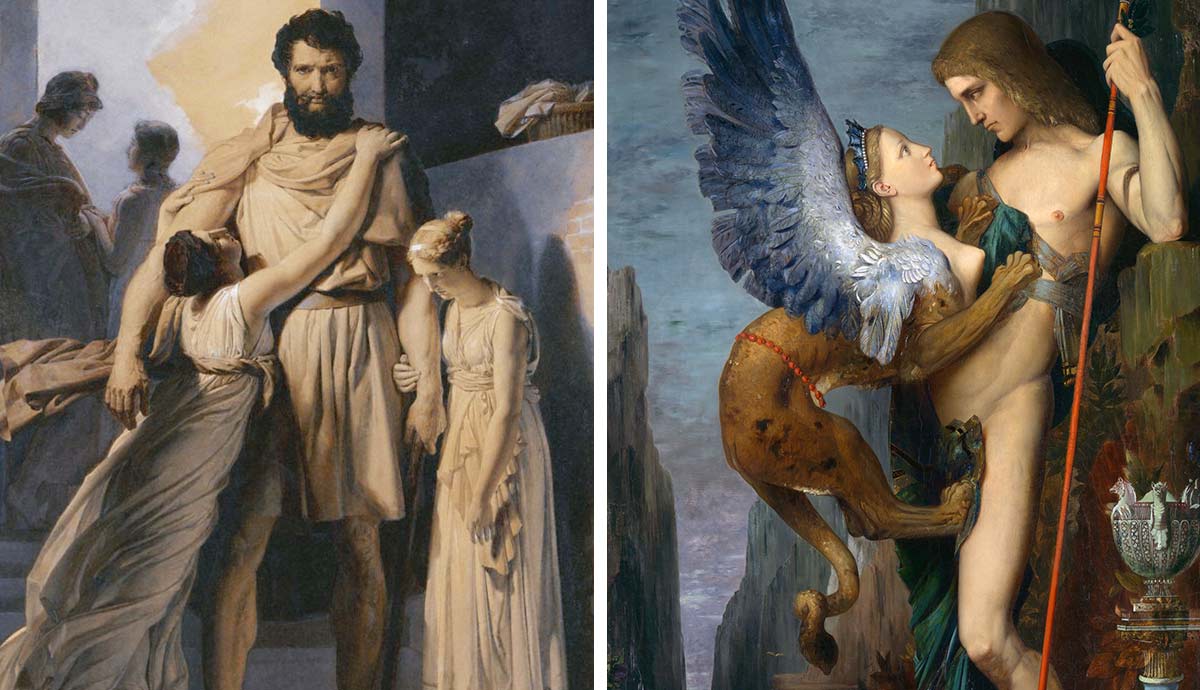
In Athens, this bond assumed an even more pronounced social dimension. The paiderastic relationship between an older bearded man (erastes) and a beardless youth (eromenos) combined education and friendship, and often included an erotic element. The beard was integral to this structure, marking the elder as the active partner and guide, the one already formed by experience and discipline. In the Symposium, Plato reimagined this relationship as a path toward virtue, with the elder exercising self-restraint and the younger inspired toward wisdom and beauty.
The contrast between the bearded and the beardless was therefore not superficial. It encoded a set of expectations about desire, authority, and moral development. Crucially, it marked the shift from the receptive role of the beloved to the active responsibilities of adulthood.
The Shaving Revolution
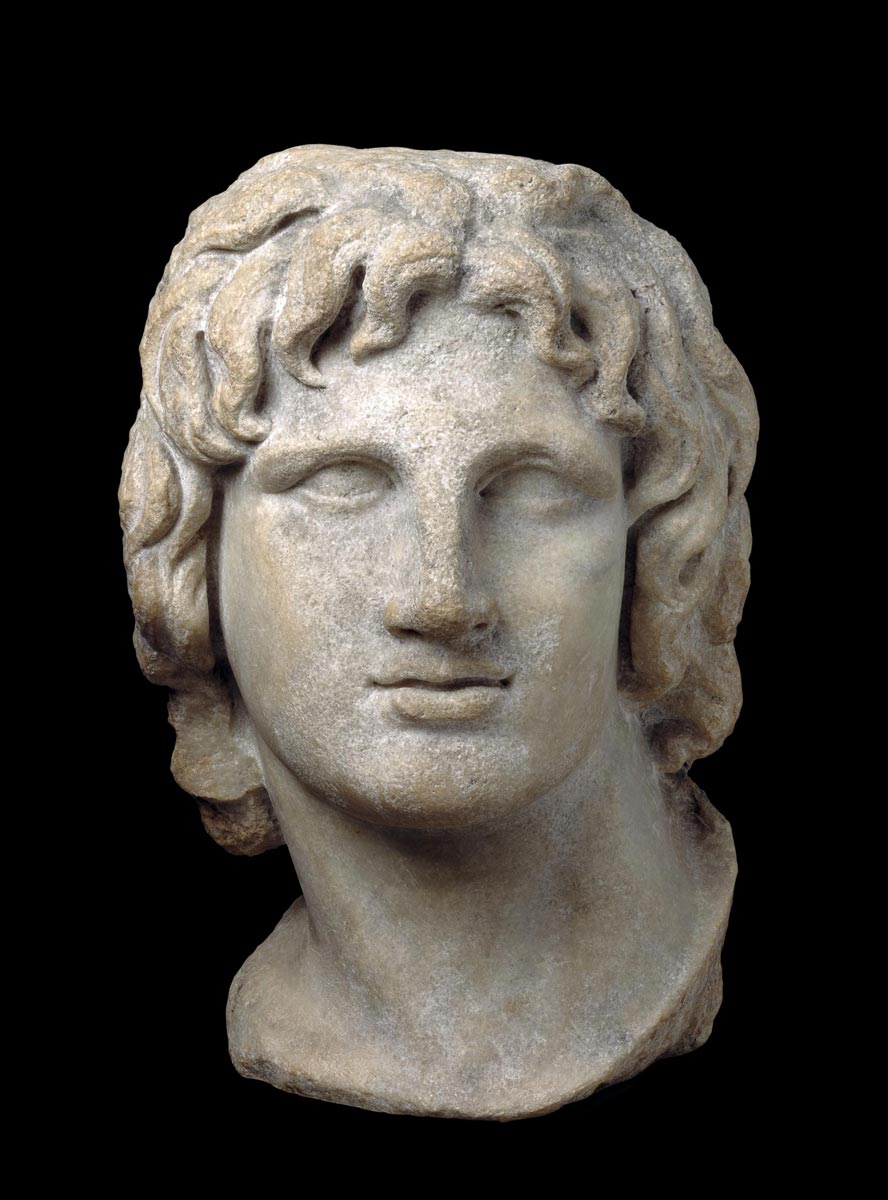
Although beards were customary for all adult men during the classical period, this convention began to change in the 4th century BC following Alexander the Great’s preference for a clean-shaven face. His choice had symbolic significance. It aligned him with ideals of divine beauty and set his image apart from earlier Greek rulers. Plutarch later claimed that Alexander also ordered his soldiers to shave before battle, allegedly fearing that enemies might seize them by the beard, though evidence for such “hair-pulling” tactics is scarce. Whatever the true motive, the cultural effect was unmistakable. From Alexander onward, the smooth face gained prominence, giving visual form to emerging ideas of power and imperial ambition.
In the generations that followed, shaving spread rapidly among elites, propelled by Alexander the Great’s immense fame. For the first time, facial hair expressed choice and identity rather than custom. To shave showed a desire to follow the new, cosmopolitan aesthetic. To keep a beard was to stand apart. This shift set the stage for a different kind of statement, one associated not with citizens or soldiers, but with philosophers.
The Philosopher’s Beard
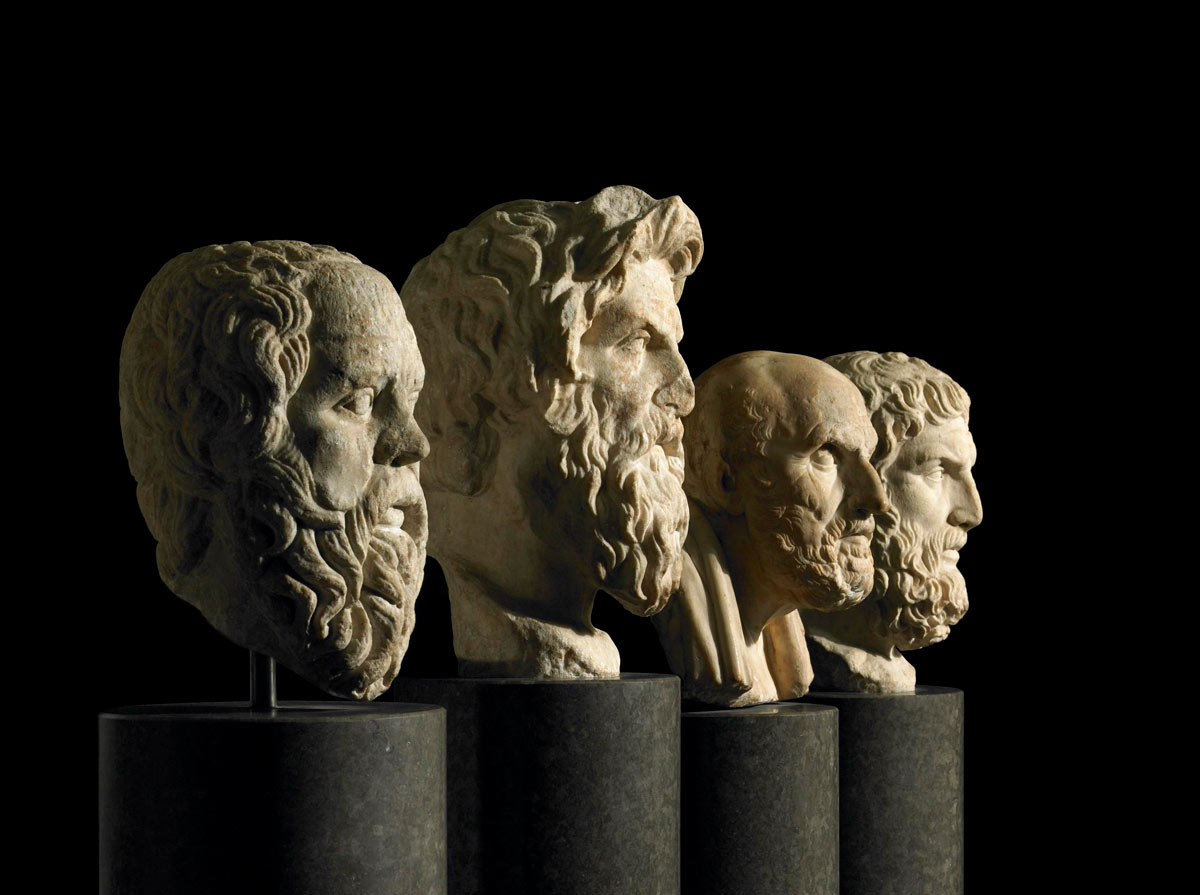
In the Hellenistic period, the beard became a visible marker of philosophical life. As shaving spread across the Mediterranean, philosophers of the Cynic and Stoic schools began to treat the beard as an act of resistance. By keeping theirs, they distinguished themselves from a world increasingly preoccupied with polish and presentation.
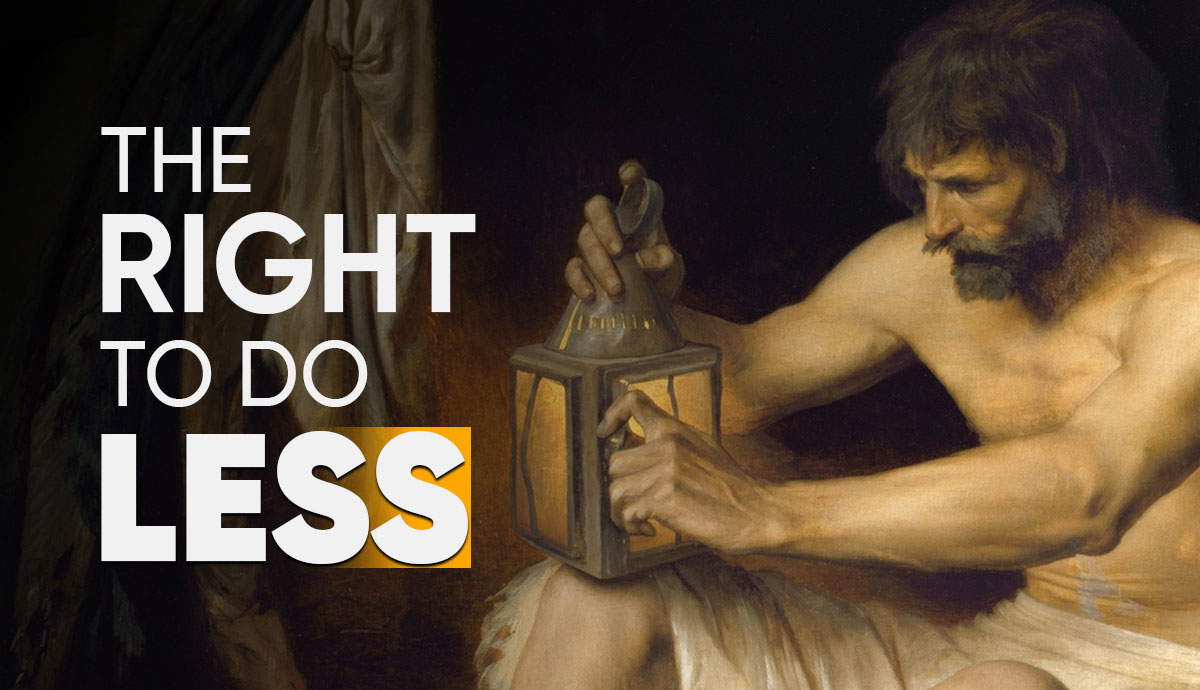
The Cynic Diogenes of Sinope, who rejected wealth and convention, regarded his beard as a token of self-sufficiency and independence. It symbolized his refusal to submit to the artificial demands of society. The Stoics gave this image a moral dimension. Epictetus described the beard as a sign of constancy and reason, warning that to shave it was to betray one’s philosophical identity. Even within philosophy, different styles of beard carried meaning. Sculptural portraits make these distinctions visible, showing how Epicureans favoured a neatly trimmed, classicising beard, while Cynics and many Stoics were depicted with fuller, rougher, and less controlled beards that expressed austerity and distance from social refinement.
By the Roman era, the association between philosophy and beards had become so synonymous that it was regularly parodied. The satirist Lucian mocked those who wore their beards as mere costumes. He’s recorded as having joked: “If you think to grow a beard is to acquire wisdom, a goat with a true beard is at once a complete Plato.”
Legacy and Meaning
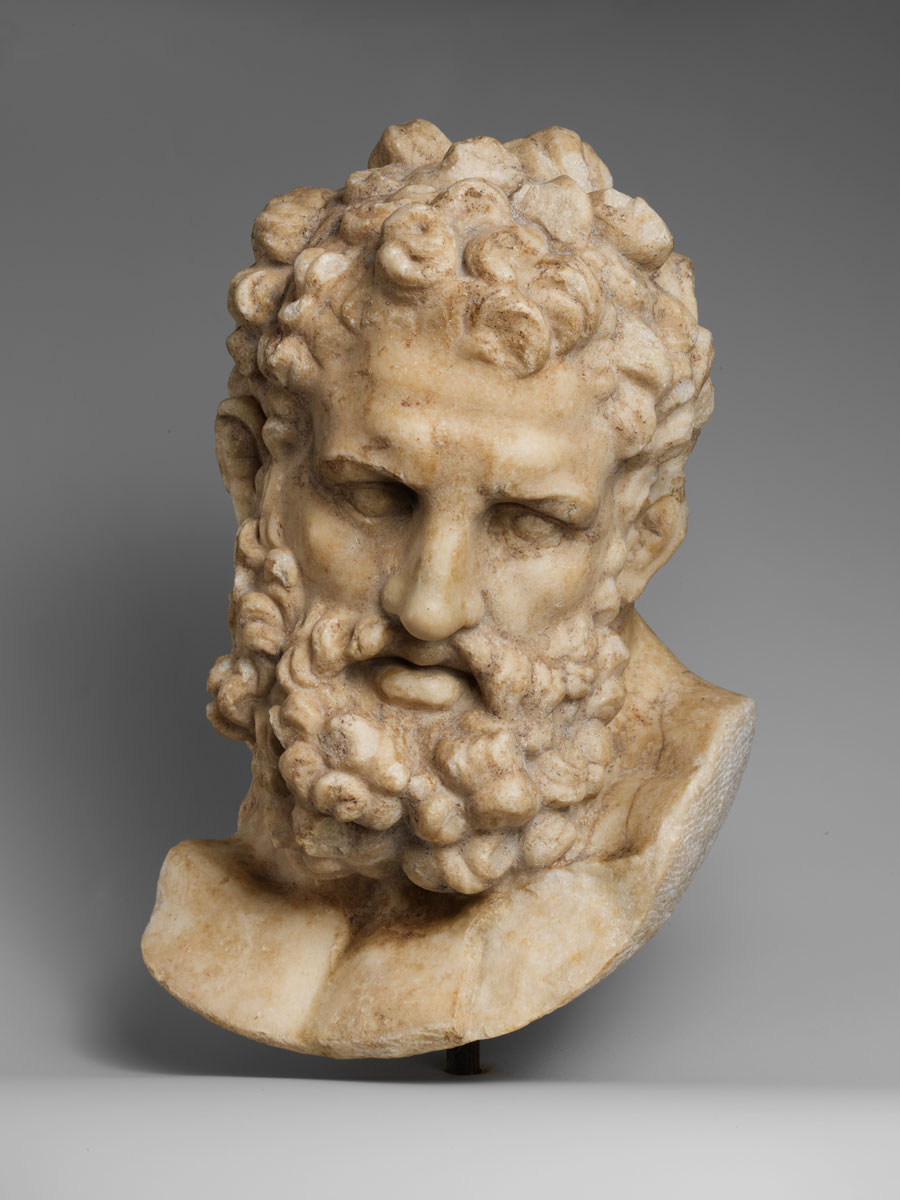
The symbolism of the beard did not vanish with antiquity. Early Christian ascetics revived the philosopher’s beard as a sign of humility and spiritual focus, and later monastic traditions preserved it as an emblem of piety. Even today, echoes of ancient codes persist: the beard still carries connotations of masculinity, intellect, or authenticity, depending on context.
In ancient Greece, growing or shaving a beard was never merely a cosmetic decision. It reflected how one understood the self in relation to nature and society. From the beardless youth to the aging sage, the face charted a moral journey, one that made the beard, in all its changing meanings, a small but enduring expression of what it meant to live in the ancient world.