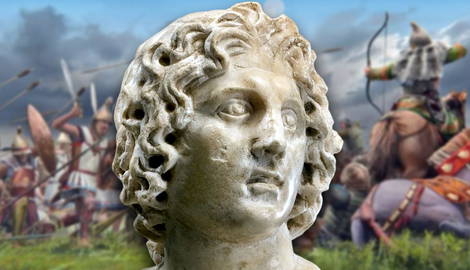

Having all but conquered the Achaemenid Empire, Alexander the Great marched into Central Asia to exert his control over the region. While nominally part of the Achaemenid Empire in the past, many of the people living in this area had enjoyed a great degree of independence. Suddenly caught between a revolt of the Sogdians and an invasion by the nomadic Scythian or Saka tribesmen, Alexander had to react decisively. The resulting Battle of the Jaxartes River (329 BCE) was perhaps Alexander’s most spectacular victory. Follow the events of the encounter with an in-depth “blow-by-blow” account.
The Final Frontier
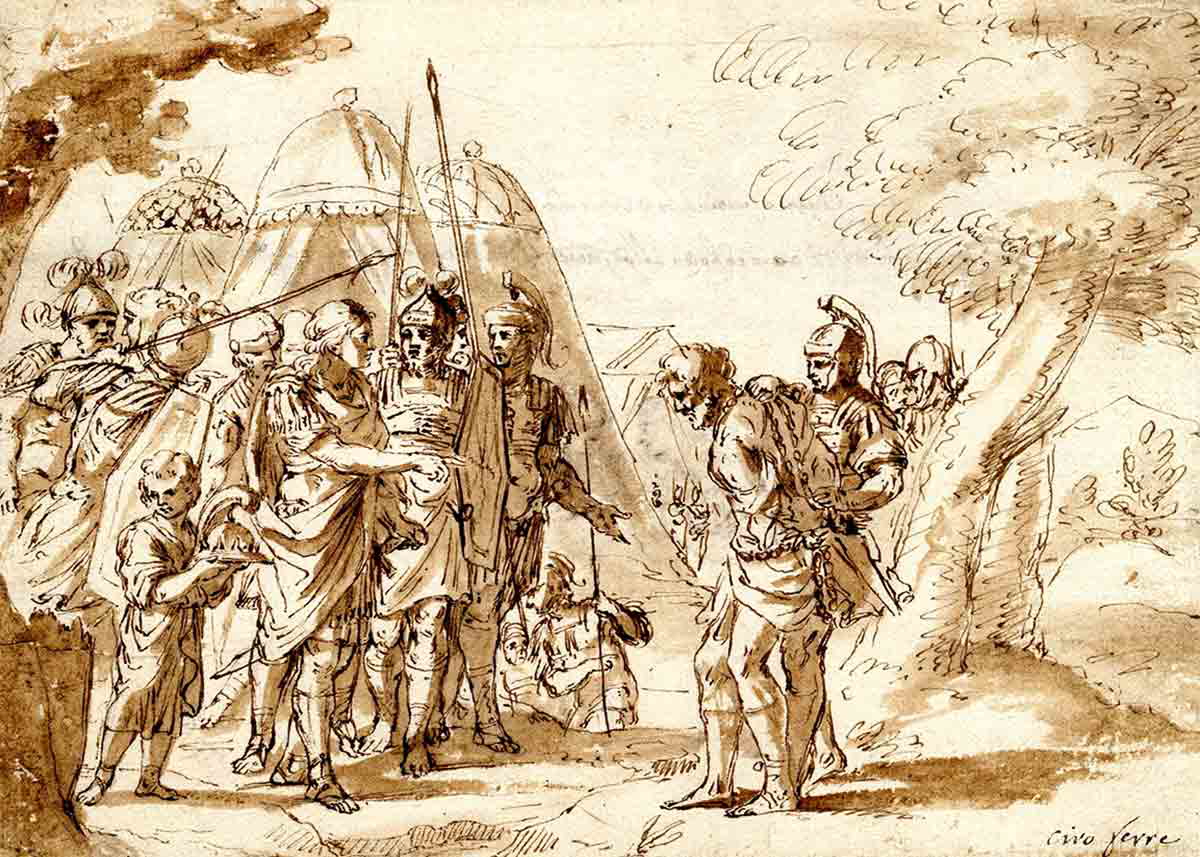
By 329 BCE, Alexander the Great had reached the furthest frontiers of the Achaemenid Empire. Both Darius III and the usurper Bessus, also known as Artaxerxes V, were dead, leaving no one to challenge Alexander for the Achaemenid throne.
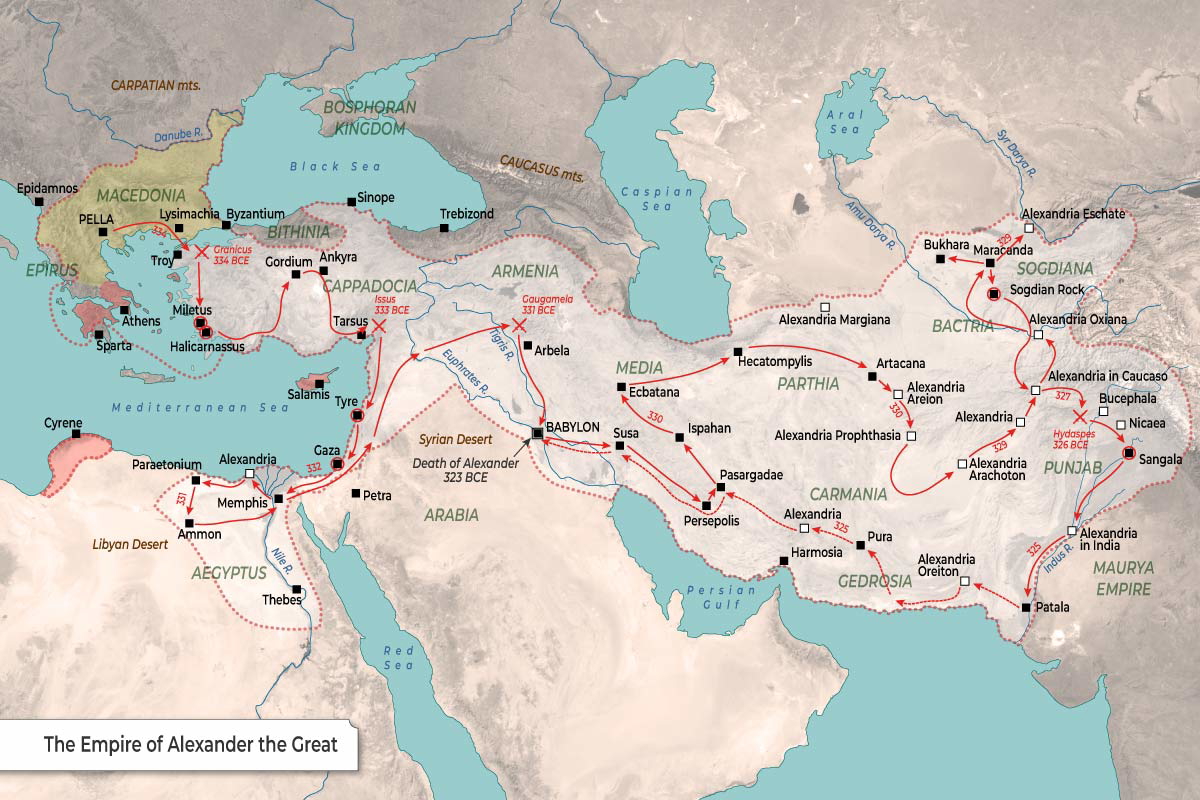
The campaign had taken Alexander deep into Central Asia, where the mighty Jaxartes River, now known as the Syr Darya River, formed the far border of the Achaemenid kingdom. Beyond the river stretched the seemingly endless Eurasian steppe. Seeing little else of value in this direction, Alexander decided that the river would form the border of his new empire, at least for now.
To watch over the frontier of his new empire, Alexander set about constructing a new city he would call Alexandria Eschate, or “Alexander the Furthest.” This city was to be an important military base, as it also controlled key routes across the steppe, including the Fergana Valley and the route to China.
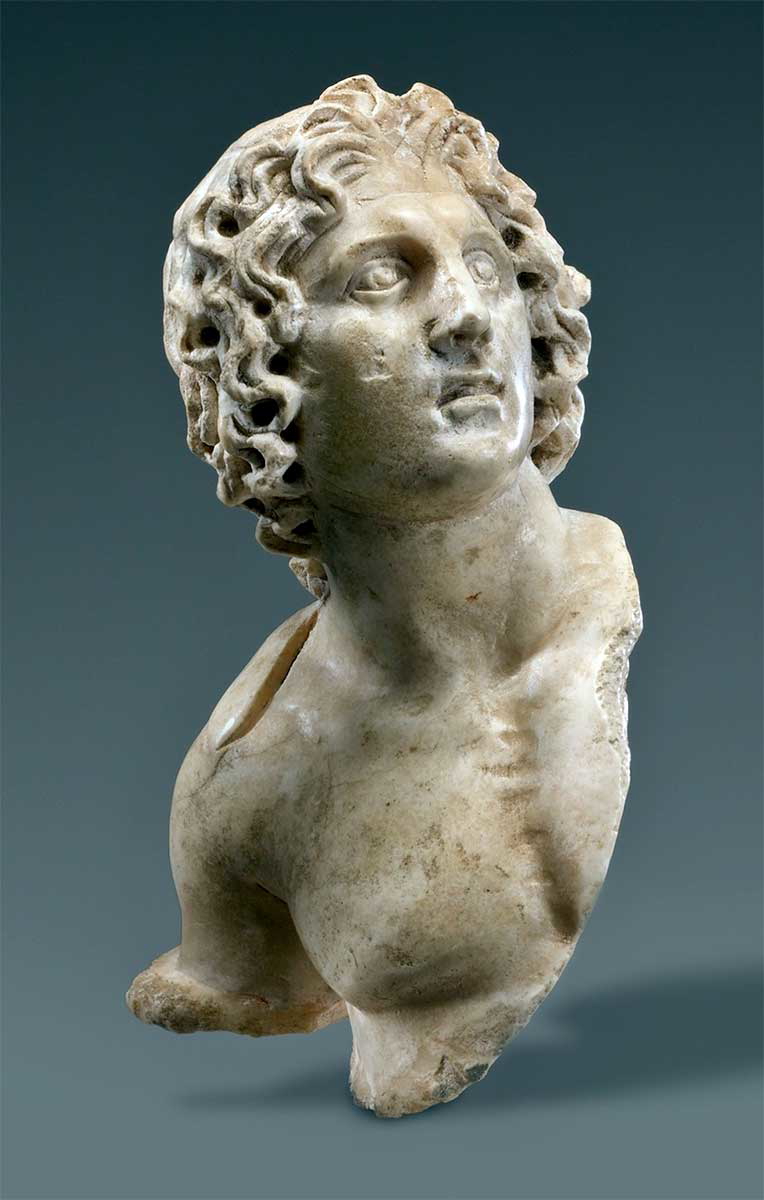
However, unbeknownst to Alexander, there was a delicate balance in the region of Sogdiana between sedentary and nomadic populations; the groups managed to coexist. Beyond the Jaxartes, the nomadic Scythians and Saka tribesmen were less appreciative of urban life and likely felt threatened by the new city. To make matters worse, ambassadors dispatched by these tribes appear to have been murdered by the local Sogdians.
The Sogdian Revolt
Soon after the construction of Alexandria Eschate began, word arrived that the native Sogdians had revolted. While they had been part of the Achaemenid Empire for centuries, it had had little impact on their way of life. The construction of the new city threatened to change that.
Alexander moved quickly to crush the revolt, and heavy fighting broke out in the vicinity of Alexandria Eschate. Reportedly, Alexander was even wounded in the throat. However, word soon arrived that the rebellion had spread to the south. The Sogdian army, under the command of Spitamenes (c.370-329/28 BCE), was even besieging the important city of Maracanda.
Spitamenes was an interesting figure. He had been tied to the Achaemenid usurper Bessus, but later turned him over to Alexander. He was not a well-known general, as this was his first recorded military action. Some have argued that his rebellion’s primary motivation was religious. The founder of Zoroastrianism, Zarathustra, was also called Spitama, from which Spitamenes derives. This suggests that Spitamenes may have had some religious authority.
It has been suggested that Alexander’s troops may have confiscated cattle or attempted to end religious rites that involved exposing dead dogs to vultures. This would have been seen as a major affront to the Zoroastrian population. Regardless of the cause, the revolt was serious enough that Alexander had to act.
Scythians and Saka
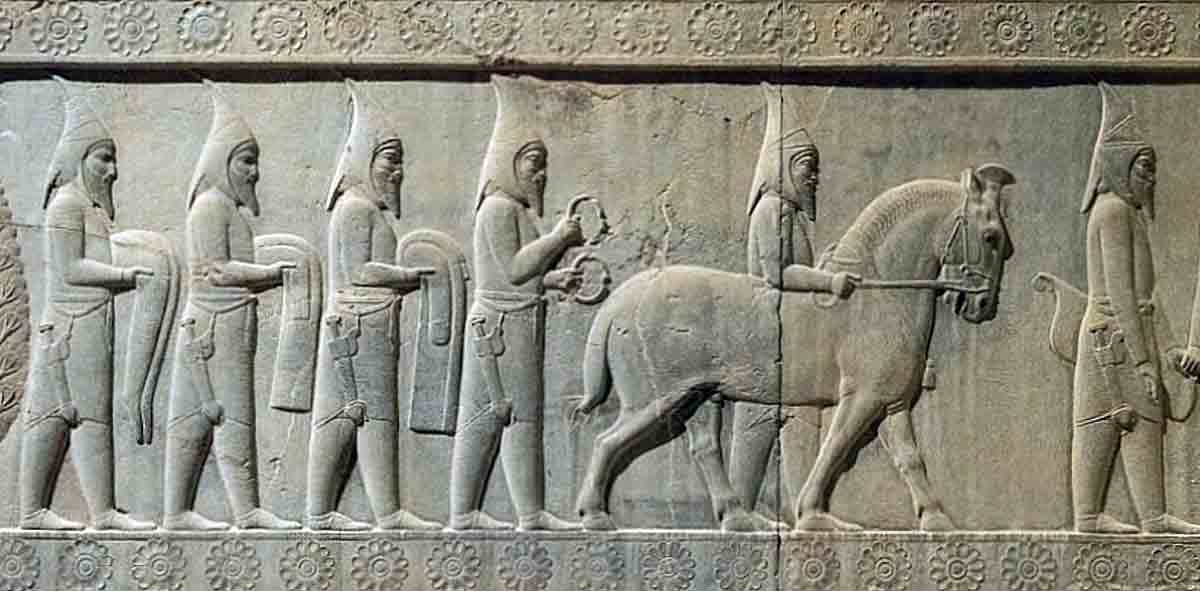
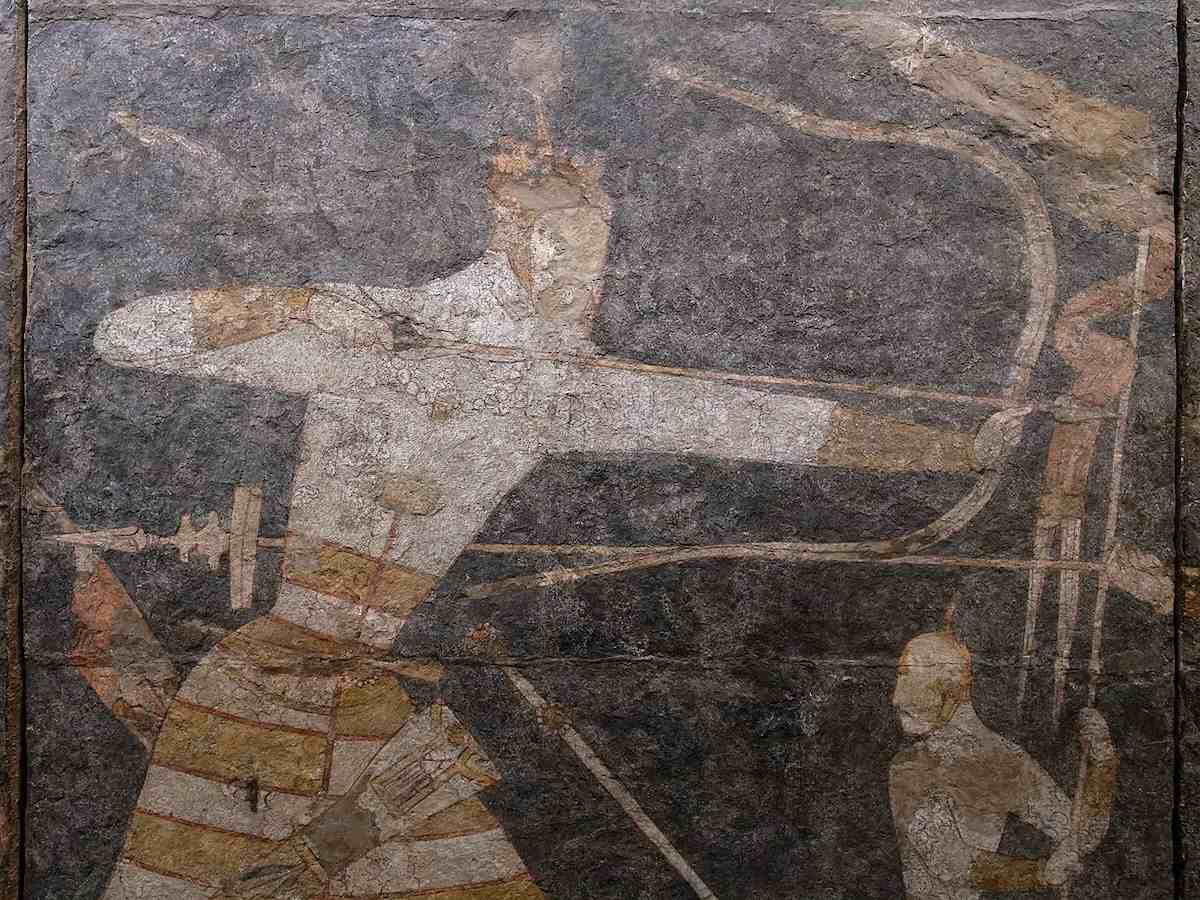
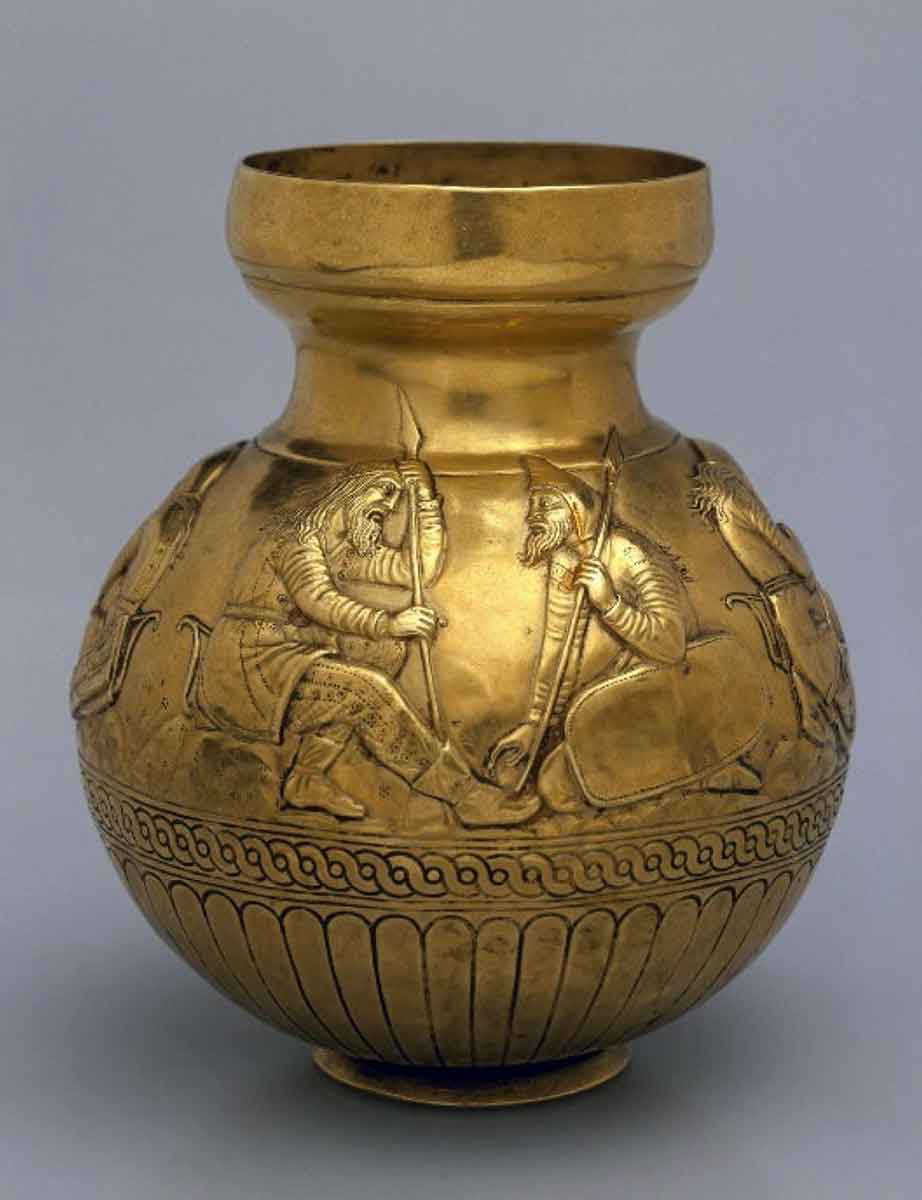
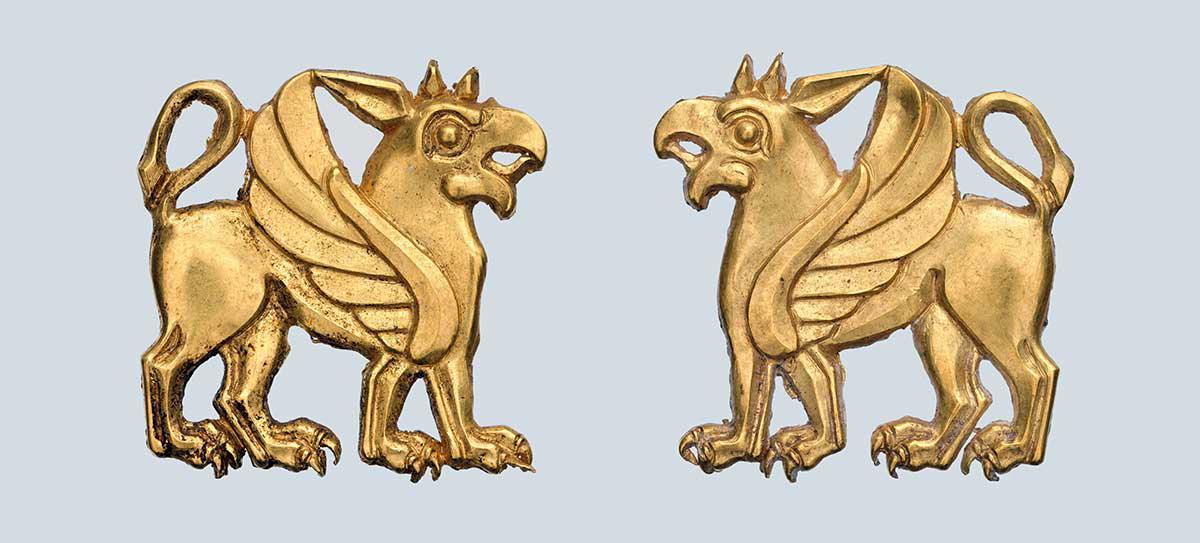
Before Alexander could march south, he received word that a large army was approaching from the steppe. These were the Saka, a nomadic Scythian tribe of Indo-Iranians whose name roughly translates to “bow.” This Saka army was not a single entity but rather a loose confederation of many tribes. They had marched south to take advantage of the Sogdian revolt led by Spitamenes. Many lived along the border and probably crossed it regularly; some tribes likely even made their home in Sogdiana.
Their motivation for marching is unclear. They may have been allies of the Sogdians or felt threatened by the new city of Alexandria Eschate. Alternatively, they may simply have sought to take advantage of the unrest to loot and pillage.
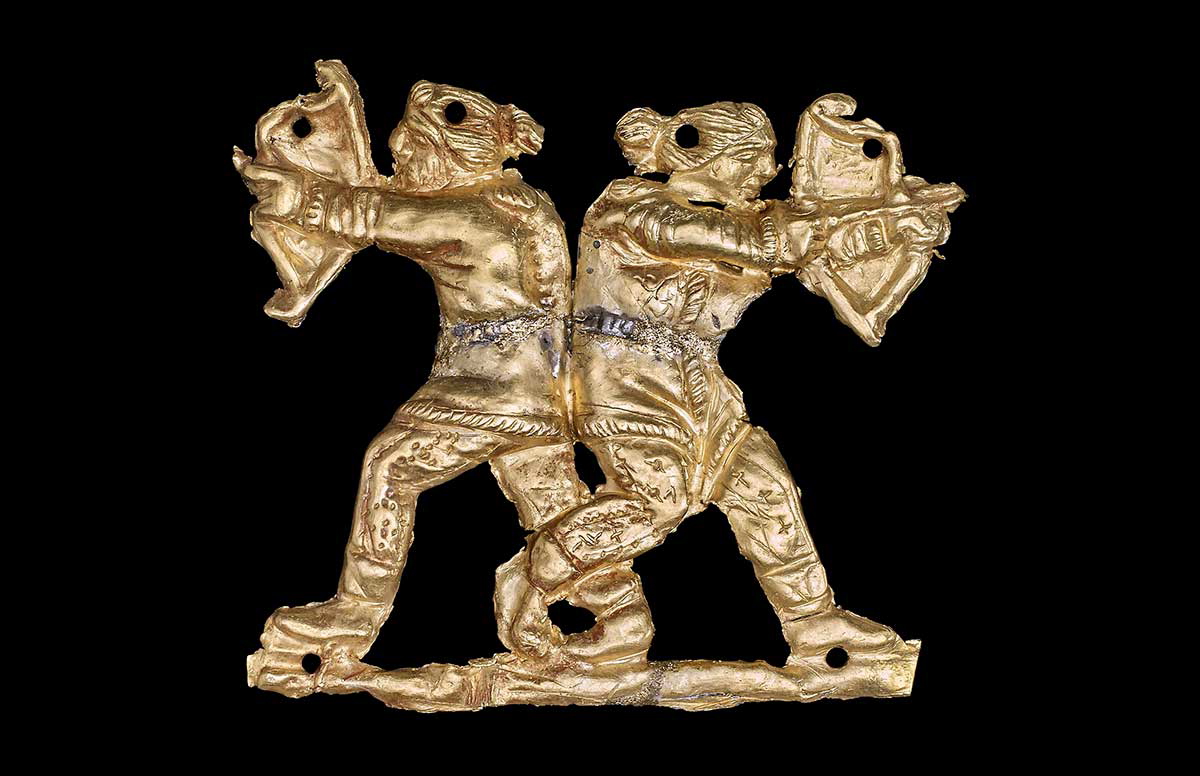
The Saka army appears to have consisted almost exclusively of cavalry, as was common for most nomadic steppe armies during this period. The key to their success was their horse archers, whose speed, mobility, and firepower gave them a decisive edge on the battlefield. However, they lacked the ability to regularly besiege and capture fortified positions.
Usually, their strategy was to lure their opponents out onto open ground where they could be destroyed. To this end, they occupied the northern bank of the Jaxartes, daring Alexander to attack. Any attackers would have to cross the river in boats, which would allow the Saka to defeat them piecemeal. At the same time, Alexander could not leave them, since if they were allowed to cross the river, it would be difficult to catch them.
Artillery and Archers
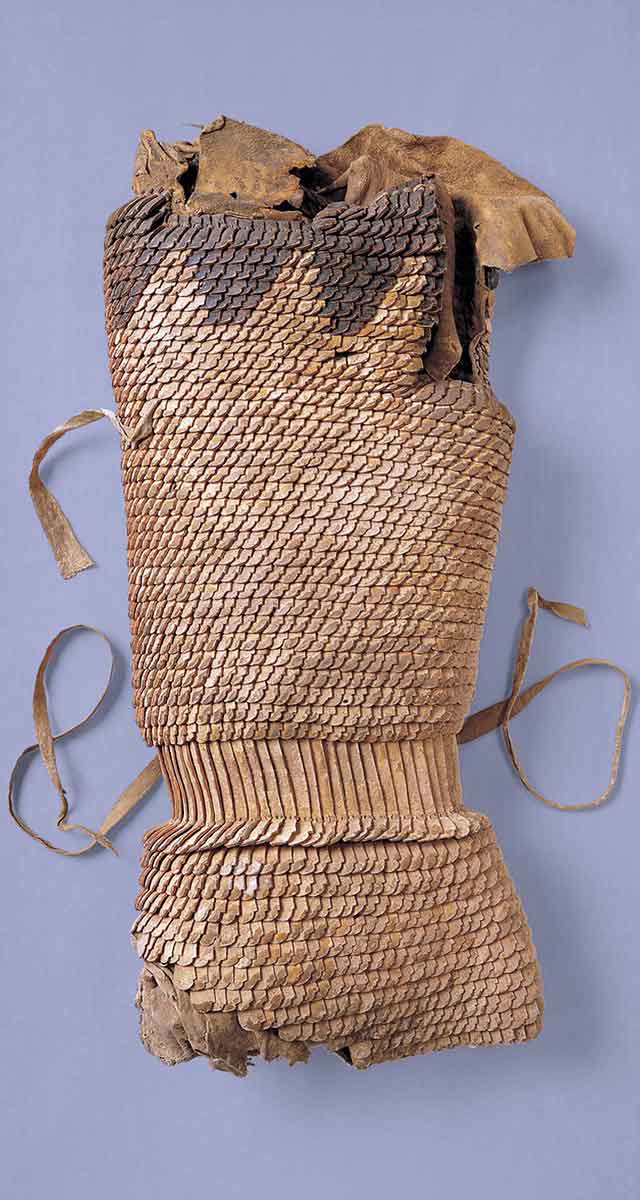
The Jaxartes River is wider than a bowshot, so the Macedonians were able to board their boats without interference from the Saka, who assumed they could launch their arrows mid-journey and pick off the survivors as they disembarked. Alexander planned accordingly.
First, he had his men board their ships at the same time so that the entire army could cross the river together and not be isolated. Then he brought up his siege artillery, relatively new technology at the time. During the reign of Alexander’s father, Philip of Macedon, torsion-powered bolts and stone throwers were developed. Both Philip and Alexander used these weapons to great effect.
Alexander’s siege weapons had a far greater range than the Saca bows. He planned to attack the waiting Saca archers first.
Alexander Crosses the Jaxartes
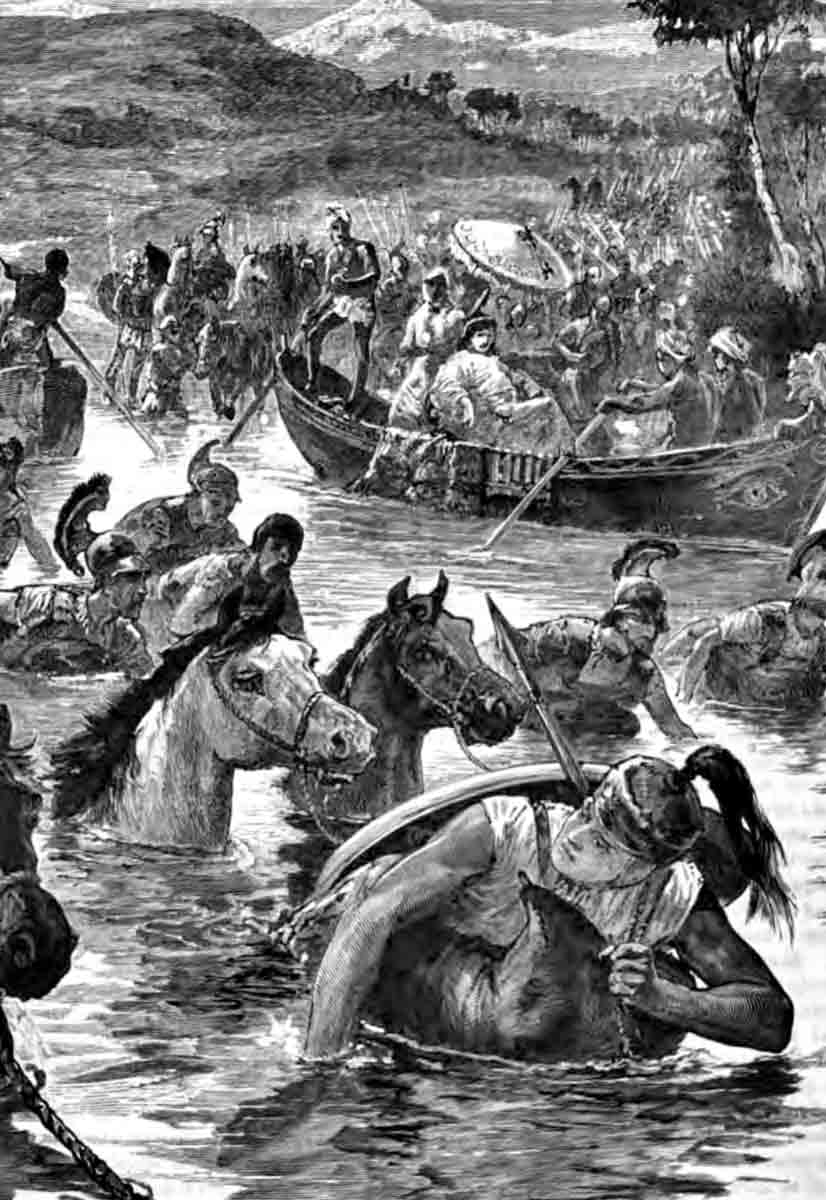
The Macedonian artillery barrage caught the Saka by surprise. Many casualties were inflicted, and one of the Saka leaders was killed. Realizing that they could not stand before the Macedonian artillery, the Saka retreated from the riverbank. This allowed Alexander’s troops to cross and disembark unmolested.
The first Macedonian troops ashore were archers and skirmishers, who established a protective screen in front of the landing site. At this point, the Saka could and probably should have withdrawn into the steppe. Had they done so, Alexander would not have been able to follow. Alexander appears to have been aware of this and acted to prevent the Saka from slipping away.
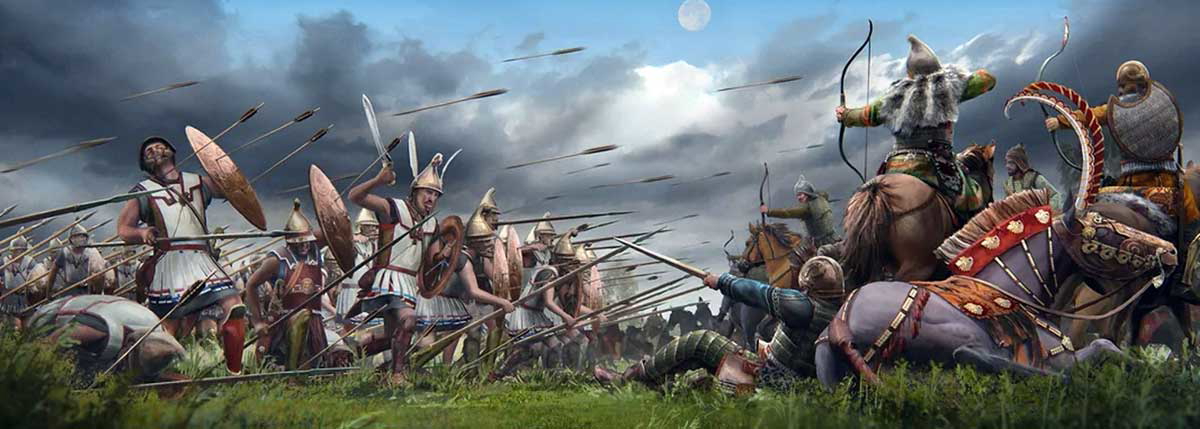
To keep the Saka from withdrawing, Alexander sent forward a force of cavalrymen. This small force was intended to lure the Saka in and provoke them into an attack. Once the Saka attacked, the rest of the Macedonian army would come to their rescue. The Macedonian cavalrymen were essentially to be sacrificed as bait for the Saka.
While many commanders would likely have recognized this sort of trap, the Saka were not accustomed to fighting in this manner. The Saka fought as warriors, and if a commander intentionally sacrificed his troops, their surviving relatives would likely have initiated a blood feud. For the Macedonians, the situation was different. They were professional soldiers who were willing to undertake the risk on behalf of the army.
Surrounding the Scythians
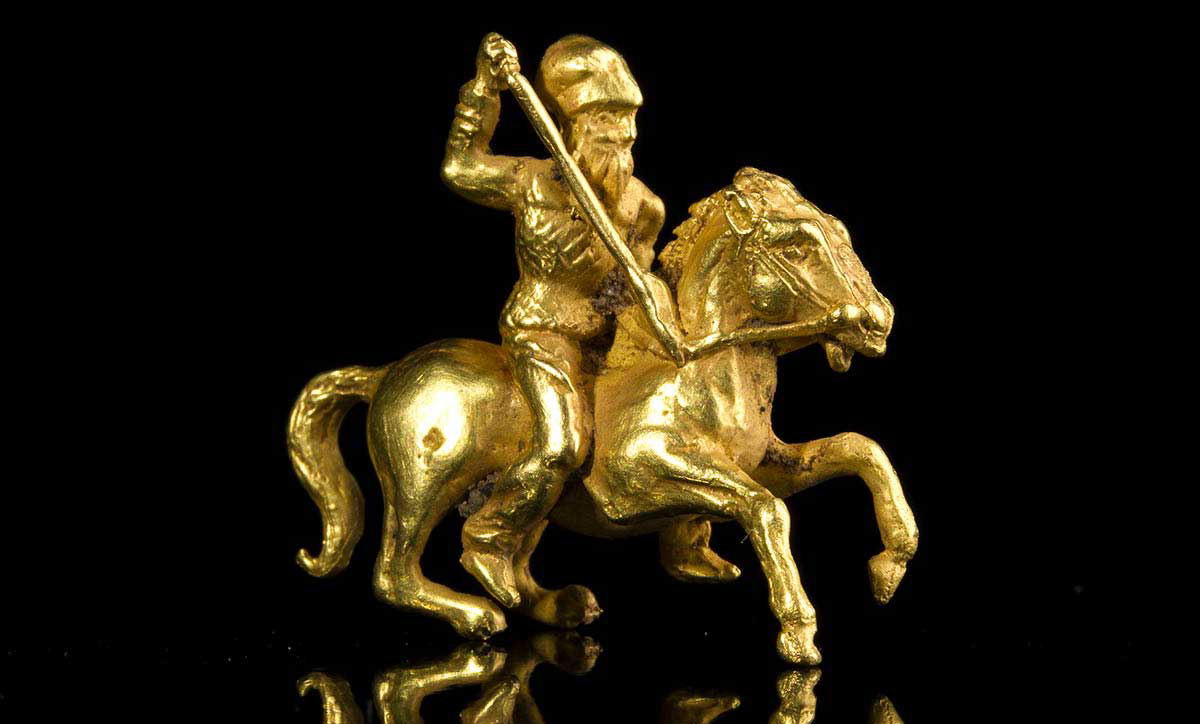
When the Macedonian cavalry advanced, the Saka met them. The nimbler Saka horse archers quickly surrounded the Macedonians and began to pepper them with arrows. However, once the Saka engaged the Macedonian cavalry, their position on the battlefield was fixed. This allowed Alexander to rapidly advance with the rest of his army on a broad front with a relatively shallow line. The Macedonian archers and skirmishers closed with the Saka. Now it was the Saka who were caught, essentially sandwiched between the Macedonian cavalry and light infantry.
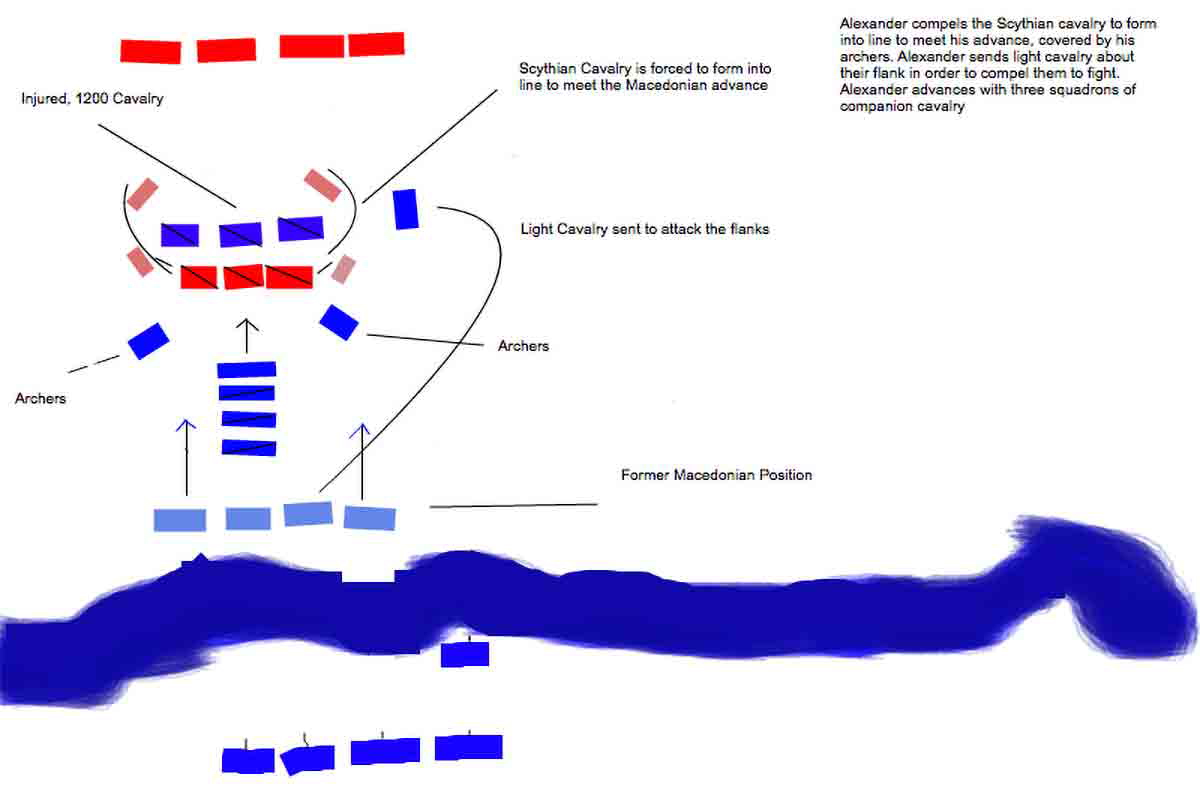
Caught between the Macedonian cavalry and light infantry, the Saka horsemen rode towards the flanks to escape. However, they did not count on the high level of coordination between the various units of Alexander’s army. At this point, the rest of the Macedonian infantry showed up.
The Macedonian infantry marched to the wings of light infantry and effectively blocked the Saka’s escape route. The Saka warriors, who just a few moments ago had been bent on the destruction of the Macedonian cavalry, now found themselves surrounded. For the Saka, this sudden realization must have been a psychological hammer blow, crushing their morale.
Greater Than Cyrus
The rapid encirclement of the Saka horse archers quickly brought the battle to a close. An estimated 1,200 were killed, including their commander, who appears to have been named Satraces. Around 150 surrendered and were taken prisoner, and the Macedonians also captured 1,800 horses.
The rest of the Saka who had not attacked the Macedonian cavalry fled. Apparently, they did not attempt to rescue their comrades, though this may have been due to how quickly the situation developed. The Saka were also very individualistic, so there may not have been much bond among the different groups that made up the army. Alexander ordered a pursuit, but it did not last long. He was still suffering from his throat wound and developed dysentery from the bad local water.
As far as the Greeks were aware at this time, no one had ever so completely defeated a nomadic Scythian army before. Alexander’s father had won a victory over the Scythian King Ateas in 340 BCE, but it was hard fought and under very different circumstances. Many Scythians had also easily and successfully escaped after the battle.
The “Great” Achaemenid rulers Cyrus and Darius had also fought the Scythians on the steppe as Alexander had. However, in both cases, they were defeated, and Cyrus was killed. Alexander’s victory was therefore a great boost to both his reputation and the morale of the Macedonian army.
Aftermath
Alexander’s goal was never to conquer the Saka. Their nomadic lifestyle of the great Eurasian steppe would have made such an undertaking extremely difficult. The real goal was to address the threat they posed.
As long as the Saka were amassed on the frontier, Alexander could not deal with the Sogdian revolt to the south. To this end, Alexander adopted a policy of reconciliation with the Saka. All of those taken prisoner were released and sent back to their homes, likely with gifts. This show of strength and then mercy appears to have had the desired effect. The Saka never again threatened the Macedonian Empire’s frontier while Alexander the Great was alive.
From a tactical perspective, the battle of Jaxartes was the most spectacular of all of Alexander’s victories. The coordination between the Macedonian fleet, artillery, light infantry, cavalry, and the heavy infantry was brilliant. Few other armies or generals would have been able to face the Saka as effectively as Alexander’s Macedonians had.
While the battle of the Jaxartes rarely gets the attention that it deserves, it was just as important a victory as the Battle of the Granicus, Issus, Gaugamela, and Hydaspes. While these other battles were clearly on a much larger scale, none of them was as spectacular as the Battle of the Jaxartes.