After his victory at Gaugamela in 331 BC, Alexander the Great was the master of the Persian Empire. His enemy, Darius II, had fled to the eastern satrapies (provinces) in an ultimately futile attempt to continue the war. This left Alexander in control of the Persian and Median imperial heartland. The four imperial capitals: Susa, Ecbatana, Babylon, and Persepolis would fall into his hands. The following year, Persepolis was set aflame. Classical and modern historians have questioned why this happened and whether this represented a deliberate strategy or a drunken mistake.
The War Before Persepolis
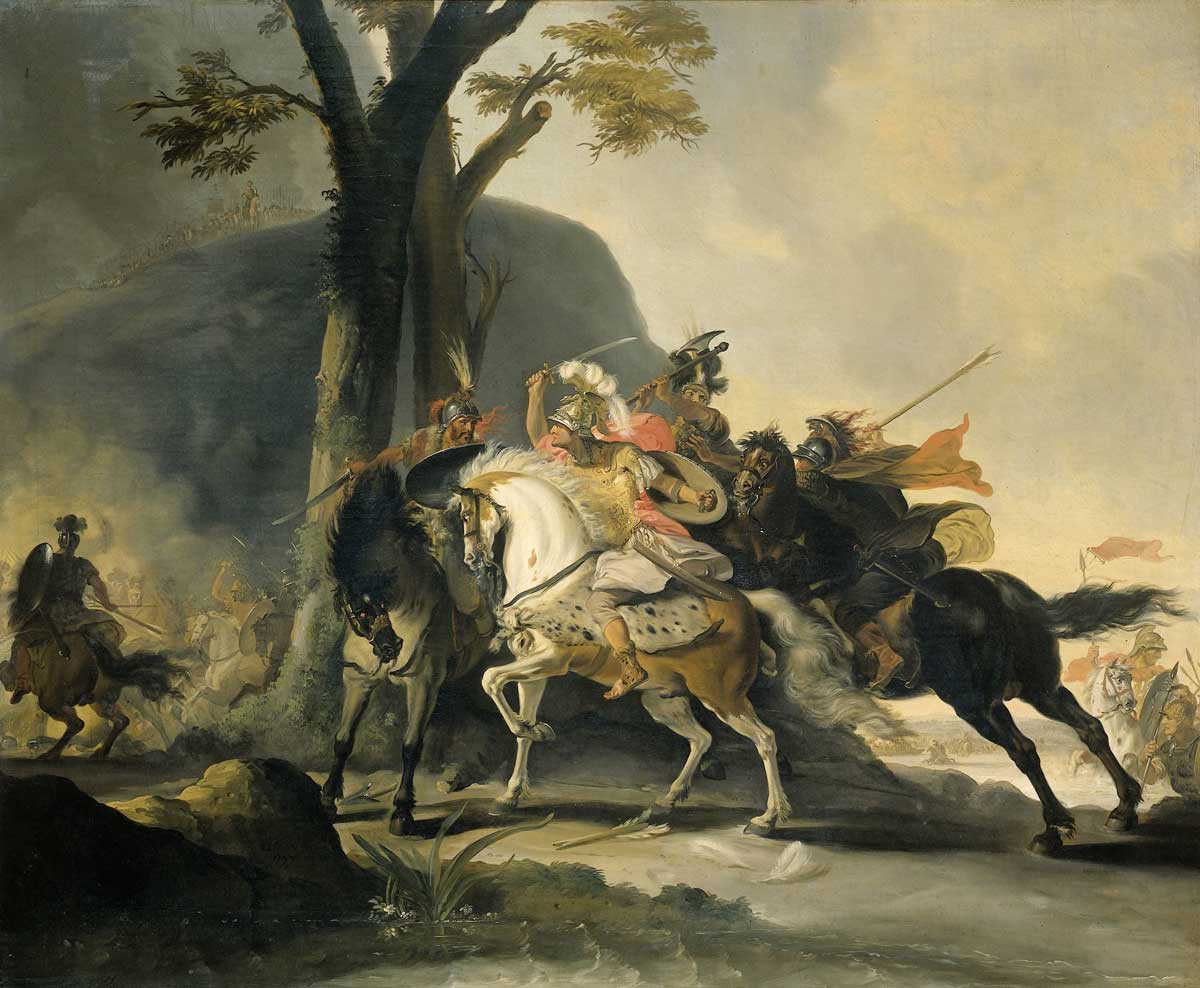
Alexander of Macedon succeeded his father, Phillip, in 336 BC, at the age of just 20. He acted swiftly, first to consolidate his rule within Macedon itself and then to reassert control over the Greek cities. Phillip had established the League of Corinth, a federation that included the majority of the cities in Greece. Alexander reestablished Macedonian hegemony over the league through a combination of diplomacy, warfare, and intimidation. This included destroying the city of Thebes, an important power in 5th and 4th-century Greek politics and a former ally of the Persian Empire. By 334 BC, Alexander was ready to fulfill another ambition of his own and his father’s, to invade the Persian Empire itself.
Alexander’s army, made up of Greek and Macedonian soldiers, won major victories at Granicus (334 BC) and Issus (333 BC). Both battles were in Asia Minor, opening up the western satrapies and Egypt to occupation. In speeches, inscriptions, and other documents, Alexander proclaimed that he was fighting for the “freedom of the Greeks.” The concepts, common in the politics of the Greek cities, of “eleutheria” (freedom) and “autonomia” (self-governance) resonated with Alexander’s Greek subordinates. In practice, the freedom of the Greeks meant two things. Firstly, the liberation and independence of the Greek cities within the Persian Empire. Secondly, revenge for the Persian invasions of Greece. In particular, the burning of Athens and the destruction of the temples of the Acropolis in 480 BC were grievances that Alexander used to justify his campaign and maintain Greek loyalty.
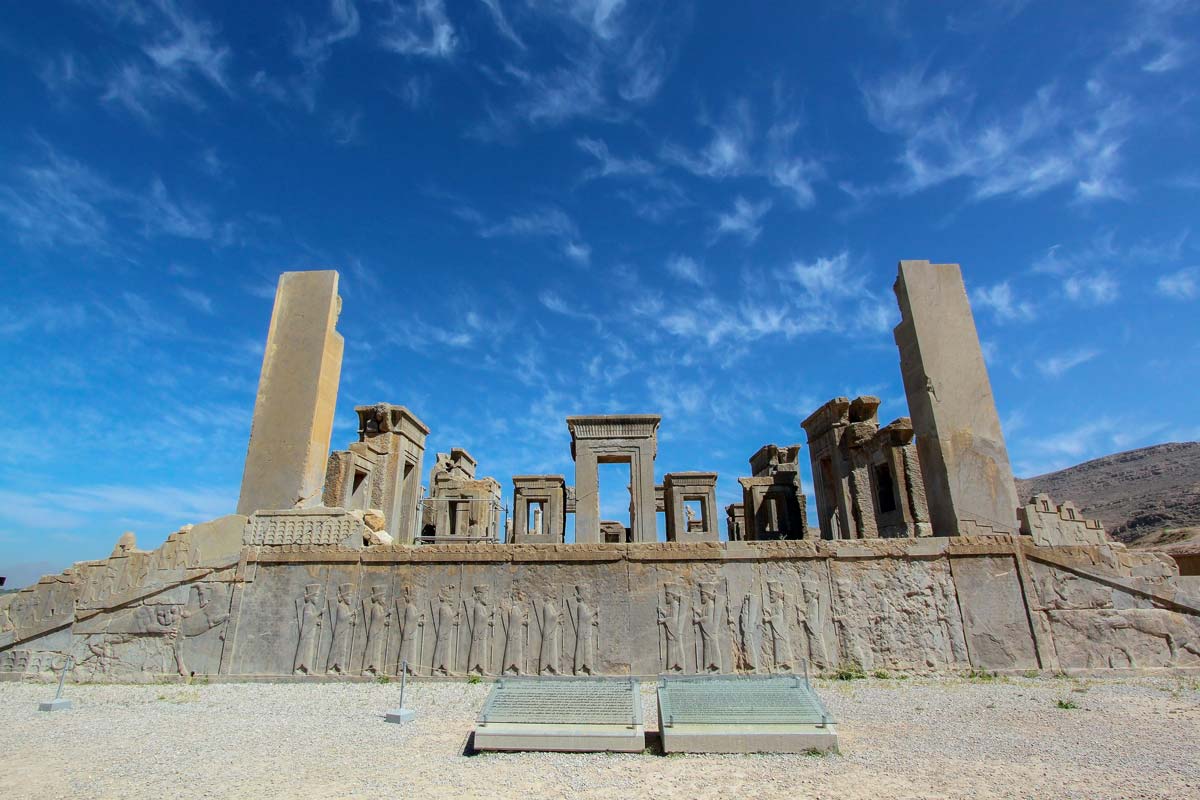
In 331 BC, Alexander won the third and largest of his battles against the Persian Empire at Gaugamela. Darius II was defeated, and historians largely consider the Achaemenid Dynasty to have fallen from this date. The major cities of the Persian Empire were secured, including Persepolis in 330 BC. Shortly thereafter, the city (or at least its wooden sections) was burned to the ground.
Persepolis, the “city of the Persians,” was one of four capitals of the Persian Empire. It was the newest of these cities, having been founded by Darius I in 518 BC. It included great palace complexes and religious centers, representing Persian cultural and political strength. It is notable that Persepolis was the only one of these great cities to be destroyed.
The Ancient Sources: A Party That Got Out of Hand?
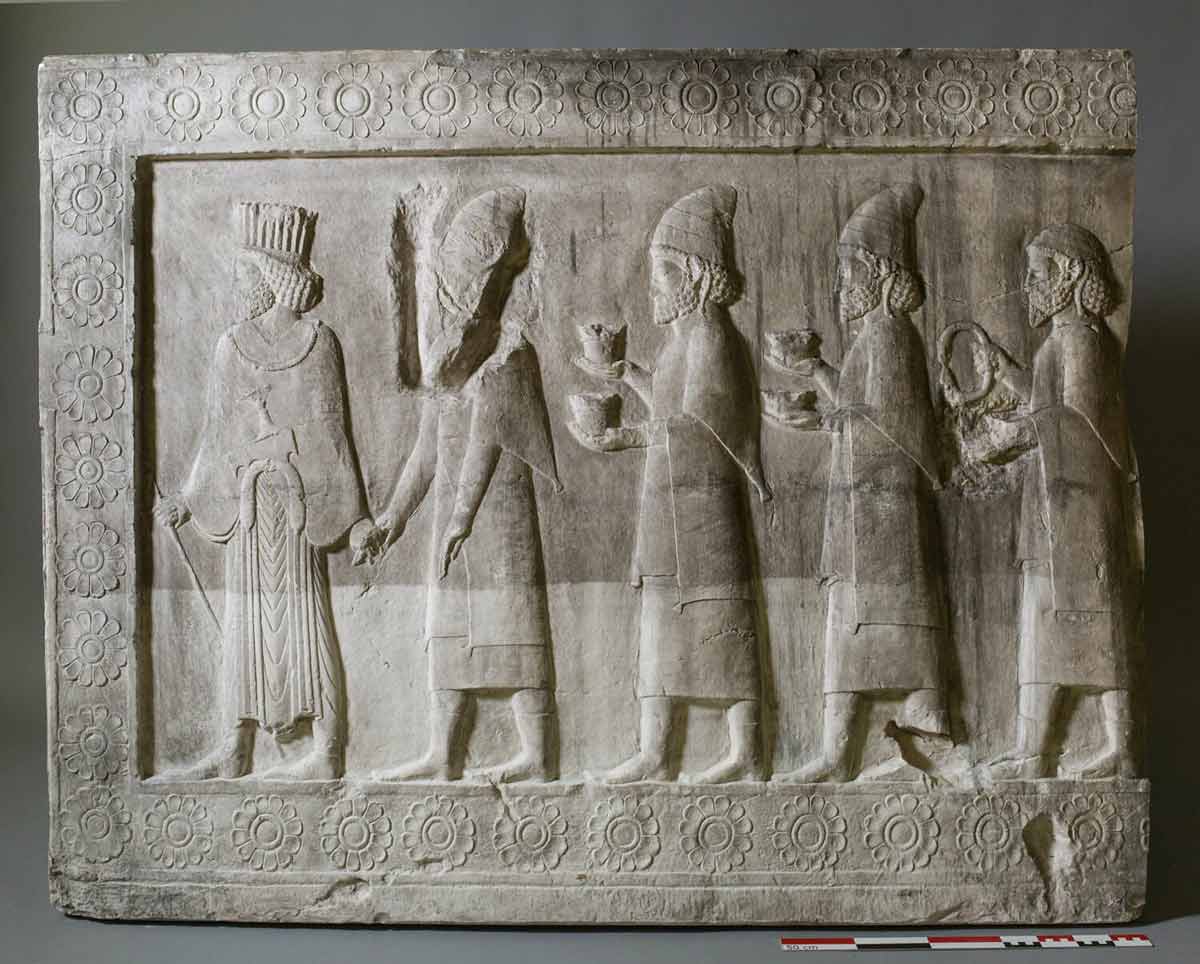
Our surviving sources for the life of Alexander the Great come from centuries after his death. They are at least partially based on contemporary materials that do not survive. However, they still write from a distance of both time and perspective. Diodorus Siculus, a Greek Historian writing in the 1st century BC in Sicily, covered Alexander as part of his “Library of History.” This account seems to be based on Cleitarchus, a contemporary historical source. It represents the so-called “vulgate” tradition, a more critical take on many of Alexander’s actions. Plutarch, a biographer living in the Roman Empire in the 1st century AD, records the same version of events as Diodorus.
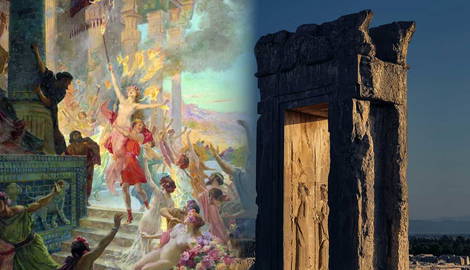
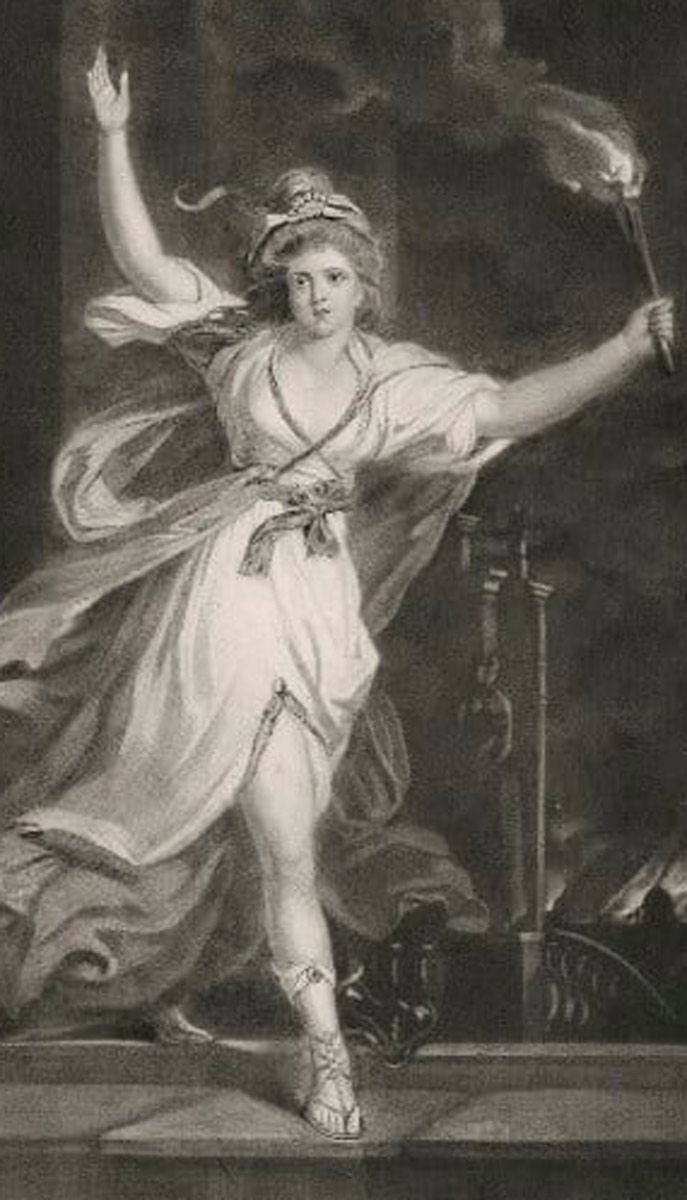
In this version of events, the city is burned as part of a drunken party gone wrong. Thaïs, an Athenian courtesan accompanying Ptolemy (one of Alexander’s bodyguards and commanders), is portrayed as the instigator. Plutarch tells us that “she said that it would be an even greater pleasure to go for fun to set fire to the house of Xerxes, who had burned Athens. She wanted to light the fire herself with Alexander watching, so that it would be said that the women following Alexander’s army had given a greater punishment to the Persians on behalf of Greece than all the famous commanders on sea and land” (Plutarch, Life of Alexander, 38).
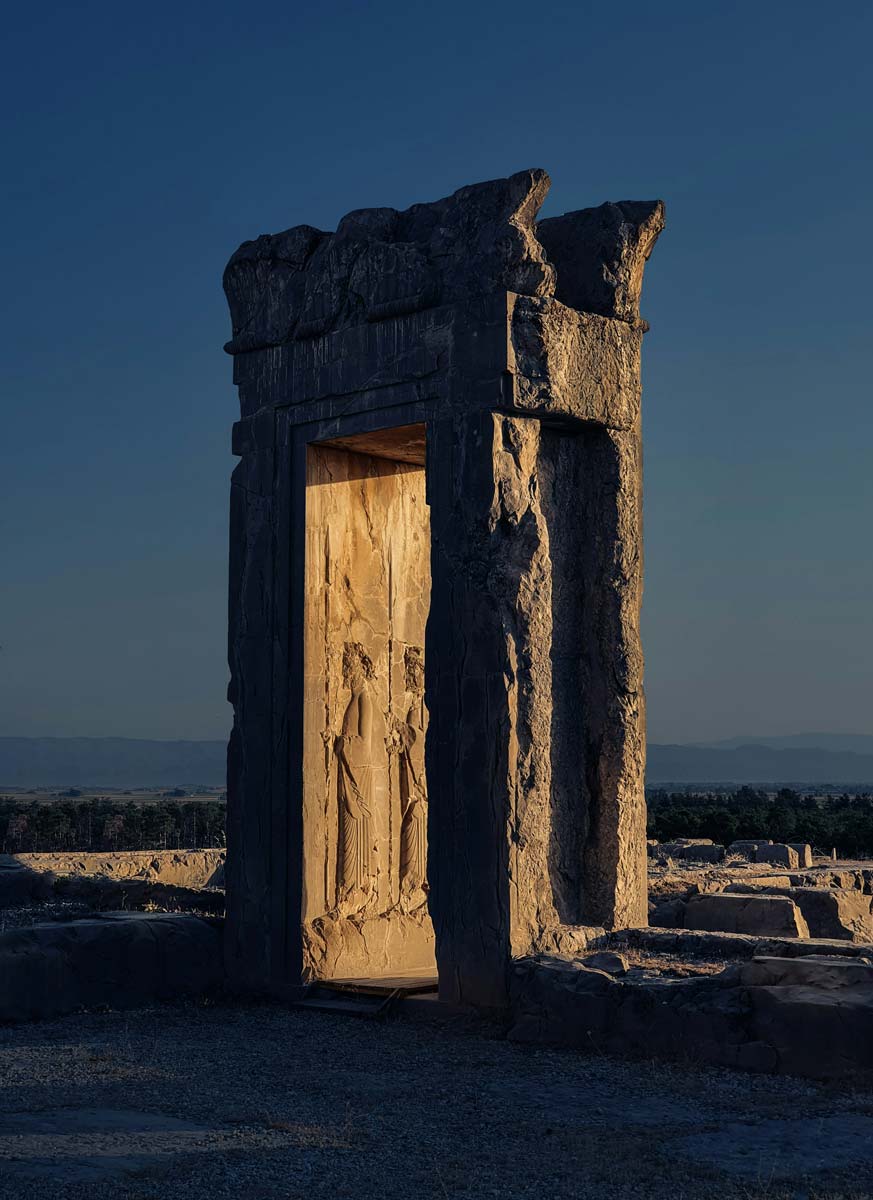
In this account, the burning is spontaneous, immature, and the product of too much wine and dubious influences. Alexander himself is portrayed as drunk and easily led into the action, rather than as the main instigator of the policy. The decision was made because of alcohol and the wild agreement of the soldiers who were present. Alexander is also quickly regretful of the action and has the fire put out. For Plutarch, this repentance is a valuable moral lesson learned by his subject.
A Deliberate Strategy?
Our other perspective comes from Arrian, a Greek historian writing in the 2nd century AD. He also served as a Roman legate and military commander. His account is even further removed from events but seems to have been based on the accounts of Ptolemy and Aristobulus, both of whom were on the campaign with Alexander. In this account, there is no mention of alcohol, courtesans, or any regret about the decision.
In Arrian’s version of events, “Alexander claimed that he wanted to take vengeance on the Persians for what they did during the invasion of Greece when they razed Athens to the ground and burnt down the temples and for all the other problems they had caused the Greeks” (Arrian, Anabasis of Alexander, 3.18). In this account, Alexander ignores advice from Parmenio (one of his generals) and makes an intentional decision to burn the city. The reason given was clearly stated to be the completion of the vengeance against the Persian Empire that Alexander had been promising since coming to power. This is an argument that Arrian seems to regard as both valid and self-evident.
Who Should We Believe?
Beyond the time gap, we can raise reasonable questions about both of these traditions. Diodorus and Plutarch are moralists, concerned as much with the lessons that their histories can teach as with their literal accuracy. Plutarch in particular sought to educate his audience with his Parallel Lives of Greek and Roman figures. Both Alexander and his Roman pairing, Julius Caesar, are portrayed as great conquerors, fighting their own worst instincts.
When we consider reliability, Arrian’s account has its own concerns. He is open about his admiration for Alexander, and he can be uncritical of his actions. He claims that Ptolemy’s account should always be believed, as it would be unacceptable for a king to lie, which seems inordinately credulous. Ptolemy’s own later legitimacy as ruler of Egypt depended on Alexander’s legacy, and his account seems to have reflected that. This perspective was then repeated by Arrian.
Why Did Alexander Burn the City?
As is often the case with Alexander’s life, modern readers can fit this event into the version of Alexander that they want to see. Those convinced of his strategic genius can see in this a harsh but effective political decision. Those convinced of his brutality see random violence and destruction. Those convinced that he represents falling greatness, brought low by ego, indulgence, and power similarly find an interpretation of these events that fits the story. Meanwhile, those who like their history salacious and full of scandal may focus on the role of Thaïs. All of these are to some extent plausible.
The Freedom of the Greeks and Revenge
Despite this range of interpretations, there are common points that we can take from this event. Both traditions mention the idea of revenge for the Greek cities and Athens in particular. In Plutarch’s and Diodorus’ accounts, this is an idea raised by an Athenian woman once everyone had overindulged. In Arrian’s, it was part of an intentional plan. However, this motivation was mentioned in both versions. As discussed above, the idea of revenge was not new in 330 BC, but had always formed part of the justification for the invasion. This action was also a way in which Alexander could maintain the loyalty of the Greeks in his army and those still at home.
According to this interpretation, the burning of Persepolis can be seen as the end of a process of pursuing revenge and Greek freedom, not a one-off event. It can also be seen to fit with one of the main themes and purposes of the campaign.
Mindful Destruction
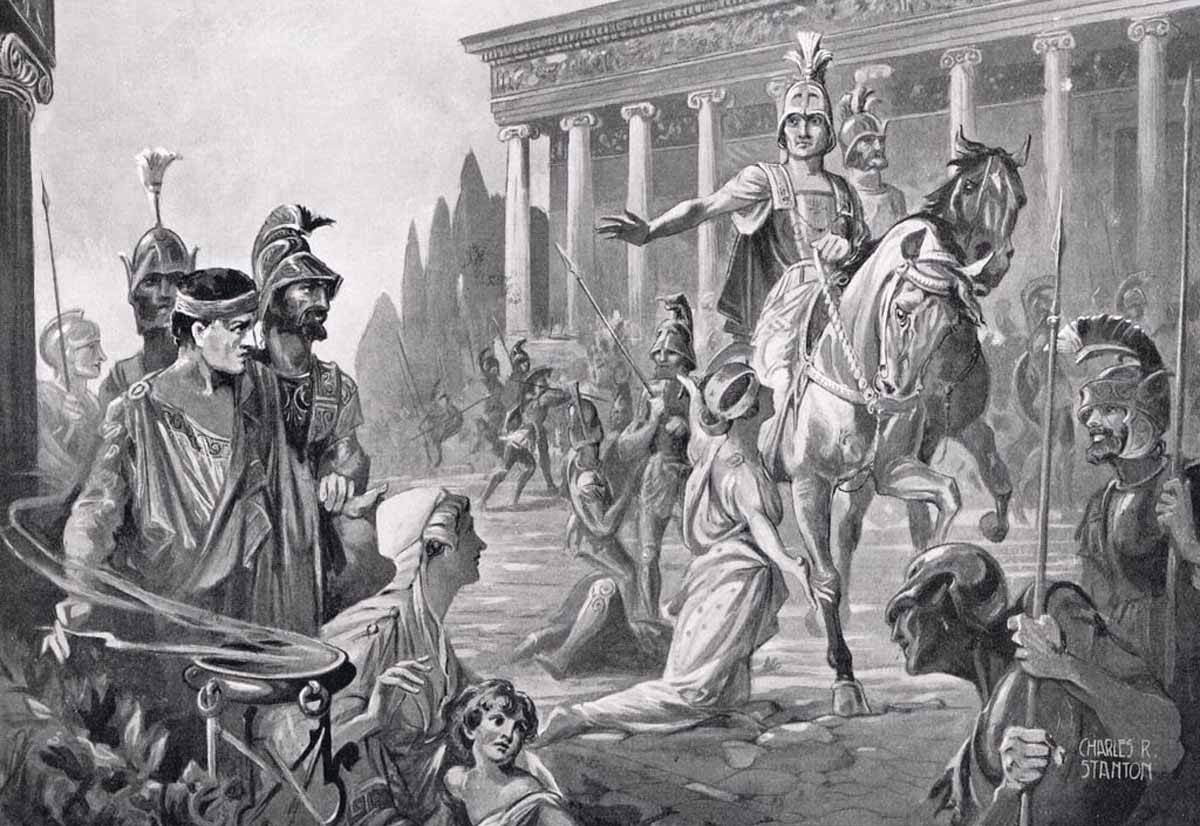
The burning of Persepolis can also be seen as being outside of the character of the campaign as a whole.
Thebes had been largely razed in 335 BC, before the invasion of the Persian Empire. This seems to have been motivated by Thebes’s attempts to assert its independence from the League of Corinth. The action was a calculated attempt to destroy a rebellious state and intimidate the rest of the Greek cities to get them into line. Thebes’s collaboration with the Persians during the invasion of 480 BC was also cited as a justification for the destruction. Once in the Persian Empire, most cities in Asia Minor and the Levant were treated leniently, with many proclaiming Alexander as a liberator. Egypt similarly fell without any significant sacking of cities.
There were exceptions. The population of Tyre on the Levantine coast was largely enslaved, and 2,000 men were crucified after a seven-month siege in 332 BC, for example. However, these repressions were intentional and targeted, not wild and random. It is reasonable to argue that Persepolis fits this pattern. It was a relatively unusual but not unique case where greater brutality was used against a specific defeated enemy city. This was always done for clearly defined political purposes.
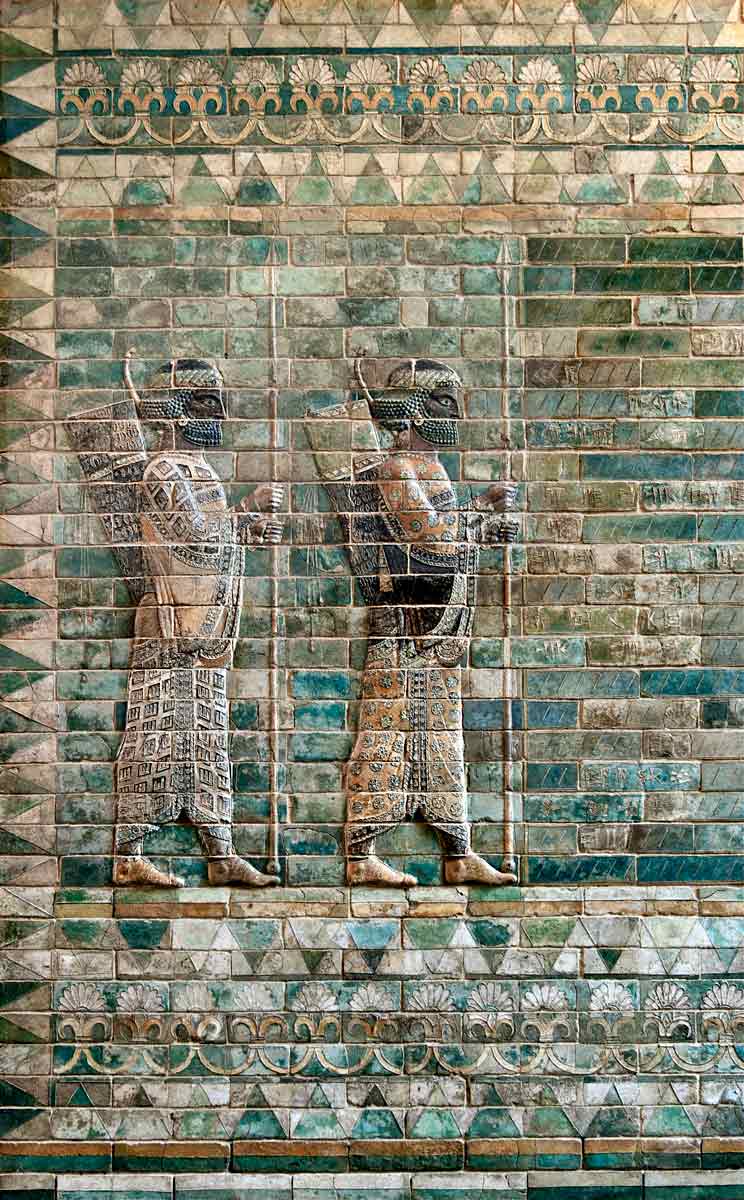
Diodorus and Plutarch also mention that the treasure of Persepolis had already been removed before the city was burned. This may suggest that the destruction was planned, or at least anticipated. At the very least, the harsh treatment of Persepolis does not seem to have been as spontaneous as the story of Thaïs and the party suggests. Instead, it was seen as a target that could be treated harshly and the spoils of victory taken.
Alexander mostly treated Darius’s family and the Persian elites well. There were no widespread persecutions. Alexander even adopted forms of Persian dress and customs, much to the chagrin of many of his Greek and Macedonian followers. That makes Persepolis seem more of an outlier. That may be evidence that this was a mistake, as Plutarch suggests. However, it may also show that this was a significant and symbolic action. The destruction of palaces and temples was to balance the temples of the Acropolis. Persepolis, as a royal and ritual center, would fit this purpose better than the other capitals and cities of the empire, which were mostly left intact.
The other three royal capitals, Ecbatana, Susa, and Babylon, remained thriving cities. The destruction was limited to a city directly related to the royal family.
What About Thaïs and the Party?
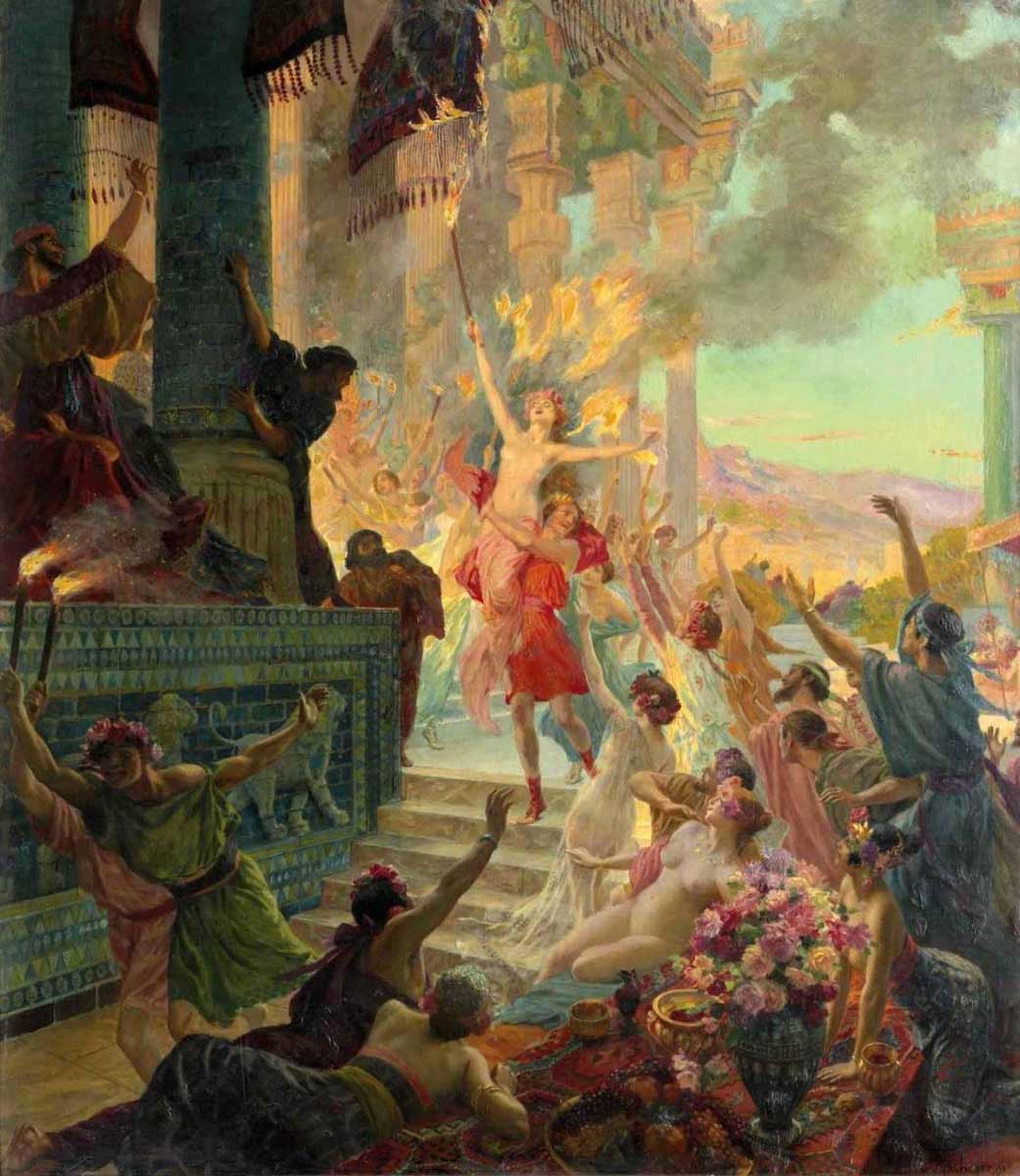
The story of Thaïs, the Athenian courtesan, and the drunken party seems too historically interesting to simply discard. Thankfully, there is no reason to do so. It seems unlikely that this story has been invented entirely. Diodorus and Plutarch are likely relaying information from firsthand accounts. Drunkenness was a widely attested feature of Macedonian court life under both Alexander and Phillip. We also have other accounts of Alexander making decisions that were influenced by the consumption of alcohol. In addition, Thaïs seems too specifically drawn in our sources to be pure invention.
However, there is a distinction between drunken celebrations around the burning of the city and the idea that the destruction only happened because of drunken celebrations. The second claim is a harder one to sustain, given the political and strategic goals that the burning of the city achieved and the broader pattern it fits within.
An Ending and a Beginning
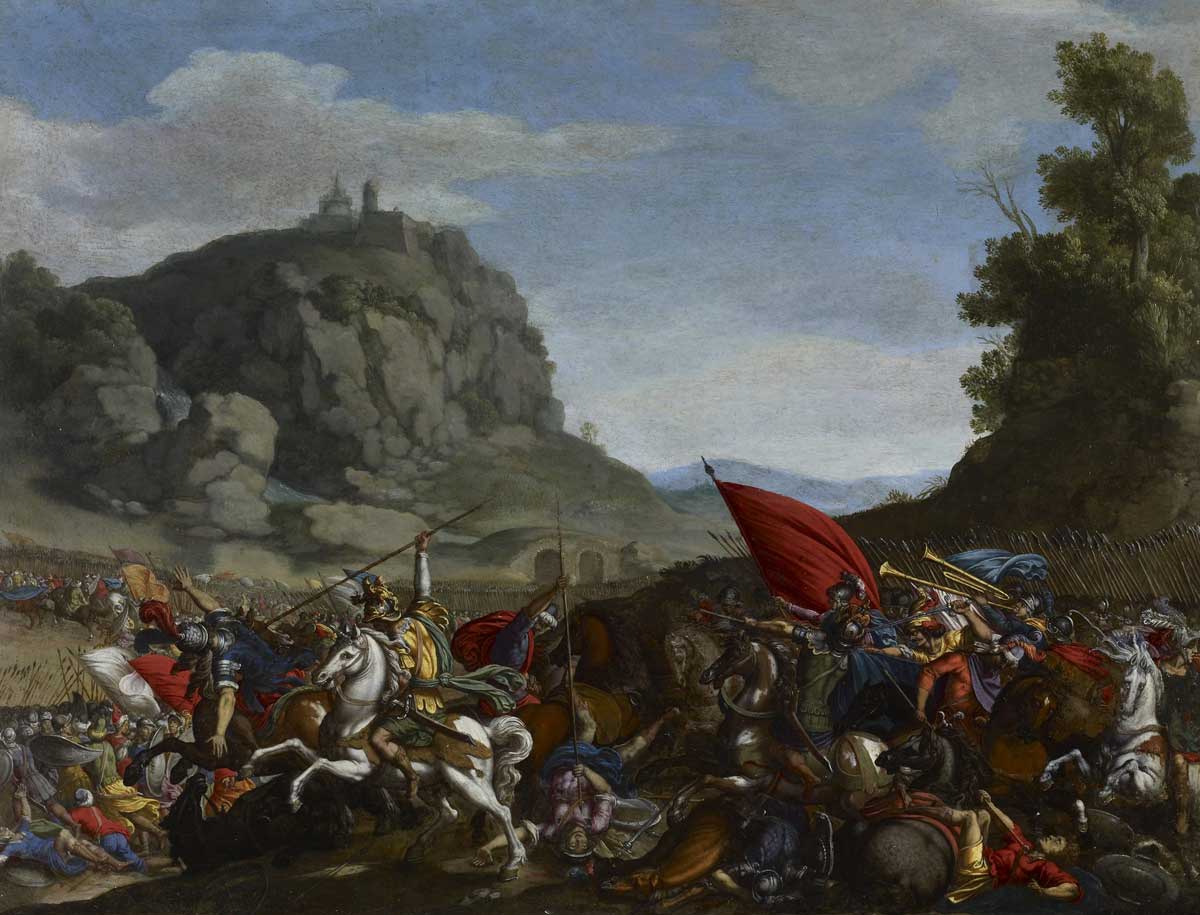
Beyond the dramatic nature of the burning of Persepolis, the event marked the hinge point in Alexander’s campaign. By avenging the razing of the Acropolis and the attacks on Greece, Alexander had fulfilled his promises to the League of Corinth. Many of his Greek followers would return home. We can argue that the Hellenic portion of Alexander’s war was over. Following this final act of symbolic vengeance, Persians could become subjects and allies, rather than hated enemies.
Alexander’s own ambitions were not complete. With his obligations met and promises kept, he could turn his eyes to new goals. Plans for further campaigns in the east could be developed. Ideas of a blended Macedonian and Persian elite and a new royal political culture could be considered. In this respect, Persepolis represented the last of Alexander’s old business as a Macedonian king and Greek leader. He could now become the Lord of Asia.