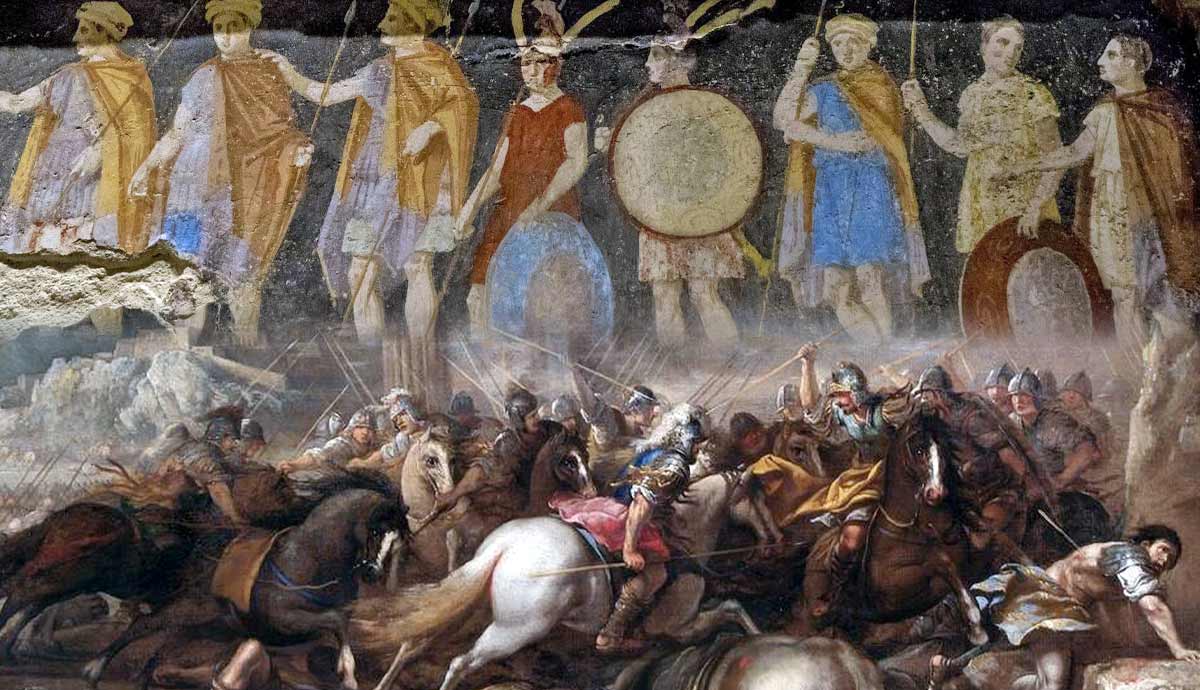

For centuries, the ancient Greeks turned to oracles with questions about everything from planting and family to politics and war. Their answers, believed to come directly from the gods, shaped many important events that changed the course of history. But the ancient Greeks also thought that some gods were deceitful or misleading. This raises an important question: if the gods themselves weren’t always truthful, could their oracles lie, or was any mistake simply a misunderstanding?
What Were Oracles in Ancient Greece?
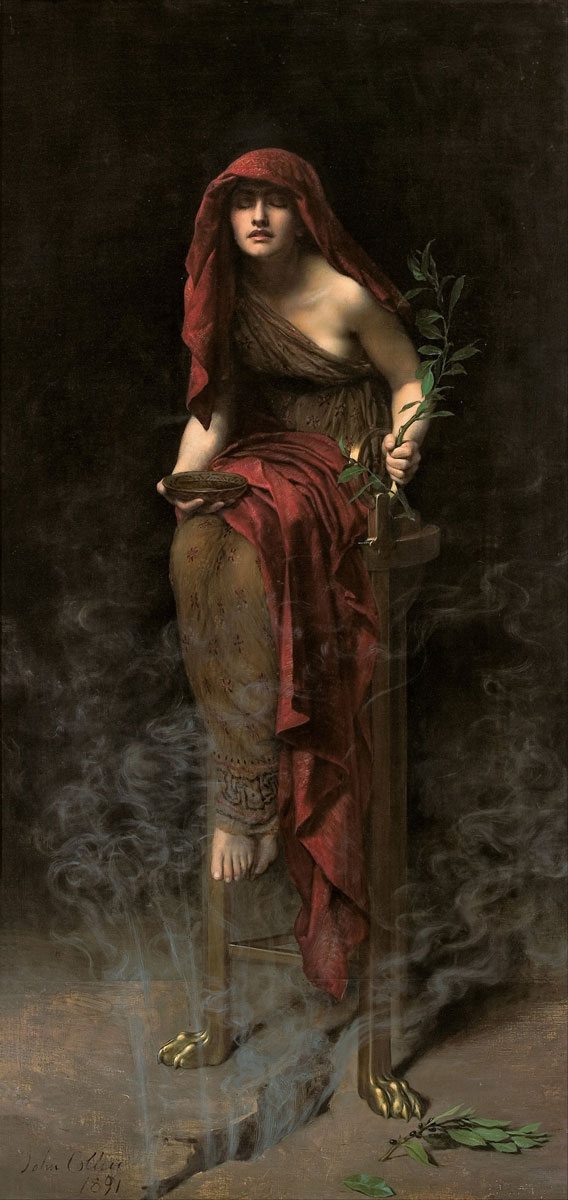
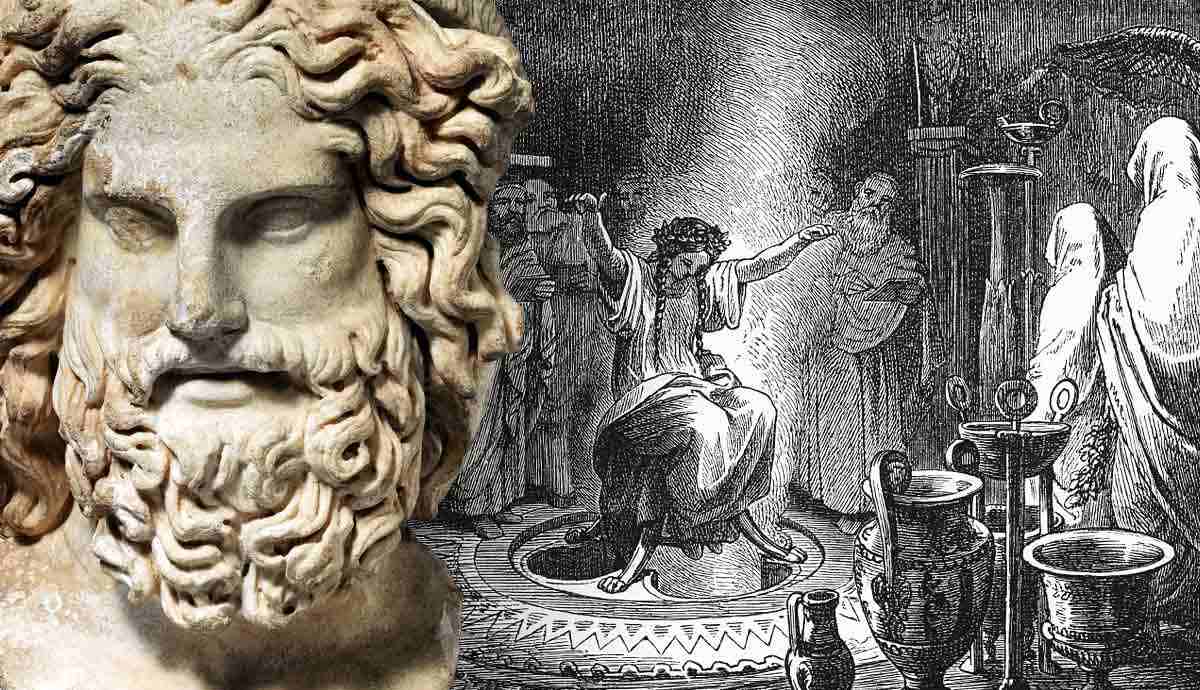
In ancient Greece, an oracle was a sacred place where people went to get answers to important questions. Inscriptions reveal that they asked about everything from marriage, family, and work to health, war, and politics. Oracles usually had specially chosen priests or priestesses who were believed to communicate directly with the gods to provide an answer. The most famous was the Oracle of Delphi, where the priestess, known as the Pythia, delivered messages thought to come from Apollo.
To receive answers from an oracle, people had to follow a strict set of rituals. First, they had to purify themselves in sacred springs. They then brought offerings such as cakes, coins, or animals for sacrifice. At Delphi, the Pythia then entered a sacred chamber, sat on a tripod, and went into a trance-like state. She would murmur words, sometimes clearly and sometimes not, which were interpreted as an answer.
Across Greece, there were hundreds of oracles, both large and small. The most influential were known as the Panhellenic oracles, meaning they were respected by all Greek city-states.
Did the Greeks Believe the Gods Could Lie?
Although the ancient Greeks respected their gods, they believed the gods had human-like natures, driven by emotions, rivalries, and personal conflicts. Because of this, the gods could sometimes be dishonest or use tricks, something apparent in many Greek myths. Stories in Homer and Hesiod show that the Greeks fully accepted that the gods were capable of dishonesty when it suited them.
Zeus was especially known for his tricks. In Homer’s Iliad, for example, Zeus sends a deceiving dream to Agamemnon, convincing him that he will easily win the battle. Sometimes, Zeus also sends ambiguous signs, like thunderstorms or omens that could be interpreted in different ways. These were not necessarily outright lies, but they could easily mislead people. Hera used similar tactics to gain an advantage in her rivalry with Zeus.
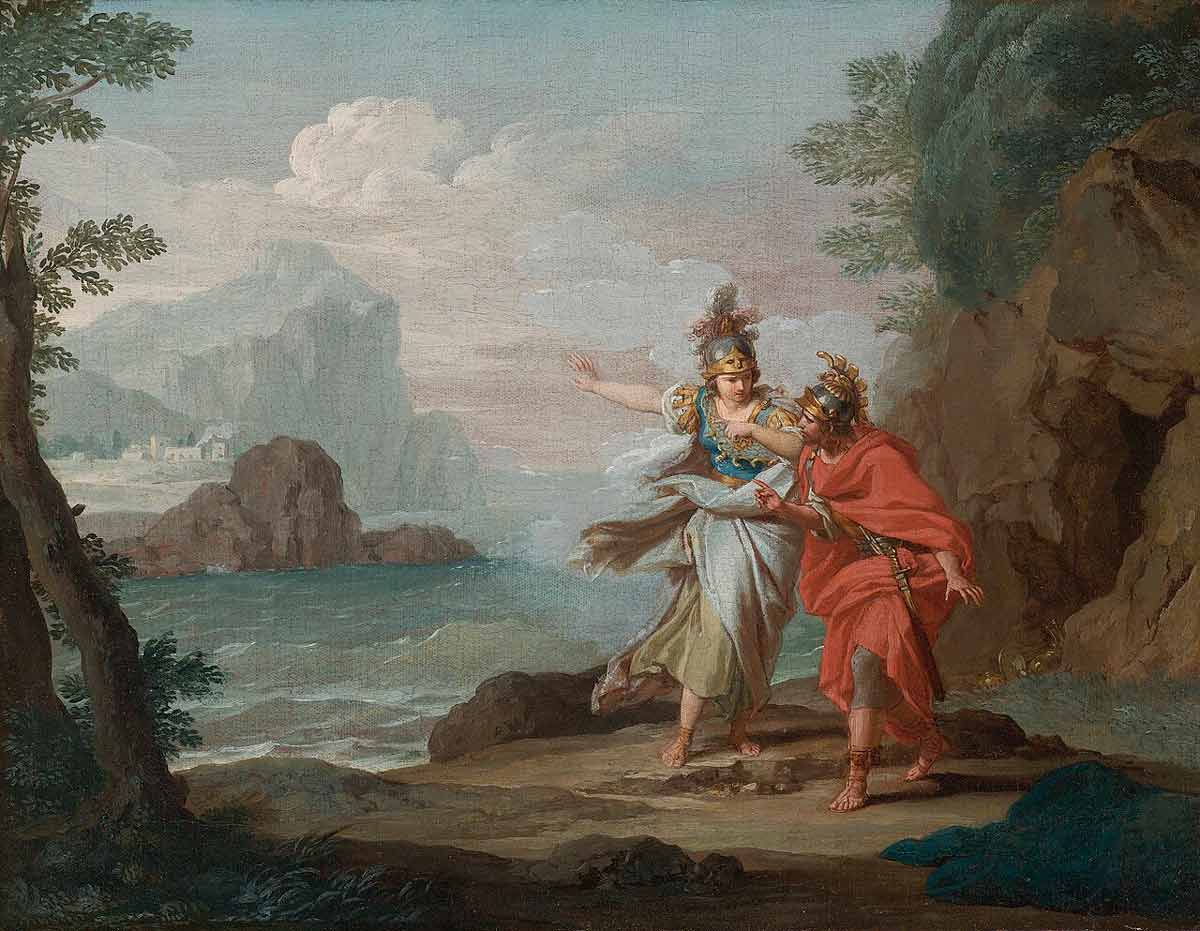
Athena also deceived people by giving incomplete information. She also frequently disguised herself as a mortal to influence events, especially when she was on Odysseus’s side. Hermes is perhaps the best example of divine trickery. As soon as he was born, he stole Apollo’s cattle and then lied about it with a straight face. The Homeric Hymn to Hermes openly calls him crafty, cunning, and a teller of lies. Yet he was still beloved, and his tricks were seen as clever rather than malicious. Apollo, the god of truth, also appears in some myths giving vague or double-meaning messages.
If the Gods Could Lie, What Did That Mean for Their Oracles?
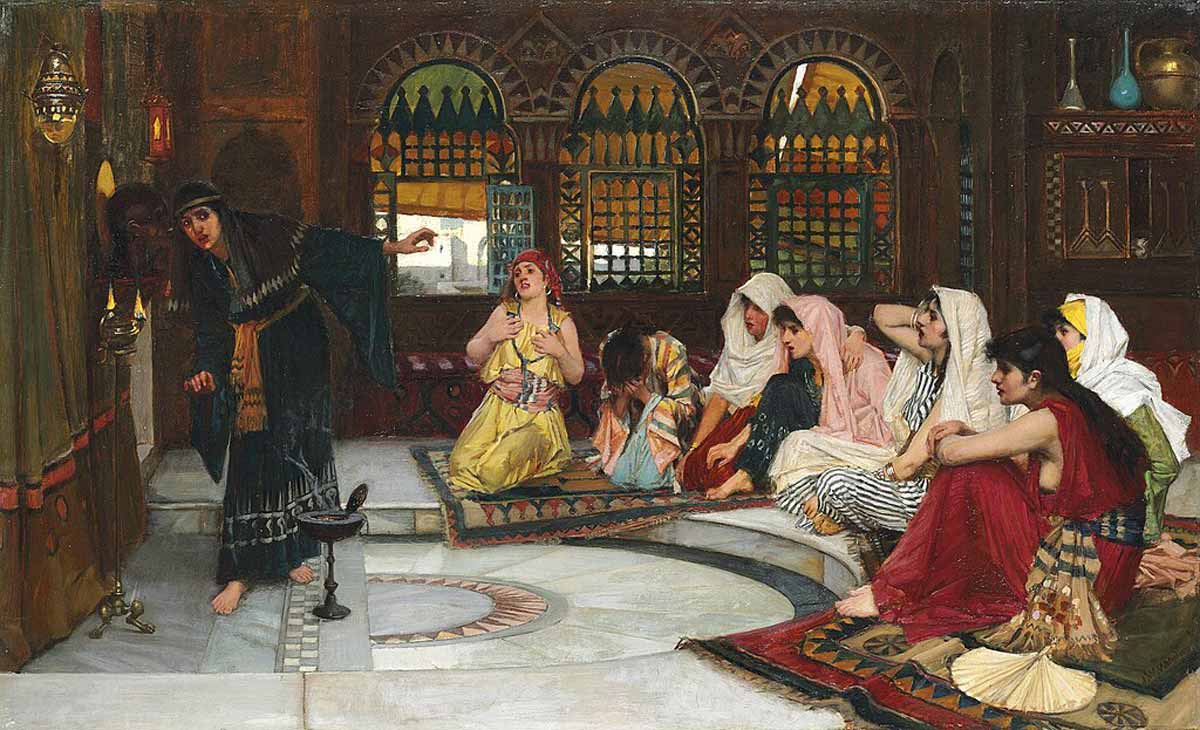
The idea that the gods could lie created an interesting tension within ancient Greek religion. If Zeus, Hera, Hermes, and sometimes even Apollo were known to deceive, why would anyone trust the oracles who claimed to speak with their voice? Yet this question troubles modern historians far more than it bothered the Greeks themselves.
The Greeks did not believe that the gods lied constantly, and especially not through their oracles. If the gods lied openly, they would lose the support of mortals, and their temples would eventually lose authority. Instead, the Greeks believed that the gods revealed only parts of the truth rather than the whole truth, hid their full intentions, or delivered messages in symbolic or ambiguous language. In this sense, a prophecy did not need to be fulfilled literally to be considered true; it was always part of a deeper divine plan.
Also, if a prophecy seemed to turn out wrong, people usually blamed human misunderstanding, not divine falsehood. Oracles often spoke in riddles, and it was the responsibility of the questioner to interpret the message correctly. When King Croesus asked the Oracle of Delphi whether he should attack Persia, the prophecy said that “a great empire will fall.” Croesus mistakenly assumed it would be the Persian Empire rather than his own.
People also believed that the gods had their own reasons for hiding the truth. Sometimes, revealing everything would interfere with fate or give mortals knowledge they were not meant to have. In this way, divine secrecy protected the cosmic order. A prophecy that was difficult to understand was not a trick, but a reminder of the vast gap between mortal and divine knowledge.
Did Anyone in Ancient Greece Doubt the Oracles?
Although most Greeks believed in the oracles, there were also skeptics, especially among poets, philosophers, historians, and other educated people. Some ordinary people were cautious as well, since consulting an oracle was expensive and the answers were difficult to interpret.
Thinkers like Xenophanes criticized the idea of gods who behaved like flawed humans and argued that divine messages could not be trusted if the gods themselves acted unfairly or deceitfully. By the Classical period, the Sophists, who questioned traditional beliefs, openly expressed doubts about the sincerity of oracles. They claimed that people believed whatever they wanted to believe, and that oracles succeeded because their vague answers could be interpreted in many different ways.
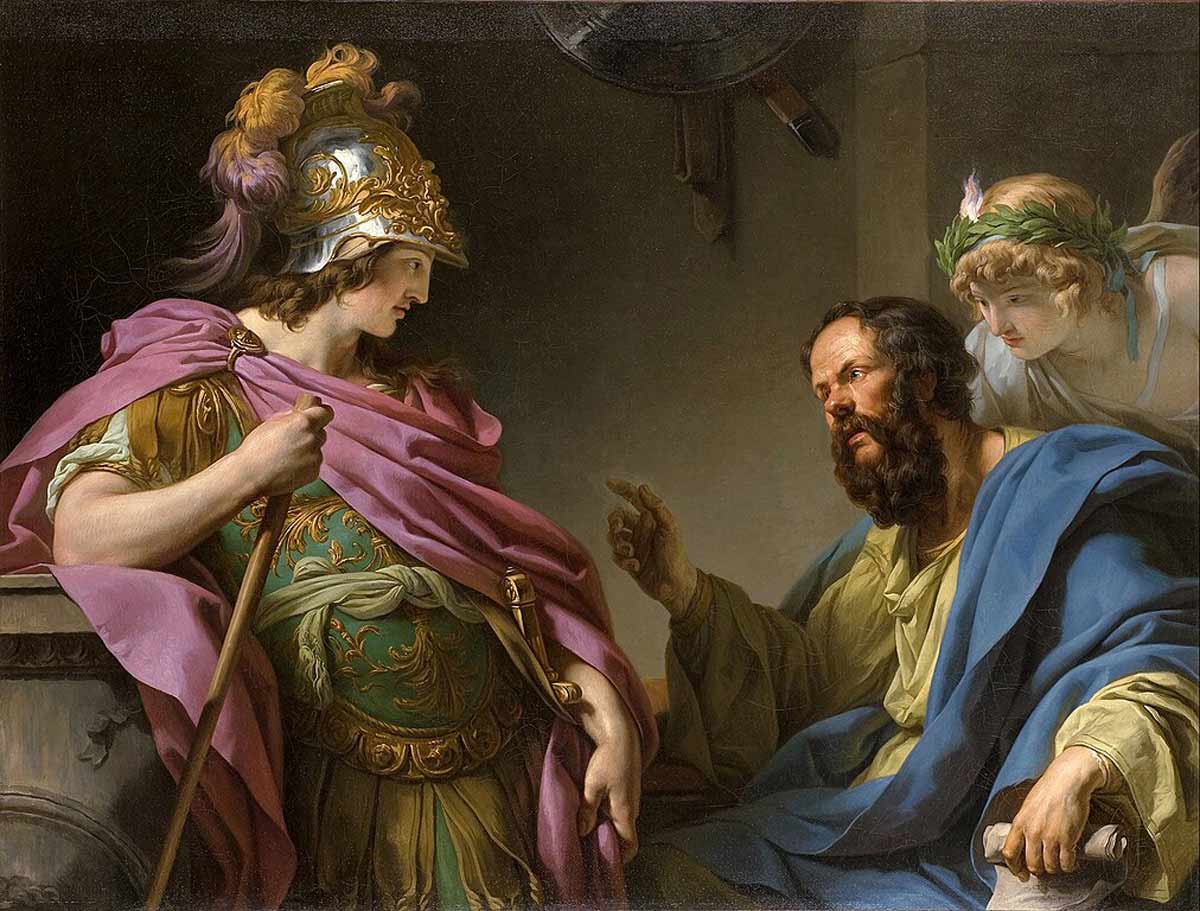
Socrates is an interesting case. He accepted the Delphic Oracle’s statement that he was the wisest man, but he interpreted it philosophically rather than literally. Socrates believed that true wisdom came from questioning everything, which indirectly suggested that even prophetic messages should be examined critically. The historian Thucydides recorded how rulers often used prophecies to justify their political plans, and he even raised the possibility that priests could be bribed, something not impossible in his view. By the Hellenistic and Roman periods, skepticism toward oracles became increasingly common. Philosophers like the Stoics and Epicureans debated whether the gods intervened in human life at all.