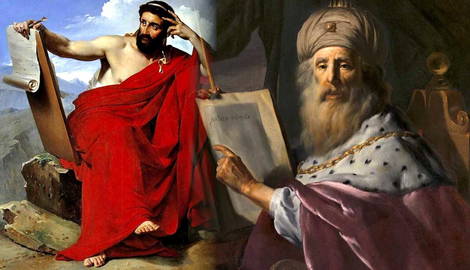

The Seven Sages of ancient Greece were a recognized collective of influential philosophers and lawmakers active in the Greek archaic period (7th to 6th centuries BCE). The number seven was sacred among the Greeks, representing completeness, which is also why there were seven wonders of the world. Plato, writing in the 4th century BCE, lists the seven sages in his Protagoras, though there was debate among authors about who should be included among the seven, with more than 23 included in the various surviving lists. The Seven Sages were revered for their practical wisdom, which has survived to this day in popular maxims such as “nothing in excess” and “know thyself”.
| Sage | Known For | Quote |
| Thales of Miletus
c. 624-546 BCE | First well-known Greek philosopher, astronomer, and mathematician | “To bring surety brings ruin” |
| Pittacus of Mytilene
c. 640-568 BCE | Governed of Lesbos, encouraing humility and equality | “Know thine opportunity” |
| Bias of Priene
c. 6th century BCE | Defended Priene from Alyattes and defended the deserving in court | “Too many workers spoil the work” |
| Solon of Athens
c. 638-558 CE | Reformed Athenian laws and politics to improve representation and avoid tyranny | ‘Nothing in excess” |
| Chilon of Sparta
c. 555 BCE | Militarized Spartan society | “Know thyself” |
| Cleobulus of Lindos
c. 600 BCE | Tyrant of Lindos, poet, and patron of the arts | “Moderation is the chief good” |
| Periander of Corinth
c. 627-585 BCE | Tyrant of Corinth, making the city a formidable economic power | “Forethought in all things” |
1. Thales of Miletus (c. 624 BCE-546 BCE)
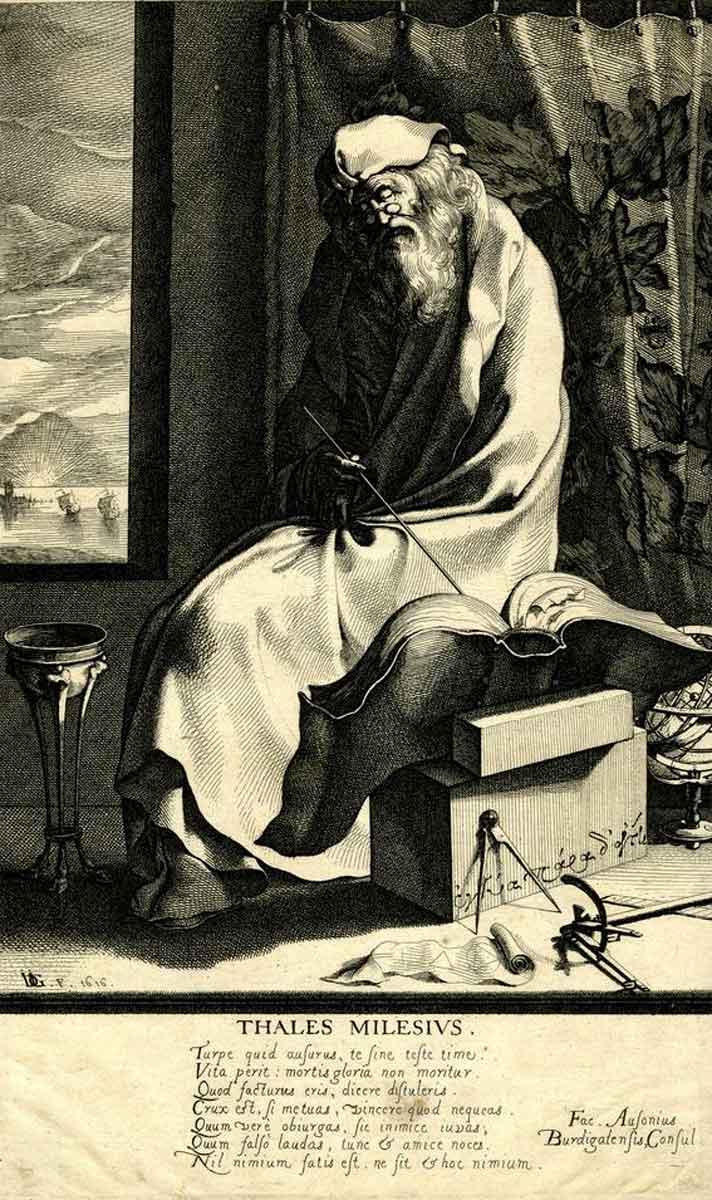
According to Herodotus, Thales was the son of influential Phaeacian parents, Examyas and Cleobulina, who claimed descent from the mythical king Cadmus. However, most believed Thales was a native of Miletus, though Diogenes suggests that he became a citizen in his adulthood. Some sources say he married and had a son named Cubisthus, while others suggest he never married, claiming that it was “because I like children.”
Thales was considered the first wise man of the seven sages, receiving the title from the Archon of Athens, Damasias. While he was involved in politics, this stemmed mostly from his efforts to understand the natural world. Many say Thales never wrote anything down, while others argue that he wrote at least three now-lost works, titled Nautical Astronomy, On the Solstice, and Equinoxes. Eudemus claims that Thales was the first Greek to study astronomy and credited him with discovering Ursa Minor, the interval between the solstices, and with working out the ratio of the sun’s size to the lunar orbit. He may also have been the first to divide the seasons and the year into 365 days. Pamphile claims that Thales studied geometry in Egypt and discovered how to inscribe a right angle in a circle.
Thales was one of the first Greek thinkers to believe that the soul is immortal, and he even claimed that inanimate objects possessed a soul based on his experiments with magnets. He posited that water is the principle behind everything and that the world is littered with thousands of divinities, both big and small.
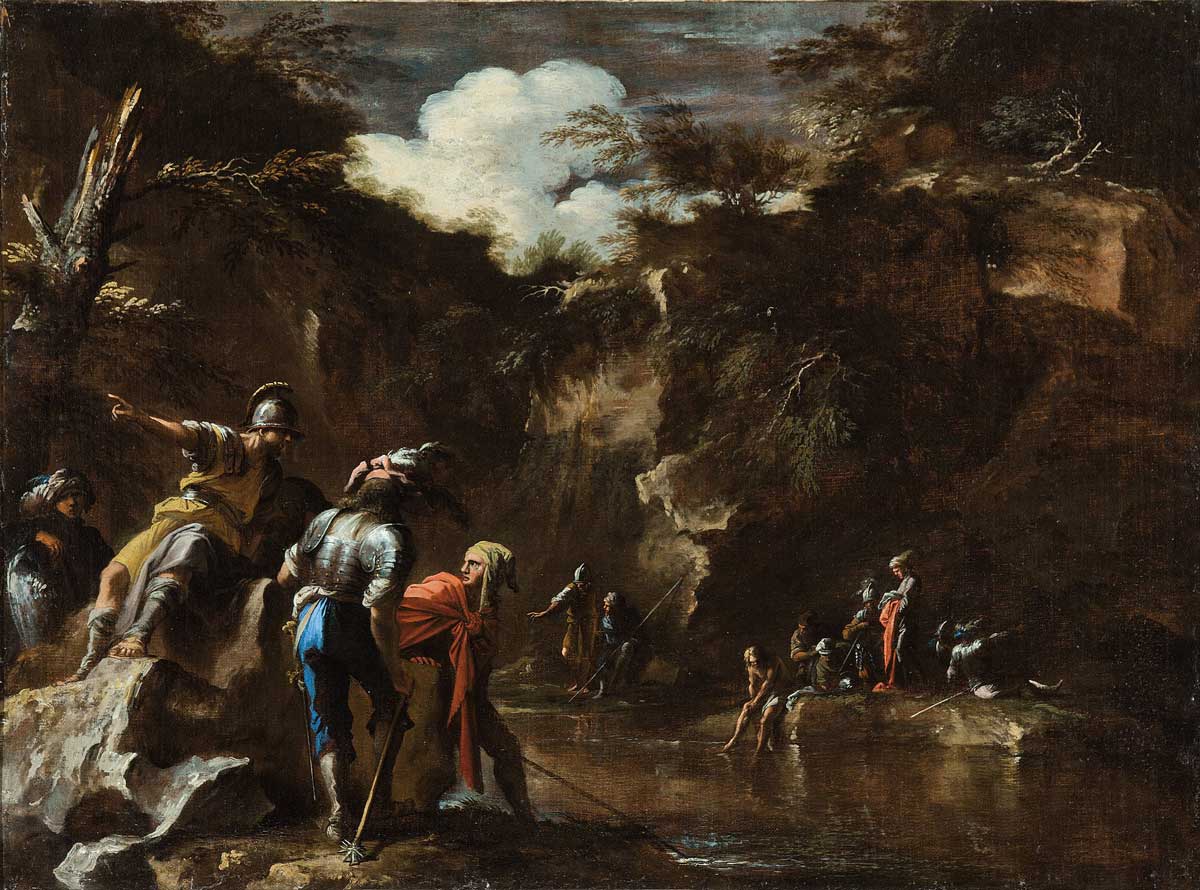
Thales proved to be a capable political advisor who helped Miletus avoid an alliance with the Lydian king, Croesus. A move that would later save the city-state when Cyrus the Great gained control of the kingdom. Thales also helped Croesus’s army cross the river Halys without a bridge by diverting the course of the river upstream.
Thales was the first of the men that the classical Greeks named among their Seven Sages. Timon celebrated Thales’s achievements in his Lampoons, “Thales of the seven wise men, wise at [starwatching]”.
2. Pittacus of Mitylene (c. 640–568 BCE)
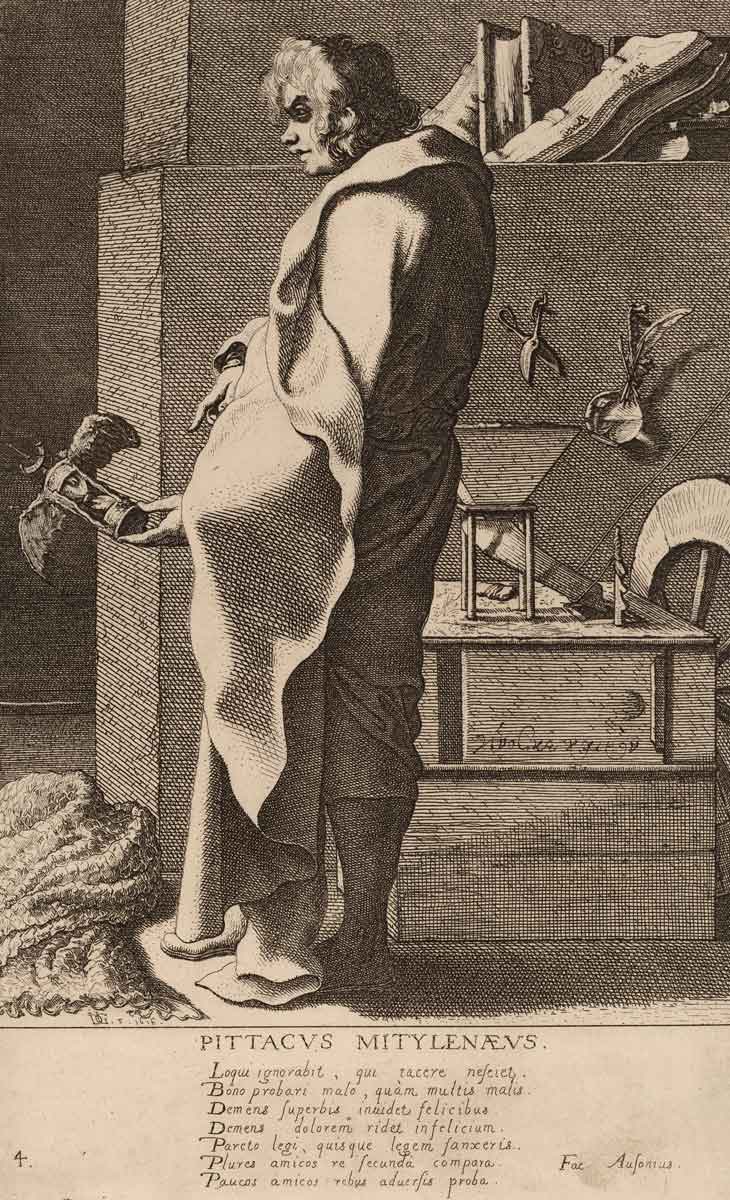
The son of Hyrrhadius of Mytilene, Pittacus was an infamous statesman, lawmaker, and poet from the island of Lesbos. He worked with the Alcaeus brothers to overthrow Melanchrus, the tyrant of Lesbos.
Pittacus led the Mitylene army against the Athenians over Achilles’s Tomb, suggesting that he and the Athenian commander Phrynon fight in single combat to determine the victor. Phrynon was an Olympic wrestling champion and confidently accepted the challenge. However, Pittacus fought smart and hid a net behind his shield, which he used to ensnare and defeat Phrynon. As a result, Pittacus returned to Mitylene as a hero, and the citizens made him their leader.
Pittacus ruled the city for ten years before choosing to step down. During his tenure, Pittacus brought order and new laws to the city, such as doubling the penalty for any offense committed while intoxicated.
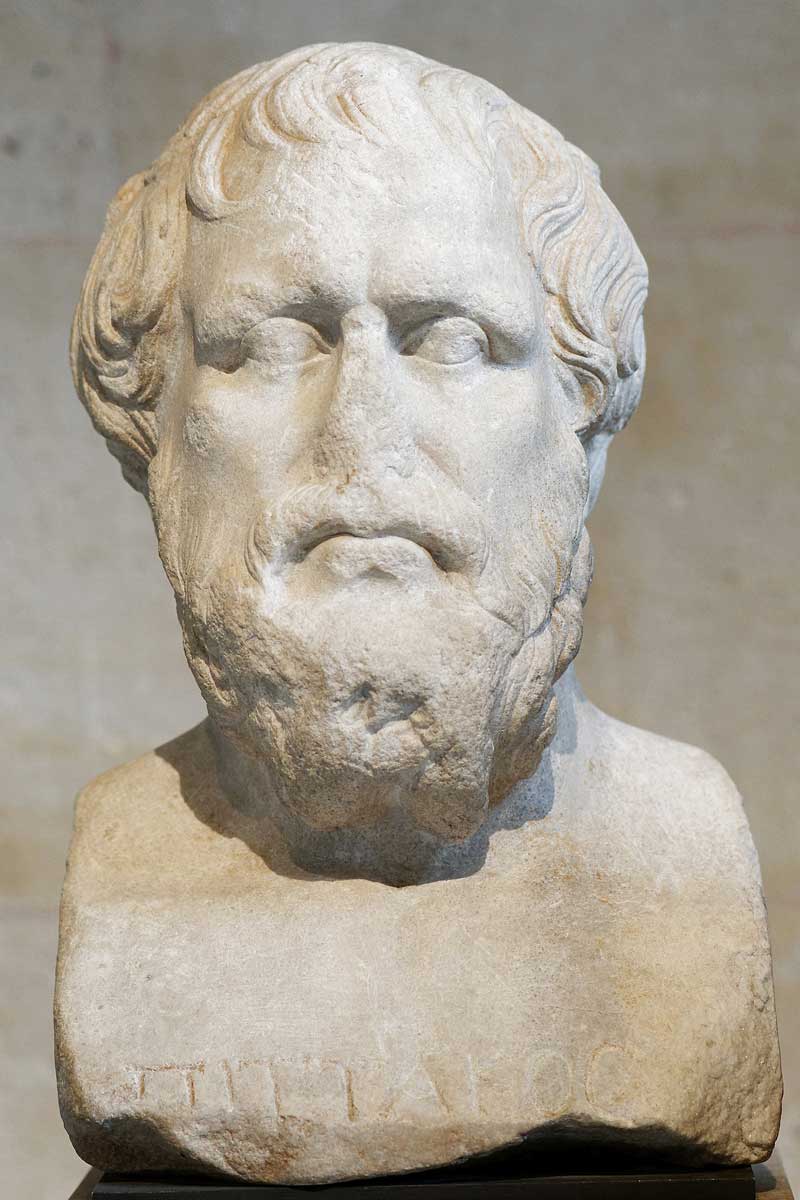
After stepping away from politics, the city of Mytilene awarded his service with a parcel of land outside the city. Pittacus decided to establish the land as a sanctuary, which was called the shrine of Pittacus. He is remembered for his humility and commitment to the laws he helped establish. When he was offered gifts from the Lydian king Croesus, he sent them back, writing that he already had double what he wanted. According to another story, after his son died in a freak barbershop accident, Pittacus freed his son’s killer, saying, “Forgiveness is better than remorse.”
Pittacus spent his later life writing. He composed over 600 lines of poetic verse and wrote a law book called On Laws. He was remembered as a hero who encouraged humility and peace in all endeavors. The people of Mitylene inscribe his monument with the following: “Shedding tears, this land that bore him, sacred Lesbos, Weeps aloud for Pittacus now passed away.”
3. Bias of Priene (c. 6th century BCE)
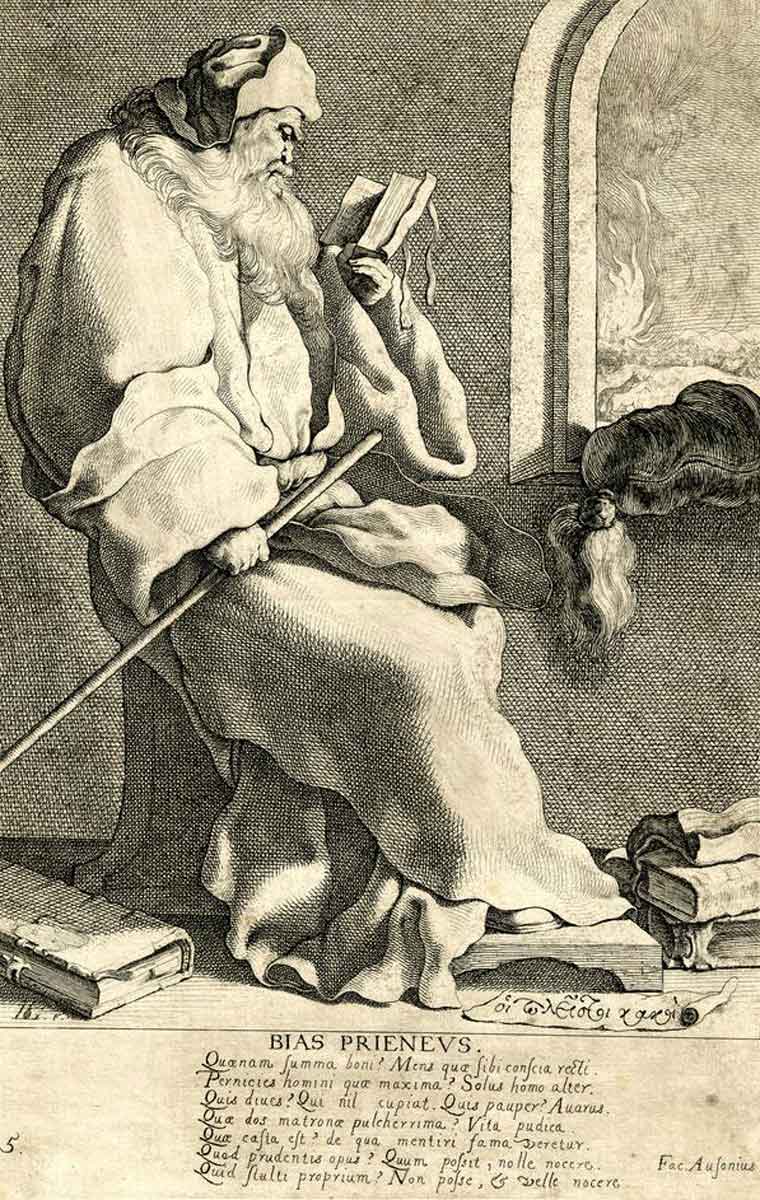
of Priene was a famous lawmaker, poet, and politician. According to Phanodicus, Bias paid the ransom for some captive girls from Messenian and then raised the girls as his daughters. Once they were adults, he gave them dowries and sent them back to their families in Messenia.
Bias also wrote a 2000-line poem called On Ionia. He was a gifted speaker and spent most of his time working as a lawyer in the assembly. Diogenes says he devoted these skills to speaking on behalf of the good. Although. according to legend, this is also how Bias died.
After speaking in defense of someone in court, the elderly Bias sat down and rested his head on his grandson’s shoulder. After the opposition had rested their case, the judges sided with Bias’s client. As the court adjourned, his grandson discovered that Bias had died resting on his lap.
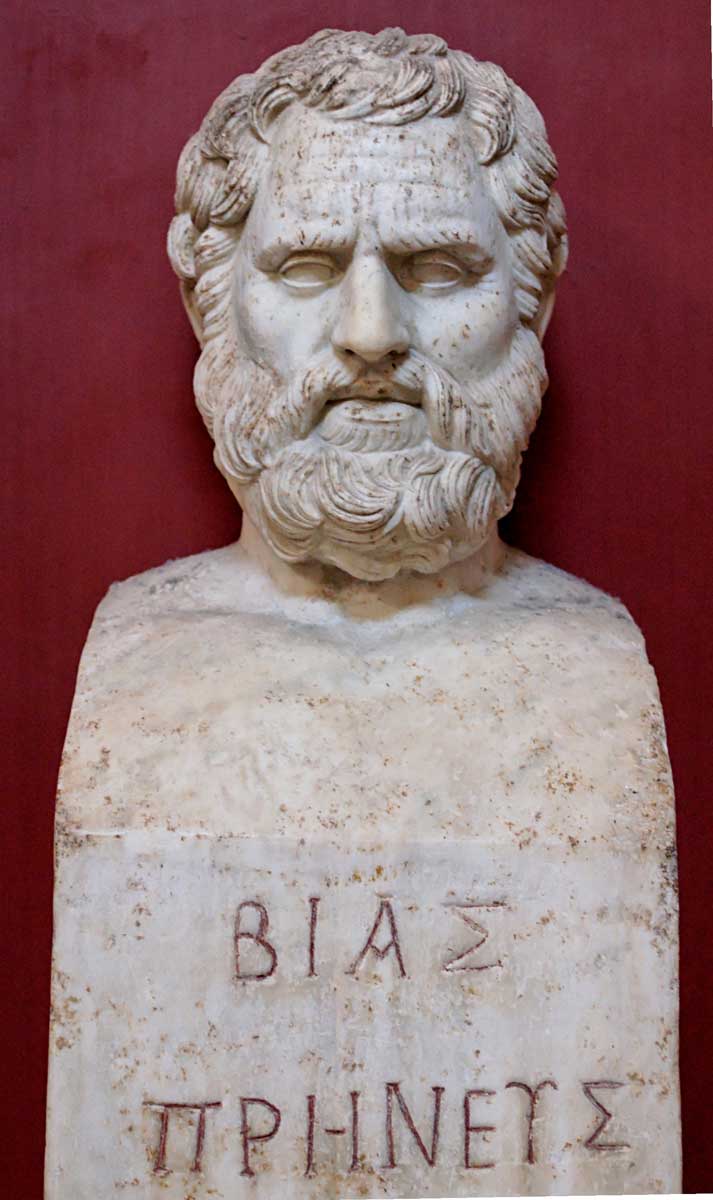
Bias also proved himself a capable military and tactical advisor. When Alyattes lay siege to Priene, Bias had two mules fattened up with the little remaining food the city had and sent them out of the city gates. Alyattes fell for Bias’s gambit and believed that the fat mules implied that the city of Priene still had enough food to feed their livestock well. Alyattes sent an envoy to negotiate a truce, and Bias organized a large pile of sand to be covered with grain. When the envoy saw this, he reported back to Alyattes, who quickly made peace with Priene. Thanks to Bias’s clever thinking, a siege that would have starved and killed hundreds of people was avoided.
Bias of Priene endorsed the power of words over strength and force. He was a skeptic who coined the maxim “Most men are bad” and lived a peaceful life speaking on behalf of those who needed help. The citizens of Priene established a sanctuary for him called the Teutameon. The poet Hipponax only has praise for him, writing that “in Priene there was Bias son of Teutamos, who had more sense than the rest.”
4. Solon of Athens (c. 638-558 BCE)
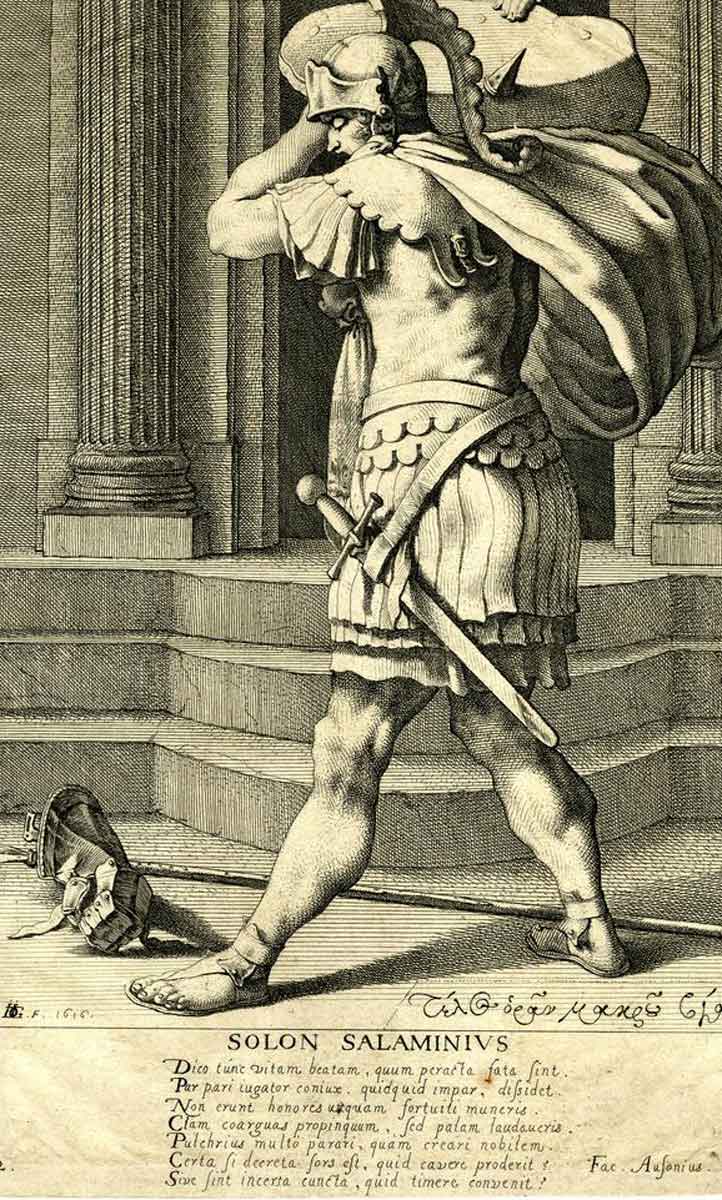
Originally Solon of Salamis, Solon of Athens was arguably one of the most influential figures in the history of Athens. Solon was a historic poet, politician, and lawmaker who helped introduce a new law in Athens called the “great unburdening”, which forgave all citizens’ debts. Born and raised on the island of Salamis, Solon initially made his way to Athens as a successful trader, and his abilities as a public speaker and poet began to gain him recognition.
In 595 BCE, Athens and Megara were in dispute over the possession of Solon’s home island, Salamis. Initially, the Athenians faced constant defeat and began to consider relinquishing ownership. When Solon learned of his new city’s decision, he ran into the marketplaces, feigning madness, and had a herald read out his poetry, bolstering the Athenians’ confidence. With Solon’s help, the Athenians recommitted to the war and defeated Megara.
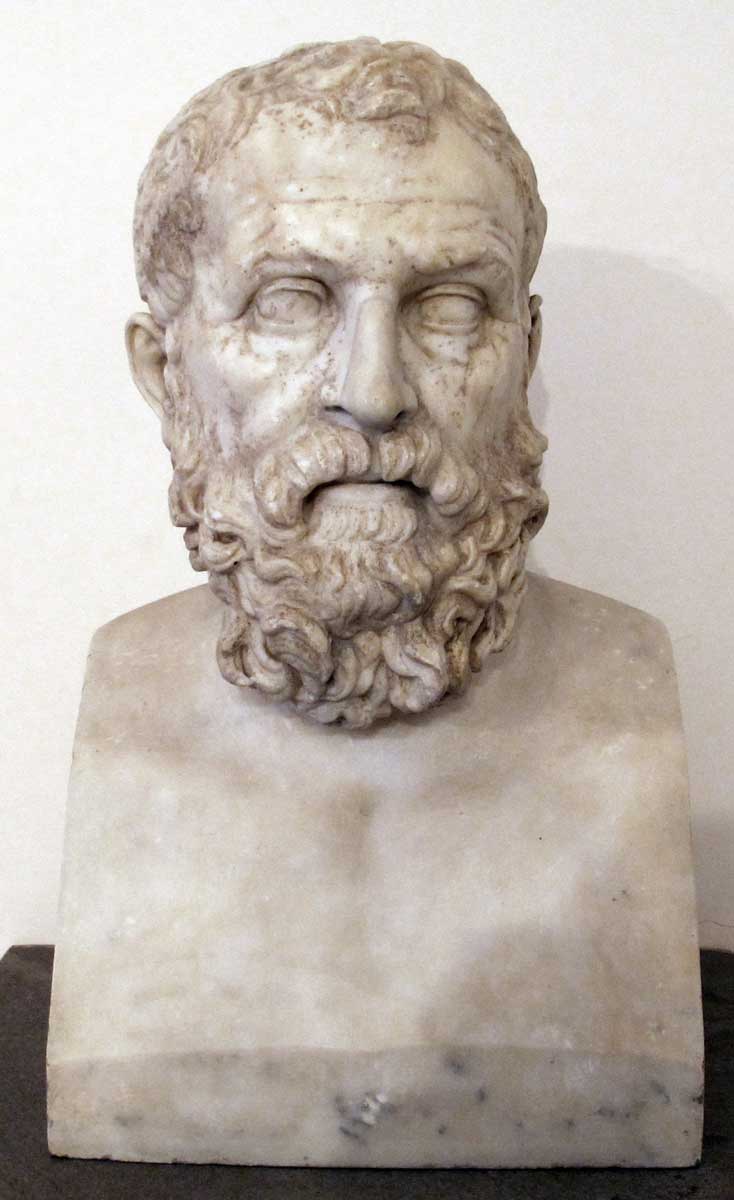
In the late 7th and early 6th centuries, many Greek city-states observed the emergence of a new type of leader: the tyrant. These tyrants were almost exclusively wealthy noblemen who established dictatorships within their cities. Both the cities of Megara and Sicyon had recently succumbed to the rule of tyrants. A nobleman called Cylon had unsuccessfully tried to take control of Athens as a tyrant.
According to Plutarch, the Athenian citizens gave Solon temporary autocratic powers as chief Archon, trusting him to put laws and economic policies in place that would address the issues that could allow the emergence of a tyranny.
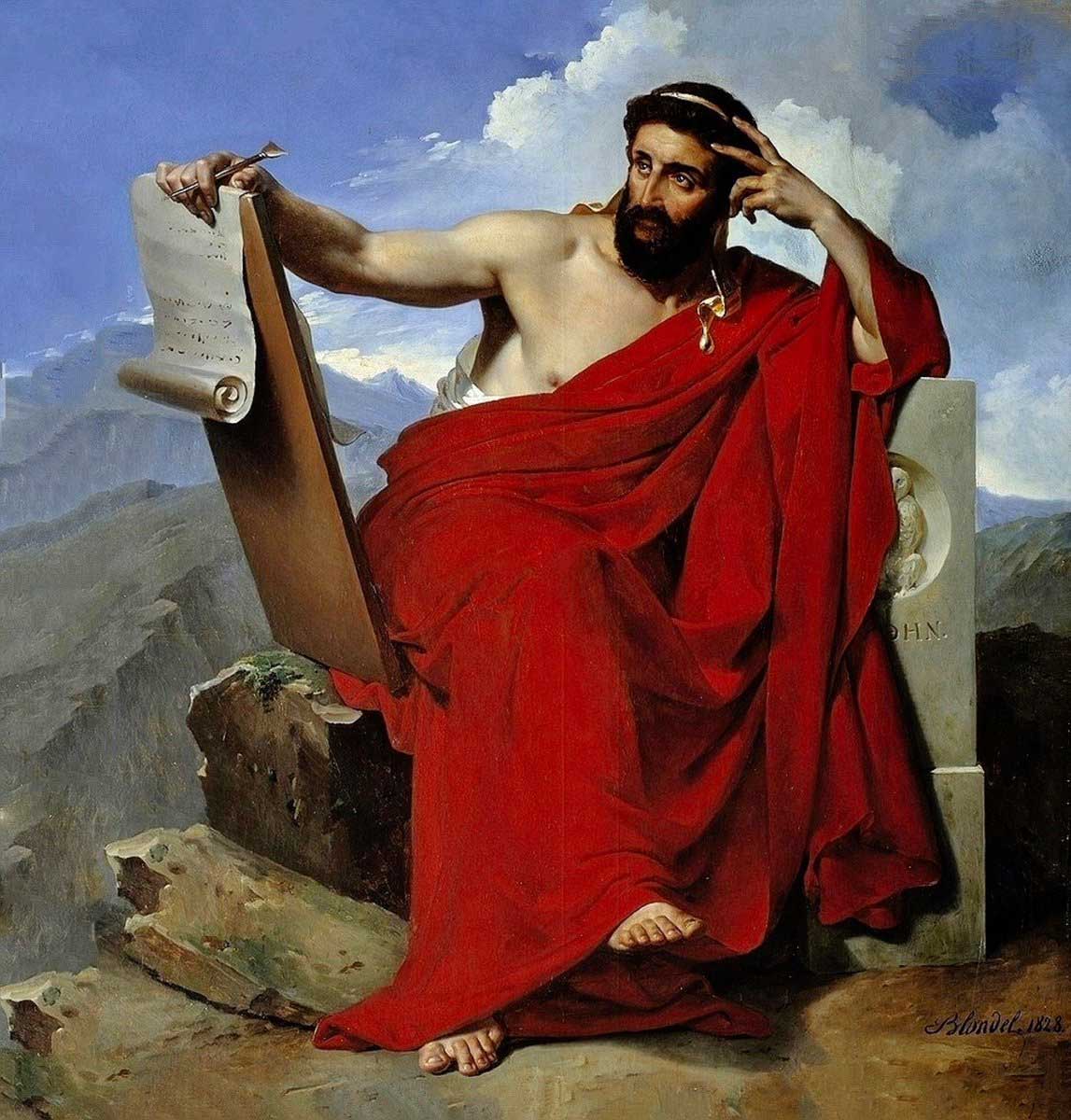
Solon introduced a set of ordinances called the seisachtheia. These new laws helped reduce widespread serfdom and slavery through debt relief. He then abolished and revised the brutal Draconian Laws that had been established a few decades earlier. They were considered particularly harsh, demanding the death penalty for even minor offences. He introduced trial by jury to place justice in the hands of the people.
Solon also introduced a new political system called a Timocracy. This reform reduced the power of the nobility by making wealth rather than birth the qualification for holding political office. Solon also divided the citizens of Attica into four groups based on their land production: the pentakoosiomedimnoi, hippeis, zeugitae, and thetes. Each division had different rights based on how much they contributed, for example, a pentakoosiomedimnoi could become Archon, but a thetes could only ever attend the assembly. Each year, each group elected 100 men to the Boule or council of 400 to act as an advisory committee to the Athenian assembly.
Although Solon’s new system still relegated the poor to a less powerful position, the Timocracy gave all citizens the power to elect their officials, laying the foundations of what would later become Greek democracy.
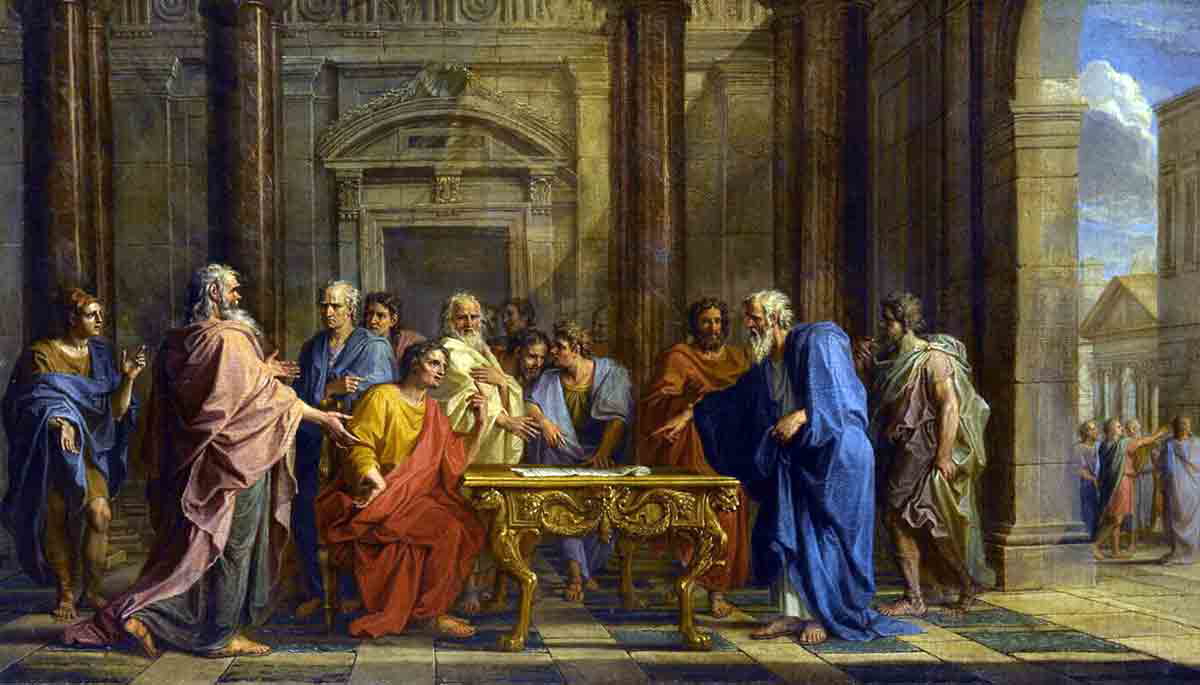
After Solon established his new laws, he left the country for ten years. Some argue he did so to ensure that his new laws could not be challenged, as that would only be possible if he were there to defend them.
Whatever his reasons, Solon began to travel the Mediterranean, going to Egypt, Cyprus, and Lydia. But back in Athens, many old tensions resurfaced, and elected officials refused to give up their powers. The political tension led to a relative of Solon called Pisistratus seizing control and establishing himself as a tyrant of Athens. When Solon returned after his ten-year journey, he became Pisistratus’ loudest critic. Failing to make an impact, Solon left for Cyprus, where he spent the remainder of his life. He died at the age of 80 and as requested, had his ashes spread over the island of Salamis. On his statue is the epitaph: “Salamis, isle that halted the arrogant Persian assault, Bred this man Solon, holy founder of laws.”
5. Chilon of Sparta (c. 6th century BCE)
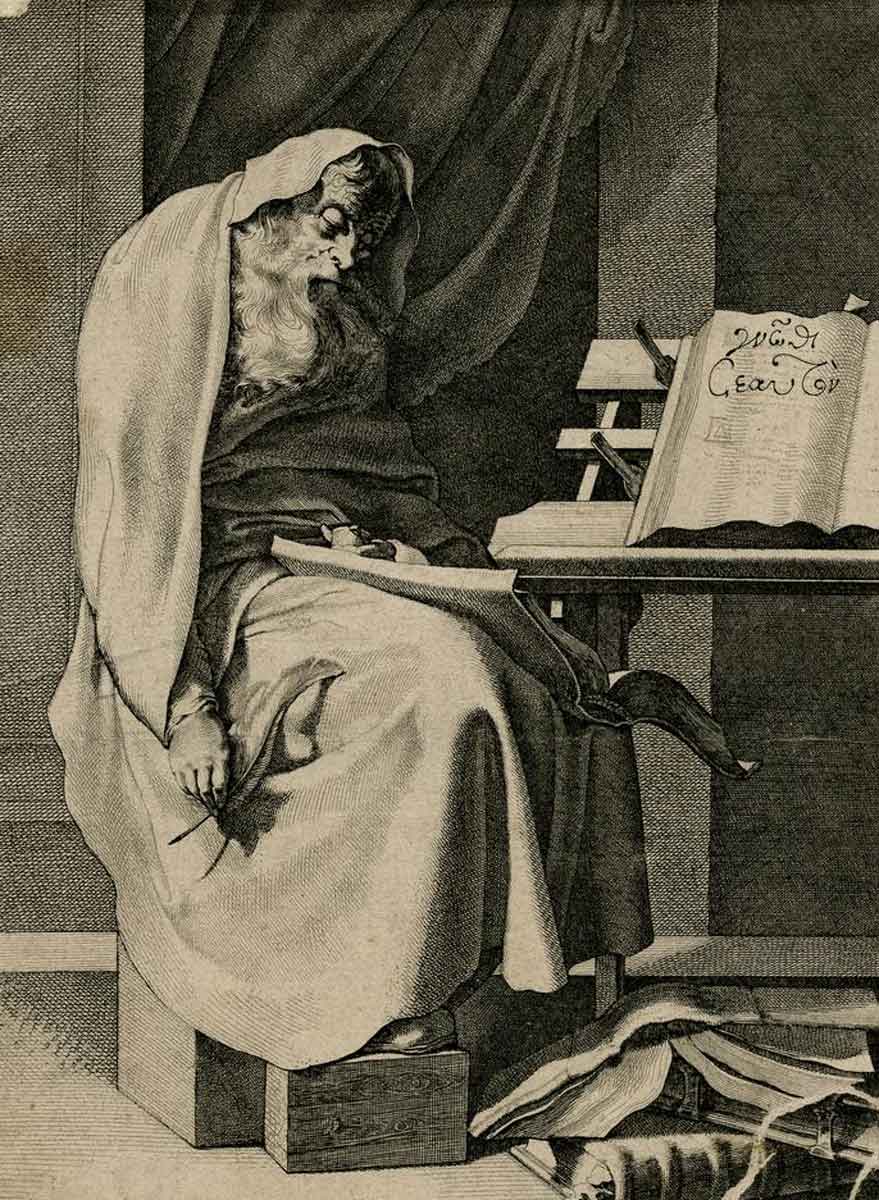
Son of Damagetus, Chilon of Sparta was an influential politician and poet. In 556/5 BCE, Chilion was elected an ephor (a senior Spartan magistrate) and, according to Pamphile, he was the first ephor. Chilon is credited with changing the Spartans’ foreign policy and militarizing Spartan society, a move that would later allow for the establishment of the Peloponnesian League. He helped overthrow the tyrants in Sicyon and ensured that they would become an ally of Sparta. According to Diogenes, Chilon introduced the custom of joining the ephors to the kings as their counselors.
Legend says he died of happiness when he saw his son win the gold in boxing at the Olympics. Everyone at the festival honored him by joining in his funeral procession. He wrote over 200 lines of poetry, and the people of Sparta remembered him by the inscription they left on his statue: “this man the spear-crowned town of Sparta sired, Chilon, He who was first of the seven sages in wisdom.”
6. Cleobulus of Lindos (c. 6th century BCE)
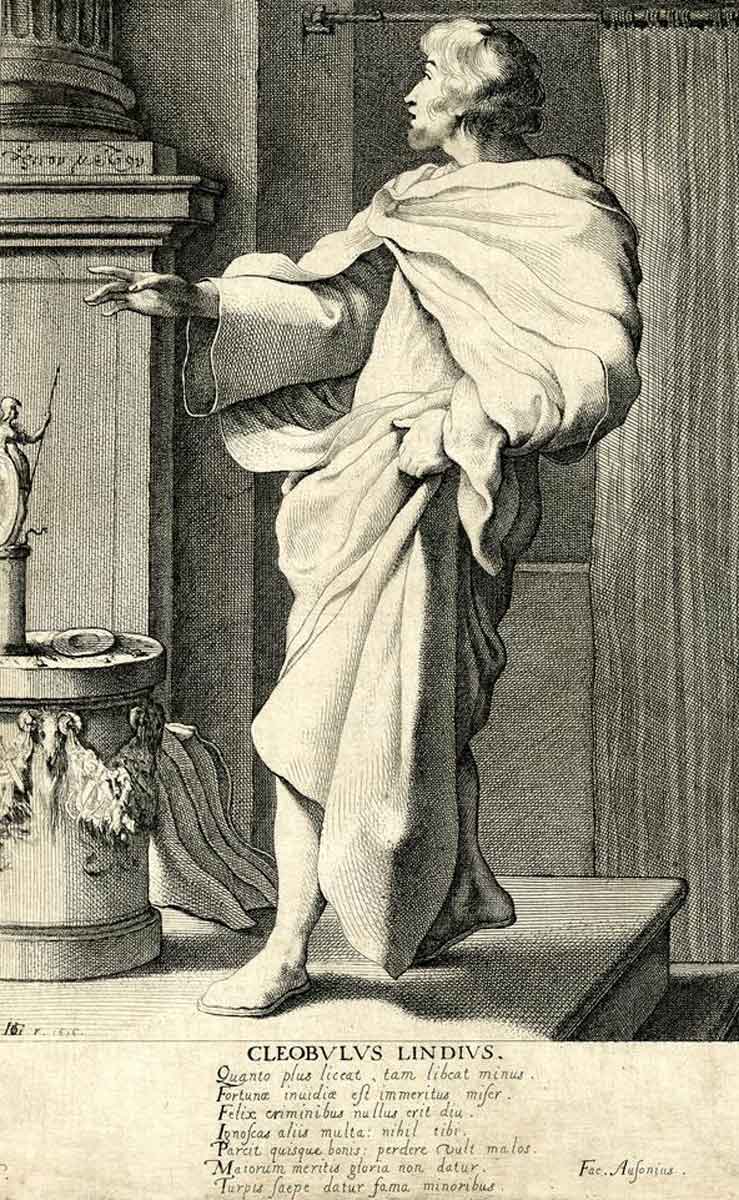
Son of Evagoras, Cleobulus of Lindos was a renowned poet and philosopher who claimed to be a descendant of Hercules. Plutarch remembers him as a tyrant, and it is reported that he reigned as the tyrant of Lindos for nearly 40 years.
Cleobulus traveled to Egypt, where he learned philosophy and he applied his critical thinking to his poetry. He was remembered fondly for the complex word puzzles he created. Cleobulus was considered somewhat controversial in his time as he encouraged and supported his daughter Cleobulina’s poetic career. Like her father, Cleobulina composed complex poetic riddles and puzzles. He advocated for the education of women and implied that only educated women should be eligible for marriage. Cleobulus wrote thousands of lines of poetry and is credited with restoring the temple of Athena, which was initially built by Danaus.
7. Periander of Corinth (627-585 BCE)
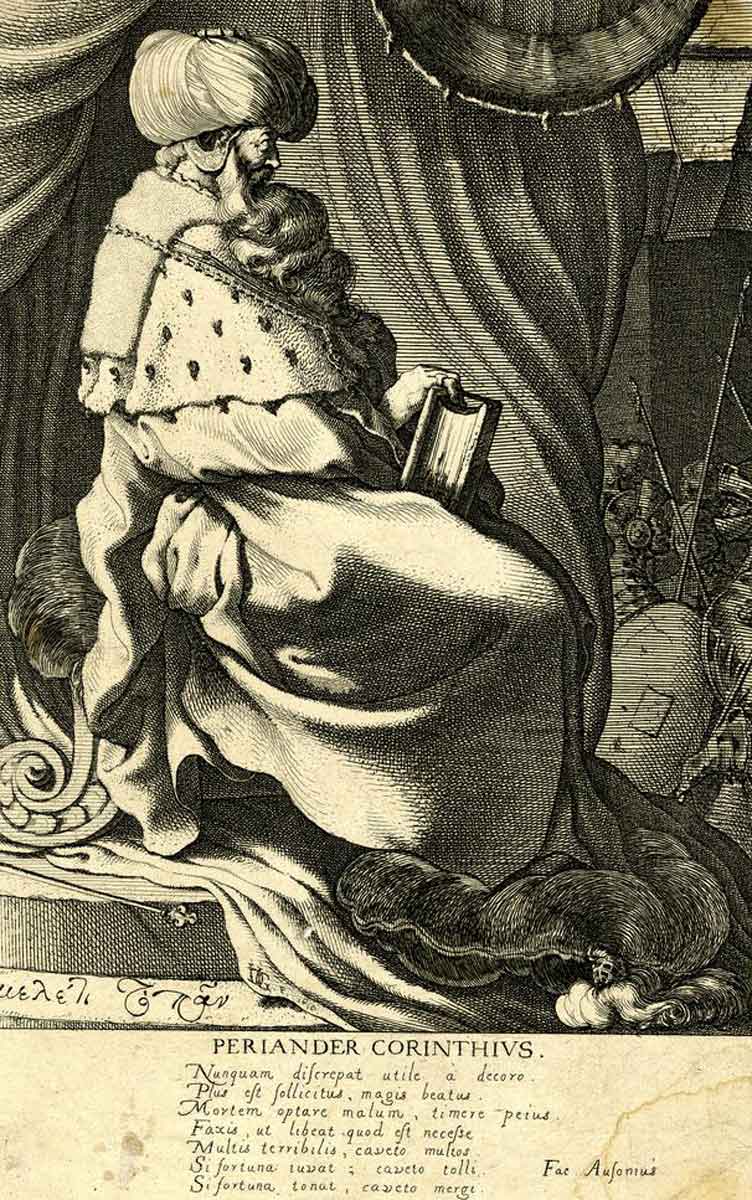
Periander of Corinth was the son of Cypselus, the first tyrant of Corinth. As such, Periander inherited his father’s role as Corinth’s undisputed leader. He led the city to become one of the major centers of trade in ancient Greece.
His life was littered with controversy. It was rumored that his mother Crateia began a sexual relationship with him while he was still an adolescent. Although he appeared to enjoy this, once word got out, he became aggressive toward almost everyone.
He married a noble named Lysida or Melissa, and they had two sons: the weak-minded Cypselus, and the intelligent Lycophron. Unfortunately, while pregnant with their third child, Periander kicked Lyside down some stairs, killing her. One of his concubines fed him lies about her and paid for it when he had her burned alive. Periander regretted his actions, but this did not stop his son Lycophron from leaving Corinth for Corcyra, as he no longer wished to look upon his mother’s murderer.
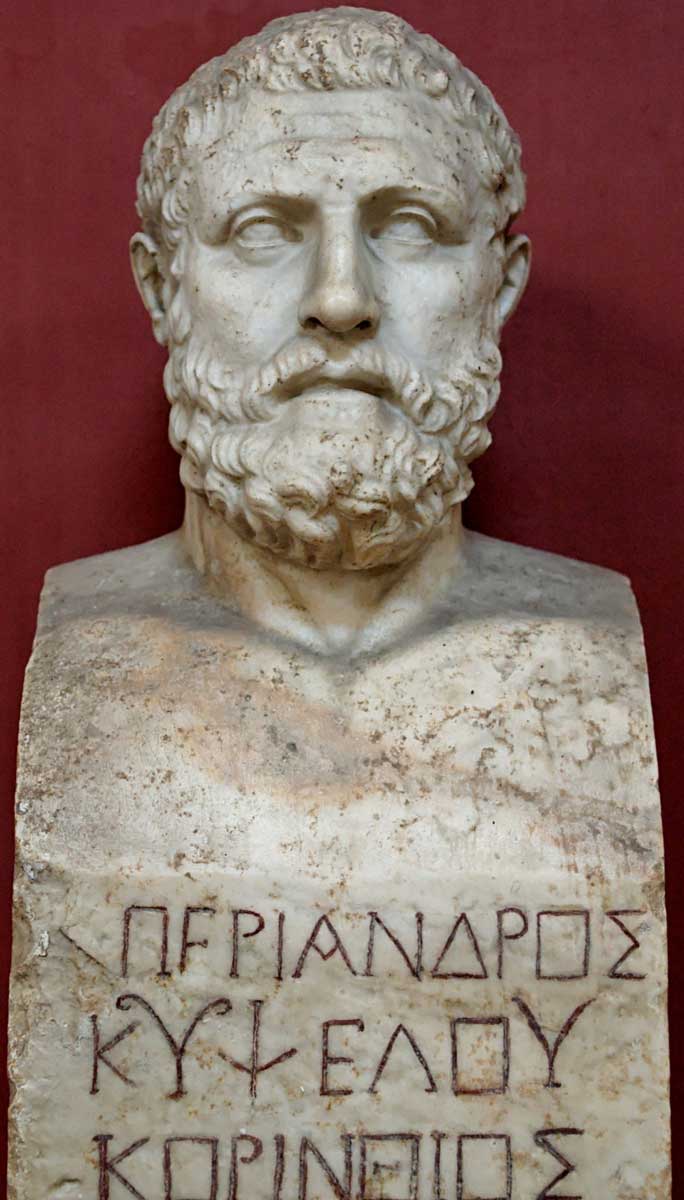
Under his leadership, Periander expanded Corinth’s borders by conquering Epidaurus, annexing Corcyra, and extending the city’s influence by establishing new colonies at Potidaea in Chalcidice and Apollonia in Illyria. He is credited with inventing a new transport system over the isthmus of Corinth called the Diolkos. This new system created a paved track that carried ships over land on wheeled carts from the eastern port of Cenchreae to the western port of Lechaeon.
Periander used the revenue from Corinth’s expanding trade to further improve the city through building new public works and funding the arts. Under his leadership, the city gained new temples, an improved drainage system, and better public access to clean water. He organized for poets and writers, such as Arion and Aesop, to come and perform at city festivals. Periander also ensured that artists would have the support and freedom to experiment and expand their skills. Under his leadership, the Corinthian style of pottery was created. According to Diogenes, Periander also composed a 3000-line poem called Precepts.
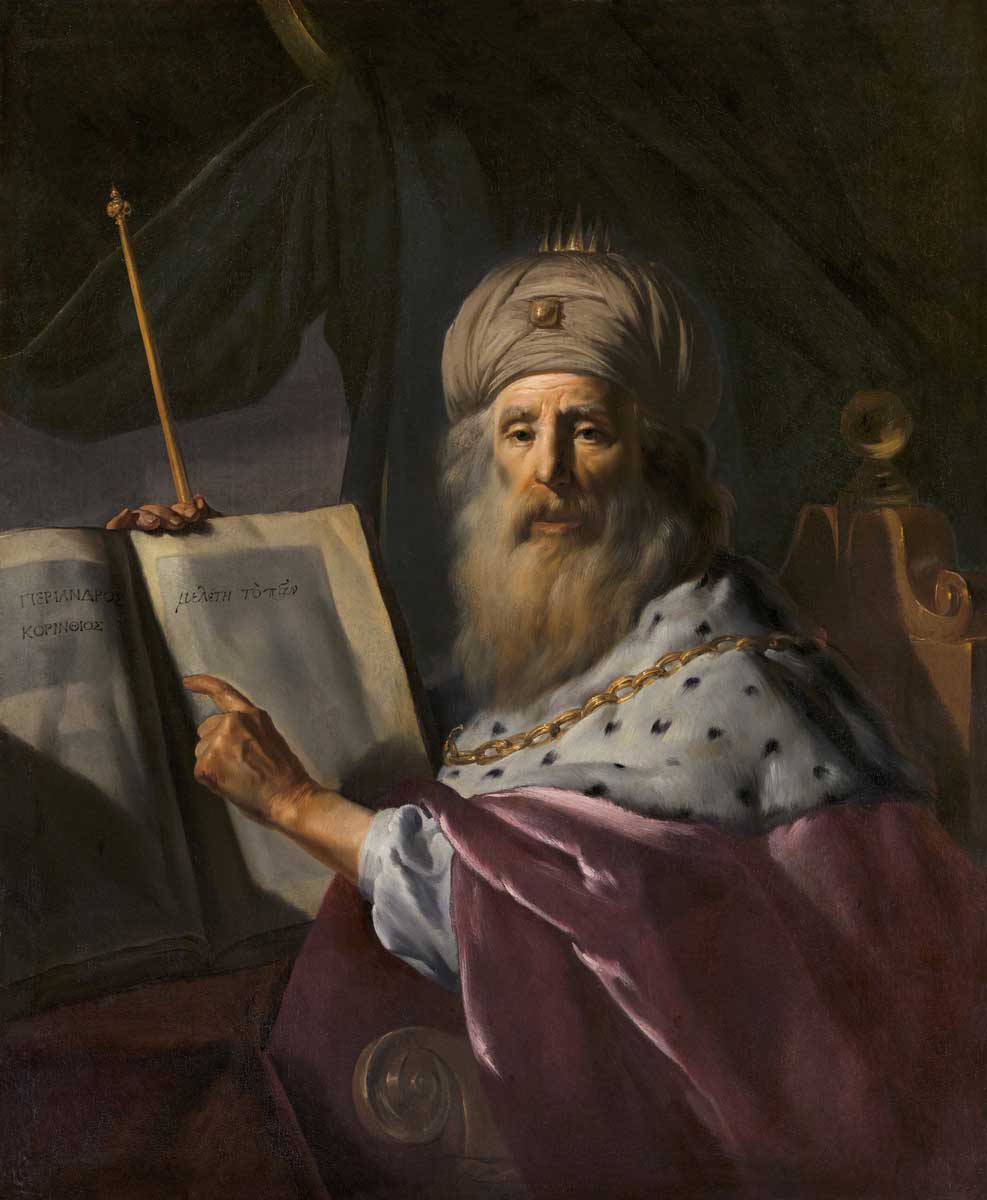
Nearing the end of his life, Periander sent word to his son Lycophron in Corcyra to take his place as a tyrant of Corinth. Lycophron would only agree if Periander agreed to leave Corinth and take his place in Corcyra. When the people of Corcyra heard of this compromise, they decided to kill Lycophron rather than have father and son switch places. Periander retaliated and had 50 Corcyreans executed and ordered 300 of their children to be taken to Lydia to become eunuchs. However, the children were given sanctuary on the island of Samos.
But the death of his son was too much, and Periander died not long afterwards and was succeeded by his nephew Psammetichus. His epitaph reads: “Chief in wealth and wisdom, here lies Periander, held in his homeland’s bosom, Corinth by the sea.”