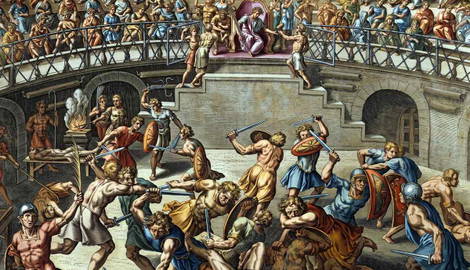

Few spectacles in recorded history have grabbed people’s attention quite like the Roman gladiatorial games, a cultural force significant enough to leave its mark on Roman law, art, and politics. Yet, for all the research done on what went down inside the arena, not nearly enough attention has been given to the system that produced its fighters. This was the calculated step-by-step process through which Rome selected the men destined to risk their lives on its arena floors.
How Rome Chose Its Gladiators
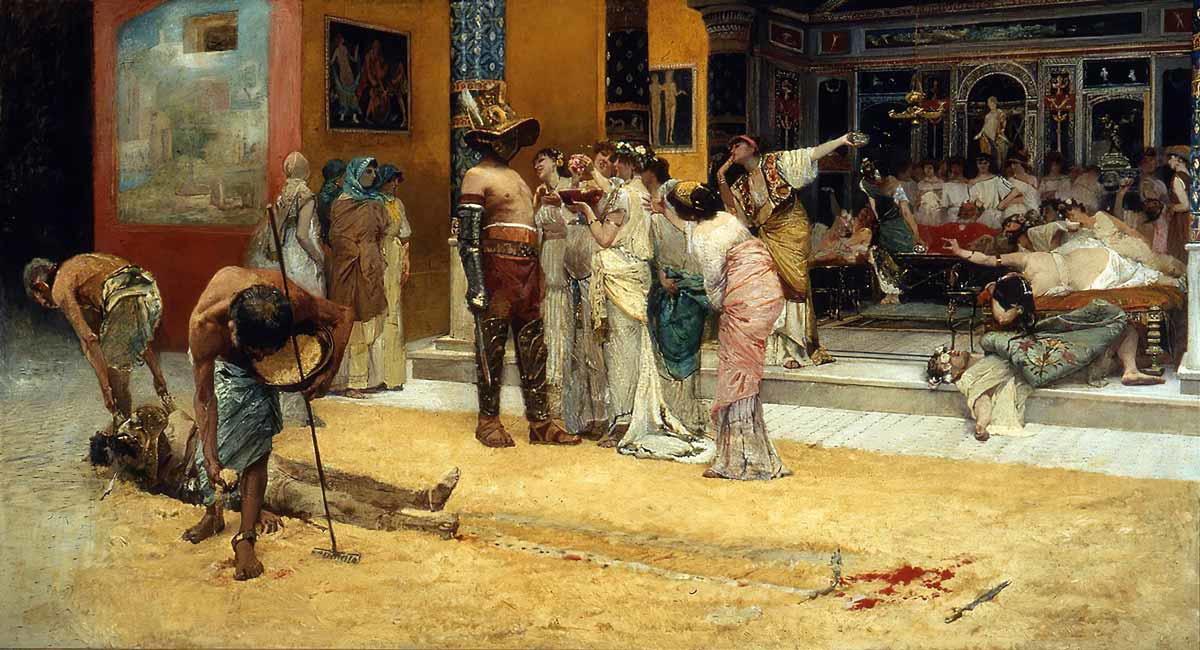
Gladiators were typically selected from pools of criminals, slaves, and prisoners of war. They were chosen for this role as they never had the rights of a citizen and had no choice but to comply as recruits. The lanista (gladiator school owner) ran the ludus (gladiator school), and usually bought men in open slave markets. The buying and selling of gladiators happened all over the Roman Empire and was kept under close watch by the government. Rome’s back-to-back battlefield wins kept gladiator inflows going as captured enemy soldiers were split up and some sent to fight in arenas.
Many lanistae ran their gladiator crews with an iron fist and held the legal power of life and death over every single person under their roof. Socially, they were the lowest of the low, thrown in the same bracket as pimps and actors.
When Free Men Chose the Arena
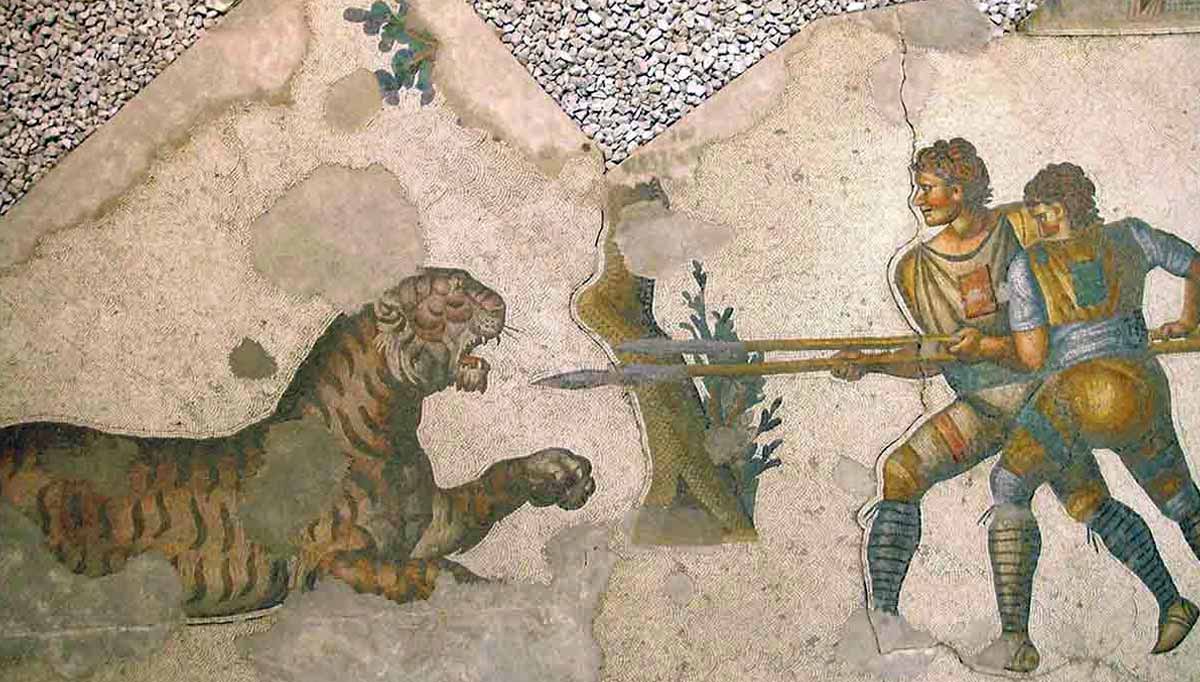
While most early fighters were enslaved people and convicted criminals, grave inscriptions indicate that by the 1st century AD, the recruiting process had started to change, with scores of free men beginning to voluntarily sign contracts with gladiator schools hoping to win fame and cash.
These volunteers included men facing severe economic hardships and ex-soldiers. They signed themselves over to a lanista under the auctoramentum gladiatorium, a voluntary contract often spanning three years. Before being accepted, a volunteer would need a magistrate’s permission, after which he would undergo a physical exam to determine if he could handle the brutal training and fighting. The exam also decided what kind of training he would receive, since schools taught very specific styles that suited the height, build, and speed of each student. Once assigned a class, like the retiarius, which involved fighting using fishing tools like a weighted net, trident, and dagger, a fighter typically could not switch styles.
What Happened After a Man Was Recruited?
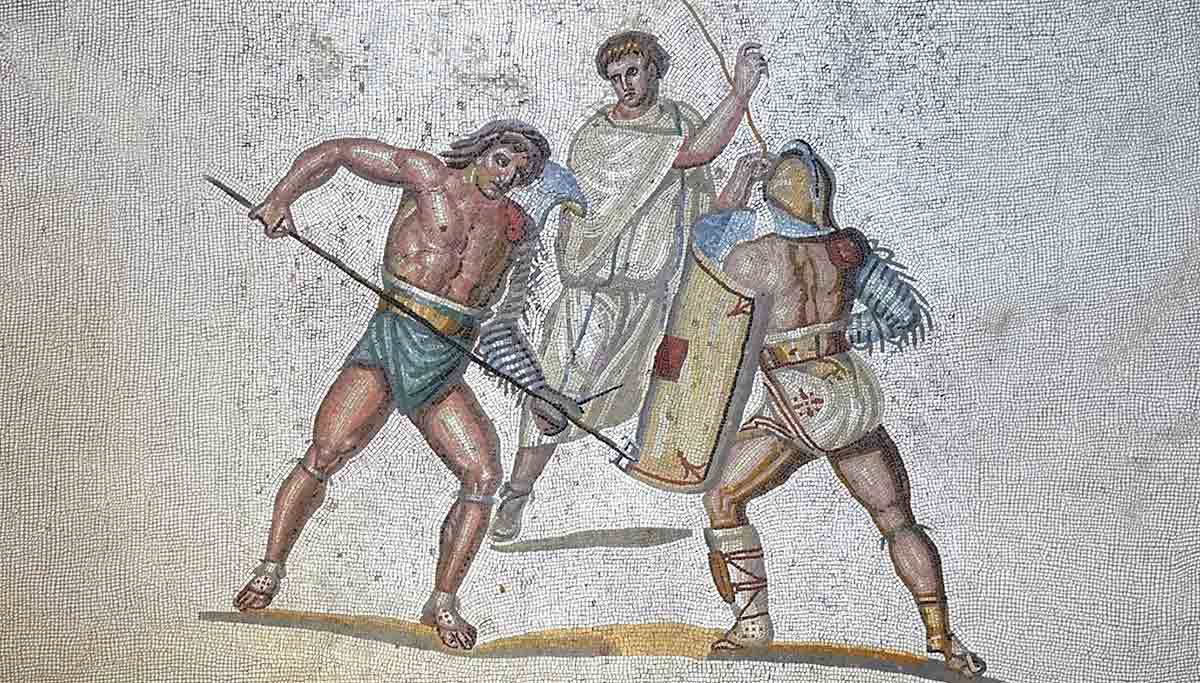
The first gladiator schools, known as ludi, were established around the 2nd century BC. Upon arrival, gladiators were immediately assigned a specialized doctor and placed under a lanista’s watch. Fresh recruits entered as novicii and advanced to tirones gladiatores. When Augustus took power in 27 BC, the Roman government tightened its grip on public games, and a growing numbers of gladiators were trained in state-run schools.
Experts estimate there were more than 100 gladiator schools across the Empire, with gladiators grouped into troupes called familia gladiatoria.
Rome’s Most Famous Gladiator Schools
The Ludus Magnus was the largest school in Rome. It was built by Emperor Domitian between AD 81 and 96, directly east of the Colosseum. Three other well-known schools ran alongside it — the Ludus Dacicus, the Ludus Gallicus, and the Ludus Matutinus. As a gladiator progressed, he climbed through training ranks called Palus, with Primus Palus being the highest, at which point he could teach and pass on his skills. Training was intense and open for the public to see. The Ludus Magnus, for example, seated around 3,000 spectators. Lanistae kept their men in good shape and well-fed, as they were serious financial investments.
Beyond fame and fortune, gladiators became part of a tight-knit group known for bravery and loyalty. While most had short lives, some won enough glory to earn freedom or a role as trainer, with the ultimate prize being the rudis, a wooden sword symbolizing hard-won freedom.
The Human Cost of Rome’s Gladiator System
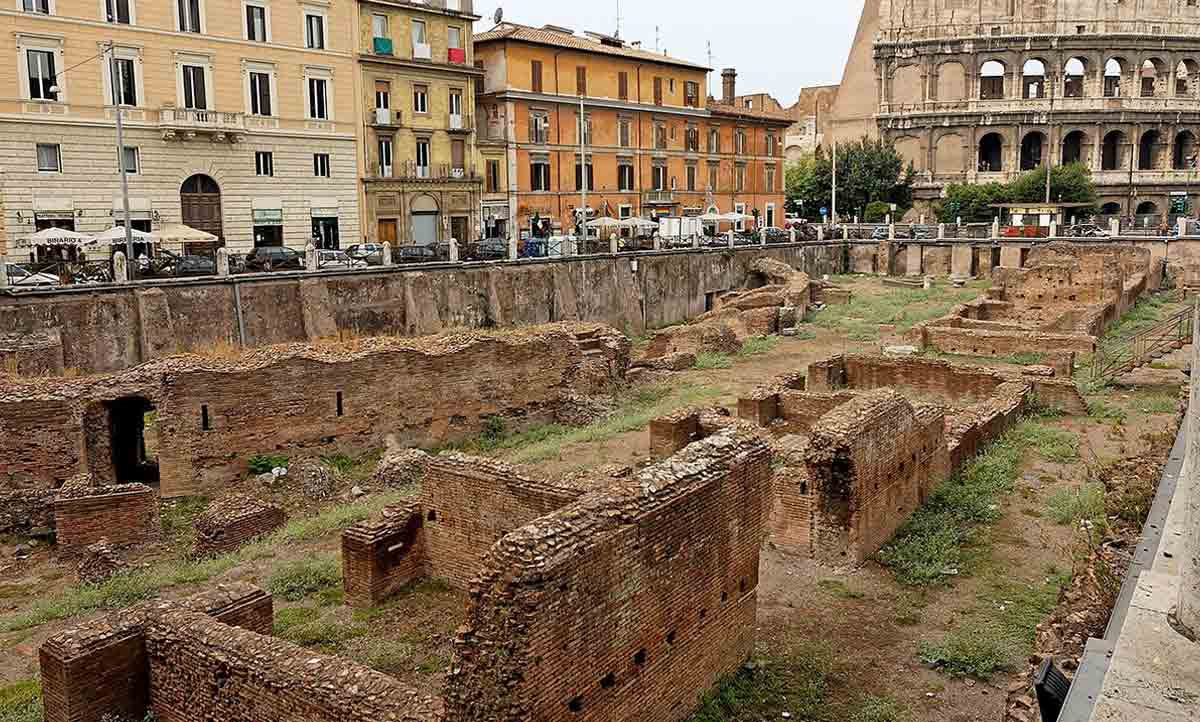
What Rome had built was a system of carefully engineered human sourcing that was one part slave market, one part military draft, one part voluntary contract. Recruitment into the ludus also worked through a coming-together of desperation and cold financial math.
This was done by pulling together different kinds of outcasts into one unified machine of control. At a time when three out of every five people never even made it to their 20th birthday, the odds of a professional gladiator actually getting killed in any single fight, at least during the 1st century AD, were perhaps one in ten. Regardless of where they came from, gladiators gave the crowd a front-row seat to everything Rome valued, such as mental and physical prowess and bravery.