
Cyrus the Great created one of history’s largest empires. Stretching from the Balkans in the west to the borders of India, the Achaemenid Persian Empire encompassed most of eastern Europe and western Asia. There are different theories about the events that led to Cyrus’ death. The most famous comes from the Greek historian Herodotus. Herodotus’ account is an intriguing tale about conflict, deceit, revenge, and vengeance; a personal clash in a larger war between nations. Read on to explore the mystery surrounding Cyrus the Great’s defeat and demise.
Who Was Cyrus the Great?
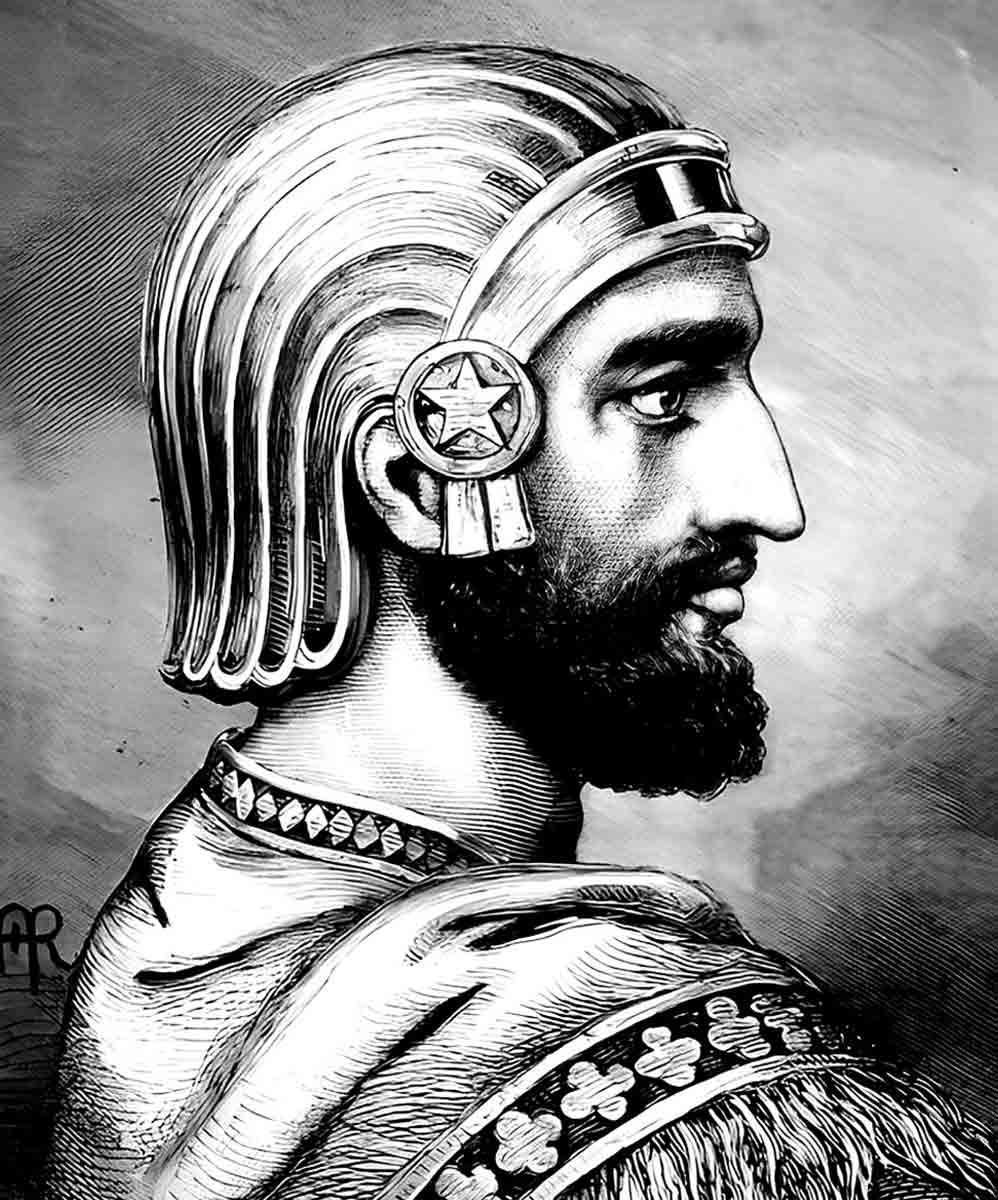
Trying to piece together the life of Cyrus the Great is difficult due to a lack of reliable sources. Born in 600 BC, Cyrus the Great later founded the Achaemenid Empire, often referred to as the first Persian Empire.
He took the throne of a local region in 559, where his small kingdom remained under the control of the Median Empire, ruled by his grandfather, Astyages. Cyrus led a rebellion against the Medes and won, sparing Astyages’ life and uniting all Persians under his personal rule.
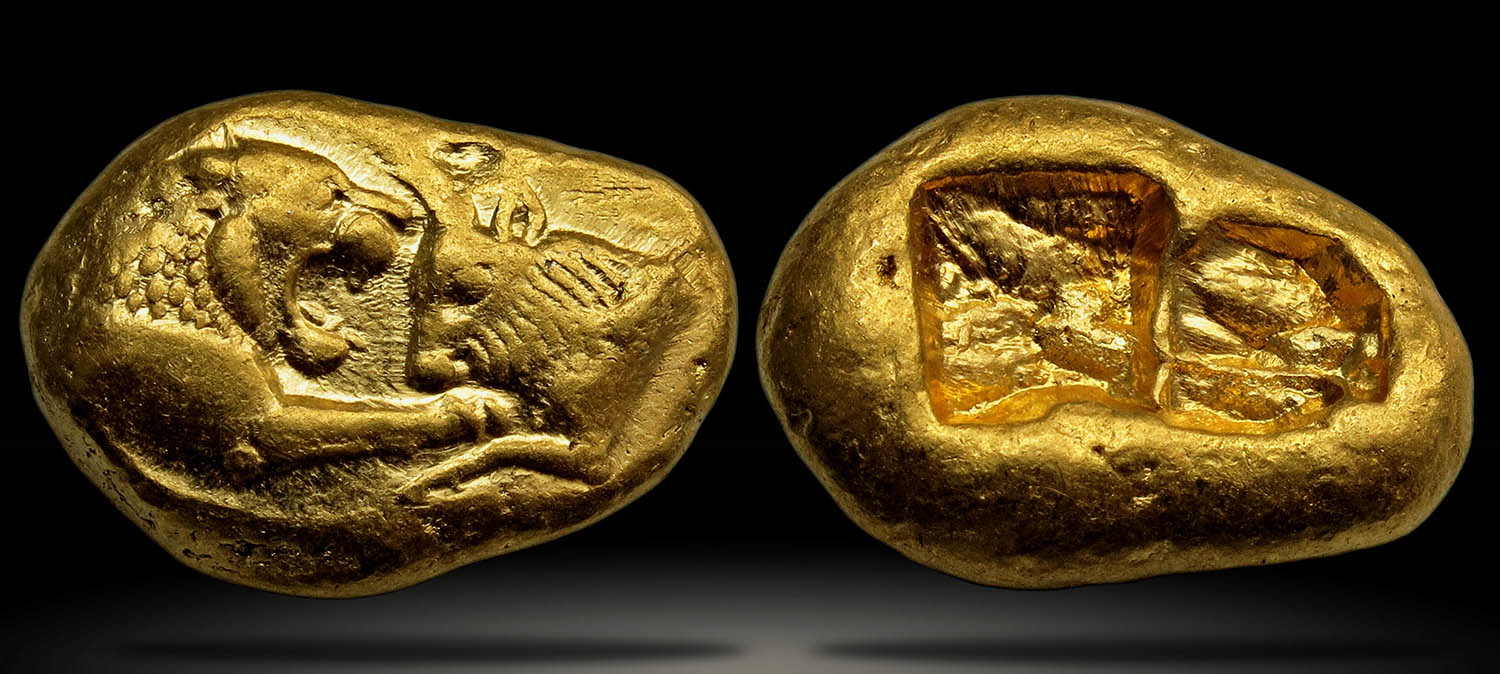
The Achaemenid Empire first came into conflict with the Lydians when their king, Croesus, attacked a city under Persian rule. After a fierce battle, Cyrus captured the Lydian capital. Instead of killing his rival, Croesus became an appointed advisor to Cyrus. In 539, Cyrus defeated the Babylonian Empire, taking control of most of the Middle East. By the time of the war with the Massagetae, the empire of Cyrus was the largest the ancient world had ever seen.
Among his accomplishments, Cyrus the Great practiced a form of religious tolerance in the empire. He allowed displaced peoples to return to their homes, retain their religious practices, and rebuild their temples. The best-known recorded example is from the Bible, when Cyrus allowed the imprisoned Israelites in Babylonian captivity to return to Judea to build their Second Temple.
Cyrus was also an able political administrator. He created administrative regions, called satrapies. Efficient road building and postal services connected satrapies to the central government. This was the relatively stable system ruled by Cyrus until his death around 530 BC.
The Massagetae Challenge: Cyrus’s Final Frontier
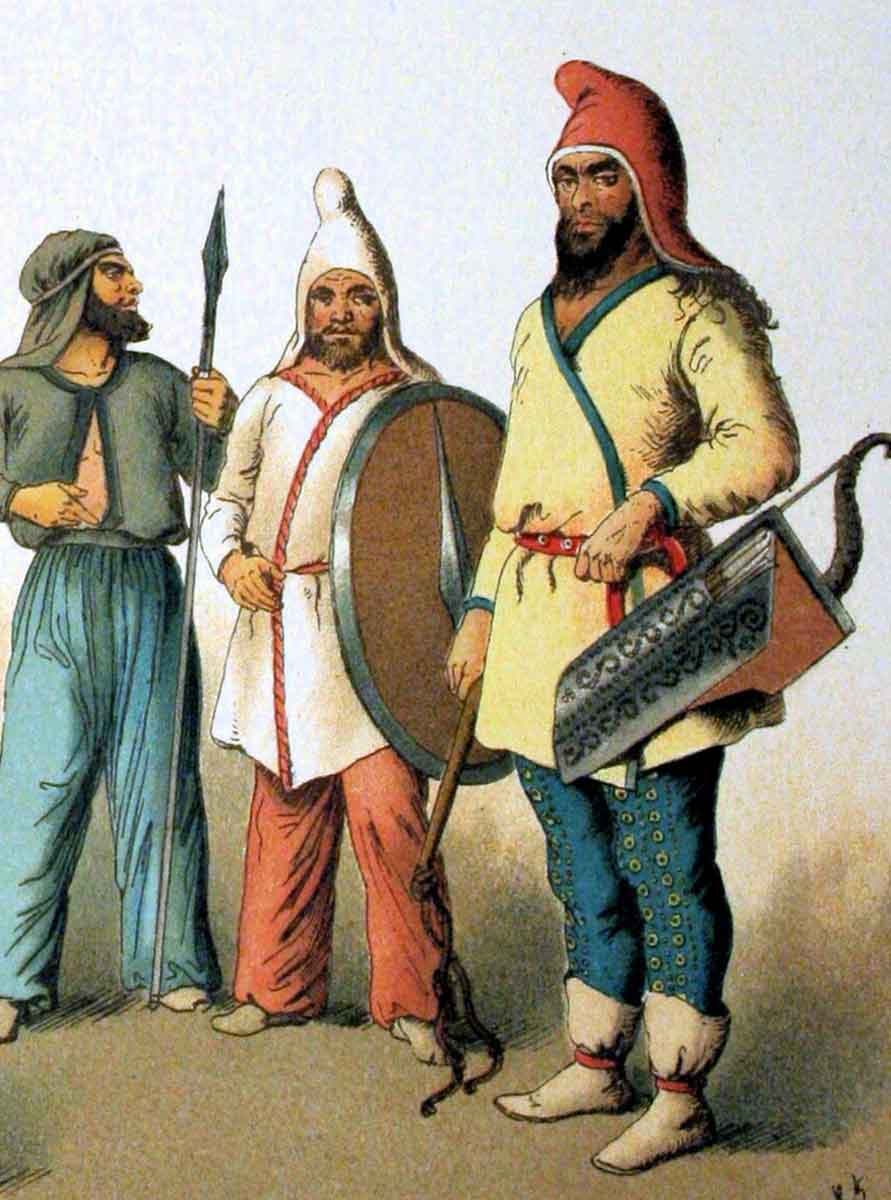
The Scythians were a nomadic people who briefly created an empire. They emerged in the 8th century BC on the Eurasian Steppes. The Scythians comprised distinct ethnic groups that formed one single entity.
After conquering the Steppes, the Scythians expanded into the Middle East. They first defeated the Armenians and then the Assyrian Empire. The Scythian forces reached as far as Egypt. Next, the Scythians confronted the Persians, specifically with the Massagetae pitted against Cyrus the Great.
It appears the Massagetae lived near the Jaxartes River in Central Asia. They may have been ancestors to the later nomadic Huns. Some Massagetae lived on the plains while others lived in more mountainous regions. Like other Scythians, the Massagetae were mostly nomadic, traveling for food and trade, although there is evidence of some agriculture as well.
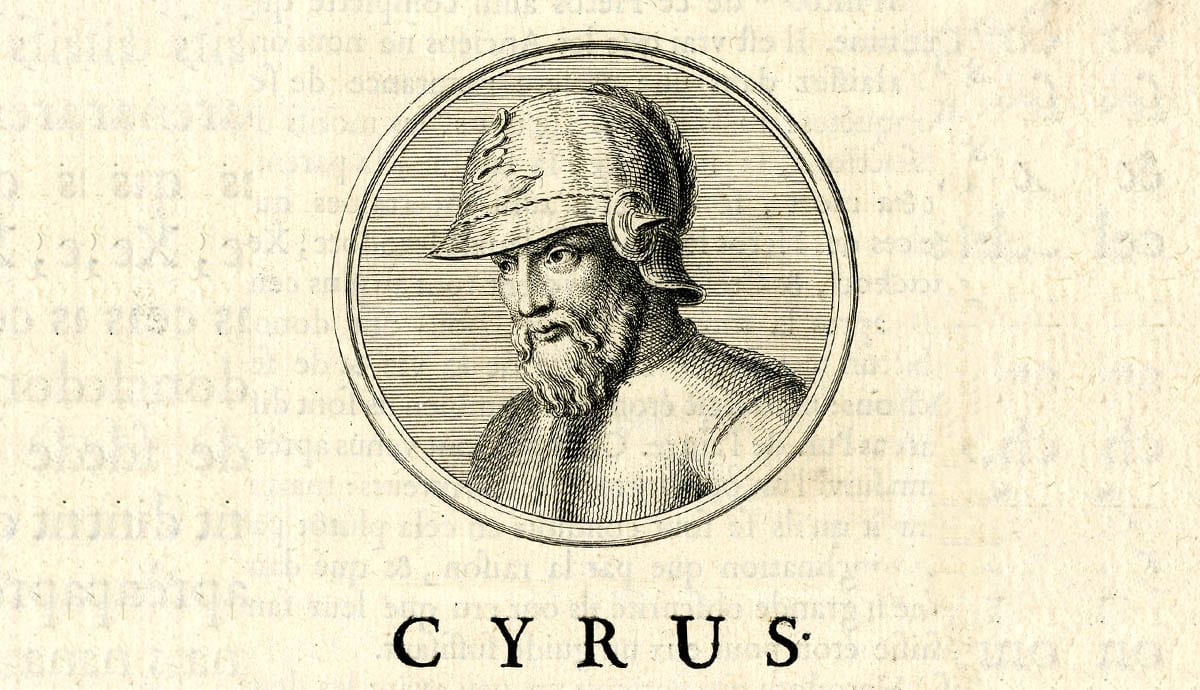
Ancient Greek historian Herodotus described the Massagetae as warriors, especially good horsemen and foot soldiers. They used bows, short swords, breastplates, and battle axes. They had an abundance of gold and copper. Herodotus also mentions the presence of cannibalism among the tribe.
One of the few described leaders of the Massagetae was the warrior-queen Tomyris, along with her son Spargapises, famous for their fight against Cyrus the Great. Little is known of other rulers.
The Scythian peoples’ decline came later in the 4th century with the arrival of the Sarmatians. Defeat in battle by the Sarmatians confined the Scythians to the Crimean Peninsula. Eventually, they assimilated into surrounding groups such as the Sarmatians, Alans, and early Slavs.
With few reliable sources and limited archaeology, the Scythians and Massagetae remain somewhat mysterious historically.
Queen Tomyris’s Vengeance: Herodotus’s Epic Account
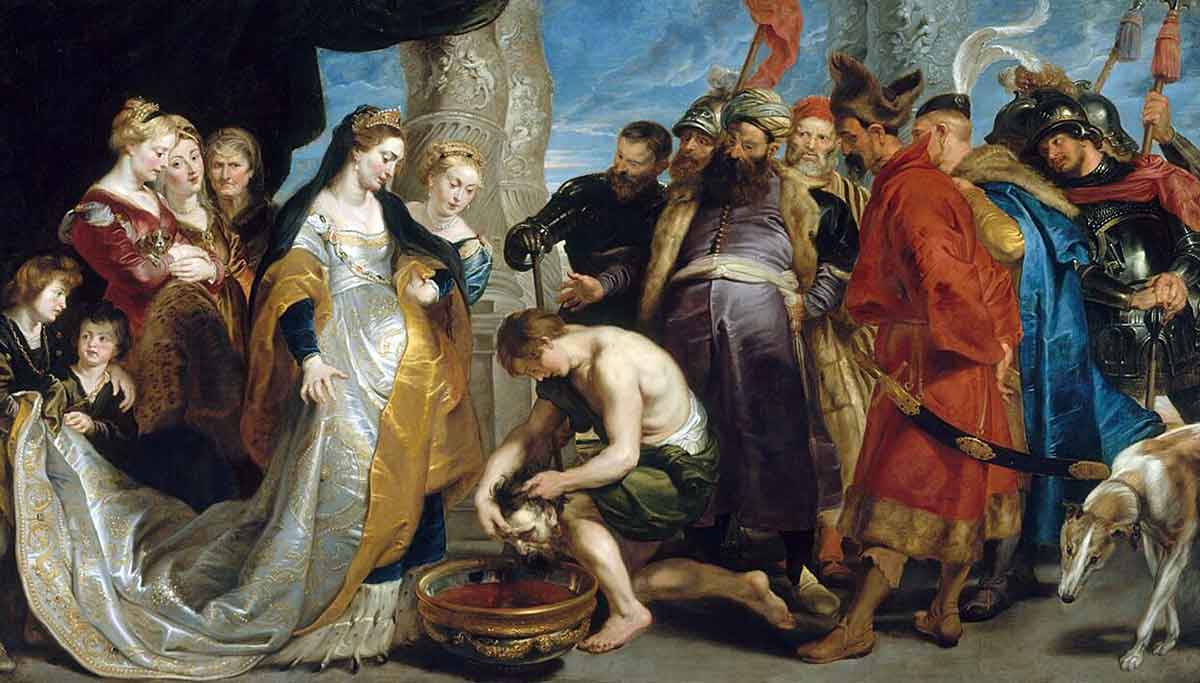
The most famous version of the demise of Cyrus the Great comes from Herodotus’ The Histories, and it is an epic story. The account begins with Cyrus’ attempts to marry the widowed Queen Tomyris to expand his empire. Tomyris, however, turned down all the king’s offers.
Rebuffed by Tomyris, Cyrus prepared to conquer the Massagetae by force. However, one of Cyrus’s advisers, Croesus, came up with a plan to trick the enemy. Croesus suggested that the Massagetae lacked the luxury goods that allowed them to eat and drink well. Thus, the Persians set up a large encampment full of food and wine.
The Massagetae army, led by Tomyris’s son Spargapises, captured the Persian camp and feasted. Not used to the abundance of wine, the soldiers got very drunk. The Persians then swooped in to defeat the weakened Massagetae and take Spargapises prisoner. In shame, Spargapises committed suicide.
Beside herself with rage, Tomyris decided to meet Cyrus in battle. The Massagetae blocked all escape routes and then attacked the Persians. Tomyris led her army to victory over the Persians and, during the battle, also killed Cyrus.
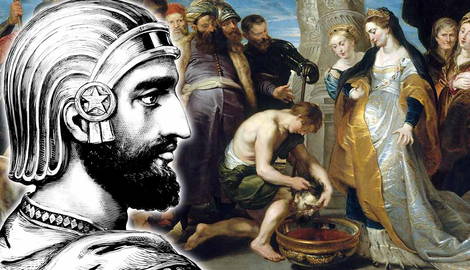
Massagetae soldiers found Cyrus the Great’s dead body and brought it before their queen. Tomyris took a vessel and filled it with blood. Then she took the severed head of Cyrus and dunked it in the blood. This, she claimed, was done as an insult to the king’s corpse and revenge for the death of her beloved son, Spargapises.
Little else is known of Tomyris. Herodotus’ account of her defeat of Cyrus made her a famous figure in ancient history. The Persians were apparently defeated by the Massagetae, but the Persian Empire continued to remain powerful under the son of Cyrus, Cambyses II.
Beyond Herodotus: Alternative Accounts of Cyrus’s Death
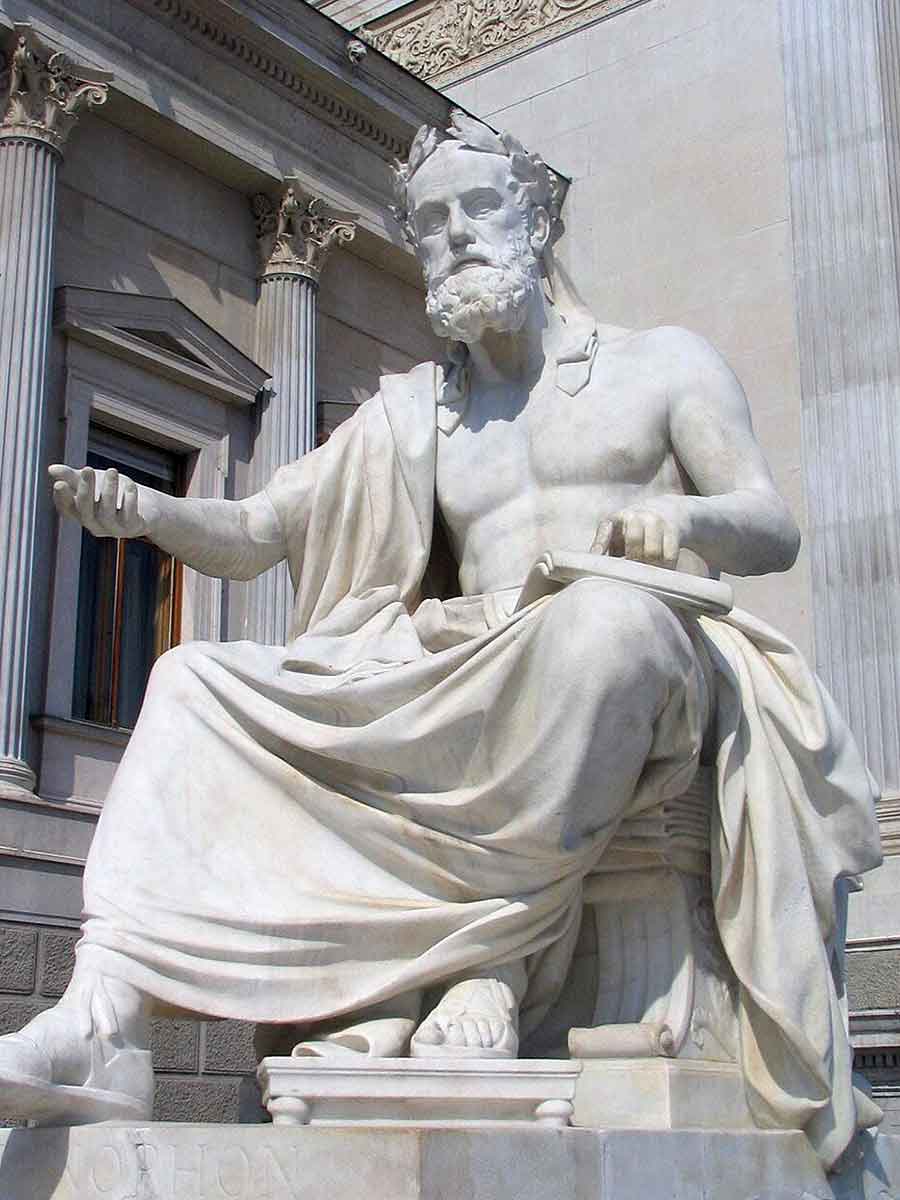
Another Greek historian and philosopher, Xenophon, wrote about the demise of Cyrus the Great in his work, the Cyropaedia (The Education of Cyrus). Xenophon’s version is regarded as a more philosophical take on the life of the Persian king.
Indeed, the Greek historian depicts Cyrus as a great ruler who created a vast empire and enacted various reforms. Chronicles portrayed him as a powerful warrior king who defeated his enemies.
Unlike Herodotus, Xenophon explained that Cyrus ascended the Persian throne peacefully. More importantly, he recorded that Cyrus died peacefully in his capital city, Pasargadae. There is a tomb believed to be dedicated to Cyrus the Great, found in modern-day Iran.
Another Greek writer, Ctesias, made an account of the death of Cyrus the Great closer to Herodotus’ version. Ctesias described a Persian war provoked by the revolt of the Derbices people. However, according to this writer, the Persians were victorious. Cyrus was apparently wounded by a Persian ally throwing a javelin. He died a few days later, and his body was taken back for burial in Pasargadae.
A Babylonian named Berossus also wrote about Cyrus. He believed that the Persian ruler died in Central Asia while fighting against the Dahae nomads. As in other accounts, Berossus reported that Cyrus’ body was buried in the Persian capital. What is interesting is that there are no known Persian accounts regarding the life and fate of Cyrus the Great.
The diverse accounts seemed to serve different audiences and traditions. Herodotus depicted a possible moral lesson in his story. Xenophon had a philosophical bent on ethical ideals of kingship. Ctesias and Berossus both gave insights into the brutality of securing the frontiers of a vast empire.
Why Ancient Greeks Were Fascinated by Cyrus the Great
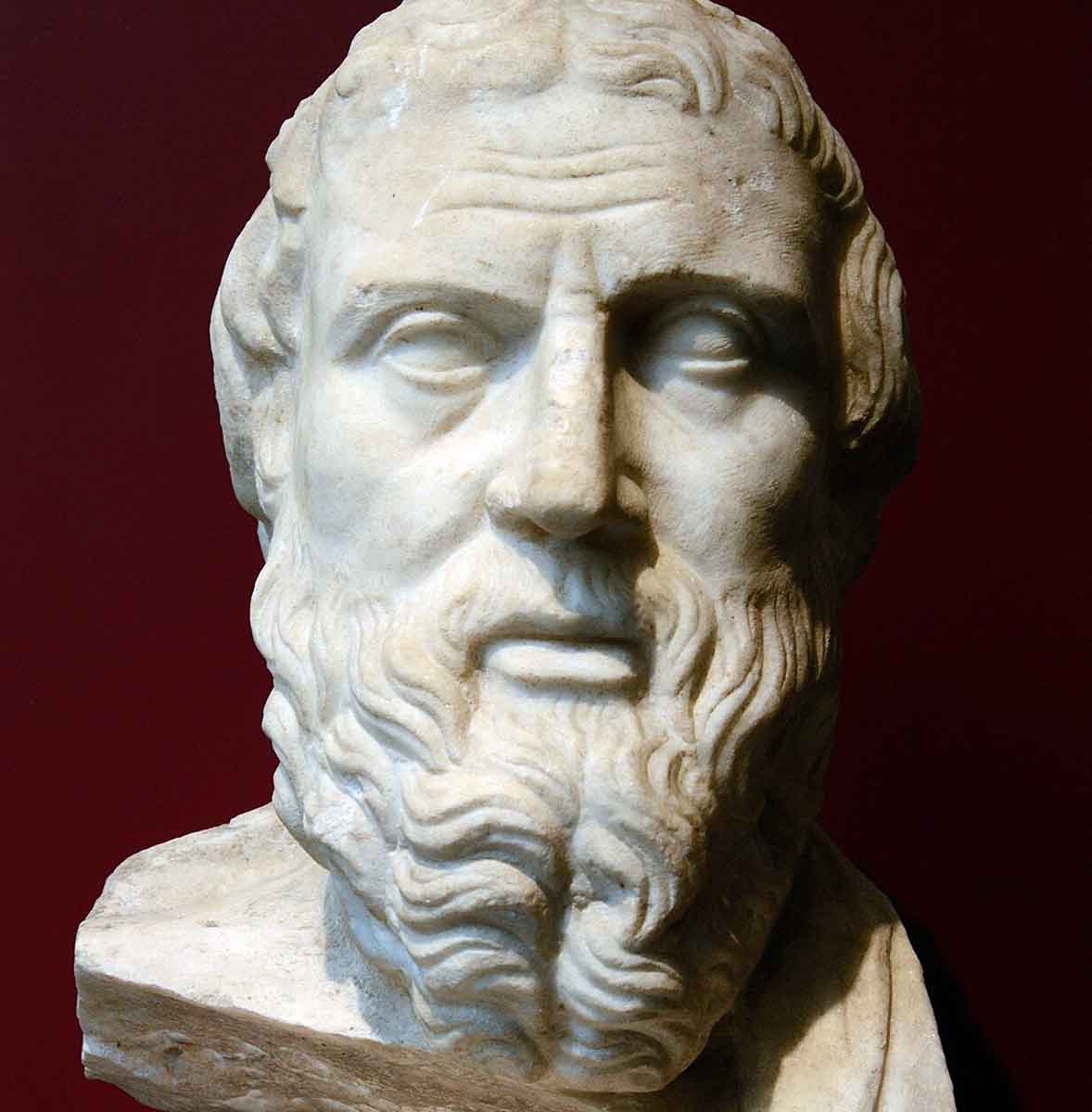
Most stories surrounding Cyrus the Great were created by ancient Greek writers and philosophers. Greeks such as Herodotus were writing from their small city-states about the leader of a massive empire that was often at war with them. What prompted this generally positive outlook?
To these authors, Cyrus was a type of philosopher-king. As a foreigner, perhaps Cyrus could also be seen as the ideal ruler that the ancient Greeks hoped their own leaders would become. Greek writers also contrasted Cyrus glowingly against later Persian rulers such as Darius and Xerxes, who they viewed as despotic tyrants.
There is a great deal of mythology woven into the tales of Cyrus the Great. Herodotus mentions mythical prophecies leading to the birth of Cyrus and an unsuccessful attempt by his grandfather, Astyages, to kill the child.
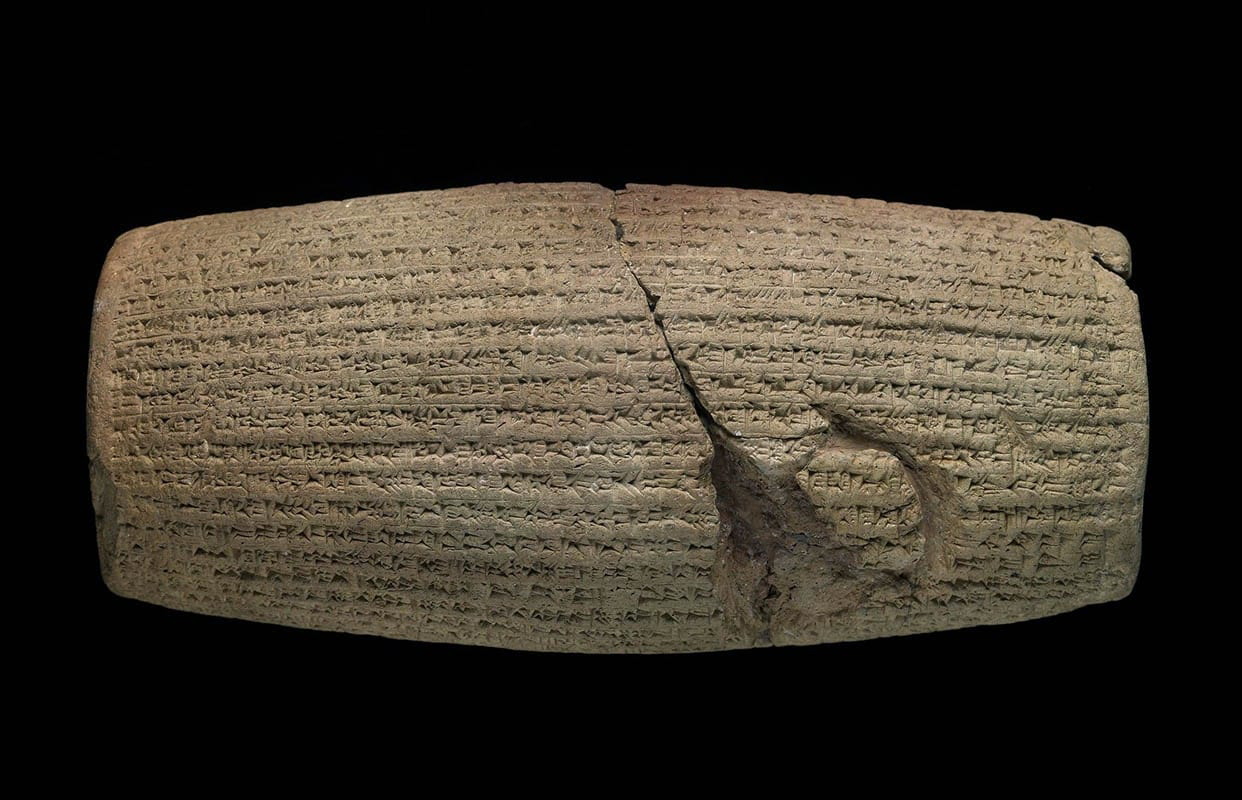
Perhaps it was the fact that Cyrus maintained a relatively tolerant reign toward other religions and ethnic groups that attracted ancient Greek historians. Modern scholars, for example, refer to the Cyrus Cylinder as a prelude to a human rights code. The cylinder records the restoration of temples and the return of deported peoples to their homelands under Cyrus.
Despite the story of the battle with Tamyris and the Massagetae, Cyrus had a reputation for political tolerance. No one could threaten his rule and live, but Cyrus did delegate some political power through a type of federation of regions (the satrapies).
Not all descriptions of Cyrus the Great were favorable to the monarch. Still, he seemed to be a celebrity-like figure during his lifetime and beyond, attracting the attention of both friends and enemies.
Whether Cyrus the Great died peacefully or through defeat in battle, his legacy remains in both the historical record and the imagination. Cyrus was a successful military commander, a capable administrator and ruler, and was also known for his tolerance, keeping a massive empire intact.
Perhaps the most important legacy after Cyrus the Great’s death was that his empire successfully held together and continued to expand under his successors.