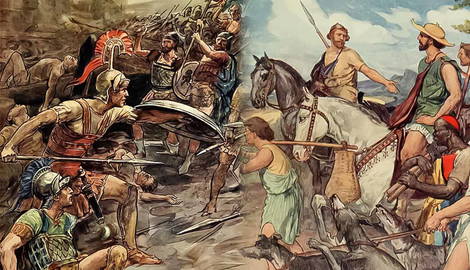

While less famous the Athens or Sparta, the Greek city-state of Thebes had a significant influence on Greek history. Located in the middle of Boeotia, north of Athens and east of Delphi, the Persians, Spartans, Athenians, Macedonians, and Romans all fought in the region, with Thebes playing a significant role. The city was reputed to be the birthplace of gods and heroes, pioneered political innovations such as proportional representation, and produced some of the great figures of Greek history, including the poet Pindar and the general Epaminondas. But ancient biases and the city’s tragic downfall have obscured its place in history.
Thebes’ Bad Press
Dionysus, Heracles, Cadmus, Oedipus, and Antigone are just some of the most famous names from Greek mythology. They were all said to be born in or associated with Thebes. In myth, Cadmus, a Phoenician, founded Thebes while searching for his abducted sister Europa. The acropolis of Thebes, the Cadmeia, bore his name.
While Thebes gained prestige from associations with figures like Dionysus and Heracles, many Theban myths involved terrible internal violence and upheaval. The cursed family of Oedipus, who unwittingly killed his father and married his mother, provided material for tragedies. Expeditions against Thebes, which in legend had seven gates, formed the story of early epics known as the Seven Against Thebes.
It has been noted that many of these myths provided perfect material for opponents of Thebes, such as the Athenians, to portray the city in a negative light (Cartledge, 2020), repurposing Thebes’ dark mythological past as propaganda. This was one layer of a negative image that Thebes and Boeotia more generally had in ancient times.
Despite producing poets such as Hesiod and Pindar, both of whom are still widely read today, Boeotia was considered a backward, unsophisticated land. Boeotian swine was a common slur. Stores of Thebes, many of which survive from the perspective of Thebes’ neighbor and rival, Athens, were used over the centuries to paint a negative image of Thebes.
Mycenean Thebes
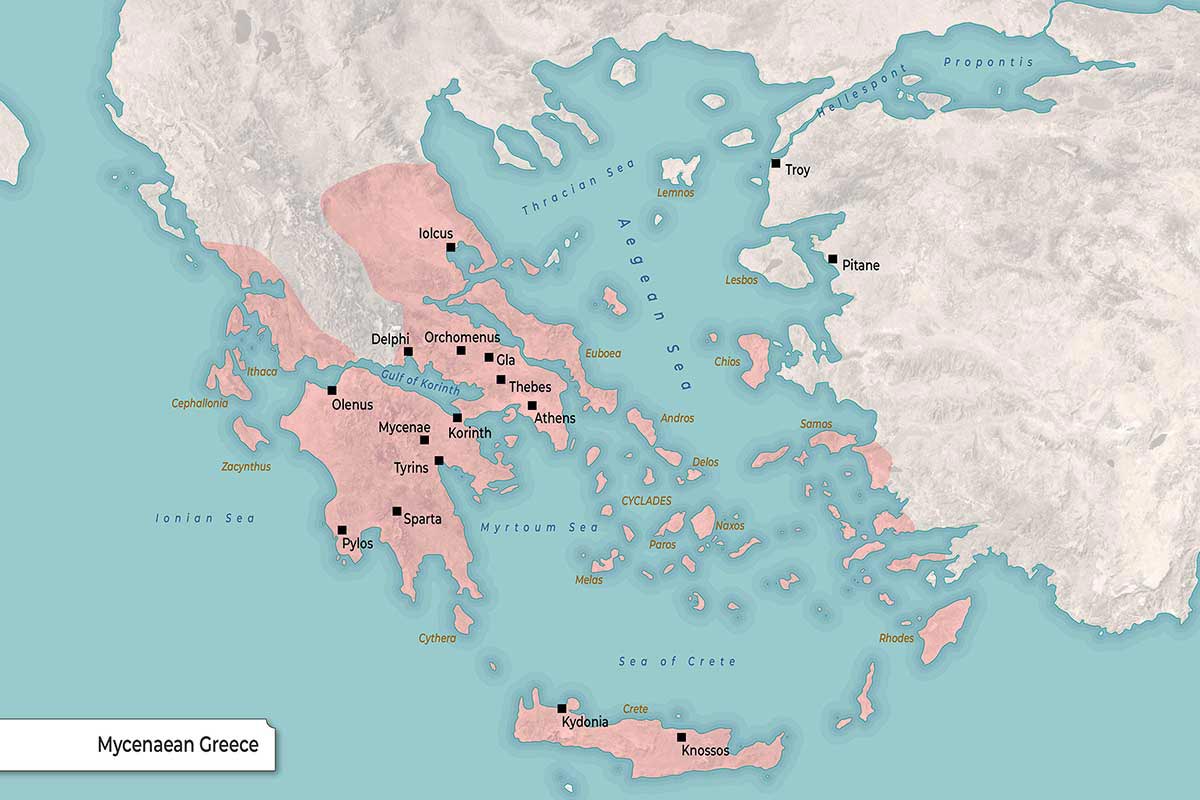
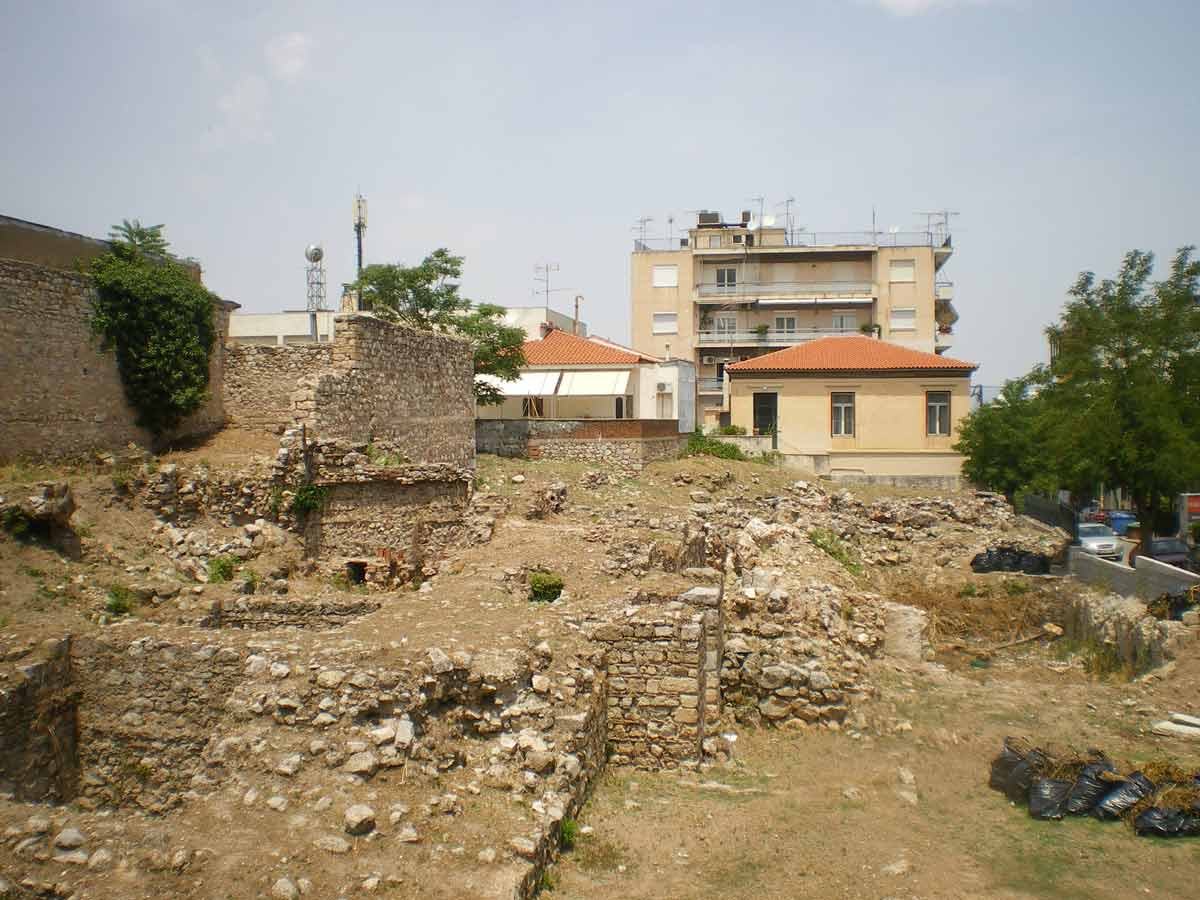
Mirroring its prominent role in mythology, Thebes was important in the pre-Classical Mycenaean era (c. 1700-1100 BC). While little physical evidence of ancient Thebes has survived under the modern town of Thiva, the city surrounding the Cadmeia was one of the largest Mycenaean sites (Rockwell, 2017, 18). Thebes’ archives reveal a city in close contact with the wider Eastern Mediterranean and dominating much of central Greece. As with other Mycenaean centers, such as Mycenae, Tiryns, and Pylos, it is believed that a warrior elite ruled from the palace on the Cadmeia.
Thebes was destroyed along with most other Mycenaean centers at the end of the Bronze Age in circumstances that remain a mystery. Unlike most other Mycenaean cities, however, Thebes revived and continued to be a significant settlement in later eras.
Thebans & Boeotians
The late Bronze Age destructions were followed by an era of great social and political change that, due to an almost complete lack of surviving historical records, is called a Dark Age. When the historical record starts to become a bit fuller in the Archaic era (c.800-490 BC), we find an interesting phenomenon underway around Thebes.
The city was now one of several communities calling themselves Boeotians. According to them, in the distant past, the Boeotians migrated from northern Greece and settled in the plains they now call Boeotia. Such identities in Greece may well owe something to migration, but they could also be later rationalizations. By the 6th century BC, at the latest, many communities in Boeotia considered themselves Boeotians, which meant they shared a common dialect, religious practices, and a sense of their own history.
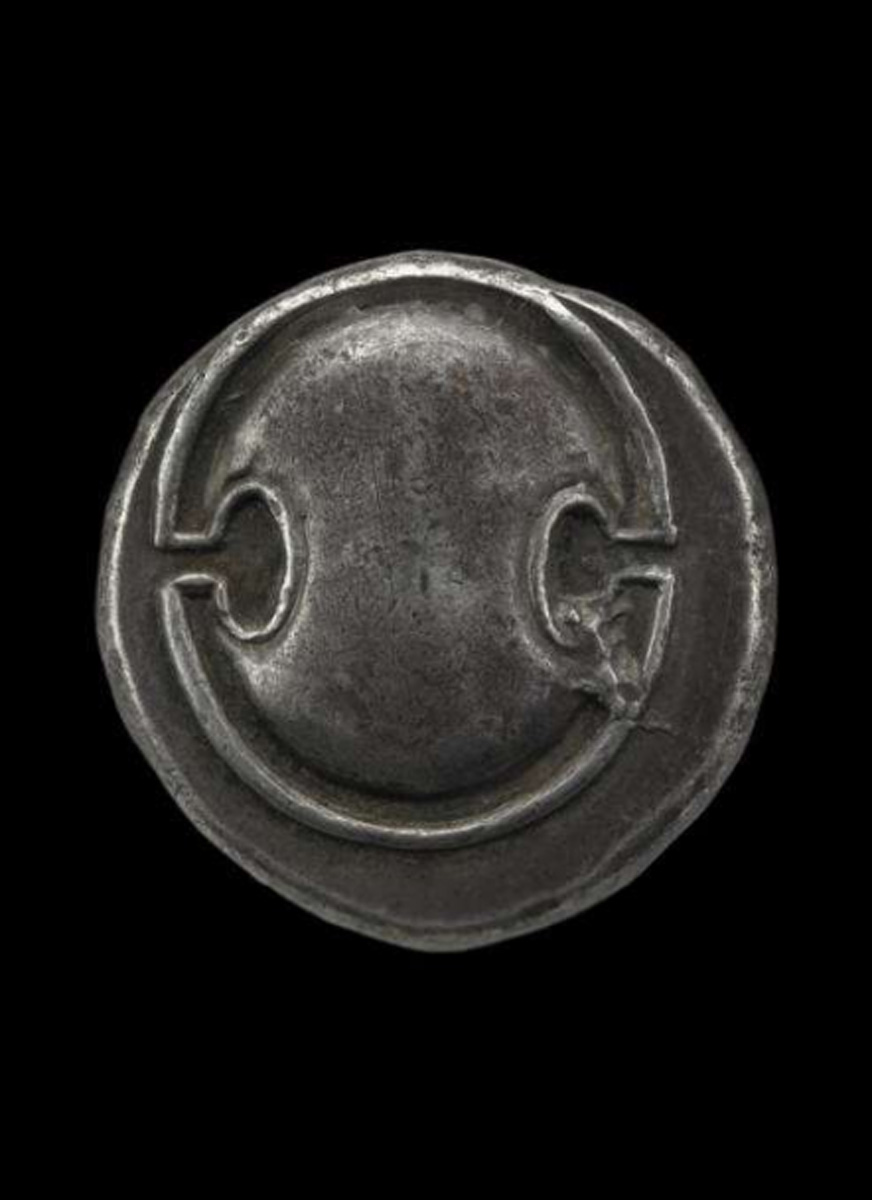
In ancient Greece, a collective identity did not imply a shared political community, as is the case in modern nation-states. Thebes was just one, albeit the biggest, Boeotian city-state (polis). In the 4th century BC, after consolidations and destructions, there were still 17 independent poleis in Boeotia (Cartledge, 2020). Sometimes they cooperated, sometimes they were bitterly opposed. In the 6th century BC, the Boeotians produced a collective coinage featuring an image of an eight-sided shield as a symbol of Boeotia. The Boeotians engaged in collective religious rituals at regional sanctuaries as well as making collective dedications at pan-Greek sanctuaries like Delphi. At times, the Boeotians gathered a collective army that battled against the Thessalians to the north and the Athenians. While we lack details, the Boeotians formed one of the earliest federal states.
The trouble, which persisted for centuries, was Thebes’ role in Boeotia. Elsewhere, the largest city dominated its region, whether through assimilation (Athens) or conquest (Sparta). In contrast, Thebes’ dominance of Boeotia was always contested and temporary. The early 6th-century Boeotian federal arrangement is a good example. One of the first collective actions recorded was a Theban-led Boeotian attack on the city of Plateia, an Athenian ally and fellow Boeotian community. The Thebans’ relationship with the Boeotians was the central question of its subsequent history.
Thebes During the Persian Wars
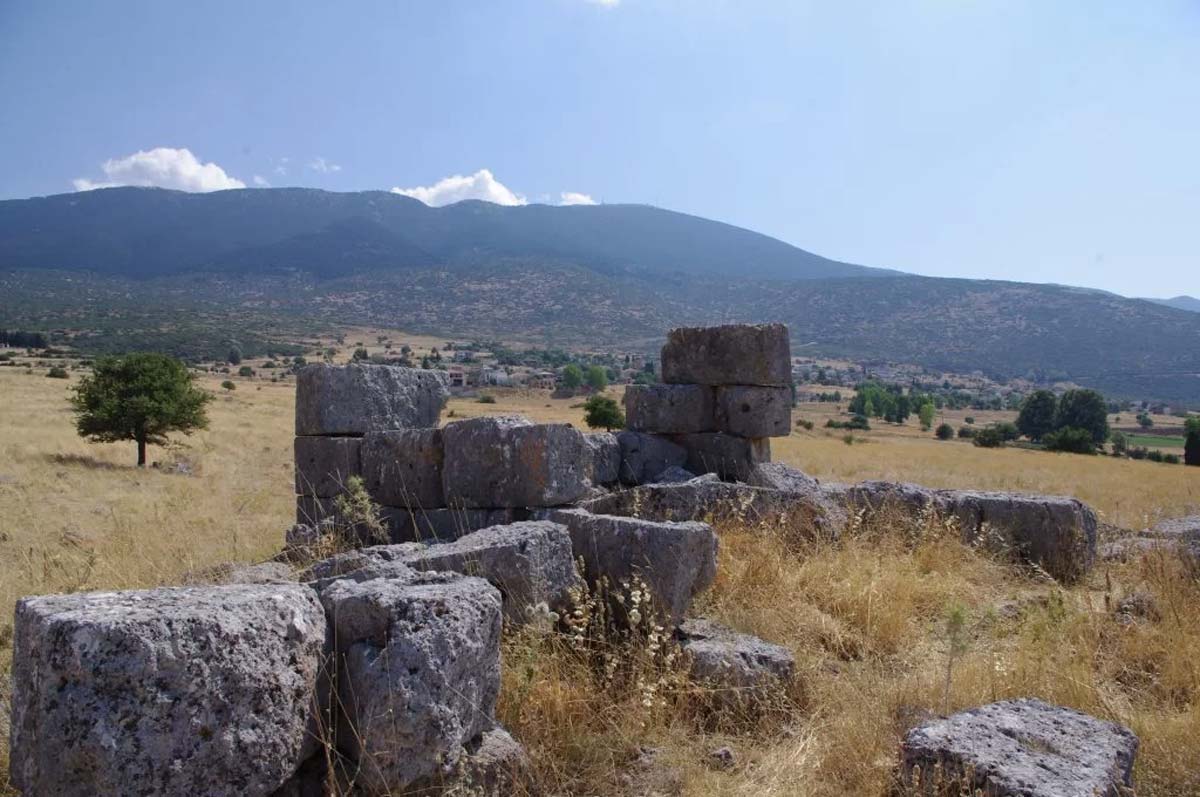
At the start of the 5th century BC, Thebes was already an ancient and powerful city at the center of a Boeotian alliance. It could call on almost as many hoplite soldiers as the Athenians and Spartans, while the plains of Boeotia gave Thebes’ ruling aristocrats space to develop one of Greece’s largest cavalry forces. However, the early Classical Age was challenging for Thebes.
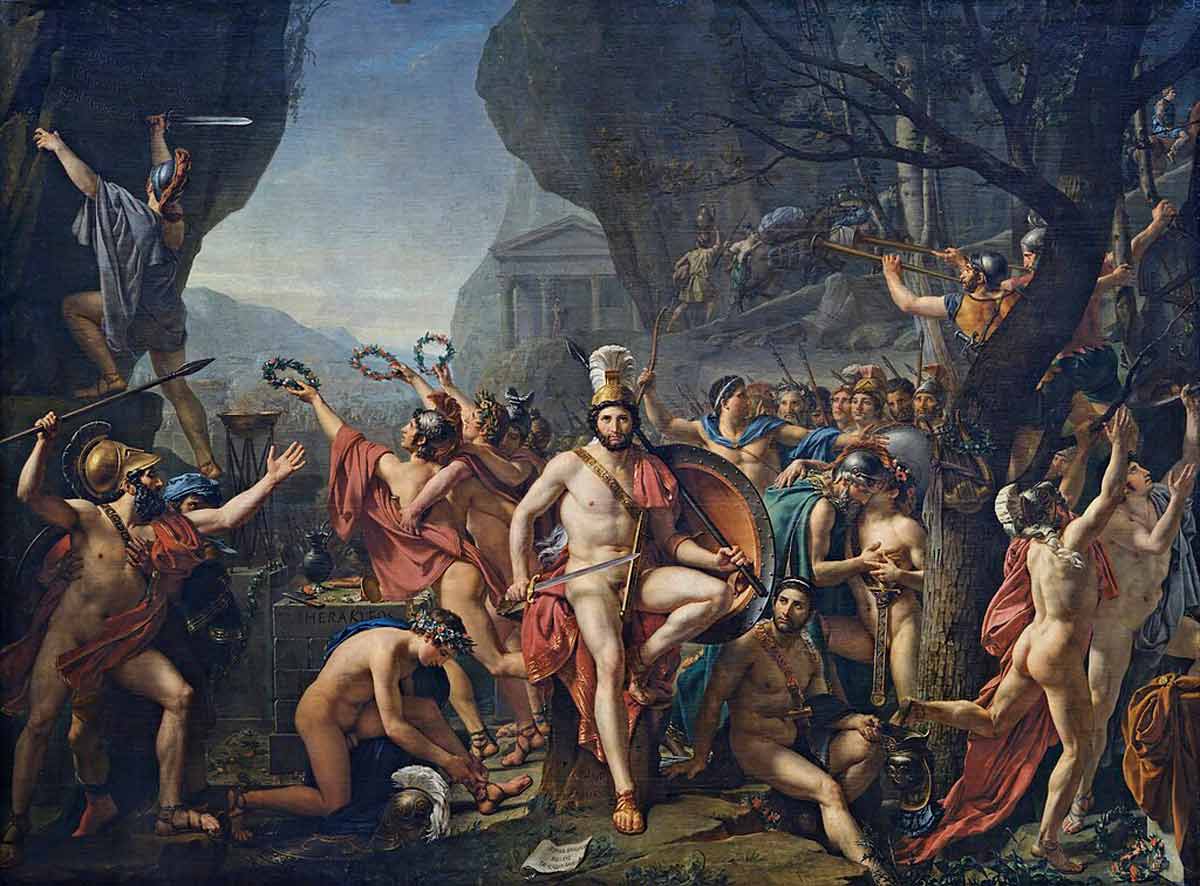
When the Persian Empire invaded Greece in 480 BC with one of the largest armies in the ancient world, the Thebans were among several Boeotian communities that surrendered to the invaders. Boeotia had few natural defenses, leaving the Thebans with a difficult choice. While their decision was understandable, it forever marked the Thebans as collaborators, a charge that would always be available to any enemy of Thebes. Stories circulated that the few Thebans sent to fight with the Greeks at Thermopylae surrendered during the last stand, while Theban troops enthusiastically fought for the Persians in the rest of the campaign. The Thebans later claimed that a few of their leading aristocrats seized power and bore the guilt of collaboration, and the accounts we have of the Persian War are certainly shaped by hindsight. Either way, the Thebans did not share in the glory of the Greek victory.
Greek Conflicts
For the next century, Thebes was a key player in the Athenian-Spartan rivalry. Further humiliation came in 457 BC with an Athenian occupation of Boeotia. This occupation lasted a decade before it collapsed when Boeotian exiles defeated the Athenians at Koroneia. Upon liberation, the Boeotian federal state was relaunched. An account of its constitution depicts a Boeotia-wide institution with participation in administration, army, and taxation based on proportional representation, one of the first instances of such a system being recorded (Hellenica Oxyrhynchia 16.1-3). While this Boeotian state was successful for decades, the constitutional arrangement gave significant power to Thebes as the largest state.
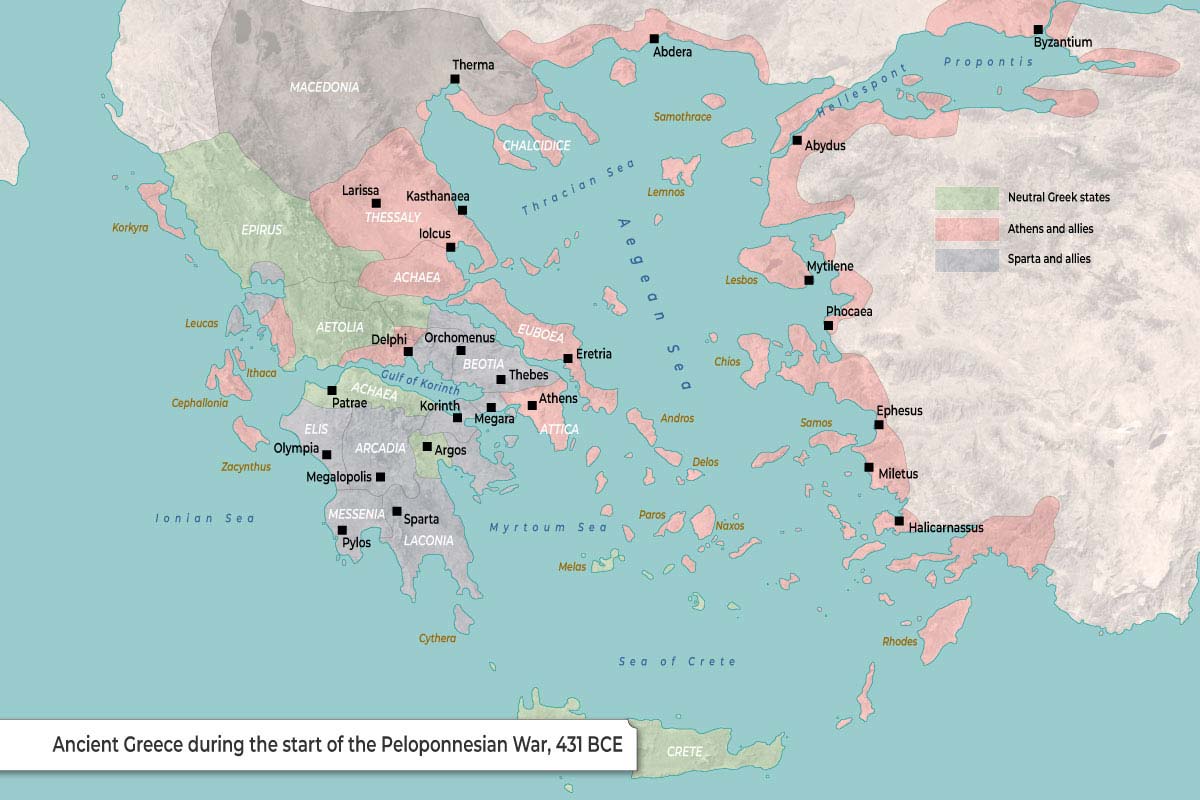
Hostility to the Athenians drove the Thebans onto the Spartan side during the Peloponnesian War (431-404 BC). The Thebans helped trigger the war by again attacking the Athenian allied Boeotian city of Plataea, which was subsequently destroyed. The Thebans loyally served the Spartans throughout the war and even advocated for Athens’ destruction at its end. However, Sparta’s victory made it the most powerful and dangerous state in Greece, resetting Theban priorities. The Thebans passed swiftly from being a disaffected ally to an enemy, joining an anti-Spartan alliance in the unsuccessful Corinthian War (395-386 BC). Persian influence led to a Spartan victory, with harsh consequences for Thebes. The joint Persian-Spartan-enforced peace disbanded the Boeotian state. Despite officially being at peace, a Spartan army opportunistically entered Thebes a few years later and occupied the Cadmeia.
Theban Hegemony
So far, the Classical Age was hardly glorious for the Thebans. Liberation from Spartan occupation in 379/8 BC marked a significant shift and set the stage for Thebes’ great flourishing, known as the Theban Hegemony.
Central to this period were two Theban statesmen, Epaminondas and Pelopidas. Following a coup that removed the pro-Spartan leadership and the garrison from Thebes, the two men transformed the city over the next decade. Immediately upon liberation, the Thebans revived the Boeotian federation. Though Thebes was traditionally led by a moderate oligarchy, it is possible that 4th-century Thebes and Boeotia were democratic. Scholars are divided on this issue, with some viewing it as likely (Cartledge, 2020; Beck & Ganter, 2015), while others point to the lack of confirmation (Rhodes, 2016). Even if it was now democratic, Thebes retained the lead in the Boeotian state, with its treasury and assembly based at Thebes (Schachter, 2016), while all of its identified chief officers, the Boeotarchs, over the next few decades were Theban (Rhodes, 2016).
The Sacred Band Versus Sparta
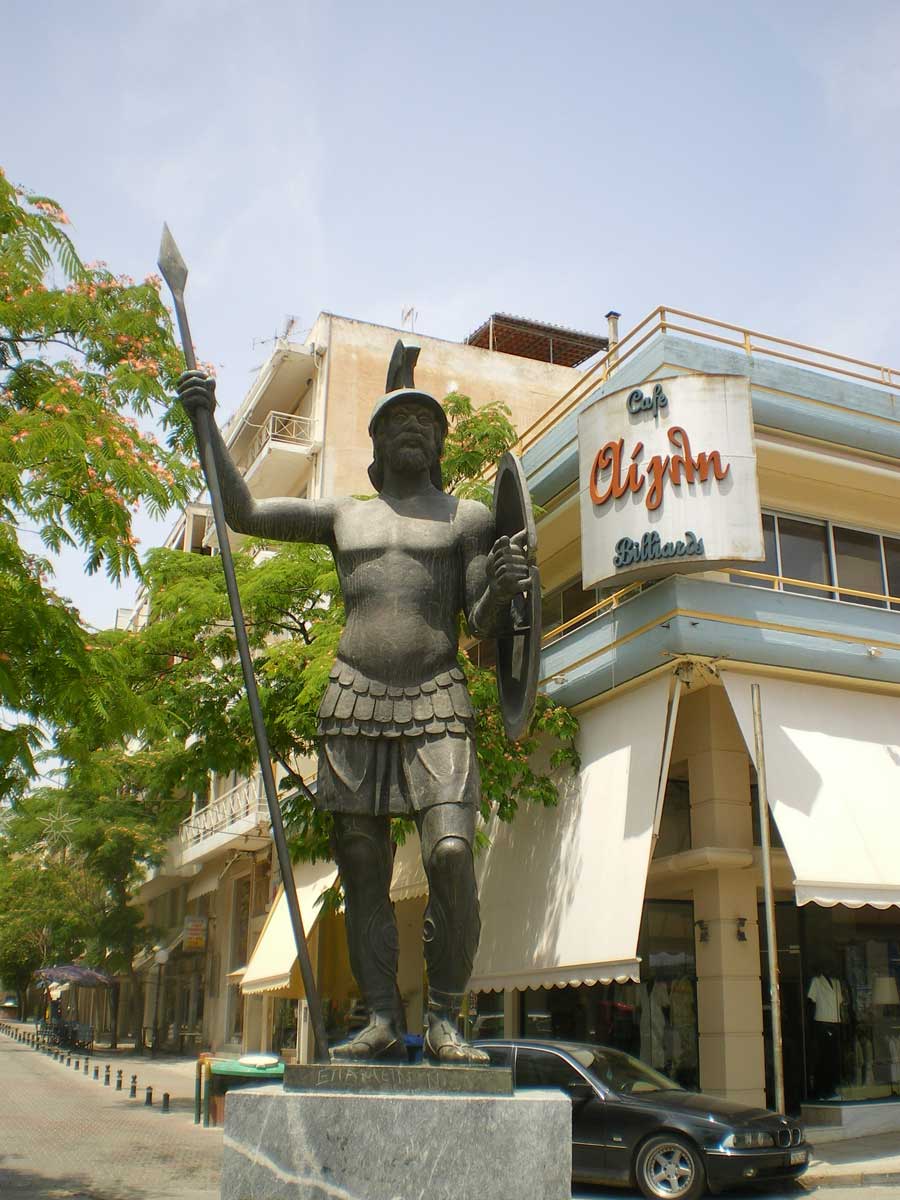
The subsequent Boeotian War (378-371 BC) with Sparta was transformative for both sides. Epaminondas, Pelopidas, and others reformed the military, unleashing Boeotia’s potential. Chief amongst these reforms was the formation of the Sacred Band. This elite, professional unit of 300 was said to be composed of 150 pairs of lovers. How exactly this worked is unclear, but the Band spearheaded the war against the Spartans. The shifting balance of power was demonstrated at Tegyra in 375 BC when Pelopidas and the Sacred Band defeated a larger Spartan force, marking the first time such a feat had been achieved.
The war with the Spartans came down to one decisive battle at Leuktra in western Boeotia in 371 BC. The battle was a traditional clash of two hoplite forces on an open, level plain. The Spartans’ ideal battle. It was to everyone’s surprise then that the Boeotians under Epaminondas delivered a crushing blow to Spartan power. In hindsight, the warning signs had long been there. After decades of declining citizen numbers, the Spartans could only bring fewer than a thousand men to this critical battle, while their allies had tired of their leadership. The Spartans lost a king and hundreds of their few remaining citizen soldiers.
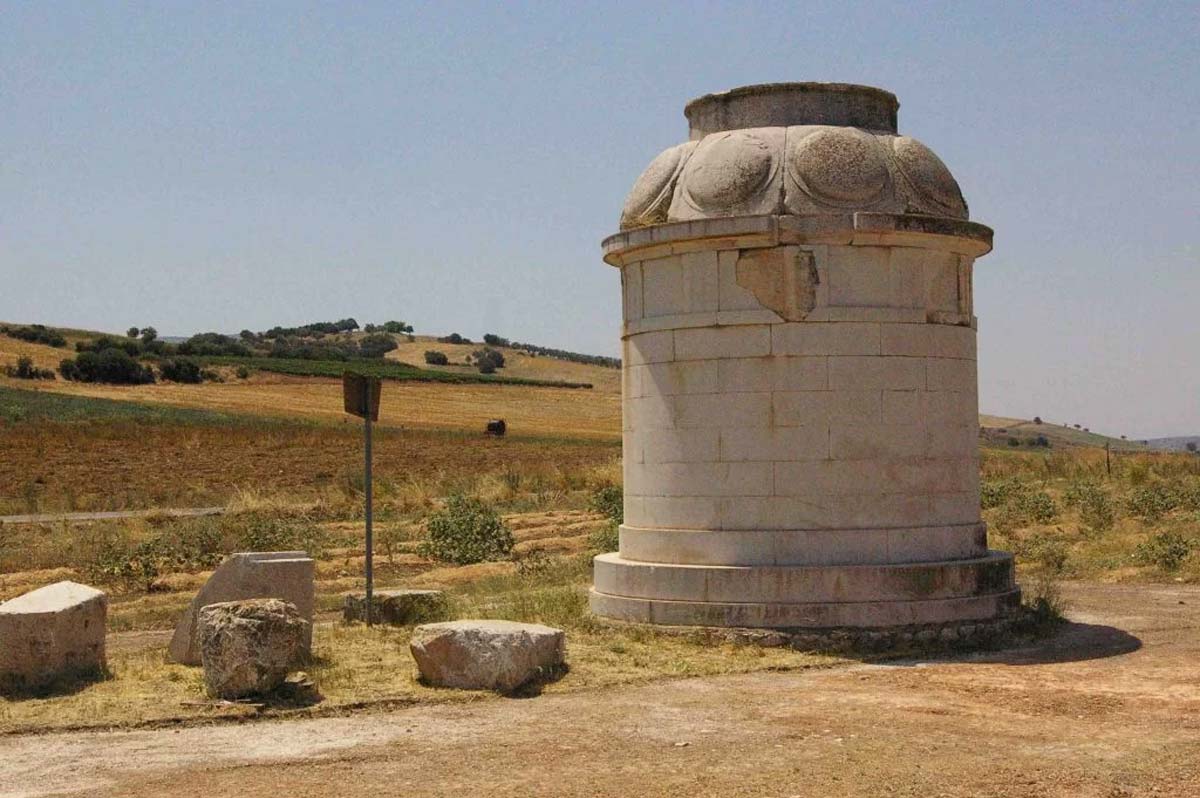
The ensuing period of Theban leadership was temporary, but it had a lasting and overall positive impact. Following Leuktra, Epaminondas and the Boeotians led several invasions of the Peloponnese to forever break Sparta’s hold on southern Greece. They liberated the Messenians from centuries of Spartan slavery and backed the creation of a federal state in Arkadia to Sparta’s north, along with the foundation of Megalopolis, destined to play a major role in future developments. Though positive, this period of Theban Hegemony was brief. Epaminondas was back in the Peloponnese in 362 BC, where he again led the Boeotians to another victory at Mantineia, but died in the process.
Downfall & Decline
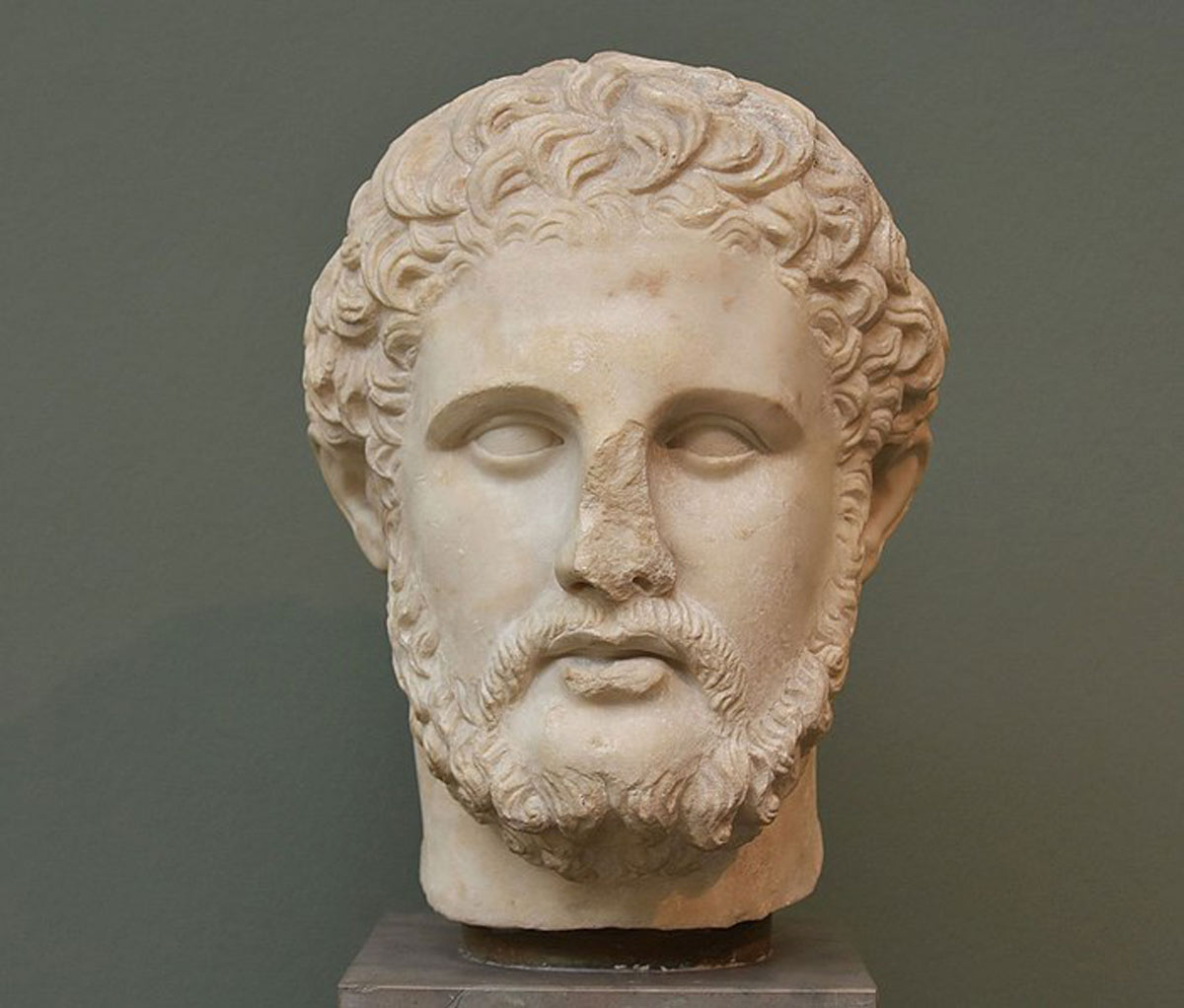
Epaminondas’ death, and that of Pelopidas a few years previously, generally marks the end of the Theban Hegemony, but they continued to be the major power in Greece until a new threat arose in the 340s.
In a fatal mistake, the Boeotians picked a fight with their neighbor, the Phokians. In the 350s, the Thebans provoked a war with Phokis known as the Sacred War, as it involved control of the sanctuary at Delphi. The Thebans defeated the Phokians in 355 BC, but assuming the war was won, they sent forces to fight for Persia instead of pressing their advantage. The Thebans needed the funds Persian employment brought as they lacked subjects and allies to exploit. The war dragged on as the Phokians drew on the enormous wealth of Delphi to keep fighting, providing the opportunity for a new power to intervene.
Philip II of Macedon had spent time as a youth as a hostage in Thebes, but by the 340s, he had successfully consolidated his kingdom and swept down into central Greece. The Sacred War was ended by Philip, not the Thebans, and he saw no reason to stop there. As their former ally became a new threat, the Thebans allied with the Athenians, leading to war with Philip. The battle of Chaeronea in 338 BC was just as crushing for Thebes as Leuktra had been for the Spartans. Though the Sacred Band went down fighting, Philip defeated the allied forces. Athens was spared harsh treatment, but Thebes was once again occupied.
Greater disasters followed. After Philip’s death in 336 BC, it was hoped the youth of his successor, Alexander, would provide an opportunity. In 335 BC, the Thebans revolted on a false rumor of Alexander’s death. The king, on his way to becoming Alexander the Great, was very much alive and rushed to the walls of Thebes. The city was quickly stormed. Its population fled, was killed, or sold into slavery. The city itself, aside from the temples and the house of the poet Pindar, was destroyed. The complete destruction of a Greek city was not unusual; the Thebans had inflicted such punishment on other Boeotians, but it was the first time such a prominent community suffered this fate.
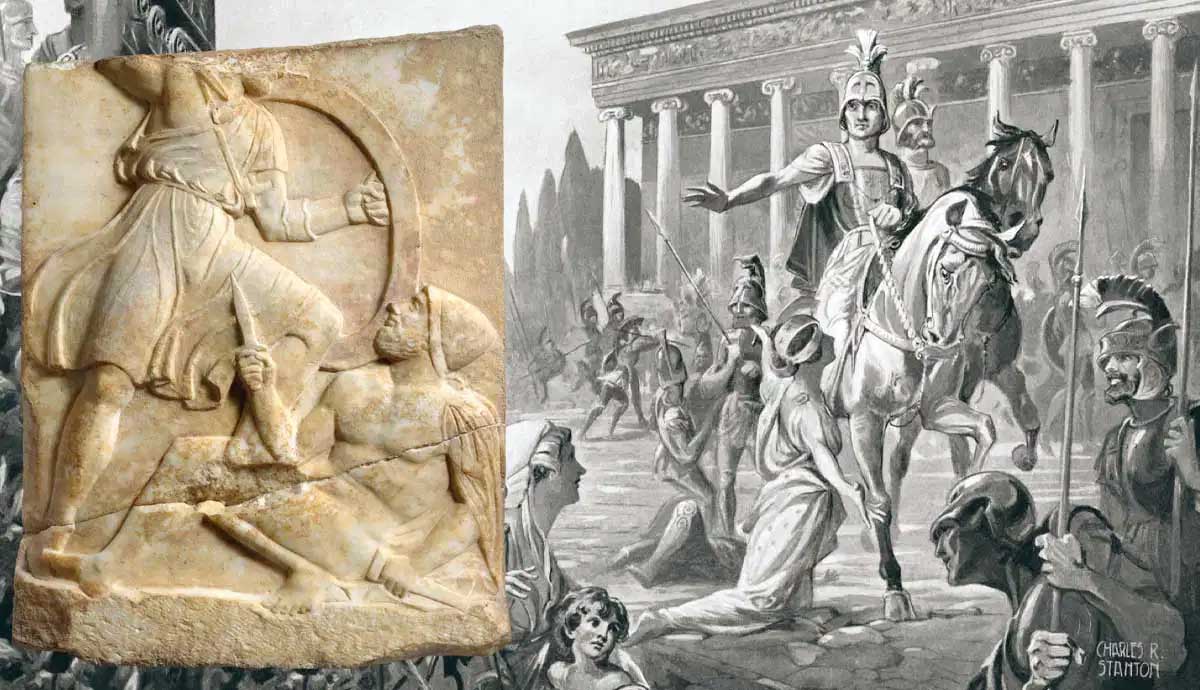
Though the city was revived in 316 BC and continued its life as a major Boeotian city throughout the Hellenistic and Roman eras, there was no recovery from the disaster of 335. But the previous actions of Thebes had a lasting impact. Traces of their military innovations can be detected in the tactics of their Macedonian conquerors. More positively, the Messenians and Megalopolitans remained free and bulwarks against Sparta while federalism grew into a major trend in Hellenistic Greece. The classical Theban poet Pindar is still read today. However, Thebes’ destruction and its bad press have characterized its afterlife.