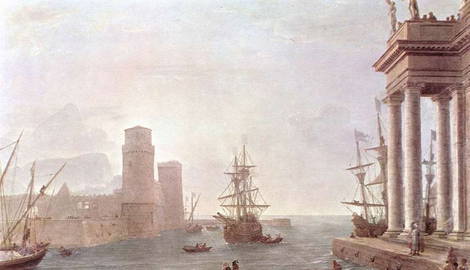

Homer’s Odyssey has been a cornerstone of Western literature for millennia. It chronicles the epic journey of King Odysseus as he strives to return home after the Trojan War. According to Homer, Odysseus took ten years to find his way home after the war, blown around the Aegean by meddlesome gods. This took him to fantastical lands, known in Geek culture but not always on the map. Scholars have spilled much ink debating where Odysseus and other characters from the epic might have landed. Discover eight places in Greece that feature in the Odyssey, and which you can visit today.
| Ithaca, Homeland of Odysseus | The modern island of Ithaca was probably also Odysseus’ home island, where he returns to win back his wife and palace |
| Maroneia, Land of the Cicones | Odysseus and his men attack the Cicones before setting sail, which offends the gods and starts their ill-fated adventure |
| Pylos, Kingdom of Nestor | Odysseus’ son Telemachus travels to see King Pylos to determine whether his father is still alive after being missing for ten years |
| Lefkada, Island of the Lotus-Eaters | Where Odysseus’ men ate narcotic fruit that made them forget their desire to return home |
| Corfu, Island of the Phaeacians | In the Odyssey, most of Odysseus’ story is told retrospectively as he recounts his adventures to the Phaeacians, who help him return to Ithaca |
| Ogygia, Island of Calypso | Odysseus only spent a few months at sea; he spent seven years with Calypso on her island. |
| Mycenae, Kingdom of Agamemnon | The Odyssey includes the homecoming stories of other heroes, including Agamemnon, who is killed by his wife and her lover upon his return in revenge for Agamemnon killing his daughter Iphigenia. |
| Delos, Island of Apollo | Odysseus tells the Phaeacian princess about how he visited the oracle on Delos on his way to the Trojan War |
1. Ithaca: The Homeland of Odysseus
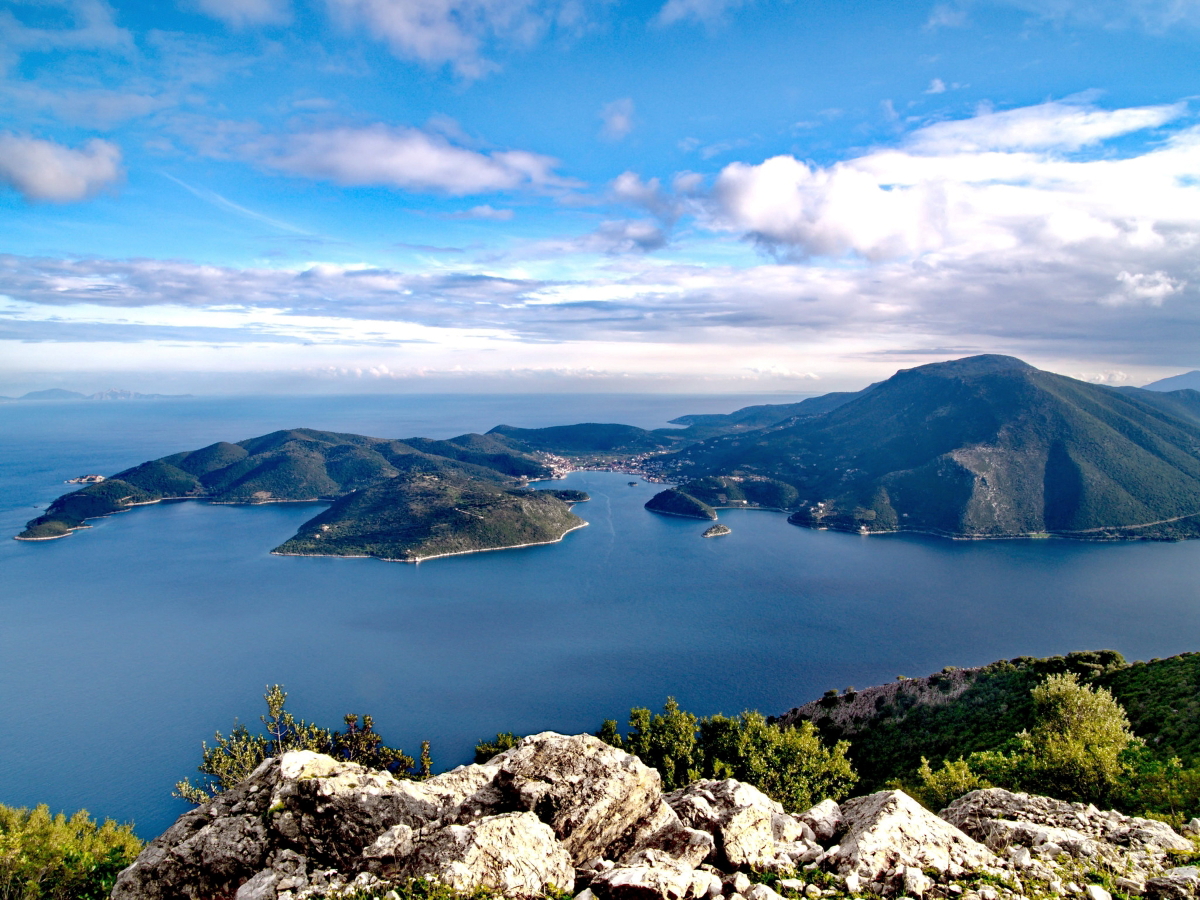
Ithaca, a picturesque island in the Ionian Sea, is believed to be the same Ithaca that Odysseus called home. Coin evidence celebrating the hero suggests that the ancient Greeks believed this too.
Visitors to Ithaca can explore several sites linked to its legendary past. The Archaeological Museum in Vathy houses artifacts from various periods, offering insights into the island’s ancient inhabitants. In the northern part of the island, near the village of Stavros, lies the area known as “Homer’s School.” Here, excavations have revealed remnants of a Mycenaean settlement, including structures that some suggest could be linked to Odysseus’s era.
Beyond its archaeological treasures, Ithaca offers stunning natural landscapes, from serene beaches like Filiatro to scenic hiking trails that traverse its hilly terrain.
2. Maroneia: The Land of the Cicones
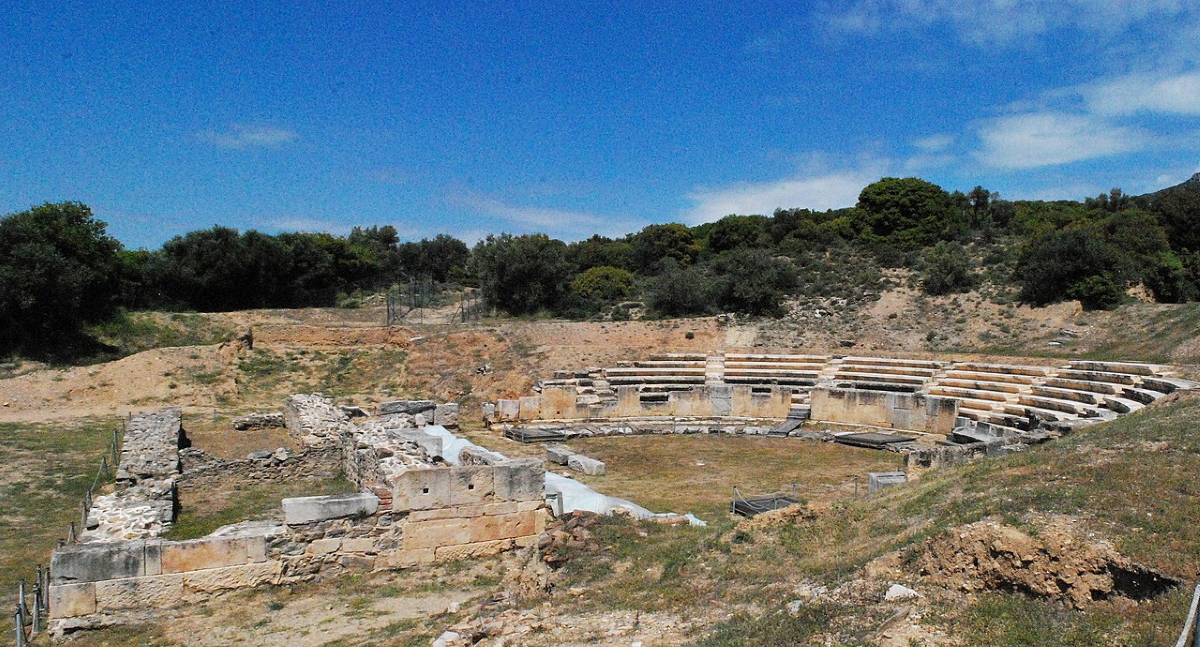
Maroneia is traditionally linked to Maron, a priest of Apollo. According to Homer’s Odyssey, he gifted Odysseus with the region’s famous wine after his encounter with the Cicones at Ismaros. The wine was so strong that Odysseus’ men got very drunk, allowing the Cicones to launch a counterattack and kill many.
Archaeological excavations have unveiled remnants of Maroneia’s prosperous past. The ancient theater, dating back to the Hellenistic period, showcases impressive architecture and offers insights into the cultural life of the time. Visitors can also explore the remnants of the city’s fortifications and residential areas, reflecting its historical prominence.
The nearby Ismaros hill provides panoramic views of the Aegean Sea, allowing travelers to immerse themselves in landscapes that have inspired legends.
3. Pylos: The Kingdom of Nestor
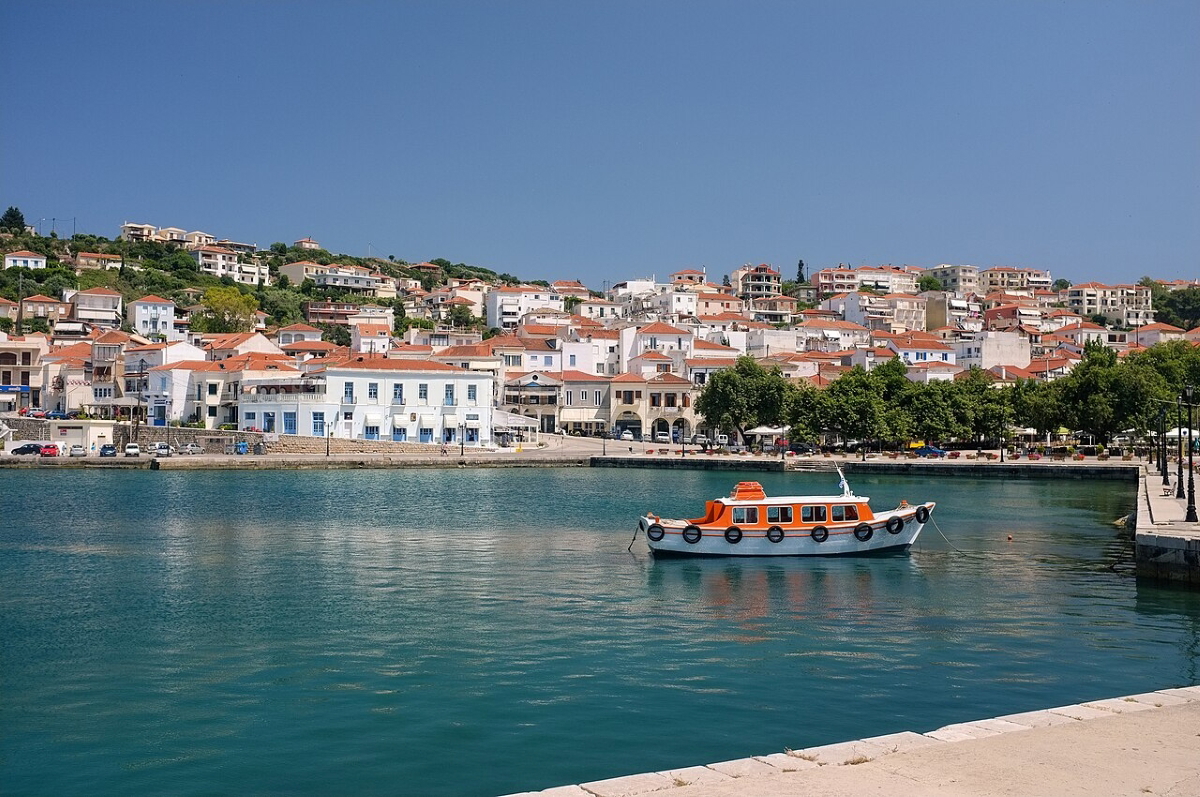
Pylos, located on the southwestern coast of the Peloponnese in Greece, was the kingdom of Nestor, the wise leader who participated in the Trojan War. When Athena encourages Odysseus’ Telemachus to seek news of his father’s fate, he sails to Pylos to consult with Nestor.
The most significant archaeological site in this area is the Palace of Nestor, situated on the hill of Epano Englianos, approximately 17 kilometers north of modern Pylos. Constructed in the 13th century BC, the palace is renowned as one of the best-preserved Mycenaean palaces discovered. Excavations have revealed a complex structure featuring storerooms, workshops, baths, and a central megaron, a grand hall adorned with frescoes depicting various motifs. The site also yielded over a thousand Linear B clay tablets, providing valuable insights into the administrative functions of Mycenaean society.
Nearby, the Archaeological Museum of Pylos, housed within the Niokastro Fortress, showcases artifacts from the region. The discovery of the Griffin Warrior Tomb in 2015, near the palace, unveiled a wealth of artifacts, including gold rings and bronze weapons.
4. Lefkada: The Island of the Lotus-Eaters
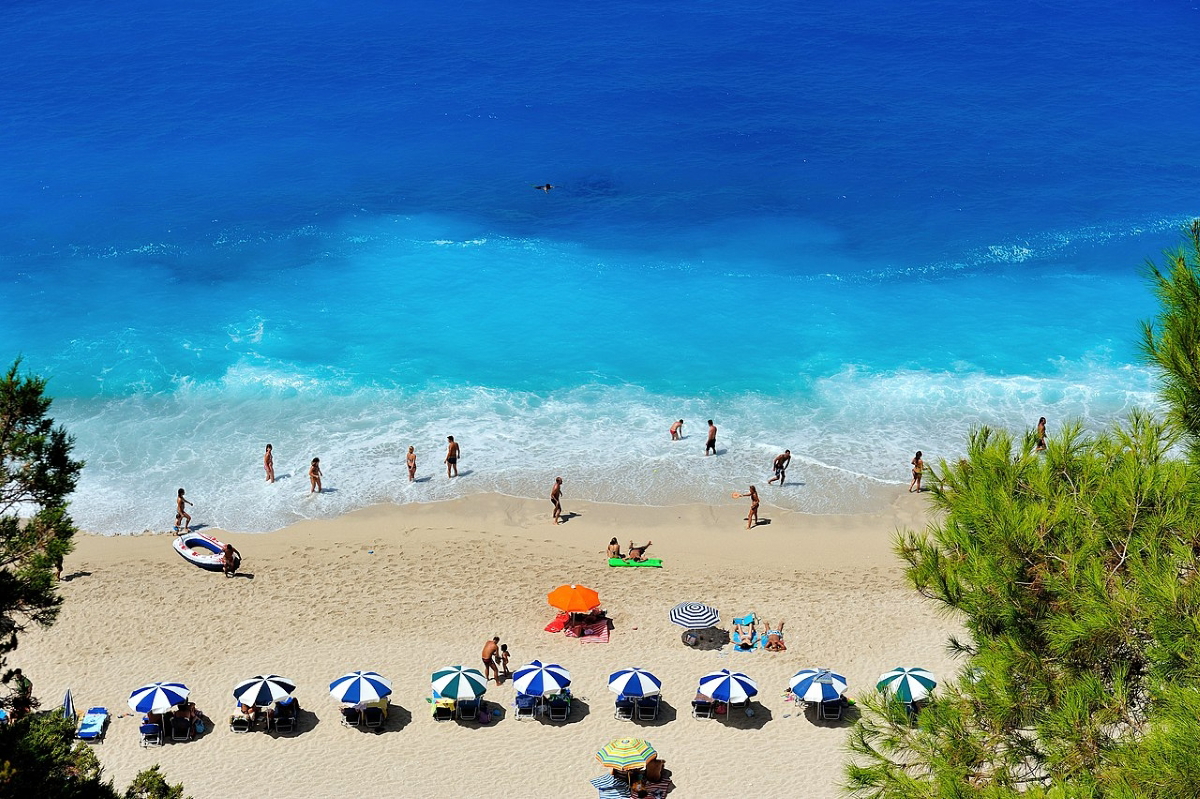
Lefkada, an island in the Ionian Sea, is renowned for its stunning beaches and rich history. Some theories suggest Lefkada as the possible location of Homer’s Land of the Lotus Eaters. Here, Odysseus’ men ate narcotic fruit that made them forget their desire to return home for a time. Historically, Lefkada was colonized by the Corinthians in the 7th century BC, who transformed it into an island by constructing a canal. The island played roles in various historical events, including the Persian and Peloponnesian Wars.
Visitors to Lefkada can explore several notable historical sites. The Castle of Agia Maura, built in the 14th century, stands as a testament to the island’s medieval past. The Monastery of Faneromeni, perched on a hill overlooking the town, offers insights into religious traditions and provides panoramic views of the island. Additionally, the Archaeological Museum of Lefkada houses artifacts spanning from the Paleolithic period to Roman times.
Lefkada’s natural beauty is also captivating. Beaches like Porto Katsiki and Egremni, characterized by turquoise waters and dramatic cliffs, are often likened to Caribbean shores. The island’s lush landscapes and traditional villages, such as Agios Nikitas, offer a serene escape for travelers seeking both relaxation and cultural enrichment.
5. Corfu: The Island of the Phaeacians
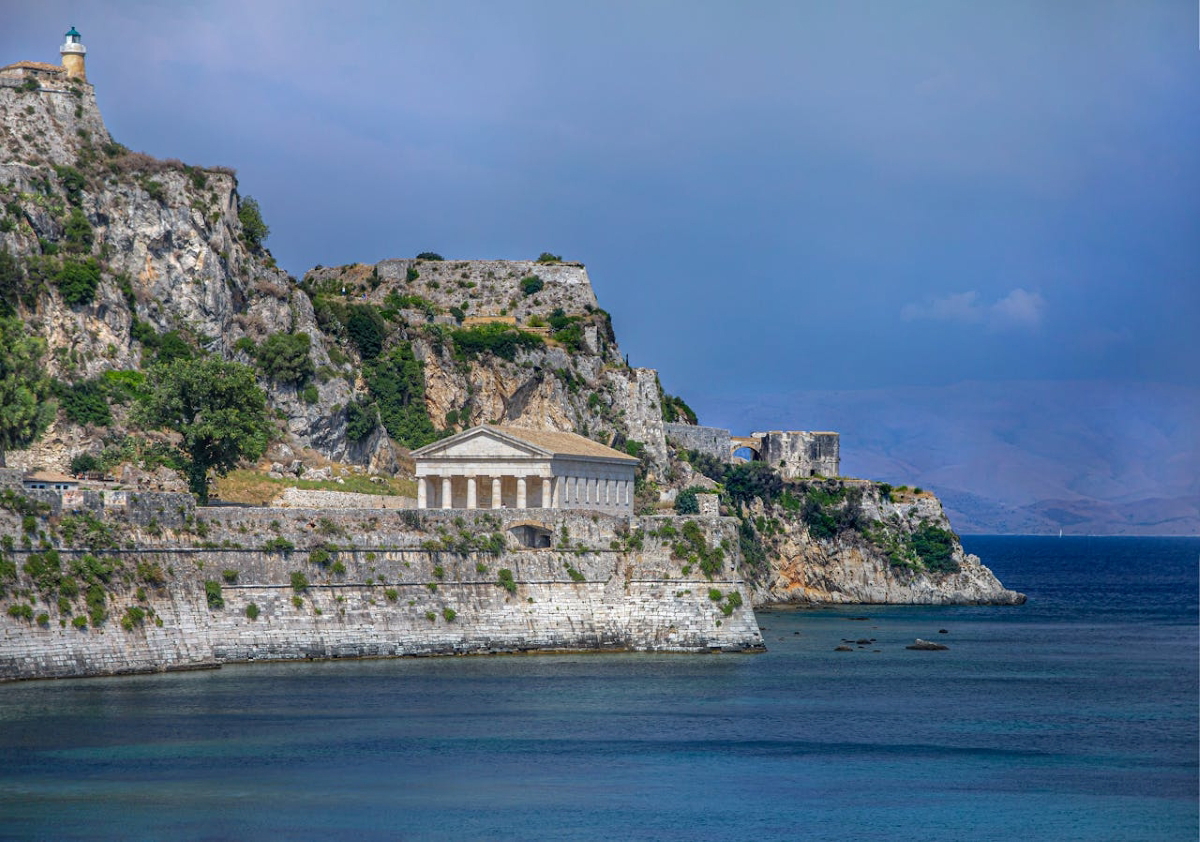
Corfu, known in antiquity as Scheria, is celebrated in Homer’s Odyssey as the land of the Phaeacians, a seafaring people who aided Odysseus on his journey home.
The Old Town of Corfu, a UNESCO World Heritage site, showcases a fusion of Venetian, French, and British architectural influences. Wandering its narrow cobblestone streets, visitors encounter landmarks such as the Old Fortress, a testament to Venetian fortification prowess. Nearby, the Spianada Square, one of the largest in Europe, offers a vibrant atmosphere surrounded by historic buildings.
The Mon Repos Estate, set within a lush park, houses the remains of Paleopolis, the ancient city of Corfu. Exploring this area reveals archaeological treasures, including remnants of temples and public buildings, providing insights into the island’s ancient past. The Archaeological Museum of Corfu exhibits artifacts that shed light on its storied past, including the impressive Gorgon pediment from the Temple of Artemis.
6. Ogygia: The Island of Calypso (Othonoi)
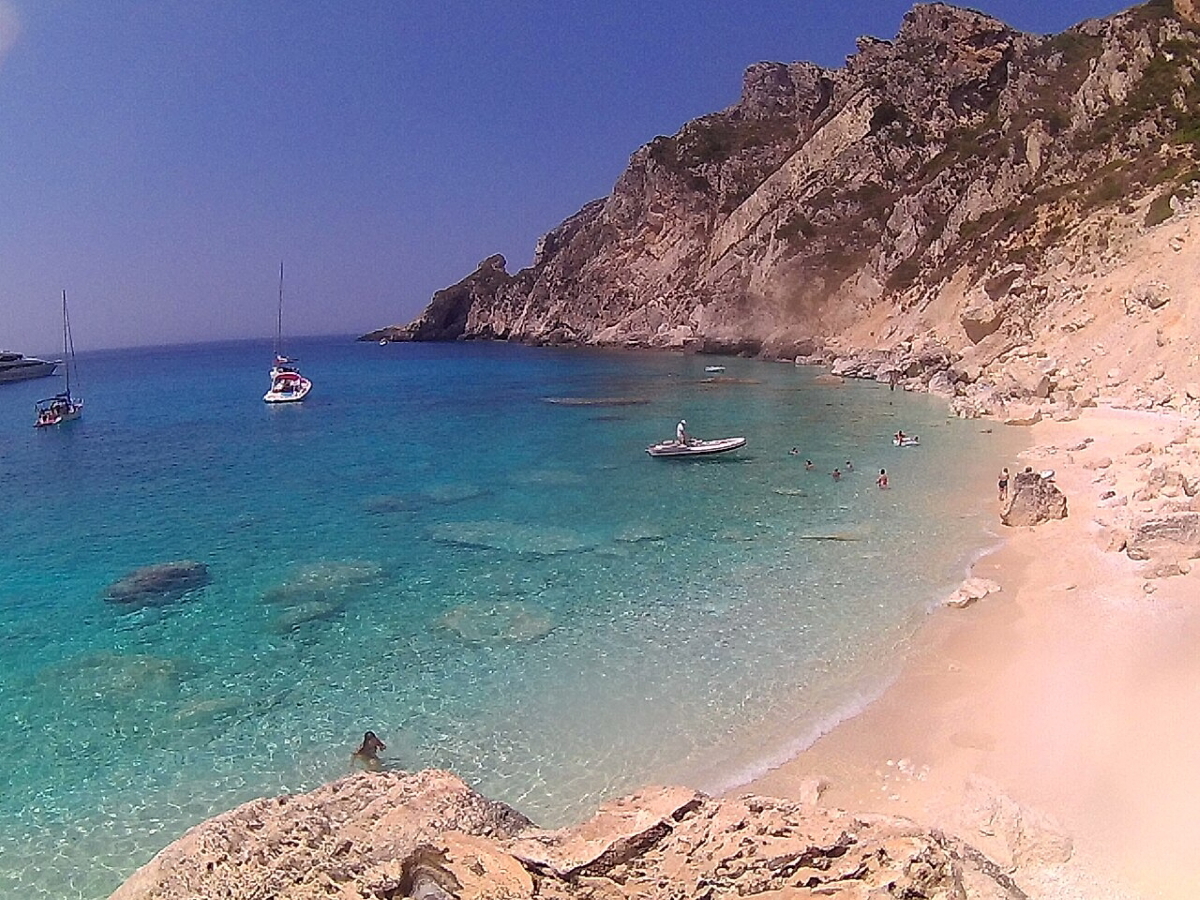
In Homer’s Odyssey, Ogygia is the secluded island of the nymph Calypso. She detained Odysseus for seven years, offering him immortality if he stayed with her. This mythical isle has intrigued scholars and travelers alike, leading to various theories about its real-world counterpart.
One prominent theory identifies Ogygia with the island of Gozo in the Maltese archipelago. On Gozo, above Ramla Bay, lies the Calypso Cave, which local tradition associates with Homer’s narrative. Visitors can explore this cave and imagine the ancient tales unfolding in its chambers.
Another hypothesis suggests that Ogygia corresponds to Othonoi, the westernmost island of Greece. Situated northwest of Corfu in the Ionian Sea, Othonoi’s serene landscapes and azure waters offer a tranquil retreat, reminiscent of the idyllic descriptions in the epic. The island’s unspoiled beauty provides a haven for those seeking to connect with nature and myth.
7. Mycenae: The Kingdom of Agamemnon
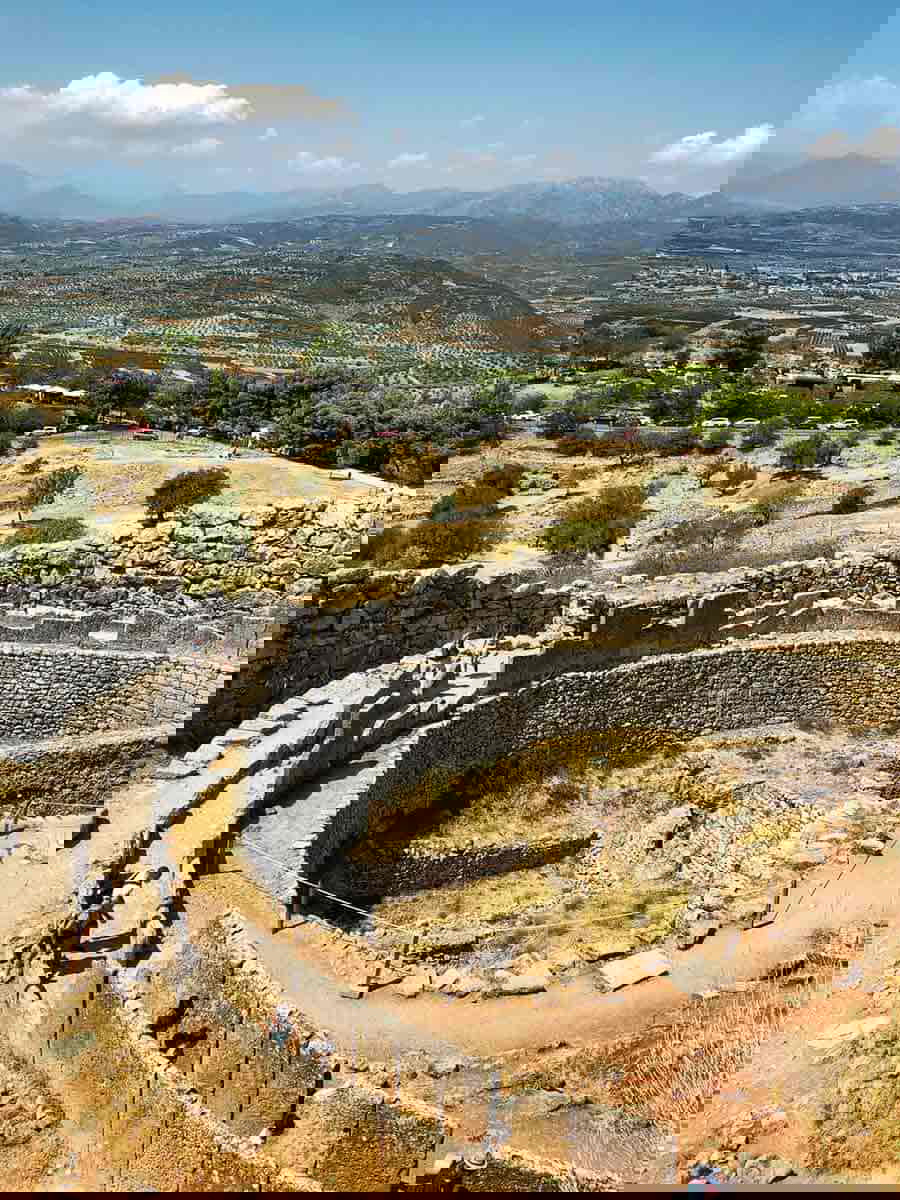
Mycenae, one of the most important archaeological sites in Greece, was the heart of the Mycenaean civilization. The Mycenaeans dominated the Aegean world from 1600 to 1100 BC. This fortified city, located in the northeastern Peloponnese, is famously associated with Agamemnon, the legendary king who led the Greek forces in the Trojan War. Homer described Mycenae as “rich in gold,” a claim substantiated by the discovery of elaborate burial sites containing golden artifacts, including the famous Mask of Agamemnon.
The ruins of Mycenae offer visitors a journey into Greece’s Bronze Age past. The Lion Gate, the massive stone entrance to the citadel, stands as a testament to Mycenaean engineering. The Grave Circles A and B hold royal tombs filled with exquisite treasures. The Treasury of Atreus, a monumental tholos tomb, showcases the architectural prowess of the time. Walking through the palace complex, visitors can imagine the grandeur of the Mycenaean elite who once ruled from these halls.
8. Delos: The Birthplace of Apollo
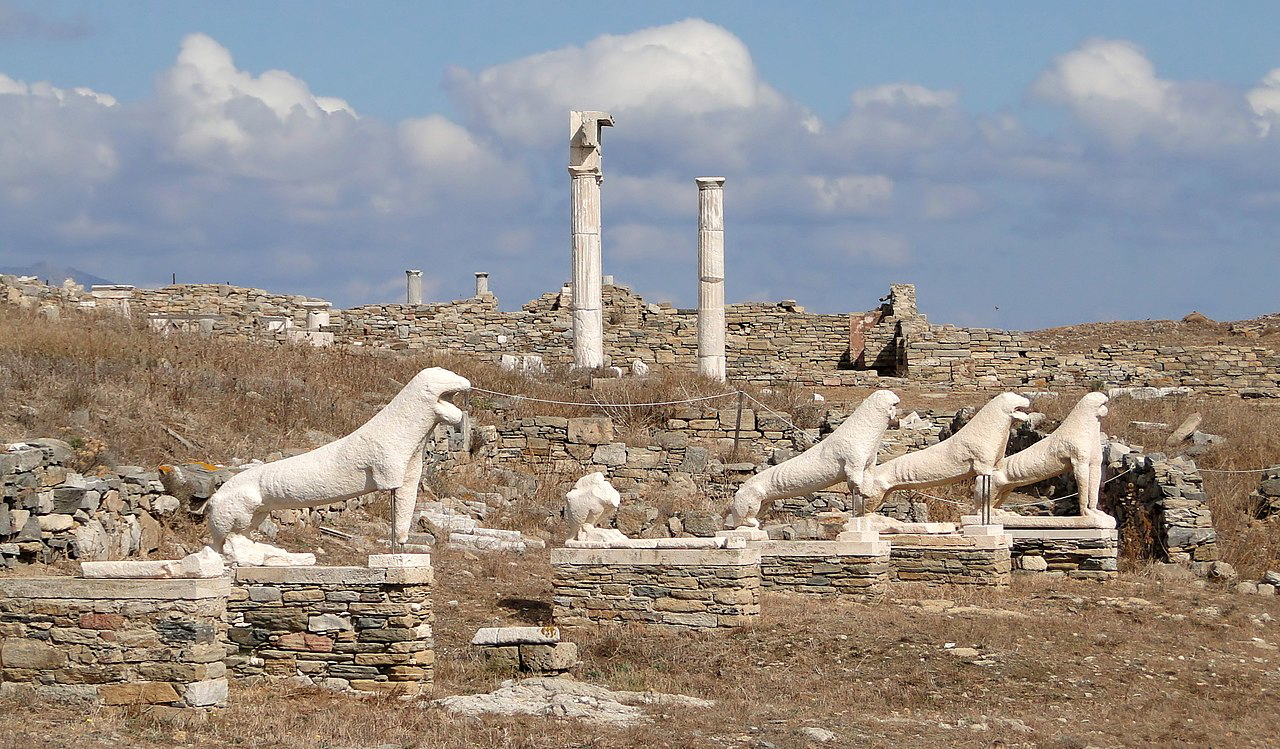
Though Delos does not play a major role in the Odyssey, Odysseus briefly mentions his visit to the island. He recalls a young palm tree growing near Apollo’s altar. This fleeting reference speaks to Delos’s religious significance in the ancient world. It was revered as the birthplace of Apollo and Artemis. For any traveler navigating the Aegean, Delos was a beacon of divine power, a place where sailors sought the gods’ favor before continuing on their journey.
Today, Delos remains an extraordinary archaeological site. The Terrace of the Lions is a row of imposing marble statues gifted by the people of Naxos in the 7th century BC. It stands as a symbol of the island’s prestige. The Sanctuary of Apollo still holds the echoes of prayers offered by ancient seafarers like Odysseus. Easily accessible from Mykonos, Delos offers modern visitors a tangible link to the divine landscapes that shaped the mythology of the Odyssey.