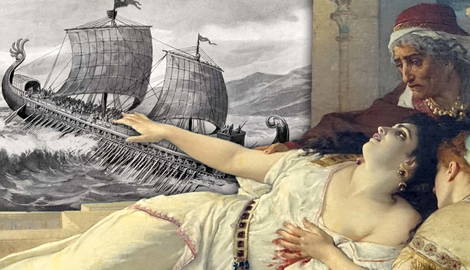

One of the biggest rivalries in antiquity was between the Carthaginians and Romans. Despite the destruction of Carthage at the hands of the Roman legions, Carthage left a major imprint throughout the Mediterranean region and successive generations continue to be inspired by its history and cultural legacy.
The Echo of the Vanished Kingdom
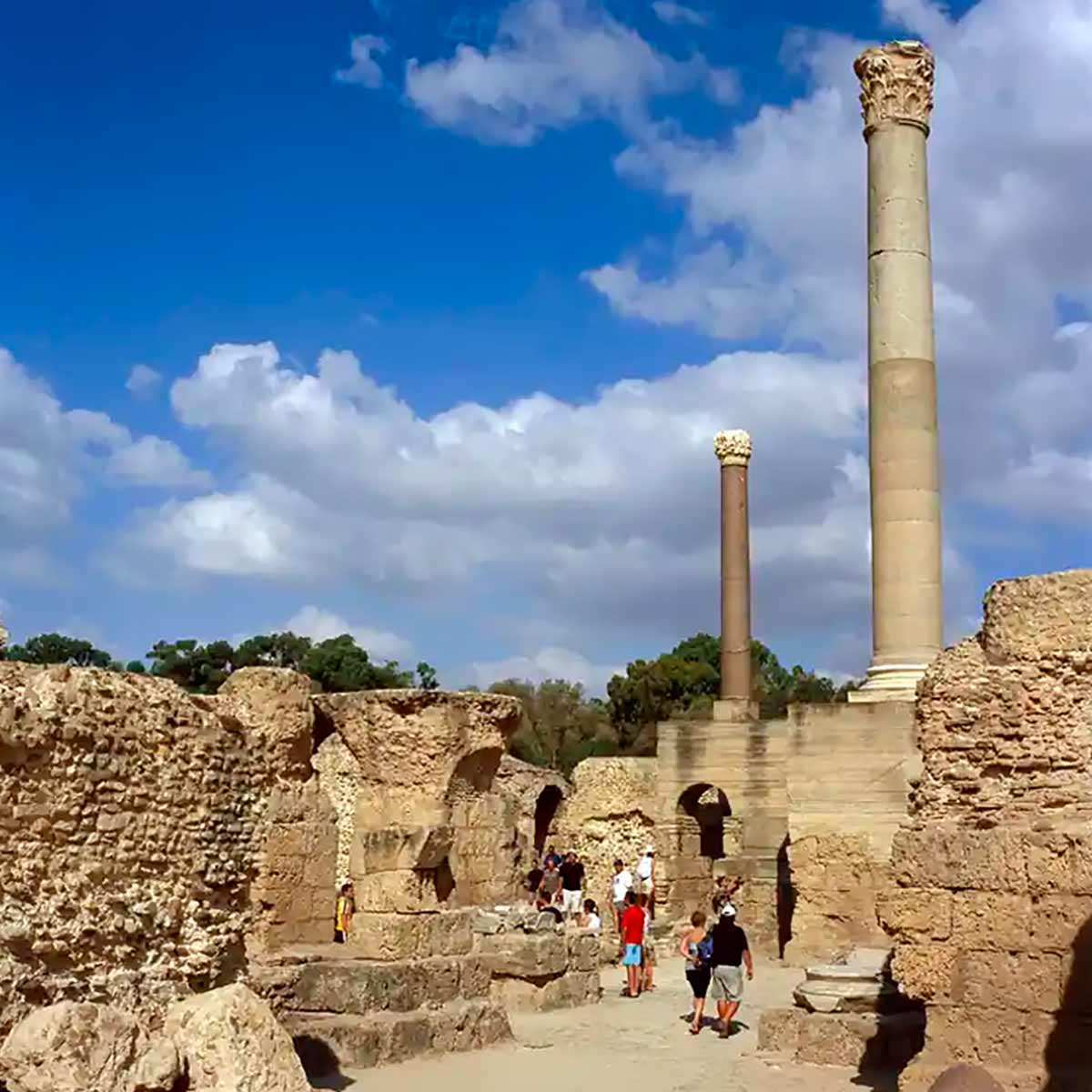
Carthage today is remembered less for its vast maritime empire than for its destruction. When Rome razed the city in 146 BC, it sought to erase an idea and a way of life. Carthage was a maritime empire ruled by merchants, persevering through commerce rather than conquest. Its memory lingered in Roman rhetoric (an example being the phrase Carthago delenda est, “Carthage must be destroyed”) and exists now via the ruins in modern-day Tunisia. Built over with Roman and later Byzantine structures, the ruins demonstrate how Carthage still garners people’s attention.
When Rome destroyed Carthage, it failed to destroy the legacy that Carthage left in the region. For some, Carthage symbolized the dangers of unchecked ambition. For others, it was a tragedy of brilliance crushed by brute power. Its commercial genius, naval innovation, and cosmopolitan culture lived on, indirectly absorbed into subsequent cultures that inhabited the region. Even as a ruin, Carthage became indispensable to the Roman story, and that of the Mediterranean region as a whole.
The Carthaginian Model of Commerce
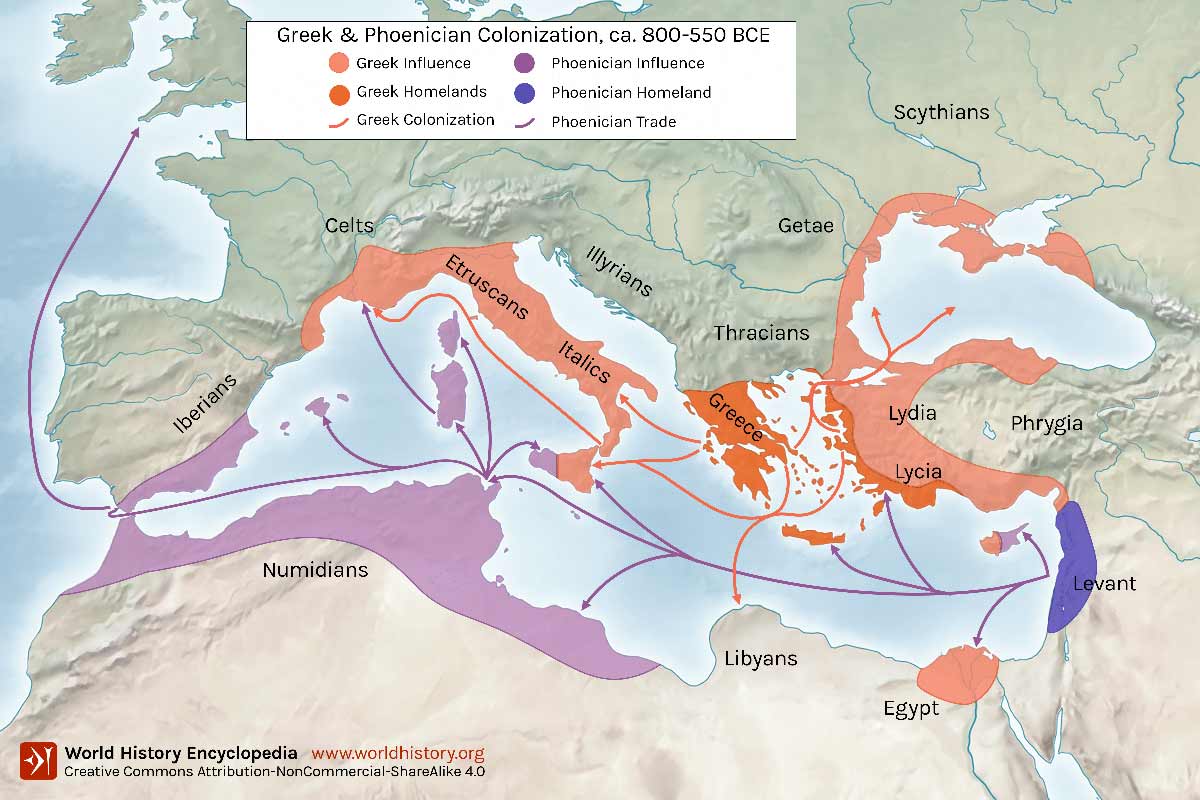
Carthage’s most enduring legacy lies in its model of mercantile power. Long before Venice or Amsterdam, it showed that wealth and influence could flow from trade, not territorial conquest. Its harbors were among the most efficient at the time and its far-reaching economy stretched from Iberian silver mines to North African farmland. Carthage’s leaders correctly anticipated a time when ships, rather than armies on land, would define warfare and international interactions.
This mercantile empire also exemplified the potential of commercial dominance. Roman writers of the time saw it as a civilization of excess and corruption, yet modern historians recognize in Carthage the prototype of a capitalist city-state. It was organized around markets, contracts, and innovation. Its merchants and administrators built one of the first truly interconnected Mediterranean economies.
Even after its fall, the Carthaginian trade model persisted. Rome adapted Carthaginian ship designs, naval logistics, and agricultural techniques. What once threatened Rome ended up sustaining it. In Medieval Europe, the Genoese and Aragonese embraced the power of large maritime trade networks, furthering Carthage’s influence on the world after its destruction.
The Cultural Crossroads of Carthage in the Mediterranean
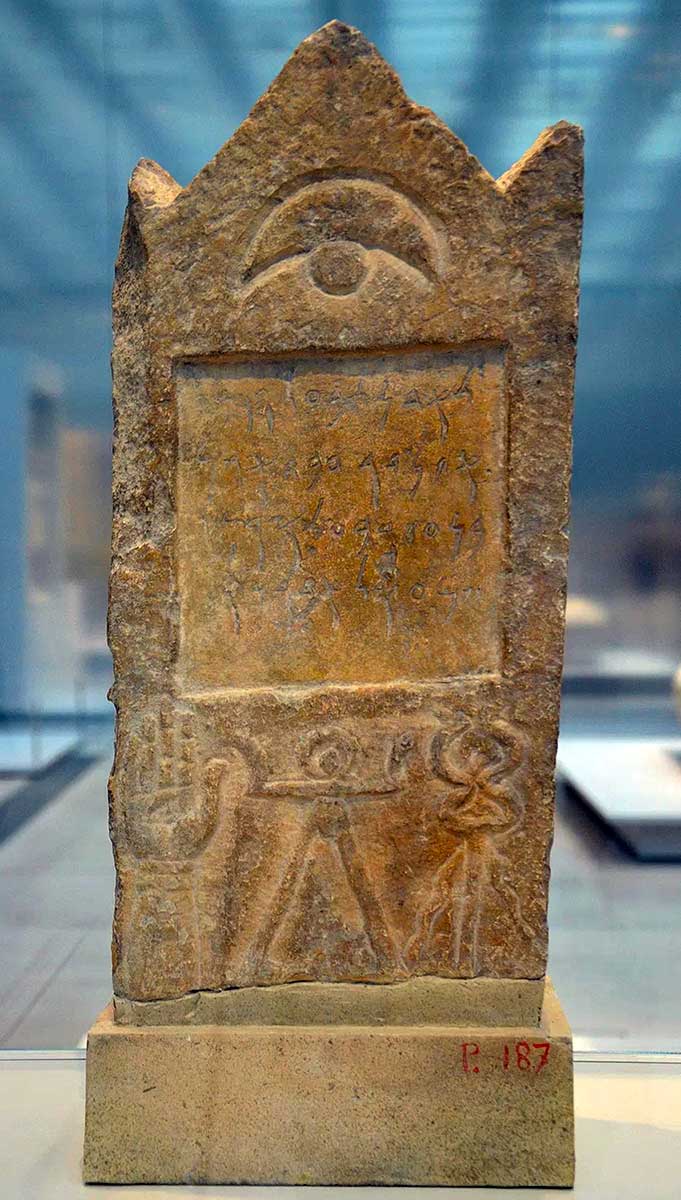
The growth of Carthaginian trade facilitated interactions with foreign cultures and societies. Carthage’s own identity was multicultural, blending the Levantine traditions of its ruling class with Berber, Greek, and later Roman influences. Archaeologists have found bilingual inscriptions and a mix of artistic forms, indicative of a society that thrived on diversity.
Its religion, once maligned by Roman and later Christian writers, is now understood to have been deeply rooted in Carthaginian society and symbolically powerful. Gods like Tanit and Baal Hammon illustrated the commitment of Carthaginians to a higher power. The rituals of Carthage, including civic festivals and ancestor veneration, shaped North African religious life for centuries, influencing later Punic communities under Roman rule.
The Punic language endured long after the city’s fall. Augustine of Hippo, writing in the 4th century AD, noted that Punic was still spoken in his time. Elements of Punic are present in North African Arab dialects and the Berber language as well. This linguistic persistence shows how embedded Carthaginian culture was in the many societies of this time.
Rome’s Inheritance of Carthaginian Practices
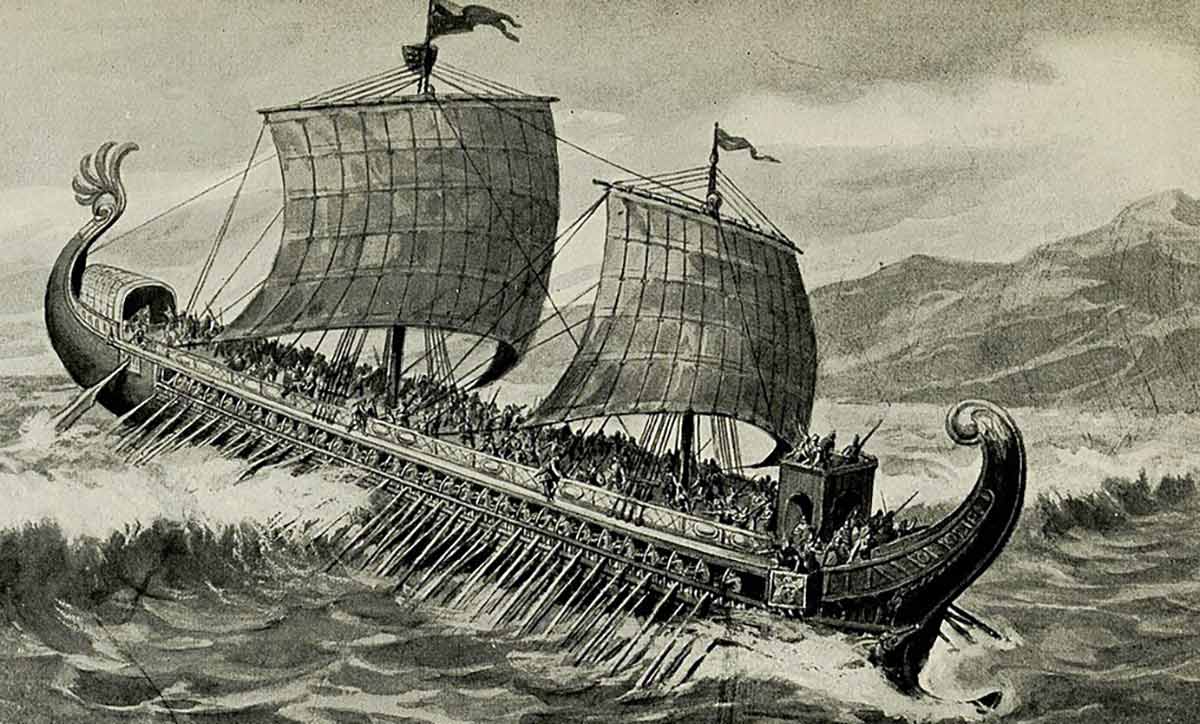
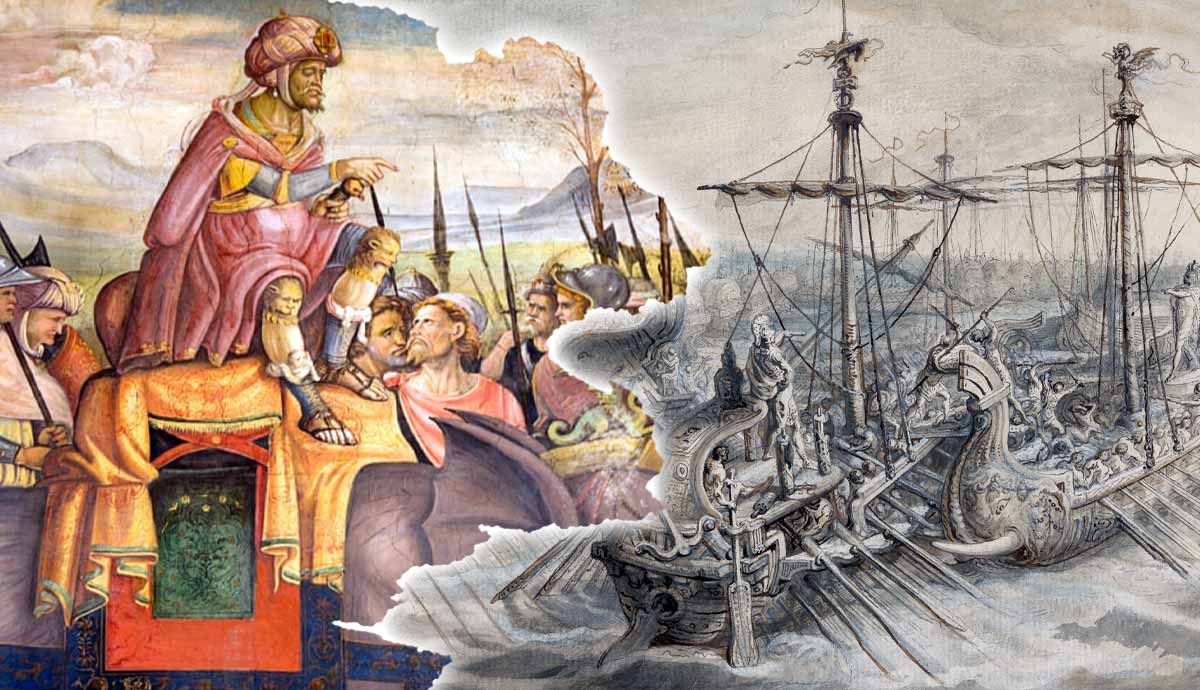
As stated above, while Rome conquered and destroyed Carthage, it also adopted many aspects of the way they live life. Roman agriculture in North Africa was based on Carthaginian expertise in the field. Roman authors like Varro and Columella cited Punic agricultural practices, once revered as models of efficiency. Even Rome’s naval architecture had clear Punic influence. For instance, the quinquereme, an impressive naval vessel utilized by the Romans, was originally copied from a Carthaginian design acquired during the First Punic War.
Carthage’s mercantile networks were folded into Roman trade routes. In 44 BC, Carthage was refounded as Colonia Julia Carthago by Caesar. By the second century AD, Roman Carthage rivaled Alexandria in wealth and ingenuity, producing scholars, and later, Christian theologians.
Once Carthage had been conquered, it became a cornerstone of Rome’s prosperity. The Punic legacy survived, despite the influence of Rome, proving that even conquest cannot erase a sturdy civilization.
Carthage and the Christian World
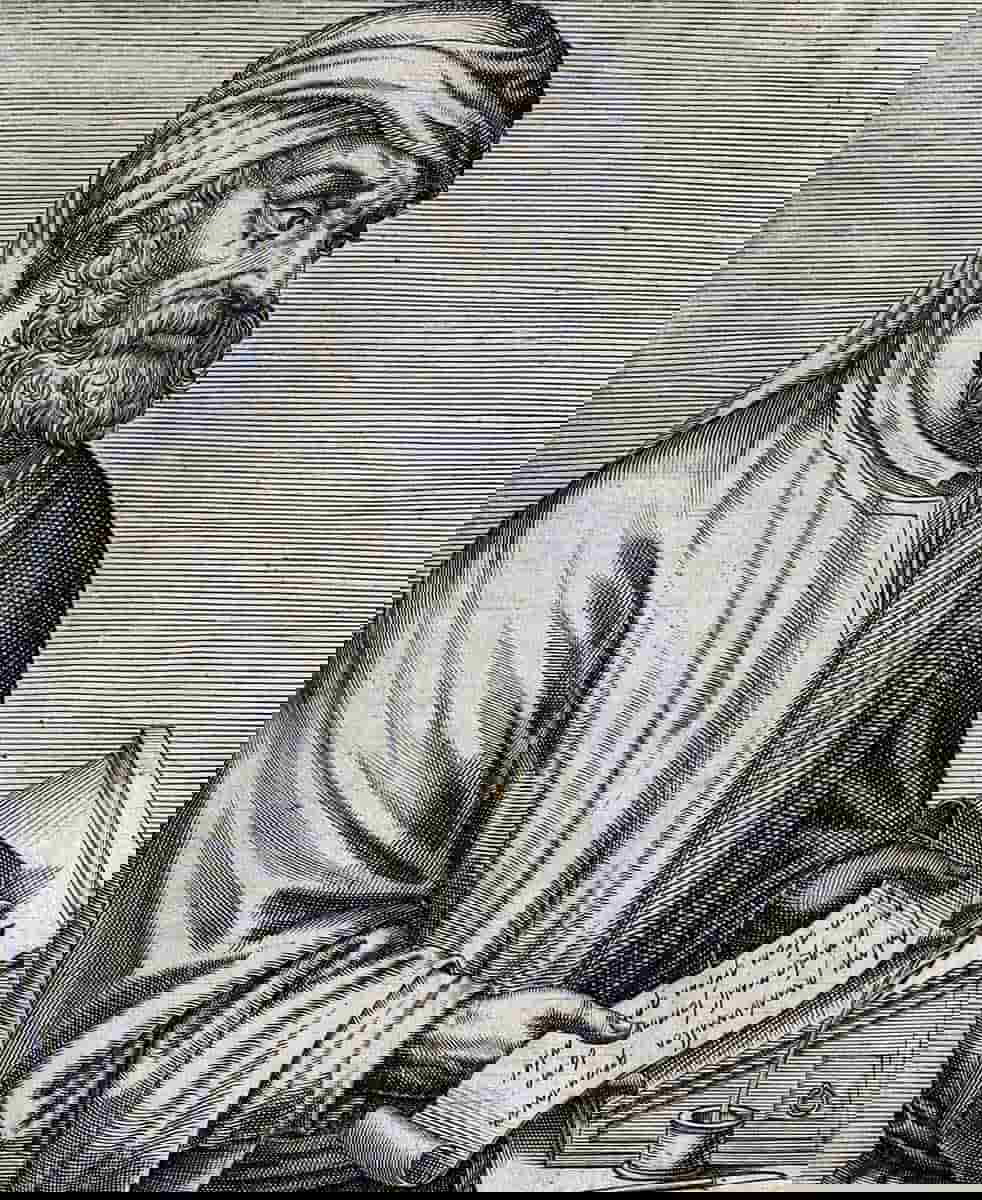
Under Roman rule, Carthage turned into a center of early Christianity. Carthage’s cosmopolitanism ensured that Christian communities could grow and attract new followers. Figures such as Tertullian and Augustine of Hippo made North Africa a leading intellectual center of early Christianity. Carthage even hosted major church councils during this time.
This transformation shows how adaptable Carthage’s urban culture was. Its infrastructure and institutions of civic life provided the perfect environment for new ideas. The city’s conversion from paganism to Christianity represented a display of the cultural and social flexibility that made Carthage stand out in the region.
Carthage’s Christian legacy also ensured its memory would endure through the medieval period. The Latin and Orthodox churches remembered Carthage as a site of learning and faith, even though the bishopric was abolished after the Arab conquests. As a result, Christian communities around the world chose to remember Carthage as a place associated with some of the earliest Christian thinkers and ideas. This was in spite of the fact that the original Carthaginian Empire did not practice Christianity.
Carthage Remembered
For centuries, Carthage’s legacy stood as a warning of a kingdom that defied Rome and paid a terrible price. Yet modern research and archaeology have revealed it to be a sophisticated civilization whose innovations shaped the Mediterranean world.
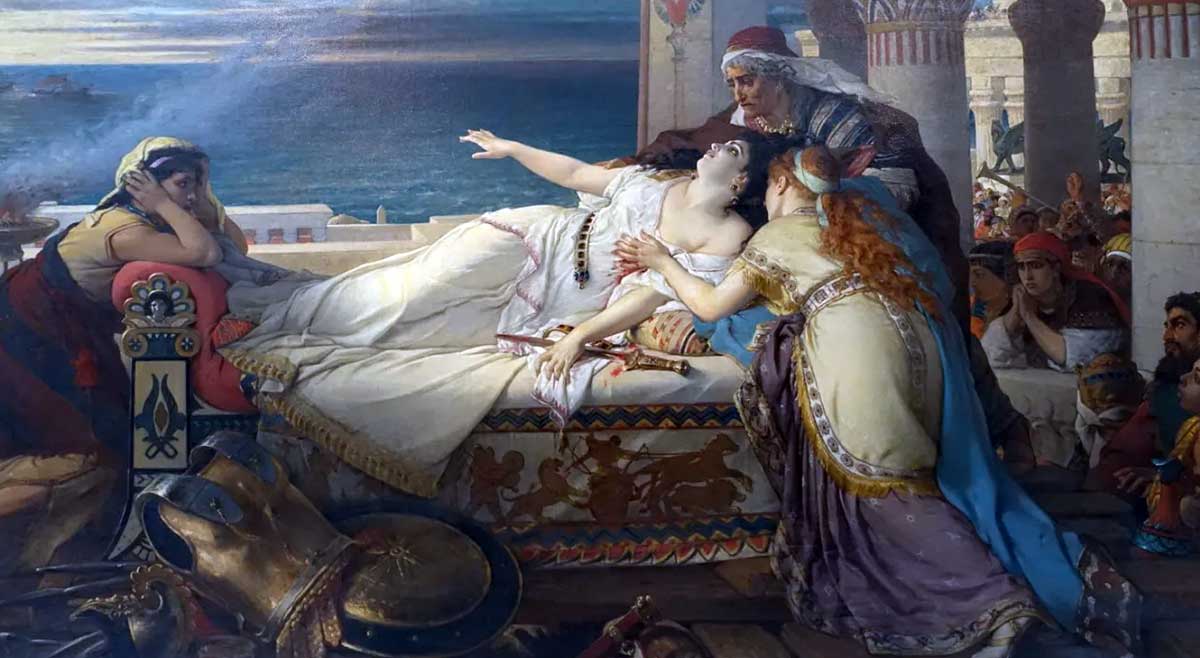
In art and literature, Carthage’s story was recounted in great detail. Virgil’s Dido, a romantic and tragic figure, symbolized doomed resistance to a higher power. Later writers saw her story as a metaphor for empires fated to fall.
Carthage endures as both a cautionary story and an inspiration. It shows that imperial ideas live long after the empire itself collapses. After Carthage arose Roman prosperity and North African Christianity. Carthage was a precursor to the modern world; a kingdom whose true legacy is endurance through transformation.