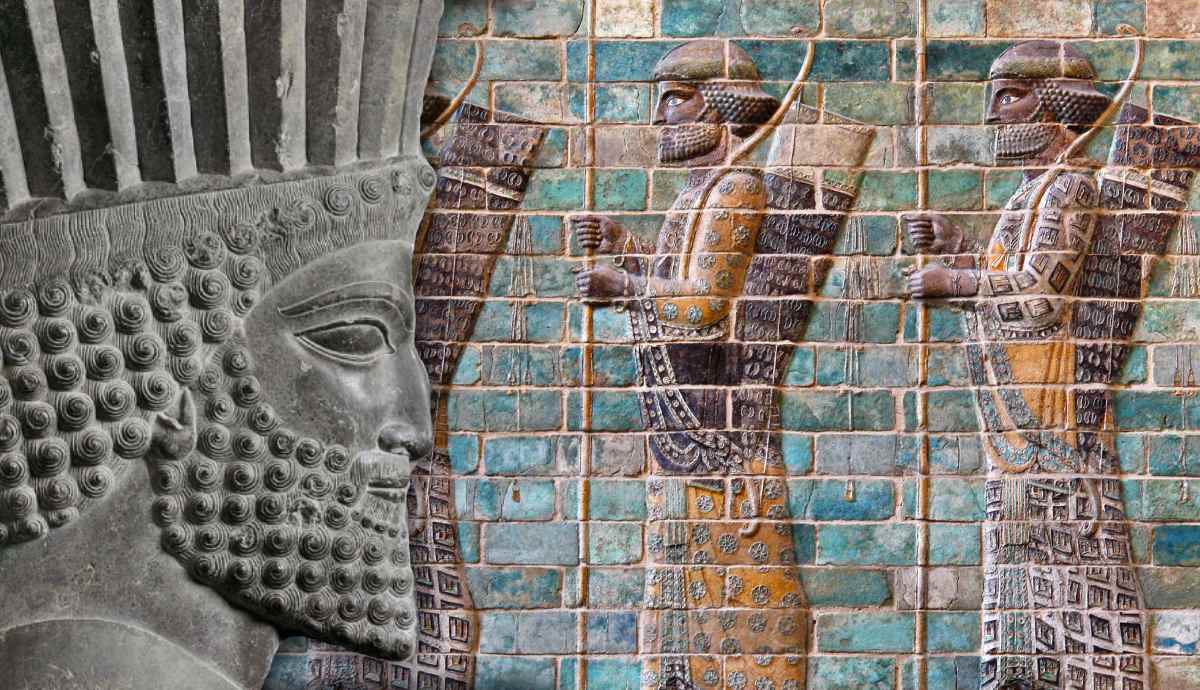

One of the few virtues of the recent Netflix series on Alexander the Great was the prominent role given to his principal opponent, Darius III of Persia. But in this retelling of history, as in most over the centuries, Darius is a supporting character in Alexander’s glorious march. While the story of Darius, the last of the Achaemenids, is preserved almost entirely in stories about Alexander, he was so much more than just a foil to the great Macedonian conqueror.
In the Shadow of Alexander
According to Pierre Briant, a leading scholar of the Achaemenid Empire, Darius exists in the shadow of Alexander. Only scraps of evidence from Darius’s life and six-year reign have survived, and they come from Greco-Roman historians who wrote centuries later, about Alexander. Despite deep analysis, Briant concludes that the image of Darius presented is so stereotypical that reconstructing an accurate biography is impossible.
Even though Alexander’s great conquest began with war against Darius, the rival king rarely features in accounts. In his rare appearances, Darius does all the things expected of the stereotypical “oriental” tyrant, who underestimates his opponent, dismisses sensible advice given by wise Greeks, and runs away from battle, all while living in luxury. Darius generally only speaks to praise Alexander. By the time of his death, Greco-Roman authors have him acknowledging his conqueror.
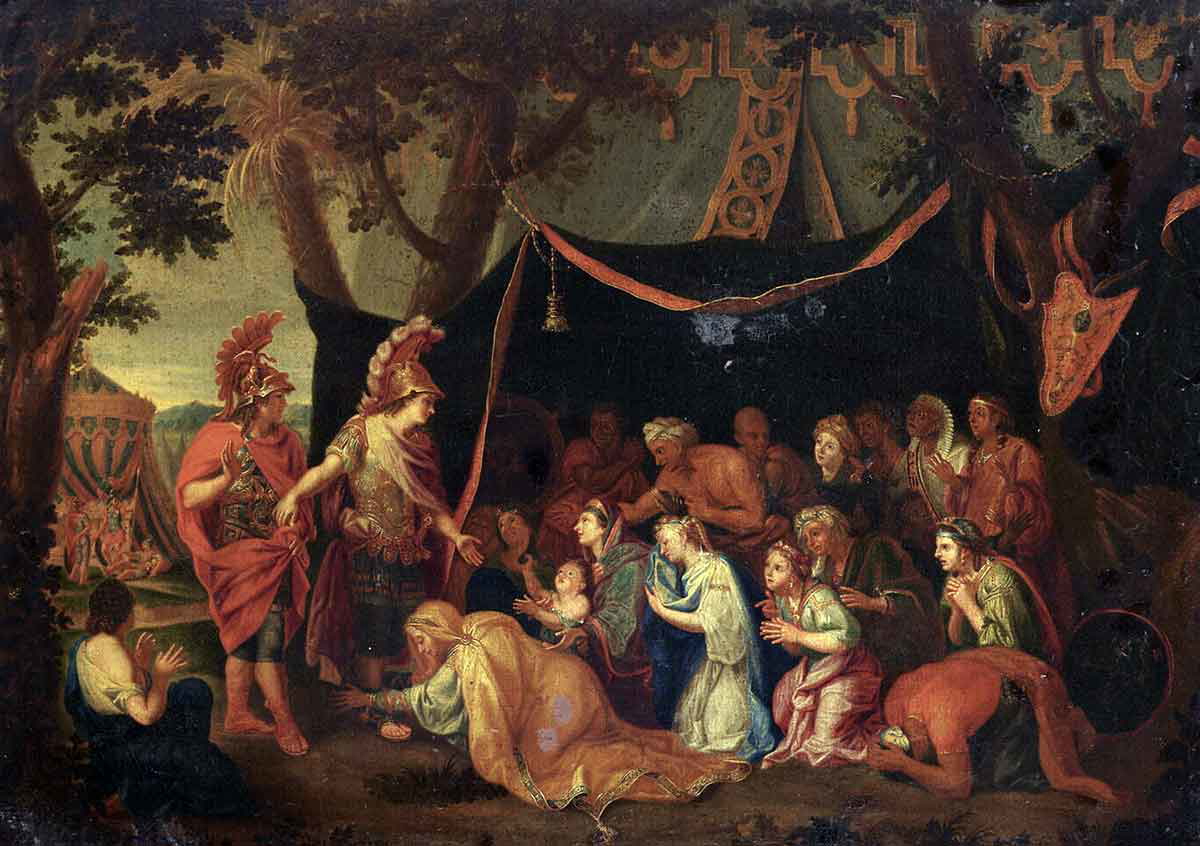
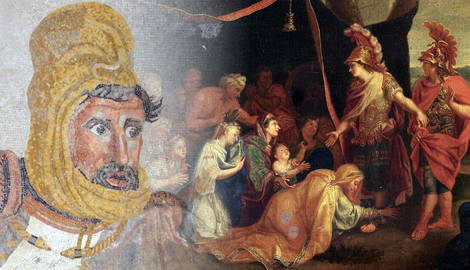
The few surviving stories about Darius are really stories about Alexander. The 2nd-century AD Roman historian (Justin 11.12.8) relates how, during a round of negotiations following the Battle of Issus, the Persian king exclaimed his gratitude for his opponent’s fair treatment of his prisoners. If we are to believe the Greek biographer Plutarch, Darius used his last words to thank Alexander for his conduct (Plutarch, Alexander, 43.2).
History is written by the victors. When Darius is not ignored or derided, he is used to reveal Alexander’s greatness. But can we detect anything of the real Darius in what remains of his story?
Darius Before Alexander
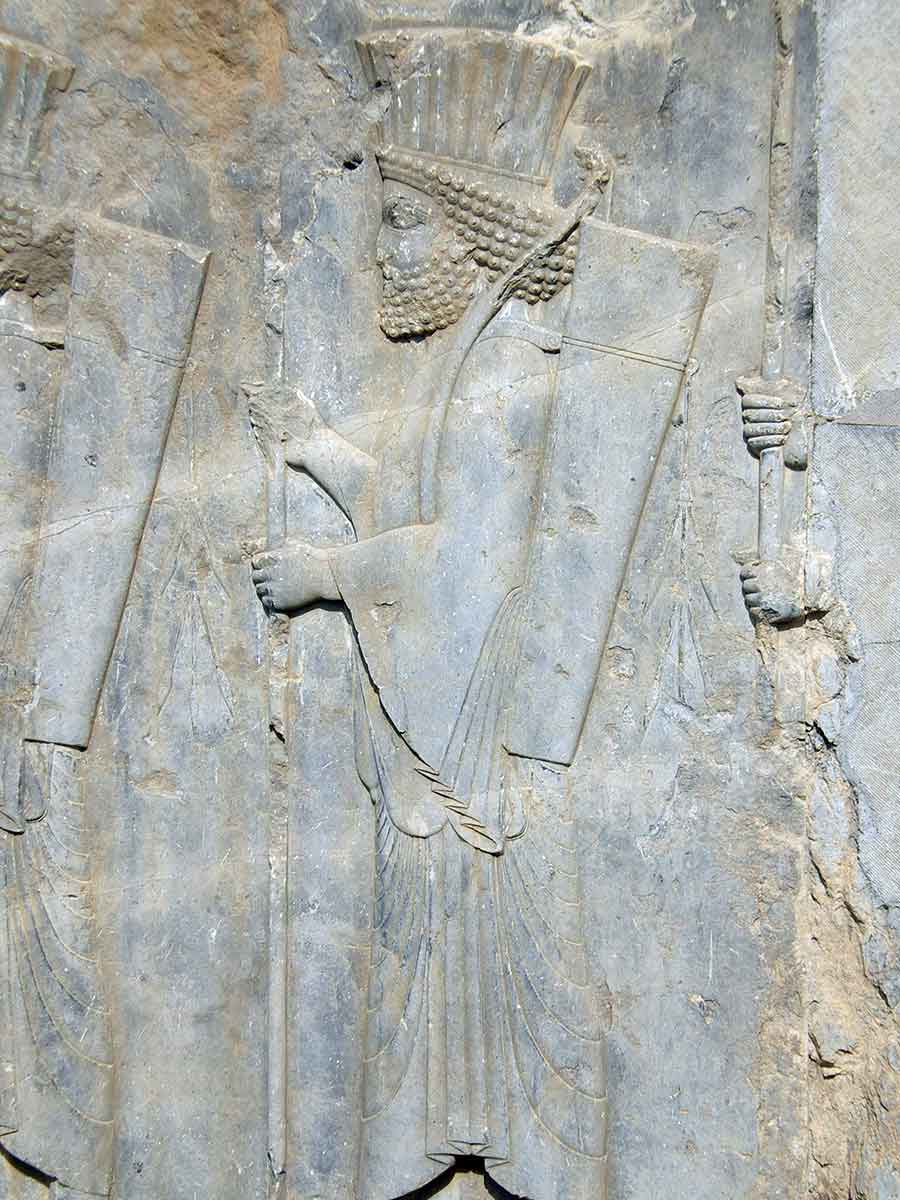
Darius was likely in his forties when the 22-year-old Macedonian invaded in 334 BC. We know little else about him. Plutarch says that Darius was the “most handsome and tallest of men,” in a fairly generic description (Plutarch, Alexander, 21.3). There is also a lack of clarity regarding his real name, as he adopted the regal name Darius upon mounting the Persian throne. Achaemenid sources record the name Artashata. Justin gives a possible nickname of unknown meaning, Codomannus (Justin 10.3.2).
The man who became Darius came from royal but relatively low origins. He was a distant relative of the ruling family, and his rise to power was unexpected. In contrast to his later characterization as a coward who fled the battlefield, his ascent began with an act of bravery. During Artaxerxes III’s campaign against the Cadusii, Darius confronted and defeated an enemy in single combat. This won him the admiration of the army and promotion within the administration of the empire (Diodorus 17.6.1; Justin 10.3.2).

Artaxerxes III (359/8-338/7 BC) had rebuilt the Persian Empire by suppressing rebellions and reconquering Egypt, but he died unexpectedly. Later stories pointed the finger at the powerful courtier called Bagoas. A purge of the immediate royal family followed. Bagoas initially made Artaxerxes’ son Arses king before he, too, was removed. Bagoas then turned to a popular but minor figure. Darius III was crowned around 336 BC. If Bagoas expected Darius to be a puppet, he was mistaken. The tables were swiftly turned when the new king forced the courtier to drink his own poison (Diodorus 17.5.6).
Given the background of his rise to power, Darius could never have felt entirely secure on the throne. He certainly did not have much time to enjoy his position. Just as Persia was overcoming this moment of weakness, a new threat was emerging in the West.
A Conventional Start to an Unconventional War
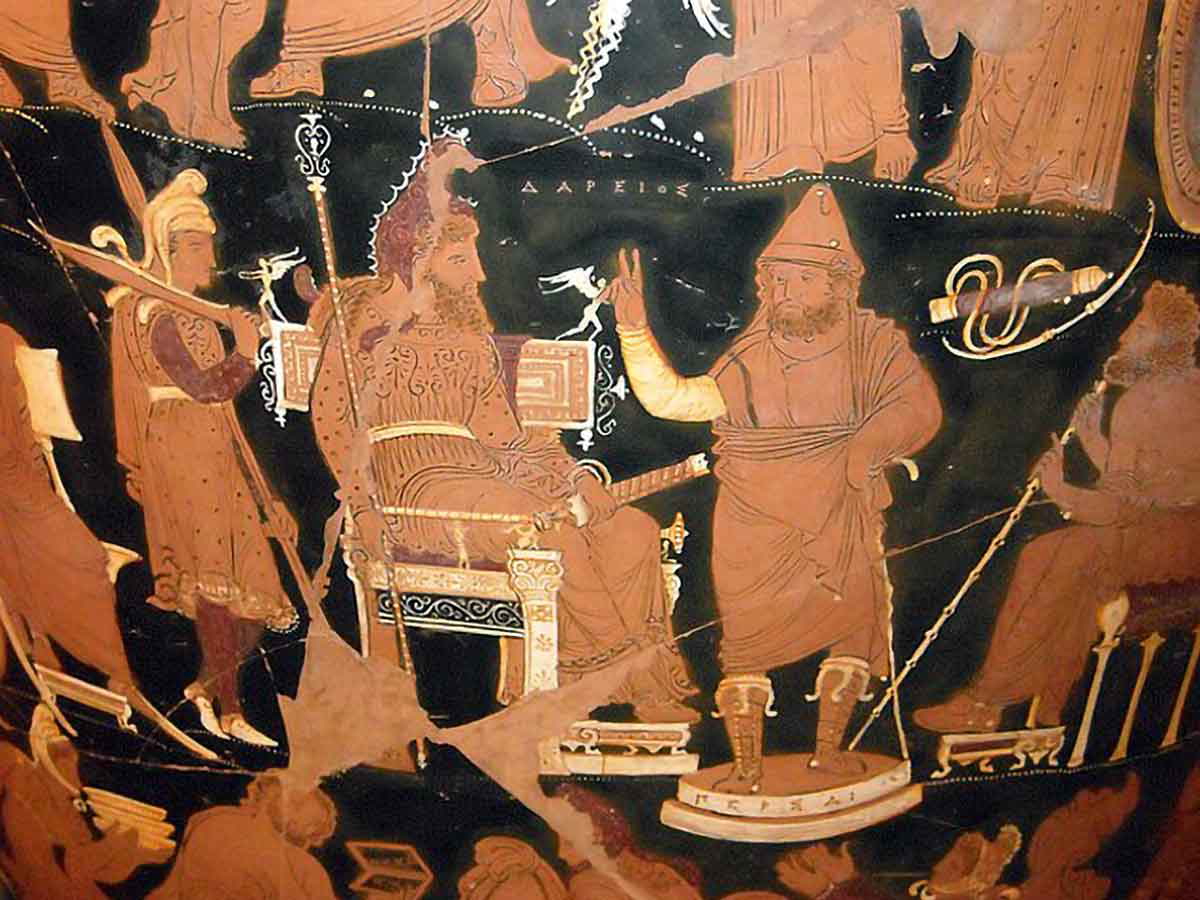
The Persian Empire had not been idle while Philip II and Alexander III turned Macedonia into the leading Aegean power. Phillip’s expansion along the northern Aegean coast and then into Asia Minor (modern Turkey) had been opposed, but must have appeared routine from the Persian perspective. Athenians, Spartans, and Thebans had all campaigned against Persia at the apogee of their power. All had ultimately retreated.
When faced with a Greek invasion, the standard and successful response was to oppose the invading force where possible, while Persian funds and supplies encouraged opposition in Greece. Until now, this had been enough. It is possible that Darius was initially distracted by rebellions in Babylon and Egypt that occurred shortly after his accession. There was certainly no reason for Darius to come himself to the distant western border of his empire to confront Alexander in 334 BC. Local commanders could act on his behalf.
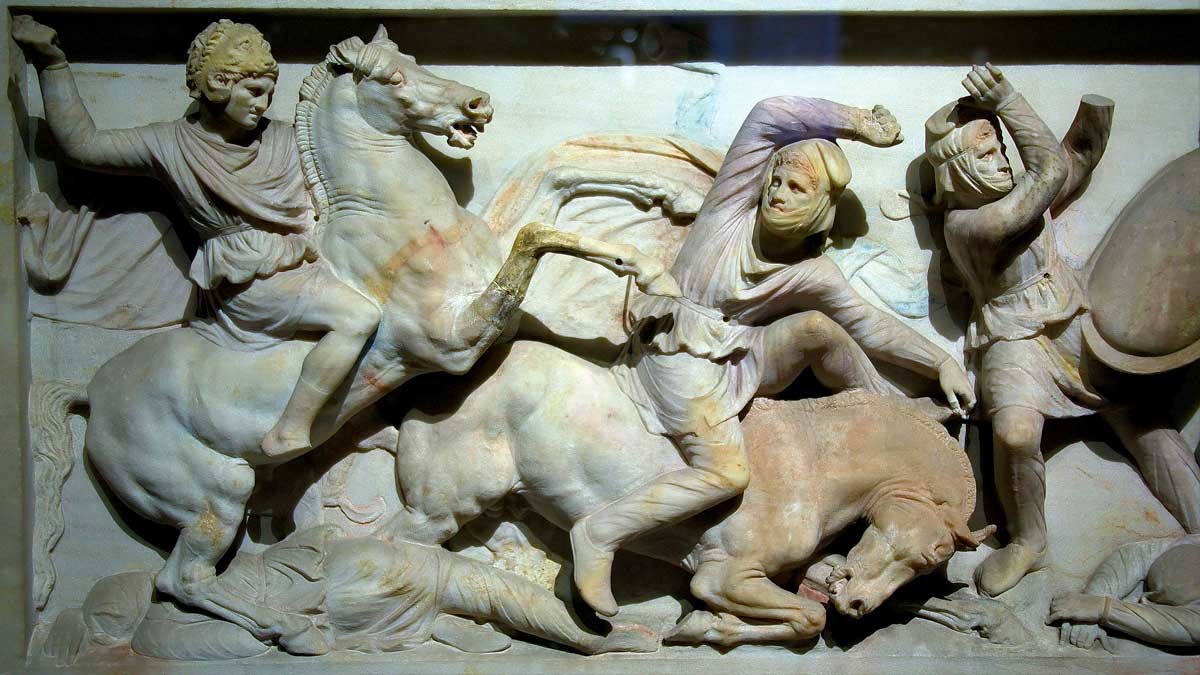
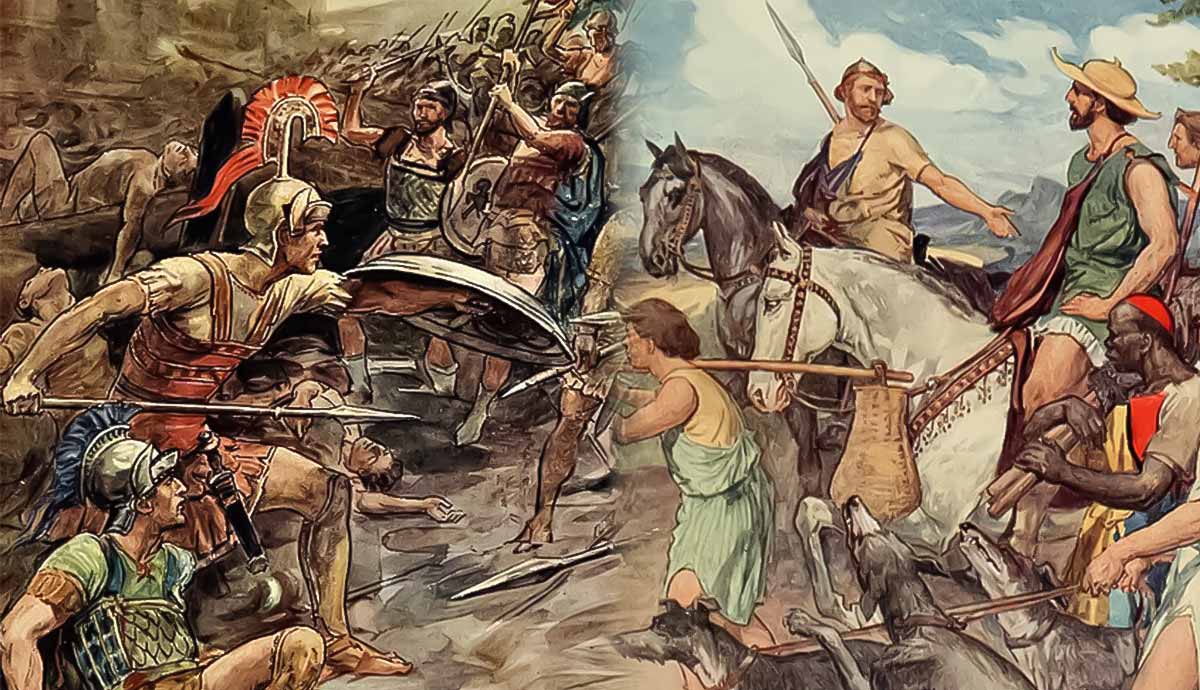
At this point, Greco-Roman sources accuse Darius and the Persian commanders of ignoring the sensible advice of Greek advisors, who counseled avoiding pitched battles (Diodorus 17.18). Such accounts may reflect genuine debates within the high command, but this was also a common literary trope. Brave Greek counselors offer sage advice but are dismissed by arrogant Persians. According to these accounts, the result was the Battle of the Granicus. While they almost killed Alexander, the Persians lost the battle.
Meanwhile, the Persians continued to try to undermine Alexander in Greece, but to their surprise, this was unsuccessful. Philip and Alexander had a firmer hold of Greece than any previous conqueror. The Spartans were the only significant state to take the Persian offer and revolt against Alexander, but the weakened city-state had little success. The Athenians were potentially hostile to Macedon, but their defeat at Chaeronea in 338 BC made them reluctant to try again. The other significant power, Thebes, lay in ruins after being crushed by Alexander in 335 BC.
The Battle of Issus
Lack of resistance back in Greece meant that the Persians had to face Alexander on the battlefield. Darius mobilized the vast resources of the empire to confront Alexander directly. Despite the loss of some western territories, the Persian Empire still stretched from Egypt to India. Darius could raise a huge army to overwhelm Alexander’s much smaller force. We cannot know the exact numbers as our sources tend to give unreliably large figures. However, it is likely the Persians outnumbered the Macedonians at least two or three to one.
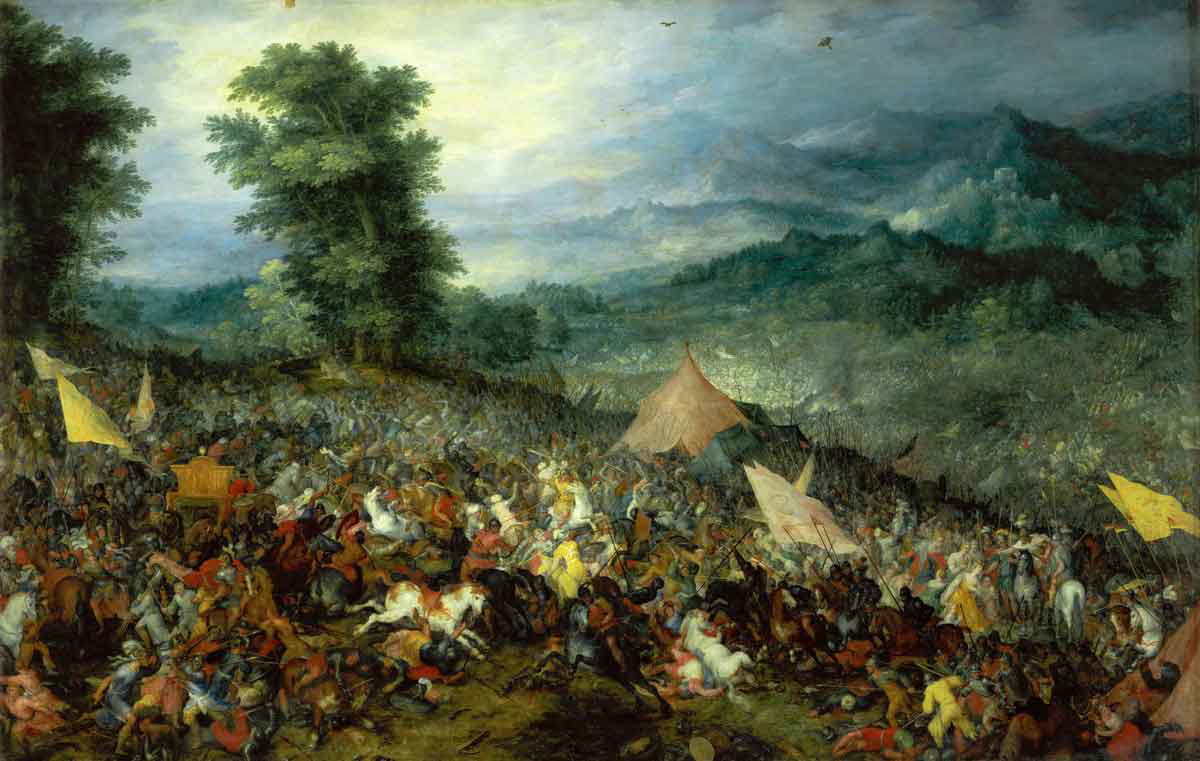
To take advantage of his superior numbers, Darius sought an open, flat battlefield. He chose a suitable location in Syria and waited for the Macedonians to emerge from the mountains of Cilicia (southeastern Turkey). When Alexander was delayed by illness and local campaigns, Darius changed his plan and advanced to search for his enemy. The decision almost proved a masterstroke. The Persian army emerged from the mountain passes behind a surprised Alexander. However, by moving, Darius had left the open plains of Syria. He was now in rough and narrow terrain that favored Alexander. The result was a crushing defeat at Issus in 333 BC.
Battle of Gaugamela: Cowardice or Prudence?
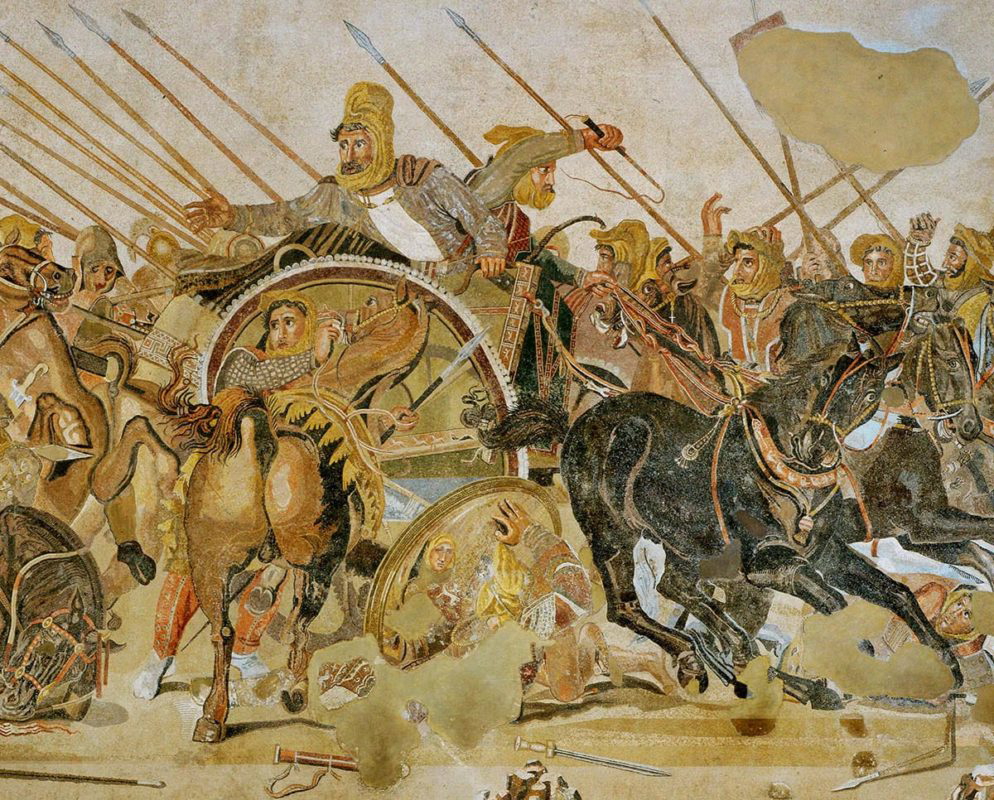
Darius did not repeat the same mistake two years later at Gaugamela (modern Iraq). The Persians waited for the Macedonian army on an open, uninterrupted plain some distance from the town of Arbela. Finally, Darius had the battle that suited his strengths.
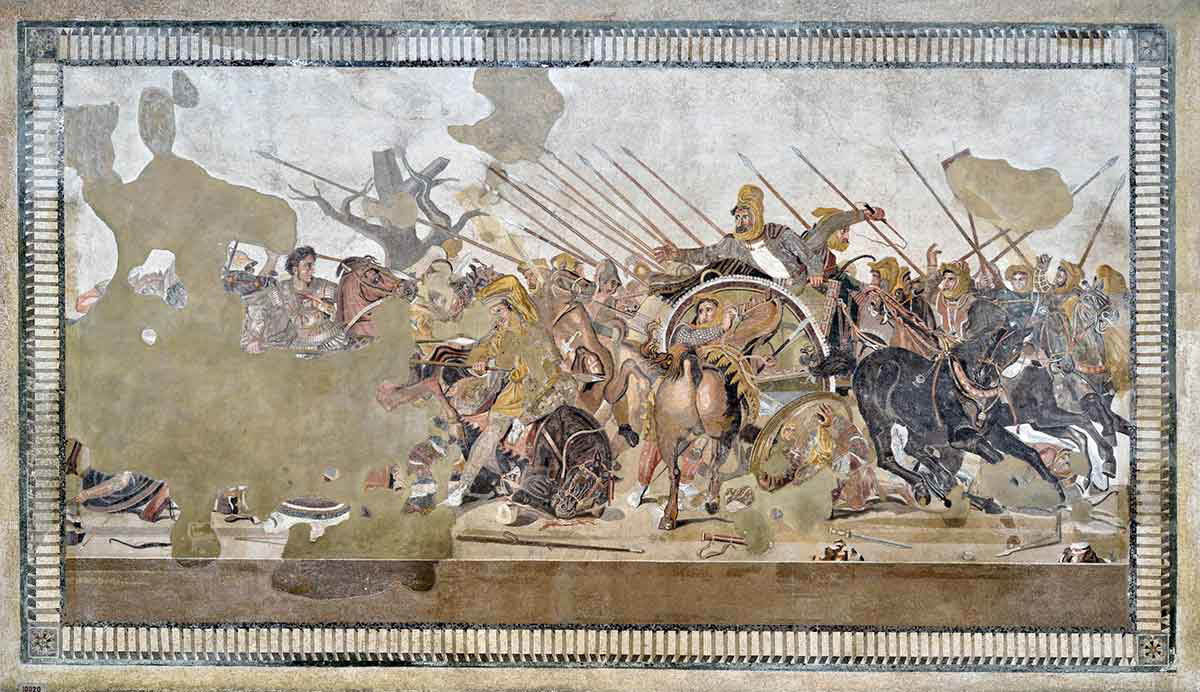
According to our sources, the decisive moment in the battle was a direct confrontation between the Macedonian cavalry under Alexander and Darius’ guards. Hostile sources, such as the Greek historian Arrian, claim that Darius quickly fled in cowardice (Arrian 3.14). Another tradition paints a slightly different image, with Darius trying to stand his ground before being forced to retreat (Justin 11.9.9; Diodorus 17.34.6). Either way, the king’s flight was the signal for the grand army to dissolve. The flight of Darius became one of the most common images of Hellenistic art, depicted most famously in the Alexander Mosaic, discovered at Pompeii.
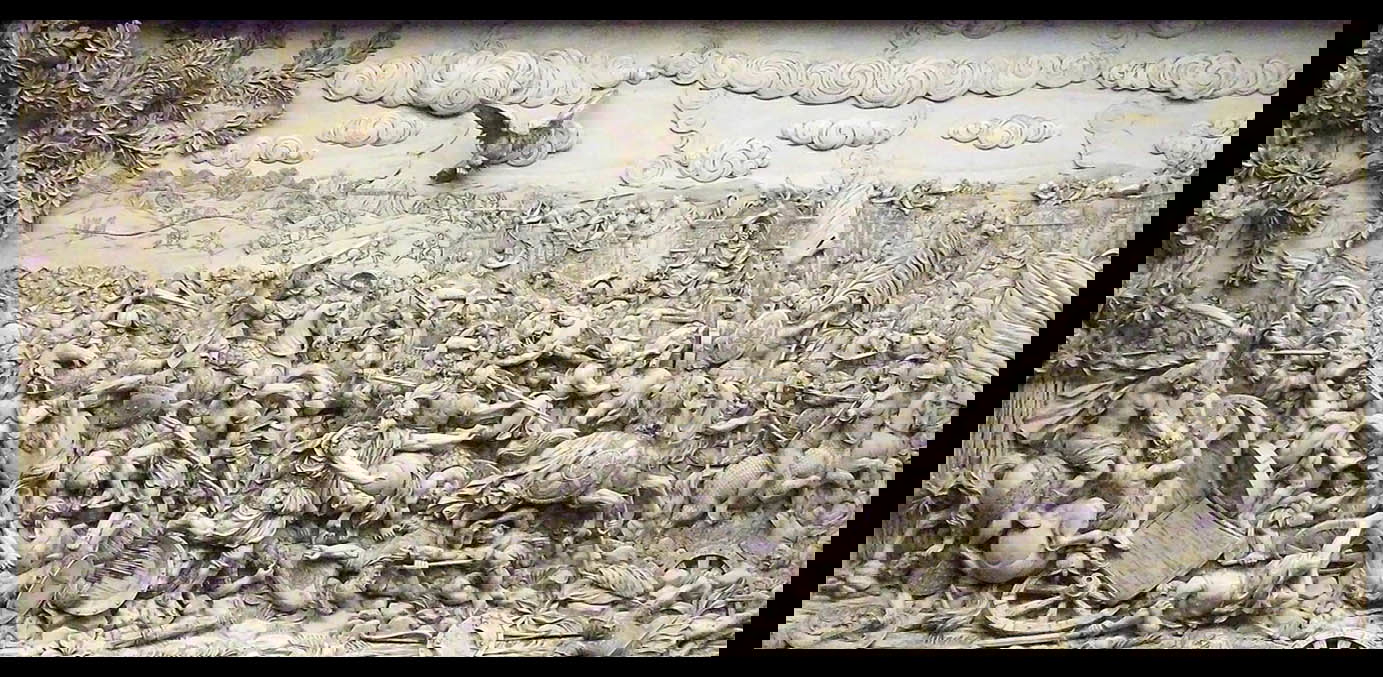
The nature of the sources means that we will never truly know what happened on the battlefield. But what we know of Darius’ earlier life suggests he was not the type to shrink from danger. The course of events probably has more to do with different leadership styles. Macedonian kings were expected to lead from the front, which is why both Philip and Alexander picked up many battle scars, and many Macedonian kings died in battle. This was not the case in Persia, where, in the two centuries of the Achaemenid dynasty, only the founder, Cyrus, died in battle as a king. The Persian king was not meant to die in the field, lest that entire empire fall with them.
Darius’ failure probably stems from the difference between the two armies. Philip and Alexander had built something close to a professional army and trained it through decades of marches and campaigns. By 331 BC, the core of the Macedonian army was a veteran force with commanders who had spent years together. In contrast, the Persians assembled an army for each campaign. By this point, they had few, if any, full-time units. While the Persian armies were much larger, the Macedonians were more experienced and cohesive.
Betrayal and Death
Darius did not give up. He retreated to the more inaccessible regions of his remaining empire and planned to build a new army. Those around him, and Alexander, had different ideas.
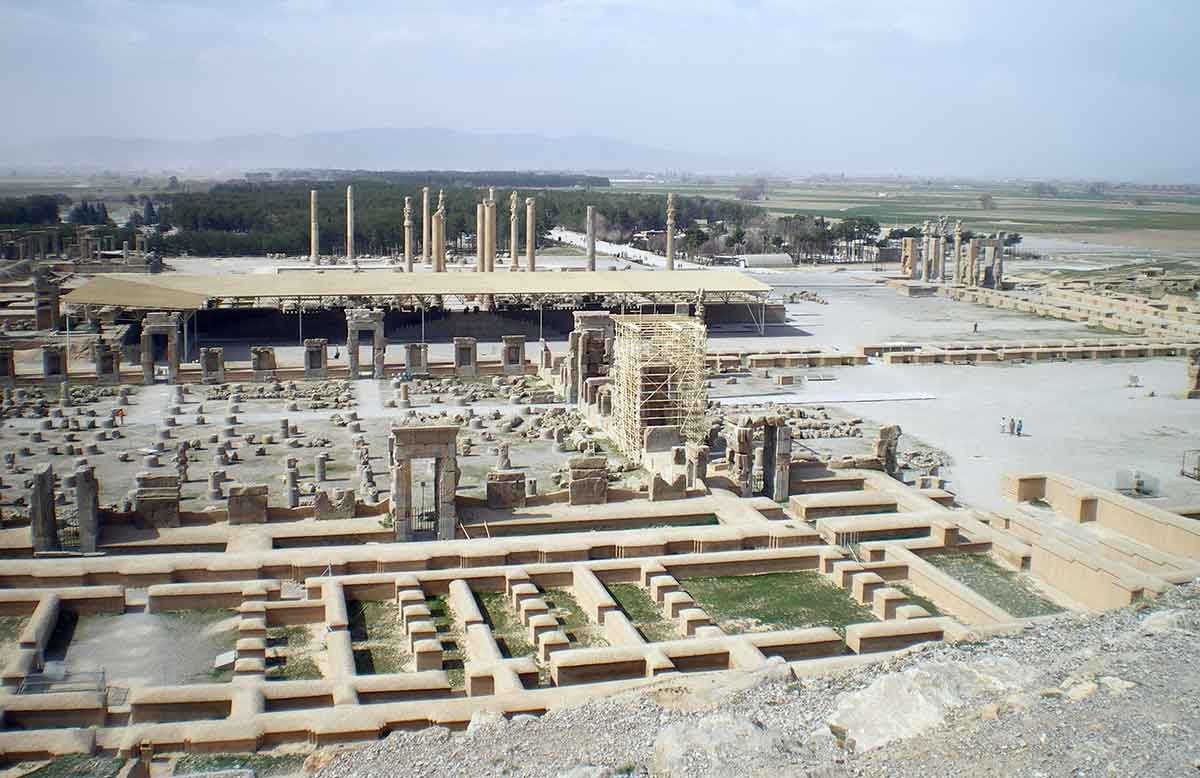
After capturing and burning the Achaemenid capital of Persepolis, Alexander pursued Darius through northern Iran. Darius did not have time to assemble his new army, and by this point, people could be forgiven for not believing that a third army would fare any better. As Alexander closed in, some of the nobles around Darius betrayed him. First, he was led out in chains, but as the Macedonian scouts approached, the conspirators, led by the usurper Bessus, stabbed Darius and left him dying by the road.
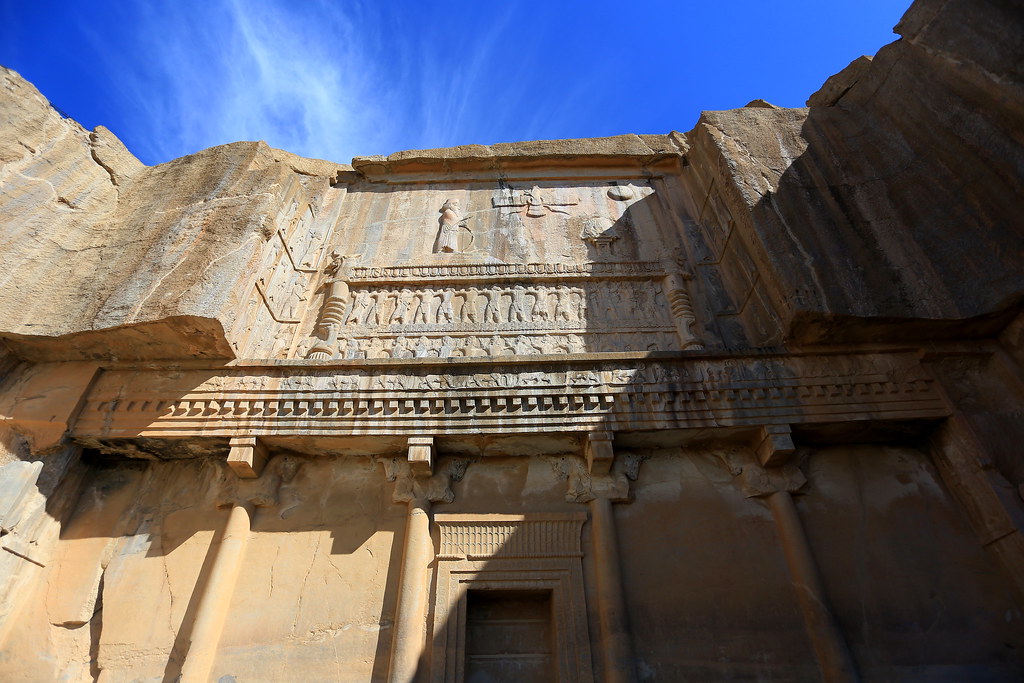
As always, several versions of Darius’ final moments circulated. In some, he survived long enough to express his gratitude to Alexander for his conduct. All the stories essentially focus on the good behavior of Alexander and his right to rule the Persian Empire and continue the war against those who betrayed Darius. Even in death, the accounts of Darius are less about him and more, according to Briant, “a long panegyric of his adversary.”
Given the nature of the sources, it is difficult to make any assessment of Darius. His early life is obscure, and his short reign was consumed entirely by a war he lost. While the image of the weak coward who deserved to be defeated seems harsh and based on prejudice, his conduct in the war was largely conventional. He relied on a set of strategies and tactics that had worked in the past but were unable to face the challenges of a changed world.