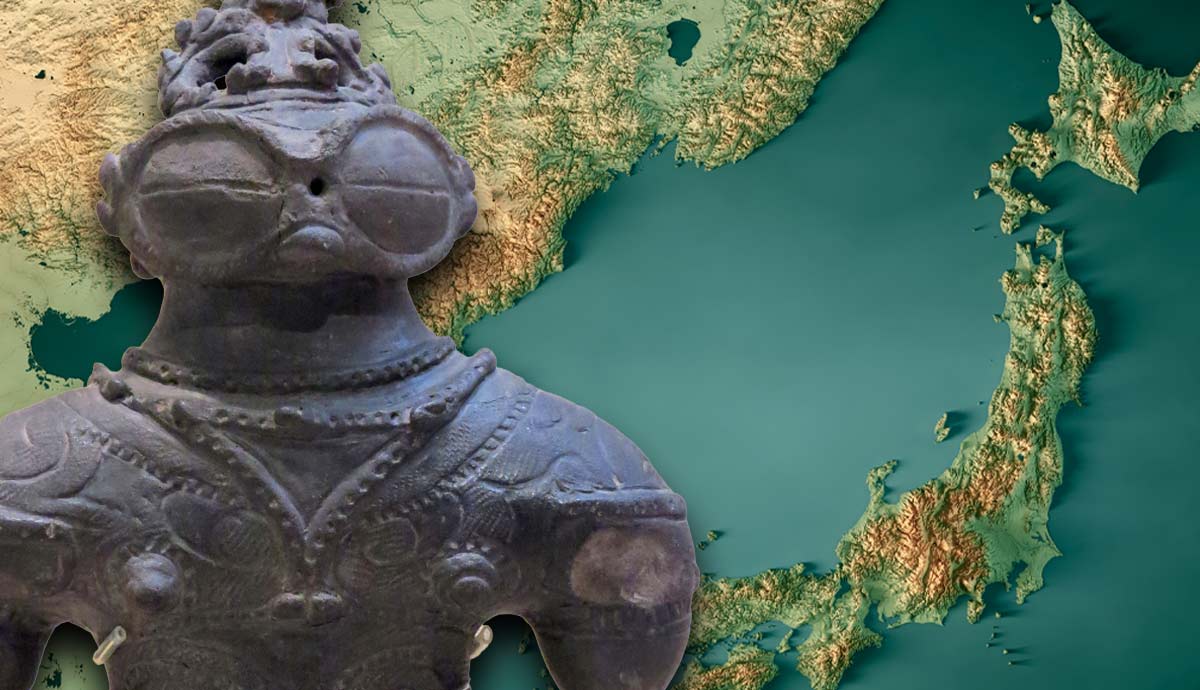

Kunio Yanagita is regarded as the father of Japanese folklore because he recorded and rescued stories in the same way as the Brothers Grimm. These stories were passed down orally, but the rapid industrialization of Japan during the Meiji Era threatened such traditions. In 1910, Yanagita published The Legends of Tono. By systematically documenting rural tales of supernatural creatures, or yōkai, he transformed local ghost stories into an academic discipline called minzokugaku, preserving Japan’s spiritual heritage for generations to come.
Rapid Modernization and the Threatened Demise of Japanese Myth
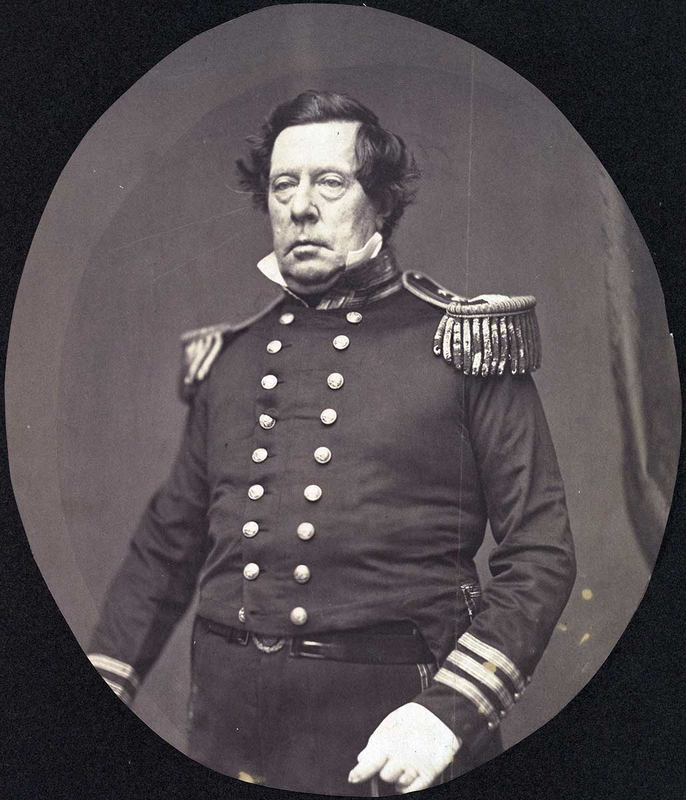
When United States Commodore Matthew Perry forced Japan to open its ports and end its 200-year isolation, the country was thrown into the modern world. Ancient traditions were discarded in favor of Westernization. The shogunate was weakened, and in 1868 the Meiji Restoration took firm hold in the Land of the Rising Sun. The Japanese government didn’t want to be seen as a medieval, backward society, so to advance the country’s standing, all traditional superstitions and rural folklore were suppressed and replaced with modern science. This was especially true in major urban cities, while rural villages (due to their more isolated locations) held onto their traditions.
The Impact of The Legends of Tono
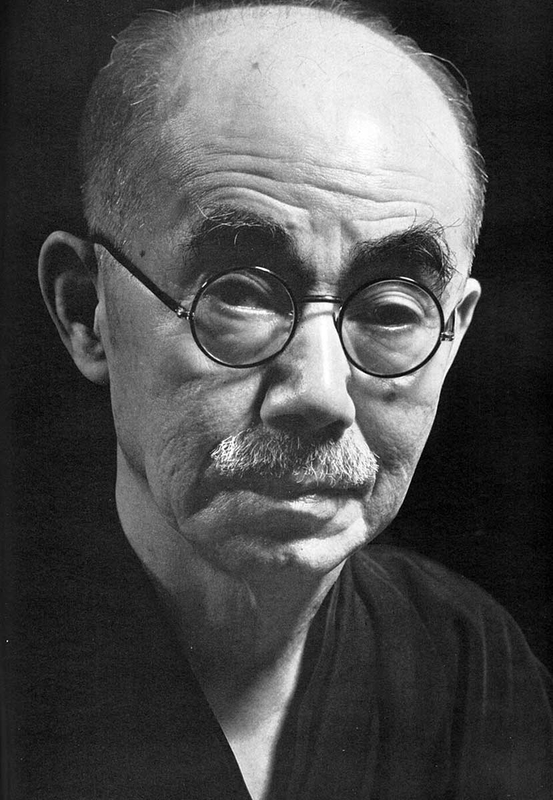
Kunio Yanagita was interested in literature, particularly Western literature, from a very young age. He studied at Tokyo Imperial University, then worked as a civil servant for the Department of Agricultural Administration. This career spanned two decades, during which he was also involved with literary movements.
He was concerned for the autonomy of rural farmers, and he advocated for their rights instead of wealthy landlords. During this time, it is believed Yanagita noticed the lack of Japanese cultural preservation. His views were received negatively in the Department of Agricultural Administration, so he left and traveled around the Japanese countryside collecting and recording local beliefs and customs.
He published his most famous work, The Legends of Tono, in 1912. It is a compilation of stories and practices from the small, rural, mountainous town of Tono. In this work, Yanagita wrote about encounters with yōkai or supernatural entities, including the kappa, tengu, and the zashiki-warashi. The publication had the same cultural impact as the Brothers Grimm publishing their fairy tale compilation in Europe. After publishing this book, Yanagita developed his work into anthropological studies of folklore, and he collaborated with the famous storyteller Kyōseki Sasaki to transcribe oral histories
Transforming Local Ghost Stories Into Modern Academic Study
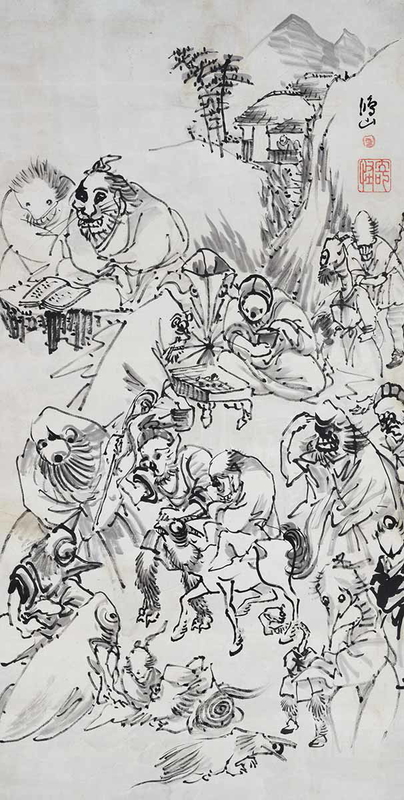
Before Yanagita, there weren’t any formal studies on Japanese cultural practices and beliefs. He established the field of minzokugaku, which translates to Japanese ethnology and folklore studies. Yanagita’s belief was that the rural Japanese people (jōmin) preserved authentic cultural identities because of their isolation from urban communities that were influenced by secular Western societies.
In order to preserve his country’s cultural past, he meticulously recorded the cultural practices and beliefs from around Japan. In the past, other people had recorded Japanese folk tales, but these were informal collections and weren’t written with an empirical, anthropological scope.
Preserving Yokai Monsters for Contemporary Culture
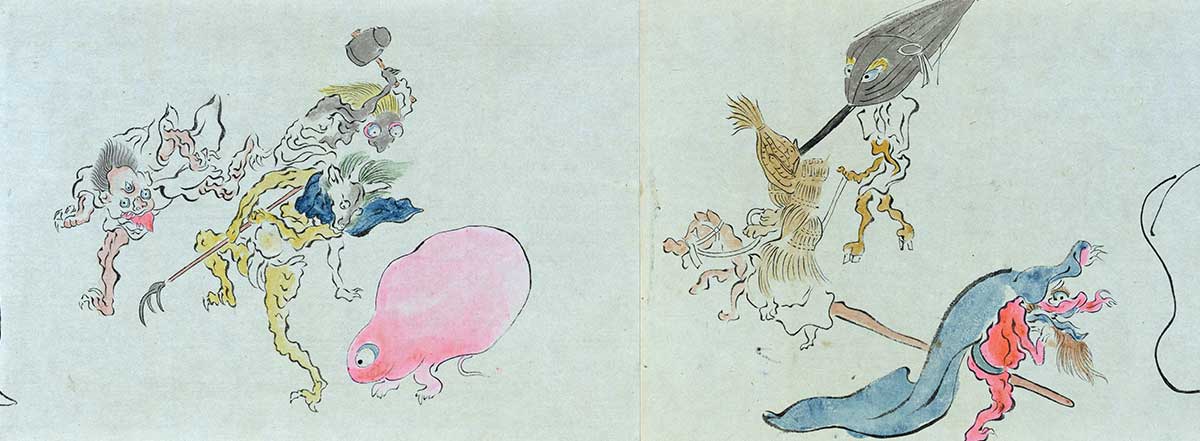
A strongly held custom in Japanese culture was to be fearful and reverent of yōkai, but Yanagita captured the essence of these supernatural spirits as valuable cultural artifacts. They were still meant to be feared, but also respected as impactful monikers of Japanese tradition.
Kunio Yanagita became the father of Japanese folklore, and his systematic academic approach to recording his country’s oral traditions provided a framework that would influence pop culture and the Japanese zeitgeist. Two primary examples are manga artist and writer Shigeru Mizuki and the creator of Pokémon, Satoshi Tajiri. Other artists, writers, and more continue to keep Japanese supernatural spirit lore alive via different mediums.
The Lasting Legacy of Japan’s Master Ethnographer
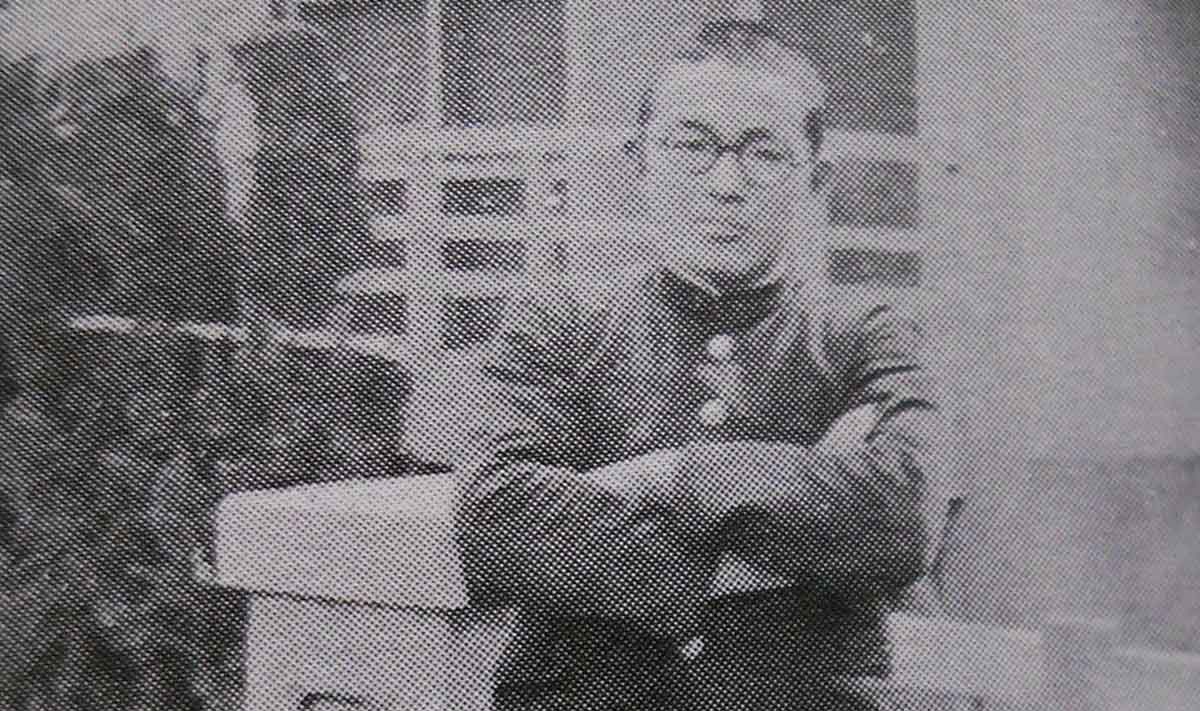
Other than influencing pop culture, as the father of Japanese folklore, Yanagita’s larger contribution to Japanese society is the establishment of folklore departments in universities. He also built up the country’s national identity in a positive way during a period when Japan’s motto was: “Out with the old, in with the West.”
By chronicling Japanese folklore, he helped save the past so it could be continuously reborn and reimagined in the present and future.