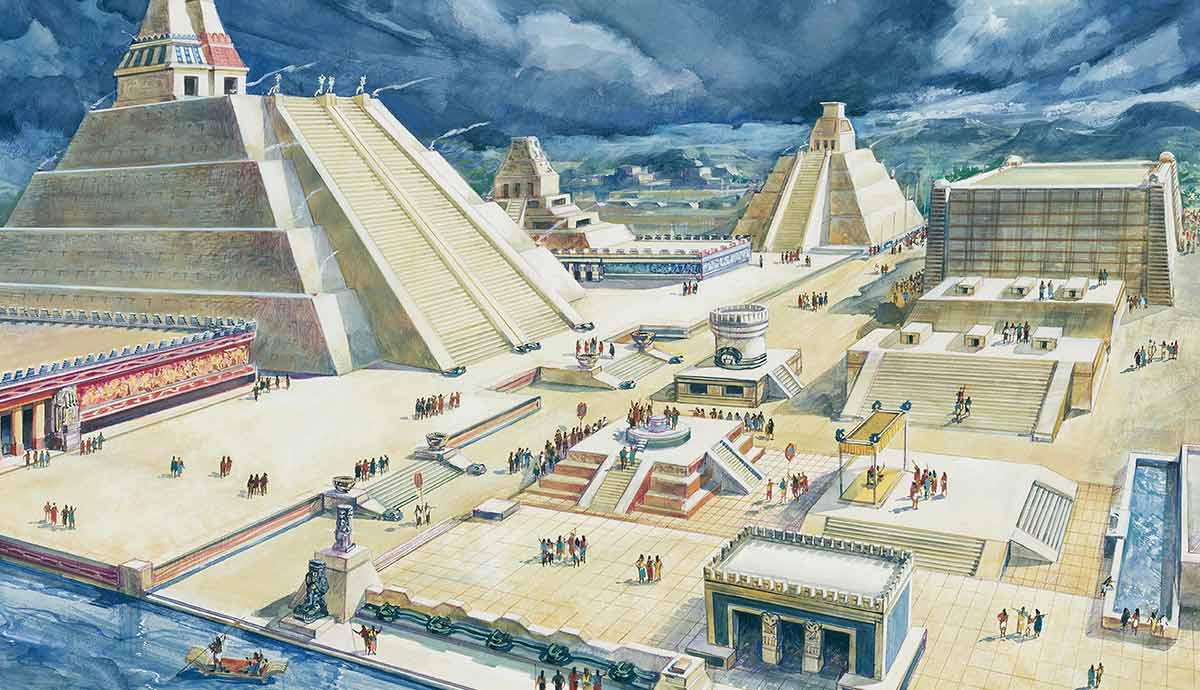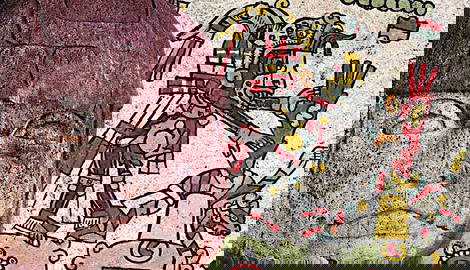

Towering stone temples filled with gleaming gold. Giant carved heads and delicate votive figurines. Stories of human sacrifice and legendary lost cities long since swallowed by forest or jungle. The ancestors of the Aztec lived in advanced cities with incredible cultural artifacts that can be traced back over 5,000 years, yet are often overshadowed by the dominant Mexica peoples. These five notable Mesoamerican civilizations, whose gods, technology, artistry, and architecture influenced the mighty Aztec, rose and fell before 1500 AD.
The Olmec Rubber Masters and the Dawn of Mesoamerican Culture
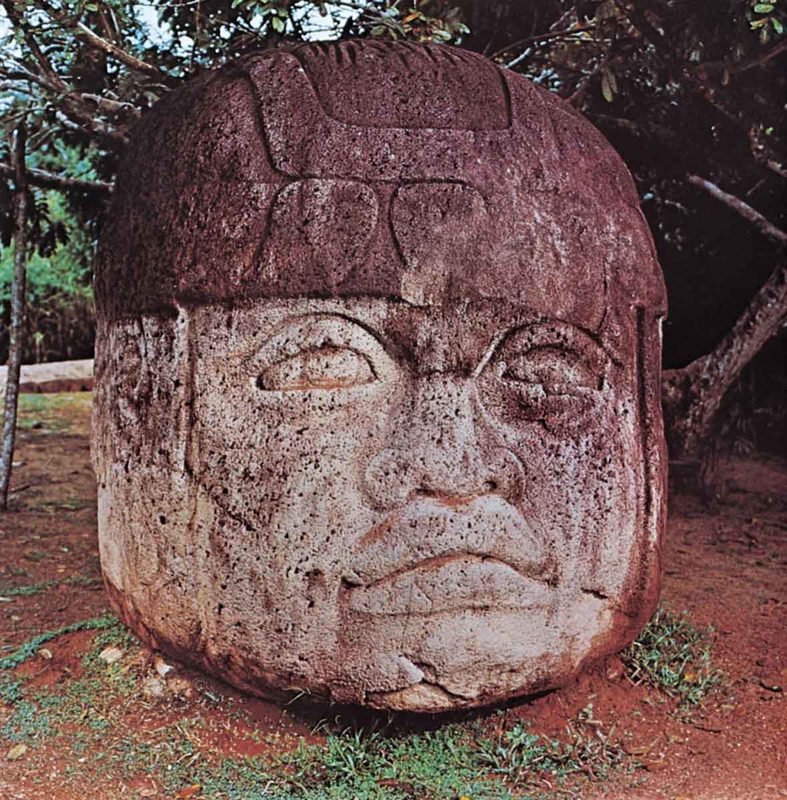
Located in the Gulf of Mexico (modern-day Veracruz and Tabasco), the Olmec civilization flourished between 1200 and 400 BC, with their influence spreading as far south as present-day Nicaragua. Occupying the hot, humid lowlands along the coast, they built settlements and practiced agriculture. The most recognizable figures of Olmec artistry are the colossal carved heads, standing between 1.5 and 3.5 meters in height, which have been found at several of their major cities and religious centers.
The Olmec remain a frustratingly mysterious culture; even what they called themselves remains unknown. It was the Aztec who called them the Olmec, which translates to “the rubber people.” Indeed, the Olmec are believed to have been the first people to convert the latex of the rubber tree into practical objects. They are also believed to have invented the famous Mesoamerican ballgame, complete with rubber balls, that would go on to be a central feature of the civilizations and cultures that followed them.
The Olmec were a sophisticated people with their own writing system, calendars, urban planning, and complex ritual sites. Yet, we know frustratingly little about their religious beliefs or the true meaning behind the intriguing statues and figurines that decorated their divine spaces.
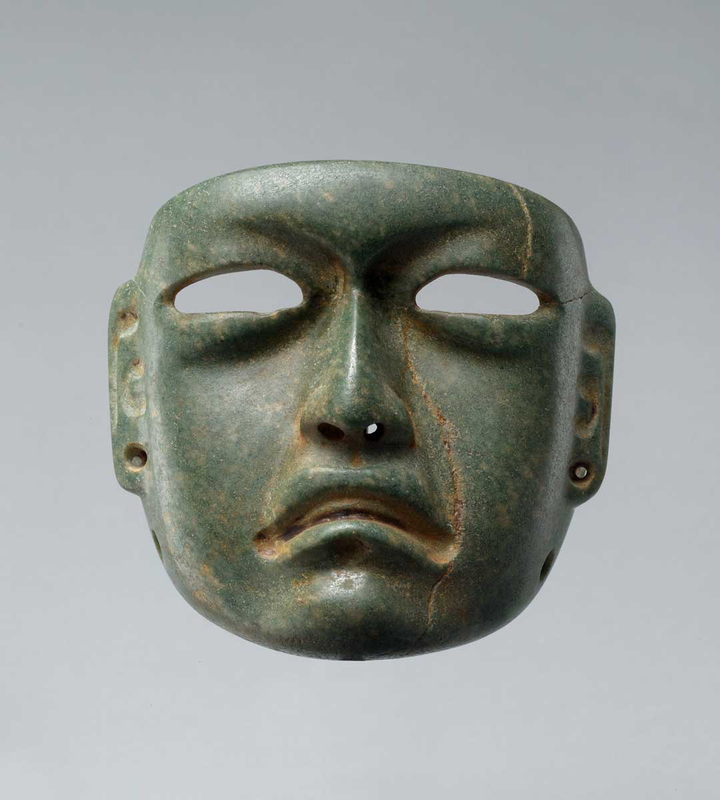
Despite the lack of contemporary records for the Olmec, we do know they had an extensive trade network. Olmec artifacts have been found across Central America, indicating extensive interregional trade routes. In Olmec sites themselves, there are artifacts made of jade that came from Guatemala and of obsidian from the Mexican highlands in the north.
The Olmec civilization appears to have ended rather abruptly when several of their major sites were deliberately destroyed around 400 BC, although it is not clear why. What is certain, however, is that the influence of the Olmec extended through the centuries and left its mark on future cultures, including the Maya and the Aztec.
Teotihuacan and the Mysterious City Built for Gods
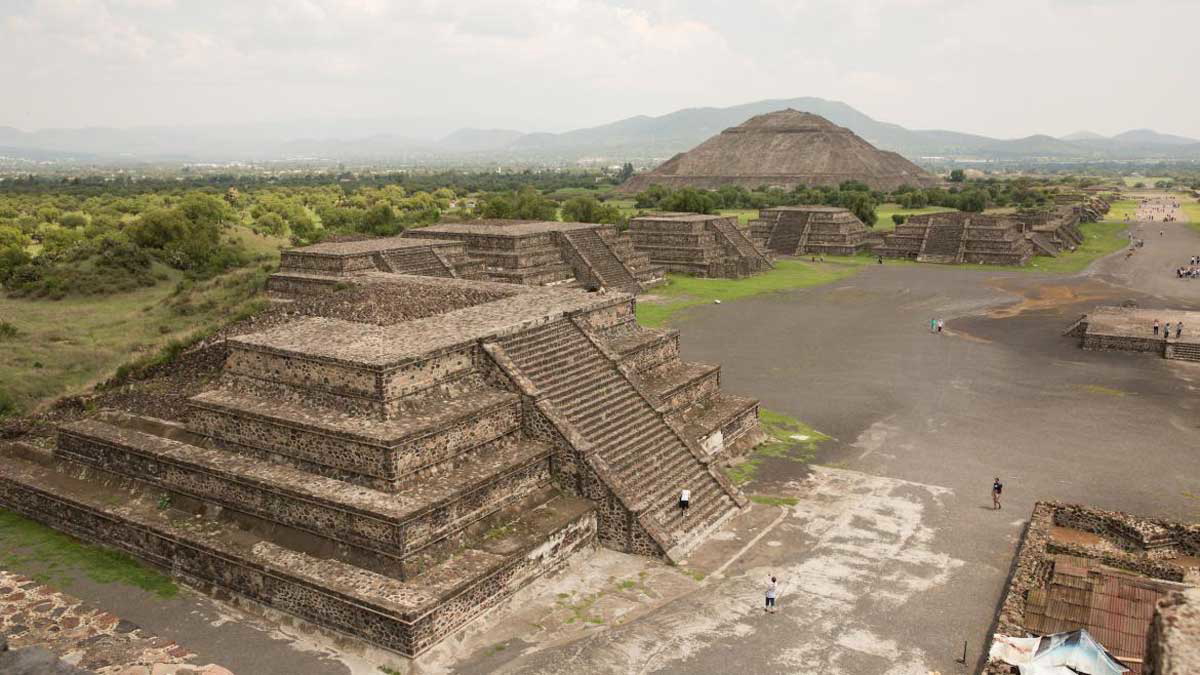
When the Aztec were exploring and expanding their empire, they stumbled upon the massive ruins of a mysterious city that had been abandoned centuries earlier. They were awestruck by their discovery, and the only explanation they could think of was that the architects must have had divine powers. They named the ruins Teotihuacán, or “the place where the gods were created.”
First settled around 100 BC and reaching its peak 500 years later, the name of the original culture that ruled an empire from it is as unknown as the name they gave their city. Covering more than nine square miles, the city was laid out on a pre-planned grid system that contained over 5,000 structures and is thought to have housed a population of between 120,000 and 200,000 people at its peak. For context, the population of London would not reach these figures for another thousand years.
At its height, the Teotihuacán culture controlled a small empire, including cities built by contemporary civilizations, such as the Maya, who depicted Teotihuacán warriors in their art and records. In the city itself, life for the inhabitants was arguably far better than it was for their contemporaries in dark-age Europe. They lived in beautiful apartments with whitewashed floors and plastered walls decorated with murals. They had open porches with drains for the rainy season and owned beautifully decorated ceramics and carved rock artifacts.
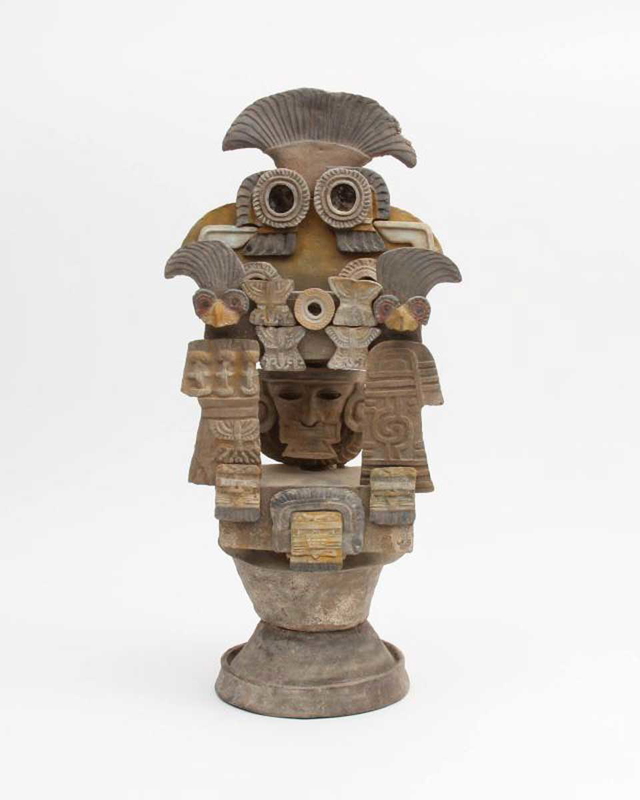
Whoever the inhabitants of Teotihuacán were, they took their secrets with them when their civilization mysteriously collapsed around 550 AD, possibly burned down by the inhabitants themselves. We cannot read their glyphs nor understand their religion. We don’t even know if they had a single defined ruler, an elite class, or a military. As archaeological work and study continue, perhaps we will one day get answers to these questions.
The Zapotec Cloud People and the Mountain Fortress of Monte Albán
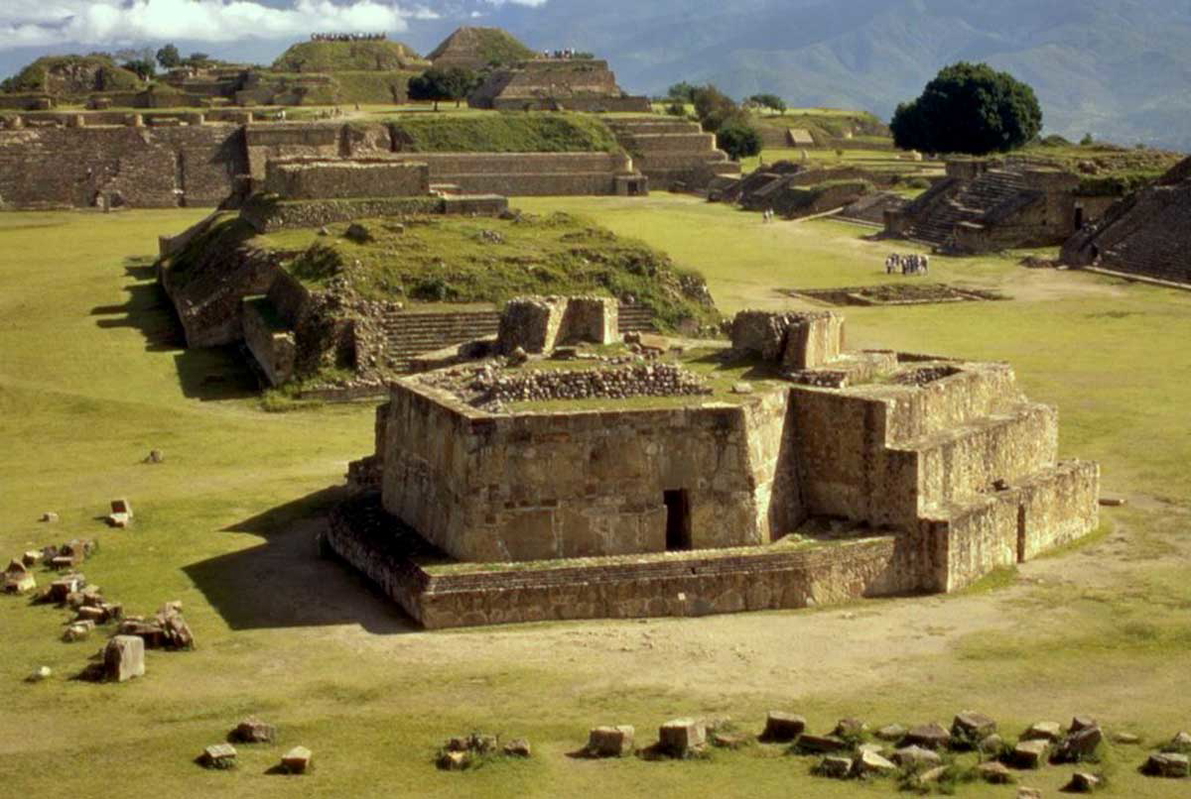
Located in the southern highlands of what is now Mexico, the Zapotec civilization began around 500 BC and is thought to have extended to at least 900 AD, if not to the Spanish invasions; their descendants are a recognized Indigenous group in the region to this day. The Zapotec called themselves “the people,” but contemporary civilizations often referred to them as the “Cloud People,” possibly because they lived at a high altitude or because of Zapotec religious beliefs about death and the afterlife.
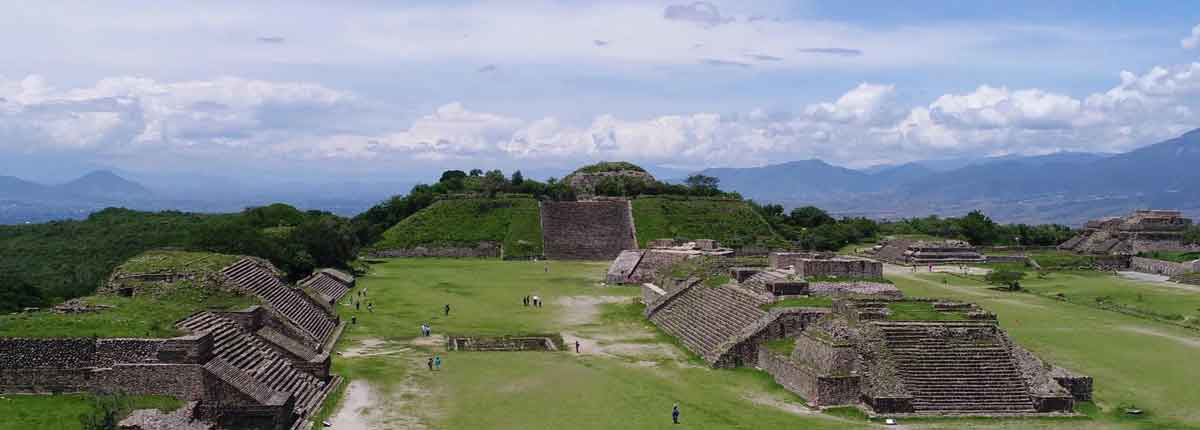
The Zapotec established trade links with the Olmec, and later the Maya, and their wealth allowed them to develop their stunning capital at Monte Albán. This city occupied a strategic location at the head of three valleys, allowing them to dominate the surrounding region and consolidate power.
From early in their cultural development, the Zapotec showed a sophisticated understanding of architecture and engineering, which included artificially terraced hillsides and agricultural canals. They had a highly organized governance system, with clear delineation along class lines. They developed a calendar and a logosyllabic writing system that was a predecessor to those used by the Maya and the Aztec in later centuries.
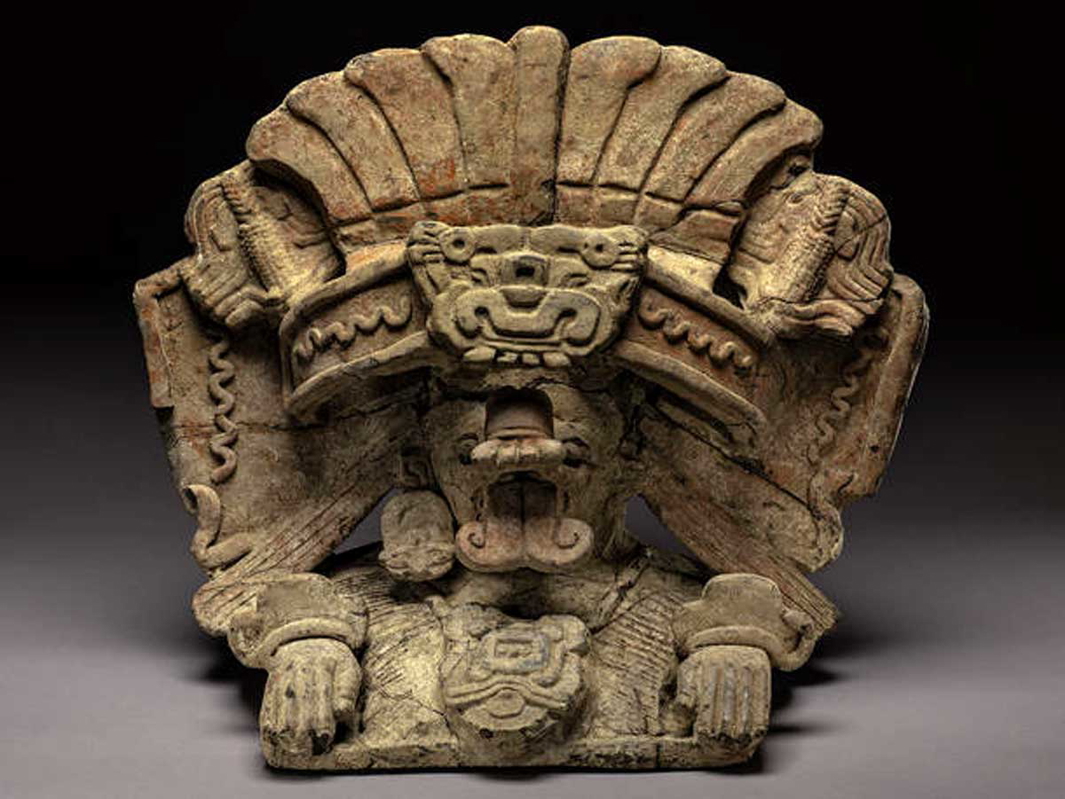
The decline of the Zapotec empire was gradual, starting from around 700 AD when their sites were slowly abandoned. The reason for the decline is unknown, but an increase in inter-state violence has led some experts to suggest the problems were related to widespread shortages of essential resources. The rise of the Mixtec Civilization, which came to take over and occupy many Zapotec sites, led to incessant warfare between the two, with later breaks when their attention turned to defending themselves from the Aztecs, who eventually subjugated them both. Their final collapse coincided with the arrival of the Spanish in Central America and the turbulent years of war that followed.
The Mixtec Masters of Gold, Turquoise, and Deerskin Codices
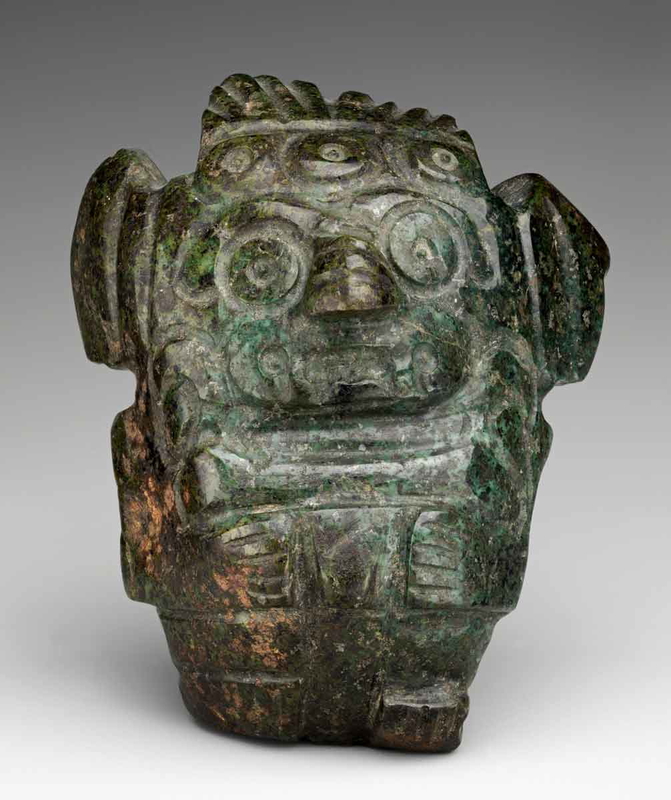
Originally from the southwestern portion of modern-day Mexico, early settlements in this area date back to 1500 BC, but it wasn’t until around 500 AD that Mixtec communities developed monumental architecture, terraced farming, and complex irrigation systems. They called themselves the Ñuu Dzavui, meaning “the Nation of Rain,” but the Aztec and later Spanish conquistadors referred to them as the Mixtec, or “people from the place of the clouds,” and the name stuck.
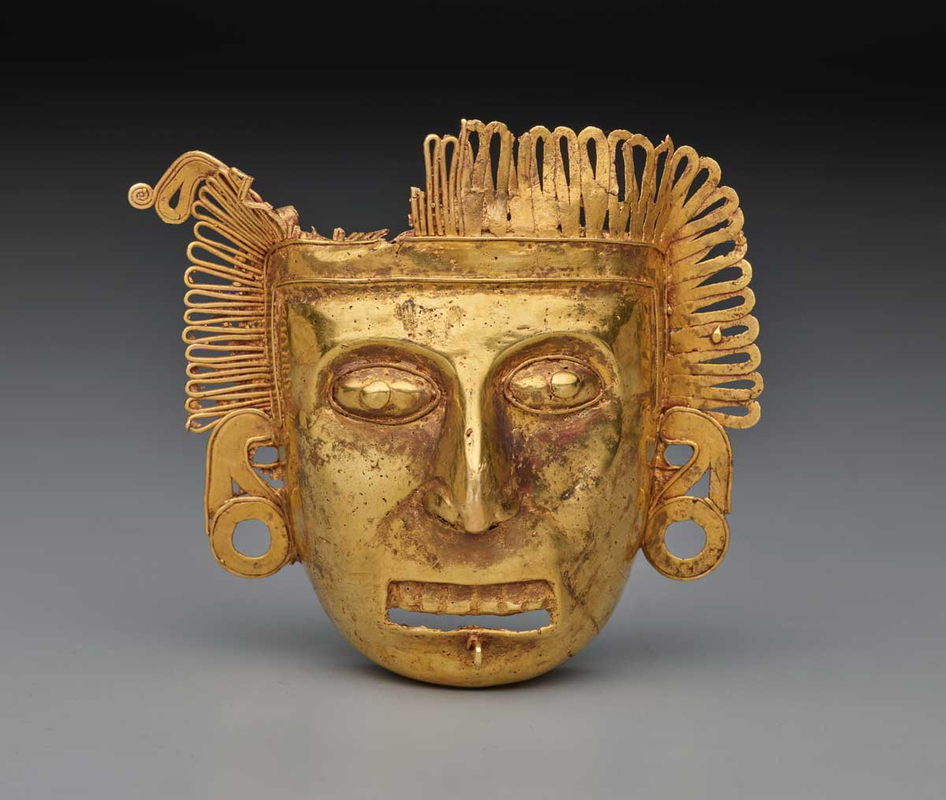
Over the next 1,000 years, the Mixtec continued to expand their kingdoms, establishing them in valleys separated by mountain ranges, with each overseen by a local lord. Their civilization was a heavily stratified society, with a ruling elite and a talented artisan class famed for its work with turquoise, gold, and mosaic tile.
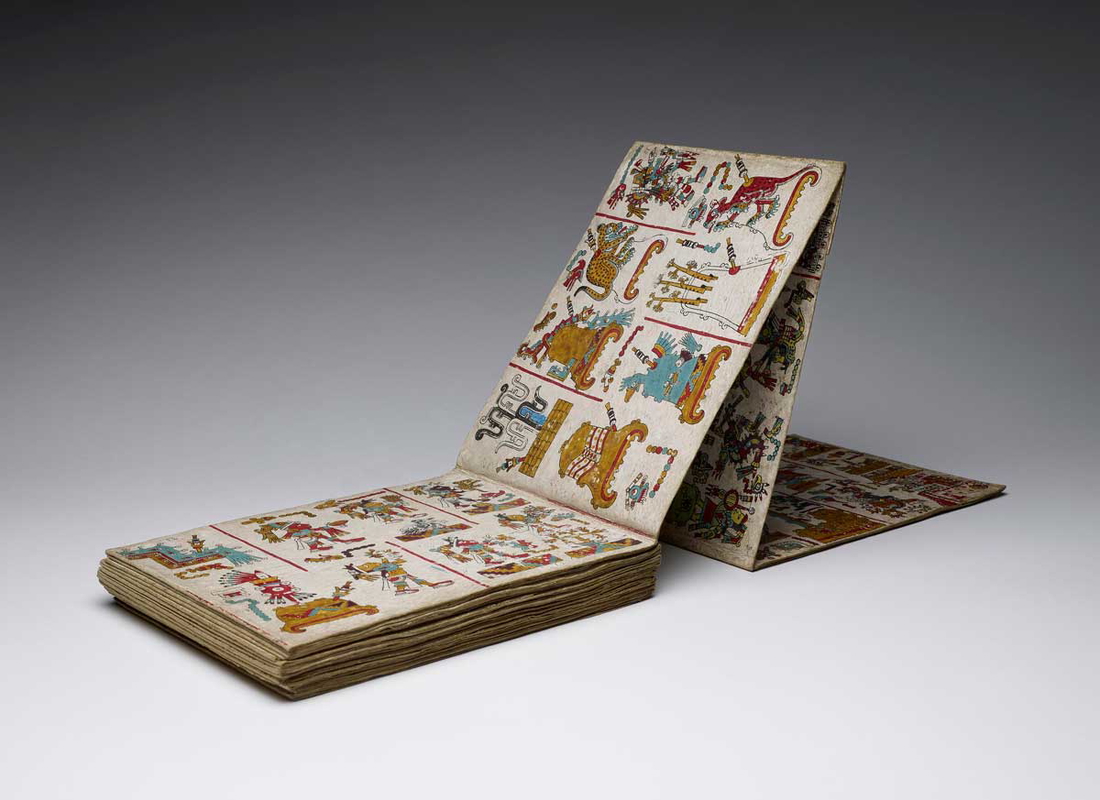
However, what really set the Mixtec civilization apart from other Central American cultures are their stunning deerskin codices. Along with a small number of Maya manuscripts, the Mixtec codices are the only Indigenous historical documents to survive the Spanish invasion. They contain invaluable information about the politics, religions, events, and traditions of the Mixtec people, written by the Mixtec themselves. Written in the logographic Mixtec script, these manuscripts include their origin stories through to the deeds of their kings. They include accounts of wars between various Mixtec city-states, giving scholars a rare insight into their culture.
The Mixtec city-states were finally united under one king in the 11th century. Lord Eight Deer Jaguar Claw was the ruler of Tilantongo. According to the Mixtec codices, through a series of battles, political alliances, and legendary acts, he was able to bring the various other city-states under his control, only to eventually be brought down and eventually sacrificed by his own nephew.
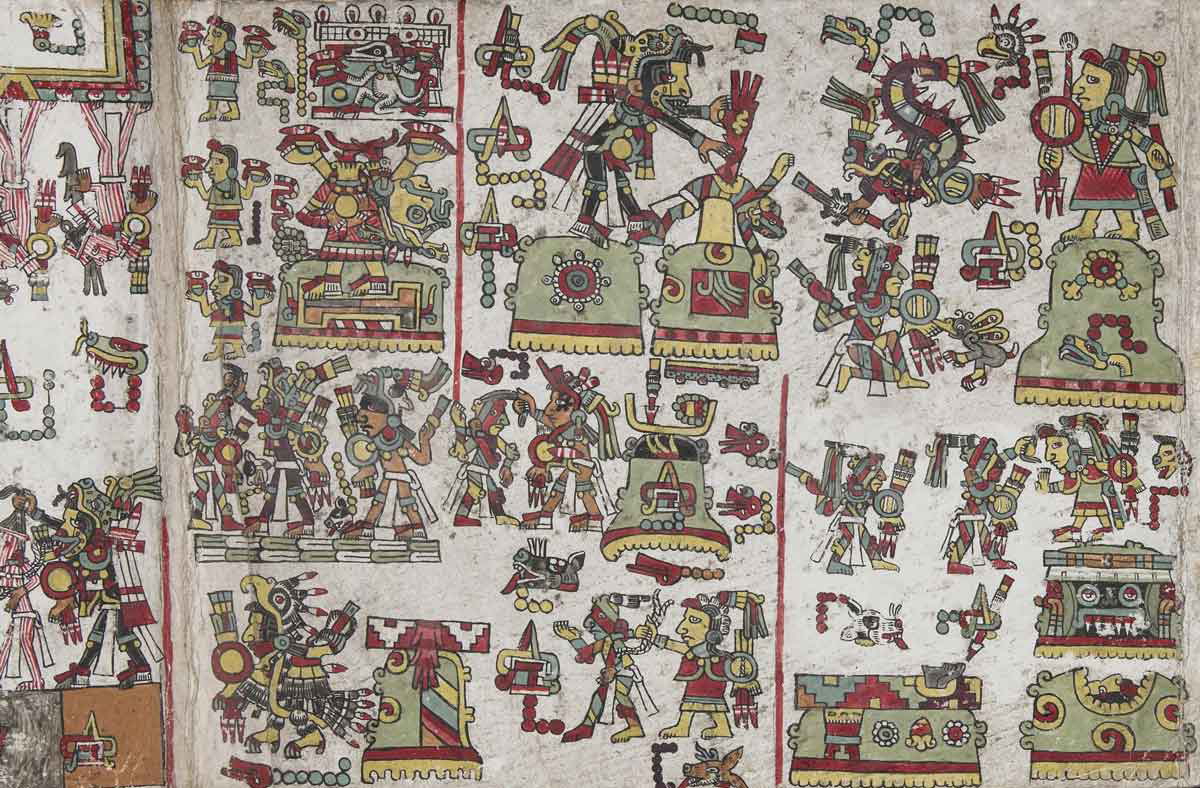
About a century after Lord Eight Deer Jaguar Claw united the kingdoms, the Mixtec expanded their power to the Valley of Oaxaca, bringing them into direct conflict with the Zapotec civilization. By 1350 AD, they controlled several Zapotec sites, including Monte Albán, and became the region’s dominant power. The dominance of the Mixtec people was not to last, however, for a new power was growing in the north. By 1450 AD, the Aztecs had crossed the mountains to expand their empire and, within a decade, had subjugated the Mixtec as a vassal state required to pay tribute.
The Maya Empire and the Trade Networks of the Deep Jungle
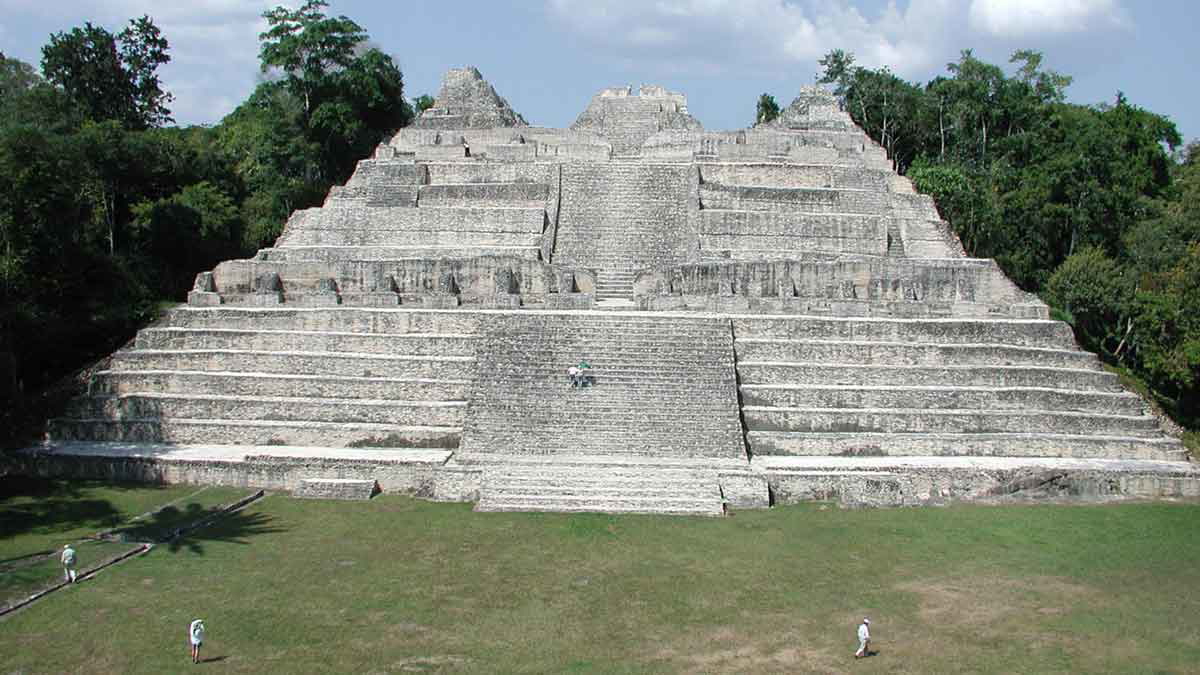
While the origins of the distinctive Maya culture remain murky, it emerged between 1500 BC and 200 BC in the north of modern-day Belize, when their monumental architecture and elaborate ceremonial complexes began to be constructed. They developed alongside the Olmec civilization, trading both goods and ideas throughout the centuries, adopting some of their stylistic flourishes as they went. After the fall of the Olmec, the Mayans repeated this practice with the Teotihuacán culture, suggesting that they were always open to new ideas and new artistic styles from their trading partners.
Despite being one of the earliest civilizations to form in Central America, it was not until 200 AD that the Maya truly began to shine. At its height, the Maya civilization had a population of about 2 million people dispersed among more than 40 cities, covering modern-day Belize, Guatemala, and the Yucatan Peninsula. These cities and settlements were connected by vast trade networks that utilized a series of raised limestone roads, called sacbeob (“white roads”), that the Maya cut through the jungle.
Mayan cities were centered around a sacred complex of religious buildings that may have also housed their central administration, encircled by a mixture of residential and agricultural areas. As freshwater was scarce in the jungle, the Maya had a sophisticated rainwater management system with underground reservoirs, canals, and irrigation channels to support their populations.
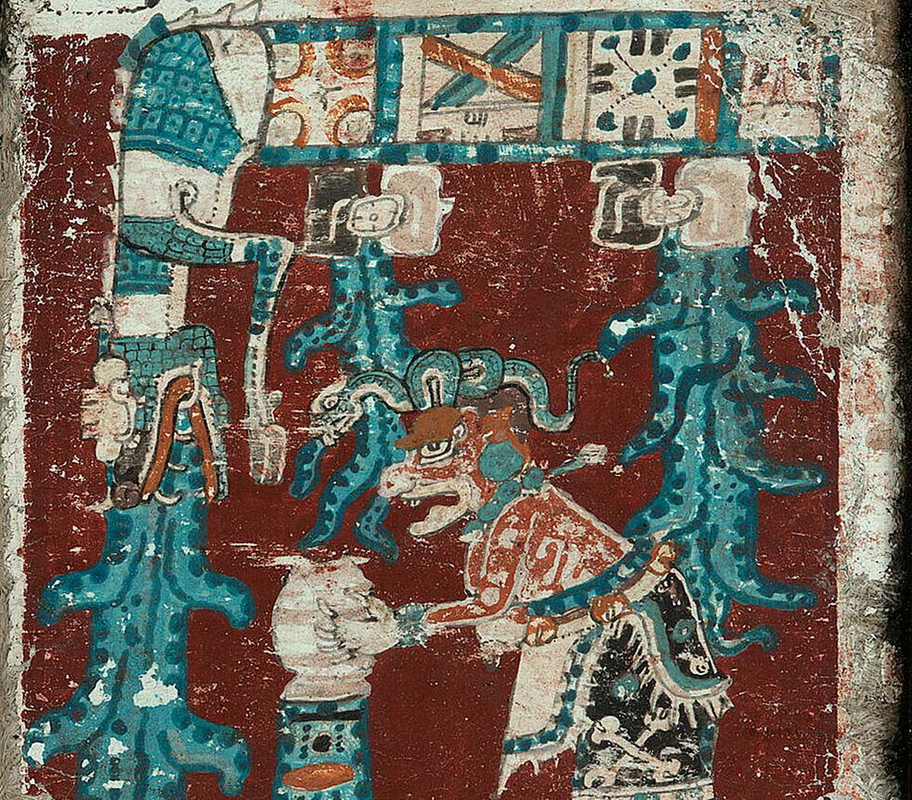
From 900 AD onward, the power of the Maya began to diminish, with entire cities being abandoned for no discernible reason. The impetus of this partial collapse is a matter of ongoing debate, as it did not impact all Mayan settlements equally. While the Maya did keep wonderful codices filled with their history, sadly, most of these were destroyed by the same hands ultimately responsible for the final fall of this mighty civilization: the conquistadors. While the Maya live on as a distinct Indigenous people of Central America, much of their heritage was erased and forgotten after the colonial period began, and it is only in recent years that this rich, complex culture is once again being appreciated by the world.