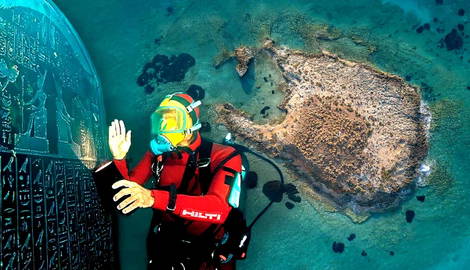

For centuries, the legend of the lost city of Atlantis, beyond the “Pillars of Hercules,” as told by Plato in his famous allegory, has captured our imagination. Yet, the sea floors hold real, historically verified ruins that can be far more fascinating than any myth. From imperial Roman pleasure resorts sunken by volcanic forces to ancient Egyptian ports frozen in time, these nine submerged ruins offer tangible windows into historical catastrophes. Armed with advanced technology, underwater archaeologists are unveiling titillating details on these sunken ruins, proving that truth is often stranger than fiction.
Quick Facts
| City Name | Primary Reason for Submersion | Approximate Era |
|---|---|---|
| Baiae | Volcanic forces/bradyseism | Roman Republic/Empire |
| Thonis-Heracleion | Severe flood/natural forces | 8th century BC – 8th century AD |
| Pavlopetri | Earthquakes | Neopalatial period (c. 1700-1425 BC) – 1000 BC |
| Shicheng | Man-made flooding (dam/reservoir construction) | Han (206 BC-220 AD) – Qing dynasties (1636-1912 AD) |
| Dwarka | Submerged by the sea | Ancient (dates debated) |
| Dunwich | Coastal erosion/storms | Roman/Anglo-Saxon period-1320s |
| Port Royal | Earthquake and tsunami | 16th century – 1692 |
| Atlit Yam | Tsunami or rising sea levels (melting glaciers) | Neolithic (c. 7,200-6500 BC) |
| Phanagoria | Seismic activity/volcanic eruptions | Ca. 540 BC – 1st millennium AD |
1. The Submerged Roman Playground of Baiae
In a letter to his friend Lucilius, Seneca (4 BC-65 AD) describes the ancient coastal city of Baiae, Campania, as “a place to be avoided” as it has become a “resort of vice.” He writes of seeing people staggering around the beach drunk, riotous sailing parties, and loud music. “Why must I witness all this?” he complains.
The mild climate and sulfur springs of Baiae, located in the so-called Phlegraean (flaming) Fields (Campi Flegrei in Italian), a large volcanic caldera west of Naples, began attracting ancient Rome’s elite in the later years of the Roman Republic. Surrounded by luxuriant vegetation, Baiae thus became an exclusive resort for the extra-wealthy, who pursued their private pleasures in the villas. Among those who took their vacation in the city were Julius Caesar and Nero. Famed orator Cicero also had a retreat by the bay of Baiae, while Virgil and Pliny enjoyed the city’s public bath.
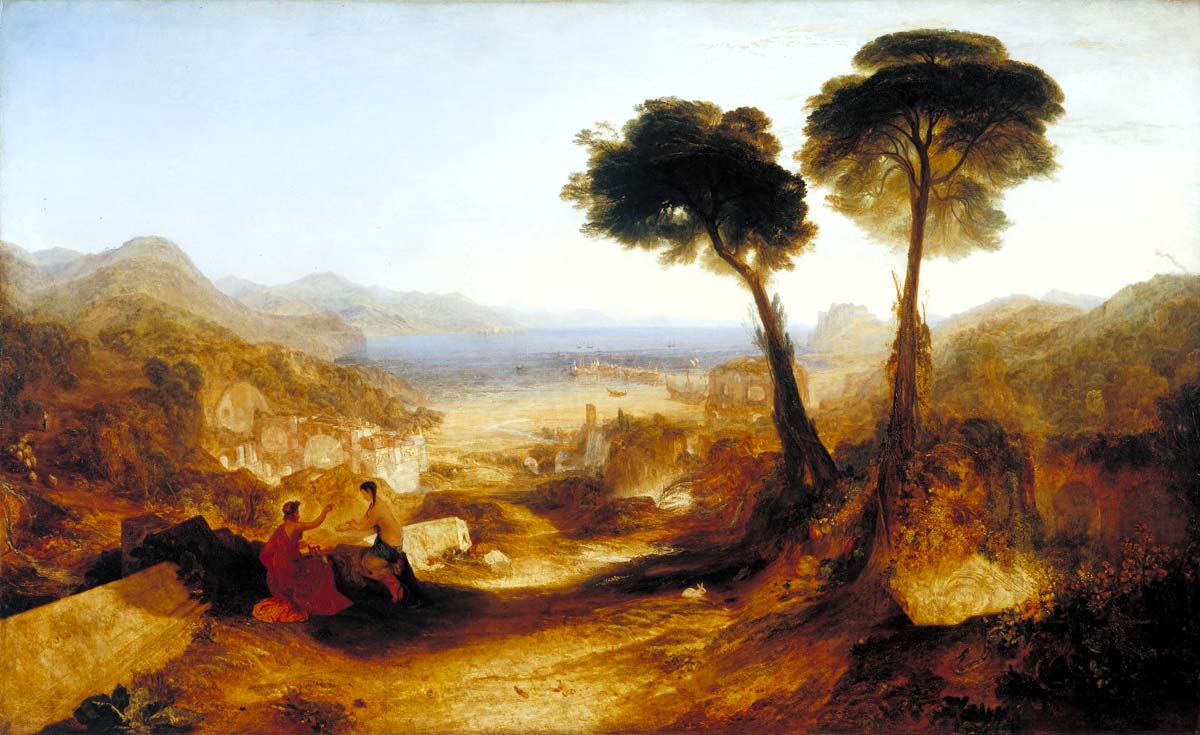
The fun, however, was not destined to last. Over the following centuries, due to bradyseism, a phenomenon that causes the Earth’s crust to rise or fall, the coastal strip sank into the sea, and the water submerged ancient Baiae.
In the 1920s, the first archaeological findings began to appear in the area. Then, in the 1940s, the aerial photos taken by the pilot Raimondo Baucher revealed the remains of Portus Julius, an ancient harbor near Baiae, on the sea floor. In the 1960s, the first underwater survey led archaeologists to draft the first map of the sunken city of Baiae.
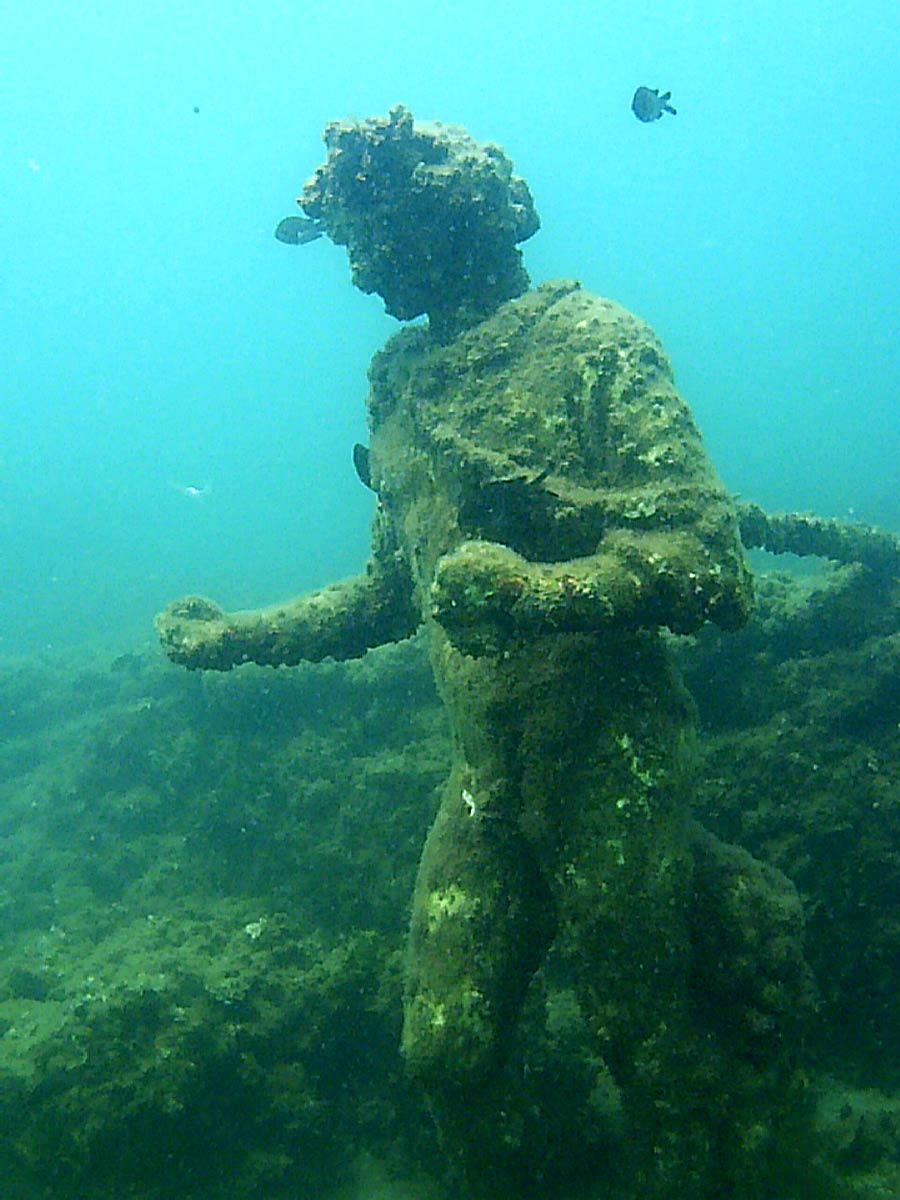
Today, divers and visitors can spot the ruins lying under the sea’s surface, including a paved road flanked by buildings, the nymphaeum of the Emperor Claudius (an artificial grotto), and replicas of Roman statues. The originals are preserved, alongside other finds, in the Museum of the Archaeological Park of Baia, located in the Aragonese Castle.
2. The Lost Egyptian Megacity of Thonis-Heracleion
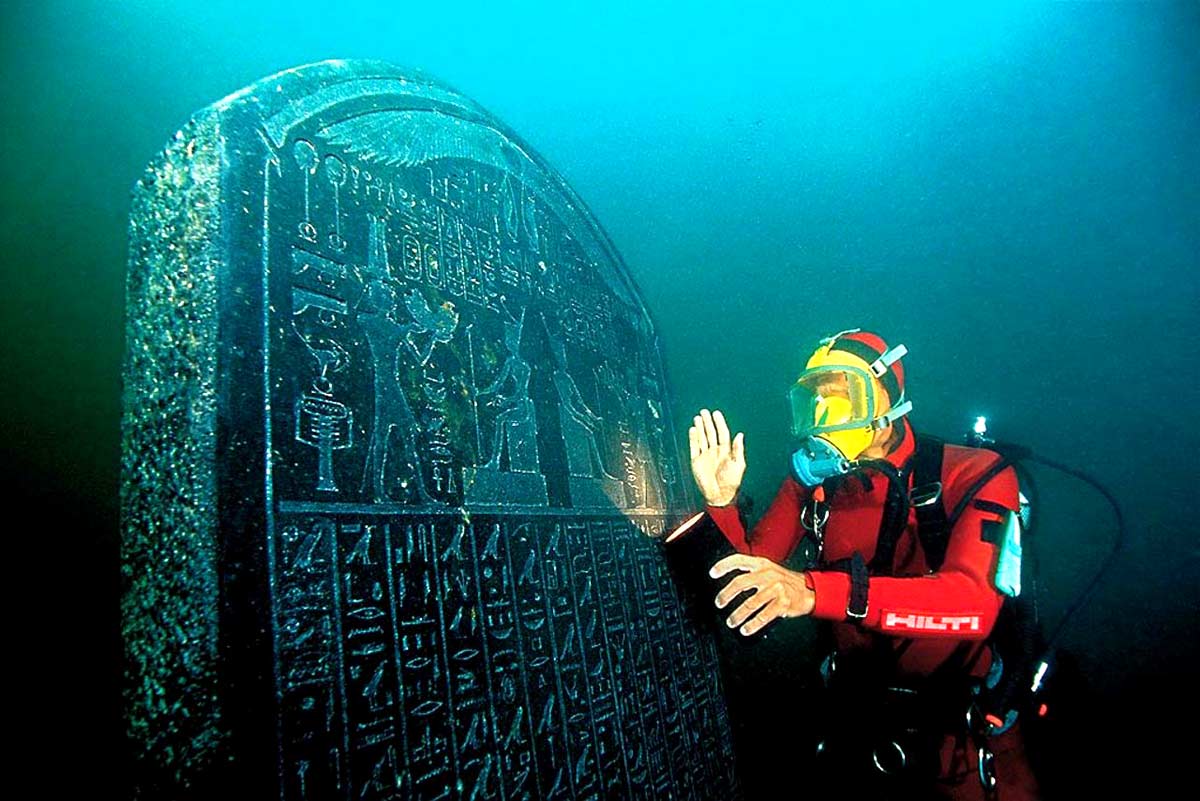
In 1933, a RAF pilot glimpsed some ruins in the water near Abu Qir. By the turn of the century, archaeologists discovered in the bay northeast of Alexandria the submerged remains of the lost city of Thonis-Heracleion. Known as Thonis by the ancient Egyptians and named for legendary Heracles by the ancient Greeks, the city was founded around the 8th century BC and, before the emergence of Alexandria, served as the main trading port and international commercial hub in the region. According to Herodotus, Helen of Troy and Paris made a pit stop here before the Trojan War.
By the 2nd century BC, however, Thonis-Heracleion’s influence as a gateway to the Mediterranean was already fading as Alexandria was emerging as Egypt’s main port. To make matters worse, the city’s foundations, built on a network of canals, started to feel less secure. At the end of the century, the central island sank into the water, probably after a severe flood. By the end of the 8th century AD, the whole city would be submerged by the sea.
In 2000, a series of underwater archaeological expeditions of the European Institute for Underwater Archaeology (IEASM), led by Franck Goddio, allowed researchers to sketch out the topography of the area, revealing how Thonis-Heracleion consisted of a series of districts separated by waterways. Scuba divers also found ruins of temples, jewelry, figurines, building fragments, and pottery. Among the various finds is also a copy of the Decree of Sais, a black stele containing information on the taxation and tariff system in Egypt. The stele also allowed scholars to solve an old mystery: Thonis and Heracleion are the same city.
More recently, in 2021, archaeologists discovered a wicker fruit basket on the site dating to the 4th century BC. Inside were doum nuts and grape seeds.
3. The Prehistoric Sunken Streets of Pavlopetri
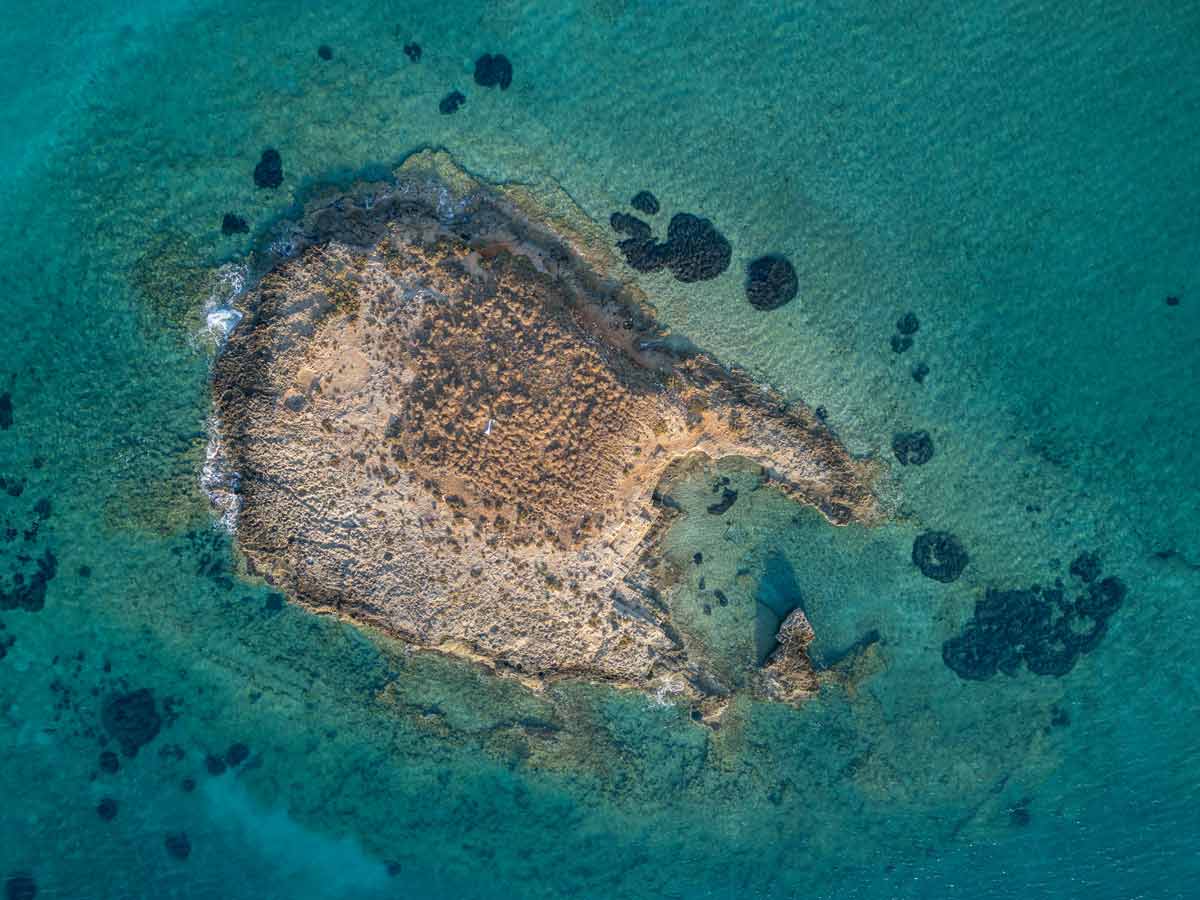
In 1968, a team from the University of Cambridge studied the submerged ruins discovered by Nic Flemming of the University of Southampton’s Institute of Technology off the coast of southeastern Laconia. The Cambridge team drafted a map of a prehistoric town with an area of about 300m by 150m (484,376 square feet), identifying several separate buildings, streets and tombs. The sunken site continued on Pavlopetri Island, where other archaeological materials could be seen.
Based on the analysis of some of the finds retrieved from the seabed, the town was dated to c. 2800-1180 BC, placing it between the Early and Late Bronze Age. Almost 40 years after the first survey, a new search on prehistoric Laconia conducted by the Department of Archaeology at the University of Nottingham dated the submerged site to the Neopalatial period (c. 1700-1425 BC), concluding that the town had trading contacts with Minoan Crete. This made Pavlopetri the world’s oldest sunken city. The town was probably taken by the sea by a series of earthquakes that shook the area around 1000 BC.
A combination of excavation work and surveys in 3D with a stereo-photogrammetric Autonomous Underwater Vehicle (AUV) of the Australian Center for Field Robotics allowed researchers to draft a full record of the site. Alongside everyday items (cooking pots, jugs, crockery, and drinking vessels), over the seabed lay hundreds of pithoi, large storage vessels used to transport goods such as olive oil, wine, or dyes.
4. The Flooded Imperial Ruins of Shicheng
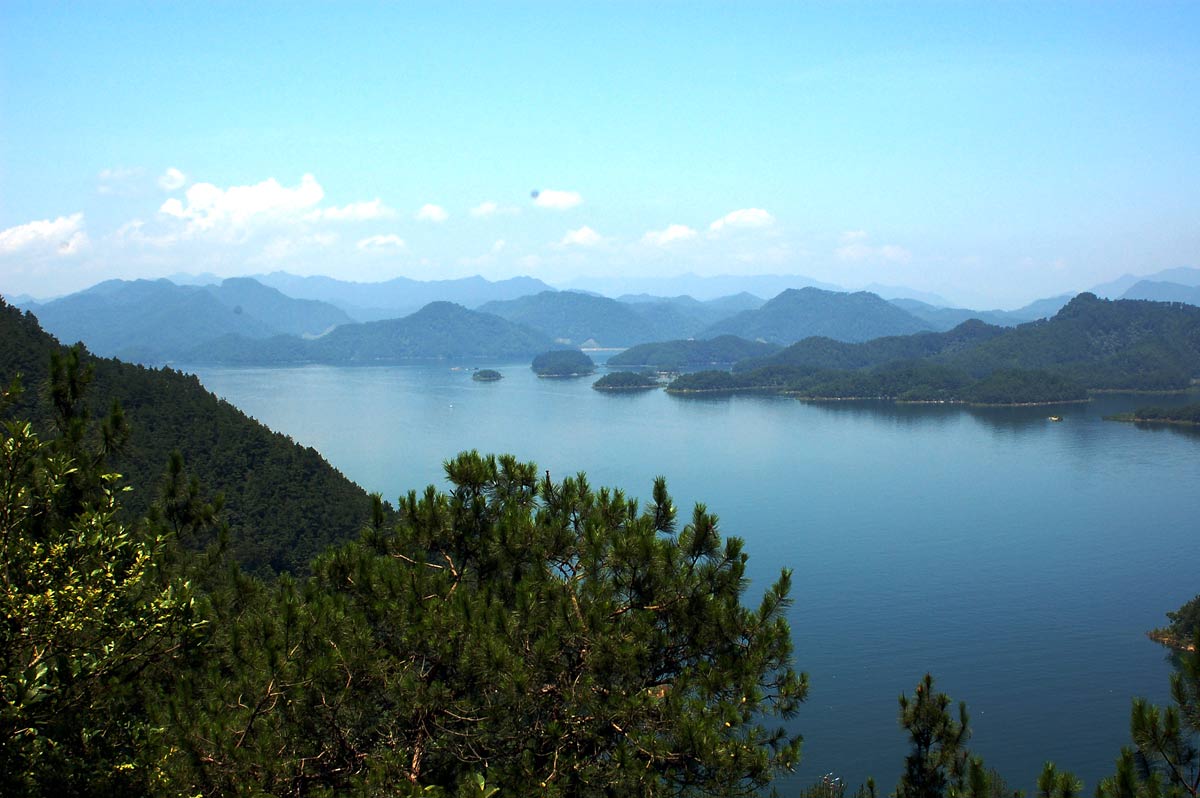
While the previous entries in this list were swallowed by the sea after natural catastrophes, Shicheng (meaning Lion City) was purposely flooded for the construction of Xin’anjiang Dam and Reservoir in 1958-1962. The resulting Thousand-Island Lake in Chun’an Valley was named after the hilltops and mountain peaks turned into numerous lake islands by the flooding. The project led to the relocation of about 300,000 people.
In 2001, an expedition organized by the Chinese government explored the lost city for the first time after the flooding. Ten years later, the Chinese National Geography gave readers a first glimpse of what Shicheng might have looked like. In particular, it was noted that the city had five entrance gates (as opposed to the traditional four), wide streets with archways decorated with stone lions, dragons, phoenixes and inscriptions.
Conflicting records date the origins of the sunken city either during the Han dynasty (between 206 BC and 220 AD) or the Tang dynasty (618-907 AD). In 1132, the relocation of China’s capital to Hangzhou, a move made by the Southern Song dynasty, favored Shicheng, located in a fertile valley in the Zhejiang province south of Shanghai. The city, often called the “Atlantis of the East,” then reached its peak during the Ming and Qing dynasties (1368-1912).
5. The Mythic Underwater Kingdom of Dwarka
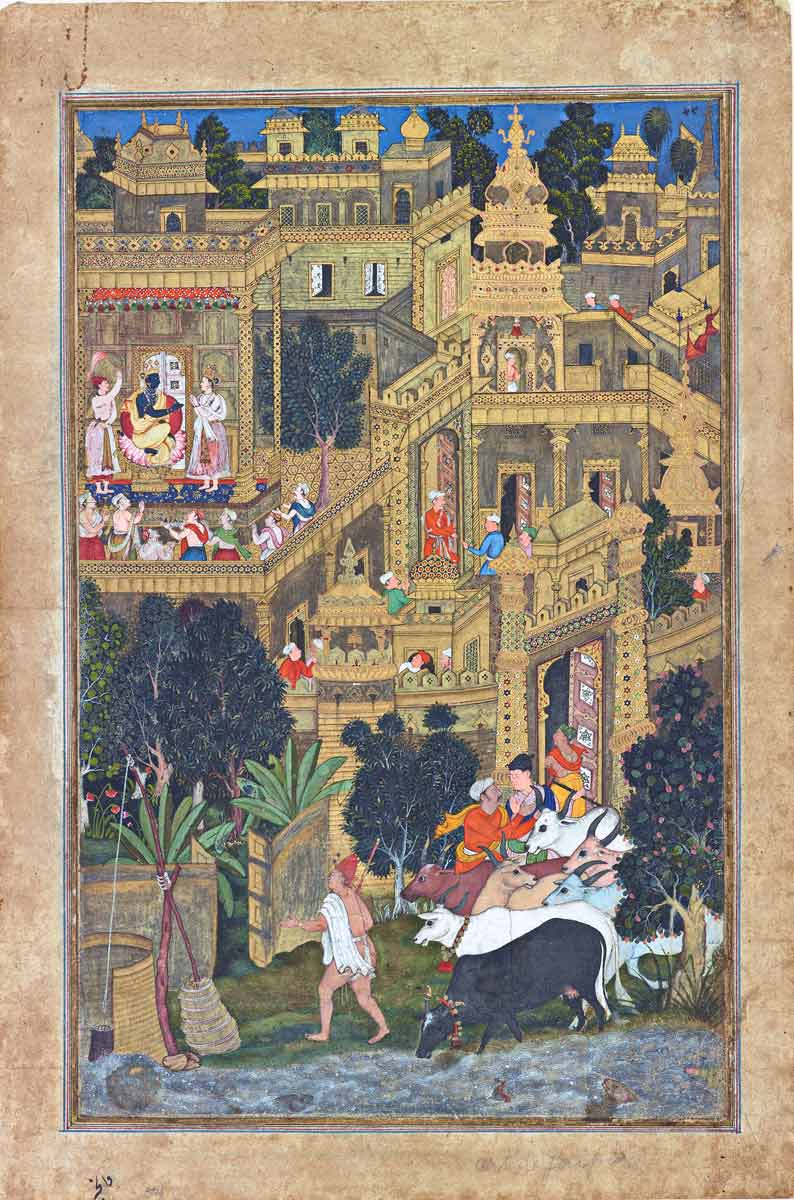
In the epic Mahabharata, the fortified city of Dwarka is associated with the ancient kingdom of Krishna. According to the heroic narrative of the Mahabharata, Dwarka, located where the Gomti River and the Arabian Sea meet, was founded by Lord Krishna by reclaiming portions of land from the sea. Then, upon Krishna’s death, the Arabian Sea submerged the city. The beautiful gardens and palaces were all lost to the water.
In the second half of the 20th century, archaeologists tried to find physical evidence of the sunken city, hunting for clues both on land and off the coast of present-day Dwarka in the hope of bridging the gap between Hindu epics and historical archaeology. A 1963 land excavation campaign by Deccan College Pune dated its findings to the 2nd century BC, while a team led by S.R. Rao dated the earliest land settlement to the 14th century BC.
In 2001, during a survey on pollution conducted by India’s National Institute of Ocean Technology, oceanographers found remains 120 feet underwater and recovered a series of artifacts from the underwater site, including sculptures, pottery, beads, and human bones. Carbon dating found them to be more than 9,000 years old, meaning they would predate the ancient Harappan civilization.
6. The Swallowed Medieval Coastline of Dunwich
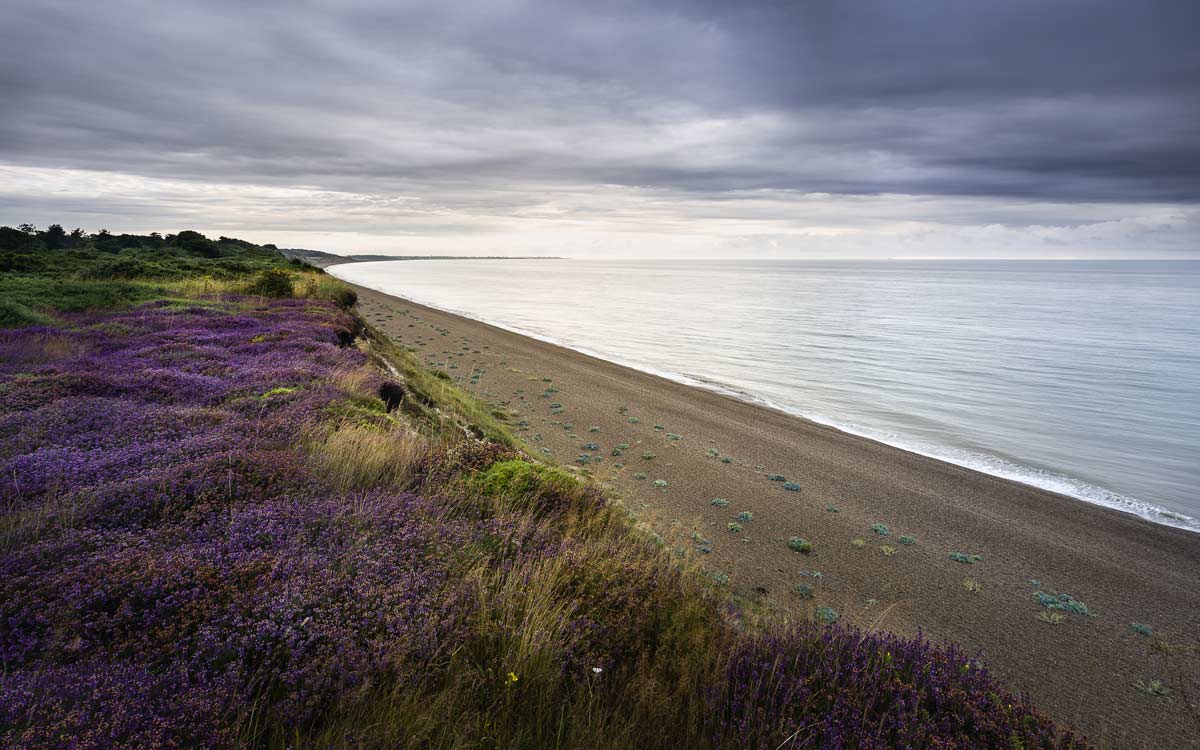
For years, in Dunwich, a village on Britain’s Suffolk coast, a legend told of a medieval city under the sea’s surface. There were even reports of church bells ringing during storms. Esther Freud (great-granddaughter of Sigmund), who lives in the nearby Walberswick, also finds that “this stretch of coastline has a ghostly quality. Walking along the shoreline on a misty day, you feel the past and present intermingled in this strange liminal space between land and sea.”
While today Dunwich is a one-road village with about 200 residents, in the Middle Ages it was a thriving port. By the 14th century, its size was already as big as London, and, during its peak, between 3,000 and 5,000 lived there. Dunwich merchants accumulated wealth through the wine, stone, wool, and salt trades.
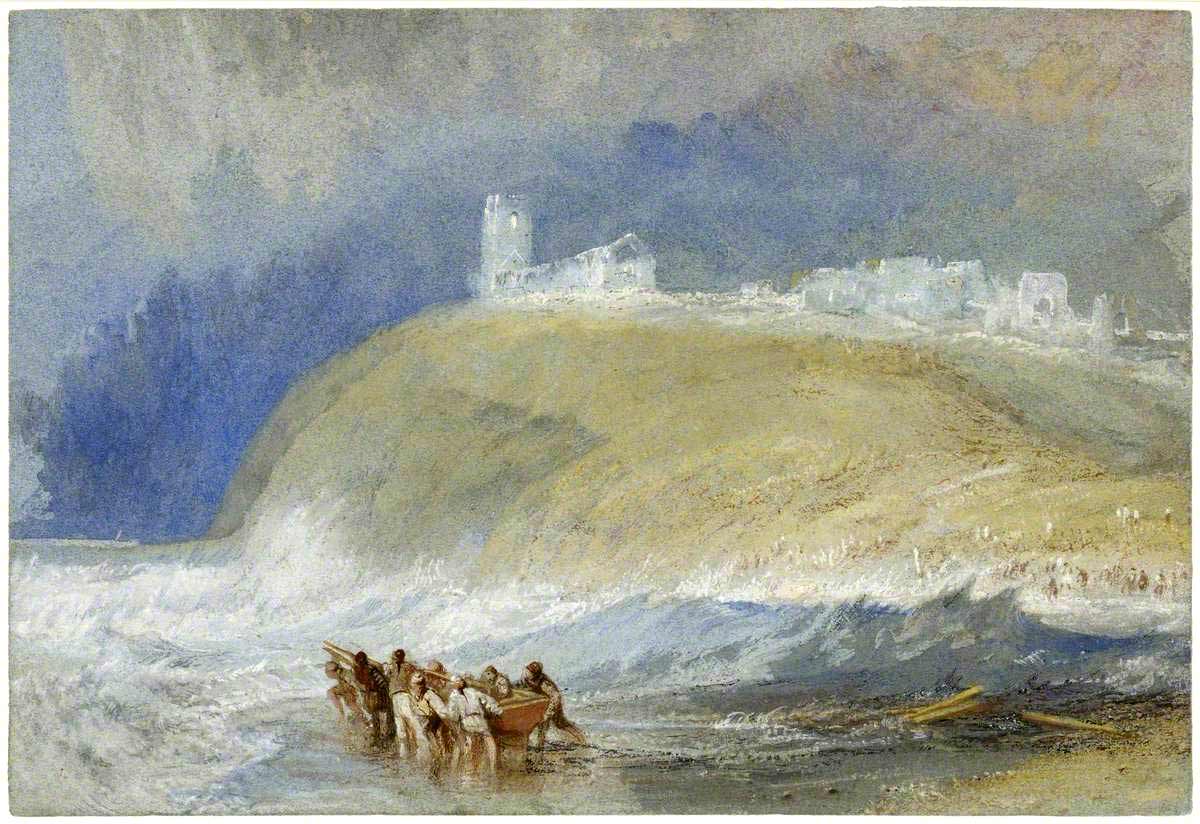
The fate of the village (most probably a Roman fort and later a Saxon settlement), however, was far less auspicious: a portion of medieval Dunwich was built on low-lying ground, and another stood on soil made of erodible sands and gravels. The Domesday Book recorded some loss of lands as early as 1066-1086. Then, between the 1280s and 1320s, a series of severe storms flooded the lower-lying grounds and eroded the cliffs, causing their eventual collapse. The remains of the new friary, rebuilt on higher ground in the 13th century to replace the one sunk into the sea, are now close to the edge of the cliffs.
In the 1960s, reports from local fishermen of their nets catching on something underwater led scholars to believe the old village of Dunwich, thought to have long been washed away, still stood below the surface of the water. In 2008, a crew led by University of Southampton Professor David Sear used a sonar-equipped boat to search the seabed. They were able to locate several sunken structures, including the medieval monastery, various churches, and remains of port buildings.
7. The Wicked Sunken Haven of Port Royal
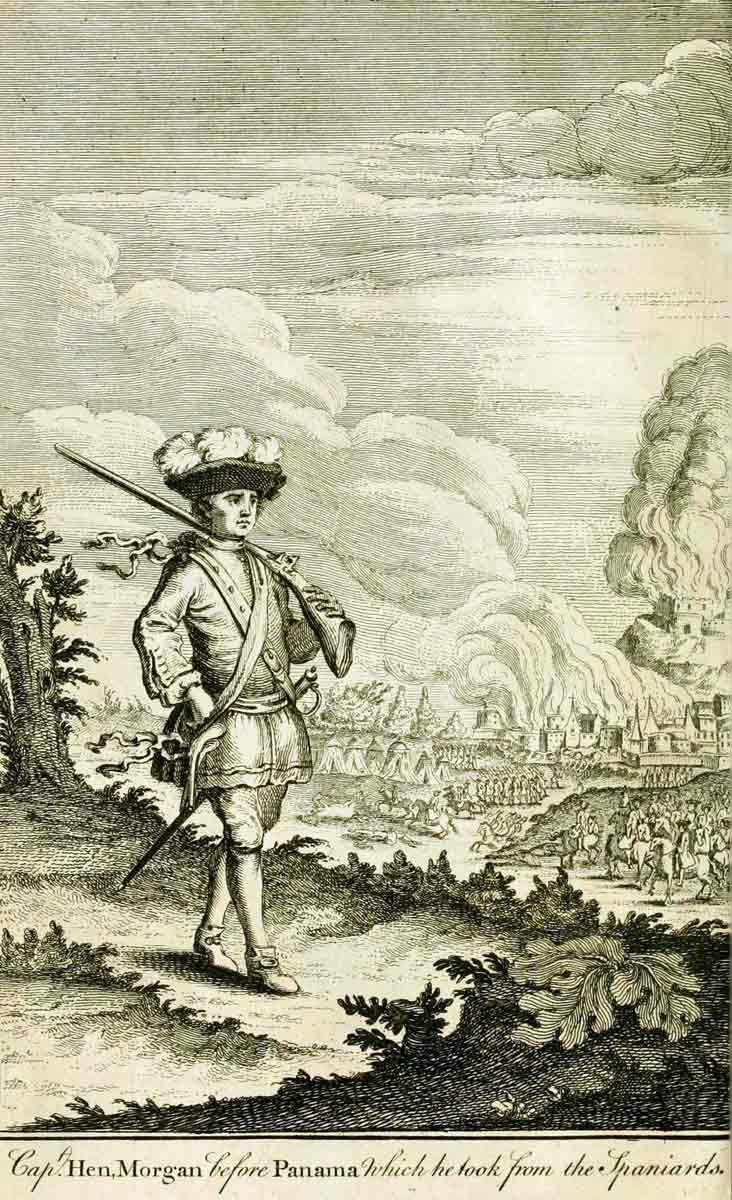
In the mid-17th century, wine flowed, and large amounts of money were spent in Port Royal, Jamaica, known as “the richest and wickedest city in the New World.” Once home to the Tainos, a Spanish and then English colony, Port Royal became the headquarters for buccaneers and privateers, who attacked Spanish ships and plundered Spain’s colonies on behalf of the English king.
When the buccaneers, including the notorious Captain Henry Morgan, were not busy attacking the Spanish, they engaged in debauchery in the many brothels, gambling dens, and taverns. “Wine and women drained [pirates of their] wealth to such a degree that… some of them became reduced to beggary. They have been known to spend 2 or 3,000 pieces of eight in one night,” wrote Charles Leslie in his A New History of Jamaica.
The favorable position, coupled with the gold poured in by the plundering, turned Port Royal into the busiest trading center of the English West Indies. Alongside pirates, merchants who amassed their wealth from the trade of sugar, slaves, and logwood established their headquarters in the city.
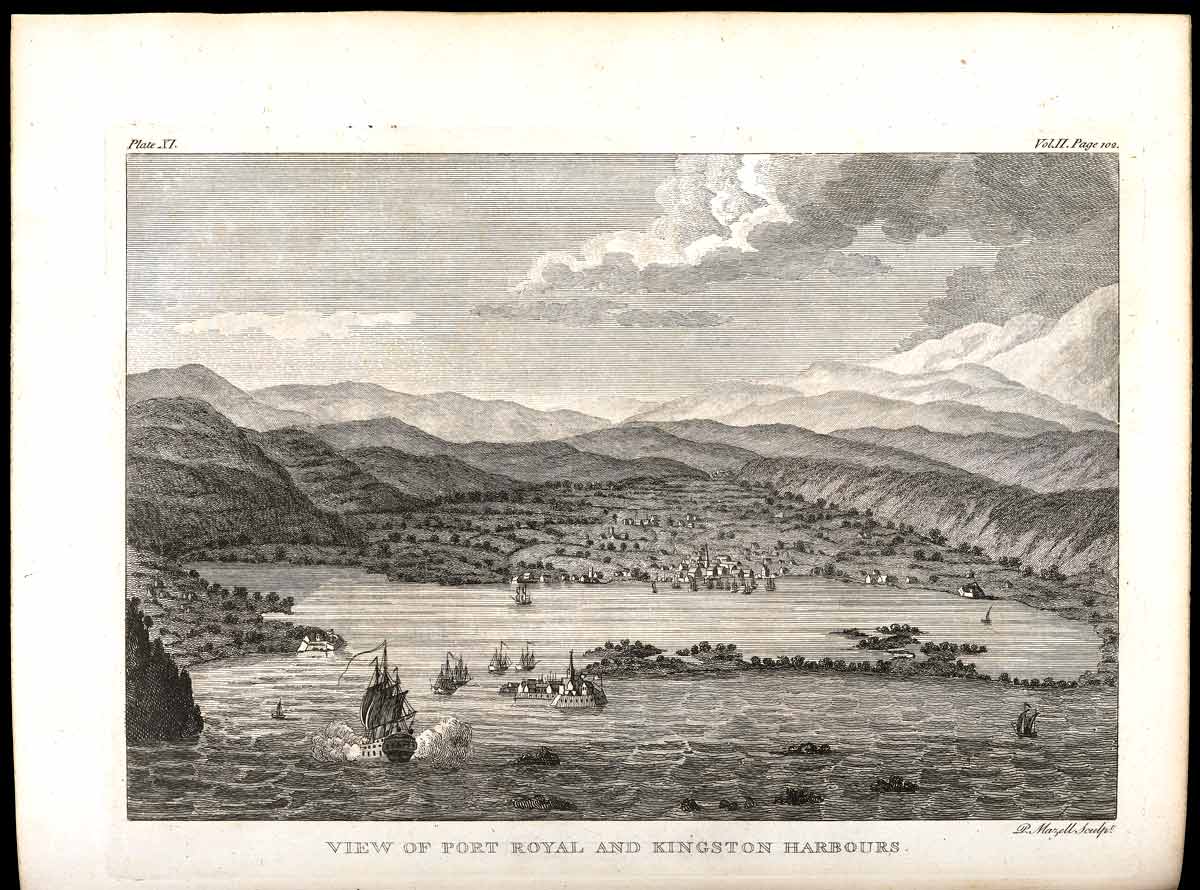
The fun ended on June 7, 1692, when a major earthquake, followed by a tsunami, collapsed Port Royal’s buildings and brick houses and caused the city to sink into the sea. The death toll was high: 2,000 people died immediately, and thousands more in the following days. “In the space of three minutes … Port Royal … was shaken and shattered to pieces,” wrote Reverend Emmanuel Heath in a June 22, 1692 letter to a friend. The reverend saw the disastrous event as a punishment: “I hope by this terrible judgment, God will make them reform their lives … there was not a more ungodly people on the face of the earth.”
The sunken town remained untouched until the 1950s, when the first expeditions began to research the water. In 1959, divers found hundreds of relics in the seabed, including several bottles and pipes and a brass watch that stopped at the time of the 1692 earthquake (17 minutes to noon). A later 10-year excavation project was able to recover more items, including organic artifacts, preserved thanks to the oxygen-depleted underwater environment. These finds contributed to creating a more vivid picture of 17th-century life in Port Royal.
8. The Neolithic Maritime Mystery of Atlit Yam
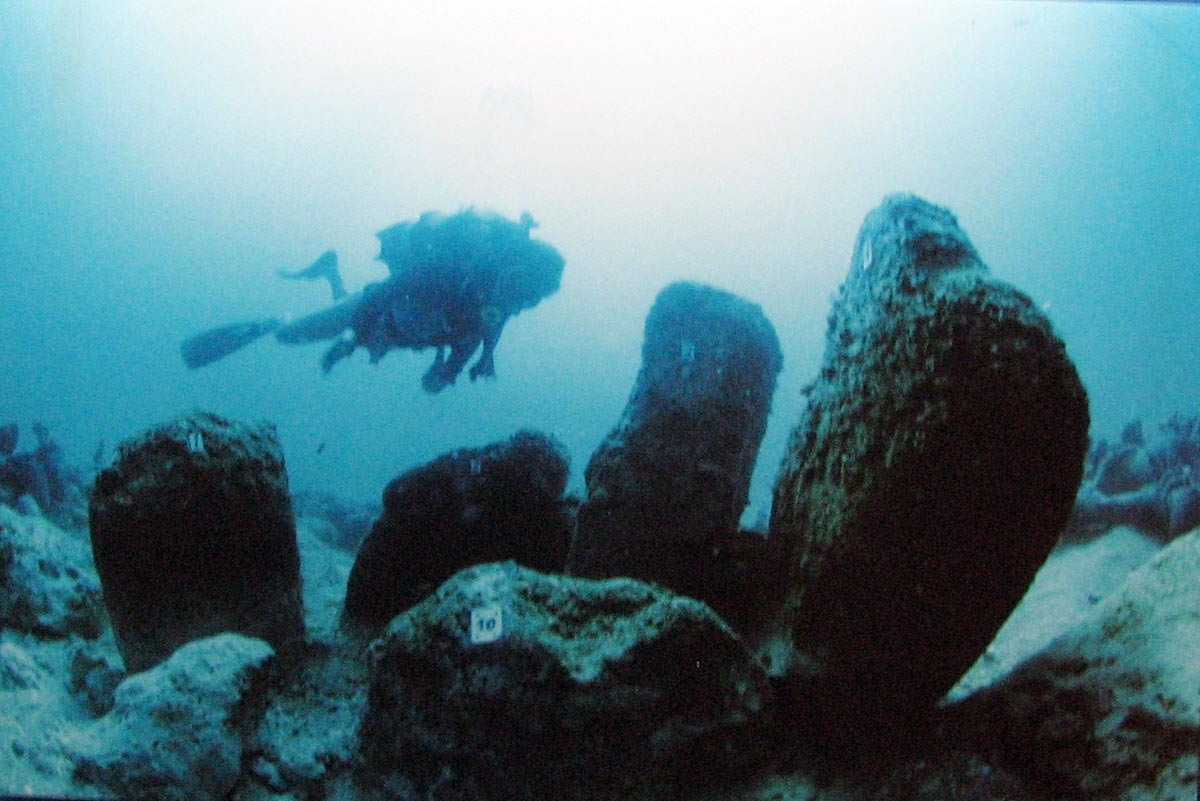
Off the Israeli Mediterranean coast, archaeologists have discovered 23 prehistoric sites submerged by water. Among them, the oldest and best preserved is the Pre-Pottery Neolithic settlement of Atlit Yam, dating from the late 7th to the early 6th millennia BC.
A series of underwater archaeological excavations has uncovered various structures, tools, and organic remains. Further analysis of these finds gave scholars insight into the Neolithic settlement, located at a depth of 8-12 meters (about 26-39 feet) off the north bay of Atlit. The settlement, based on an economy of hunting, herding, fishing, and farming, reached its peak around 7200-6500 BC. Alongside axes, spearheads, and sickle blades, archaeologists have also discovered a series of water wells that suggest the existence of well-digging technology.
What caused the settlement to sink into the sea, however, is debated. While some believe it was submerged by a tsunami, others argue that the melting of glaciers at the end of the last Ice Age gradually caused saltwater to seep into the freshwater wells, with disastrous consequences for the agriculture and the settlement’s survival.
9. The Drowned Greek Metropolis of Phanagoria
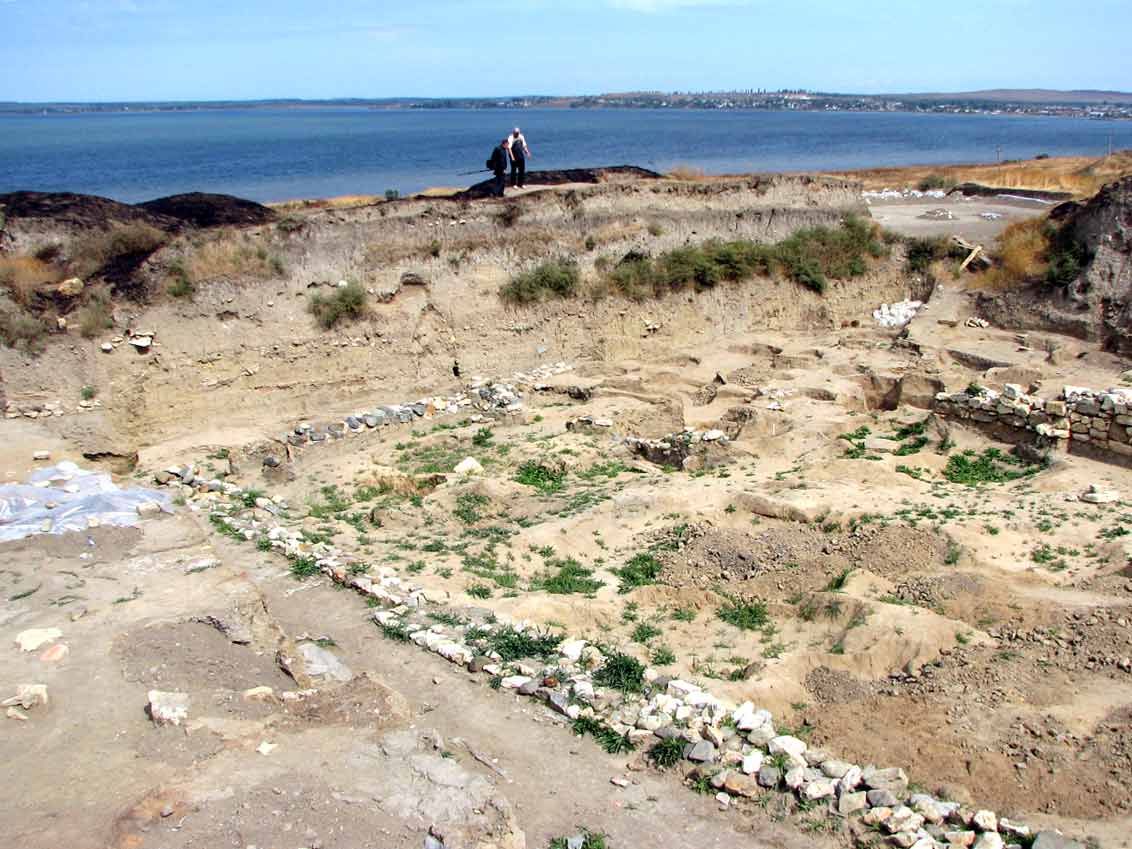
Phanagoria was a city founded around 540 BC on the Taman Peninsula by a group of Ionian Greeks fleeing from the Persian Empire. The name derives from one of the settlers. In the 4th century, Phanagoria became part of the Kingdom of the Bosporus, an ancient Greek state (located on the present-day Kerch Strait, Ukraine) ruled first by the Archaeanactid and then Spartocid dynasties. The city, which grew wealthy from maritime trade, eventually became the capital of the eastern portion of the kingdom.
In the late 2nd century BC, Phanagoria was conquered by Mithridates VI Eupator, the king of Pontus who challenged Rome. The locals, however, organized a revolt against the king. According to Appian, the violent uprising was led by Castor, who had been mistreated by Mithridates’ eunuch. Supported by the Romans, the rebels defeated Mithridates’ forces, burned a huge building, and killed (among others) Hypsicratea, the king’s concubine. As a reward, Pompey granted Phanagoria independence.
Then, in the 1st millennium AD, seismic activity and volcanic eruptions caused the city to sink. The lower-lying lands were submerged by the water of the Black Sea. In the 1800s, the first excavations focused on the mainland, where houses, an acropolis and a necropolis were discovered. In the 1950s, the first underwater expeditions revealed the existence of a portion of the city under the sea surface. In the 2000s, archaeologists also found a marble gravestone with the epitaph “Hypsikrates, wife of Mithradates VI,” confirming Appian and Plutarch’s accounts of the Phanagoria uprising.