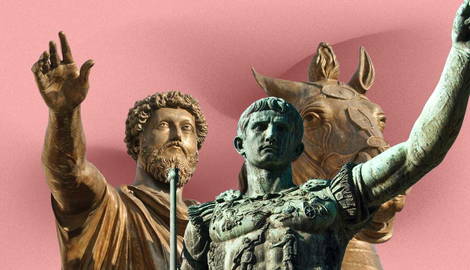

The undisputed rulers of the Mediterranean and most of the Western world, the ancient Romans changed the course of European history. Their lasting impact spans from the legal and governmental systems to art and literature. Ancient Rome’s legacy is also reflected in the vast (and diverse) array of its most famous figures, from generals to emperors. Their eventful lives actively affected the Roman Republic and Empire’s fate, inspired later artists, and shaped the modern perception of antiquity. Here are ten of the most famous ancient Romans.
1. Julius Caesar
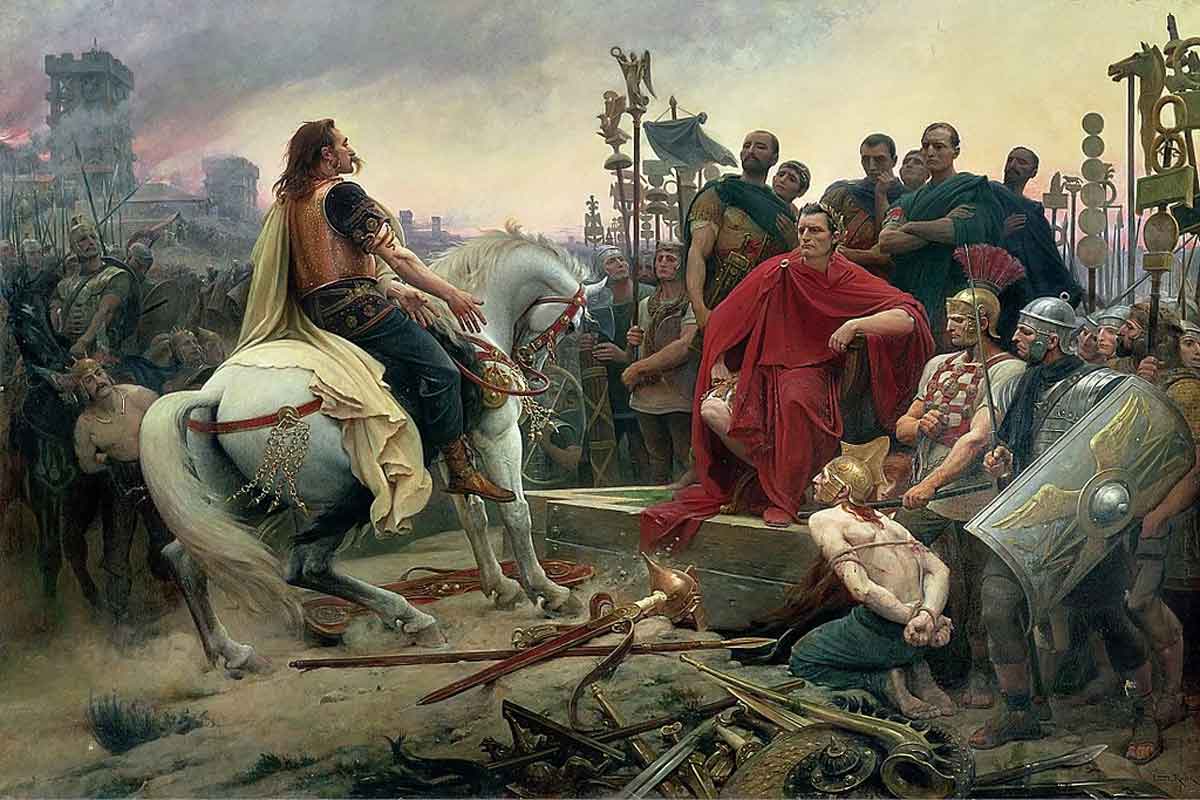
Among the ancient Romans who charted the course of ancient history, Julius Caesar is undoubtedly the most widely known. A brilliant general and charismatic statesman, Caesar expanded Roman territory and launched a series of reforms that centralized power, laying the foundation for the transition from the Roman Republic to the Empire in the 1st century BC.
Born around 100 BC in the gens of the Julii, an old patrician family, Julius Caesar demonstrated his skill as a military leader in the war against the pirates in the Mediterranean Sea and Mithridates VI Eupator, the king of Pontus. Elected consul (the highest step in Rome’s political ladder, the cursus honorum) in 59 BC, he formed an alliance, known as the First Triumvirate, with the influential (and wealthy) Pompey the Great and Marcus Licinius Crassus to bypass the Senate’s authority and hostility towards his reforms.
Through the triumvirate’s influence, Caesar secured the governorship of Rome-controlled Gaul and, between 58 and 50 BC, launched a series of successful campaigns against the Gauls, significantly expanding the Roman frontiers in northern Europe. The wars earned him fame, the loyalty of his legions, and a considerable personal wealth (amassed through looting).
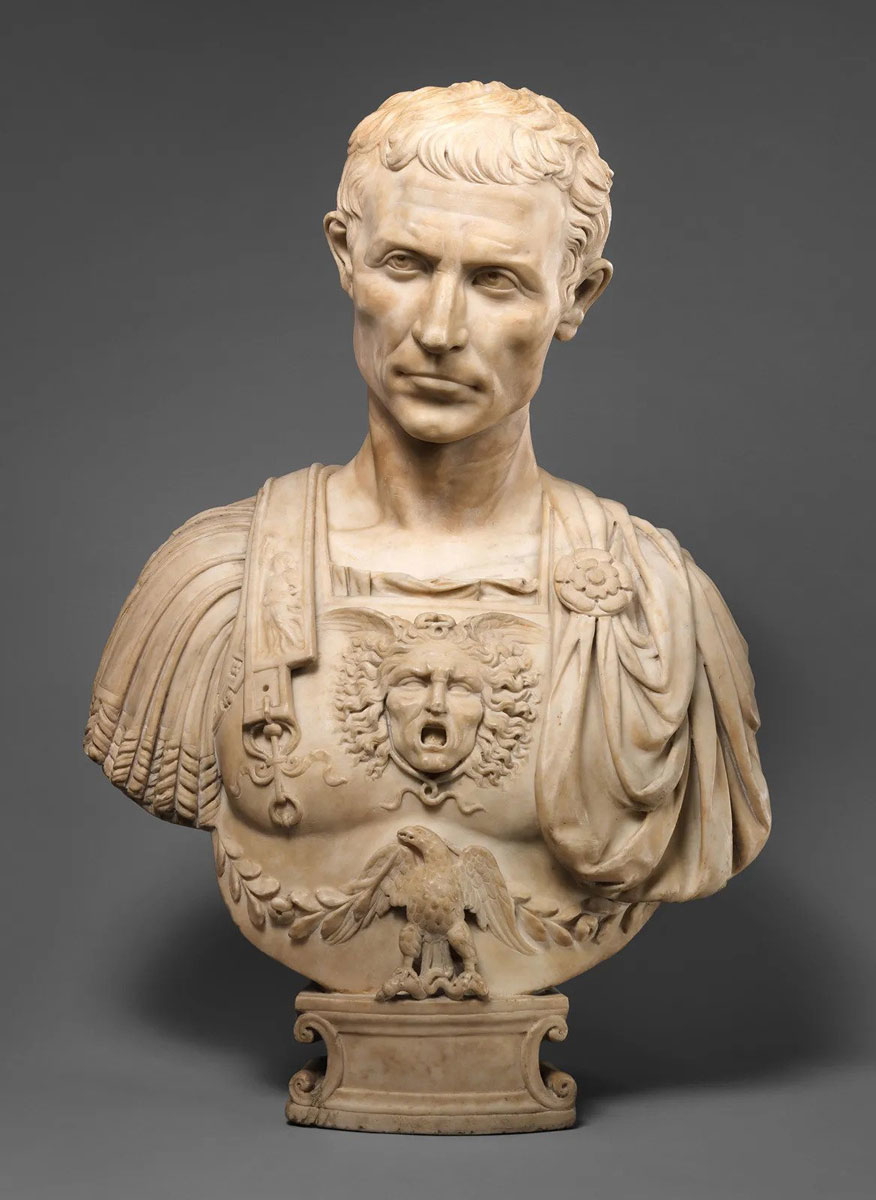
Meanwhile, the triumvirate, already under strain, collapsed, and Pompey switched sides. In 49 BC, in open disregard of the Senate’s request to disband his troops, Caesar famously crossed the Rubicon River in present-day Emilia-Romagna, plunging Rome into a five-year-long civil war. While Caesar emerged victorious from the intestine rivalry with Pompey, declaring himself dictator for life in 44 BC, his sweeping reforms earned him the animosity of the Senate.
On March 15, 44 BC (the Ides of March), Caesar was assassinated by a group of conspirators who feared he would bring back the monarchy. The most powerful man in Rome died after being stabbed 23 times. His murder, however, failed to save the dying Roman Republic. In 27 BC, Caesar’s adopted son, Octavian, became the first Roman emperor.
2. Augustus
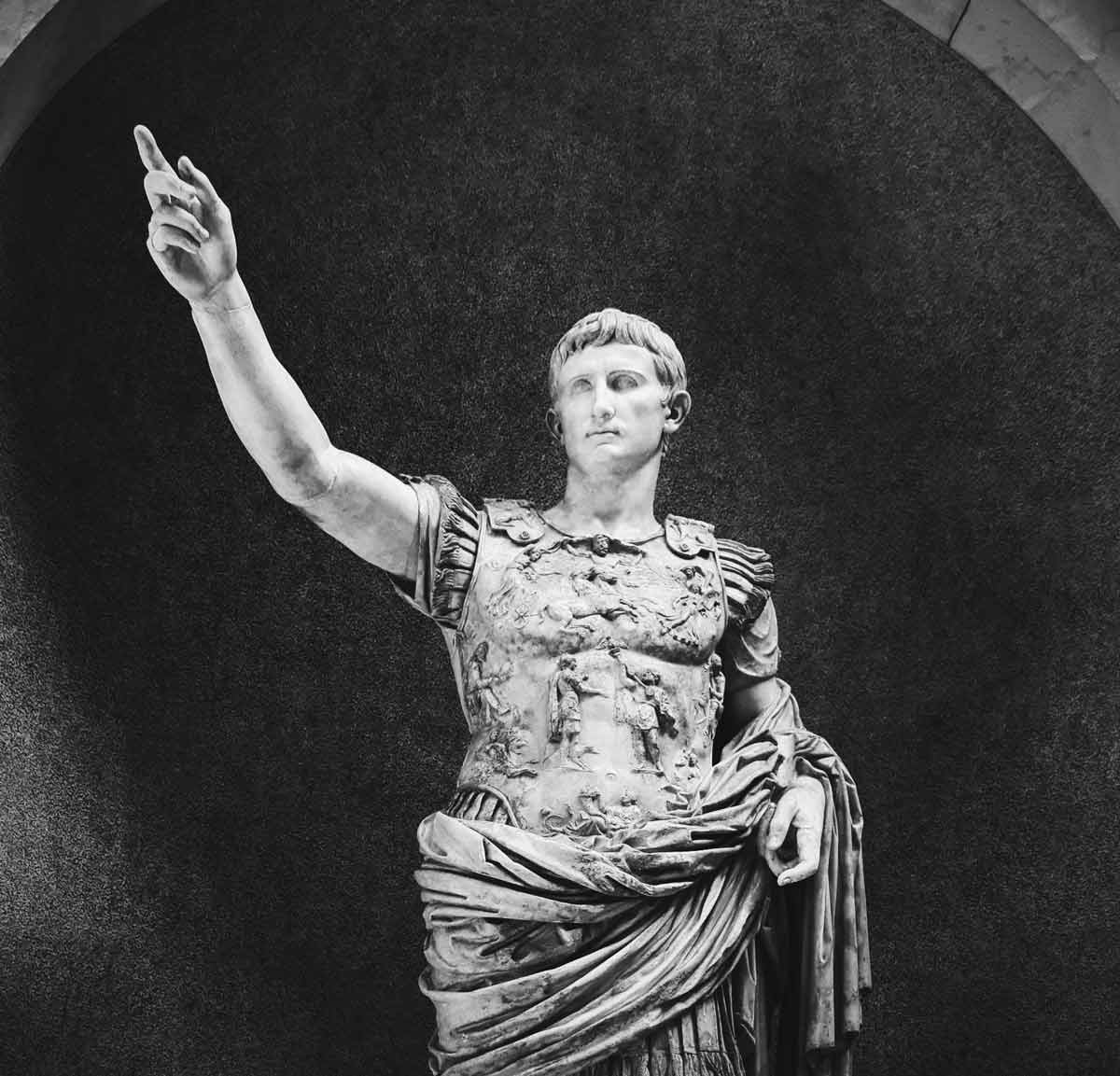
According to Suetonius, Augustus bid farewell to his friends on his deathbed by saying: “Since well I’ve played my part, all clap your hands and from the stage dismiss me with applause.” Born Gaius Octavius in 63 BC, Octavian, later known as Augustus, undeniably changed the course of (ancient) history, laying the foundations of the Roman Empire.
Upon learning of his great-uncle and adoptive father’s assassination, young Octavian returned to Rome, where he discovered Caesar had named him his heir, much to the displeasure of Mark Antony, one of Caesar’s chief lieutenants. The tentative truce between Octavian and Mark Antony, known as the Second Triumvirate, did not last long. After defeating his rival’s fleet at the 31 BC Battle of Actium, Octavian became the sole master of Rome, wielding absolute power.
Mindful of his adoptive father’s fate, however, the 33-year-old future emperor transformed the Roman Republic into an empire through a series of gradual reforms. He also presented himself as the “princeps,” or the “first citizen,” carefully avoiding an open confrontation with the Senate.
During his almost four-decade-long reign (27 BC-14 AD), Augustus (an appellation linked to the religious practice of augury, or divination of the future) heralded a period of peace (the Pax Romana) after decades of civil wars and fortified the empire’s borders. A patron of the arts, the first Roman emperor also launched an extensive building program in Rome and the provinces. Before his death in 14 AD, Augustus secured a peaceful transfer of power by naming his heir, Tiberius, thus founding the first Roman imperial dynasty.
3. Cicero
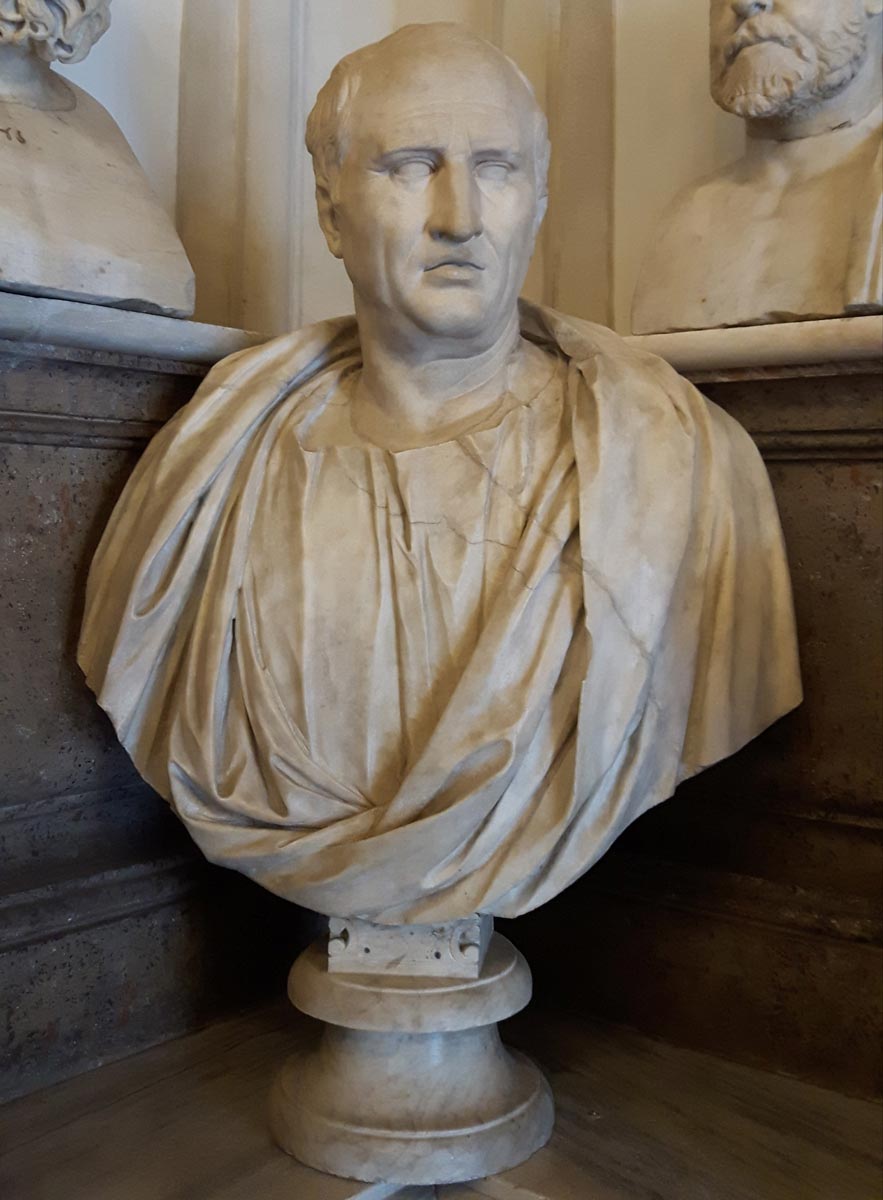
Every student of the Latin language is familiar with Cicero and his speeches. Active in the final decades of the dying Roman Republic, Cicero is still celebrated as ancient Rome’s greatest orator and lawyer. His speeches, letters, and treatises, written in an elegant style, have set the standard for Classical Latin, influencing modern perceptions of the later years of the Roman Republic.
Born in a wealthy family from Arpinum in present-day Lazio, Cicero began making a name for himself with his brilliant performances in the Roman courts. In 63 BC, he was eventually elected consul, the first in his family to do so. During his consulship, Cicero famously unmasked the Catilinarian Conspiracy, a plot devised by Lucius Sergius Catiline to illegally seize power after his defeat in the election.
While his victory against Catiline (achieved through a series of masterfully delivered speeches in the Senate) gained him the title pater patriae (father of his country), he had sentenced a Roman citizen to death without a trial. In 58 BC, this fateful decision caused him to be declared an exile. Meanwhile, the orator had also turned down Caesar’s invitation to enter into an alliance with himself and Pompey.
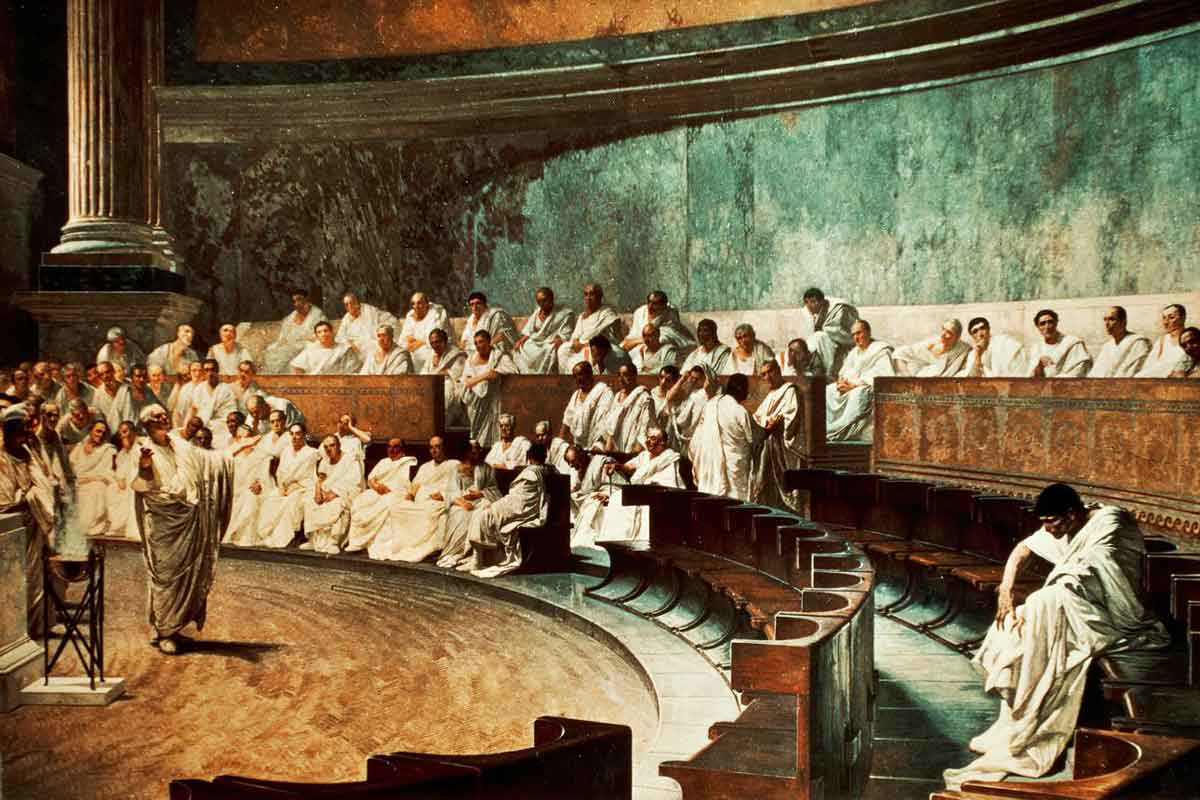
Cicero returned to Rome in 57 BC. The political climate, however, was irremediably changed. Siding with Pompey during the civil war, believing Caesar’s rival to be a defender of the republican traditions and ideals he championed, he was later pardoned by Caesar. In 43 BC, however, Mark Antony, whom Cicero strongly disliked and attacked in a series of fiery speeches known as the Philippicae, was not as clement. Following his alliance with Augustus, Mark Antony added Cicero’s name to the list of enemies to proscribe.
Killed on Mark Antony’s order on December 7, the orator’s hands and head were cut off and later nailed to the Rostra in the Roman Forum. While his attempt to save the Roman Republic failed, Cicero’s rhetorical prowess survived, revolutionizing the writing of Latin for centuries to come. In the Italian language, his name (Cicerone) is used to describe a “well-spoken” person.
4. Virgil
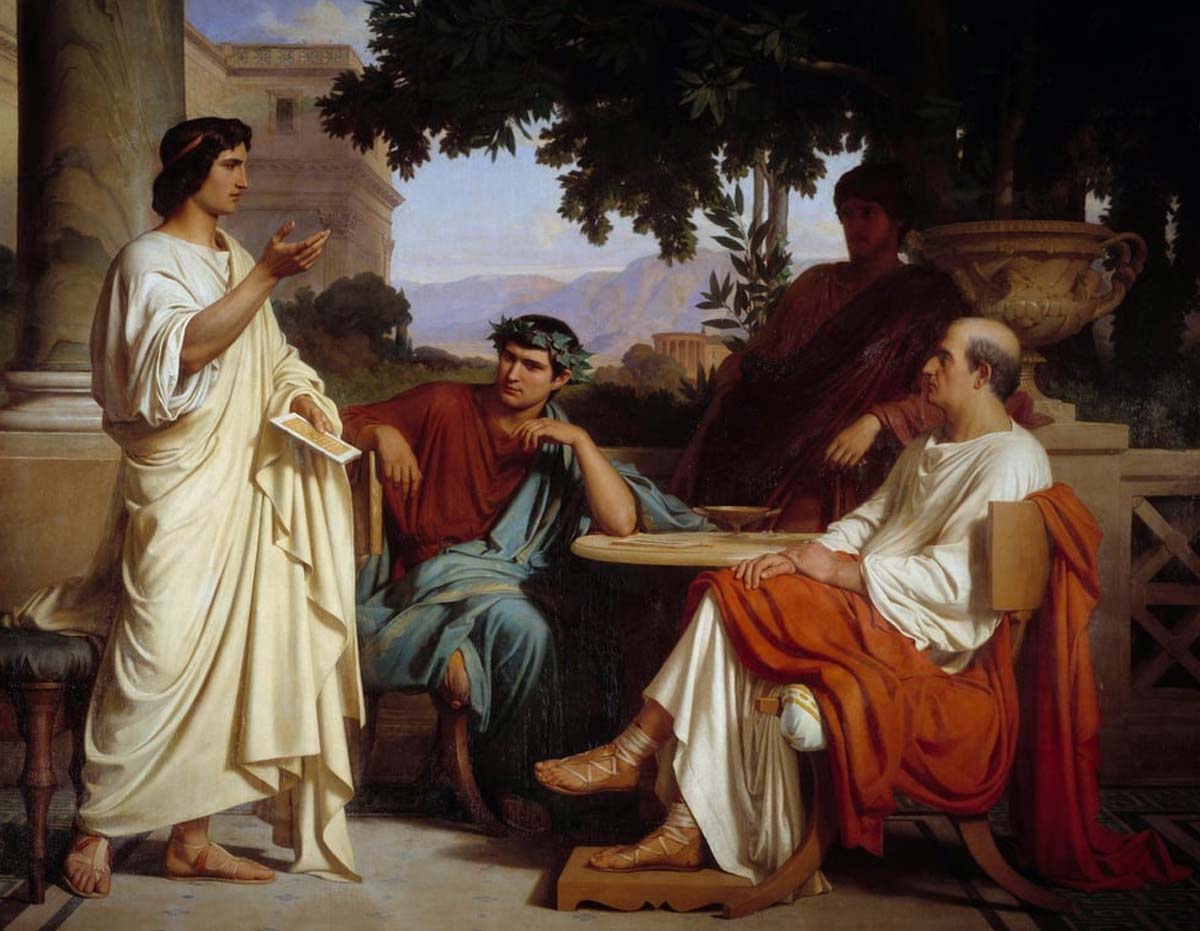
In his Divina Commedia (Divine Comedy), Dante chose the Roman poet Virgil as his guide for his voyage through Hell and Purgatory. Though Dante approached Virgil’s writings through a Christian perspective (as was customary in the Middle Ages), his key role in the Comedy is a testament to Virgil’s enduring legacy.
Born in 70 BC near present-day Mantua, Virgil witnessed the turbulent civil wars that would lead to the fall of the Roman Republic in his youth. After gaining recognition with the Eclogues (42-37 BC) and Georgics (37-30 BC), Virgil came to be regarded as the most influential poet of the Augustan era. His Aeneid, written toward the end of the 1st century BC, glorifies Augustus, linking him to Aeneas, the “man who, exiled by fate, first came from the coast of Troy to Italy.”
Besides associating the princeps with the legendary founder of Rome, Virgil’s epic poem is also an example of soft power, promoting the values championed by Augustus and presenting Rome’s divinely inspired destiny: conquering and civilizing the world. At the same time, Virgil seems to show pietas to the victims of Rome’s aggressive path to military and political success, such as Dido, the queen of Carthage, who commits suicide after Aeneas leaves her.
While Virgil may show sympathy toward Rome’s victims, the Aeneid remains a monument to Augustus’ cultural propaganda, perpetuating an idea of a Roman sense of nationhood and values that shaped modern perceptions of ancient Rome. Celebrated by his contemporaries as the greatest Roman poet, Virgil’s literary influence outlived the fall of the Roman Empire.
5. Nero
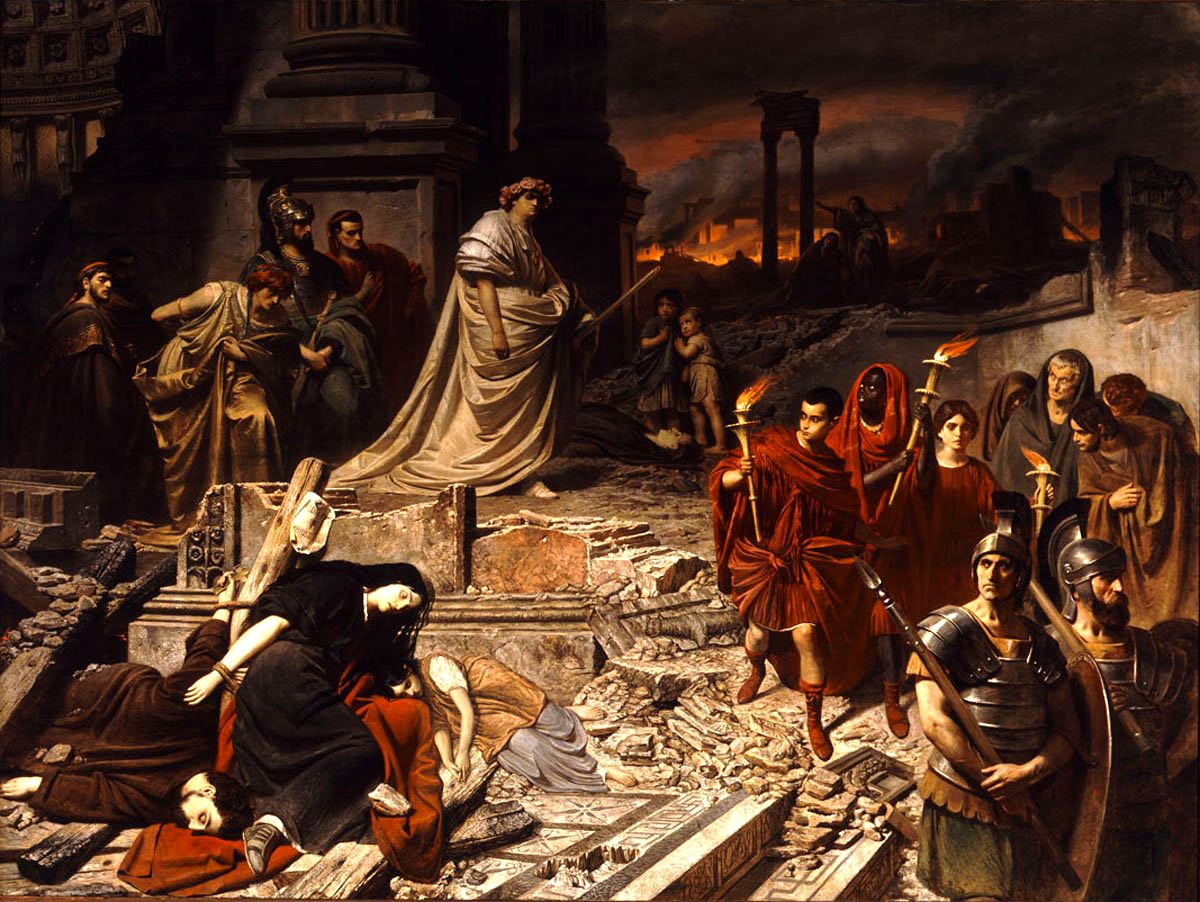
Nero, the last ruler of the Julio-Claudian dynasty, is one of ancient Rome’s most infamous emperors, prone to extravagances and debaucheries. Historians (and senators) Suetonius and Cassius Dio even had Nero playing the lyre and singing the fall of Troy from his palace while observing the 64 AD Great Fire of Rome ravaging the city. When the flames were finally extinguished, two-thirds of the city lay in ruins.
When Nero launched an extensive rebuilding program in the aftermath of the tragedy (including a new imperial palace, the Domus Aurea, or Golden House), a rumor began to circulate through the city: Emperor Nero himself had caused the fire. While the story was false (the emperor wasn’t even in the city when the flames began), the damage was done. To avoid a riot, Nero found a scapegoat in the Christians, launching a wave of persecution.
Strongly opposed by the senatorial elite, who saw his participation in plays and games as a breach of imperial decorum, Nero was eventually declared a “public enemy.” Abandoned by the army and the Praetorian Guard, he committed suicide in 68 AD. Portrayed by Roman historians as a violent tyrant and by the Christians as the Antichrist, Nero remains one of the most complex figures of Imperial Rome.
6. Mark Antony
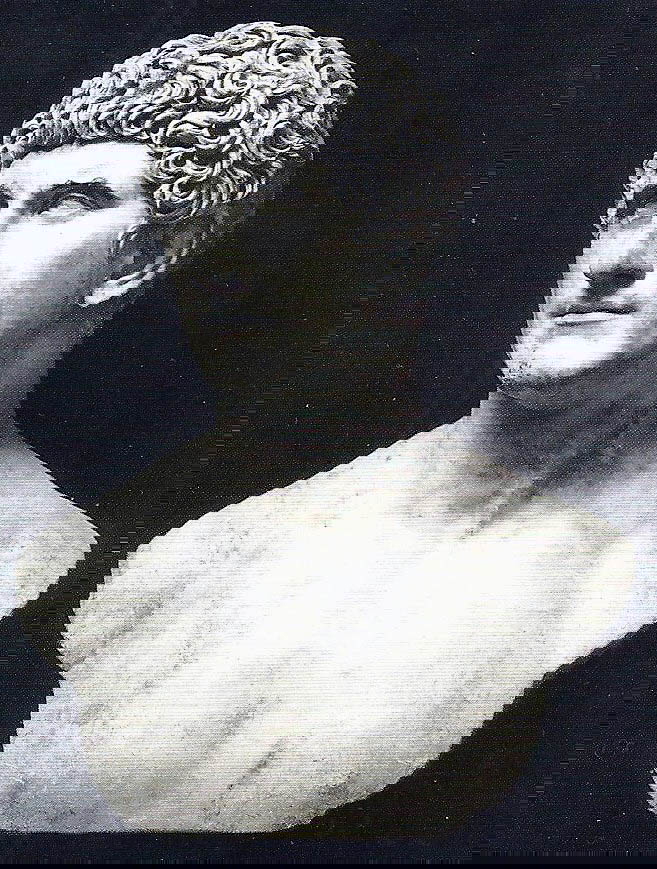
Like Nero, Mark Antony is also famous for all the wrong reasons. Vilified by Octavian’s propaganda campaign as a degenerate, drunk, and despot who rejected the traditional Roman values, Mark Antony is mostly remembered for his recklessness and debauchery. In the Italian language, the term marcantonio (said to derive from the Roman figure) is even used to describe a physically imposing—and striking—person!
After joining the staff of Julius Caesar, Mark Antony impressed the general with his military exploits during the Gallic Wars. A staunch supporter of Caesar during the civil war, he commanded the left wing of Caesar’s forces at the 48 BC Battle of Pharsalus against Pompey. Mark Antony was also a brilliant orator, and his masterfully crafted funeral oration turned the Roman crowd against Caesar’s assassins. Shakespeare reproduced the speech in his Julius Caesar, beginning with the famous lines: “Friends, Romans, countrymen, lend me your ears.”
Following the death of Caesar, Mark Antony gained possession of his will, but his claims were challenged by young Octavian, the dictator’s adopted son and successor. Despite an uneasy alliance, tensions between the two rose. When Mark Antony formed an alliance with the Egyptian Queen Cleopatra (also his lover), Octavian publicly attacked him as the one who “has abandoned his whole ancestral way of life, has embraced alien and barbaric customs, has ceased to honor us, his fellow countrymen, or our laws, or his father’s gods.”
Defeated by Octavian and Agrippa’s forces at the naval Battle of Actium in 31 BC, Mark Antony and Cleopatra committed suicide.
7. Scipio Africanus
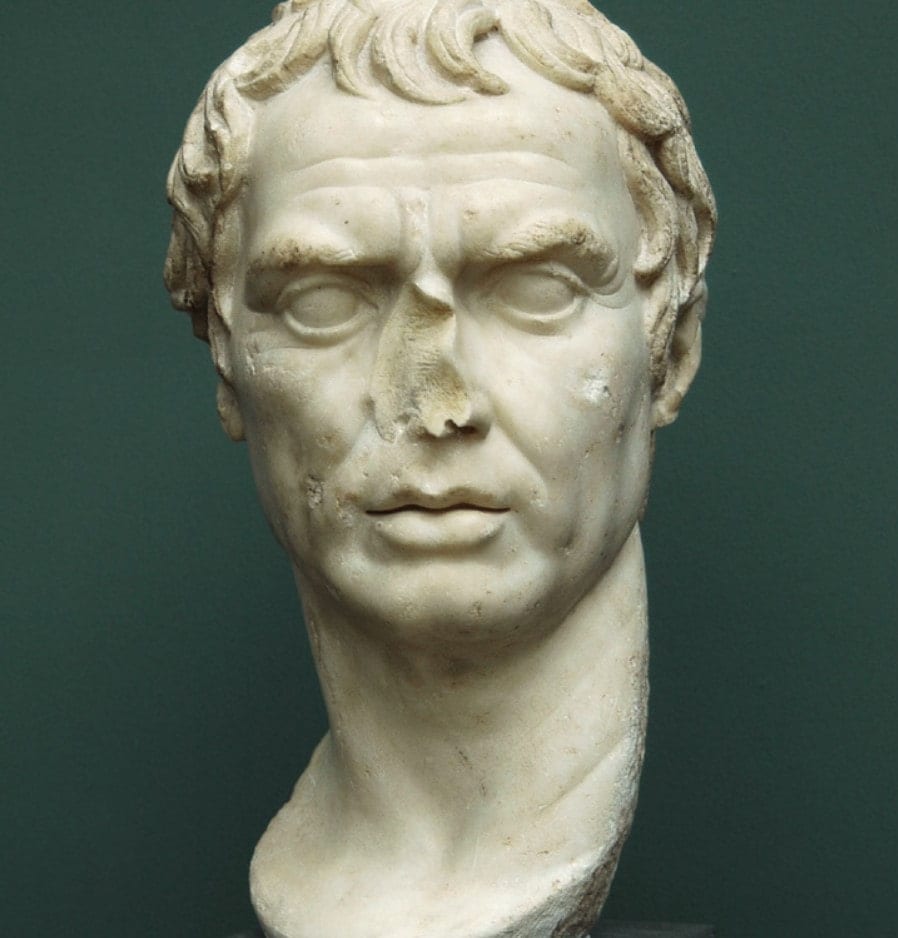
Born Publius Cornelius Scipio around 236 BC, Scipio Africanus is one of ancient Rome’s greatest generals. At the time, the Roman Republic was engaged in a struggle with Carthage, its rival for dominance in the Mediterranean. When he was 17 years old, the Carthaginian commander Hannibal Barca, after crossing the Alps in northern Italy, advanced through the peninsula. In 216, he then inflicted a disastrous defeat on the Romans at the Battle of Cannae, where, according to Livy, Scipio was one of the few surviving high-ranking officers.
In 210, young Scipio, set on avenging the humiliating defeat, volunteered to command a modest contingent of reinforcements deployed to Carthage-controlled Spain. Over the following four years, Scipio managed to force the Carthaginian forces out of the region and was hailed in Rome as a hero, receiving the consulship despite being too young to hold the post.
Then, in 204, Scipio made the bold decision to strike Rome’s enemies directly in Africa instead of confronting them in southern Italy. Landing in northern Africa in 204, he proceeded to isolate Carthage and, in 202, he defeated Hannibal at the Battle of Zama, where he neutralized the Carthaginian commander’s war elephants and surrounded him. The victory earned him fame and the surname Africanus.
Scipio Africanus’ brilliant campaign against Hannibal secured Rome’s supremacy in the Mediterranean, laying the foundations for its future expansions. His success, however, won him the enmity of powerful Romans, and he died in a self-imposed seclusion in his villa in Liternum in present-day Campania. During the Risorgimento, Scipio Africanus became a patriotic symbol of defiance against the Austrians. Indeed, in the Inno di Mameli (the Italian national anthem), Italy figuratively dons Scipio’s helm (dell’elmo di Scipio s’è cinta la testa) to fight against the foreign rule.
8. Marcus Aurelius
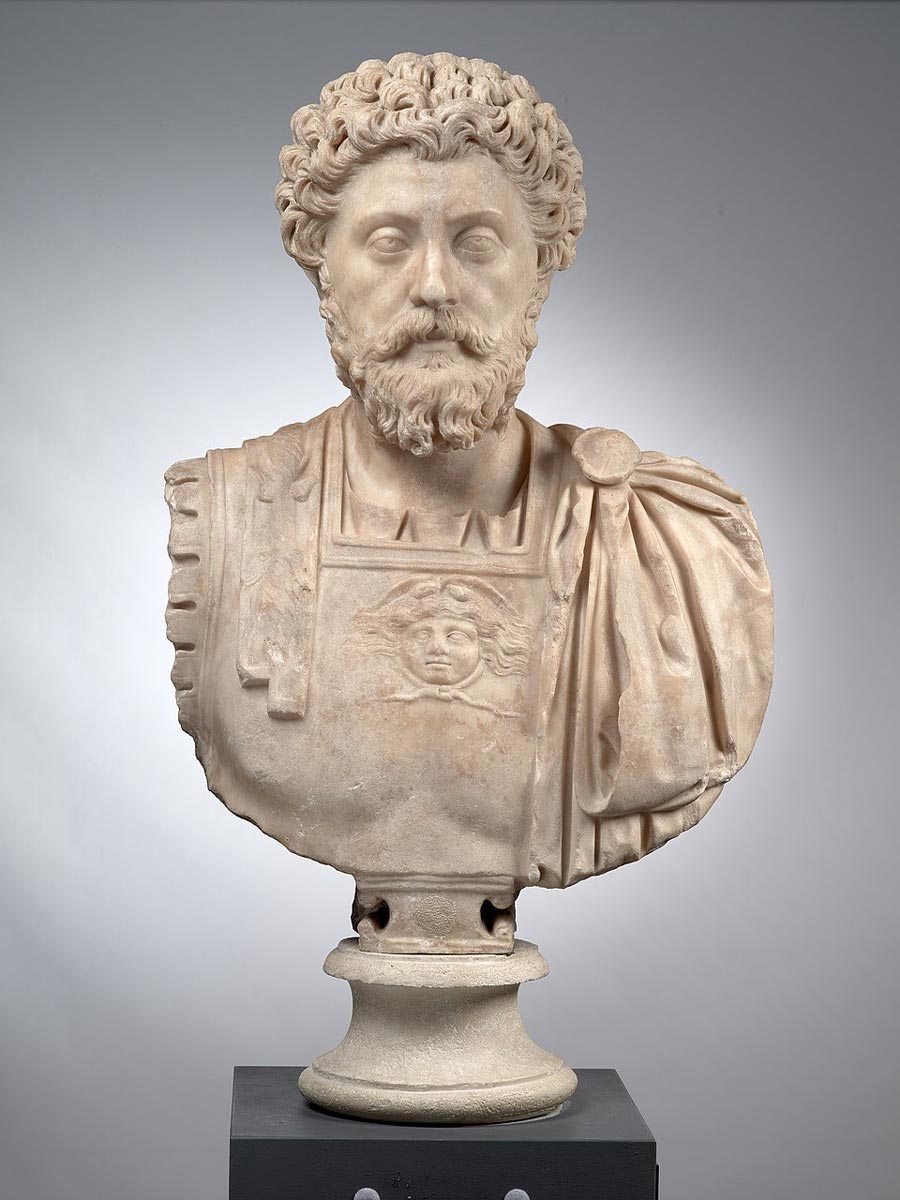
While several Roman emperors are famous for their megalomania and excess, Marcus Aurelius is celebrated as one of Rome’s greatest rulers. Indeed, he is listed as one of the so-called Five Good Emperors, whose efficient rule secured peace, prosperity, and territorial expansion.
Adopted by Antoninus Pius as his successor alongside Lucius Verus, he refused the Senate’s offer to sit alone on the throne. Thus, their ascent to the imperial throne became the first instance of a joint rule in Roman history. After the death of Lucius Verus in 169 AD, likely due to the plague that swept through the empire, Marcus Aurelius reigned as the sole emperor until his death in 180 AD.
A follower of Stoicism, a philosophy urging the avoidance of all excesses of emotion, Marcus Aurelius recorded his personal reflections in his Meditations, earning his reputation as a wise philosopher-emperor. A collection of 12 books, his writings shaped the modern understanding of the school of thought originating with Zeno of Citium.
Known for preferring philosophical musings to the battlefield, Marcus Aurelius nonetheless spent most of his reign securing the empire’s stability. He died in a military camp at Vindobona (present-day Vienna) while fighting the rebellious tribes stationed beyond the Danube. He was succeeded by his son, Commodus.
9. Trajan
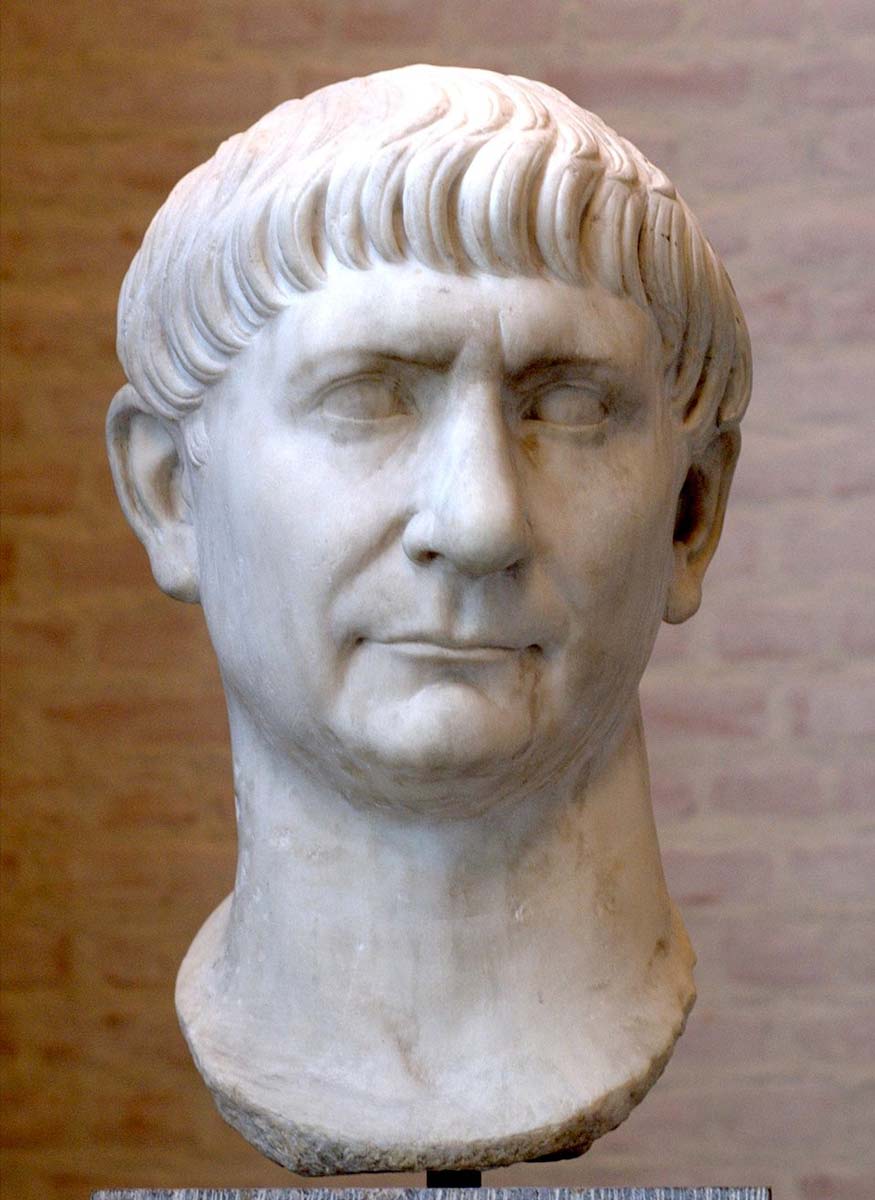
Like Marcus Aurelius, Trajan, the first Roman ruler from outside Italy (he was born in Italica, Spain), is also celebrated as one of the Five Good Emperors. However, Trajan was more at home on the battlefield than jotting down his philosophical musings.
A successful military leader, he was designated as his successor by Nerva and inherited the throne in 98 AD. Careful in his dealings with the Senate, Trajan embarked on a series of campaigns that extended the Roman Empire’s borders to the east. Indeed, it was during his reign that the empire reached its greatest territorial extent, securing Rome’s hold in Dacia, Mesopotamia, Armenia, and Arabia.
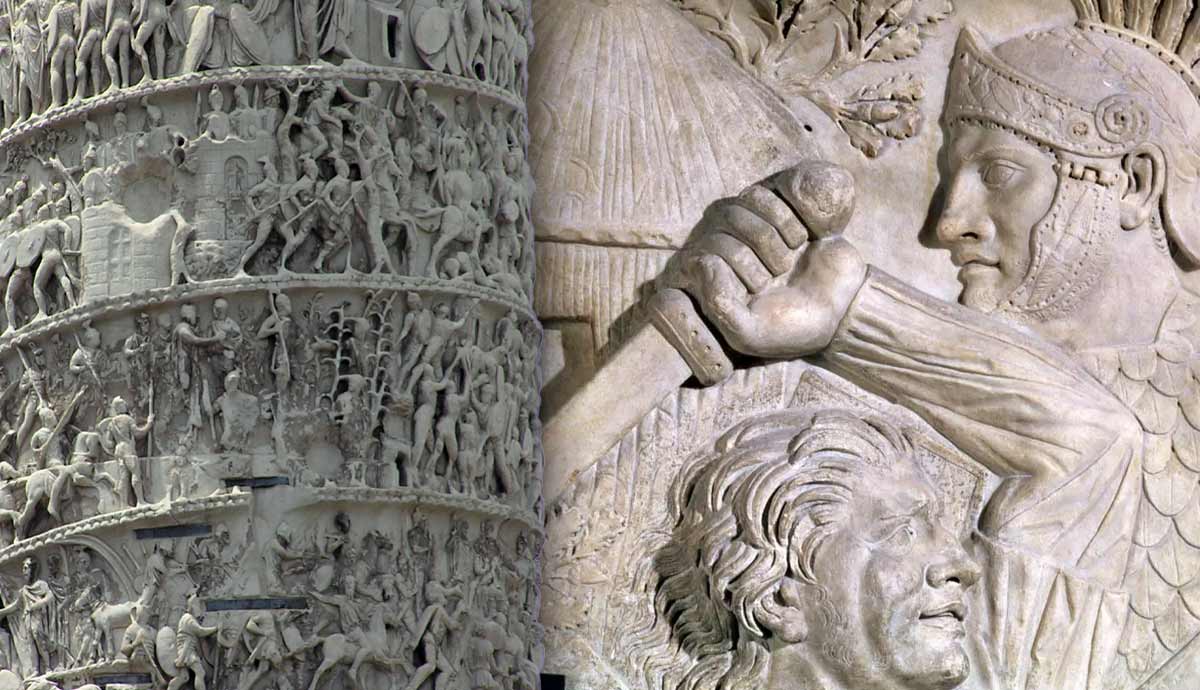
His two campaigns in Dacia (101-102 and 105-106 AD) are famously depicted in the spiral relief adorning Trajan’s Column in Rome. The monument once stood in the Trajan Forum, a project funded by the emperor as part of his extensive program of public works in Rome and the provinces. After his death in Selinus (in present-day Türkiye) in 117 AD, his ashes were laid to rest under the column.
10. Constantine the Great
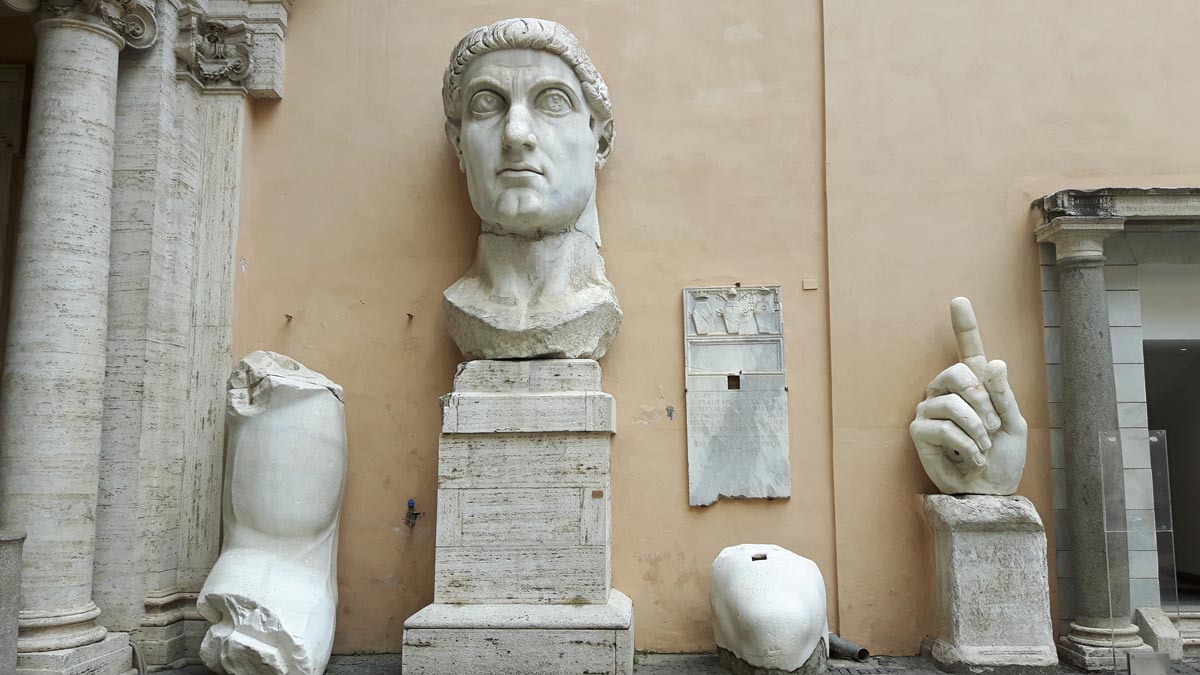
In 313 AD, Constantine the Great, born Flavius Valerius Constantinus, changed the course of the Roman Empire (and European history) by issuing the Edict of Milan that legalized Christianity across the Roman world. While historians debate whether Constantine’s conversion was more a political decision than an act of true faith, the emperor laid the foundation for the Christianization of the Western world and the establishment of the powerful Roman Catholic Church.
In the 8th century, a document known as the Donation of Constantine reported that the emperor had bestowed a large territory in central Italy on Pope Sylvester. Later revealed to be a forgery, the donation was often used to legitimize the papacy’s claim of supremacy over the secular leaders.
According to Eusebius, before the 312 AD Battle of the Milvian Bridge against his rival Maxentius, the Christian cross appeared across the sky to the emperor with the legend “In this sign, conquer.” A slightly different version of the story claims that Constantine saw the Chi-Rho (Jesus’ monogram) in a dream. Thus, Constantine ordered his soldiers to paint the same symbol on their shields. The following day, he defeated Maxentius, becoming the sole ruler of the empire.
In 330, Constantine made another crucial decision by founding Constantinople. During his reign, the new city became a “Second Rome.” By shifting the capital of the empire eastwards, the Christian emperor ensured its survival (albeit in a different configuration) in the following centuries.