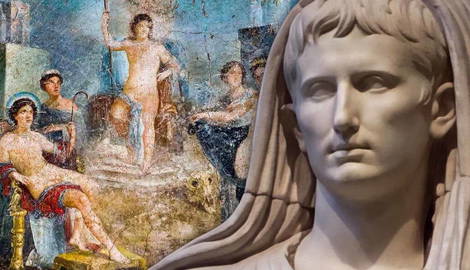

Roman religion helped to unite several diverse populations by creating a shared Pantheon. Its system was highly flexible, widely accepted foreign gods, including Mithras and Isis, and encouraged public participation in cultic activities and rituals. Its adaptability was one of the most important factors that contributed to the success of Rome’s expansion. However, thanks to varying views of different emperors, as well as the rise of Christianity, religion also helped to create chaos and instability.
Faith as a Tool for Stability
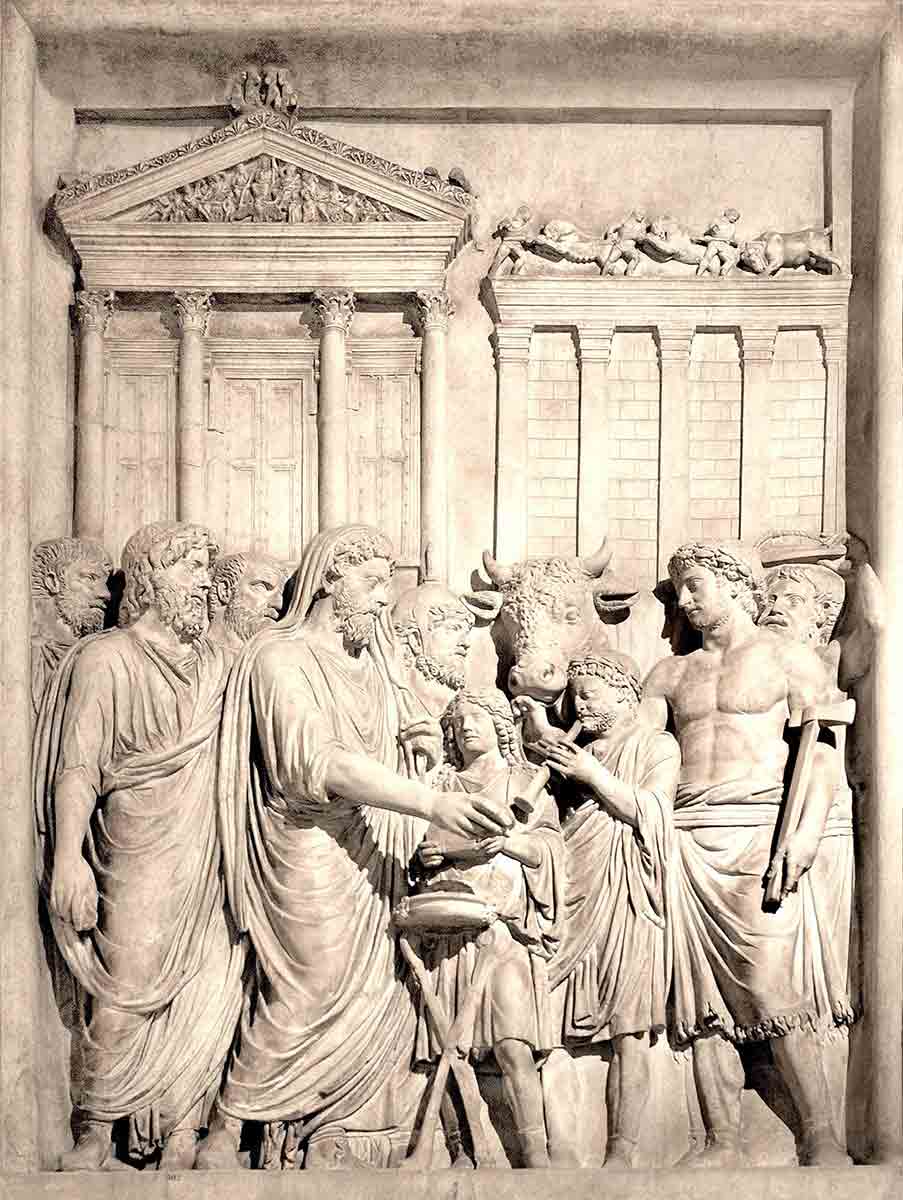
There has been an ongoing debate among academics for several decades regarding the role religion played in the stability/collapse of the Roman Empire. Several historians have argued that religion played a unique role in ensuring the stability of the empire as it provided both Rome and the provinces with a set of values, traditions, and beliefs that they could share. Others focus on the political uses of religion in the Roman world, emphasizing how the emperors used religion to maintain control and promote a specific narrative.
Emperors were constantly looking for ways to legitimize their positions and enhance their authority, and for many, religion was a useful tool. This was especially seen with the idea of emperor worship, as well as the use of public ceremonies, as these connected the people to the emperor and encouraged the maintenance of social order.
While individual Romans probably had genuine religious beliefs, for the government, it was a useful weapon to try to maintain control of an empire that was becoming increasingly more challenging to govern.
Pax Deorum
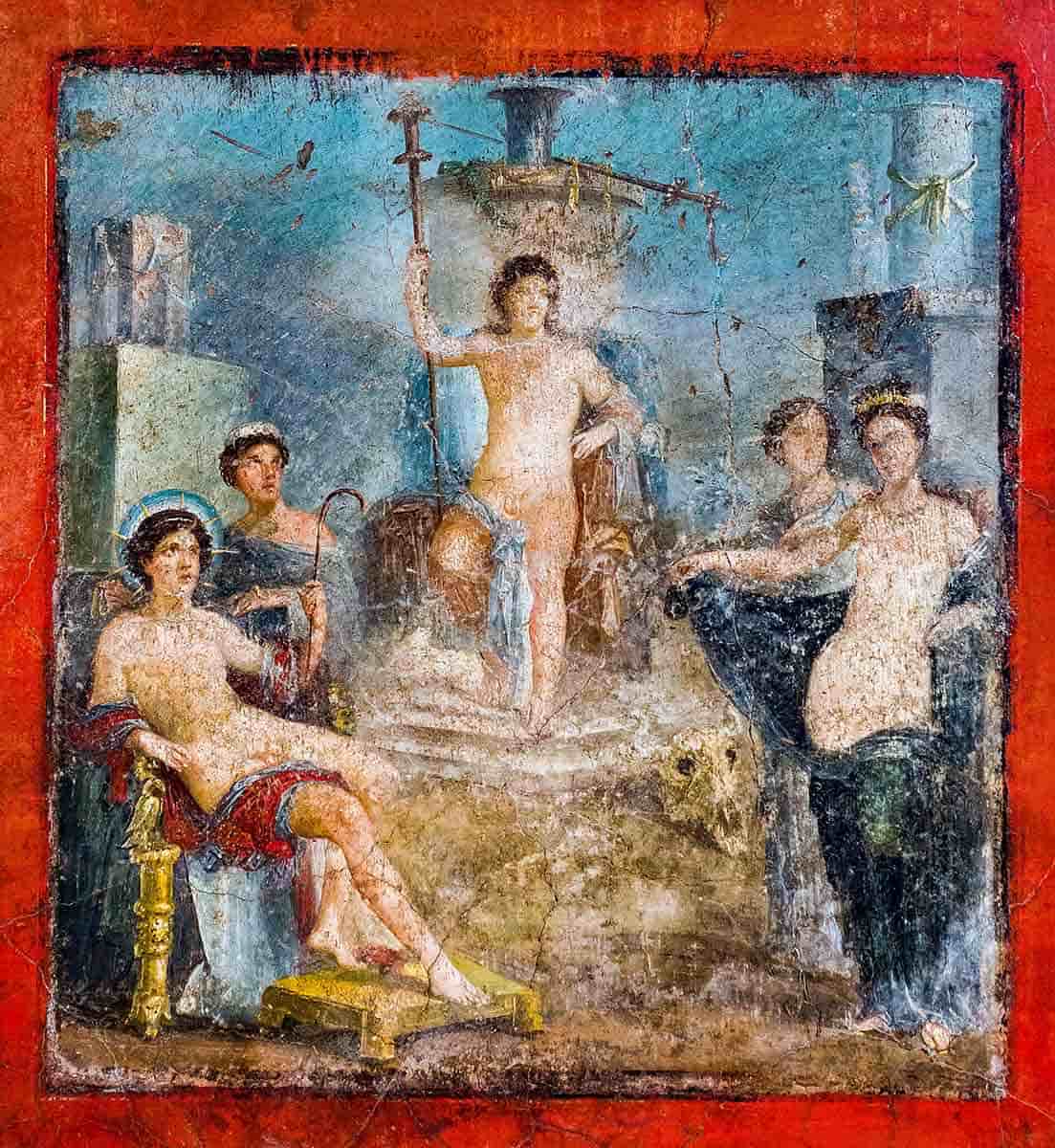
What was Pax Deorum? Translating to “Peace with the Gods,” Pax Deorum was an essential aspect of Rome’s ideology. It was the belief that the Romans were a part of a reciprocal relationship with their deities; for example, if the Romans carefully followed religious protocols, praised and sacrificed to their gods, and used the correct rituals, then the gods would ensure the Romans lived prosperous, healthy, and successful lives.
On a larger scale, if the correct rituals were performed by those in power, then military success or political stability would be granted to them.
For the emperors, their main focus was to ensure that the Roman state survived and thrived for as long as possible, while remaining secure and stable. Because of this, religion was essentially not linked to morality or even individual salvation. To an emperor, those who were religiously loyal were also loyal to the empire—politics and religion were thoroughly intertwined. Therefore, public rituals and sacrifices were important civic duties that had to be undertaken to protect the empire.
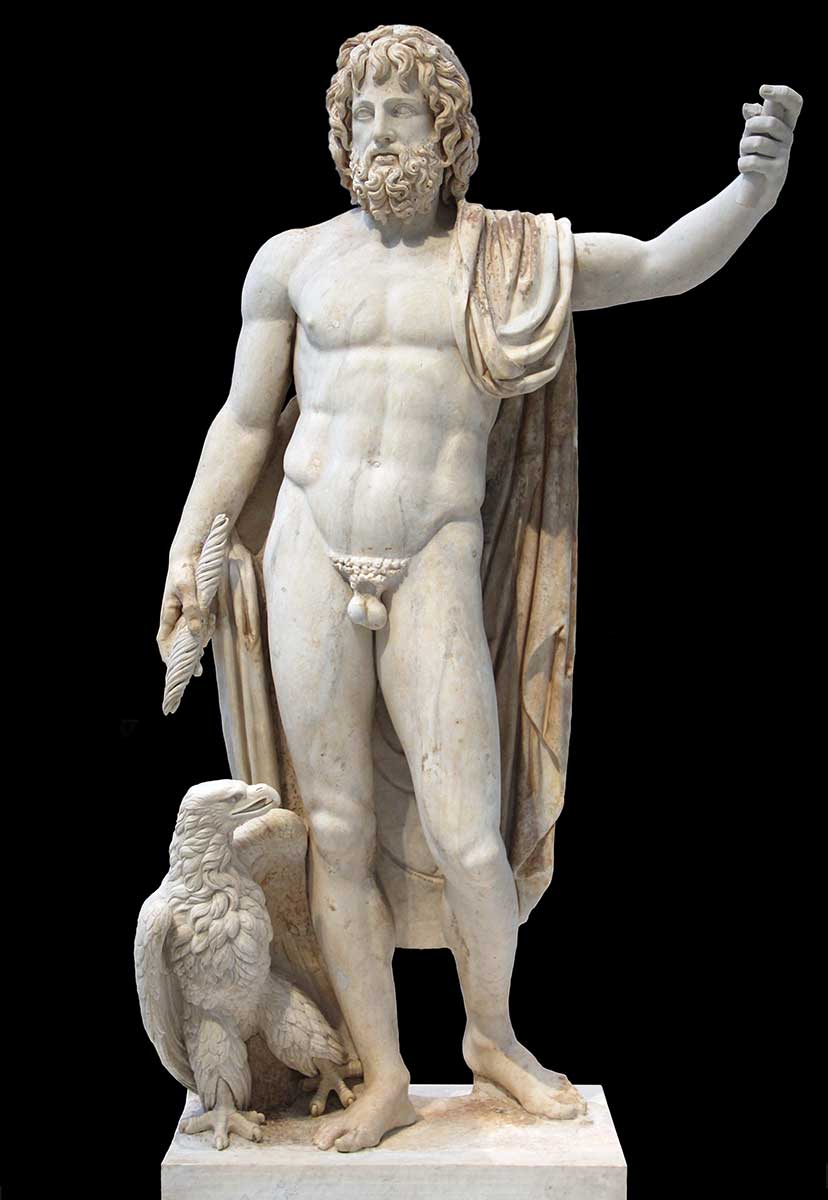
This would have been made easier if all the emperors held the same religious beliefs and views, but they didn’t.
As the empire went through several periods of instability, the actual official number of emperors is difficult to say with any certainty, but there were roughly between 70 and 82 legitimate emperors over the course of five centuries.
Each had a different relationship with religion, with some being more traditionally pagan and following the old ways of the empire, others bringing in new cults, or recognizing new religions altogether. Additionally, some emperors saw any deviation from their idea of religion as treasonous, given how closely it was tied to the state, and many people suffered greatly for their beliefs at different times during the Imperial Period.
Power Struggles in the Pantheon
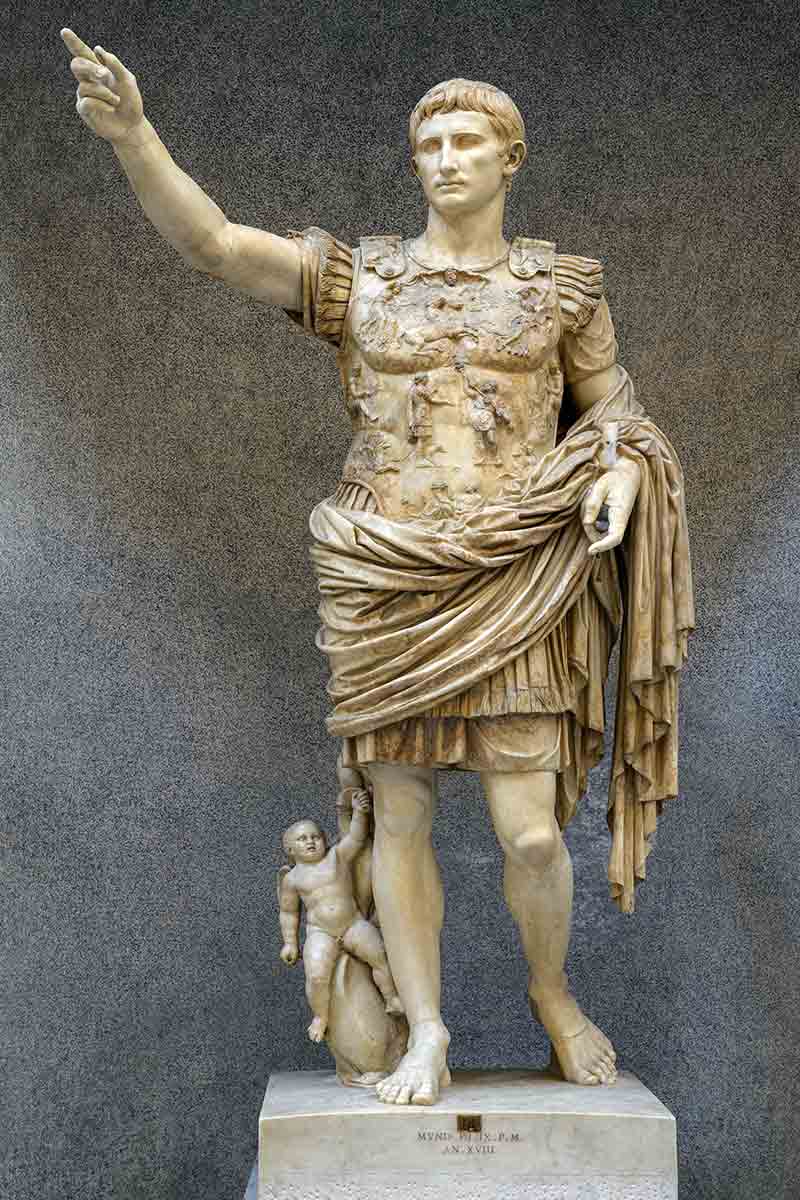
Augustus was the first emperor of Rome, and he followed the traditional long-standing pagan religion. However, he was also the creator of the imperial cult, a political move that made the emperor into a religious figure who played an essential role in the Roman Pantheon.
Other Emperors were slightly more controversial with their religious acts. Emperor Elagabalus, who had previously been a former high priest of the Syrian sun god Elah-Gabal, tried to make this deity the supreme ruler of the Roman pantheon. He was unsuccessful in his attempt.
The religious identity of the empire constantly shifted depending on the whims of each ruling emperor, with some persecuting those who refused to follow their version of religion. Those who followed religions with only one deity were often targeted as they were openly going against the Roman polytheistic pantheon.
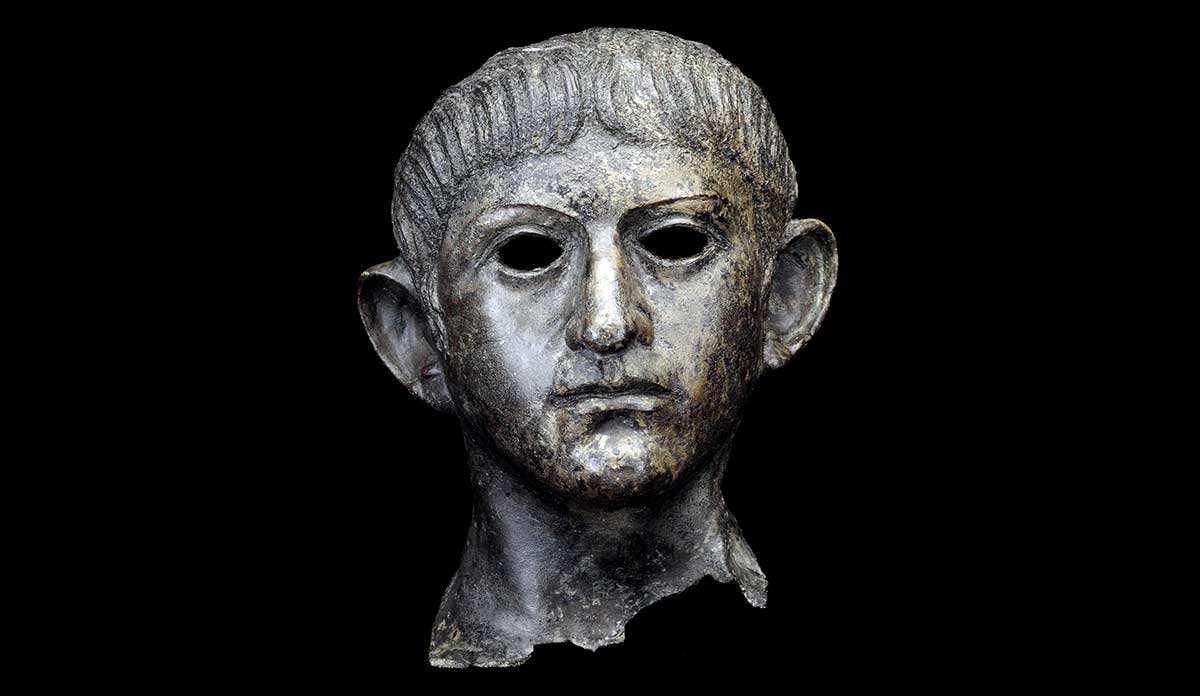
Even though Christianity emerged in the 1st century AD, it took a significant amount of time for its influence to spread widely. Therefore, it was often labeled as a threat by different emperors.
Emperor Nero, who ruled during the 1st century, was extremely anti-Christian. He was a traditional pagan emperor who especially favored the god Apollo. He saw Christians as useful scapegoats, easy to blame for the problems of the empire; he famously blamed them for the Great Fire of Rome, and as punishment, he burned many of them alive or had them torn apart by wild animals. Domitian also targeted both Jews and Christians as they refused to worship him as a god. However, perhaps one of the more vicious was Diocletian in the 3rd century, who decided to try and eradicate Christianity and therefore widely persecuted those who practiced this religion.
Toward the latter half of the Imperial Period, emperors preferred Christianity, and Theodosius I made Nicene Christianity the state religion and outlawed traditional pagan rituals. But even during the later years of the empire, when Christianity was becoming dominant, Emperor Julian the Apostate unsuccessfully tried to restore the pagan religion to the empire.
The Emperor as a Living God
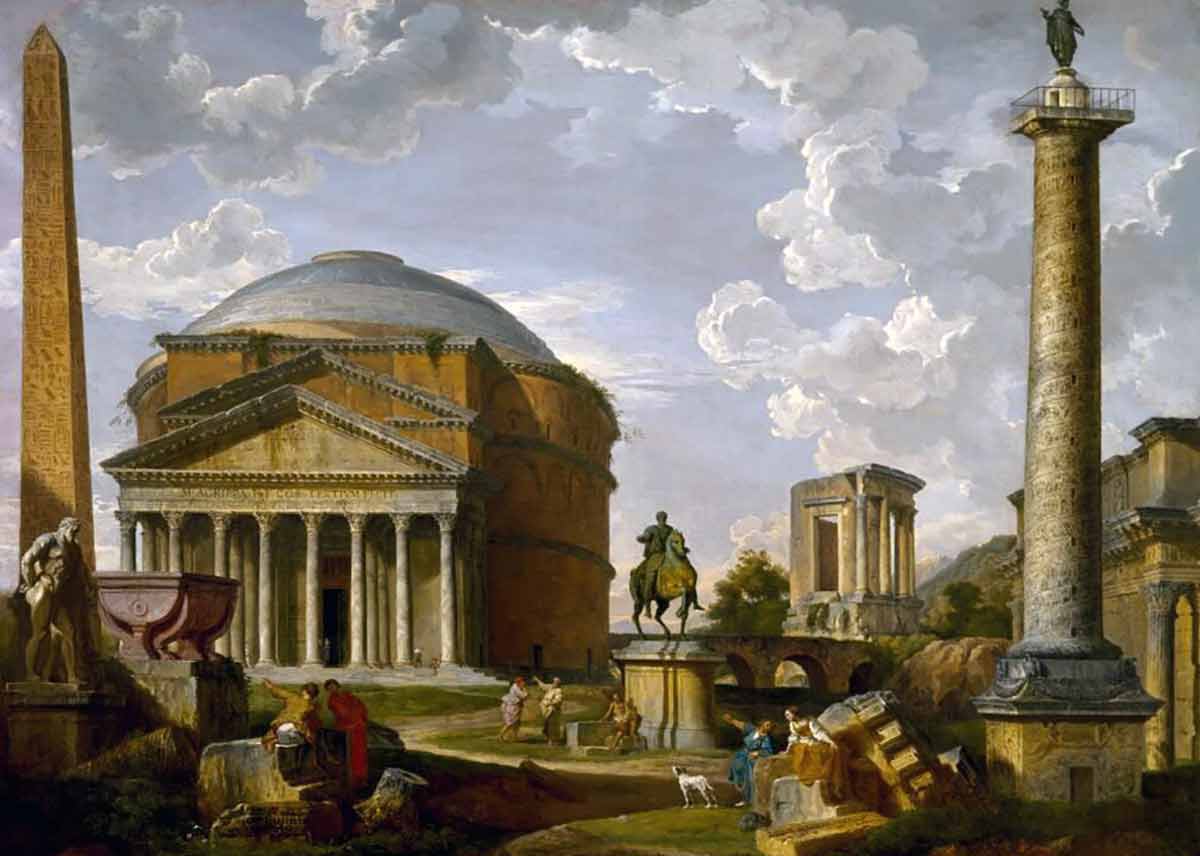
As mentioned above, it was the emperor Augustus who introduced the imperial cult to Rome. Augustus was adamant that during his lifetime he would not be deified; however, when he died, the Senate quickly deified him, and successive emperors went on to receive the same honor.
The Imperial cult gradually spread across the empire, with several temples or sanctuaries being set up in honor of the emperor. Several could be found in central Rome, including the Temple of Divus Claudius on Caelian Hill and the Temple of Divus Augustus, which was located on Palatine Hill. Other famous examples could also be found outside of Rome; these included structures in Pergamon and a Temple of Augustus and Roma located in Ankara.
In the provinces, undertaking a sacrifice to the imperial cult became a public expression of loyalty. It also widely promoted and celebrated the absolute authority that the emperors had. Anyone who refused to be a part of this was viewed as disloyal and traitorous; several Jews and many early Christians refused to take part in these customs.
Religious Tolerance
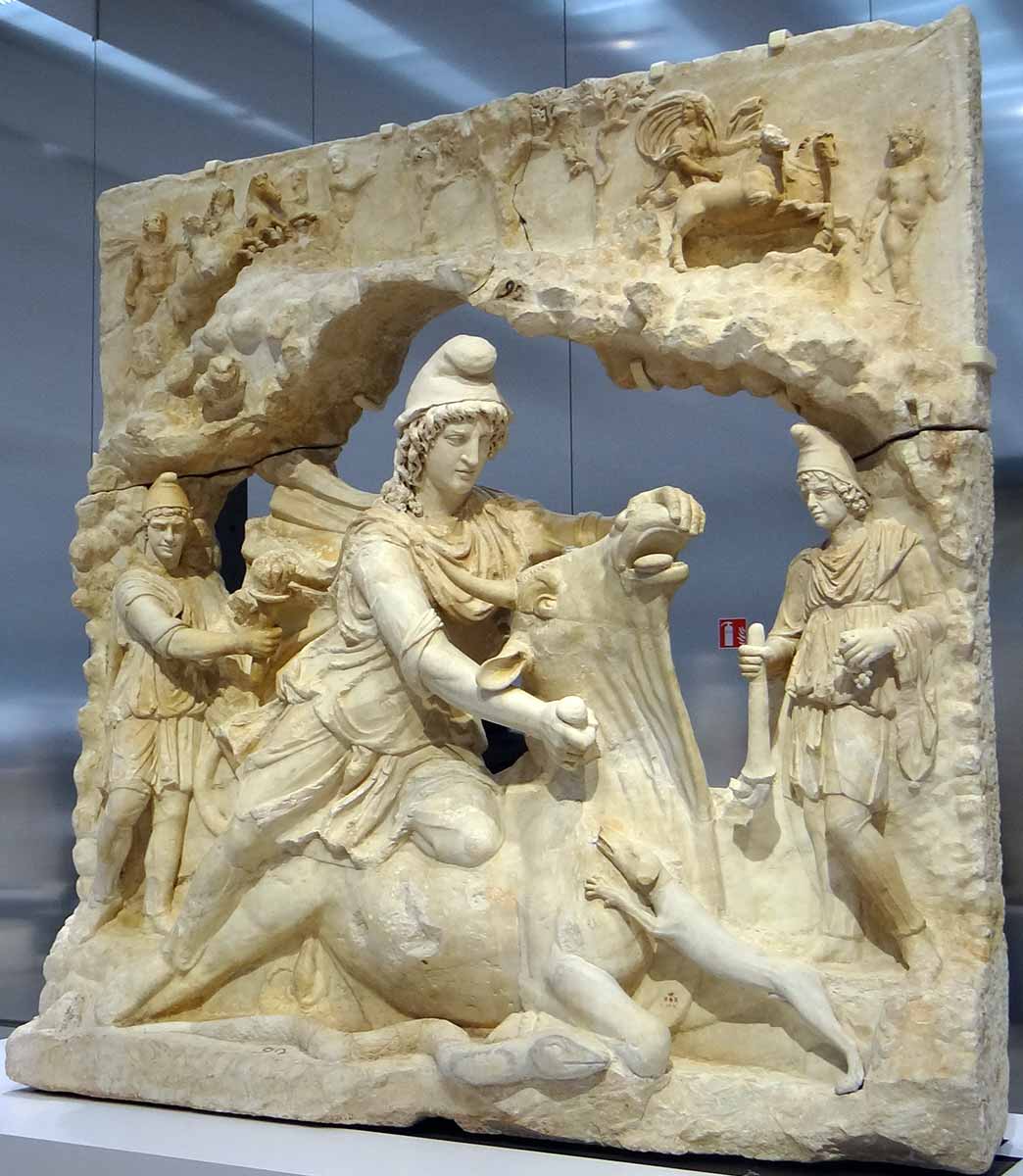
One of the major contributing factors that enabled Roman success during expansions was their attitude toward local religions. In general, they practiced a policy of tolerance and acceptance. Some deities were even absorbed into Roman culture.
The cult of Isis, from Egypt, was very popular among some Romans, and temples dedicated to her sprang up everywhere after Augustus’s conquest of Egypt after the Battle of Actium.
The Romans even created their own cults by adapting traditions they found elsewhere. The cult of Mithras was created by merging Persian, Greek, and Egyptian customs.
The Romans used the traditional Republican system of evocatio to maintain their power. This was the practice of asking enemy gods to abandon their people and follow Rome instead. By carefully amalgamating certain deities and mixing cultural customs, the Romans effectively used local religions to legitimize their rule.
Divinity in Daily Life
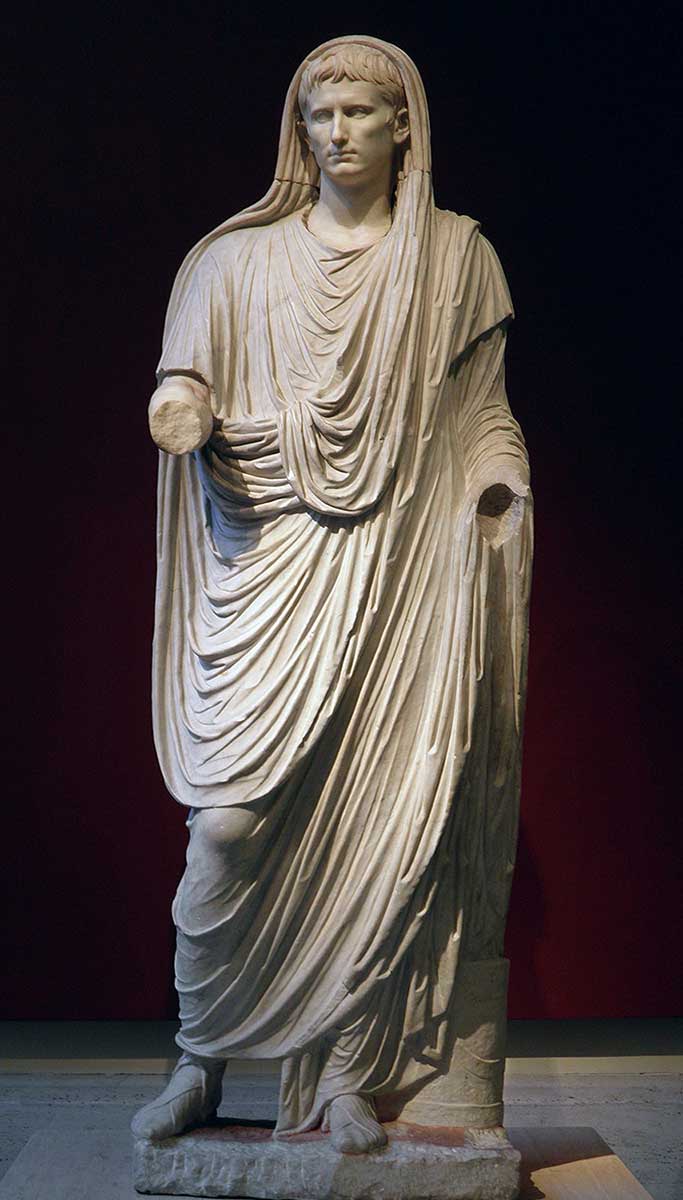
The highest and most significant position in Roman religion was traditionally held by the emperor: the Pontifex Maximus. However, there were several other religious positions that were held by other members of the Roman elite.
Religion was at the center of Roman daily life; it shaped legal systems, military campaigns, and even helped to create the calendar. Many military campaigns were coordinated around religious festivals or omens; campaigns could not begin until rituals dedicated to the God of war, Mars, had been performed. Often, augurs would read omens or signs from the gods to predict the outcome of each battle or campaign.
Religions That Threatened Unity
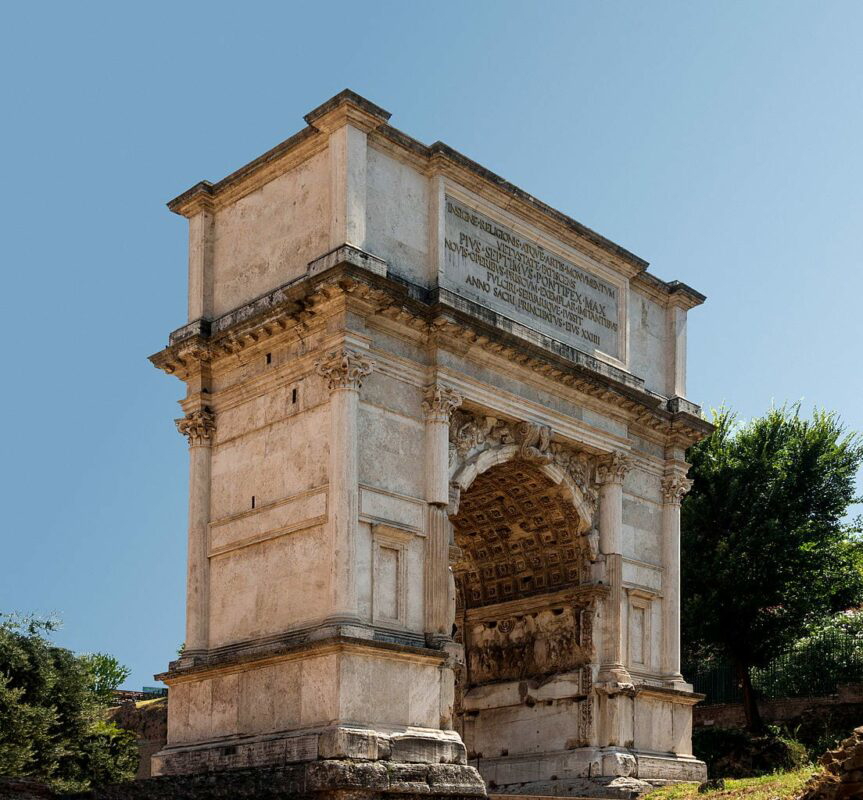
In general, the Romans were fairly tolerant when it came to the customs and practices in local provinces; however, anything that threatened the stability of the empire was immediately squashed. Christianity, in particular, was seen as a threat for several centuries before it became the official religion of Rome. This was because Christians believed that God’s authority was higher than the emperor’s, which threatened the core concept of Pax Deorum. Over the centuries, several Christians were killed, churches were attacked and burned, and persecution was often widespread and violent.
Jews were also targets of several emperors because they refused to participate in the worship of Roman gods. It is thought that Emperor Claudius may have decided to expel all Jews from Rome, while Titus sacked and destroyed Jerusalem in AD 70.
Even Roman cults were not fully safe from persecution by the Roman system. During the Republic, the cult of Bacchus was banned by the Senate in 186 BC; its festivals were deemed too dangerous and a threat to Roman morality, as many became intoxicated at these events. Some people continued to follow the cult, but it became much more secretive.
From Persecution to State Power
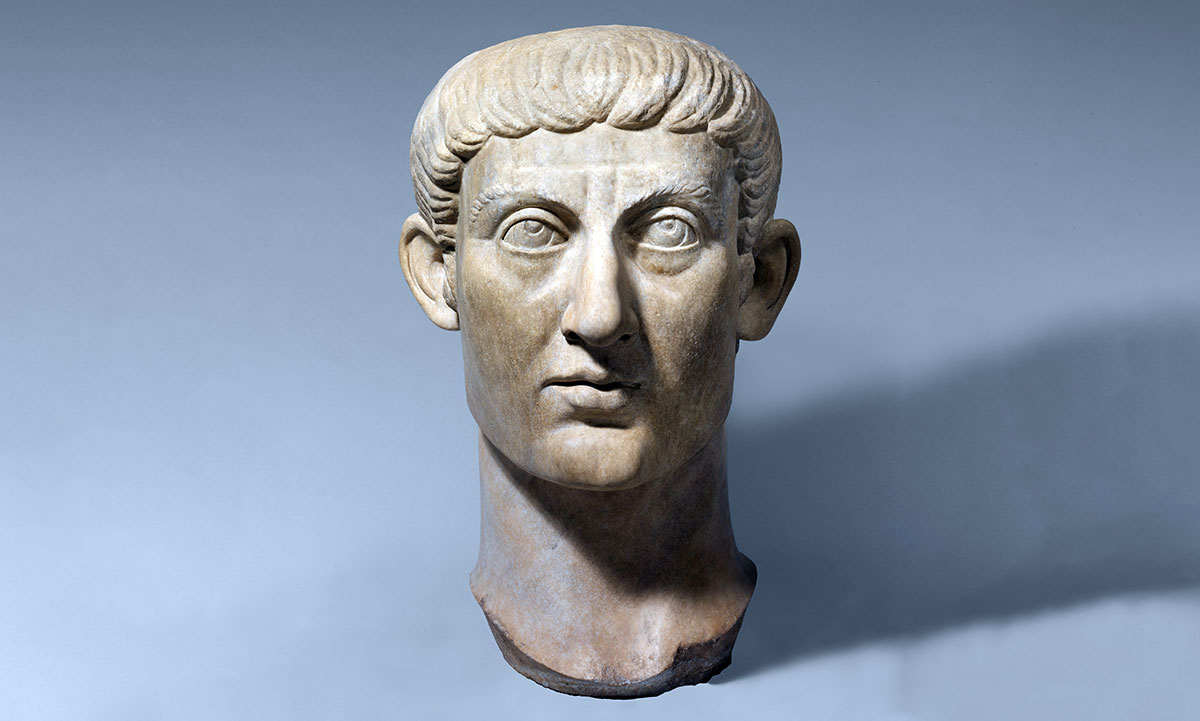
Ironically, Christianity went from a persecuted religion for over 300 years to the religion of the state in the 4th century. This change began under Emperor Constantine. In AD 312, according to the Christian tradition, during the Battle of the Milvian Bridge, Constantine famously saw the cross in the sky and stated that victory had been given to him by the Christian god.
In AD 313, he issued the Edict of Milan alongside Licinius, granting religious freedom to all citizens and restoring confiscated property to Christians. Further action took place in AD 325, when the Council of Nicaea brought together differing Christian sects to create unity.
Sources
- 10 Facts About The Secret Roman Cult of Mithras | History Hit. https://www.historyhit.com/facts-about-the-cult-of-mithras/.
- de Paiva Bondioli, Nelson. ‘Roman Religion in the Time of Augustus’. Numen, vol. 64, no. 1, 2017, pp. 49–63.
- Garnsey, Peter, et al. The Roman Empire: Economy, Society and Culture. 2nd edn, University of California Press, 2015. JSTOR, https://www.jstor.org/stable/10.1525/j.ctt9qh25h.
- Herzig, Ilana. ‘Worshipping a Forbidden Goddess’. Archaeology, vol. 76, no. 6, 2023, pp. 24–29.
- Heyman, George. The Power of Sacrifice: Roman and Christian Discourses in Conflict. Catholic University of America Press, 2007. JSTOR, https://doi.org/10.2307/j.ctt284wv1.
- The Power of Sacrifice: Roman and Christian Discourses in Conflict. Catholic University of America Press, 2007. JSTOR, https://doi.org/10.2307/j.ctt284wv1.
- Hingston, James Henry. ‘The Origin of Christianity in Rome’. The Irish Church Quarterly, vol. 8, no. 31, 1915, pp. 200–14. JSTOR, https://doi.org/10.2307/30067508.
- Kordas, Ann, et al. 7.4 Religion in the Roman Empire – World History Volume 1, to 1500 | OpenStax. OpenStax, 19 Apr. 2023, https://openstax.org/books/world-history-volume-1/pages/7-4-religion-in-the-roman-empire.
- Levene, D. S. ‘Defining the Divine in Rome’. Transactions of the American Philological Association (1974-), vol. 142, no. 1, 2012, pp. 41–81.
- Moehring, Horst R. ‘The Persecution of the Jews and the Adherents of the Isis Cult at Rome A.D. 19’. Novum Testamentum, vol. 3, no. 4, 1959, pp. 293–304. JSTOR, https://doi.org/10.2307/1559946.
- Roman Emperor Worship | Early European History and Religion — Facts and Details. https://europe.factsanddetails.com/article/entry-1172.html.
- Rome’s Conversion to Christianity and Its Lasting Legacy | Rhodes Sites. https://sites.rhodes.edu/coins/romes-conversion-christianity-and-its-lasting-legacy.
- ‘The Politics of Faith in Constantine’s Rome’. Retrospect Journal, 20 Oct. 2025, https://retrospectjournal.com/2025/10/20/the-politics-of-faith-in-constantines-rome/.
- The Role of Religion in Ancient Greek and Roman Societies | Greek and Roman Religion Class Notes | Fiveable. https://fiveable.me/greek-and-roman-religion/unit-1/role-religion-ancient-greek-roman-societies/study-guide/ryl7qzYDM2XuiQkf.
- The Role of Religion in the Roman Republic’s Military – Chariot Journal. https://chariotjournal.wordpress.com/2020/08/24/the-role-of-religion-in-the-roman-republics-military/.