
As Roman power expanded, they incorporated several provinces under their imperial rule. However, not only did they impose new laws and governments, but they also secured new trade routes, built infrastructure, and encouraged communication and economic growth by connecting the provinces with roads and ports and securing new sea routes.
For several centuries, the Roman Empire was able to promote stability over a vast network of provinces, although these areas were not unified in all aspects. Local languages, religions, and traditions persisted, making unification temporary and unequal.
What Was the Roman Empire?
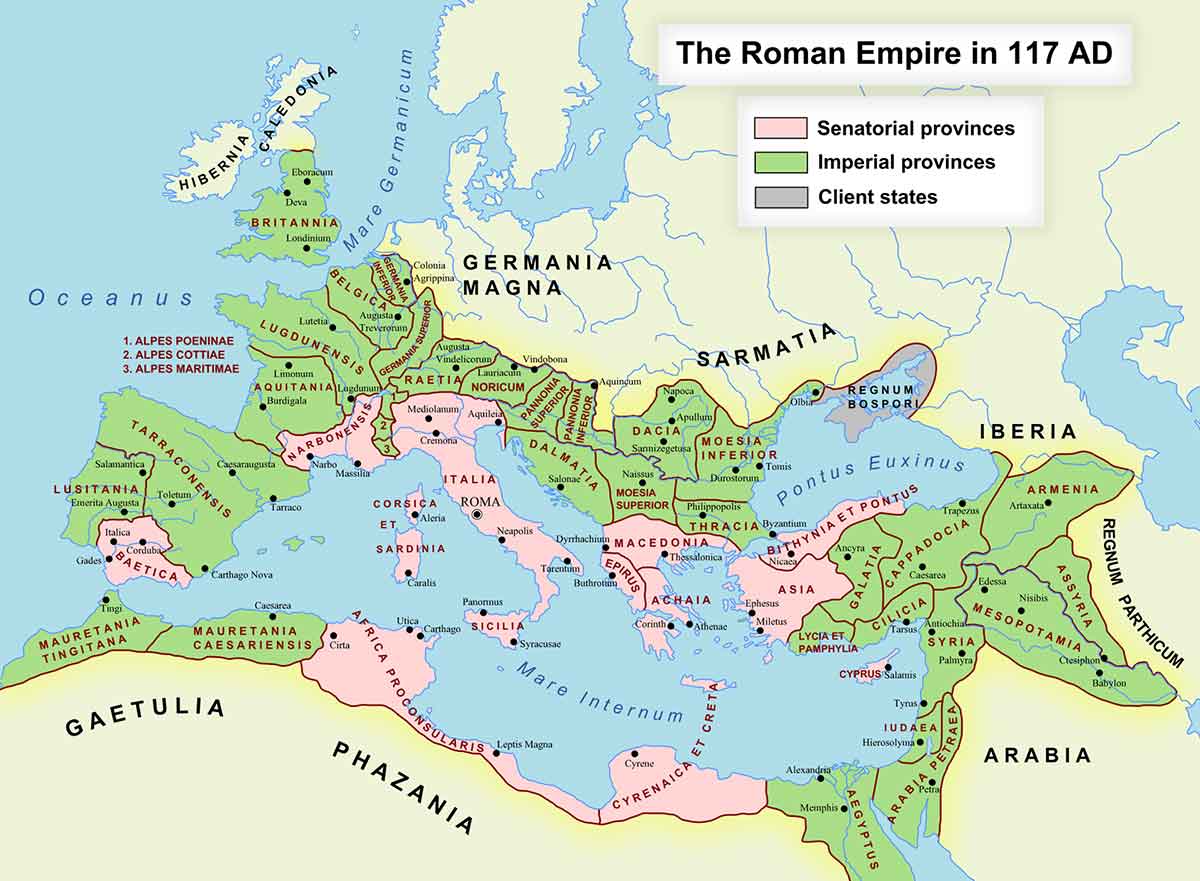
Perhaps one of the most studied and well-known empires in history, the Roman Republic and later empire was essentially the first power to bring together most of the peoples of the wider Mediterranean. Roman power extended from Northern Britain and Gaul down to the coastline of Hispania and North Africa, stretching to Greece and the Levant and onto Egypt.
Conquest took several centuries and many vicious battles to achieve, and the Romans gave this huge geographical area a name: Mare Nostrum, translating to “Our Sea.” The Mediterranean became the highway of the empire; it allowed for the transportation of armies, goods, administrators, and merchants across a vast area.
The Romans were very successful propagandists, and this phrase was no different, but they were not lying. They did manage to unify many diverse areas and peoples under one rule and ideology.
However, while on the surface, the empire appeared to be secure and integrated, on the micro scale, several local differences persisted. As with many empires that grew and fell over history, administrative control and domination do not necessarily mean social and cultural unity.
The Paradox of Peace Through Violence
Empires are almost never built through peaceful means, and the Roman Empire was no different.
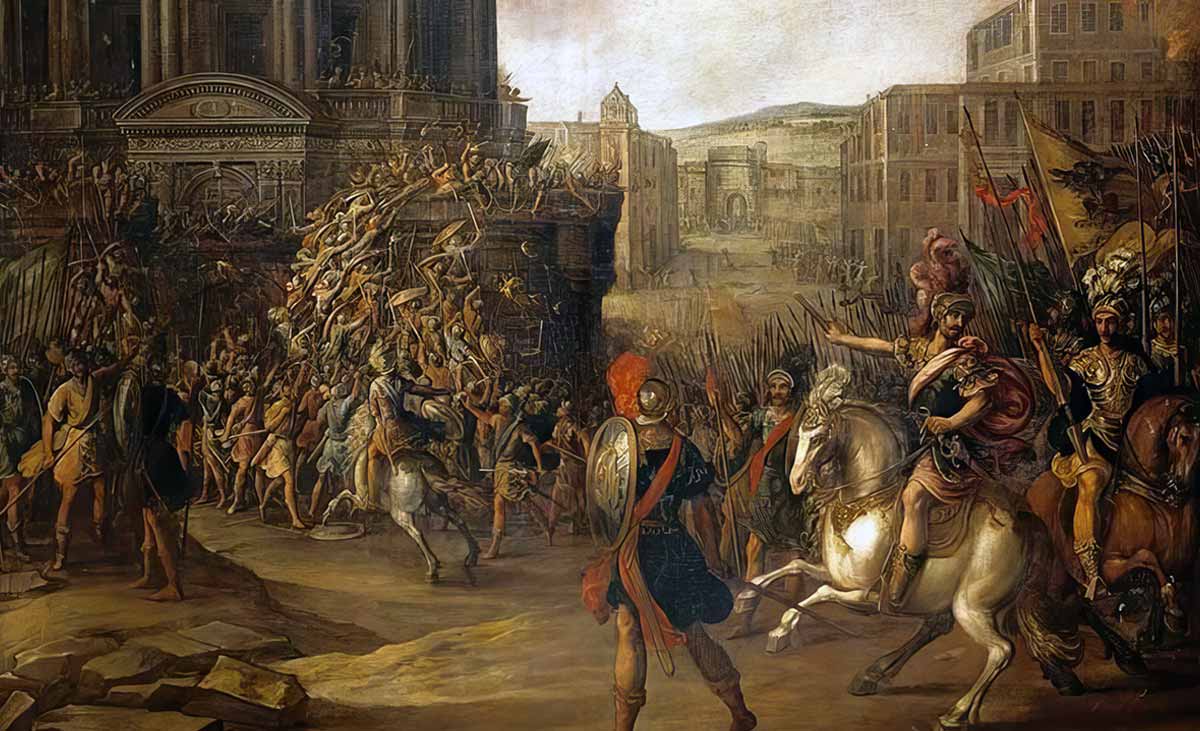
Several long campaigns occurred over the centuries as the Romans attempted to conquer new lands and subdue new peoples. Every campaign led to an extreme loss of life as well as damage to local infrastructures, farmland, and transport links; whether you study the Punic Wars or the domination of Greece and Gaul, none of these campaigns were carried out without significant violence.
However, the conquest was not over once the final battles were fought; it took decades of installing new governments and required new military garrisons to be set up, with hundreds of Roman troops being sent all over the Mediterranean to maintain order and deter rebellions.
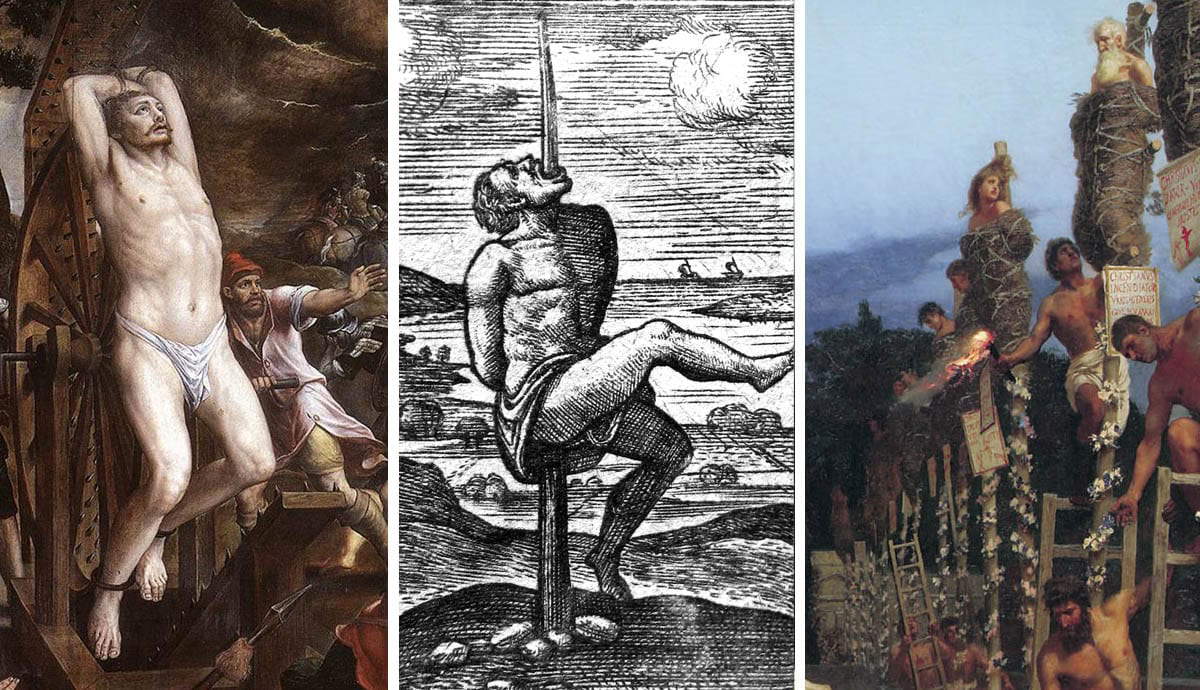
The “Pax Romana” was far from peaceful, and even partial integration required violence and threats to enforce.
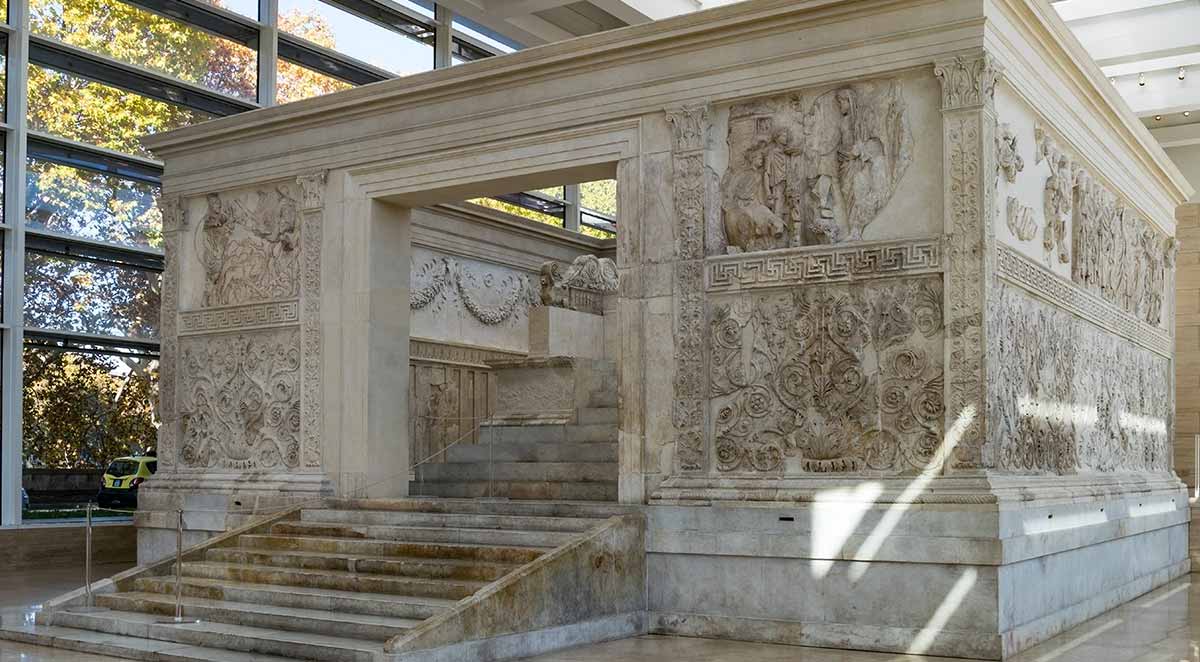
Politically, the Romans did achieve success in creating a fairly unified political system across their empire. The area they unified was so large that it was even comparable to the modern-day EU.
Beginning in 27 BC with the ascension of Emperor Augustus, the empire went on to thrive and grow until around AD 180, when the Emperor Marcus Aurelius passed away. Unprecedented peace spread across this vast area. Borders were expanded to incorporate around a quarter of the ancient world’s population. Money poured into the wider empire, with the Romans building roads, ports, and monumental structures to show their domination and control.
Something that the Romans were skilled at was introducing new administrative systems to oversee and control the wider empire. Military garrisons, provincial governors, imperial taxation, and Roman law all standardized administration and ensured that the provinces were carefully ruled according to the same rules and procedures.
Citizenship became a much-coveted prize, and it gave many a stake in the empire, creating stronger ties between the provinces and the capital.
Exploitation and the Price of Prosperity
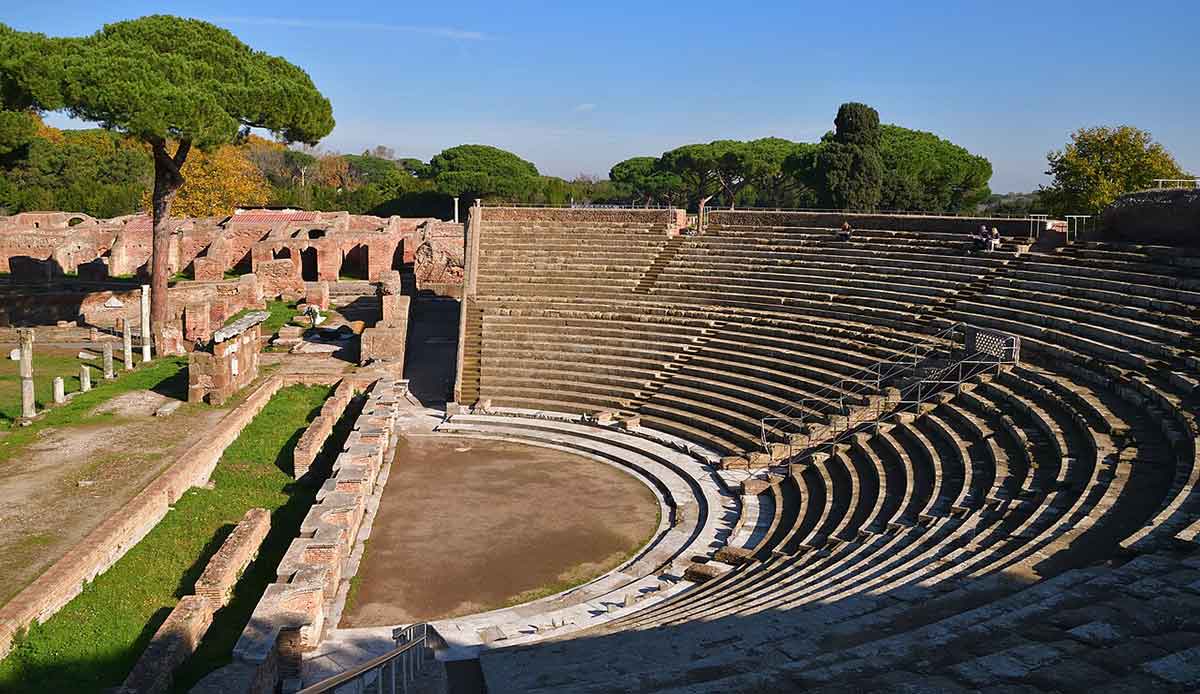
The Roman economy was perhaps one of the strongest and most successful aspects of the empire. Thanks to the widespread peace and stability that the empire achieved, a free trade zone was created. Because of this, prices became more stable, taxation became more balanced and fairer, and a variety of goods could be found all over the empire.
Without the sea as the core artery of the empire, all of this would have been impossible. The Romans very quickly removed any threats to stability, including the pirates who had once caused havoc in the Mediterranean.
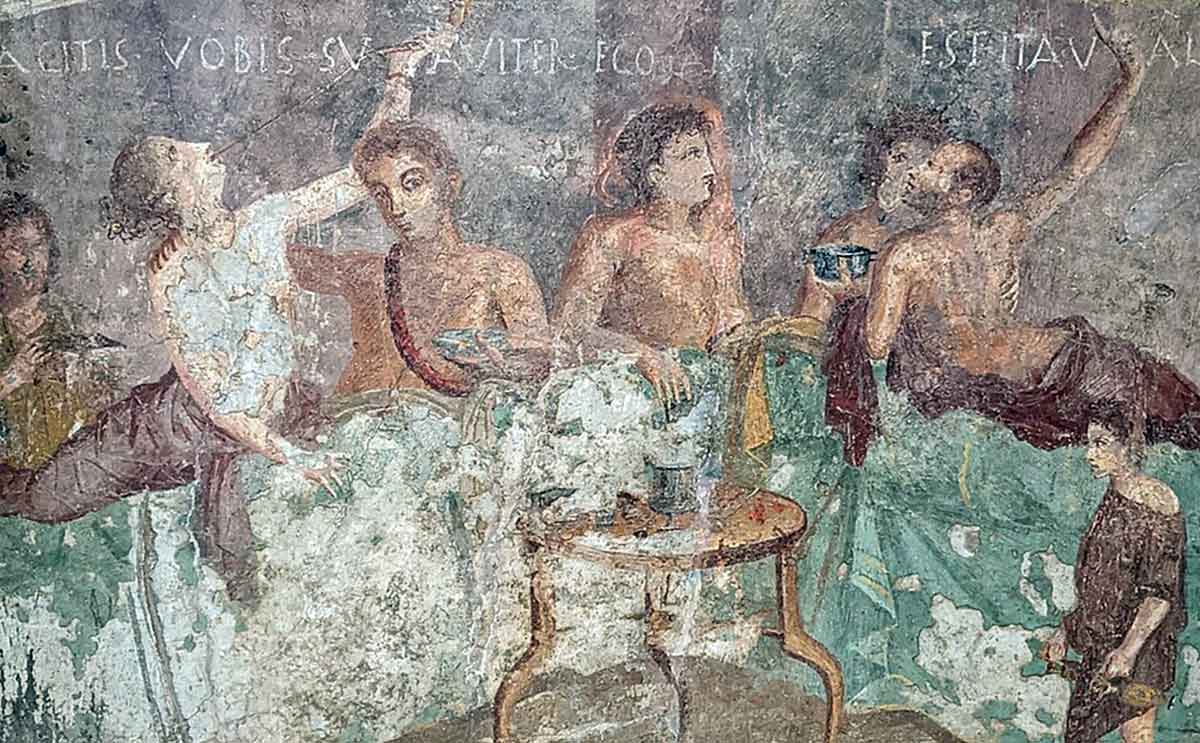
Many luxury goods spread across the empire, but more local commodities were also traded, which allowed products that would once have been reserved for local use to reach much larger markets across the empire.
This connection and expansion also created opportunities for many skilled laborers who could now share their knowledge and experiences in different parts of the empire, allowing them to gain personal wealth while also contributing to the economic growth and stability of the empire.
The Romans are still known today for their impressive and extensive road networks. These roads connected inland cities to the ports across the Mediterranean, including Carthage, Alexandria, and Ostia, which became major hubs and essential to the Roman economy.
Thanks to a shared currency, legal protections for traders, and the movement of merchants, soldiers, and officials around the empire, the Roman world thrived economically for several centuries. Food, raw materials, and luxury goods spread across the empire in a way that would have been impossible without the Roman expansion.
However, economic success did not often benefit all the people within the empire. Mostly, it favored the Roman elites. A specific case study can be used to demonstrate this. Grain was perhaps one of the most precious commodities of the Roman world.
Certain areas of the empire were highly successful in their production of grain, including Egypt and other parts of North Africa. Therefore, the Roman elite decided to strip the agricultural wealth of these areas to feed the Roman population elsewhere. By draining these key resources, local people suffered, but it allowed the Romans to maintain control over a much larger area. Additionally, provincial taxation tended to favor the elites, as did the slave economy that boomed thanks to the Roman expansion.
People were captured and transported away from their home countries, harming local communities and economies, all so the elites could use slave labor to run family farms, cities, and households. The economic system was not built only on collaboration; it also greatly relied on exploitation and extraction.
The Struggle for Cultural Identity
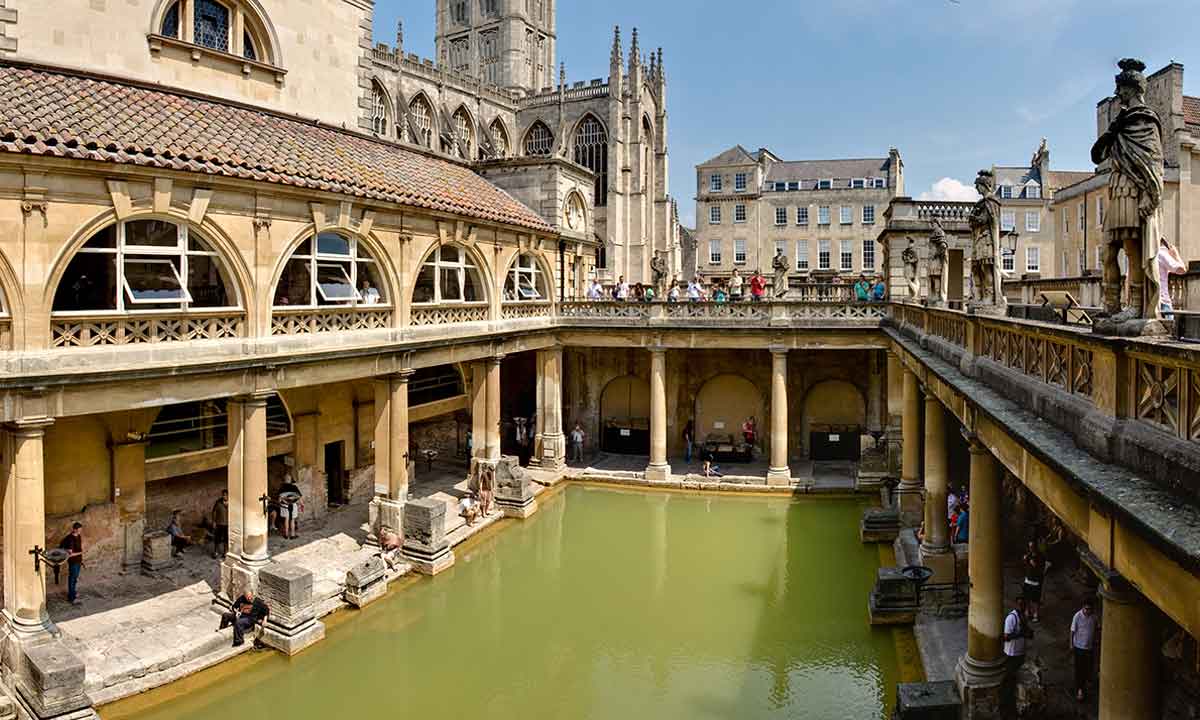
While politically and economically, the Romans did achieve a sense of unity across the empire, culturally, unity was a little harder to achieve. Roman-style buildings and structures did gradually spread across the cities of the empire, with temples, baths, and forums taking over the cities.
Often, provincial elites adopted the customs of the Romans, such as by practicing Roman religious rituals or by adopting a Roman-style education system, to gain more influence or power. Latin was the language of the empire, and many also wore Roman-style clothing, sponsored Roman-style building projects, and participated in an active civic life to present themselves as part of the Roman system.
However, cultural unity was not uniform across the empire; it was often highly selective and uneven. Local cultures did not just disappear because of Romanization. In the East, Greek remained the dominant language of education, literature, and philosophy; it was also used for daily communication in certain areas.
In the West, Latin was more influential, particularly in administration and public life. While publicly people were expected to conform to Roman traditions, in private there was more flexibility, which allowed local cultures to persist. This was especially seen in rural areas, which were further away from direct Roman influence.
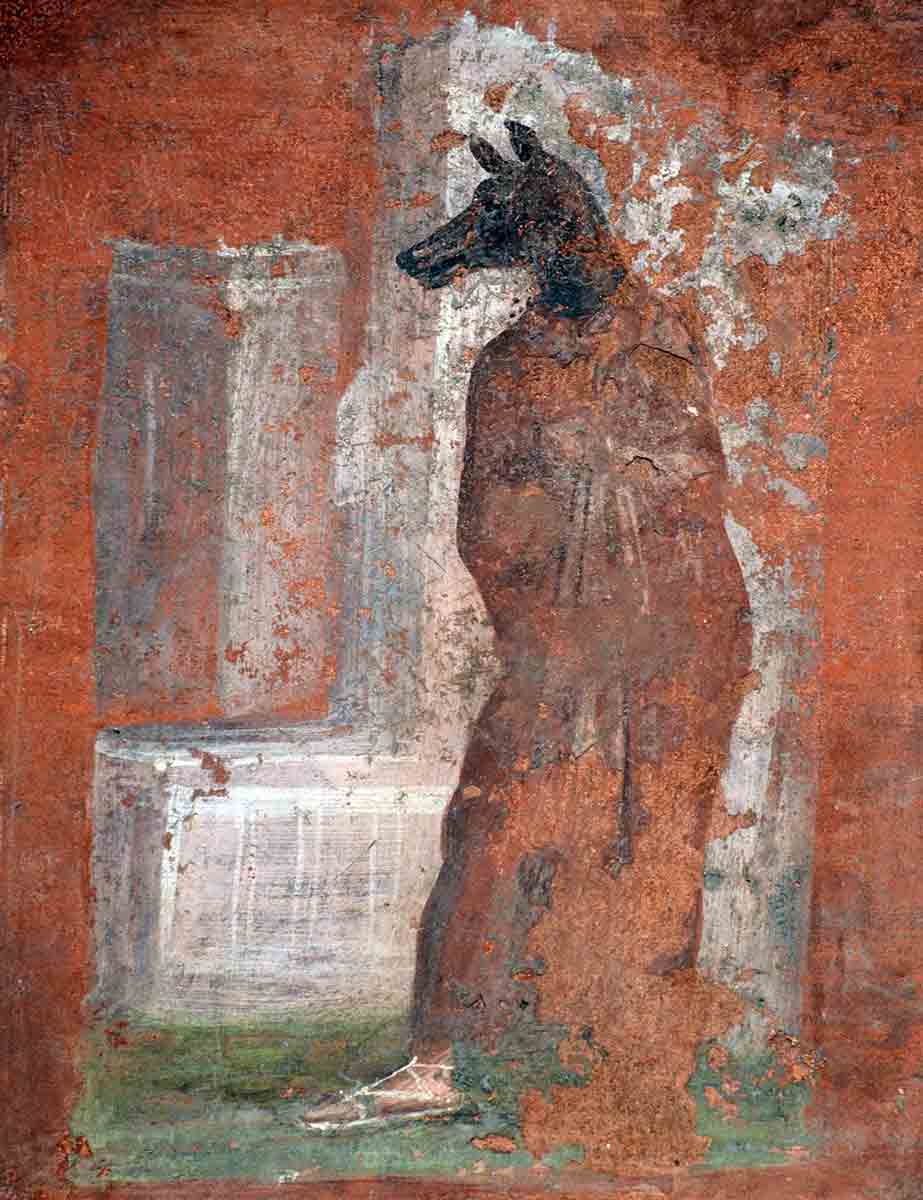
Being a part of the Roman Empire created a complex identity for many. A person could be a Roman by law but still feel a connection to their local customs, whether that be Greek or Egyptian, or any other part of the empire.
While Roman subjects were strongly encouraged to worship Roman gods and the imperial cult, local cults and deities were allowed to continue as long as they did not challenge the Roman Pantheon. Those who did were persecuted.
The Dark Reality of Roman Inequality
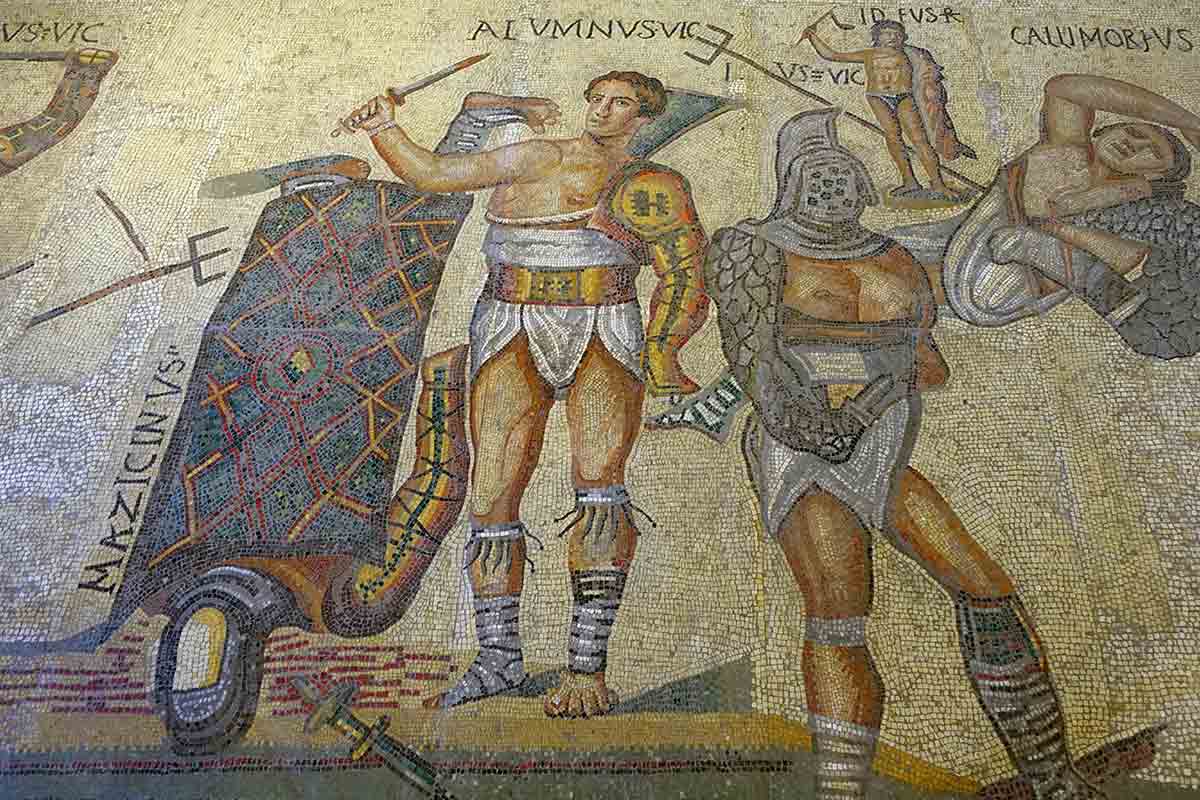
Roman society was far from equal, and this was most obviously seen in the complex slave system that made up an essential part of the Roman world. Enslaved people were often forced into harsh labor environments, varying from domestic service to gladiatorial combat and even sexual exploitation.
Regionally, there were also many inequalities. Wealth, opportunity, and power were not distributed evenly, which meant that Roman rule and social elevation were experienced differently in different parts of the empire.
The Collapse of Rome
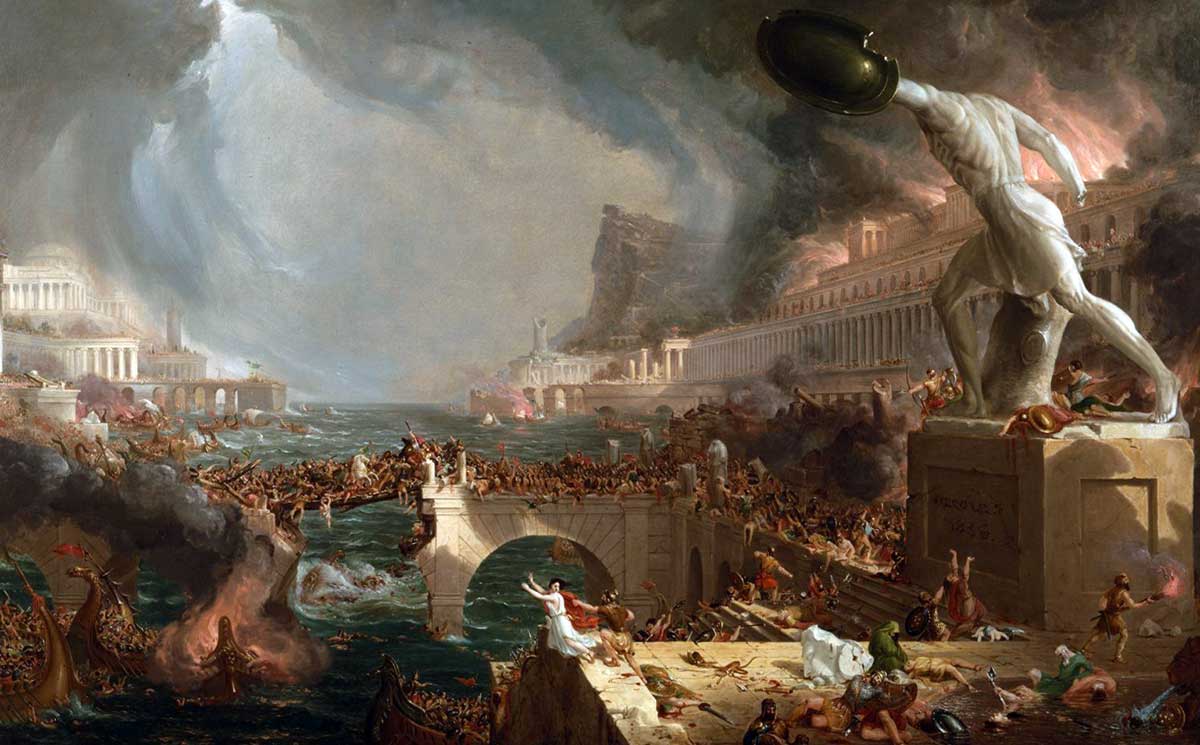
The success of an empire is perhaps most obviously seen when that empire begins to crumble. Cultural customs may persist long after the collapse of the central system; if the integration has been a failure, then customs that have been imposed quickly disappear.
Towards the end of the empire, the Eastern and Western empires separated and fragmented. In the west, the Romans lost military, financial, and political control in the provinces. These areas were then divided up under new rulers who created their own kingdoms. Without the Roman army, a secure taxation system, or a clear administrative hierarchy, local customs and ideas returned, and new systems moved in.
Rome’s long-distance trade network also began to decline; the idea of having an active urban life changed, and political authority became more localized. Without a single, clear political leader, power vacuums appeared.
Former Roman provinces began to diversify, with some remaining more culturally Roman than others; Spain, Gaul, Britain, and North Africa all followed different paths, shaped by their elites.
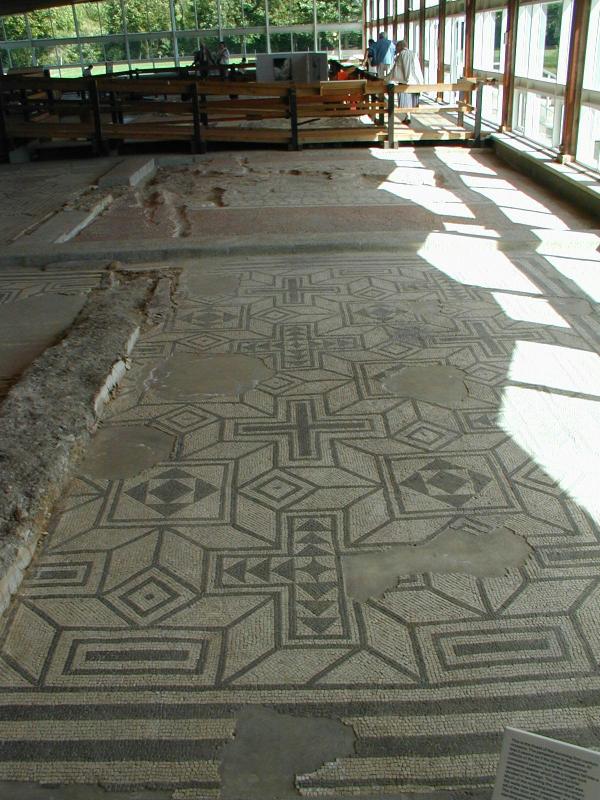
Roman Britain is an excellent case study to demonstrate this. For several centuries, Roman Britain had grown and thrived under Roman rule, with towns, roads, villas, forts, and administrative systems dominating. However, thanks to several crises in the 4th and 5th centuries, Roman troops were removed from Britain in AD 410, and local urban and economic structures were greatly weakened.
During this period, coin use declined, urban centers lost much of their importance, large-scale building projects declined, and local leaders stepped in to fill the political gap. This would suggest that Romanization in Britain had not been fully successful in creating a unified system. Roman habits and customs had been very strong among the elites but did not penetrate all social classes or aspects of society.
Sources
- 4 Trade in the Roman Empire from Materialising the Roman Empire on JSTOR. https://www.jstor.org/content/oa_chapter_edited/jj.6914759.12?searchText=roman%20trading&searchUri=%2Faction%2FdoBasicSearch%3FQuery%3Droman%2Btrading%26so%3Drel&ab_segments=0%2Fbasic_search_gsv2%2Fcontrol&refreqid=fastly-default%3A86eb94203420bae225ec0c95f7a17a00.
- Frank, Tenney. ‘Commercialism and Roman Territorial Expansion’. The Classical Journal, vol. 5, no. 3, 1910, pp. 99–110.
- Freeman, Philip. ‘On the Annexation of Provinces to the Roman Empire’. Classics Ireland, vol. 5, 1998, pp. 30–47. JSTOR, https://doi.org/10.2307/25528322.
- Fulford, Michael. ‘Territorial Expansion and the Roman Empire’. World Archaeology, vol. 23, no. 3, 1992, pp. 294–305.
- ‘How Rome Became the Sole Superpower in the Mediterranean’. History Hit, https://www.historyhit.com/how-rome-became-the-sole-superpower-in-the-mediterranean/.
- Komar, Paulina. ‘Economic Change in the Mediterranean between the Principate and Late Antiquity’. European Journal of Archaeology, vol. 29, no. 1, Feb. 2026, pp. 68–85. Cambridge University Press, https://doi.org/10.1017/eaa.2025.10022.
- Martin, Jochen. ‘The Roman Empire: Domination and Integration’. Journal of Institutional and Theoretical Economics (JITE) / Zeitschrift für die gesamte Staatswissenschaft, vol. 151, no. 4, 1995, pp. 714–24.
- Millar, Fergus. ‘The Emperor, the Senate and the Provinces’. The Journal of Roman Studies, vol. 56, 1966, pp. 156–66. JSTOR, https://doi.org/10.2307/300142.
- Mitchell, Stephen. ‘Imperial Building in the Eastern Roman Provinces’. Harvard Studies in Classical Philology, vol. 91, 1987, pp. 333–65. JSTOR, https://doi.org/10.2307/311413.
- Multi-Ethnic Roman Empire: Immigration, Influences, Romanization | Early European History And Religion — Facts and Details. https://europe.factsanddetails.com/article/entry-1086.html.