
While human inventiveness has conceived of ideas that have transformed our lives for the bettof, the human mind is also capable of imagining extreme brutality. Human inventions have included horrendous methods of torture and some truly brutal ways to die. Rulers have often used capital punishment as a form of public theater, designed to project terrifying authority. But these brutal methods that weaponized physics, biology, and psychological horror have continued to be used until surprisingly recently. Learn, if you dare, ten brutal ways people were executed throughout history.
1. Crucifixion Was a Slow and Torturous Form of Hanging
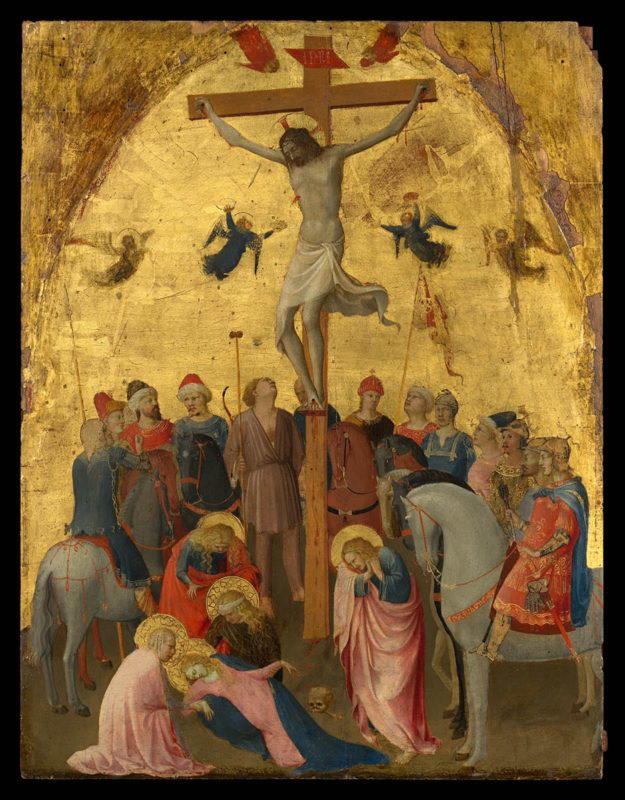
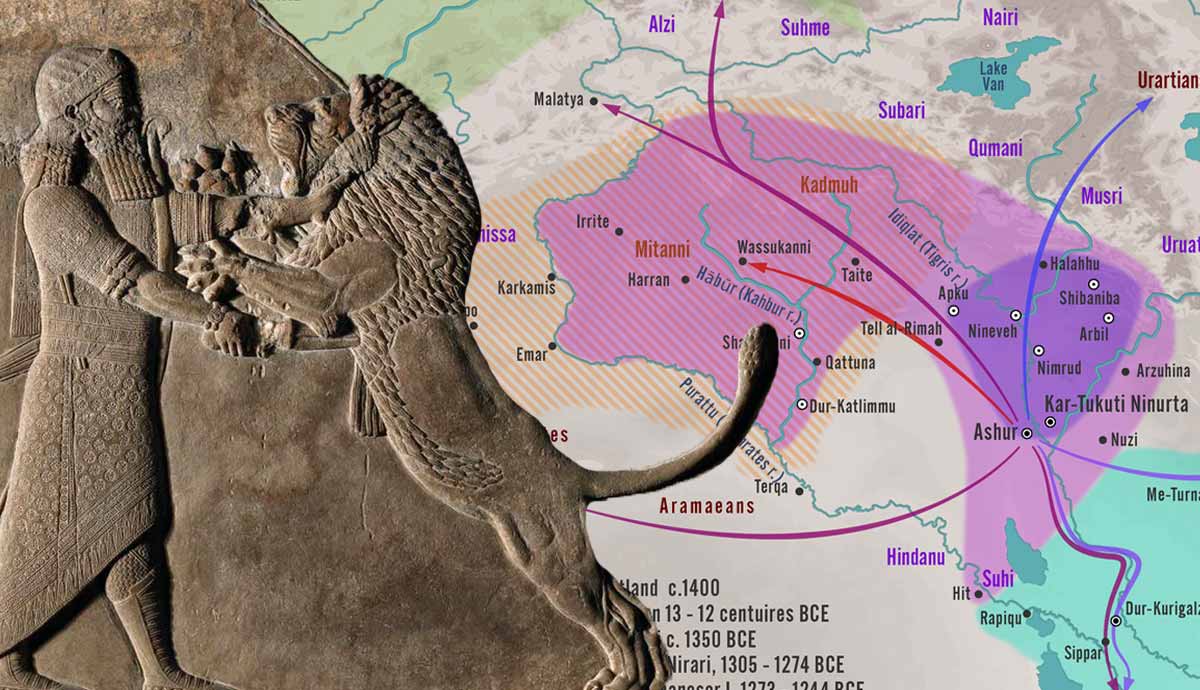
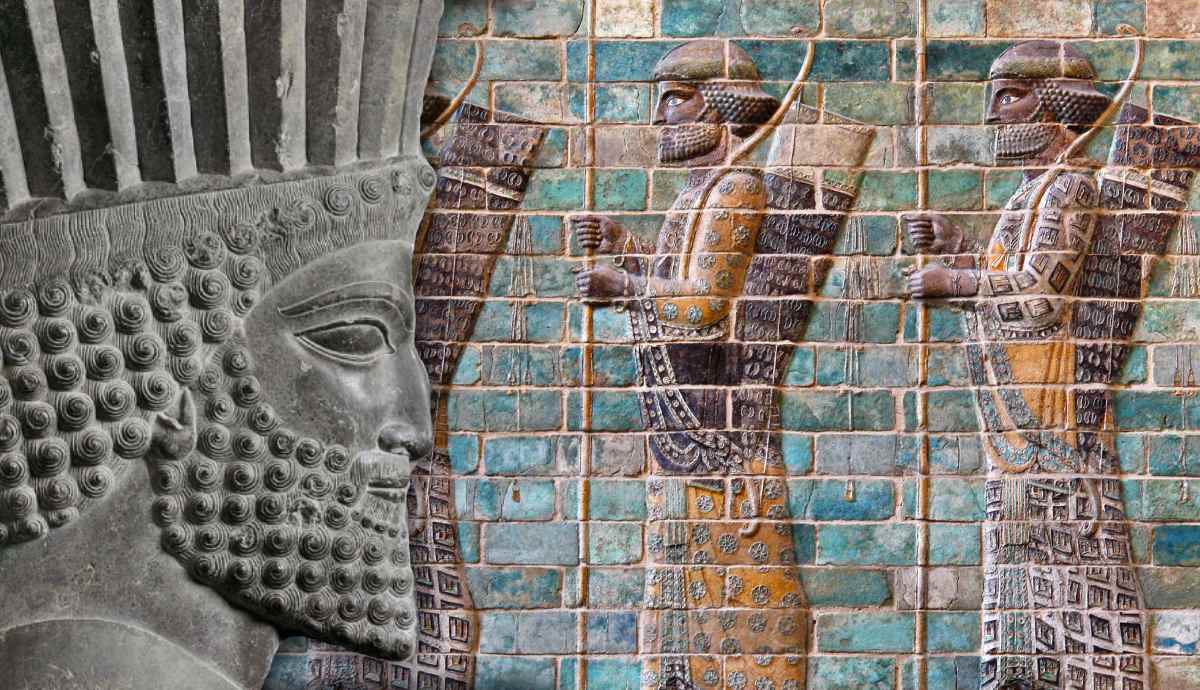
At the start of this terrible list, crucifixion was practiced both in the ancient world and as recently as the 20th century. It was first introduced by the Assyrians and Babylonians, and was copied by the Persians, Alexander the Great, and the Phoenicians, from whom the Romans learned the practice around the 3rd century BC.
Crucifixion involved being tied or nailed to a wooden beam or cross. Nails were pierced through the bones below the wrists to bear the weight of the person. It was a “brilliant” placement because no major blood vessels were hit, only the median nerve, which would cause the fingers to seize and the hands to flex down in an excruciating contracture.
The feet were nailed to the vertical part of the cross, and once the legs weakened, the arms had to hold up the body, resulting in the shoulders being pulled from their sockets. The elbows and wrists would soon follow, with the arms now several inches longer. At this point, the chest had to bear the body’s weight, triggering respiratory problems and eventual suffocation.
2. Being Eaten Alive by Rats as Torture
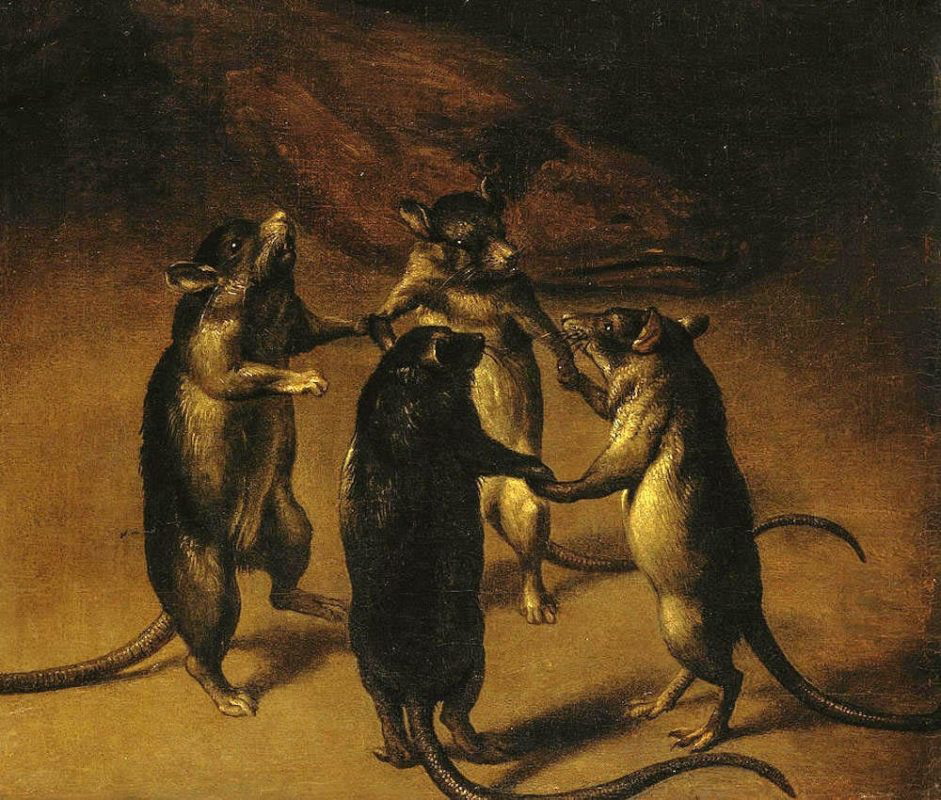
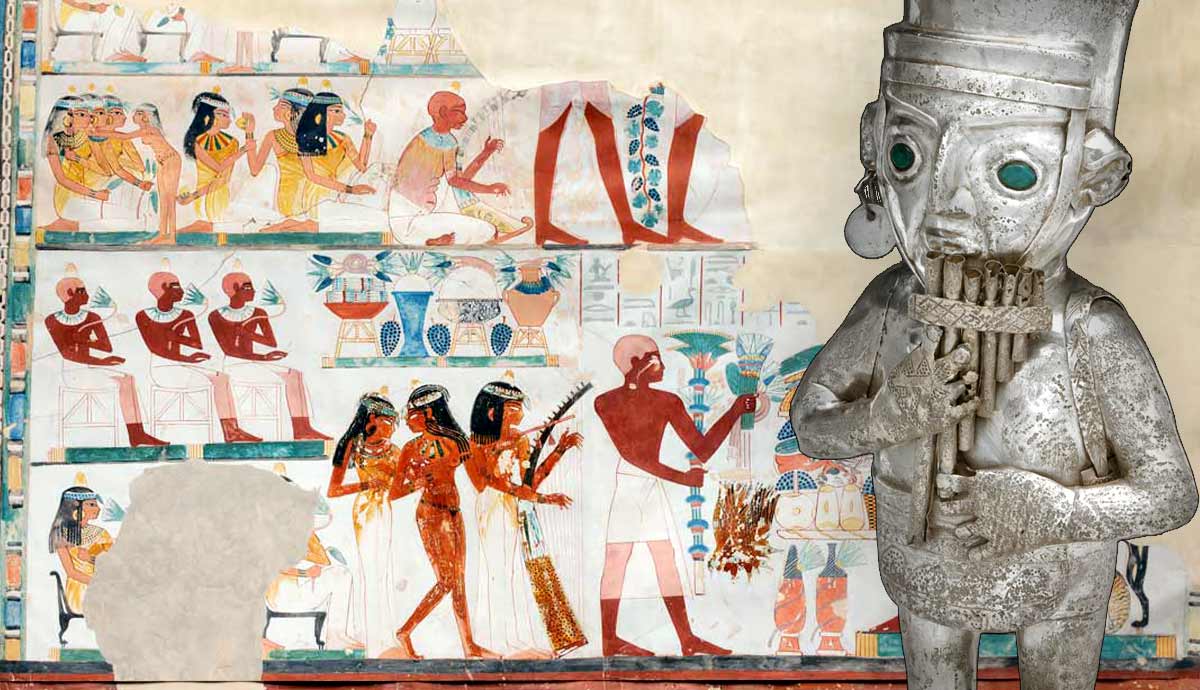
As happy as the above dancing rats are, rat torture is right up there when it comes to one of the worst ways to go. The thing about rats is that, eventually, they eat through anything, making them horrifying executioners. This form of torture inspired a horrific scene in the film adaptation of George Orwell‘s 1984.
Typically, a rat was placed inside a small cage positioned against the victim’s abdomen. The cage was heated from the outside, either by a candle, flaming stick, or hot coals, causing the rat to become agitated. So, how could it escape? By clawing its way into the only available soft surface: human skin.
Quite quickly, the rat would gnaw its way into the victim’s bowels, eliciting unbearable agony in the process. This technique effectively got information out of prisoners and played on their psyches, adding a psychological element to the torture.
3. Stretching the Body on the Rack
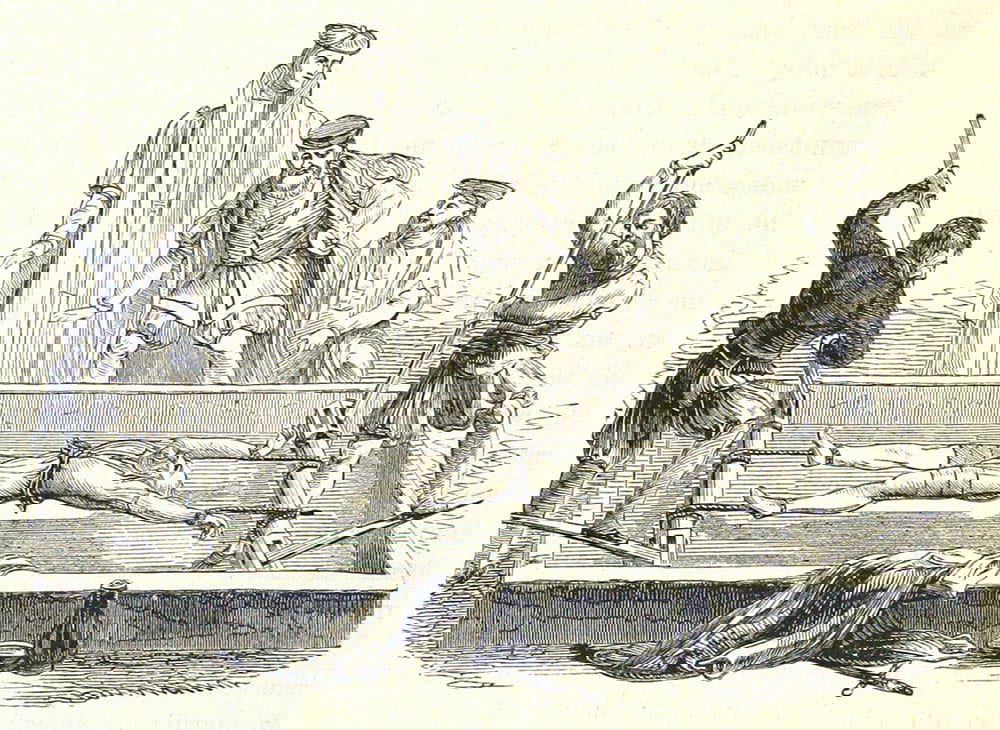
Another brutally famous torture device in the ancient world was the rack. It involved a table, usually wooden, with axles and levers at both ends. The victim was forced to lay down, after which leather straps/belts bound their wrists and heels. The straps had chains or ropes tied to them, which wound over the axles. One or several torturers would then slowly push the levers, causing the axle(s) to rotate and produce tension in the chain(s). This caused the straps to dig into the prisoner’s skin and gradually stretched their body outwards.
The internal physical turmoil that one would have suffered is hard to swallow. Vertebrae expanded, joints, muscles, and tendons gave way, posture changed, the ribcage pressurized the lungs, bones shattered, and nerve endings became exposed. The pain would be near unimaginable. As a bonus for the “especially tough,” they were placed on spiked axles that stripped their back of their flesh.
4. Dragged Underwater by Keelhauling
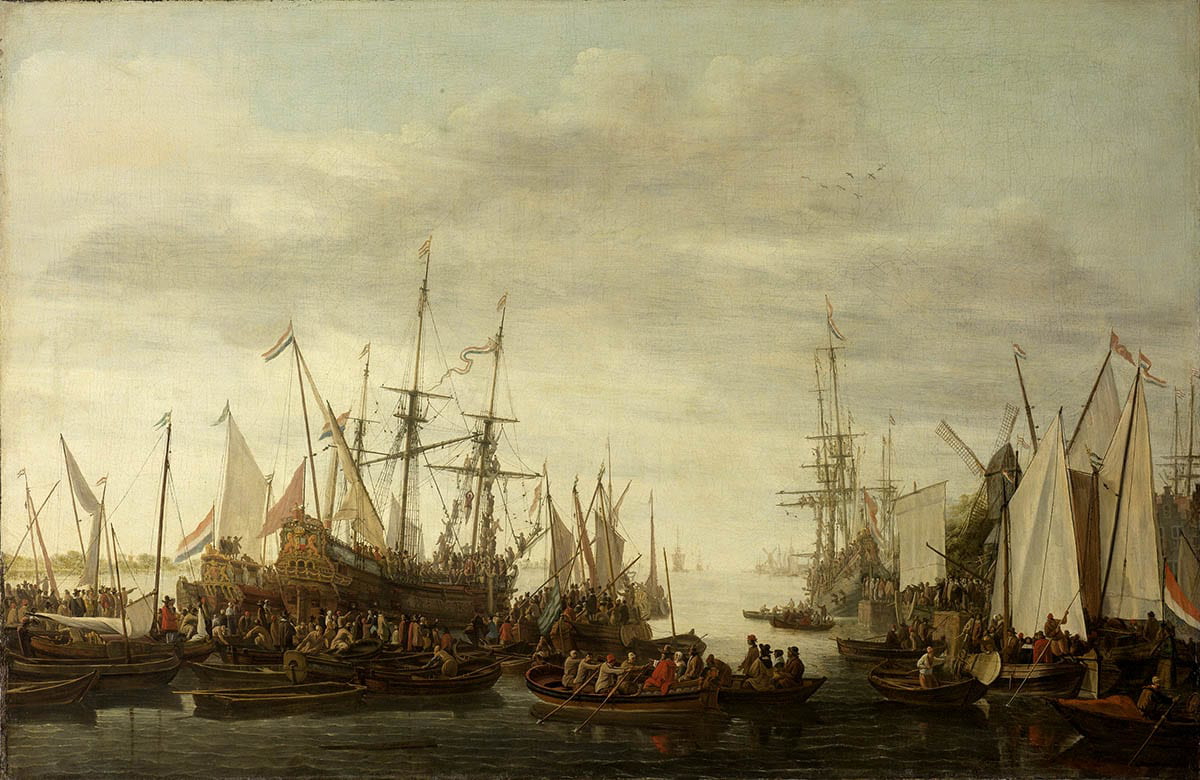
Keelhauling is a term that comes from the Dutch word kielhalen, meaning “to drag along the keel.” This is precisely what this torture method did. The sailor was stripped, tied, and suspended by a rope from the ship’s mast, with weights or chains attached to their legs. The rope was looped beneath the ship, and once the sailor was released, they were dragged under the keel.
The fatality rate was practically 100 percent. If the person did not drown, they suffered severe head trauma from repeatedly smacking against the keel, as well as deep lacerations from the barnacles and other aquatic growth present on the hull. If they survived and were hauled back on board, death would most likely still result from wound infections.
5. A Severe Bashing by the Wheel
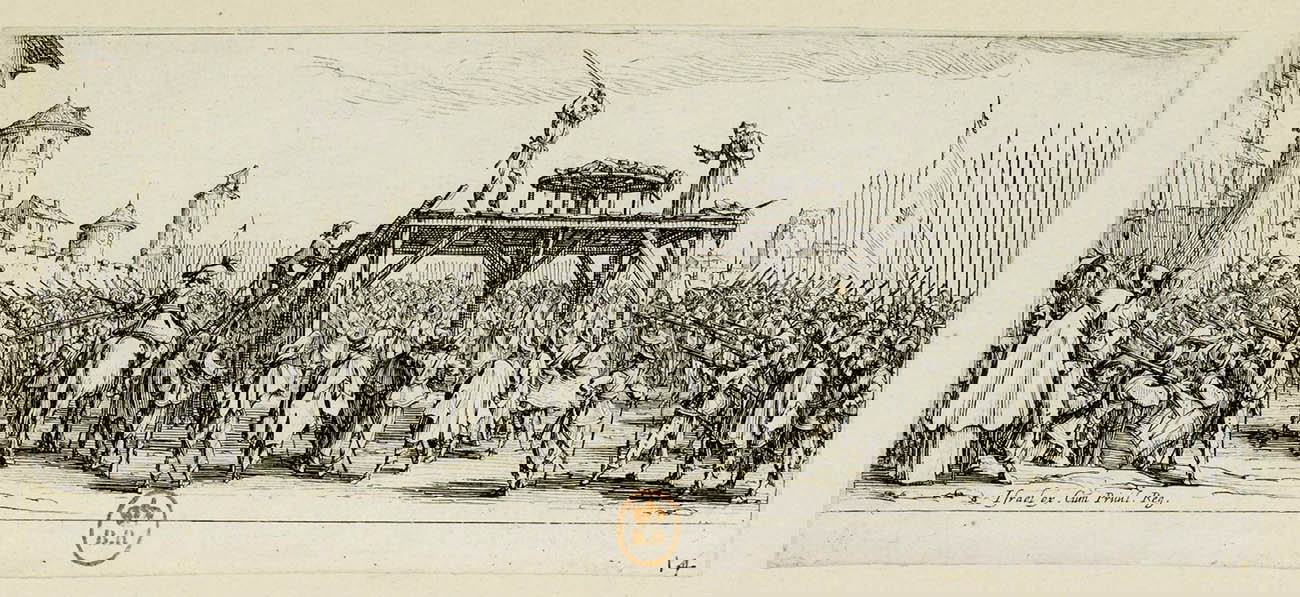
Next up is a means of torture beyond excruciating: the wheel, also known as the execution wheel, breaking wheel, or Catherine wheel. This commonly used ruthless contraption was reserved for public executions. There are variations on the practice, but generally, the prisoner was tied to a large, wooden, spoked wheel.
The goal was not to kill them but to severely mutilate them, with the executioner starting with breaking the leg bones and then working their way up. They would do this via an iron bar, beating the victim to near-death, crushing all their bones, and bludgeoning them. Once finished, the now-ghastly maimed prisoner would be repositioned on the wheel so that their heels came together at the back of their neck. They were left that way to bleed to death.
6. Impaled Straight Through
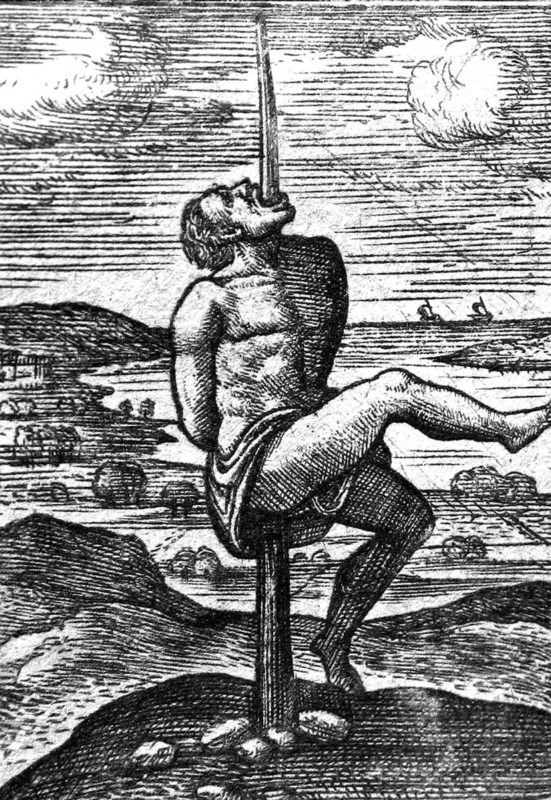
Many civilizations and cultures practiced impalement as a form of torture. It involved impaling the victim with a long, sharp, and often greased stake as capital punishment, to subdue revolts, to reprimand defectors, or to wipe out military insubordination in war. This method was done in two ways: longitudinal or transversal.
For longitudinal, the person was positioned above the spike, which was inserted partway up their rear privates. As gravity took hold, the spike would run them through, avoiding major organs and exiting through the skin of their shoulder or neck. A person could survive this for several days. For transversal, the stake was instead pierced through the torso, either from front to back or vice versa.
Another version of impalement included gaunching, where the victim was thrown onto metal spikes, hooks, or rods and either left on them to die or be tortured further by the executioner.
7. Giving the Victim “Wings” with the Blood Eagle
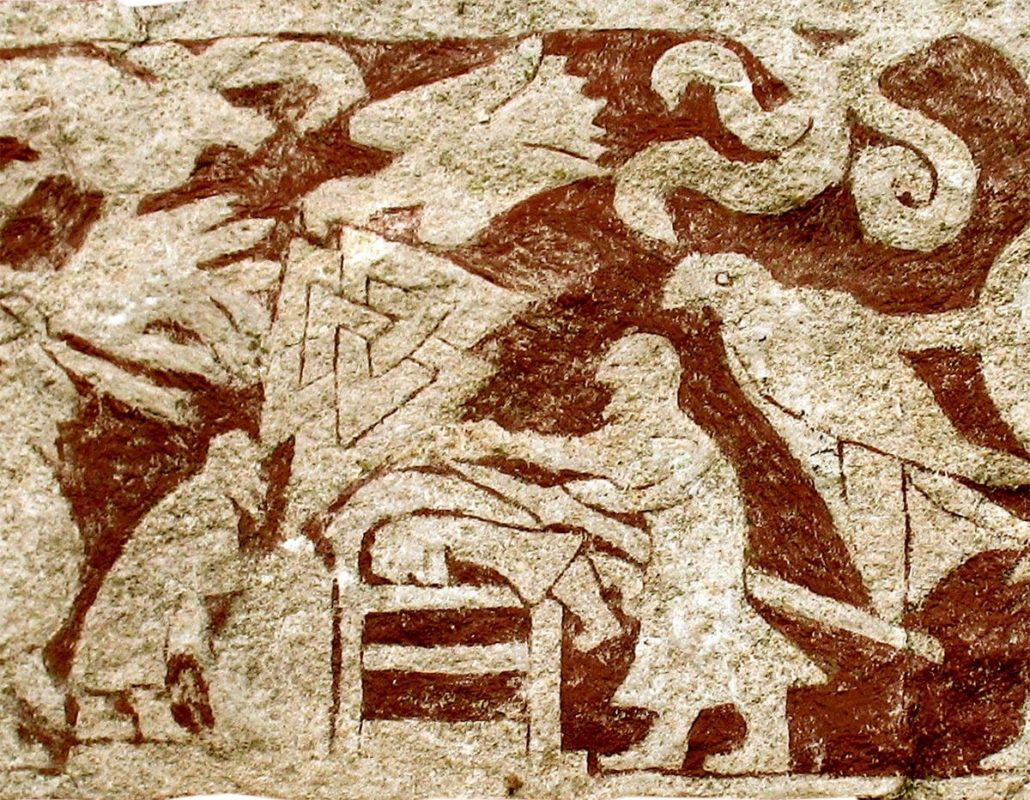
While it is highly debated whether the blood eagle was real or just a literary invention, either way, a rather disturbed mind concocted it. The blood eagle ritual was first mentioned in late skaldic poetry. The victim would lie in a prone position and be kept alive as their back was sliced open, their ribs were detached from their spine, and their lungs pulled through the opening to form a pair of bloody “wings.”
It is hard to imagine one staying conscious long enough for this to be completed. Nevertheless, if the Viking sagas are to be trusted, this technique has truly earned its spot as one of the most brutal, painful, and downright terrifying ways to die.
8. Scorched From the Inside with Molten Gold
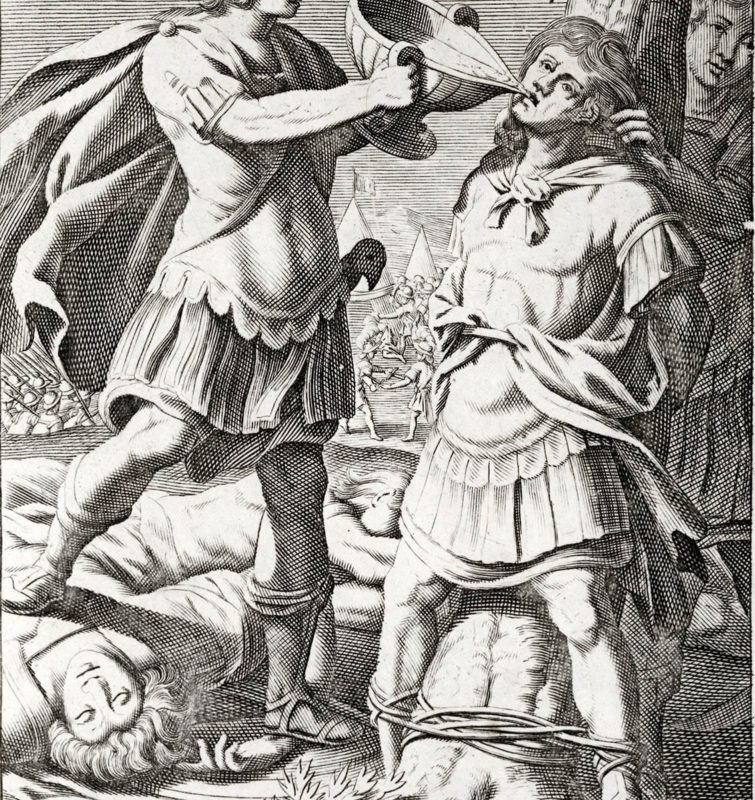
Drinking molten gold as a form of execution was potentially practiced more often than documented. There is evidence for it on both sides of the Atlantic, by Rome and against the Spanish in the New World. The technique is self-explanatory: the victim would be restrained, and their mouth forced open as heated gold was poured down their throat. The result would be severe damage to distal organs and the blistering of the lungs, leading to immediate death.
The Roman general and politician Marcus Licinius Crassus suffered this fate when the Parthians captured him. It is alleged they did this to symbolize Crassus’ thirst for wealth. Another Roman general and politician named Manius Aquillius was defeated and later executed via molten gold by Mithridates VI of Pontus.
9. Flayed and Skinned Alive
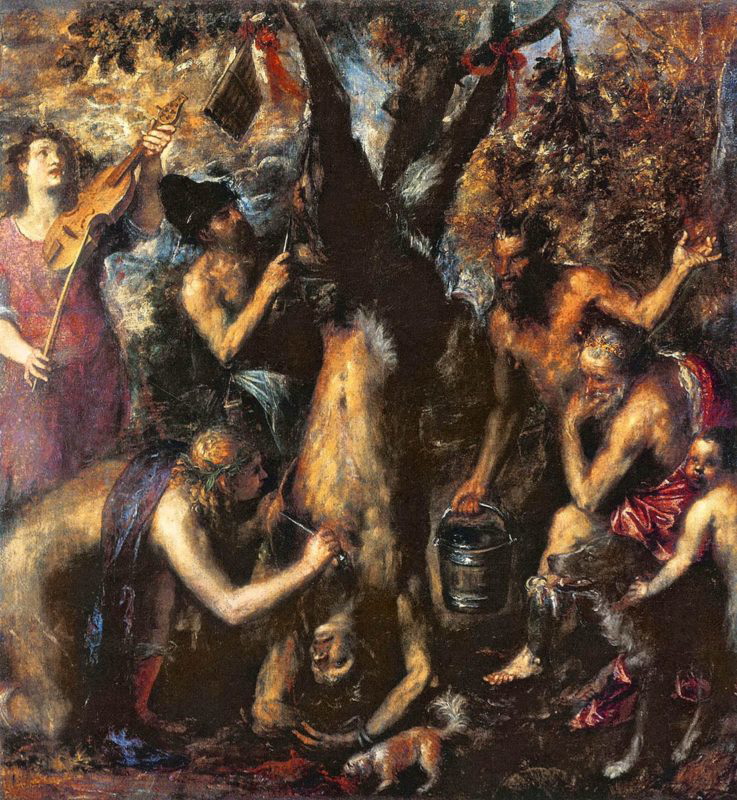
Flaying, or skinning, was perhaps the most painful execution method because of its slow process. The victim was first stripped, and their hands and feet bound to stop any movement. After this, the executioner would begin peeling away the individual’s skin with a sharp blade. They often started with the head, as this area would inflict the most suffering due to the victim still being conscious.
In some instances, parts of the person’s body were even boiled to make the skin softer and easier to remove. There were a few ways one could die from flaying: shock, blood or fluid loss, hypothermia, or infection. The time of death could also be anywhere from a few hours to a few days. Although it was considered rare in Medieval times, a flayed body was a message: an eloquent canvas on which the punitive of the secular authority may be written.
10. The Roman Candle
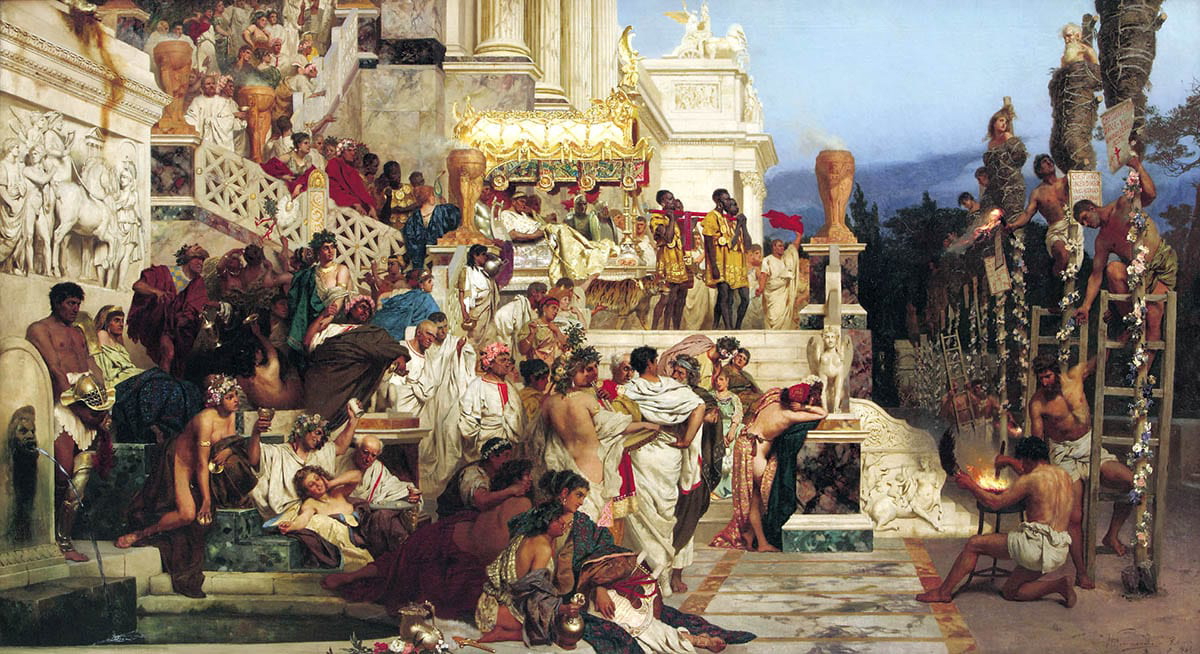
Perhaps the most brutal form of torture ever invented was the Roman candle. Whether it is the execution style itself or the executioner who ordered it, this is bone-chilling on several fronts. History is filled with ruthless and psychopathic figures, and the Roman ruler, Nero, is one of them. He hated Christians so much that he reportedly used them as human candles, or torches, for his garden parties.
First, the victims were tied and nailed to tall stakes. Then, flammable liquid was poured over them before they were set alight. The fire started at the feet to prolong their suffering. Whether the Christians had rebelled against the state or not, this was a monstrous way to go. It reflects how barbaric punishments were in antiquity and how they were often born of “man’s” vicious ego and thirst to dominate.